Simple Ways Texas Gardeners Can Brighten Winter Gardens
Texas winters rarely come with a pretty blanket of snow. Instead, lawns turn tan, trees stand bare, and many gardens settle into a dull mix of brown and gray that can last for months. It doesn’t have to stay that way.
Mild Texas weather actually makes winter one of the easiest times to add color. Cool-season flowers that wilt in our heat thrive when temperatures drop.
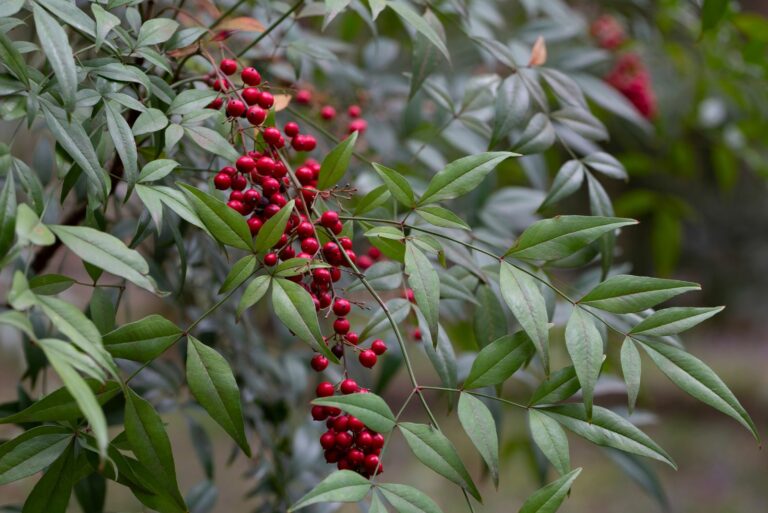
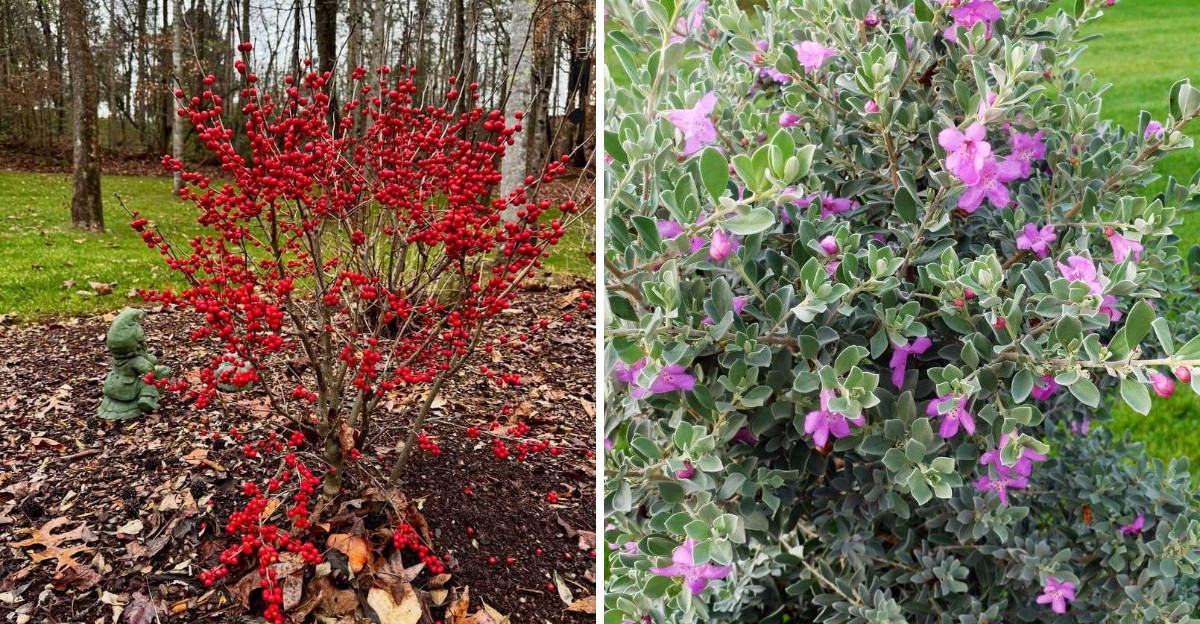
Shrubs loaded with red berries light up the yard and feed hungry birds. Evergreens with bold textures or colorful leaves fill in empty spaces.
Even simple touches, like bright containers, string lights, or a well-placed bird feeder, can bring a little life back to the landscape.
A few small changes can make your yard feel welcoming, cheerful, and full of color, even on the grayest days of the year.
1. Plant Cool-Season Flowers
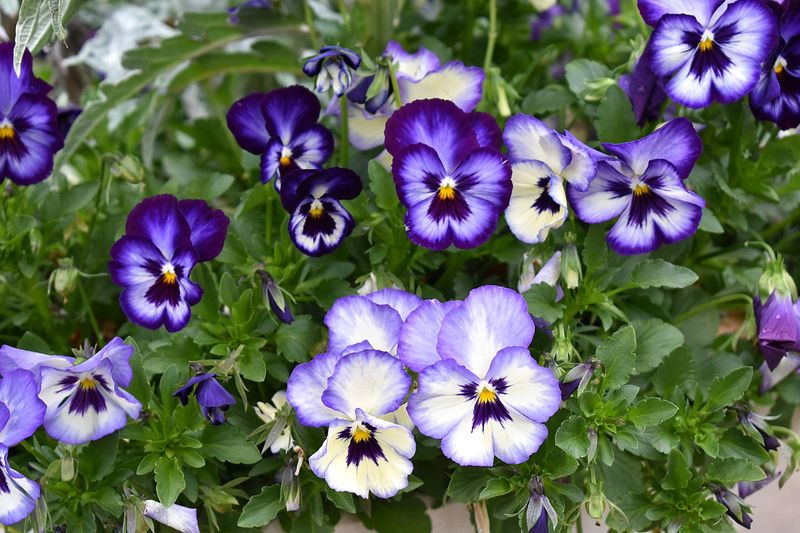
Ask any longtime Texas gardener about winter color, and you will likely hear one word first. Pansies! These cheerful little flowers seem to smile at you with their colorful faces, and they truly love chilly weather.
Pansies are not alone, though. Violas, snapdragons, and dianthus also thrive when the temperatures drop. Violas look like tiny pansies and often bloom even more.
Snapdragons grow tall spikes of flowers in pink, red, yellow, and white. Dianthus has frilly petals and a sweet, spicy smell that many people adore.
Timing is the secret to success. In most of Texas, the best time to plant is from October to early December.
The soil is still warm, so roots grow fast before the coldest days arrive. If you plant too early, hot weather can stress the young plants.
Pick a sunny spot that gets at least six hours of light each day. Mix some compost into the soil before planting.
Water well after you plant, and then water when the top inch of soil feels dry. Too much water can cause root problems, so check before you pour.
Containers are a great choice too. A few pots of pansies by the front door can make your home feel warm and welcoming. You can move them to a safe spot if a hard freeze is on the way.
Want more blooms? Pinch off old, faded flowers every week or so. Gardeners call it deadheading, and it tells the plant to keep making new flowers.
A light feeding with flower fertilizer once a month helps as well. With a little care, many of these flowers will keep blooming until spring arrives.
2. Add Ornamental Kale And Cabbage
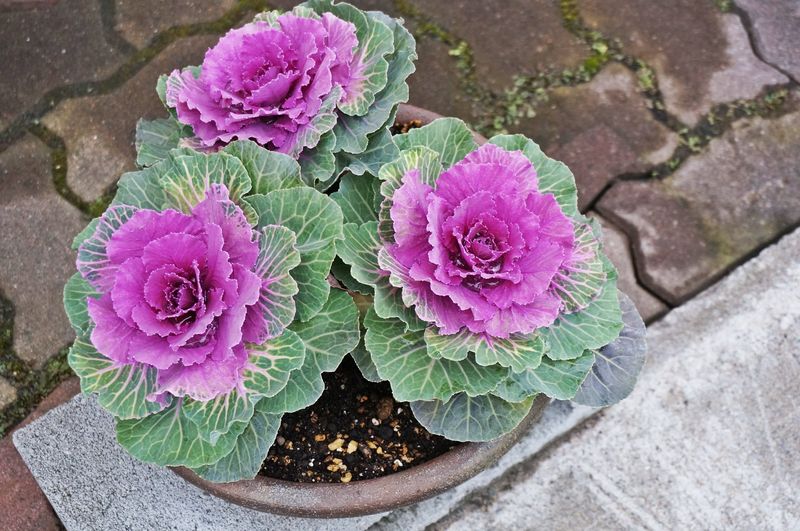
Who knew vegetables could look so fancy? Ornamental kale and cabbage are close cousins of the plants you find at the grocery store. Instead of being grown for dinner, they are grown to show off.
Their leaves form big, round rosettes that look a bit like giant flowers. The centers come in bright shades of purple, hot pink, and creamy white. The outer leaves are usually green or blue-green, which makes the colorful center pop even more.
Your Texas Garden Changes Every Week. Your Plan Should Too.
Gardening in Texas changes quickly throughout the season. Every Friday you’ll receive a simple weekly plan showing exactly what to plant, prune, fertilize, harvest, and protect so you never miss the right timing.
Here comes the fun part. Cold weather actually makes them brighter! When nighttime temperatures stay below about 55 degrees, the centers start to change color.
The colder it gets, the bolder they look. While other plants are shivering, these tough guys are just getting started.
They handle frost very well. Many types can take temperatures down into the low 20s without much trouble. That makes them a smart pick for North Texas and the Panhandle, where winters can get pretty chilly.
Plant them in fall, around October or November, in a sunny spot. Space them about a foot apart so each rosette has room to spread.
They look great in rows along a walkway or tucked into pots with pansies. Some gardeners even use them as the centerpiece of a big container.
Keep the soil evenly moist, but not soggy. Watch out for cabbage worms, which are small green caterpillars that chew holes in leaves. Picking them off by hand works fine.
Fun fact: the frilly types are often called kale, and the smoother, rounder ones are called cabbage. Either way, they bring months of bold color to your yard.
3. Grow Shrubs With Winter Berries
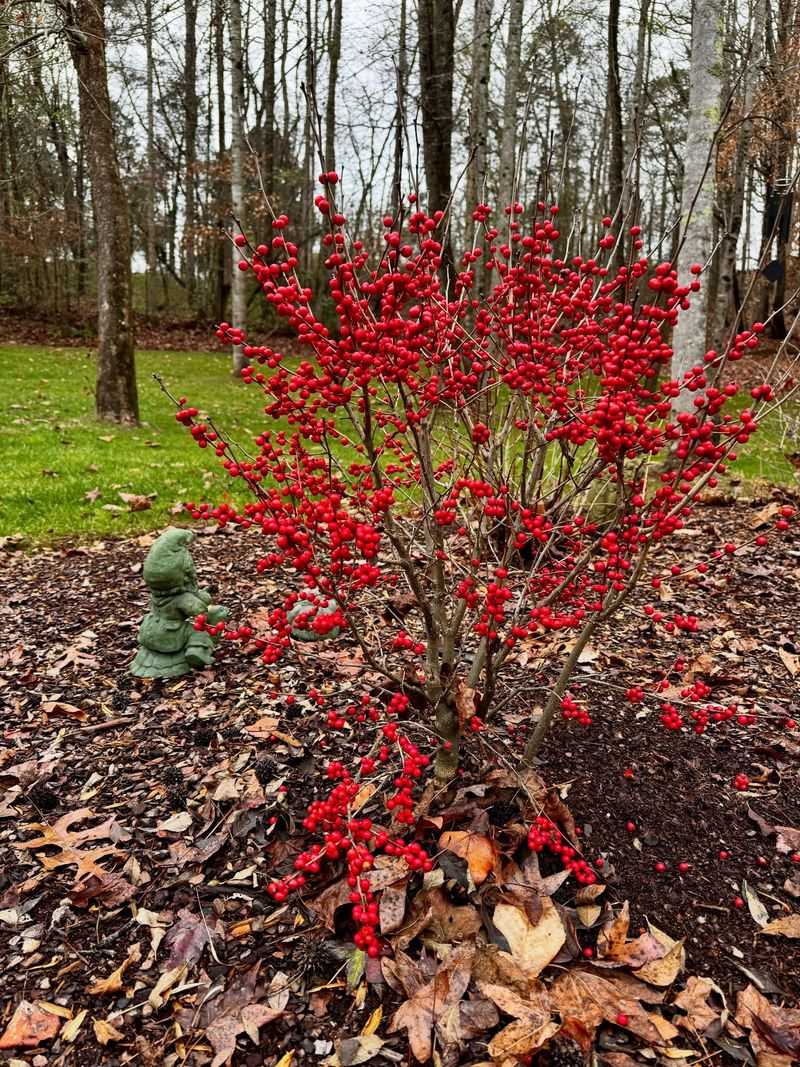
My neighbor once stopped me on a cold January morning and pointed at a bare shrub covered in red dots. “Is that thing decorated for Christmas?” she asked. It was not decorated at all. It was a possumhaw, simply doing what it does best.
Possumhaw is a native Texas holly that drops its leaves in fall. Once the leaves are gone, clusters of bright red or orange berries are left hanging on gray branches. The effect is stunning, almost like nature hung tiny ornaments everywhere.
Yaupon holly is another native star. Unlike possumhaw, it keeps its small, glossy green leaves all year. The red berries shine against that green backdrop, giving your yard a festive look for months.
Both shrubs are tough. They handle heat, drought, and different kinds of soil. Once they are settled in, they need very little water. That makes them a great fit for busy gardeners or anyone who wants to save on the water bill.
One tip matters a lot. Only female plants make berries. When you shop, ask the nursery for a female plant. It also helps to have a male plant somewhere nearby, though wild hollies in your area may do the job.
Birds love these berries too. Robins, mockingbirds, and cedar waxwings will stop by for a snack, especially late in winter when food gets hard to find. So your shrub becomes both a decoration and a bird cafe.
Plant these shrubs in fall or early winter. Give them sun or light shade, and water them often during their first year. After that, they mostly take care of themselves.
4. Leave Ornamental Grasses Standing
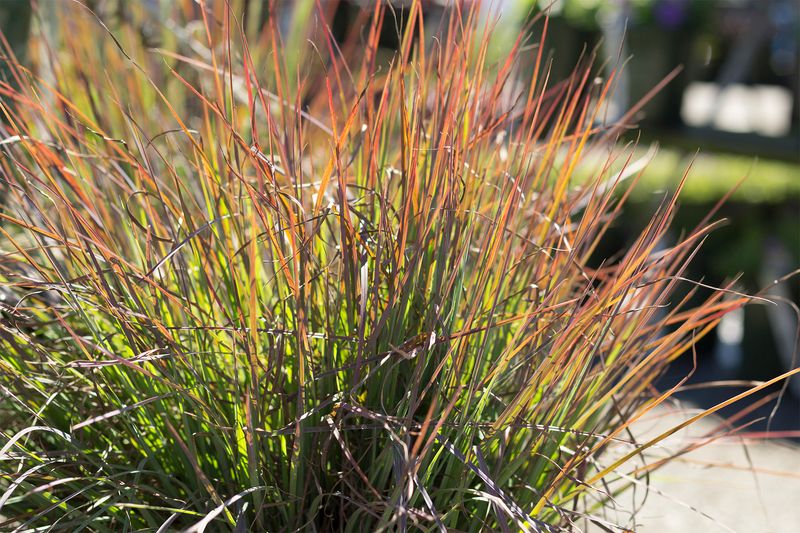
Sometimes the best thing a gardener can do is nothing at all. When fall cleanup time comes around, it is tempting to cut everything down to the ground. Hold off on your grasses, though, because they still have a lot to give.
Gulf muhly, Lindheimer’s muhly, and little bluestem are popular native grasses in Texas. Each one keeps its shape well into winter.
Gulf muhly fades from bright pink to a soft tan. Lindheimer’s muhly holds its silvery blue color and fluffy plumes. Little bluestem turns a lovely copper or rusty orange that almost glows.
Low winter sunlight makes these colors shine. In the early morning or late afternoon, the light catches the leaves and seed heads. The whole clump can look like it is lit from inside.
Movement is another bonus. Grasses sway and rustle with every breeze. That motion adds life to a garden when most plants are standing still. It is calming to watch, a bit like waves on a beach.
Leaving grasses up also helps wildlife. Small birds eat the seeds, and helpful insects hide in the clumps to stay warm. The old leaves even protect the crown of the plant from hard freezes.
So when should you cut them back? Wait until late winter, around mid-February to early March. New green shoots will start to appear at the base soon after. Use sharp shears and trim the clump down to about four to six inches tall.
Tie the grass together with a rope first. That way, you can cut it all at once and carry the bundle away with ease.
5. Choose Evergreens With Colorful Foliage
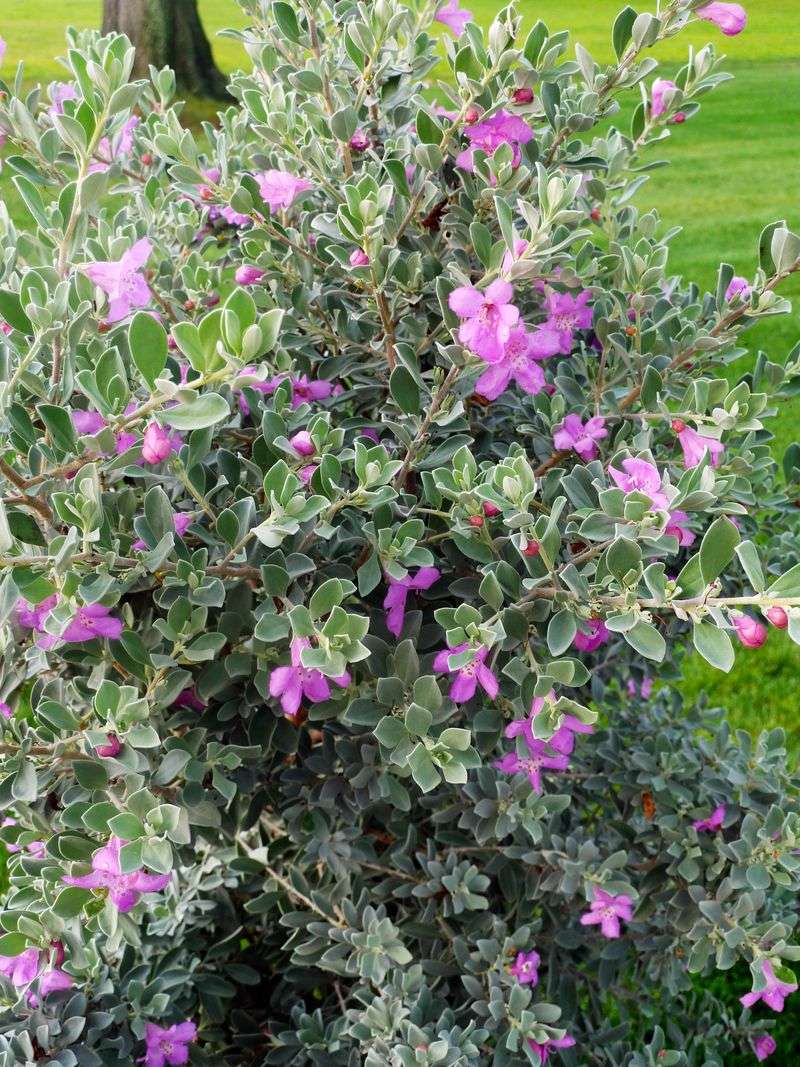
Green is nice, but who says evergreens have to be plain? Some of the best winter shrubs in Texas bring silver, blue, and even deep red to the yard. They keep their leaves all year, so your garden never looks empty.
Texas sage is a great place to start. Its soft, silvery leaves look almost frosty, even on warm days.
In summer, it bursts into purple flowers after a rain. In winter, those silver leaves brighten up dull corners and look striking next to darker plants.
Agarita is a tough native shrub with spiky, blue-gray leaves. It looks a little like holly with a cool, dusty color.
In late winter, it often makes tiny yellow flowers that smell sweet. Later, it grows red berries that birds and even people enjoy. Some Texans make jelly from them!
Then there is ‘Bordeaux’ dwarf yaupon. It stays small and round, which makes it perfect for borders and front beds.
When cold weather arrives, its new leaves turn a rich burgundy color. It looks like a little shrub dressed up in a wine-colored sweater.
These plants do more than add color. They give your garden structure, sometimes called the bones of a landscape. When flowers fade and other plants go dormant, evergreens hold everything together. They create shapes and lines that guide the eye.
Most of them love full sun and soil that drains well. Once established, they need little water.
Avoid planting them in spots where water puddles after rain. Mix two or three of these shrubs together for a lively blend of colors that lasts all year long.
6. Plant Early-Blooming Bulbs
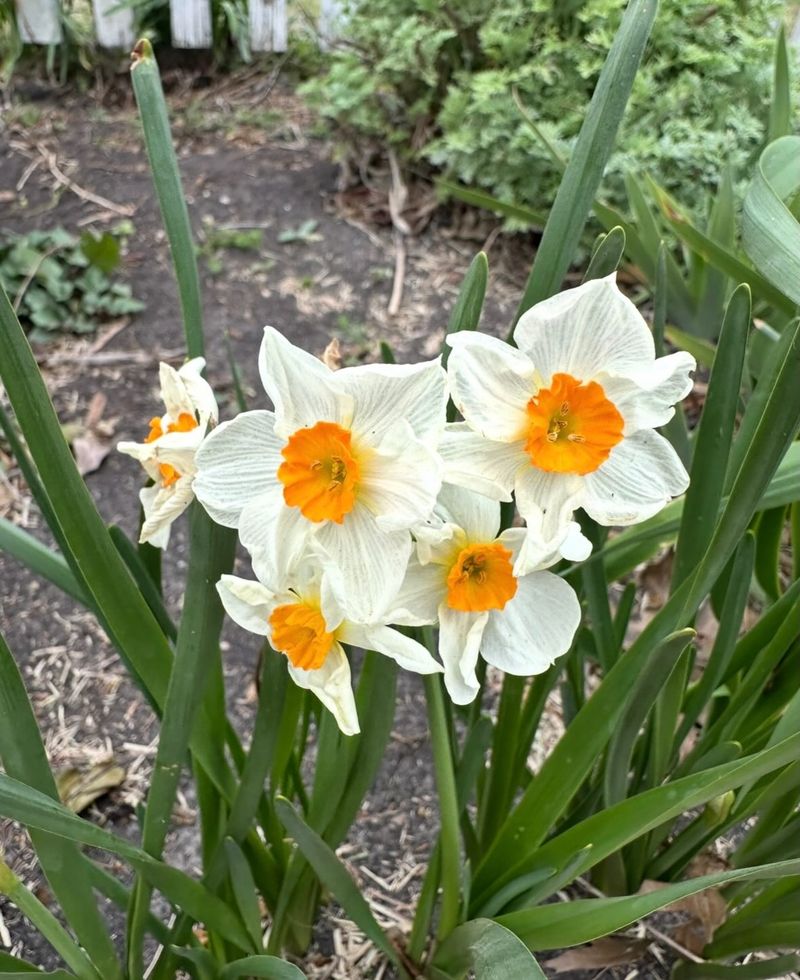
Long before fancy garden centers, Texas grandmothers grew narcissus by the back porch. Many of those old clumps still bloom today, sometimes at abandoned farmhouses where nobody has tended them for decades. Talk about a plant that keeps going!
Narcissus is the family that includes daffodils. Some heirloom types do very well in Texas because they do not need a long, freezing winter.
Paperwhites are one favorite. They make clusters of small, pure white flowers with a strong scent.
Some people love the smell, and others find it a bit much, so plant them where you can enjoy them from a distance if needed.
‘Grand Primo’ is a true Texas classic. It has creamy white petals with pale yellow centers. Gardeners have shared it for generations, passing bulbs from one family to the next. It is famous for coming back year after year with almost no care.
These bulbs often bloom from mid to late winter across much of the state. That is right when the garden looks its sleepiest. A patch of white flowers on a cold February day can lift your mood in seconds.
Plant the bulbs in fall, from October to December. Dig holes about twice as deep as the bulb is tall.
Set them pointy side up, and space them a few inches apart. Groups of seven or more look better than single bulbs scattered around.
After the flowers fade, let the leaves stay until they turn yellow. The leaves feed the bulb for next year. Cutting them too soon means fewer blooms later. Be patient, and your bulbs will reward you for many winters.
7. Invite Colorful Birds
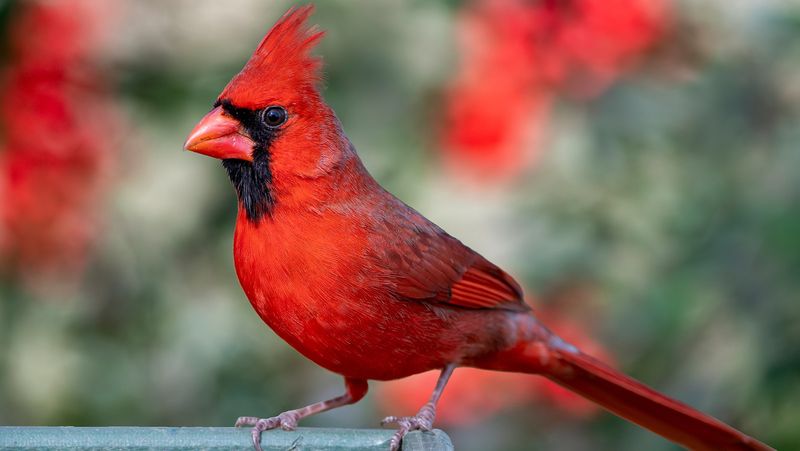
Flash! A streak of red zips past the window and lands on the feeder. Few things brighten a cold morning like a male cardinal showing off his bold color against a gray sky.
Birds might be the easiest way to add color to a winter garden. Texas sits right on major migration paths, so many birds spend the winter here.
Cardinals live in the state all year. Cedar waxwings arrive in noisy flocks with their sleek tan feathers and yellow-tipped tails.
Yellow-rumped warblers flit around with a bright patch of yellow that gives them their name.
To bring them in, offer three things: food, water, and shelter. Start with a bird feeder filled with black oil sunflower seeds. Most songbirds love them. A suet cake is another treat that gives birds extra energy on chilly days.
Water is just as important. A shallow birdbath, only one to two inches deep, works best. Birds need water to drink and to clean their feathers.
Change it every few days to keep it fresh. On freezing nights, check it in the morning and break any ice.
Berry shrubs like yaupon holly and possumhaw add natural food. Thick shrubs and evergreens also give birds safe places to hide from hawks and cold winds.
Place feeders near cover but not too close to spots where cats can hide. Keep them clean to help birds stay healthy.
Watching birds is fun for the whole family. Keep a notebook by the window and write down every species you spot. You might be surprised how many feathered friends show up once your garden becomes their winter home.