Why Your Florida Gardenia Has Yellow Leaves Even Though You Keep Fertilizing It
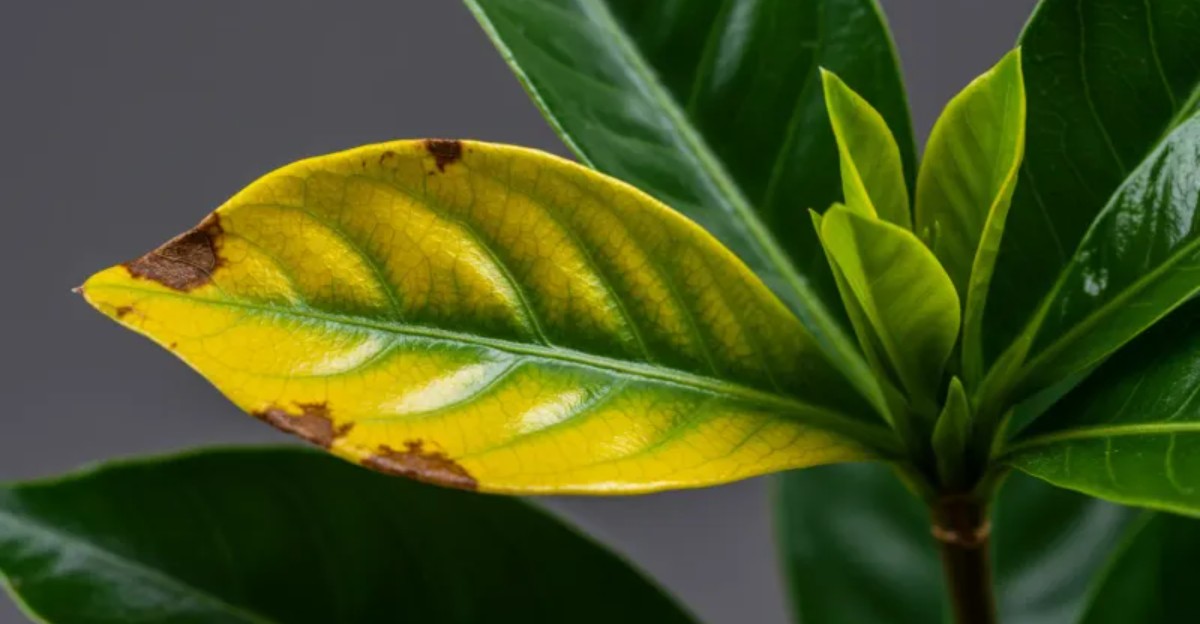
Gardenias need a soil pH between 5.0 and 6.5 to take up iron properly, and that narrow window is easy to miss. In many parts of Florida, especially near limestone, shell rock, and old concrete, the soil tests well above that range.
I see this problem in yards all over the Sunshine State. The leaves turn pale yellow while the veins stay green, and the shrub looks tired even though it gets regular care. A bag of fertilizer rarely fixes it, which leaves many gardeners frustrated.
You can spot the pattern on the newest growth first, at the tips of the branches. Older leaves often stay deep green for weeks, which tells you that one specific nutrient is missing rather than plant food in general.
I believe the answer sits right under your shrub, in the soil itself. What do you think your soil is hiding from those thirsty roots?
Your Soil Is Locking Out Iron
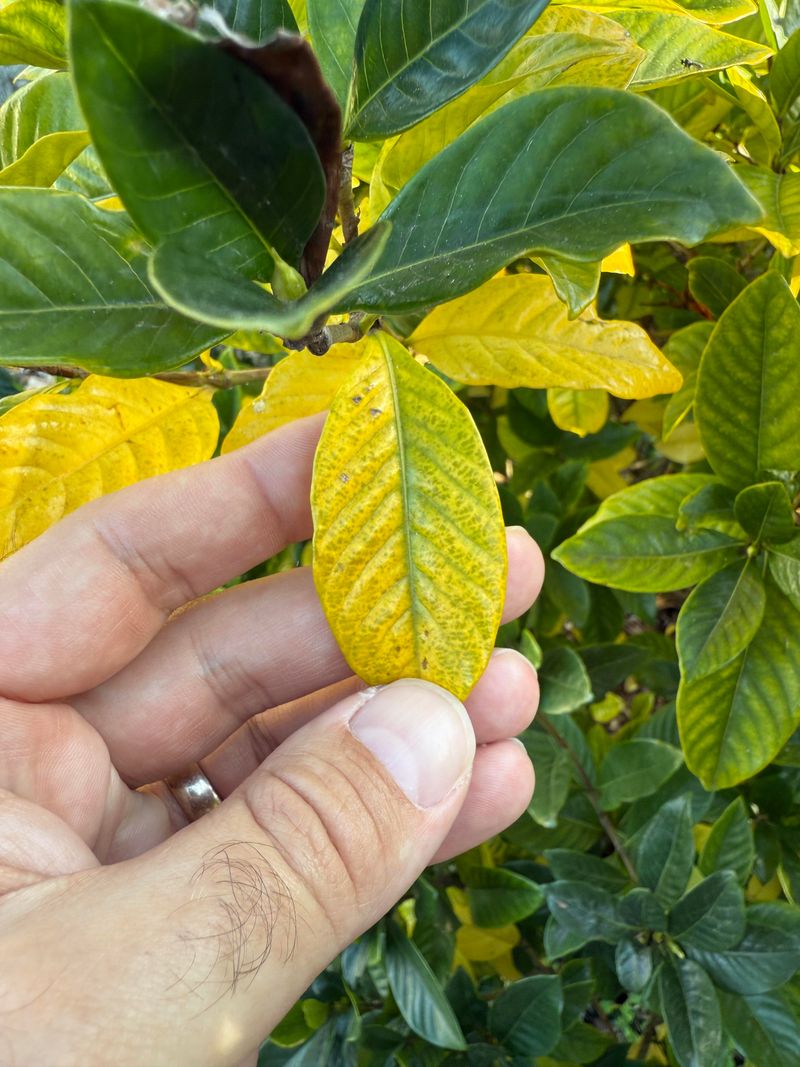
Iron is a common missing piece, and it is usually present in the soil already. High pH makes iron stick to soil particles, so roots struggle to absorb it.
University of Florida extension experts call this problem iron chlorosis. Gardenias are acid-loving shrubs that prefer a pH between 5.0 and 6.5.
Many Florida yards have alkaline soil from limestone, shell fragments, or nearby concrete. Even rich fertilizer often cannot help when the soil chemistry blocks the nutrient.
Look closely at your leaves for the telltale clue. Young leaves at the branch tips turn yellow while the veins stay green.
That striped look points toward iron trouble rather than a lack of general plant food. A simple soil test is the smartest first step before you buy anything else.
Your county extension office can help you get your soil pH tested, usually for a small fee, and the results come with clear advice. Knowing your number saves money, because you stop buying products that cannot solve the real problem.
Fall is a fine time to test, since the weather is cooler and the shrub is not under heat stress. Collect soil from several spots near the roots, mix it, and send in about a cup.
Then you can plan a fix with real facts in hand. Test results also show whether pH is the issue or whether you should look at water and pests.
Fertilizer Can Miss the Mark
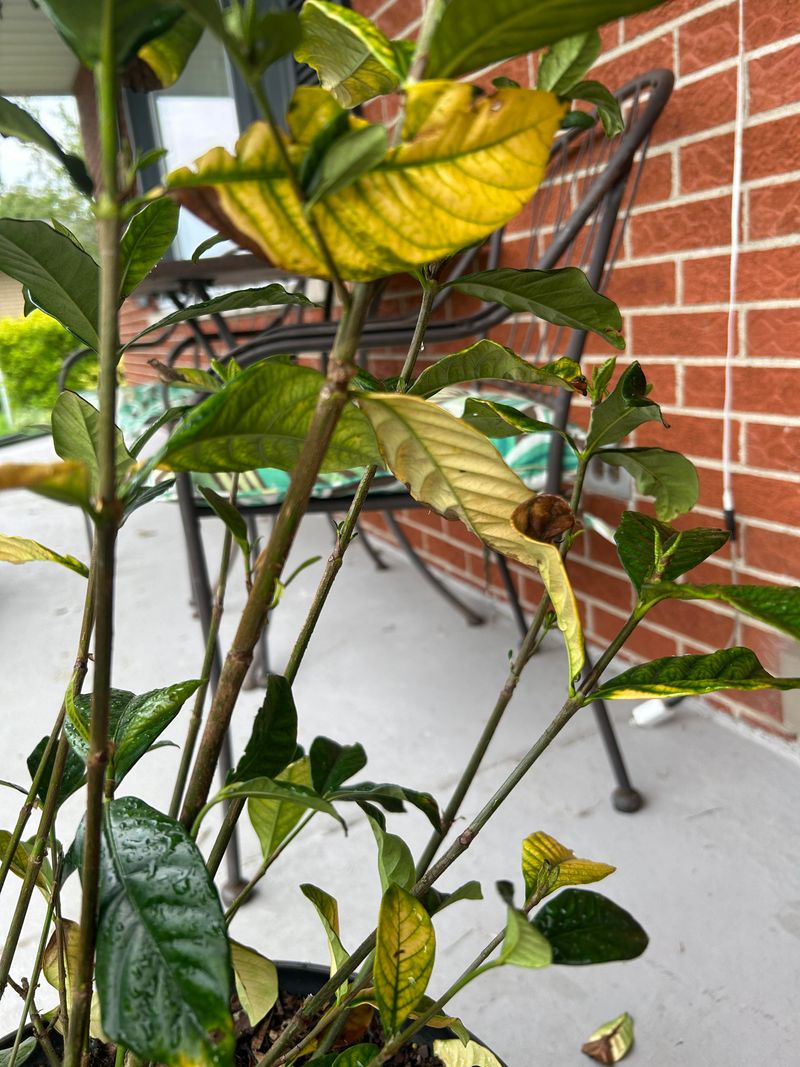
Reaching for more fertilizer feels like the helpful move, yet it often misses the target. Standard lawn or all-purpose blends may lack the micronutrients that gardenias need.
Some products can also raise soil pH over time, which may make the yellowing worse. Extra feeding brings a risk of salt buildup around the roots.
Florida’s sandy soil drains quickly, but heavy doses can still burn fine root hairs. Damaged roots then take up less water and iron.
Choose a product made for acid-loving plants, and check that the label lists iron and manganese. Chelated iron, such as EDDHA, stays available in higher pH soil better than basic iron sulfate.
Your Florida Garden Changes Every Week. Your Plan Should Too.
Gardening in Florida changes quickly throughout the season. Every Friday you’ll receive a simple weekly plan showing exactly what to plant, prune, fertilize, harvest, and protect so you never miss the right timing.
Follow label rates closely, because more is rarely better. Extra product rarely speeds up recovery and can harm the plant.
Timing matters in October as well. Growth slows as days shorten, so heavy nitrogen feeding now can push tender shoots that cool nights may nip.
A light application of a product made for acid-loving plants early in the month is usually plenty. Check the label for the right rate for your shrub’s size.
Skip feeding if the shrub looks stressed or the soil is bone dry. Water well first, then wait a few days.
Healthy roots can use nutrients far better than stressed ones. Patience here protects both the plant and your wallet.
Soil that is moist but not soggy gives roots the best chance to take up iron. A short wait often works better than another round of feeding.
Soggy Roots Send Warning Signals
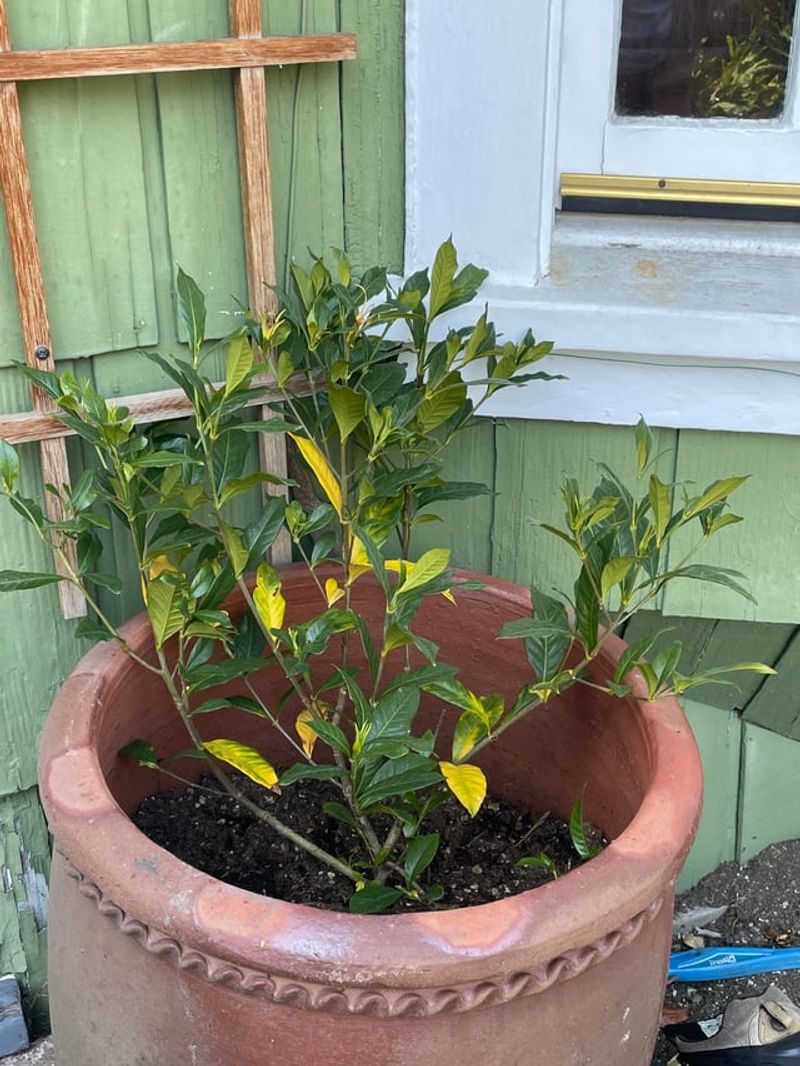
Water habits cause plenty of yellow leaves, and they can fool you. Gardenias like steady moisture, but they dislike sitting in puddles.
Roots need air, and waterlogged soil pushes that air out. Without oxygen, roots struggle to take up water and nutrients, even when both are plentiful.
Florida’s fall rain and sprinkler timers can team up in sneaky ways. A system set for hot months may keep soaking beds after temperatures drop.
Check your timer this week and cut run times as the weather cools. Many irrigation systems can also be paused after a good rain.
Stick a finger two inches into the soil before you water. If it feels damp, wait another day or two.
Leaves that yellow all over and drop, with mushy dark roots, often point to too much water. Yellowing from iron trouble usually shows up on new growth first instead.
Poor drainage is another culprit. Planting too deep or in a low corner can keep the root zone wet for days.
Pull mulch back from the trunk so the base can breathe. Mulch piled against the stem holds moisture where you least want it.
Raised planting spots help a great deal in flat yards. A mound of loose, organic soil lets extra water drain away.
Gardenias then focus on growth instead of fighting rot. Better drainage also makes it easier to water on a steady schedule.
Tiny Pests May Be Feeding Below the Leaves
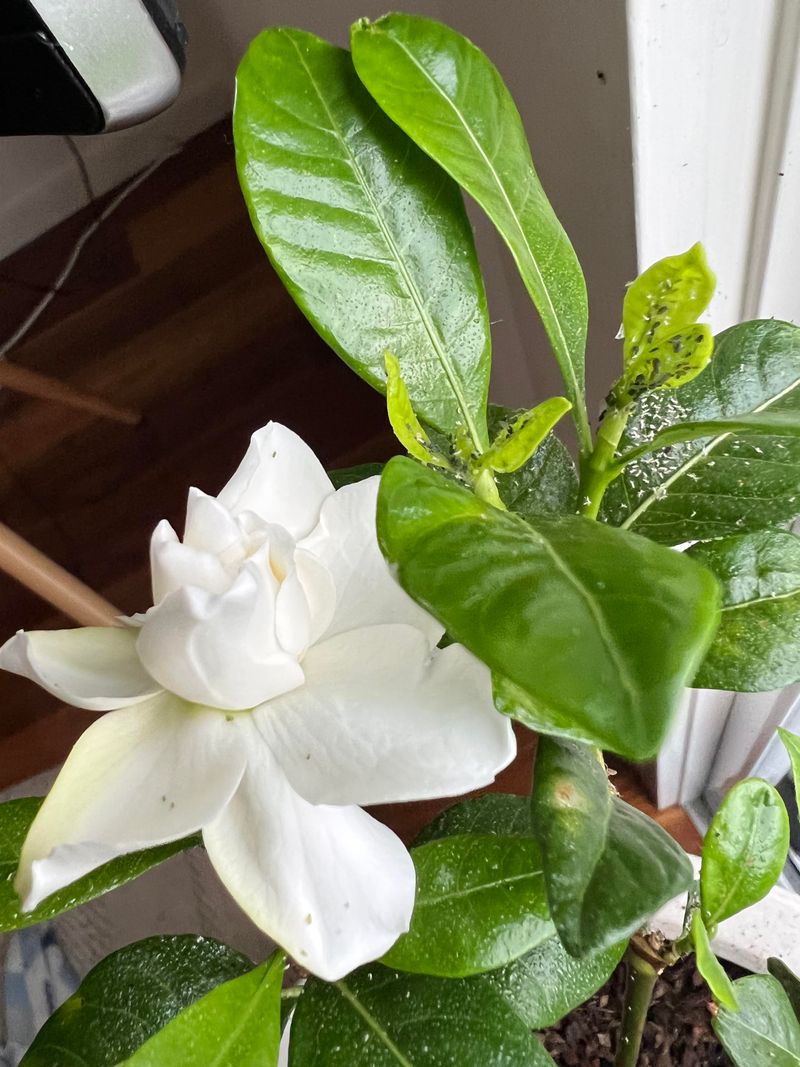
Sometimes the yellow color comes from visitors rather than soil. Whiteflies, scale insects, and spider mites suck sap from gardenia leaves.
As they feed, the leaf color fades into a speckled, tired yellow. Heavy infestations can also slow new growth.
Flip a few leaves over and look at the undersides. Tiny white insects that flutter up when you touch the branch are whiteflies.
Sticky leaves with a black, sooty film also point to sap-feeding pests. Whiteflies and scale insects leave behind a sugary honeydew that the sooty mold grows on.
Florida gardenias face these insects often, since mild weather keeps them active into fall. Strong water sprays can knock many off the foliage.
Insecticidal soap or horticultural oil works well when you coat the undersides thoroughly. Apply treatments in the cool morning hours so the leaves do not burn.
Repeat every week or so, following label directions. Patience matters, because one spray rarely clears an entire colony.
Encourage helpful insects like lady beetles by avoiding broad, harsh sprays. These natural predators feed on whiteflies, scale crawlers, and mites.
Keep the shrub healthy, since stressed plants often attract more pests. A sturdy gardenia can often shrug off light feeding.
Check the shrub again a week after each treatment. Look for fresh, crawling insects and sticky residue on the leaves.
Keeping a short note of what you sprayed and when helps you spot what works. Consistent follow-up usually matters more than a stronger product.
A Few Simple Fixes Bring Back The Green
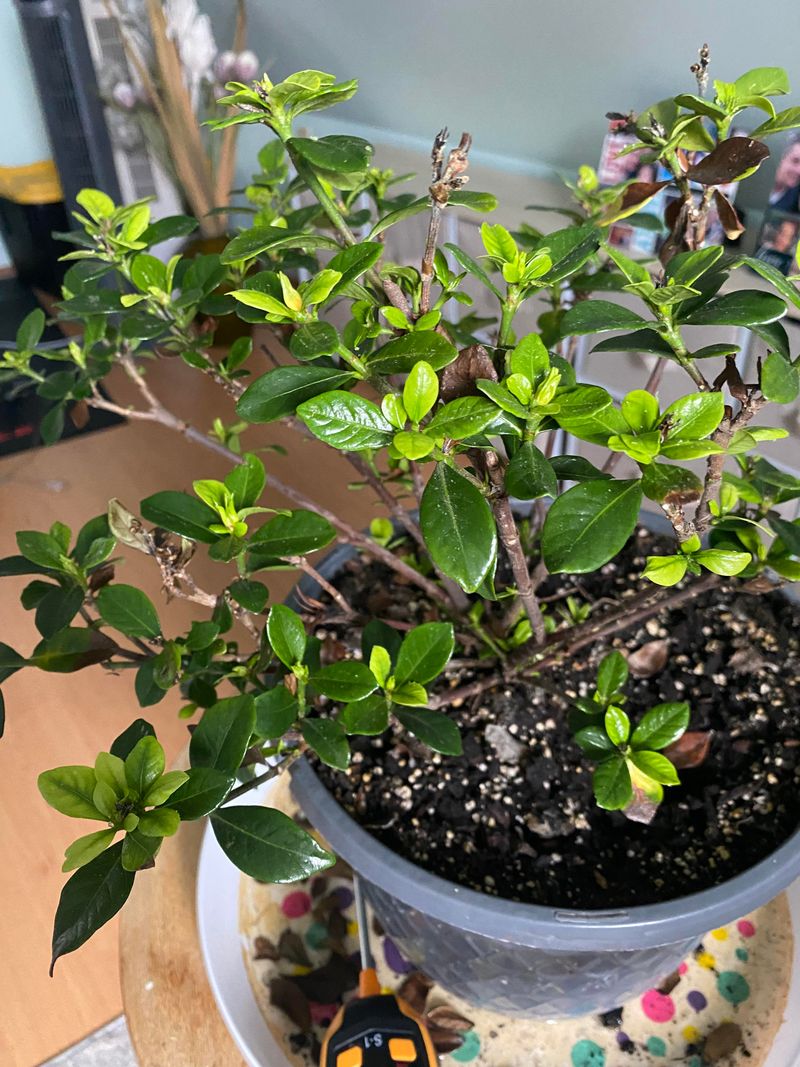
Once you know the cause, repairs are fairly simple. For high pH, apply a chelated iron product to the soil around the drip line.
Many gardeners also try a foliar iron spray for quicker color. Foliar sprays give a short-term boost, while soil treatments address the root cause.
Elemental sulfur can lower soil pH slowly over several months. Work it in lightly and water well, using the rate your soil test suggests.
Do not expect overnight change, because soil chemistry shifts at a gentle pace. In very alkaline or limestone-based soils, growing gardenias in containers may be easier.
Add two to three inches of pine bark or pine straw mulch. As it breaks down, it adds organic matter and helps the soil hold moisture.
Keep the mulch a few inches away from the stem. This helps protect the base from excess moisture and rot.
Irrigate with care, since alkaline tap water can raise pH over time. Rainwater collected in a barrel is a lovely option for potted gardenias.
Florida’s fall showers can make collection easier. Cover the barrel with a screen to keep mosquitoes out.
Prune off badly damaged leaves only after new growth appears. Healthy leaves keep making food for the plant.
Small, steady changes work better than a dramatic overhaul. Recheck the new growth every few weeks to see whether the color is improving, and adjust your plan if needed.
Fall Habits Keep Next Year’s Blooms Strong
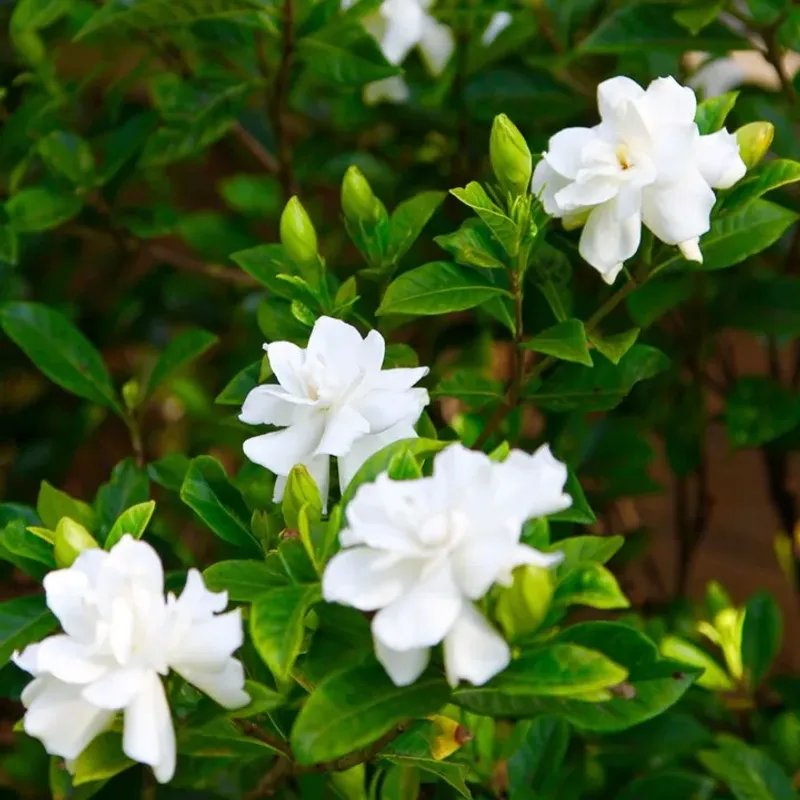
Good habits this month set up a stronger shrub for the coming year. Gardenias form flower buds in late summer and fall, so steady care now supports next season’s blooms.
Stress from nutrient gaps can reduce bud numbers. Fixing small problems now gives the plant a better start in spring.
Plant new gardenias in spots with morning sun and afternoon shade. October is a pleasant planting window in much of Florida, because soil stays warm while air cools.
Set the root ball slightly above ground level to improve drainage. Water new plants regularly until they establish.
Test the soil once a year and adjust before problems show up. Add organic matter such as composted pine bark to hold moisture and improve soil structure.
Use acid-forming fertilizer on schedule, not on impulse. A simple calendar reminder helps you avoid skipping or doubling a feeding.
Watch for cold snaps in northern Florida, since gardenias can suffer frost damage. Keep a light cloth handy for chilly nights.
Container plants can simply move indoors or under cover. Bring them back out once the forecast warms up.
Walk your garden every week and glance at the new leaves. Early color changes are easier to fix than long-running ones.
A little attention helps keep those glossy green leaves and sweet blooms coming. Even a few minutes each week can make a real difference over a single growing season.