9 Tropical Plants Florida Gardeners Should Bring Indoors Before November
Your favorite patio plants are hiding a secret about cooler nights, and it could cost you dearly this year. One chilly night can turn glossy green leaves into limp brown flags by sunrise, with very little warning at all.
I learned this lesson the hard way on a breezy Florida evening several winters ago in my backyard. My prized containers looked fine at dusk, yet by breakfast they sagged like wet laundry on a clothesline.
Our sunshine fools many of us into a relaxed attitude about autumn and the strange weather it brings. North Florida sees frost most years, and even southern gardens get surprise cold snaps every so often.
Personally, I treat October as moving month for my tender tropical treasures and their heavy clay pots. The nine plants ahead deserve a warm seat by your sunny window well before the November chill arrives.
1. Tropical Hibiscus
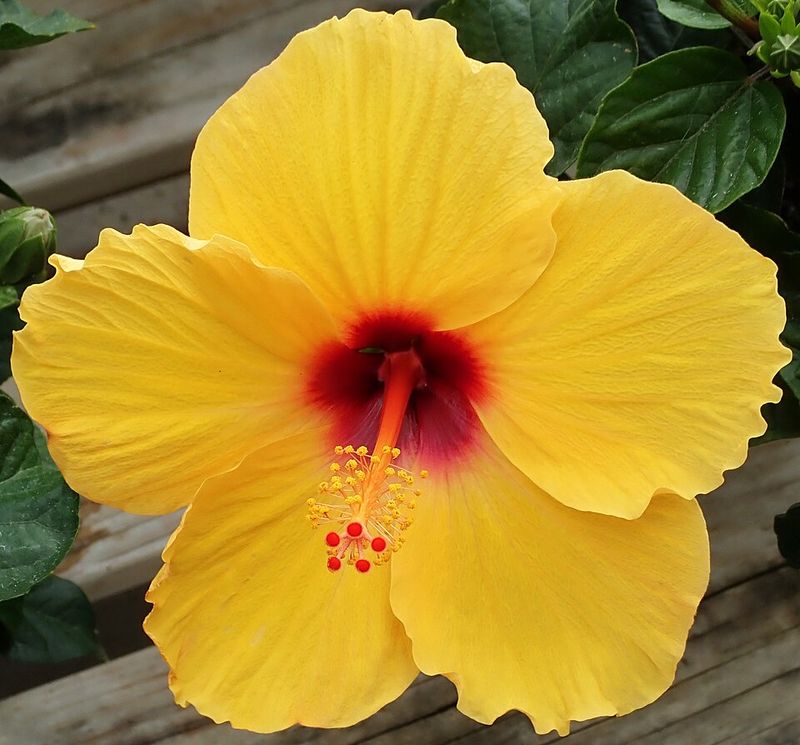
Those dinner plate blooms in scarlet and sunny yellow look tough, yet this shrub sulks the moment nights turn cool. Personally, I think a hibiscus in full flower is the best free show on any patio around.
Tropical hibiscus, known to botanists as Hibiscus rosa-sinensis, comes from warm parts of Asia and loves steady heat. Growth slows noticeably below about 50 degrees, and frost can scorch leaves and tender stems overnight.
Gardeners in the northern half of the state often watch their in-ground shrubs freeze back during winter cold. Potted plants face even more risk, since their roots sit exposed above ground inside chilly containers.
You can move your container indoors once nighttime readings start slipping into the low fifties this October. Check under every leaf for whiteflies and aphids first, and rinse the plant gently with a hose.
Indoors, give your hibiscus the brightest spot you own, ideally a south or west window with direct light. Expect some yellow leaves to drop during the first two weeks as the plant adjusts to dimmer rooms.
Water only once the top inch of soil feels dry, and skip fertilizer until longer spring days return. Soggy roots during winter often cause more trouble than cold air ever did outside on the patio.
With a little patience, many indoor hibiscus keep producing a few cheerful flowers right through the darker months. Each bloom lasts about one day, so every new bud feels like a small surprise worth celebrating.
2. Shell Ginger
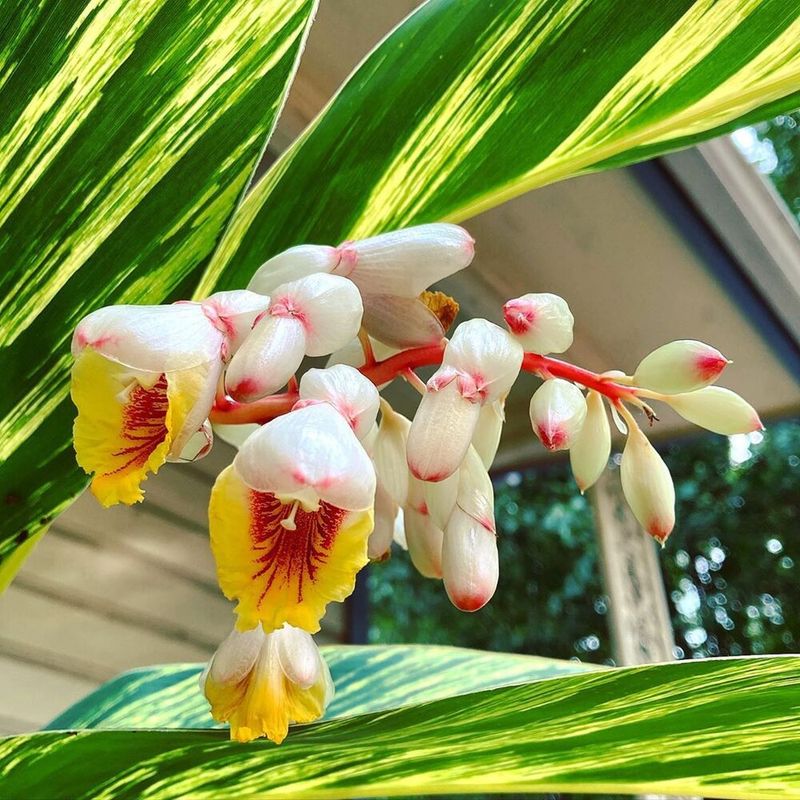
Run your fingers along a shell ginger leaf, and you will feel smooth ribbons striped in creamy gold. I love how the variegated types brighten shady corners like someone switched on a soft lamp outside.
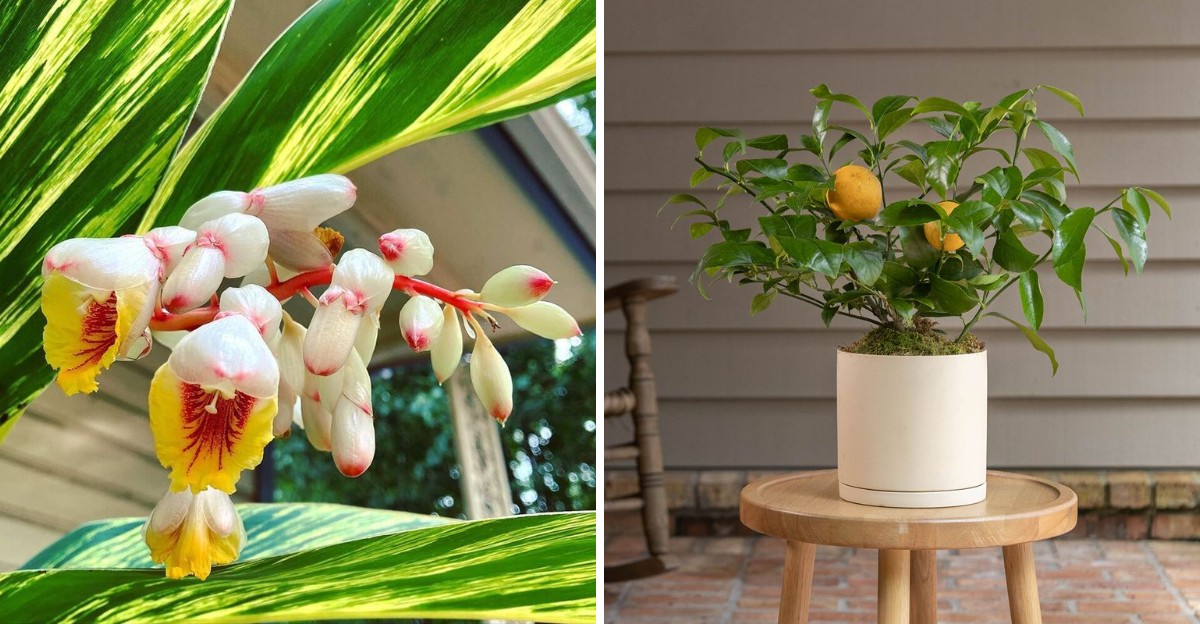
Shell ginger, or Alpinia zerumbet, earned its name from waxy flower buds shaped like tiny pink seashells. Those dangling clusters appear on older stems, and they carry a light, pleasant fragrance on warm afternoons.
Many sources rate this ginger hardy to about zone 8, but freezing weather usually knocks the leaves back hard. Roots often survive in the ground, yet potted plants lack that cozy blanket of warm soil underneath.
Your Florida Garden Changes Every Week. Your Plan Should Too.
Gardening in Florida changes quickly throughout the season. Every Friday you’ll receive a simple weekly plan showing exactly what to plant, prune, fertilize, harvest, and protect so you never miss the right timing.
Container specimens deserve a trip inside before frost threatens, especially across the Panhandle and northern counties. Moving it in October also keeps those fancy striped leaves looking crisp instead of brown and tattered.
Shell ginger prefers bright, indirect light indoors, so an east window or filtered south window works nicely. Keep it away from heater vents and drafty doors, which dry the leaf edges quickly and turn them crispy.
Humidity matters a lot for this leafy guest, since dry indoor air can stress the broad foliage. A tray of pebbles and water beneath the pot adds moisture without leaving puddles across your floor.
Water enough to keep soil lightly moist, then cut back a bit as growth slows through winter. By the time spring returns, your ginger will be ready to march back outdoors looking fresh and proud.
3. Hawaiian Ti Plant
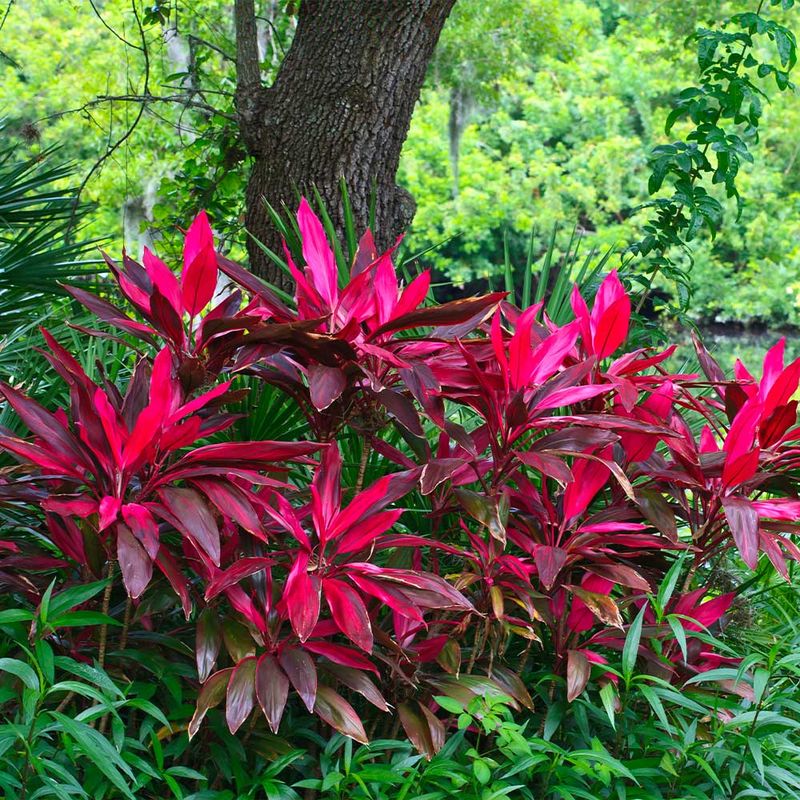
Hot pink and deep burgundy streaks make the Ti plant look hand painted rather than grown in ordinary soil. You’d be forgiven for mistaking a healthy clump for a bouquet of fancy ribbons tied together by hand.
Botanists call it Cordyline fruticosa, and it holds deep cultural value across Hawaii and other Pacific islands. Traditional uses include wrapping food and making hula skirts from the long, flexible leaves of green types.
This colorful plant grows best outdoors in zones 10 through 11, with some success in warm zone 9b spots. Leaves often show cold damage near freezing, and frosty nights can leave them bleached and mushy.
Potted Ti plants make the move indoors easy, and October gives them time to settle before cold arrives. Give the foliage a quick rinse first, because spider mites love hitching rides on those broad leaves.
Bright, indirect light keeps the colors bold, while a dim corner slowly fades the pink toward plain green. Harsh afternoon sun through glass can scorch the leaves, so a sheer curtain makes a helpful buffer.
Ti plants appreciate evenly moist soil, though winter calls for a lighter hand with the watering can. Fluoride in tap water may cause brown leaf tips, so rainwater or filtered water often helps a lot.
One fun trick involves rooting stem pieces, often sold as Ti logs, in a small pot of damp soil. Before long, you could have a whole family of colorful babies to share with gardening friends next year.
4. Xanadu Philodendron
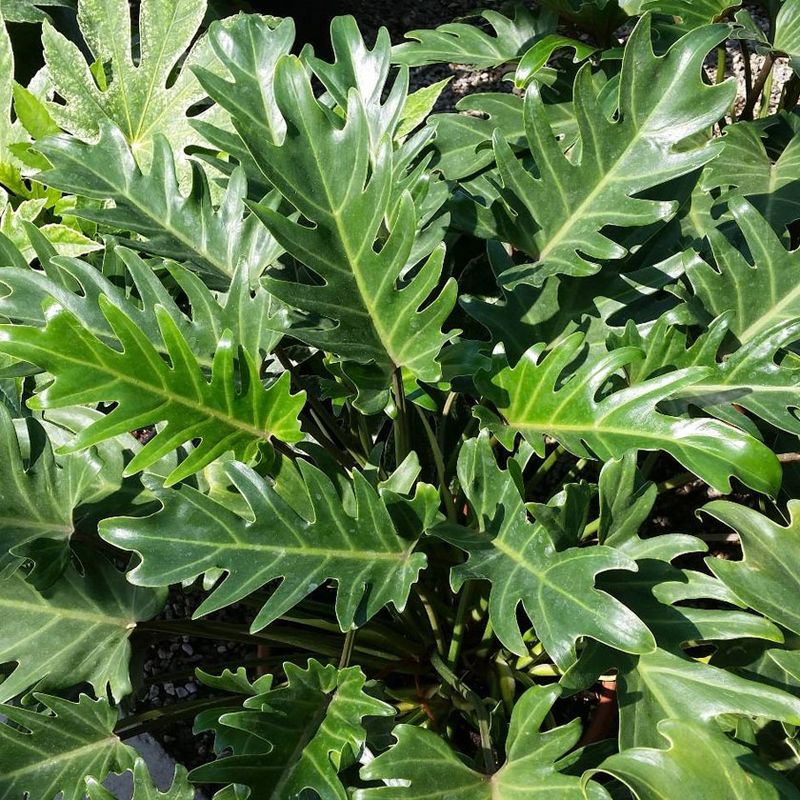
Every Xanadu leaf looks like someone cut a giant green paper snowflake and set it on a stem. I like how a single plant forms a tidy mound that fills a porch corner without sprawling everywhere.
Gardeners now sell it as Thaumatophyllum xanadu, though most nursery tags still say Philodendron Xanadu for simplicity. It traces back to Brazilian relatives and gained popularity after Australian growers began selling it decades ago.
Outdoors, this plant handles zones 9b through 11, but chilly weather leaves the lobed leaves scorched and floppy. Light frost may only damage foliage, yet potted roots chill much faster than roots tucked in ground.
Moving your container inside this month keeps that lush look going while temperatures slide downward across the state. Wipe the leaves with a damp cloth first, and peek at stems for mealybugs hiding in crevices.
Bright, indirect light suits Xanadu indoors, and a spot near an east window often keeps it compact and happy. Too little light makes the stems stretch, which ruins that neat, rounded shape you probably love most.
Water once the top inch of soil dries, and empty any saucer so roots avoid sitting in puddles. Yellow leaves usually signal too much water, especially during cooler months when growth slows down noticeably indoors.
Keep in mind this philodendron contains calcium oxalate crystals, which can irritate mouths of curious pets and kids. Placing it on a plant stand keeps both safe while the glossy leaves still steal the show.
5. Croton
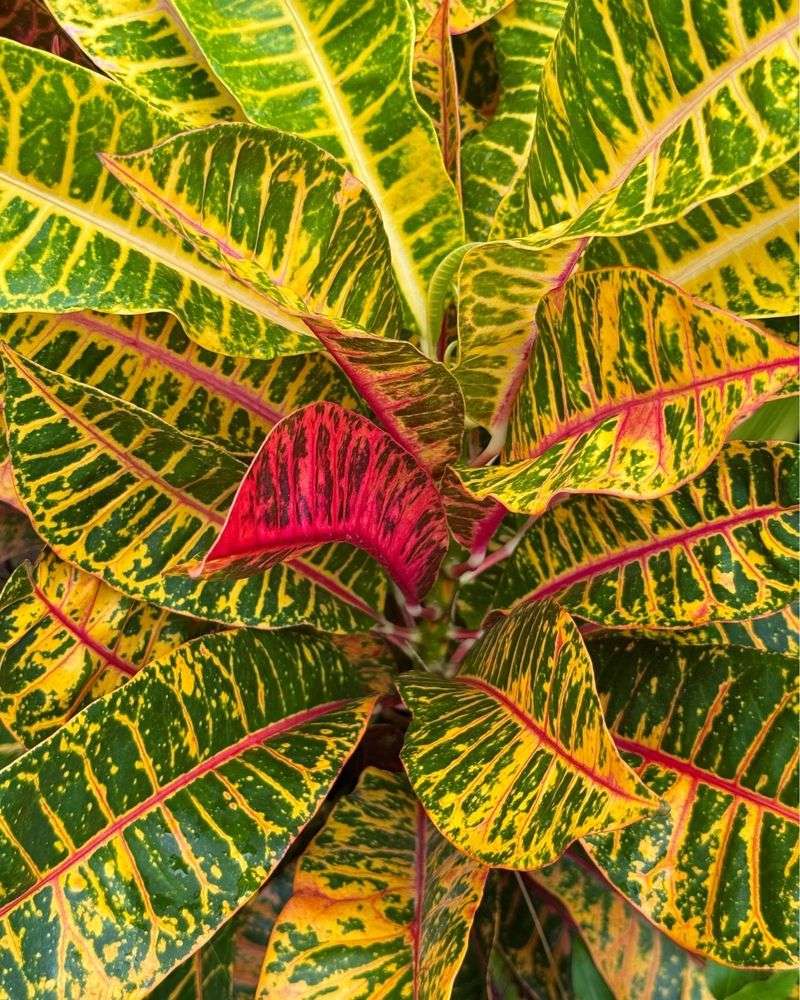
Crotons look like someone spilled a box of sunset paint across their leaves and refused to clean up. Splashes of fiery orange and deep red can appear on a single plant, sometimes even on a single leaf.
Codiaeum variegatum hails from Malaysia and nearby Pacific islands, where chilly nights rarely visit the warm forests. That heritage explains why crotons start dropping leaves in a sulky protest once temperatures dip below fifty.
Outdoors, crotons thrive mostly in zones 10 through 12, so even central gardens face occasional winter risks. Readings near forty degrees can damage foliage, and frost often turns those painted leaves black and limp.
Bring potted crotons indoors in October, and try to do it gradually over several days in a shady spot. Sudden moves from bright sun into a dim room often trigger dramatic leaf drop that alarms many owners.
Color depends heavily on light, so place your croton near the sunniest window available in your home. In low light, new leaves tend to come out greener and plainer, losing much of that fiery charm.
Keep the soil evenly moist but not soggy, and mist leaves or add a humidifier during dry spells. Crotons attract spider mites indoors, so check leaf undersides weekly for fine webbing or tiny speckles.
Wear gloves while pruning, because the milky sap can irritate skin and the plant is toxic if eaten. Handled with care, your croton will glow like a living campfire beside the window all winter long.
6. Potted Citrus Trees
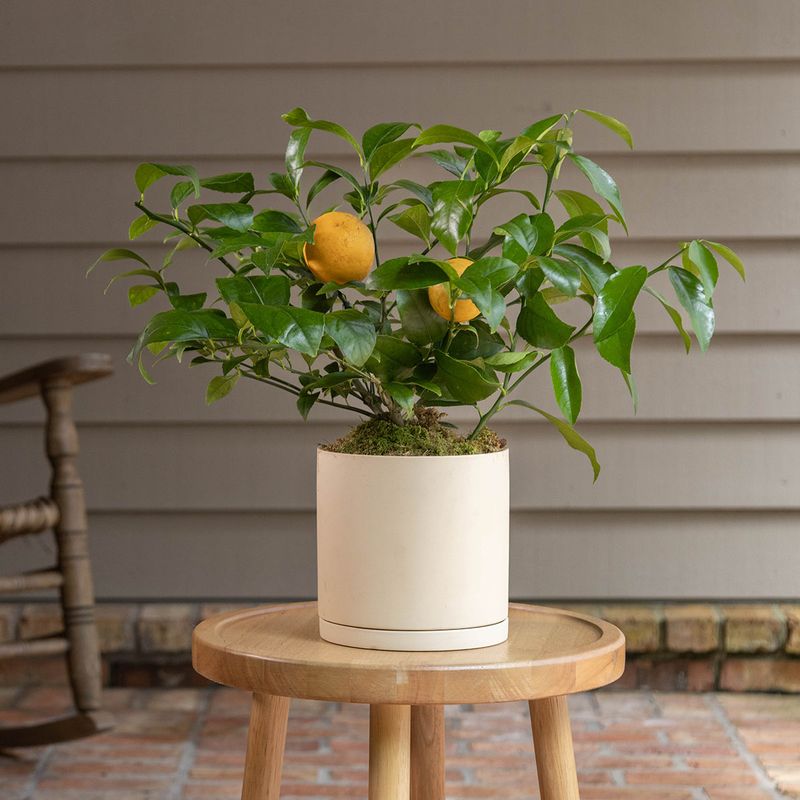
Few things beat plucking a fresh Meyer lemon from your own tree while the rest of the yard sleeps. That dream fades fast, though, if a sudden freeze nips the blossoms and young fruit on your patio.
Citrus trees grown in containers face more cold danger than trees planted in the ground across the state. Their roots sit inside pots exposed to air on every side, so they chill much faster overnight.
Many citrus types suffer serious damage once temperatures fall into the upper twenties for several hours. Lemons and limes tend to be the most tender, while kumquats and satsumas handle chill a bit better.
Plan to roll potted trees indoors whenever forecasts call for nights near freezing, and keep an eye on October cold fronts. A wheeled plant caddy saves your back, since a large pot full of damp soil weighs plenty.
Light is the biggest challenge inside, so park your tree beside a bright south-facing window if possible. A full-spectrum grow light helps fill the gap during shorter days and keeps leaves from yellowing early.
Water deeply once the top couple of inches feel dry, and make sure extra water drains out freely. Citrus hates wet feet, and root rot can sneak in quickly when cool soil stays soggy too long.
Indoor trees often bloom in late winter, filling the room with a sweet scent that smells like orange candy. Gently brush pollen between flowers with a small paintbrush, since no bees will be visiting your living room.
7. Monstera
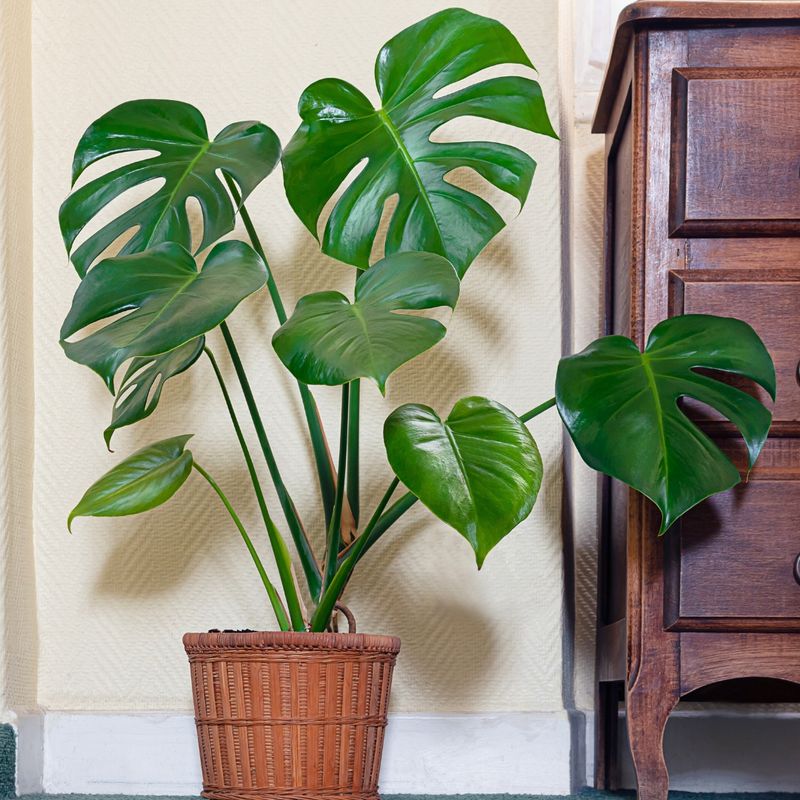
Those famous holes in Monstera leaves have puzzled people for years, and scientists still debate their exact purpose. One popular idea suggests the gaps help leaves capture scattered sunlight on shady rainforest floors below tall trees.
Monstera deliciosa grows wild in southern Mexico and Central America, climbing tall trees with thick, ropey aerial roots. Its species name hints at the edible fruit, which tastes a bit like pineapple and banana once fully ripe.
Outdoors, this plant manages in zones 10 through 12, and frost turns the big leaves brown and mushy quickly. Potted monsteras are easy to protect, and they often look happier inside during the coolest months.
Before you haul yours indoors this October, check stems and leaf joints for scale insects or mealybugs. A wipe with a damp cloth removes dust, and clean leaves soak up much more light indoors.
Bright, indirect light works best, while harsh direct sun through glass can bleach patches on the leaves. Without enough light, new leaves may arrive smaller and lack those dramatic splits everyone loves to show off.
Let the top couple inches of soil dry between drinks, especially as growth slows during cooler weather. A moss pole gives those climbing roots something to grip, and it encourages larger, more mature leaves.
Keeping this vigorous climber in a container also stops it from wandering into nearby trees and natural areas. Like many aroids, it contains calcium oxalate crystals, so keep nibbling pets away from the tempting foliage.
8. Snake Plant
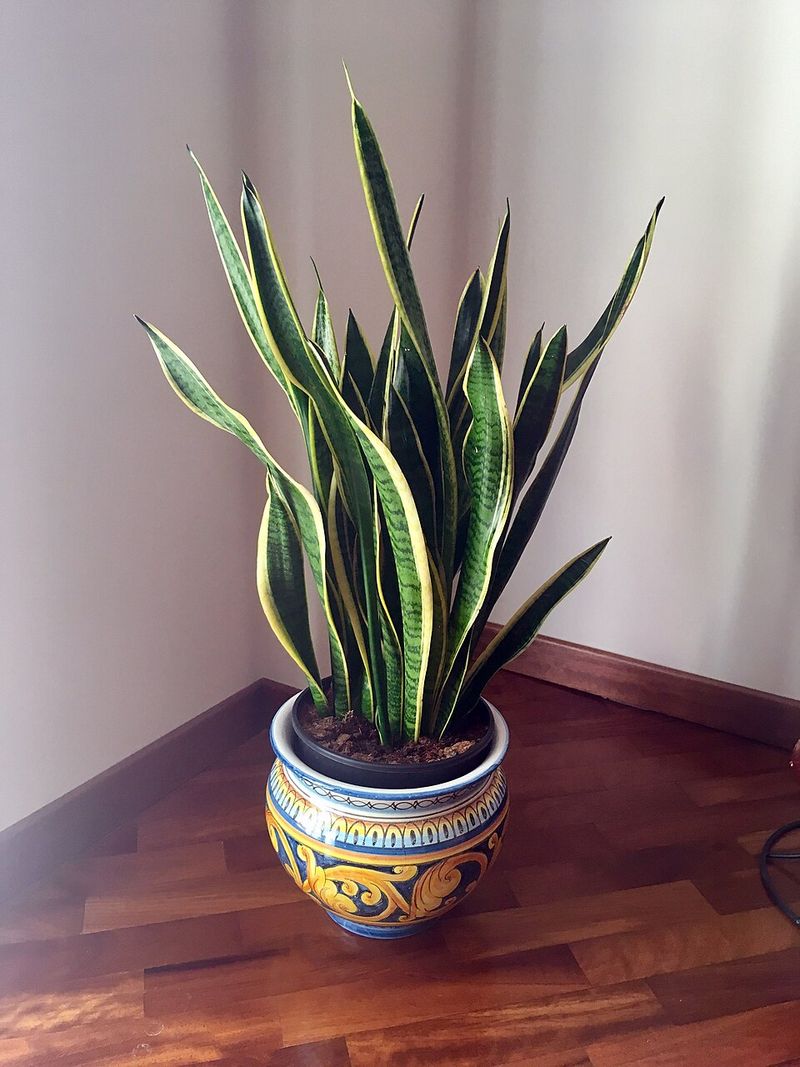
Snake plants have a reputation as the toughest houseplant around, yet cold weather finds their weak spot fast. Sturdy upright leaves turn soft and mushy after a frosty night, which surprises plenty of confident owners.
Botanists recently moved this plant from Sansevieria into the genus Dracaena, so tags may say Dracaena trifasciata now. Many folks still call it mother-in-law’s tongue, a cheeky nod to those long, sharp-tipped leaves.
Native to tropical West Africa, it prefers warmth and grows outdoors mostly in zones 10 through 12. Temperatures below about 50 degrees slow it down, and freezing air can damage leaves beyond recovery.
Some relatives spread aggressively in natural areas, so keeping your snake plant in a pot is the smart choice. Container growing also makes the October move indoors simple, since even big specimens rarely weigh too much.
Indoors, a bright spot brings out the best leaf color, though it tolerates dimmer rooms better than most. I believe this flexible nature makes it a great match for hallways and offices with limited windows.
Overwatering causes far more trouble than drought, so let the soil dry fully between drinks this winter. Many owners water just once a month during cooler weather, using a gritty cactus mix for fast drainage.
A famous 1989 NASA study tested snake plants for cleaning air, though later research shows minimal effect in homes. Still, those bold striped leaves add plenty of style to a room, even if the air bonus stays small.
9. Peace Lily
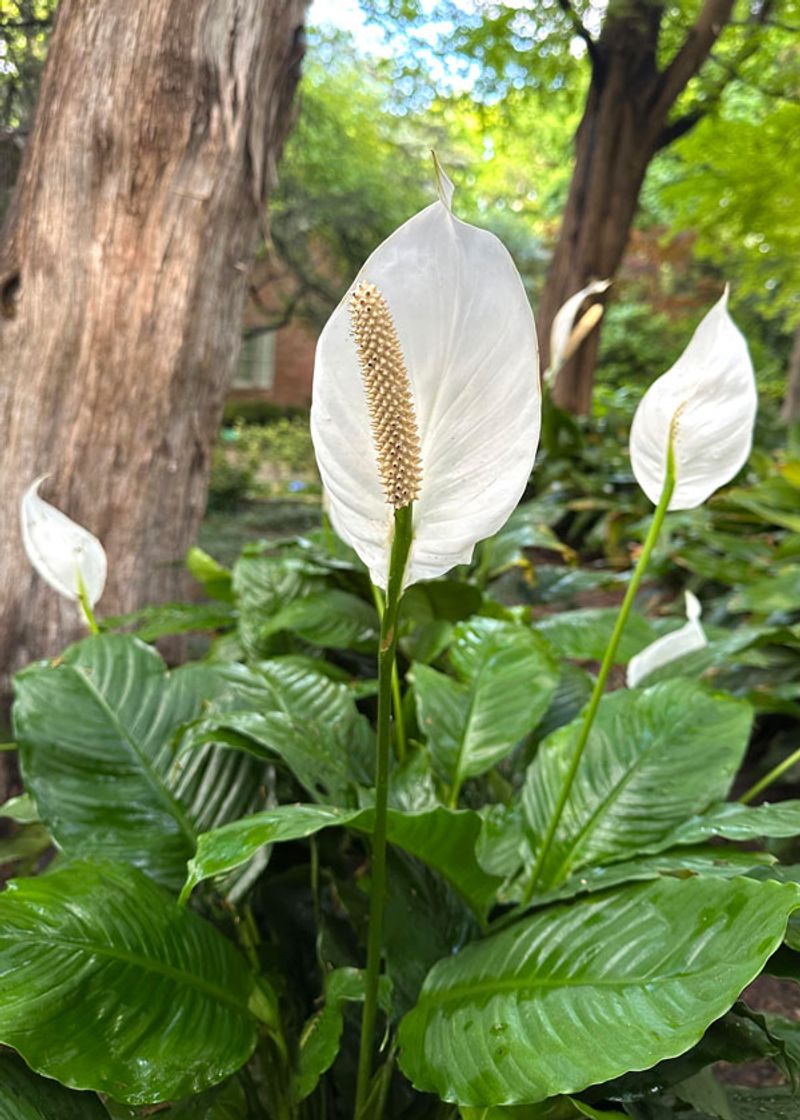
Peace lilies are famous drama queens, flopping over dramatically when thirsty and perking back up within hours of watering. I can’t imagine a more honest plant, since it tells you exactly what it needs without any guessing.
Spathiphyllum species come from tropical rainforests in Central and South America, where they grow beneath leafy canopies. Those elegant white flowers are actually modified leaves called spathes wrapped around a slim central spike.
Outdoors, peace lilies grow in zones 10 through 12, and many south Florida gardeners use them in shady beds. Cold below about 45 degrees can damage leaves, and frost quickly leaves them blackened and limp.
Potted plants make an easy transition indoors, and October gives them time to adjust before chilly fronts arrive. Check the soil for fungus gnats, and repot if roots circle tightly around the bottom of the container.
Medium to bright indirect light encourages more blooms, while deep shade usually means mostly green leaves instead. Direct afternoon sun can scorch the glossy foliage, leaving pale yellow patches that will not fade away.
Keep the soil evenly moist but not soggy, since peace lilies are prone to root rot in cool rooms. Brown leaf tips often point to dry air or chemicals in tap water, so filtered water can help.
Like several plants on this list, it contains calcium oxalate, so keep it away from curious cats and dogs. With a cozy spot and steady care, those snowy blooms can brighten your living room well into winter.