What Those Scratching Sounds In Your Georgia Attic Could Mean This Fall
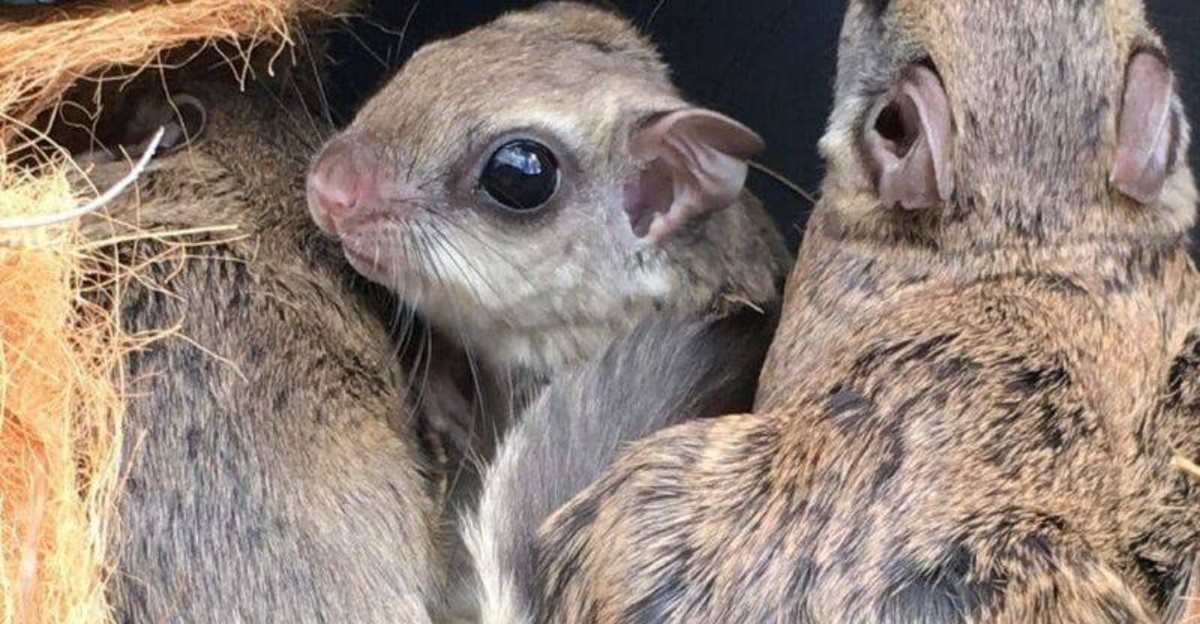
Faint scratching overhead after the house goes quiet at night can make it hard to focus on anything else.
Plenty of animals start looking for warm, sheltered spots as temperatures drop, and attics in Georgia homes are easy targets.
Gaps around vents, soffits, and rooflines can be enough of an opening for something small to slip inside. Once settled, many of these visitors return to the same entry point again and again.
When the sounds happen can tell you a lot about what kind of animal is up there.
Note whether the noise shows up mostly at dawn and dusk or in the middle of the night. Heavy thumps and light, quick scurrying usually point in different directions too.
Identification comes first, since sealing an entry point too soon can trap an animal inside the house.
1. Late-Night Scurrying Overhead Often Comes From A Surprisingly Small Visitor
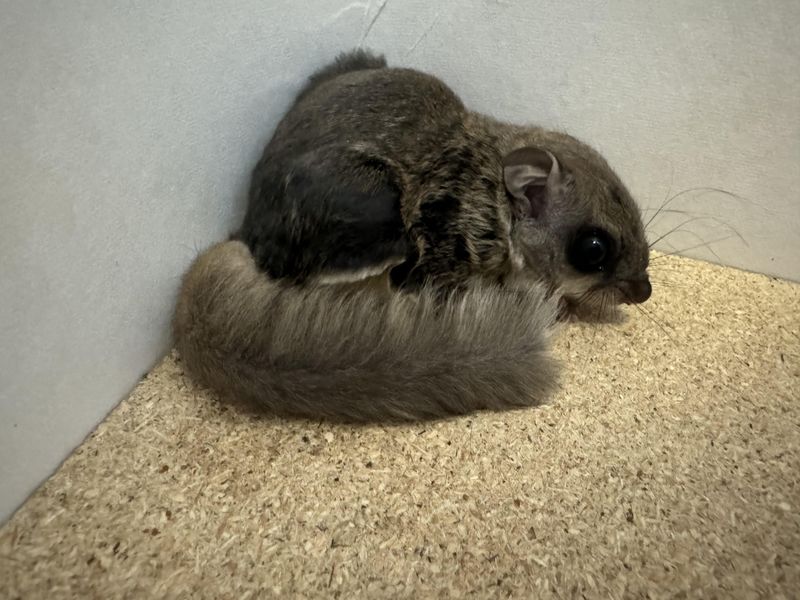
Your noisy attic guest might weigh less than a deck of cards. Southern flying squirrels usually weigh just a few ounces, with big dark eyes and soft gray-brown fur.
When thumps start at night, most people picture rats or raccoons, and those animals are worth ruling out.
Flying squirrels turn up in Georgia attics more often than people expect. They live in wooded areas from the mountains to the coast, and mature hardwood trees give them food and cover.
Such a light animal can sound oddly loud when it scampers across bare plywood or drywall.
Timing gives you one of the best early clues. Gray squirrels are active during the day, so noise that mostly happens after dark points toward a different suspect.
Rats and mice are active at night too, which means you will want more evidence before deciding who moved in.
Look for small droppings near vents, stained insulation, or chewed nutshells tucked into corners. A trail camera aimed at the roofline around dusk can settle the question without a trip into a hot, dusty attic.
Keep in mind that a single home can host more than one kind of animal at once.
If you still feel unsure, a licensed wildlife control operator can inspect the space and identify signs safely. Paying for a proper inspection may save you from buying the wrong traps or sealing the wrong holes.
2. These Nocturnal Gliders Are Busiest After Sunset
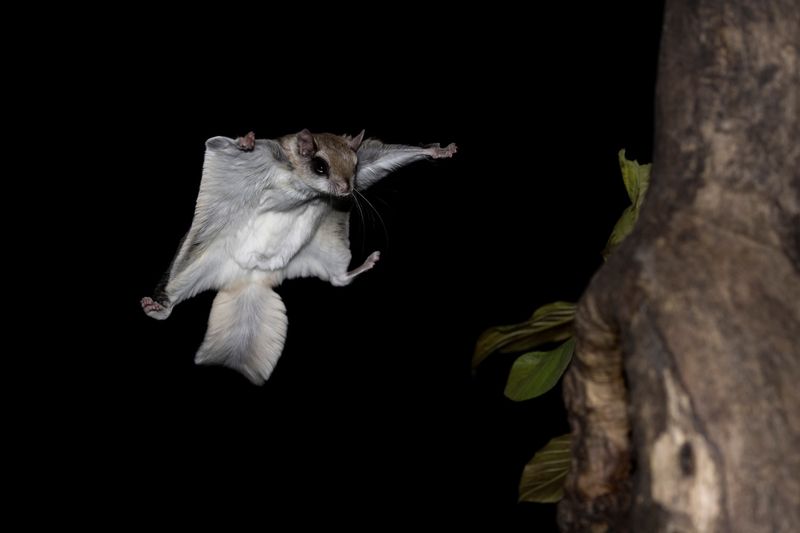
Despite the name, flying squirrels cannot actually fly. They spread a furry flap of skin between their front and back legs and glide from tree to tree, steering with their flat tails.
Darkness is when they get to work.
Activity usually picks up soon after sunset and can continue through the night, with another burst often heard before dawn. Fall makes that pattern easier to notice because the sun goes down earlier in the evening.
So if the scratching starts while you are still cooking dinner in October, the shorter days may be the reason.
Some homeowners only hear noise in the late night or early morning hours. Others notice it right at dusk as the animals head out to forage, then again when they return.
Your Georgia Garden Changes Every Week. Your Plan Should Too.
Gardening in Georgia changes quickly throughout the season. Every Friday you’ll receive a simple weekly plan showing exactly what to plant, prune, fertilize, harvest, and protect so you never miss the right timing.
Writing down the times you hear sounds for a week can reveal a helpful pattern.
Gliding also explains how they reach a roof without climbing the walls. A tree branch that hangs near or over your house works like a launch pad, especially in shaded Georgia neighborhoods with tall oaks and hickories.
Step outside with a flashlight around dusk and watch the trees near your roofline.
You might catch a quick shadow sailing from a trunk to the eaves. Spotting that path helps a professional figure out where the animals are landing and which part of the roof needs a closer look.
3. Groups Often Huddle Together In Attics As Weather Cools
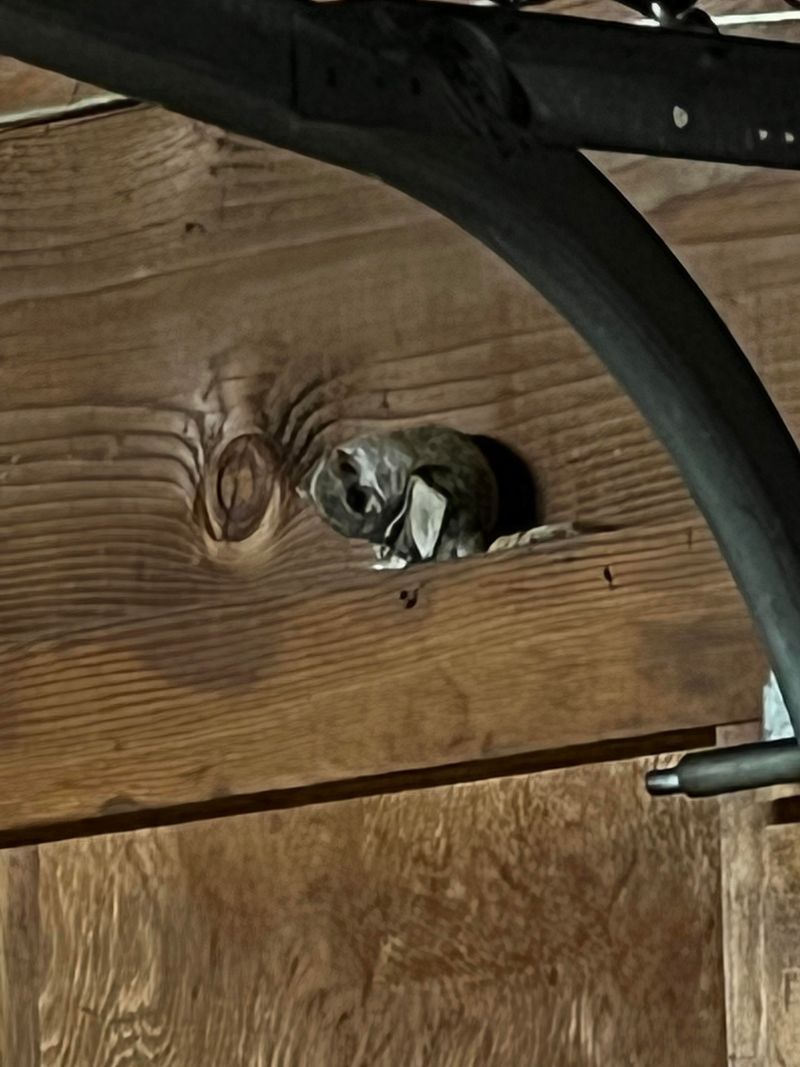
One squirrel rarely stays lonely once the nights turn chilly. Southern flying squirrels are known to share nests in the cooler months, packing together to save body heat.
Group sizes vary a lot, and some nests hold just a few animals while others may hold a dozen or more.
In the wild, they often use old woodpecker holes and hollow trees. An attic offers similar shelter, with steady warmth from the house below and protection from wind and rain.
Winters in Georgia are milder than up north, yet frosty nights still arrive in many areas, especially in the northern mountains.
Coastal and southern parts of the state may stay warmer, but squirrels there can still seek shelter as temperatures drop. Weather from year to year also plays a role in how soon they start nesting together.
Group living can make the noise seem much bigger than one small animal could produce.
Sounds may come from several spots at once, or you might hear what seems like a chase overhead. Shredded insulation, leaves, or bark gathered into a pile is a common sign of a nest site.
Wear a mask and gloves if you peek at a suspected nest, since droppings and dust can irritate your lungs.
Better yet, let a trained wildlife professional judge how many animals might be inside. A larger group can change how exclusion is planned and how long the job may take.
4. Scratching And Rapid Scurrying Can Reveal Their Attic Activity
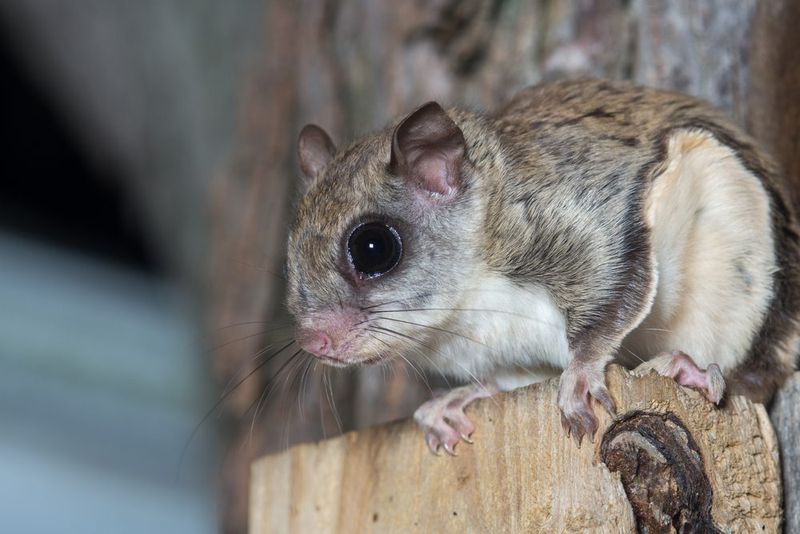
Listen closely, because the sounds can tell a story. Flying squirrels tend to make quick, light scampering noises, almost like a toy car rolling across the ceiling.
Some homeowners describe a rolling or bumping sound, which may come from nuts being moved or stored.
Scratching often happens near vents, wall edges, or entry spots where the animals squeeze in and out. You may also hear soft, high-pitched chirps, though these can be hard to catch.
Heavier thuds usually suggest a larger animal like a raccoon or opossum.
Gray squirrels also scurry and scratch, but they mostly make noise during daylight. Rats tend to make gnawing and scratching sounds at night, often inside walls as well as attics.
Since the sounds overlap, look for physical signs to back up what you hear.
Flying squirrels often use one area as a bathroom, which can leave a cluster of small droppings and urine stains. Over time, those stains may show up as yellowish spots on insulation or even on the ceiling below.
Across Georgia, acorn and hickory nut season lines up with fall, so chewed shells in an attic can be a strong hint.
Take photos of anything you find and note where it was. Clear pictures help a wildlife professional identify the animal faster and recommend the right next step.
5. Small Gaps Around Vents And Rooflines Give Them A Way Inside
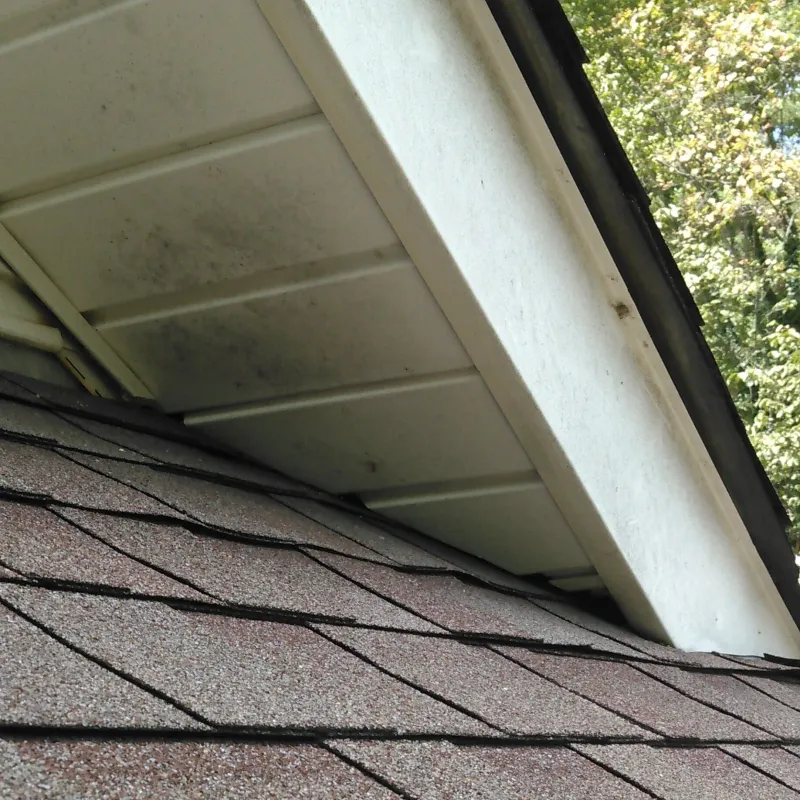
Tiny openings are all they need. A flying squirrel can slip through a gap that most people would barely notice from the ground.
Common trouble spots include gable vents, ridge vents, soffit edges, and the corners where two rooflines meet.
Builders call some of these corners roof returns, and small gaps there are a frequent entry point. Loose flashing, damaged screens, and gaps around plumbing vents can also let animals squeeze in.
Grab binoculars and walk around your house on a sunny afternoon.
Look for dark smudges, chewed edges, or gaps where boards do not meet tightly. Oils from fur can leave stains around an opening that gets used often.
Overhanging branches make every gap easier to reach, so trimming limbs back from the roof can help.
Hot, humid summers in Georgia can speed up wear on wood trim and screens, so older homes may develop new gaps over time. Checking the roofline each fall is a smart habit, especially before cold nights settle in.
Here is a key warning, though, so read carefully.
Avoid sealing gaps if animals might still be inside. Trapping them in the attic can lead to more damage, bad odors, and stranded young, so confirm the space is empty or use a proper exclusion plan first.
6. Check For Dependent Young Before Attempting Any Removal
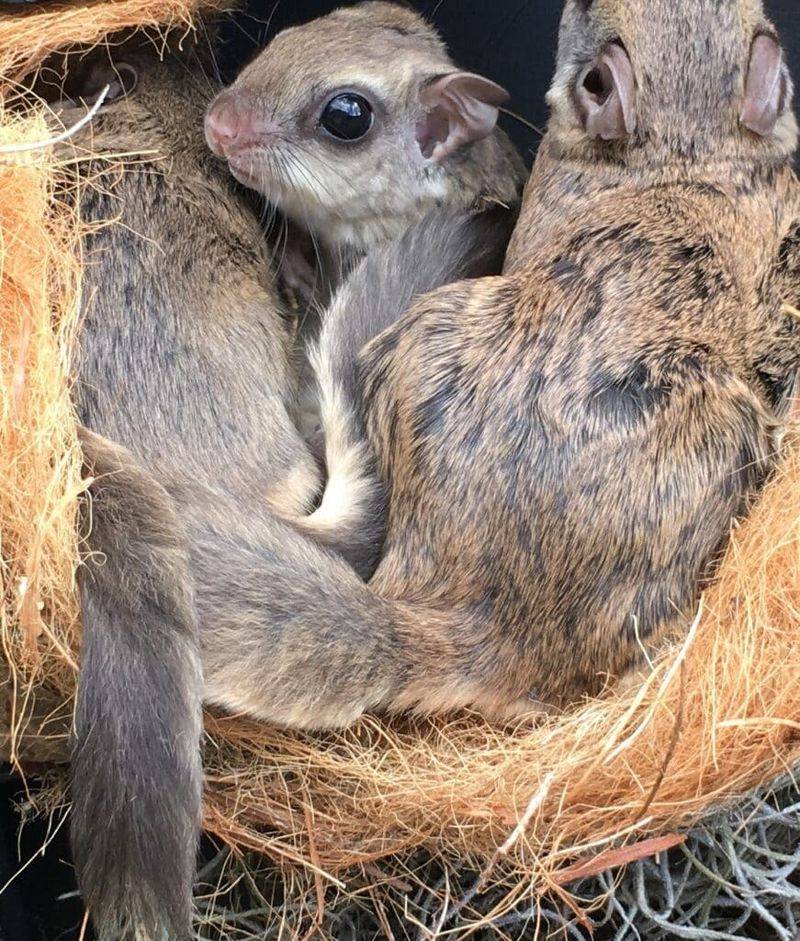
Fall can be nursery season. Southern flying squirrels often raise two litters a year, and the second group of babies commonly arrives in late summer.
That timing means young squirrels may still be in your attic as autumn begins.
Newborns are tiny and helpless at first. They rely on their mother for several weeks before they can move around and leave the nest on their own.
Pushing the mother out too soon can leave those babies stranded inside your home.
Stranded young cannot survive without care, and they may cry and scratch as they search for their mother. Odor problems and extra cleanup can follow, which is something no homeowner wants.
Soft, faint squeaking from one spot may hint at a nest with young.
A trained wildlife professional knows how to check carefully without disturbing the family more than needed. They can also estimate the age of the babies and suggest when exclusion makes sense.
Rules matter too, since Georgia regulates how nuisance wildlife can be trapped, moved, or released.
Contact the state wildlife agency or a licensed nuisance wildlife operator before setting traps yourself. Waiting a few weeks for the young to grow can feel frustrating, but patience often leads to a cleaner and more humane result.
7. Professionals Can Install One-Way Doors When Young Are Able To Leave
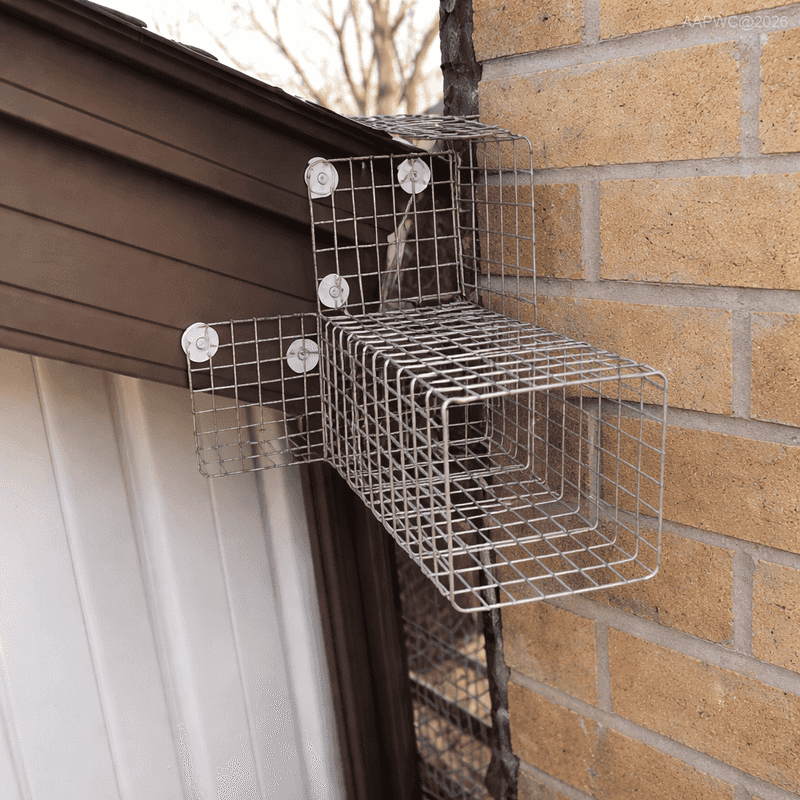
Out is easy, back in is not. Wildlife pros often use one-way exclusion doors, which let animals leave the attic but block them from returning.
Timing makes all the difference, so these devices usually go up once the young are old enough to travel with their mother.
Before the door is placed, a technician typically seals other gaps around the house. Leaving one main exit encourages the squirrels to use the opening fitted with the device.
Animals head out at night to feed, then find they cannot get back inside.
How long the door stays in place can vary depending on group size and activity. Your technician may check for noise or use other signs to confirm the attic is empty.
After that, the final opening is sealed with sturdy materials like metal mesh or flashing.
Exclusion often works better than trapping and moving animals far away. Relocated squirrels may struggle in a new area, and other squirrels nearby could still find your gaps.
Licensed operators in Georgia should understand state rules and safe ladder work on steep roofs.
Ask about warranties, cleanup of droppings, and insulation repair before hiring anyone. Results can depend on your roof design and how many entry points exist, so a follow-up visit is a smart request.