How To Get Fire Ants Out Of Potted Plants In North Carolina Without Harming The Plant
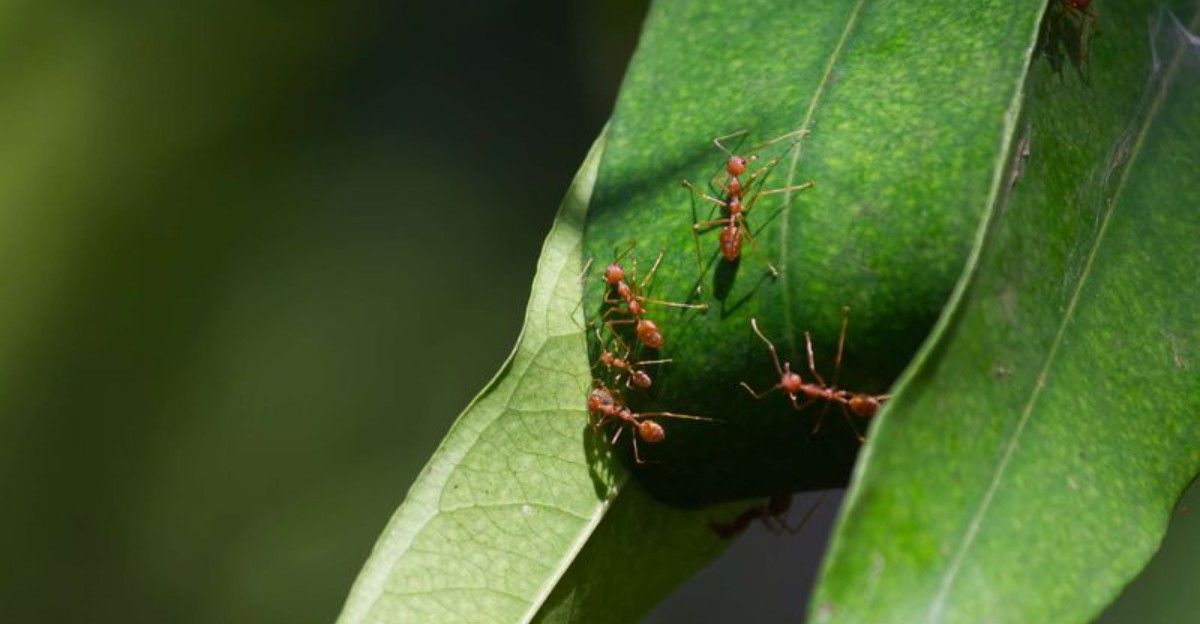
A pot on the porch is a five-star hotel for fire ants. The soil is warm, the moisture is steady, and nothing disturbs them. Many North Carolina gardeners discover the colony only when they lift the pot and the ants pour out.
That moment calls for a plan that clears the ants and spares the plant. Pouring harsh products into a container can burn roots, and boiling water hurts the plant as much as the ants.
A gentler approach exists, and it works with the way ants behave when their home floods. It takes a bucket, a little patience, and careful handling.
Fall is when colonies move into pots to stay warm, so now is the time to check every container. Act early, and your plant stays healthy.
1. Protect Yourself Before Moving The Pot
One quick bump of an infested pot can feel like stepping on a hornet nest. Red imported fire ants, known to scientists as Solenopsis invicta, rush out fast when their home gets disturbed.
Within seconds, hundreds of them can pour onto your fingers and race up your arms. Each ant can sting more than once, and the bites leave itchy white bumps that may last for days.
That is why the smartest first step has nothing to do with the plant at all. Your own skin needs a little armor before any pot gets moved, tipped, or soaked.
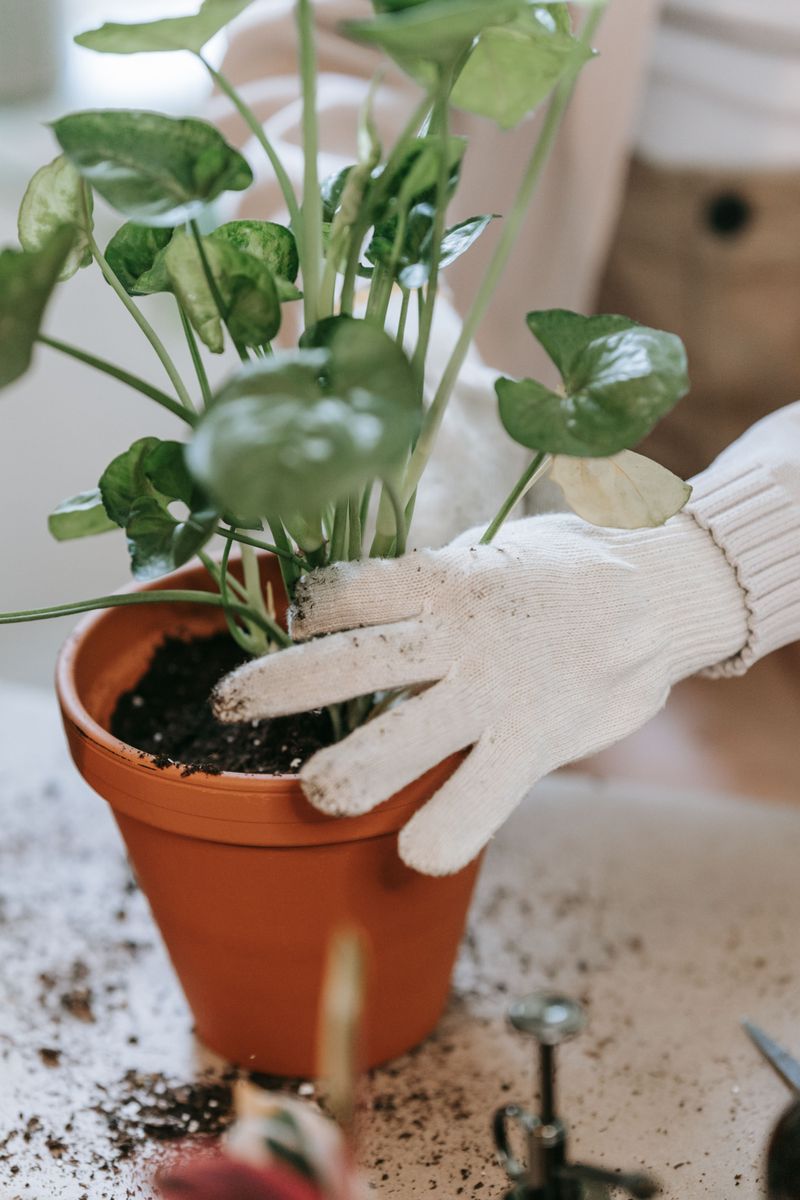
Start with thick gardening gloves, a long-sleeved shirt, and long pants. Tuck your pant legs into your socks so ants cannot crawl up your ankles.
A simple trick many gardeners swear by is dusting the outside of your gloves with talcum powder or baby powder, since the slippery coating makes it much harder for ants to get a grip and climb.
Slow and steady wins here. Quick jerks or sudden lifts shake the soil and trigger a bigger swarm, so move the pot gently and keep your face away from the rim. Having a helper nearby can also be handy if the container is large or heavy.
Across the Piedmont and Coastal Plain, fire ants show up almost everywhere, from city patios to farmhouse porches. Potted plants make attractive homes because the soil stays loose, warm, and moist.
Taking two extra minutes to gear up means you can handle the job calmly, without yelping or dropping your beloved fern on the steps. A few minutes of prep keeps the whole project safe, simple, and surprisingly stress-free.
2. Soak The Pot In A Bucket Of Water
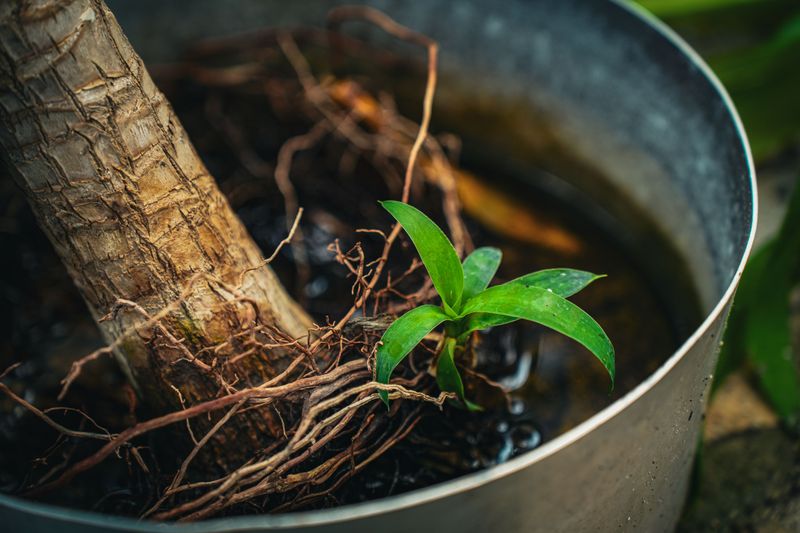
Water is one of the simplest tools in your shed, and fire ants really do not like it. When a pot gets flooded, every tiny air pocket in the soil fills up. Ants living inside suddenly have nowhere to breathe, so they scramble up to the surface in a hurry.
Most healthy plants handle a short bath with no trouble at all. In fact, many container plants get thirsty enough in summer that a good soak feels like a treat. The key is keeping the soak short and letting the pot drain well afterward.
Your North Carolina Garden Changes Every Week. Your Plan Should Too.
Gardening in North Carolina changes quickly throughout the season. Every Friday you’ll receive a simple weekly plan showing exactly what to plant, prune, fertilize, harvest, and protect so you never miss the right timing.
Grab a bucket, tub, or storage bin that is bigger than your pot. Set the plant inside and slowly pour in water until it covers the soil surface by about an inch.
Pouring gently matters, because a fast blast of water can wash away soil and stir up angry ants all at once.
Let everything sit for about 15 to 20 minutes. During that time, ants will float to the top, sometimes clinging together in clumps.
Scoop them out with an old cup or strainer and drop them into a separate container of soapy water, since the soap breaks the surface tension and keeps them from climbing back out.
Once the time is up, lift the pot out and set it somewhere it can drain completely. Soggy roots can rot, so avoid putting it back on a saucer full of water right away.
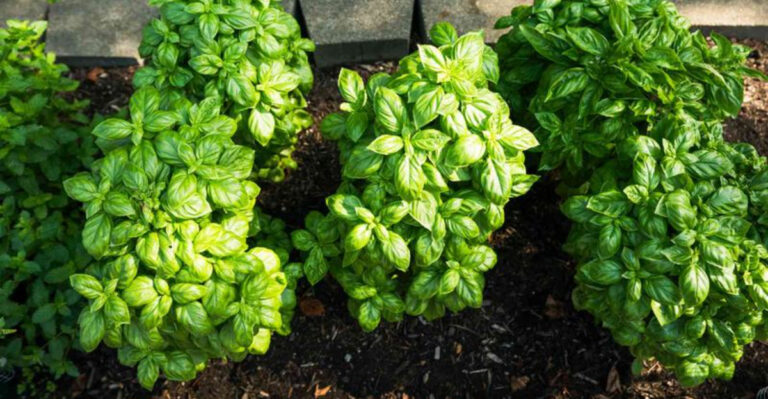
For North Carolina gardeners who grow herbs, veggies, or flowers for pollinators, this trick is a winner. No insecticide goes into the soil, so your basil stays safe to snip and your butterflies stay happy.
3. Repot Into Fresh Potting Mix
Sometimes a colony simply refuses to leave. If you see piles of ants, white eggs, and tiny larvae every time you water, the soil itself has become their nursery. At that point, a fresh start beats any quick fix.
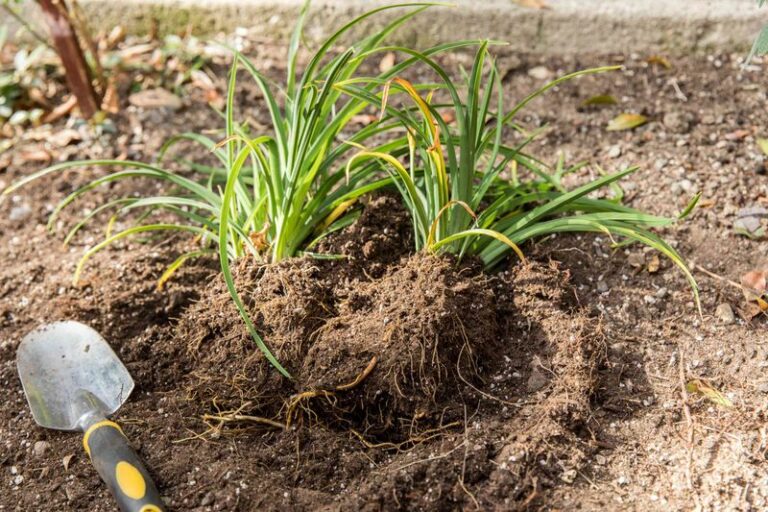
Repotting removes the whole operation in one go. Out goes the old soil along with the ants, their eggs, and the young ones still growing. Your plant gets clean roots, new nutrients, and a pot that no longer doubles as an ant hotel.
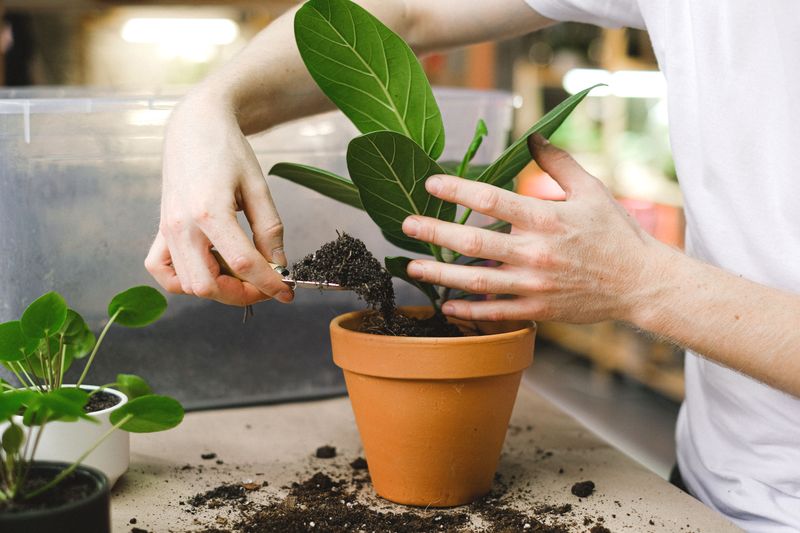
Suit up in your gloves, sleeves, and tucked-in pants first. Spread a tarp on the ground or work on a paved driveway where you can see everything clearly. Tip the pot on its side and slide the plant out gently, supporting the base of the stems with one hand.
Next, shake or rinse away the old soil from the roots. A soft spray from the hose works well and flushes out hiding ants. While the roots are bare, take a close look and trim off any mushy or brown sections with clean scissors.
Scrub the empty pot with soapy water and rinse it well. Then replant using fresh potting mix, firming it lightly around the roots and watering it in.
As for the old soil, seal it in a plastic bag and leave it in the hot sun for several days, or toss it far away from your garden beds.
Here in North Carolina, pots that sit untouched for weeks are prime targets. A shady corner planter you rarely move might be hosting a colony right now, so give those quiet containers a peek.
4. Lift Pots Off The Ground
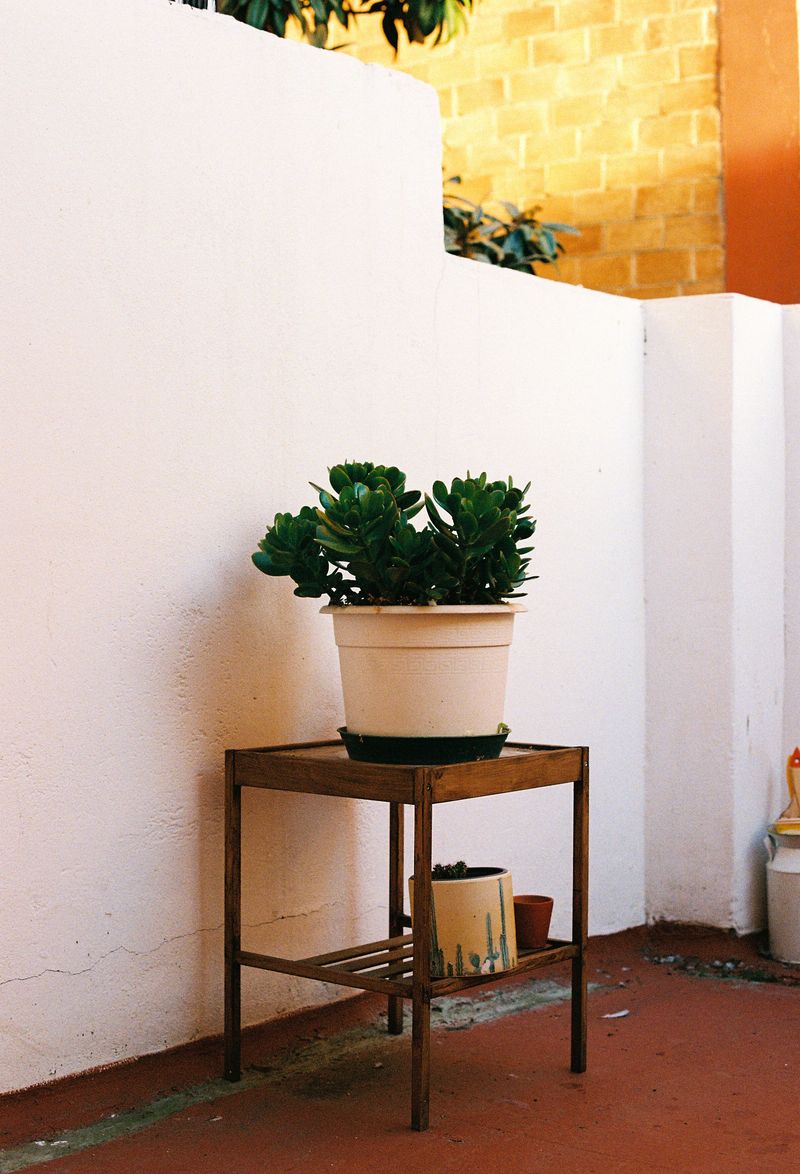
Think of your pot’s drainage hole as a front door left wide open. Fire ants usually do not climb in from the top. Instead, they tunnel up from the ground below and slip right through that little opening at the bottom.
A container sitting directly on soil or mulch is basically an easy upgrade for a nearby colony. The ants move in, enjoy the warmth and moisture, and settle down before you even notice. Raising your pots breaks that easy path and makes the move-in much harder.
Pot feet are an inexpensive fix and come in all sorts of fun shapes, from simple rubber pads to little ceramic turtles.
Plant stands, plant caddies, or even a couple of sturdy pavers work too. The goal is a gap between the pot and the ground, plus better airflow and drainage as a bonus.
Placement counts just as much as height. Set your containers on hard surfaces like a patio, deck, or concrete step rather than on grass or garden beds.
Try to keep them several feet away from lawn edges, since that strip where grass meets pavement is a favorite spot for mounds.
Walk your yard once in a while and look for those fluffy, dome-shaped dirt piles. If a mound sits near your favorite planters, consider sliding the pots to a new spot farther away.
North Carolina homeowners often find that container troubles start right next door in the lawn. A colony thriving in your grass will happily expand into a cozy pot nearby. Lifting your plants up and away is one small change that pays off all season long.
5. Use A Sticky Barrier On Stands
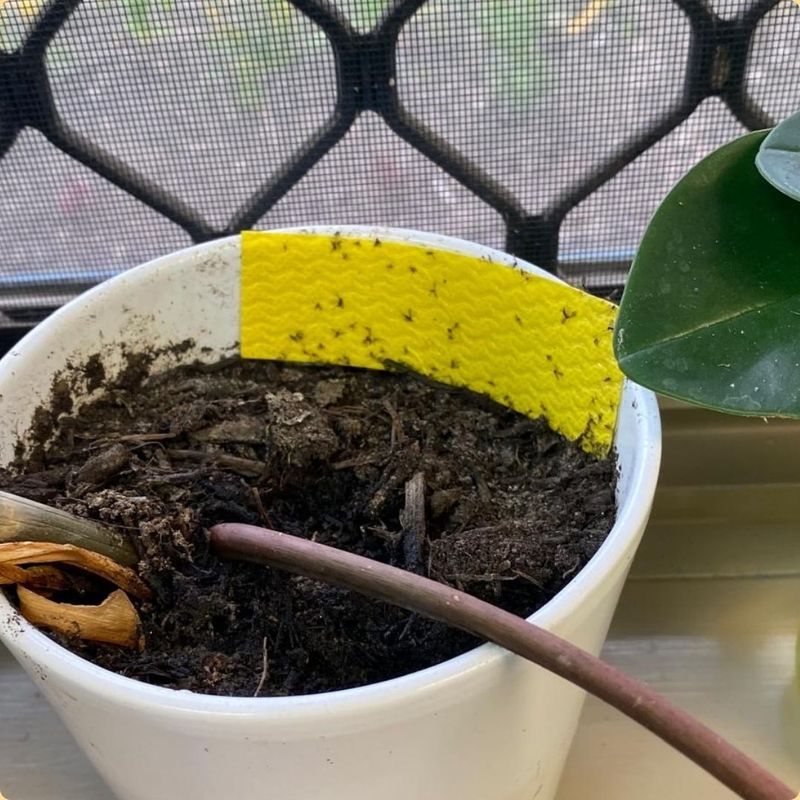
Ants are amazing climbers, but even they have limits. Give them a sticky road to cross and most will turn right around. A simple band of insect barrier can protect a raised pot like a moat around a castle.
Sticky barrier products are thick, tacky gels made to trap crawling insects. When you place a ring of the stuff around the legs of a plant stand, ants trying to march up get stuck or simply give up.
It works especially well alongside raised pots, since the legs become the only way in. Start by wrapping each leg with a strip of tape, such as masking tape or duct tape. Then spread the sticky barrier over the tape instead of right on the stand.
Applying it this way protects wood and paint, and when it is time to clean up, you just peel off the tape and start fresh.
Watch out for sneaky shortcuts. Ants are clever and will use any bridge they can find, including leaves brushing against a wall, branches touching a fence, or a neighboring plant leaning close.
Trim back stray stems or shift the stand so nothing connects your pot to the outside world. Check the band every week or two.
Dust, pollen, fallen leaves, and trapped bugs can cover the surface and create a walkway for new ants, so refresh it whenever it looks dirty or dry.
Our mild North Carolina weather means fire ants stay busy on warm days for much of the year, even during sunny spells in winter. Keeping that sticky ring in good shape gives your plants steady protection through every season.
6. Treat Mounds In The Surrounding Yard
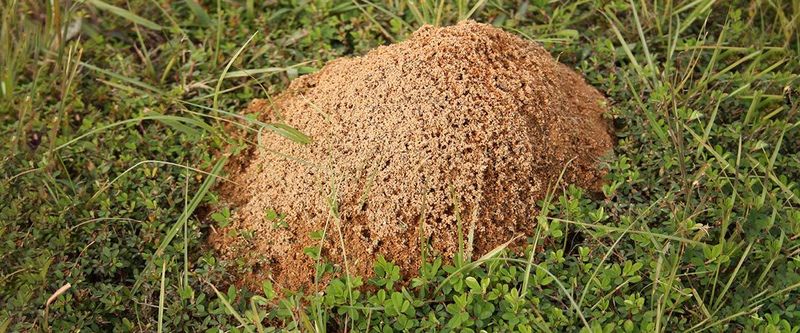
Clearing ants from one pot without looking at the yard is like bailing water from a leaky boat.
The ants in your containers almost always come from colonies in the lawn, garden beds, or the edges of your driveway. Shrink those colonies, and your pots face far fewer visitors.
NC State Extension recommends a smart approach called the two-step method. First, you broadcast a fire ant bait across the whole lawn.
Worker ants carry the bait back to their colonies and share it, reaching the queen deep underground where you could never reach her yourself.
Timing makes a big difference. Spread bait when the ground is dry, no rain is expected for a day or two, and ants are actively foraging, usually when temperatures sit between about 70 and 90 degrees.
A quick test is leaving a potato chip near a mound and checking for ants within 30 minutes. Step two involves treating individual problem mounds, especially ones near patios, walkways, or places where kids play.
Choose a mound treatment product and follow the label carefully, since the directions explain exactly how much to use and when.
Keep a few rules in mind as you work. Baits and mound treatments belong in the yard, not inside your flower pots, unless a product is clearly labeled for container use. Wear gloves, store products away from children and pets, and wash up afterward.
Fire ants bounce back quickly across North Carolina, and new queens fly in from neighboring yards each year.
Repeating the two-step method a couple of times a year, often in spring and fall, helps keep your whole outdoor space calmer and your containers much safer.
7. Never Bring An Infested Pot Indoors
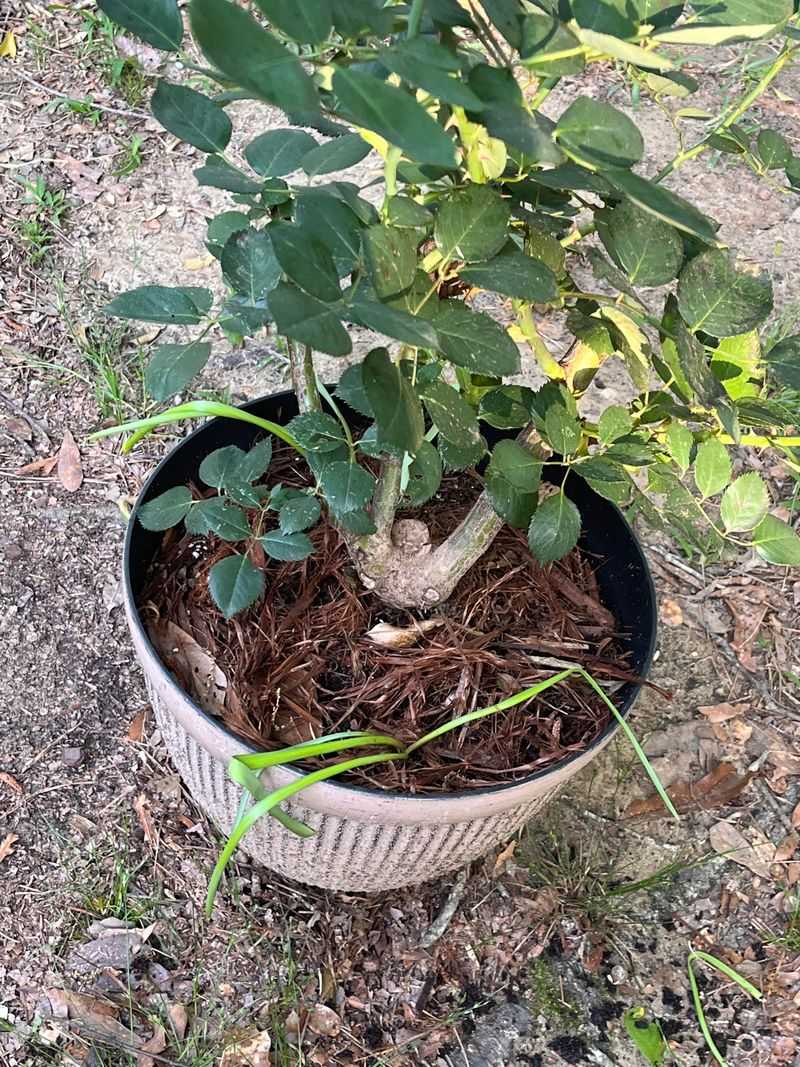
Nobody wants a surprise roommate with a stinger. When the first chilly nights roll in each fall, it is tempting to scoop up the tropical plants and carry them straight inside. A quick check first can save you from a very unhappy winter.
Fire ants hiding in container soil can keep living indoors for a long time. Warm rooms and regular watering give them everything they need. Once inside, they may wander across floors and countertops, stinging people and pets who get too close.
Before moving any plant, tap the side of the pot a few times with your gloved hand. Then watch the soil surface and the drainage holes for a minute or two. If ants come pouring out, you have your answer, and that pot stays outside for now.
Any container showing activity should get the soak treatment or a full repot with fresh mix. Give it a day or two, then test again. Only bring it in once you see zero ants after tapping.
Even plants that pass the test deserve a short waiting period. Set newly moved pots on a tray or in a spot where you can easily keep an eye on them for a few days, such as a sunroom, garage, or mudroom.
If a stray ant shows up, you can deal with it quickly before it spreads. Plenty of North Carolina gardeners bring in hibiscus, citrus, geraniums, and other tender favorites as temperatures drop.
Making these checks part of your fall routine keeps your home comfortable and your plants ready to thrive until spring returns.