The One Thing North Carolina Daylilies Need Right After They Bloom Or They Fade A Little More Every Year
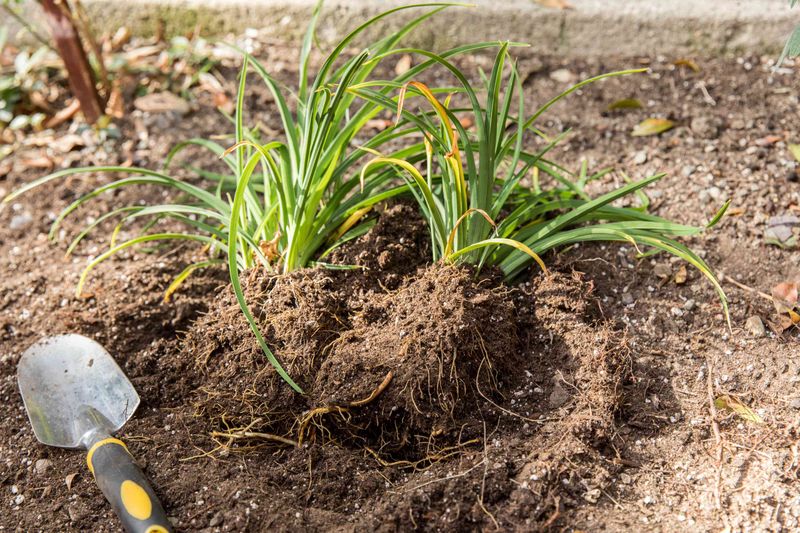
You walk past that clump of daylilies after the last blooms fade and figure the job is done for the year. But that quiet moment after flowering is actually when next summer gets decided. If your daylilies have been putting out fewer flowers each year, something is off, and the fix depends on knowing what that something actually is. Not every daylily needs the same treatment, but a crowded, struggling clump left alone will keep sliding in the wrong direction.
When a Daylily Clump Needs More Room
Most people think of daylilies as nearly indestructible, and honestly, they are pretty tough. A mature clump of Hemerocallis can bloom for roughly 30 to 40 days because it carries dozens of buds, each individual flower lasting about one day before it drops. So when a clump starts putting out noticeably fewer flowers, or smaller ones, that is a signal worth paying attention to, not something to chalk up to a bad week of weather.
The good news is that division can genuinely renew a crowded clump. NC State Extension guidance on herbaceous ornamentals confirms that daylilies can be divided after flowering, even during summer, and that dividing a congested clump can restore its flowering performance over time. Clemson Cooperative Extension adds that division is not essential unless crowding has actually reduced the plant’s performance, which means a clump that is still blooming well does not need to be dug up on any fixed schedule.
That is the key distinction. The question is not whether you divided last year or three years ago. The question is whether your specific clump is struggling. A vigorous, flower-covered plant growing in good conditions is doing its job, and disturbing it unnecessarily is more likely to set it back than help it.
Save the shovel for the clumps that are genuinely telling you something is wrong.
Diagnose the Decline Before You Dig
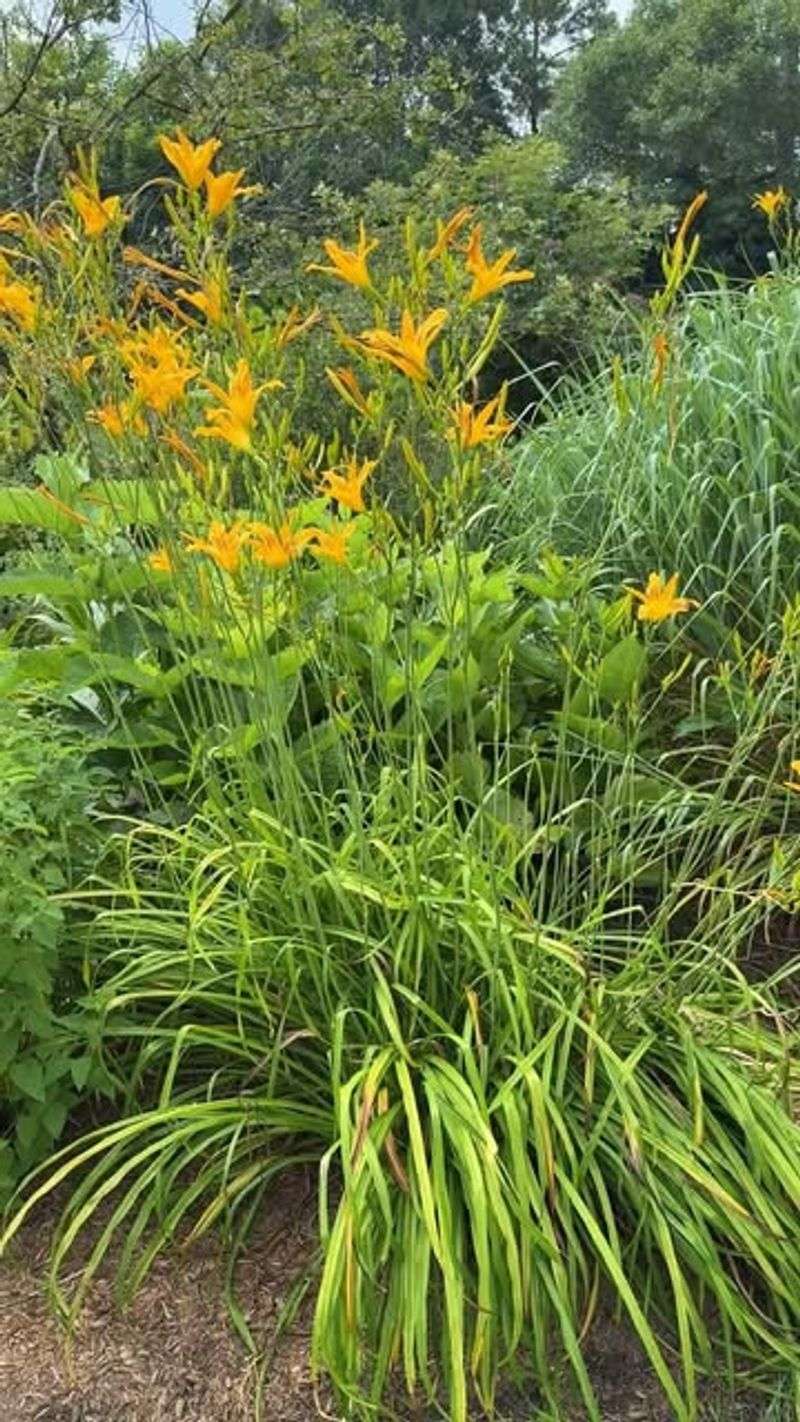
Before you grab a spade, spend five minutes actually looking at the plant. A clump that needs division usually shows a few specific signs: fewer flowers than it used to produce, smaller blooms, weak or sparse growth in the center of the clump, or a middle section that looks brown and dead while the outer edges still push up new leaves. That dead-center look is a classic crowding symptom, and it is genuinely useful information.
But brown foliage by itself does not automatically mean crowding. Older inner leaves naturally yellow and die after flowering, and a daylily that looks ragged in July may simply be doing what daylilies do. Extension horticulturists note that post-bloom browning is common and usually requires no treatment beyond optional removal of unattractive leaves. So resist the urge to panic over a little summer brown.
Other problems can look almost identical to crowding. Too much shade from a tree that has grown larger over the years will cut flowering just as effectively as a congested root system. Poor drainage, especially in Piedmont red clay that stays soggy after a summer storm, stresses the roots in ways that reduce blooms. Competition from aggressive shrub roots nearby, drought during budding, overly rich soil that pushes leaves instead of flowers, and fungal diseases like leaf streak can all contribute to a declining plant.
Your North Carolina Garden Changes Every Week. Your Plan Should Too.
Gardening in North Carolina changes quickly throughout the season. Every Friday you’ll receive a simple weekly plan showing exactly what to plant, prune, fertilize, harvest, and protect so you never miss the right timing.
NC State’s daylily hybrid profile notes that excessive shade or overly rich soil can reduce flowering even in otherwise healthy plants. Match the fix to the actual problem, not just the most dramatic one.
Choose a Manageable Post-Bloom Window
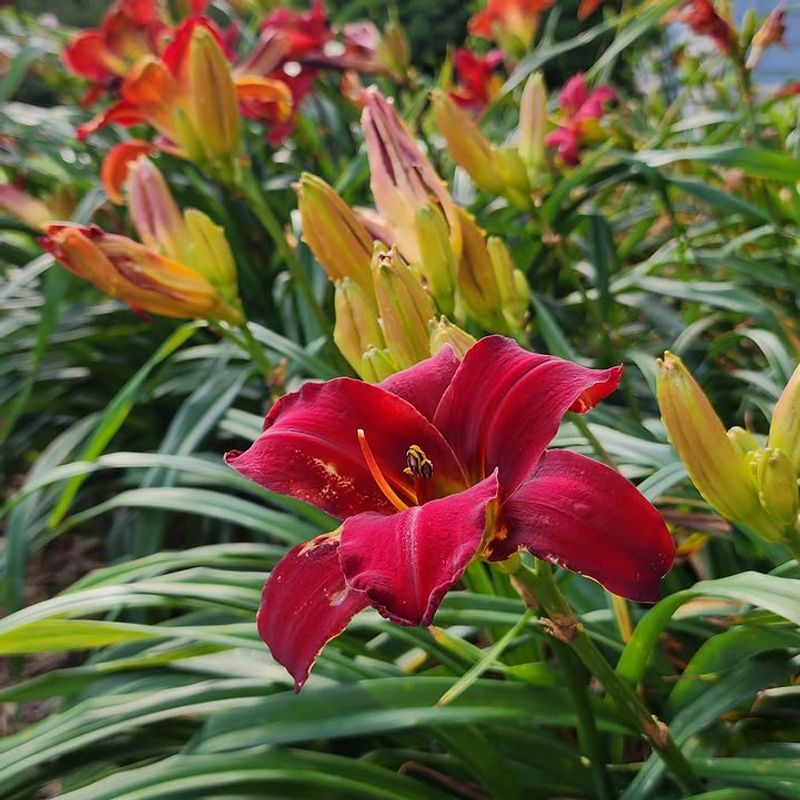
Here is where the timing question gets more nuanced than the headline suggests. You do not need to treat the first morning after the last bloom drops as a hard deadline. Daylilies can be divided after flowering, and that window extends through summer, but the goal is to pick a stretch of days when the heat is not brutal and you can commit to watering the new divisions consistently afterward.
In North Carolina, that means being realistic about July and August. A week of 95-degree afternoons in the Sandhills or the Piedmont is not the moment to dig up a stressed plant and separate its roots. If the clump needs dividing but the weather is punishing, waiting a few more weeks for a cooler spell or a stretch of cloudy days with afternoon storms is a perfectly reasonable choice. NC State Extension supports dividing after flowering through summer as long as gardeners manage the follow-up watering carefully.
A crowded clump is not going to collapse if you wait two or three more weeks for better conditions. Iowa State Extension guidance on dividing daylilies points out that newly divided plants need consistent moisture to reestablish, so setting yourself up to actually provide that water matters more than hitting an exact date. And a clump that is still flowering well? It does not need to be disturbed at all, regardless of the calendar.
Separate Rooted Fans From the Clump
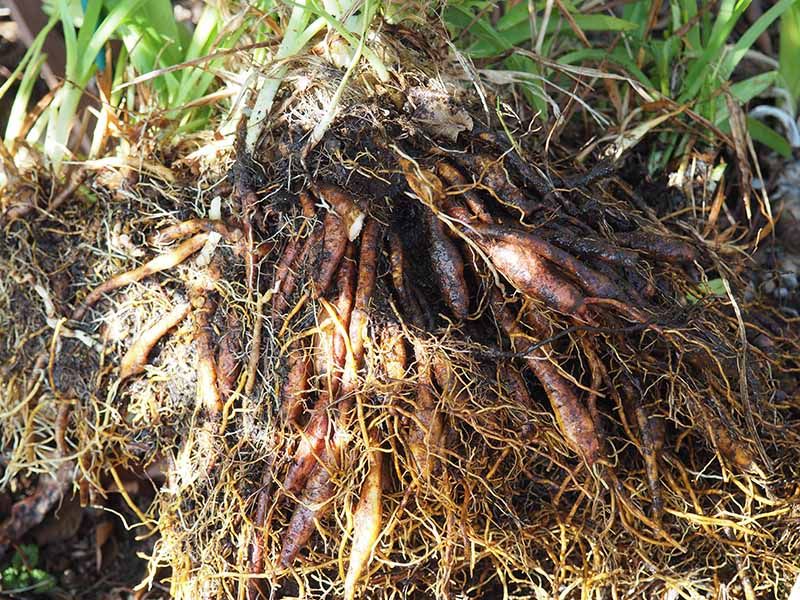
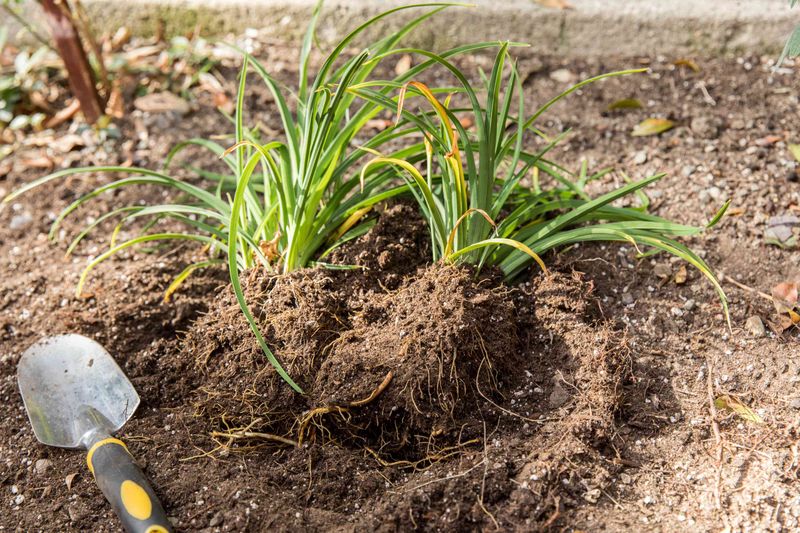
Once you have decided the timing is right and the clump genuinely needs dividing, the process itself is straightforward. Start by using a spade or garden fork to lift the entire clump out of the ground. Work around the outside edges and get underneath the root mass rather than cutting straight down through the middle. The goal is to get the whole thing up in one piece so you can see what you are working with.
Shake off as much soil as you can, or use a garden hose to wash the roots clean. That lets you actually see the individual fans, which are the leaf sections each attached to their own cluster of roots. University of Minnesota Extension guidance on daylilies recommends aiming for about 2 to 3 fans with a healthy root system for each new division. Smaller divisions can work, but they take longer to reestablish and may skip flowering for an extra season.
Many clumps pull apart easily by hand once the soil is off. A dense, older clump may be so tightly packed that you need a clean, sharp knife to cut through the crown. If you use a knife, wipe the blade between cuts to avoid spreading any disease from one section to another. Work in the shade if you can, and keep the exposed roots out of direct sun and wind while you separate the fans.
Roots that dry out before replanting are roots that struggle to take hold, so move with a little purpose and have your replanting spot ready before you start digging.
Replant the Crown and Expect Recovery Time
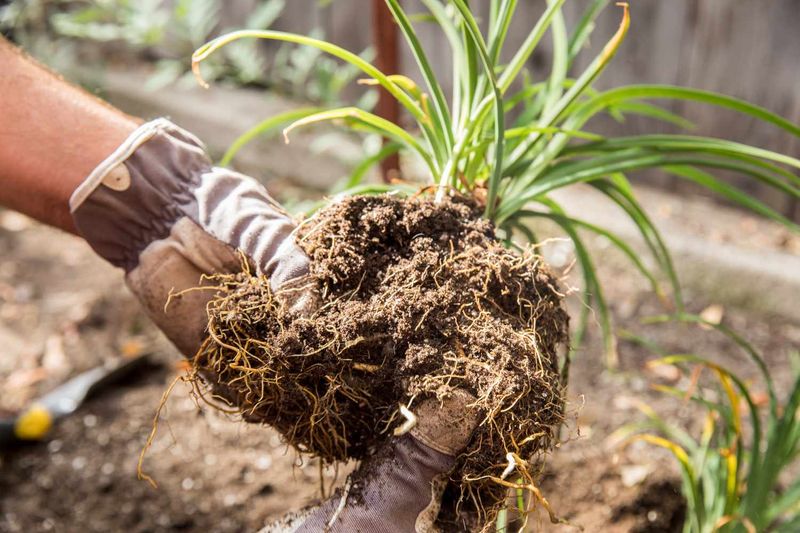
Replanting quickly is one of the most important parts of the whole process. Once the fans are separated, get them back in the ground the same day if at all possible. Choose a spot with good drainage and prepare the soil with a little organic matter worked in before you plant, especially if you are dealing with the dense red clay common across the Piedmont or the fast-draining sandy soil of the Coastal Plain.
Set each division so the crown, which is the point where the roots meet the base of the leaves, sits about 1 inch below the soil surface. Planting too deep is a common mistake that can actually reduce flowering. Clemson Extension recommends spacing daylily divisions about 18 to 24 inches apart to give them room to grow without crowding each other again in just a few seasons. After planting, water thoroughly and plan to keep the soil consistently moist for the first several weeks.
Now for the part that surprises many gardeners: Iowa State Extension notes that newly divided daylilies may bloom poorly for one or two years while they reestablish their root systems. That is completely normal, not a sign that something went wrong. The plant is putting its energy into roots and leaves before it can support a full flush of flowers again. Going into the process with that expectation makes the first quiet summer after division feel like progress rather than a disappointment.
University of Minnesota Extension frames it the same way: division can restore long-term vigor, but recovery takes time.
Remove Finished Scapes and Protect Useful Foliage
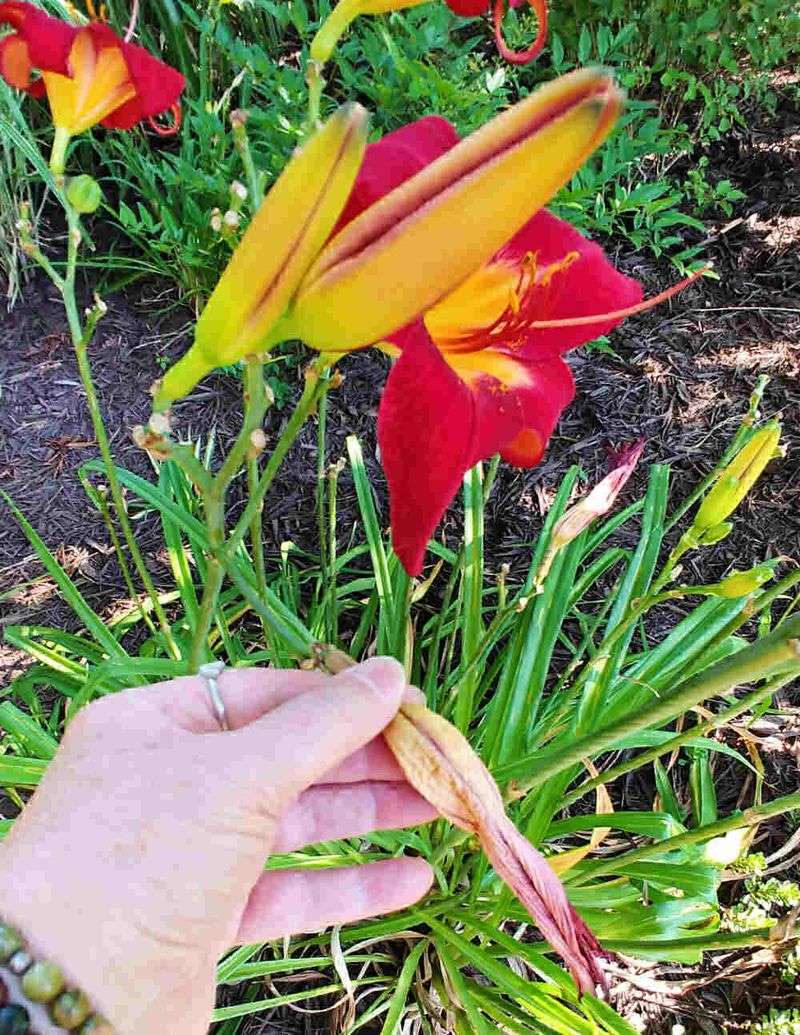
Division gets most of the attention, but routine cleanup after flowering matters too, and it is a separate job with a different purpose. As individual flowers fade each day, snapping or cutting them off along with any developing seedpods keeps the planting looking tidy and may nudge some varieties toward rebloom. Removing seedpods also means the plant is not spending energy on seed production, which can pull resources away from the root system and next year’s buds.
Once every flower on a given flowering stalk, called a scape, has finished, cut that scape off close to ground level. Clemson Extension confirms that scape removal is primarily about appearance, seed control, and encouraging possible rebloom, not about cutting the whole plant back. Deadheading and scape removal will not undo years of crowding or fix a drainage problem. They are good habits, but they are not a substitute for addressing the root cause of declining bloom.
The foliage question trips up a lot of gardeners. Green leaves still working after flowering should generally stay in place, because they are still moving energy down into the roots. University of Minnesota Extension and NC State Extension both support leaving foliage to die back naturally rather than cutting it all to the ground right after bloom. That said, foliage that is dead, badly damaged, or showing signs of disease is worth removing to keep the planting healthy.
The rule of thumb is simple: if the leaf is still green and doing its job, leave it alone.
Fix North Carolina Growing Conditions Too
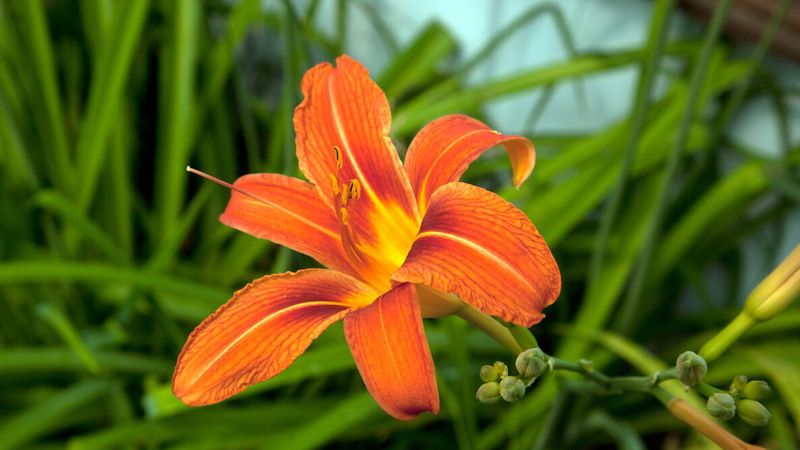
Division solves crowding, but it cannot fix a bad location. A daylily that does not get enough sun will flower less no matter how recently it was divided. Most varieties perform best in full sun, though partial shade is workable, especially in the hotter parts of North Carolina like the Coastal Plain or the lower Piedmont where afternoon shade can actually protect the flowers on scorching days. Six or more hours of direct sun is a reasonable target for strong flowering.
Drainage is the other big one, particularly for gardeners working with Piedmont red clay. Roots sitting in waterlogged soil after a summer thunderstorm are roots under stress, and stressed roots produce fewer flowers. Mixing organic matter into the planting area before you put divisions in the ground improves drainage in clay and helps sandy Coastal Plain soil hold moisture more evenly. Clemson Extension notes that established daylilies tolerate drought but produce better flowers with consistent moisture during budding and flowering.
That window, when buds are forming and blooms are opening, is when water stress does the most damage to flower quality.
Competition from nearby tree roots or aggressive shrubs can quietly rob a daylily of both water and nutrients, mimicking the symptoms of crowding even in a clump that has plenty of room. If your daylily sits under a tree canopy that has filled in over the years, reduced light and root competition may be doing more harm than anything else. NC State’s hybrid daylily profile notes that overly rich soil can push leafy growth at the expense of flowers, so fertilizing heavily is not always the answer.
On the pest side, daylily leafminer is the most common insect complaint in North Carolina. NC State Extension describes daylily leafminer as primarily a nuisance that usually causes little actual harm to plant health except in extreme cases. Routine insecticide use is not recommended for leafminer or most minor cosmetic damage. If you see a pest you cannot identify, get a positive ID first, then check current Cooperative Extension guidance and the product label before treating anything.
Finally, a safety note that every cat-owning household should know: NC State identifies daylilies as toxic to cats, with possible effects including vomiting, lethargy, kidney failure, and death after ingestion. That warning holds even though daylilies are not true lilies botanically. A daylily that flowers well is genuinely worth the effort it takes to get the conditions right, and getting those conditions right is usually more lasting than any single post-bloom task.