What To Do With California Hydrangea Blooms Once They Turn Papery
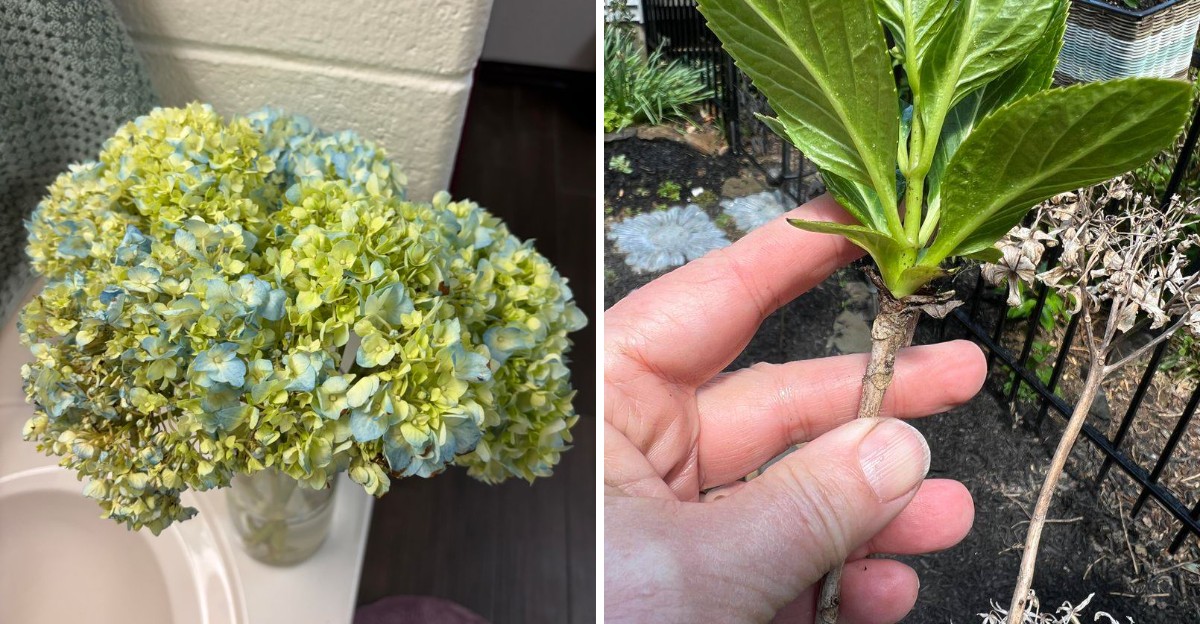
October settles over California gardens, and the big hydrangea by the porch begins a quiet transformation. Blooms that once glowed blue and pink fade to dusty rose, antique green, and soft parchment.
On breezy afternoons, they rustle like old paper.
The urge to tidy up arrives quickly, yet those faded heads hold more value than they appear.
Mild California winters allow plenty of time to decide their fate, and several rewarding options exist.
One detail deserves extra attention, though. Not every hydrangea responds to a cut the same way, and a single misplaced snip can quietly erase next summer’s flowers.
A little knowledge turns these papery blooms into a second season of beauty, indoors and out.
1. Let Them Dry On The Plant For Winter Interest
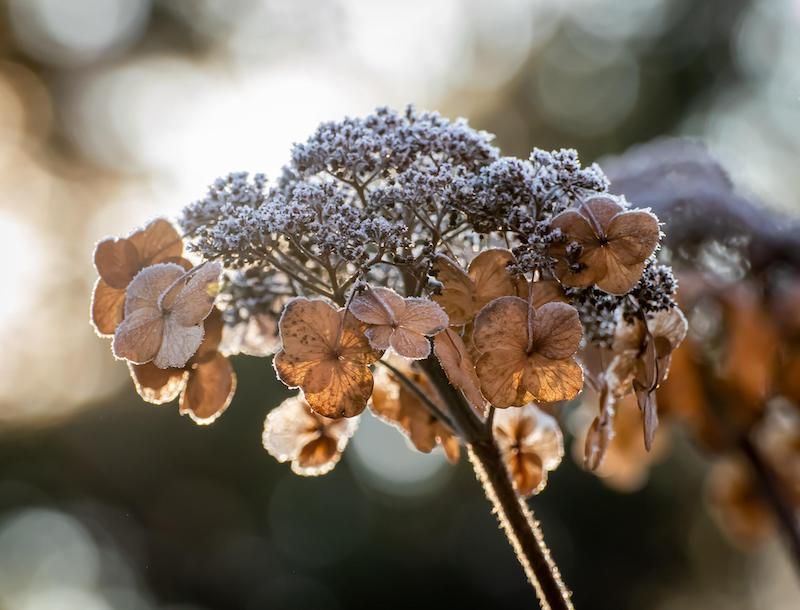
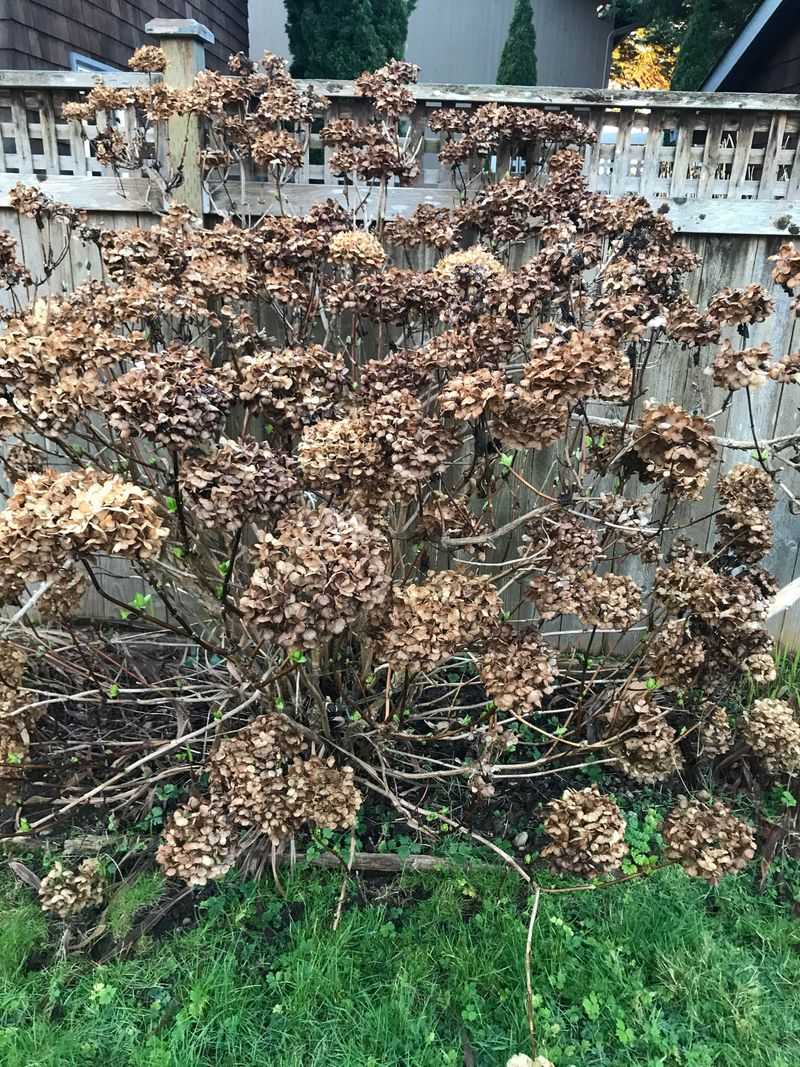
A bare winter garden gives the eye nowhere to land. The same bed with a hydrangea holding big, tan, rose-tinted heads suddenly gains shape, color, and a little drama.
Leaving papery blooms on the shrub is the easiest choice of all. The flowers keep working with no effort required.
Their soft colors look lovely against gray skies and evergreen shrubs. On frosty mornings in colder parts of California, the edges sparkle with ice crystals.
Old flower heads may help the plant a bit too. On bigleaf hydrangeas, they shade stem tips where next year’s buds sit, offering a small buffer against sudden cold.
Birds may also perch among the branches searching for insects.
Oakleaf hydrangeas shine especially well with this plan. Their cone-shaped blooms turn a rich rusty pink, and leaves often blush red or burgundy in fall.
Together, they create one of the best winter scenes in the garden.
Weather deserves watching. Heavy rain can make big heads soggy and floppy, and wind can snap weak stems, so a mushy brown bloom is best removed.
The rest can wait until late winter or early spring, once new growth starts showing.
Until then, the shrub keeps performing, just in a quieter costume.
Fallen leaves around the base deserve raking in fire-prone areas, especially within five feet of the house, where Zone 0 rules limit combustible debris.
2. Cut Stems For Dried Arrangements
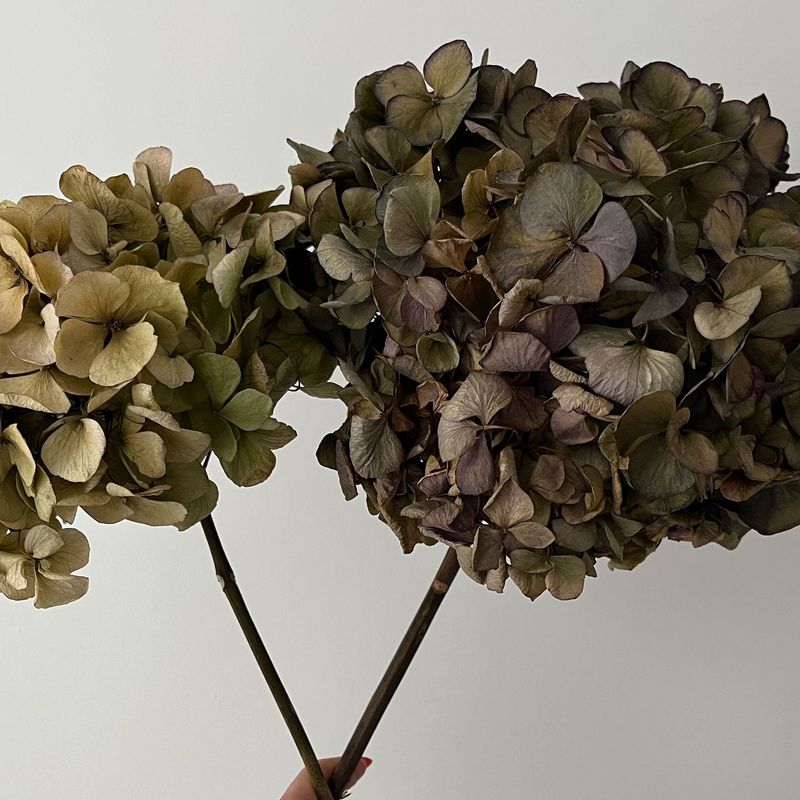
Timing makes all the difference here. A hydrangea cut while still fresh and juicy droops and shrivels within a day, while one cut once papery holds its shape for months.
A simple touch test reveals readiness. A petal rubbed between the fingers should feel slightly stiff, almost like thin card stock.
The color will have shifted too, often from bright blue or pink to softer green, mauve, or burgundy. Those vintage tones dry best.
A dry day suits cutting, ideally late morning after dew has gone, since wet blooms can turn moldy as they dry.
Clean, sharp pruners make a neat cut rather than crushing the stem.
Stems about 12 to 18 inches long offer the most flexibility when arranging later.
On bigleaf and oakleaf types, a close look before cutting matters. Cuts belong above any fat buds lower on the stem, since those hold next year’s flowers.
Your California Garden Changes Every Week. Your Plan Should Too.
Gardening in California changes quickly throughout the season. Every Friday you’ll receive a simple weekly plan showing exactly what to plant, prune, fertilize, harvest, and protect so you never miss the right timing.
Leaves come off right away. They hold moisture, slow drying, and shrivel into messy brown bits anyway.
Bare, trimmed stems are then ready for a drying method. Hanging and vase drying both work well, each giving a slightly different look.
Hydrangeas are toxic to cats and dogs, according to the ASPCA, so arrangements work best placed out of reach of curious pets.
A basket full of papery stems marks the start of a very good bouquet.
3. Hang Stems Upside Down To Dry
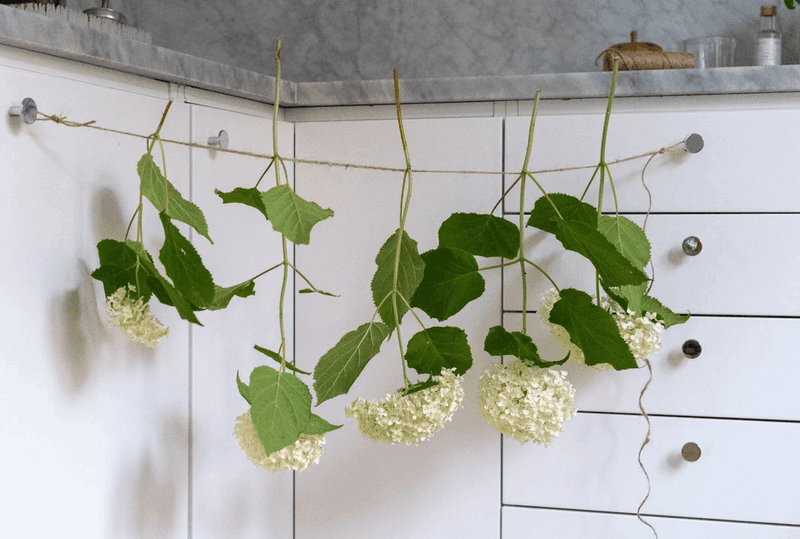
Bundles of flowers hanging heads down from a rod, quietly drying in the dark, represent one of the oldest and most reliable ways to save hydrangeas.
A few stems tied together with twine or a rubber band make the first step. Rubber bands work well because they tighten as stems shrink, keeping the bundle snug.
Small bundles of three to five stems let air move between heads. Crowded blooms dry slowly and can lose their shape.
The right spot is dark, dry, and well ventilated. A closet, a spare room, or a dry garage all work.
Darkness matters because sunlight fades color quickly, while humid spots such as bathrooms can encourage mold.
Bundles can hang from a hanger, rod, or nail. Gravity helps stems dry straight and keeps flower heads full and round.
Most hydrangeas take one to three weeks to dry completely. They’re ready when stems snap cleanly and petals feel crisp.
Finished blooms deserve gentle handling, since dried petals can crumble. A light mist of unscented hairspray can help hold them together, though it’s optional.
Extras store well in a box with tissue paper until needed.
The wait pays off with blooms that can keep their shape for a year or more.
Dried flowers catch fire easily, so finished bundles work best stored away from furnaces, water heaters, and other heat sources in garages.
4. Dry Blooms In A Vase For Soft Color
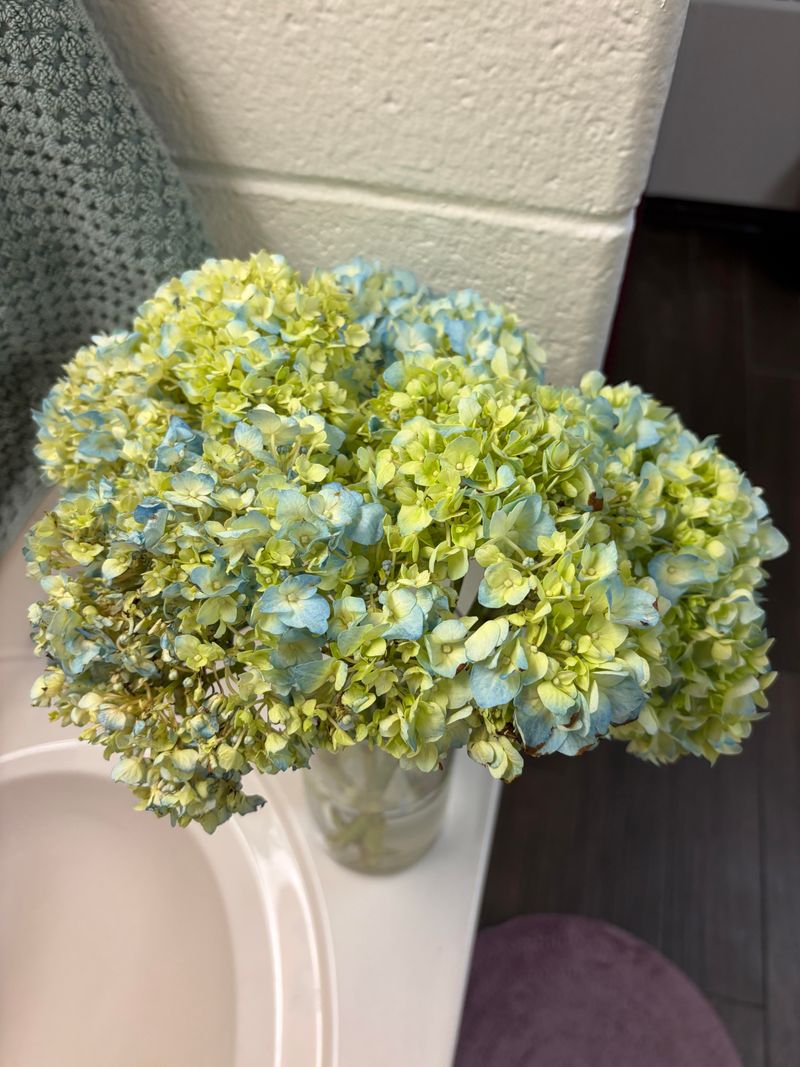
One of the prettiest ways to dry hydrangeas involves setting them in a vase and walking away. No string, no hooks, and no fuss.
A vase filled with just two or three inches of water holds papery stems nicely. The blooms drink a little at first, then slowly dry as water evaporates.
Topping off the water is best skipped, since letting it run out naturally is the whole trick.
The water serves a purpose. Slow drying seems to help blooms keep a softer, more natural look, with plumper petals and colors fading gently.
Shades of blush, sage, and cream often emerge, and many people find vase-dried blooms look less stiff than hung ones.
A spot away from direct sunlight and heat vents works best, such as a shady shelf or a dining table across from the window.
Bright light bleaches petals, and blasting heat can make them brittle too quickly.
In about two to three weeks, the water disappears and the stems finish drying.
The arrangement is already complete, too. A pitcher, mason jar, or old crock adds a cozy farmhouse feel.
Mixing colors from different shrubs creates extra interest.
A vase of soft, faded hydrangeas brings calm, easy charm to any room with almost no effort.
Candles and fireplaces deserve distance from dried arrangements, which ignite quickly. Placement out of pets’ reach also helps.
5. Snip Just Below The Bloom On Old Wood Types
A big, leafy hydrangea with no flowers in July often traces back to a heavy haircut the previous winter.
Bigleaf and oakleaf hydrangeas bloom on old wood, so cutting them back hard removes next year’s show.
Old wood simply means stems that grew last season. These types form flower buds in late summer and fall, and those buds sit on stems all winter.
Stems chopped low send those buds straight to the green waste bin.
The safe move removes only the faded flower head. Following the stem down to the first set of healthy, plump buds or leaves, the cut goes just above that pair.
On many stems, this removes only a few inches. The shrub keeps nearly all its height and every hidden flower bud.
In mild California gardens, this works anytime from late fall to late winter. Some gardeners wait until buds swell in early spring, since they’re easier to spot then.
Either approach works when cuts stay above the buds.
Light shaping helps too. Removing a few of the oldest, weakest stems at the base, about one in three each year, keeps the shrub fresh without sacrificing blooms.
Clean pruners wiped with household disinfectant keep cuts tidy and limit disease spread.
Light, careful cuts keep these shrubs full of flowers, while a buzz cut leaves them leafy and bare of color.
6. Avoid Cutting Into Next Year’s Buds
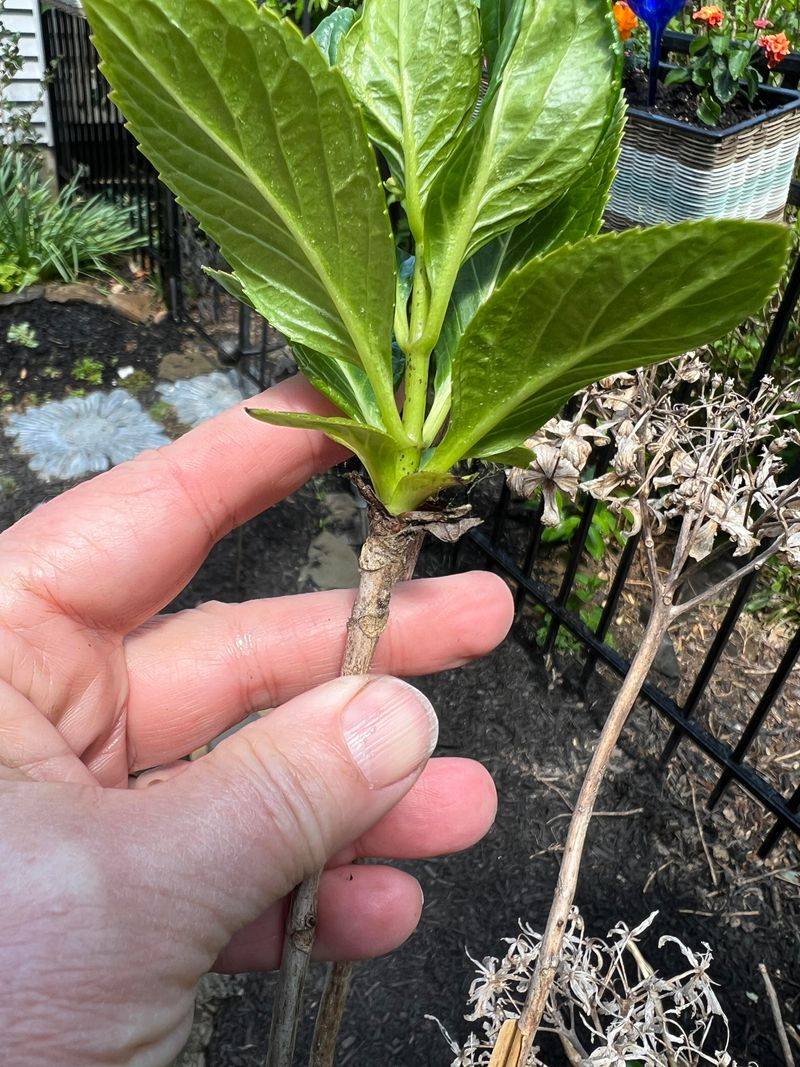
Tiny packages wait tucked along each stem. Those swollen buds look small and plain in winter, yet they hold next summer’s big, bold flowers.
Snipping them off cancels the coming show.
Spotting buds takes about five minutes to learn. Below a faded bloom, pairs of bumps sit across from each other along the stem.
Fat, rounded buds are often flower buds, while skinny, pointed ones usually become leaves. On bigleaf hydrangeas, the plumpest buds near stem tips tend to carry blooms.
Cuts work best a short distance above a healthy pair of buds, leaving about a quarter inch of stem.
Cutting too close can damage buds, while a long stub looks messy and may rot. An angled cut lets water run off.
Some newer bigleaf varieties, often sold as reblooming types, flower on both old and new wood and forgive mistakes more readily.
Careful cuts still give them a head start and earlier blooms.
California’s mild climate adds a twist. In warm coastal spots, buds may start swelling in January or sooner, which makes them easier to see.
In colder inland valleys, waiting until hard frost danger passes before much cleanup protects tender growth.
Those buds deserve treatment like buried treasure. A little winter patience brings a much bigger payoff when summer arrives.
Soil chemistry matters too, since many alkaline California soils turn bigleaf blooms pink rather than blue.
7. Prune Panicle Types Later In Winter
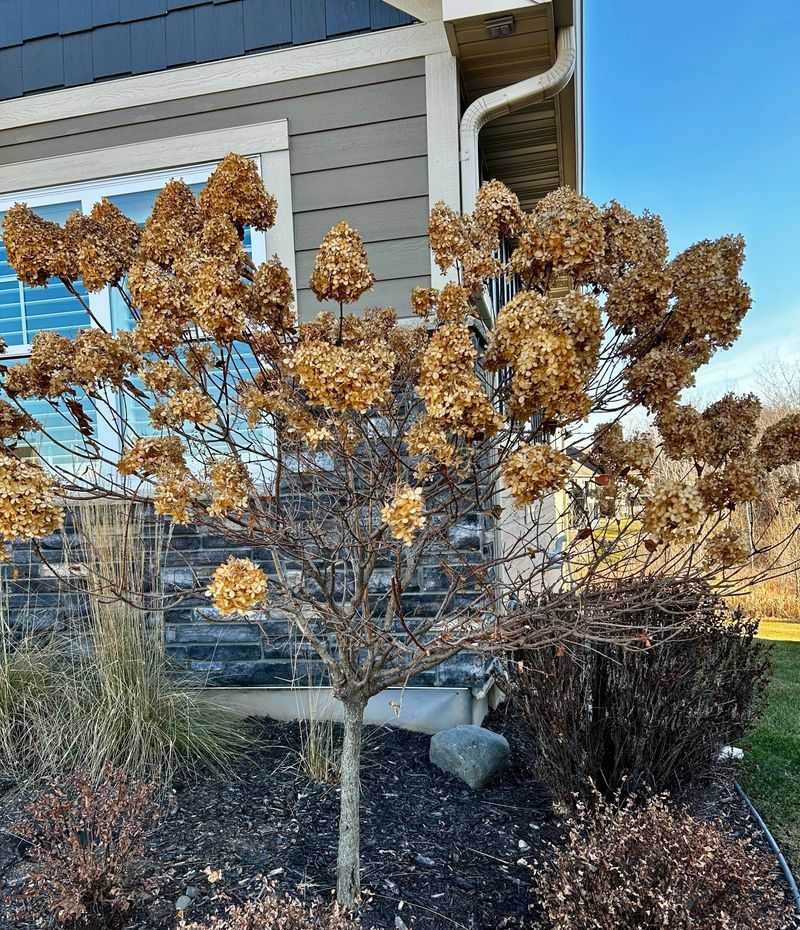
Anyone who loves a bold cleanup day gets good news here. Panicle and smooth hydrangeas bloom on new wood, growing fresh stems in spring and flowering on them that summer.
Panicle hydrangeas carry cone-shaped blooms, as with popular Limelight and Quick Fire. Smooth hydrangeas, such as Annabelle, produce round, white snowball heads.
Both often turn papery in fall and look great standing through winter, so keeping them up for show until late winter makes sense.
February or early March brings the pruning window. With no buds from last season to protect, cuts can be more generous.
Panicle types respond well to cutting stems back by about one third, along with removing thin, crossing, or broken branches.
A sturdy framework helps the plant hold up heavy blooms later.
Smooth hydrangeas handle a harder cut. Many gardeners trim them to about 12 to 24 inches tall, though leaving a bit more height produces stronger stems.
Floppy stems are a common complaint with smooth types, and moderate pruning helps.
In mild parts of California, new growth may start early. Pruning just before buds really push out directs energy into fresh stems.
The best papery heads removed during pruning make wonderful material for crafts or vases.
One afternoon of trimming sets up a summer full of big, bright blooms, with clean pruners and gloves making the job easier.
Panicle types also tolerate more sun than bigleaf varieties, a useful trait in hot inland gardens.
8. Add Dried Heads To Wreaths
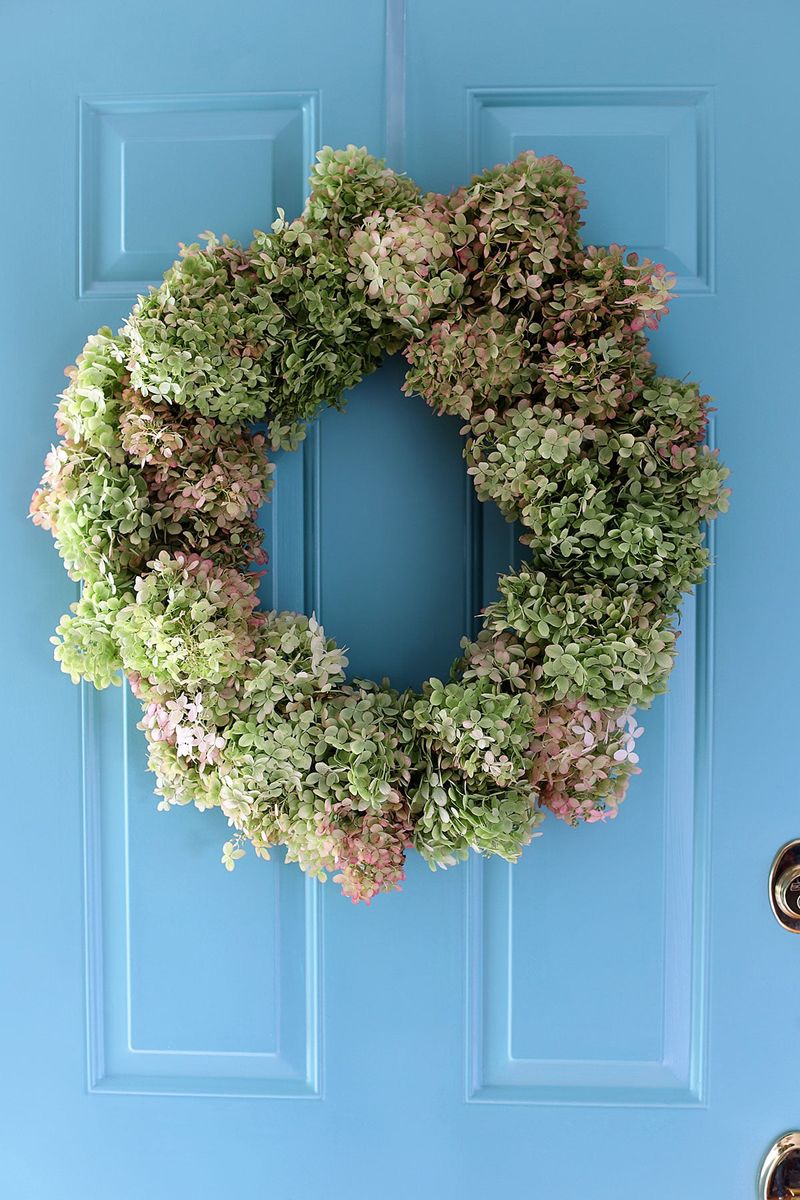
A front door wearing a hydrangea wreath offers welcome in the softest voice possible. Saved papery blooms get their grand finale here, and it may be their best role yet.
A simple grapevine or straw wreath form from any craft store makes a good base. Dried heads snipped into smaller clusters, with two or three inches of stem, tuck in easily.
A full wreath usually takes about 8 to 12 large heads.
Each stem pushes into the form or attaches with a dab of hot glue or floral wire. Working in one direction lets clusters overlap like shingles.
Mixed colors create a vintage look, while a single shade feels calm and simple. Eucalyptus, dried grasses, or ribbon add extra texture.
Placement matters. A covered porch or indoor wall works best, since rain and harsh afternoon sun fade and soften petals quickly.
Indoors, a hydrangea wreath can last a year or longer.
Dried wreaths are highly flammable, so space from candles, fireplaces, and holiday lights keeps them safe. Pets do best kept from nibbling fallen petals.
Wreaths aren’t the only option. Dried heads also suit garlands, table centerpieces, and gift toppers on wrapped presents.
Children enjoy tucking little clusters into homemade cards and holiday crafts too.
Each piece carries a bit of last summer into the cooler months, extending the garden’s gifts long after the season ends.