The Worst Vegetables For California Raised Beds (And The Ones That Thrive There)
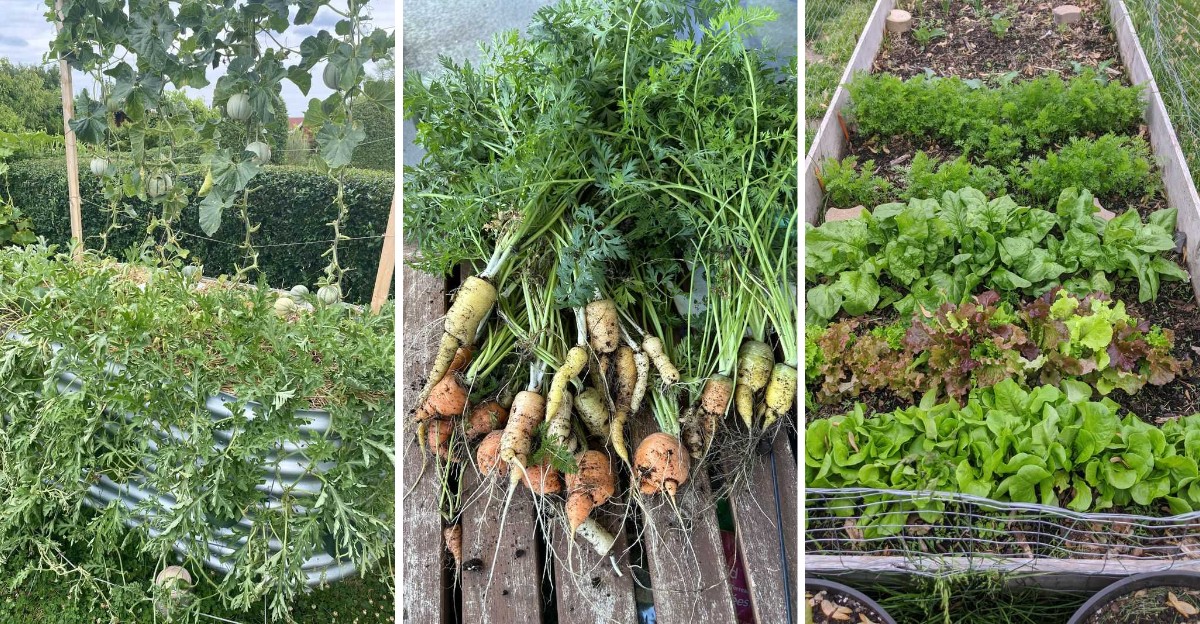
A well-built raised bed holds a lot of promise. Loose, rich soil, tidy edges, and a sunny spot make it feel like the perfect place for a productive harvest.
Then one ambitious plant moves in and claims nearly everything.
Raised beds solve many California soil problems, from heavy clay to packed hardpan, and they drain well, warm quickly, and allow closer planting.
A small frame still has limits, though.
Some crops crave room to roam, depend on wind for pollination, or take years to settle in. Others fit snugly and keep producing week after week.
Matching the crop to the space makes all the difference. With fall planting season underway, the timing for smart choices couldn’t be better.
1. Corn Hogs Space And Needs A Block
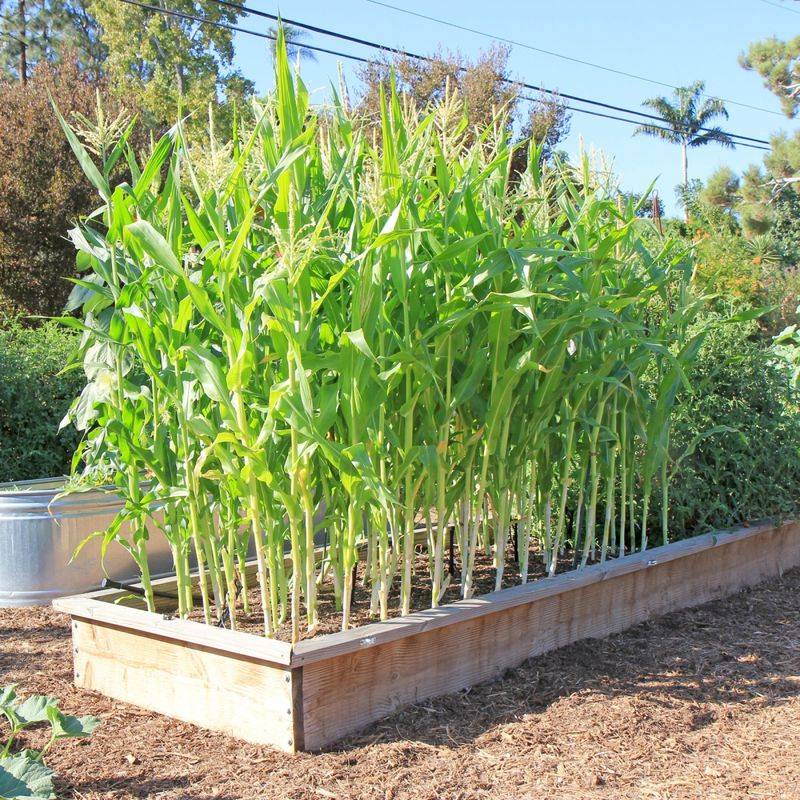
Six corn stalks lined up in a neat row along the back of a bed often grow tall and proud, then deliver ears with only a few scattered kernels.
Gardeners call that a pollination problem, and corn is famous for it.
Corn relies on wind rather than bees. Pollen drifts from tassels at the top onto silks below, and each silk connects to one kernel needing its own grain.
A single row lets most of that pollen blow away.
UC guidance recommends planting corn in blocks of at least four short rows side by side, so pollen lands where it should.
Blocks take room, and room is exactly what a raised bed lacks. UC ANR suggests spacing plants about 8 to 12 inches apart, with rows roughly 30 to 36 inches apart.
Each stalk usually yields only one or two good ears, so a four-by-eight bed gives up a lot of space for a small harvest.
Tall stalks also cast heavy shade, leaving anything on the north side struggling through summer.
Sweet corn fits better in a large bed or an in-ground plot. A compact block of a short-season variety helps near the foggy coast.
Hot inland valleys suit corn far better, making it a strong crop there, just not in a tiny frame.
Fall is a good time to plan next spring’s block, since corn goes in once soil warms.
2. Sprawling Pumpkins Overrun The Bed
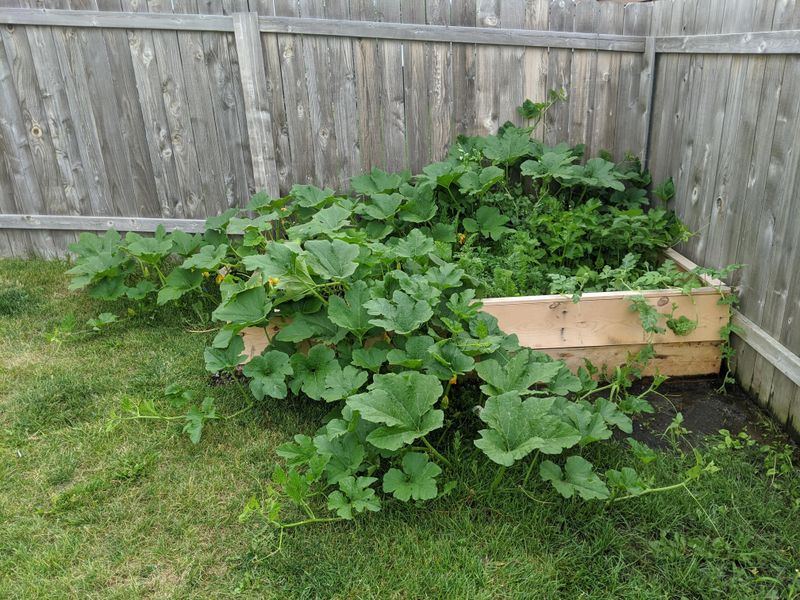
By late July, one innocent pumpkin seedling can claim a whole bed and half the walkway. Vines stretch 10 to 20 feet in many varieties.
Huge leaves block sun from anything growing nearby, so neighboring crops rarely get a fair share.
UC ANR guidance often spaces vining pumpkins and winter squash several feet apart in every direction, a spacing that alone fills most backyard beds.
A hot Central Valley summer pushes vines faster than they can be redirected. Crowded, shaded leaves stay damp longer, inviting powdery mildew, a common squash problem statewide.
Smart choices still exist. Bush varieties of winter squash, including some compact acorn and butternut types, stay much tighter.
Small pie pumpkins and delicata squash can climb a sturdy trellis or cattle panel arch, with vines tied gently as they grow.
Cloth slings support heavier fruit so stems don’t snap.
Your California Garden Changes Every Week. Your Plan Should Too.
Gardening in California changes quickly throughout the season. Every Friday you’ll receive a simple weekly plan showing exactly what to plant, prune, fertilize, harvest, and protect so you never miss the right timing.
Another option starts the squash at one corner and trains vines out of the bed onto a lawn edge or mulched area, while roots stay in rich, steadily watered soil.
That way, carrots and lettuce keep their light.
A pumpkin patch is lovely, yet a pumpkin takeover can cost a whole season of other crops. Choosing the plant to fit the frame works far better than the reverse.
Fall cleanup offers a good moment to remove old vines and leaves, since mildew spores can linger in plant debris.
3. Asparagus Takes Years And Space
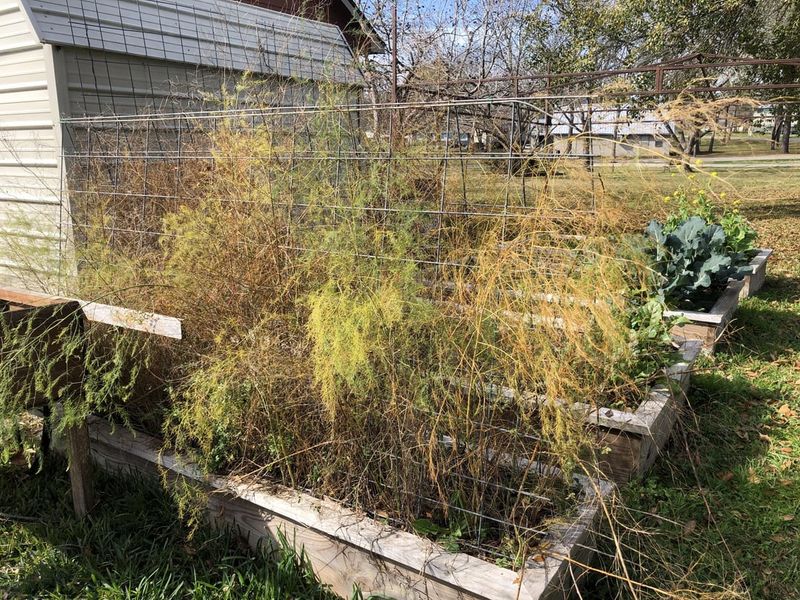
Patience is the price of asparagus. Crowns planted this season mostly produce waving ferns at first, and real harvests usually start in the third year, according to UC guidance.
Asparagus is a perennial. One planting can produce for 15 years or more, and the roots spread wide underground.
Crowns go into trenches several inches deep, about a foot apart. After the spring harvest, spears grow into tall, feathery ferns four to six feet high.
Those ferns must stay up all summer to feed the roots for next year.
In a shared raised bed, the asparagus corner becomes off-limits for tilling and replanting, and crop rotation there stops.
Tall ferns shade nearby plants, and digging around them can damage the crowns. Weeds creep in too, and pulling them without harming shallow roots takes care.
None of this makes asparagus a poor crop. It simply needs a home of its own.
A separate, dedicated bed at least 12 inches deep with excellent drainage works best, since soggy soil leads to crown rot.
California suits asparagus well, as mild winters and warm springs bring early harvests in many regions. A sunny spot along a fence or yard edge makes a fine choice.
Main beds then stay free for crops that rotate season to season. Asparagus behaves like a long-term tenant rather than a summer guest.
Crowns typically go in during late winter or early spring, so fall offers time to prepare the bed.
4. Large Melons Outgrow The Frame
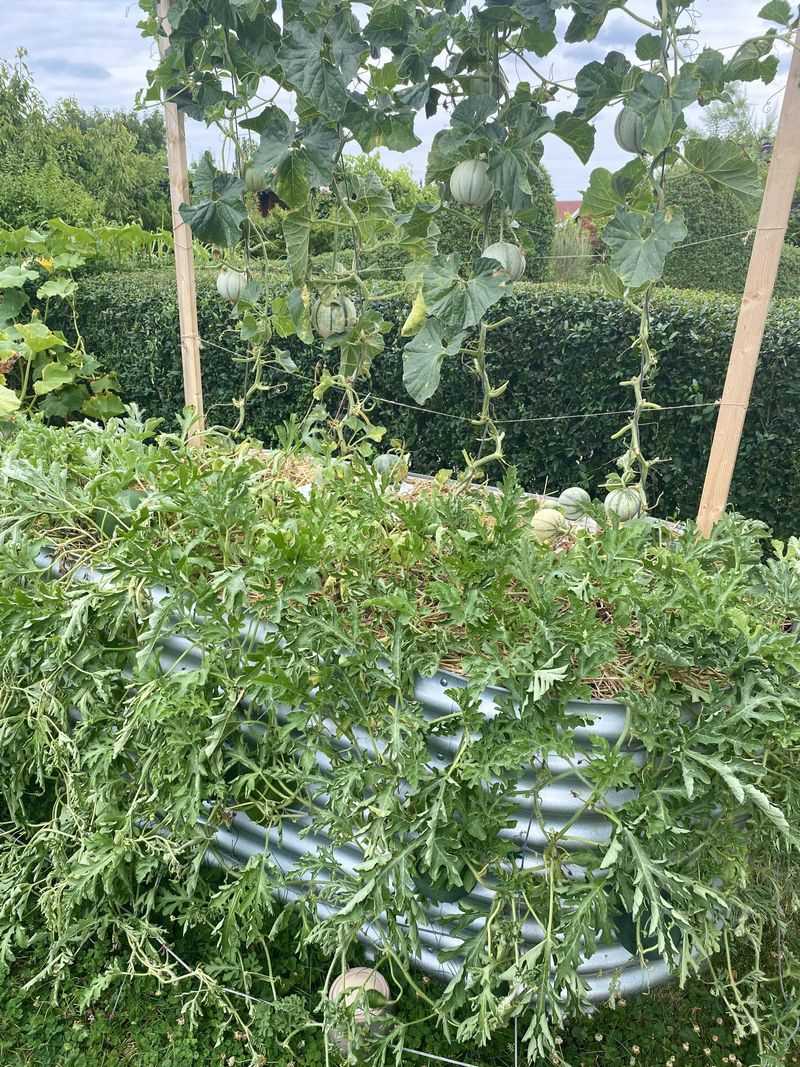
Sweet, juicy watermelon on a hot afternoon sounds like the whole reason to garden. Then the vines start marching.
Large melons can spread six feet or more, and some watermelon vines go even farther.
Space tells only part of the story. Melons need a long, warm season to turn sugary, and many full-size watermelons need 80 to 100 days of steady heat.
UC guidance notes that melons grow best when soil and air stay warm, which suits the Central Valley and desert regions.
Along the cool coast, fog and mild summers often leave fruit small and bland.
In a raised bed, one big melon plant can crowd out three or four other crops. Fruit resting on damp soil may rot, and roaming vines get stepped on.
Watering grows tricky too. Melons like deep, even moisture early, then a bit less as fruit ripens, while neighboring lettuce wants the opposite.
Gardeners determined to try have options. Personal-size watermelons or compact cantaloupes can climb a strong trellis, with each fruit cradled in a mesh sling.
Planting after soil warms in late spring works better than a chilly April start. Black plastic or a sunny south-facing spot adds warmth in mild areas.
Inland gardeners with plenty of room may simply grow big melons in the ground, where vines can ramble freely and leave the bed for less adventurous crops.
5. Leafy Greens Thrive In Tight Rows
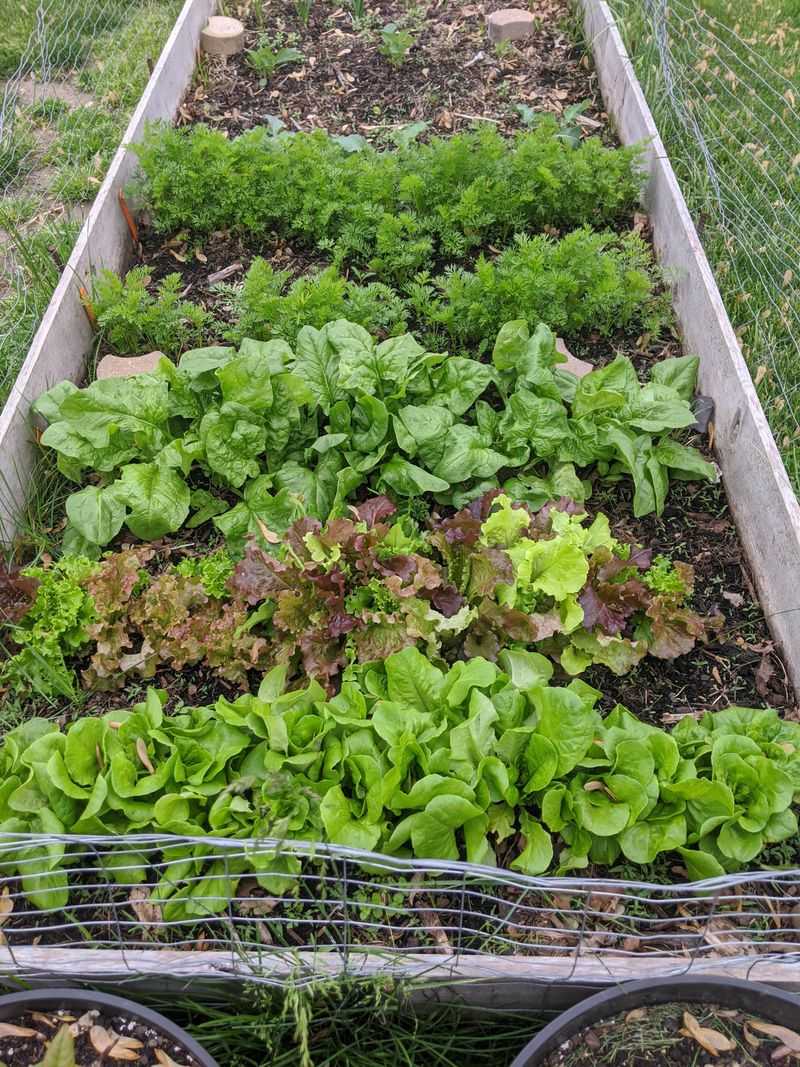
A few outer leaves snipped at dinnertime regrow by the following week. Leafy greens rank as champions of small spaces, growing fast, staying low, and planting close together.
UC ANR guidance often suggests thinning leaf lettuce to just several inches apart. Spinach, arugula, and mesclun mixes can be sown in tight bands and harvested young.
Swiss chard and kale take a bit more room, yet one plant keeps producing for months. A single square foot can supply a household with steady salad.
Timing matters in California. Most greens love cool weather, so fall, winter, and early spring make prime seasons in many areas.
Coastal gardeners can grow lettuce nearly year round, while inland summer heat makes lettuce bolt, sending up a flower stalk and turning bitter.
Early fall planting brings the sweetest crops, and late October still works in most regions.
Shallow roots make greens a natural fit for raised beds, where loose soil drains well and keeps roots healthy through rainy winters.
Evenly moist soil matters, since greens wilt quickly. A short row sown every two or three weeks keeps harvests coming.
Greens also tuck neatly between slower crops, ready to pick before tomatoes or peppers fill in.
Row cover helps protect young seedlings from birds and frost in colder inland gardens.
With so little effort required, greens may deliver the best return of any raised bed crop.
6. Root Crops Love Loose Raised Soil
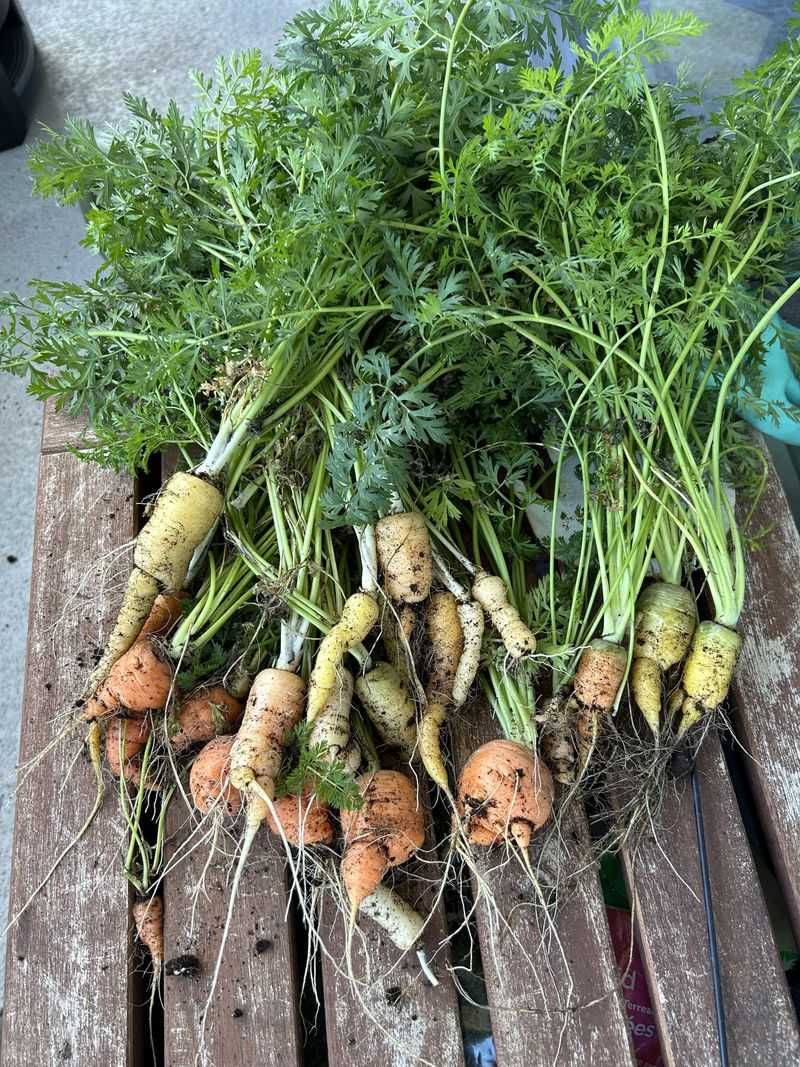
A carrot pulled from hard clay may reveal a twisted, forked little root that looks like a cartoon character. Heavy soil pushes back against growing roots.
Raised beds solve that problem beautifully.
Loose, crumbly soil lets carrots grow long and straight, beets swell into smooth globes, and radishes appear in as little as three to four weeks.
UC guidance stresses well-drained, rock-free soil for root crops, since stones and clods cause splitting and odd shapes. A bed 12 inches deep or more suits longer carrots.
Tight spacing makes great use of a small frame. Carrots thin to about two inches apart and beets to roughly three or four, with radishes even closer.
Thinning feels harsh, yet crowded roots stay tiny, and beet thinnings make tasty greens.
Most root crops prefer cooler weather. In much of California, fall through spring is the sweet spot, while coastal gardens can grow them longer.
A damp soil surface until seeds sprout matters, since carrots can take two weeks to emerge. A light layer of burlap or fine compost helps hold moisture.
Fresh manure is best skipped, since it can cause hairy, forked roots.
Short varieties such as Danvers or round Parisian carrots suit shallower beds, often finishing well in about eight inches of soil.
October sowings in many California regions bring sweet roots by winter, when cool weather deepens their flavor.
7. Peppers And Bush Tomatoes Fit Well
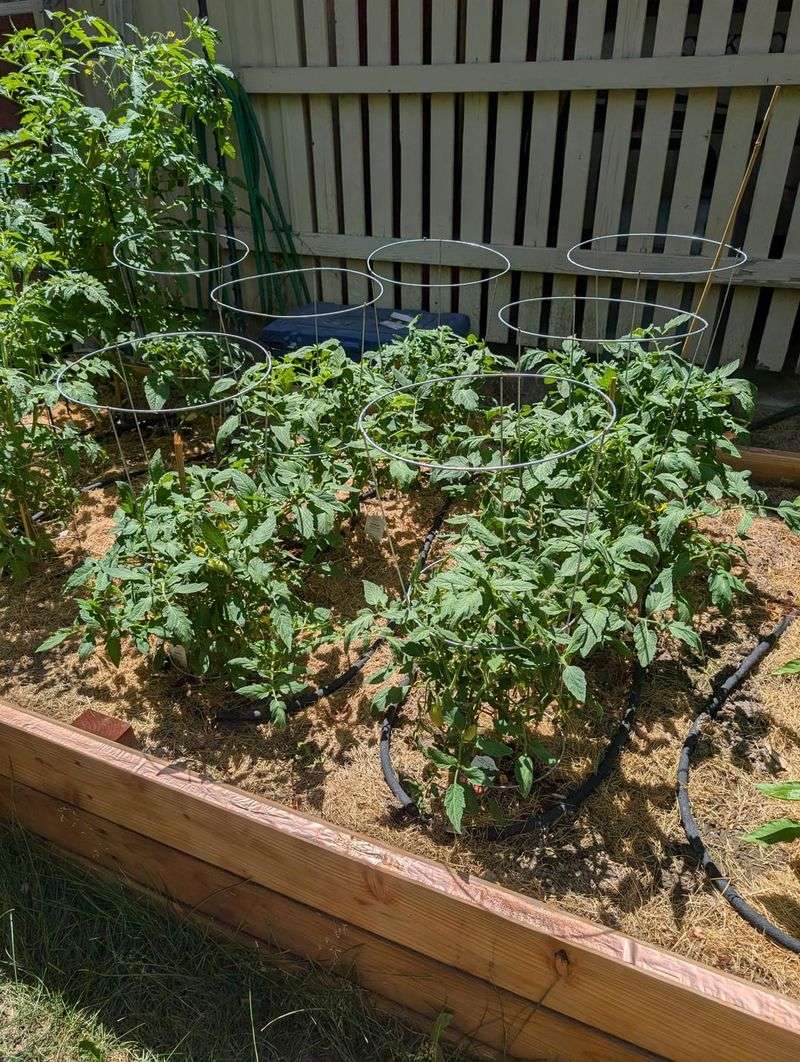
Summer in a raised bed often smells like warm tomato leaves. Peppers and compact tomatoes rank among the best warm-season crops for small spaces.
They stand upright, stay fairly tidy, and produce plenty of fruit per square foot.
Peppers behave especially well. Most plants grow one to three feet tall and need about 12 to 18 inches between them, based on UC guidance.
They love heat, so inland gardens produce big crops, and raised beds warm faster in spring. Planting works best once nights stay above about 55 degrees.
Tomatoes come in two styles. Indeterminate types keep growing all season and can tower over six feet, while determinate, or bush, types stop at a set size.
Bush varieties such as Roma, Celebrity, or many patio types fit a raised bed much better, with about two feet of space and a sturdy cage each.
Deep watering matters. Watering at the base two or three times a week in hot weather beats light daily sprinkles.
Uneven watering can lead to blossom end rot, a dark patch on the bottom of the fruit.
Straw mulch keeps soil moist and cool, though within five feet of the house in fire-prone areas, Zone 0 rules favor noncombustible cover.
Foggy coastal gardens do best with early-ripening tomato varieties.
Planted together, peppers and tomatoes turn one sunny bed into a salsa garden. Late fall offers a good time to clear spent plants and refresh the soil with compost.
8. Bush Beans And Herbs Fill Gaps
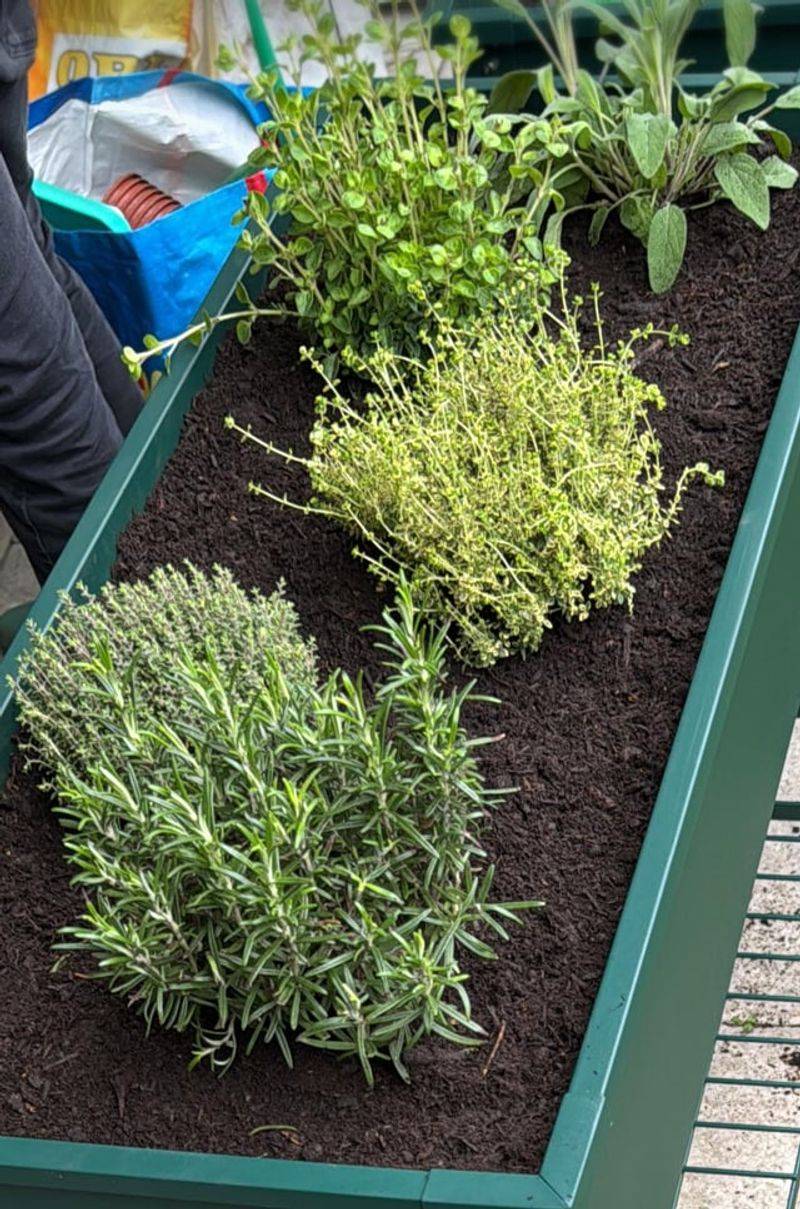
Empty spots in a bed waste sunshine. Bush beans and herbs fill them quickly, staying compact and happily sharing space with bigger plants.
Bush beans grow about one to two feet tall and need no trellis. Seeds go in once soil warms in spring, spaced roughly two to four inches apart.
Many varieties are ready to pick in about 50 to 60 days.
A new batch every few weeks extends harvests from late spring into fall in many California regions. Beans also partner with soil bacteria that add nitrogen, helping the next crop.
Herbs make the ultimate gap fillers. Basil loves summer heat and pairs well with tomatoes.
Parsley and cilantro prefer cooler months, so fall or early spring planting works best inland. October sowings suit both in many areas.
Thyme, oregano, and chives stay small and can live in a bed corner for years. Rosemary grows large in California, so a separate spot or big pot suits it.
Frequent picking keeps both crops producing. Beans slow down when pods age on the plant, and pinching basil flowers keeps leaves coming.
Herbs tucked at row ends get full sun and easy reach from the path.
Cilantro, thyme, and oregano also draw beneficial insects when allowed to flower, supporting pest control across the bed.
With beans and herbs filling the gaps, a raised bed keeps working hard through every season.