7 Genius Ways Texans Use Rosemary That Will Surprise You
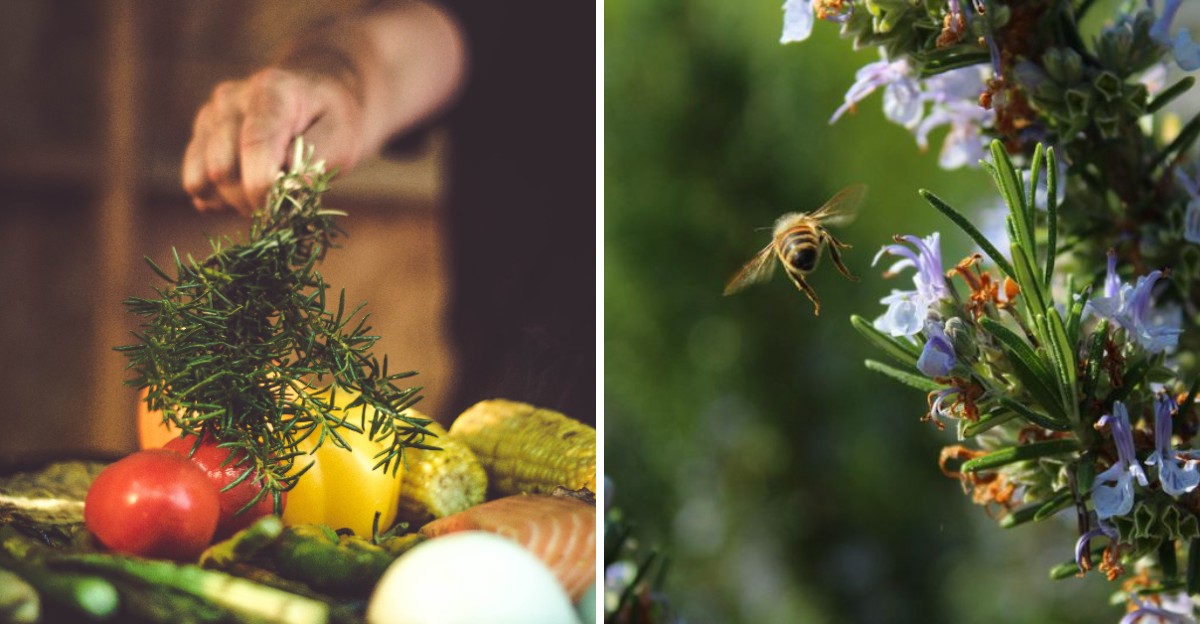
Most people think of rosemary as something you sprinkle over roasted potatoes or tuck under the skin of a Thanksgiving turkey. That’s a great start, but Texans have found plenty of other ways to put this tough herb to work.
That’s not surprising in a state where rosemary grows like a champ. In many yards, a single plant turns into a big, bushy shrub with more sprigs than any cook could ever use.
So people get creative. Some toss branches onto the grill for a fragrant, smoky kick. Others use the sturdy stems as skewers, brew it into simple syrups for cocktails, or simmer it on the stove to make the whole house smell amazing.
A few even turn to it for help keeping mosquitoes away on the patio. Once you see how versatile it really is, you might never look at that rosemary bush the same way again.
1. Flavorful Grilling Skewers

Ever run out of skewers right before a cookout? Texas grillers have a secret backup growing in the yard. Thick rosemary stems work just like wooden sticks, and they add flavor too.
Look for older, woody stems that feel firm and straight. Thin green ones bend too easily and will flop over. Aim for pieces about eight to ten inches long.
Next, strip off most of the leaves by sliding your fingers down the stem from top to bottom. Leave a little tuft at the top so the skewer looks pretty on the plate. Save the leaves you pulled off for a marinade or rub.
Soaking matters. Drop the stems in water for about twenty minutes before cooking. Wet stems are less likely to burn up over the flames.
If the food is hard to push on, poke a hole first with a metal skewer. Then slide the rosemary stem through the hole. Shrimp, chicken chunks, onions, and cherry tomatoes all work great.
As the food cooks, the stem warms up and releases its piney oils. The flavor soaks gently into the meat from the inside. Guests often ask what spice you used, and the answer surprises them.
Fun fact: rosemary comes from the dry, rocky hills near the Mediterranean Sea. That explains why it feels so at home in hot, sunny Texas.
Try pairing shrimp with lemon and garlic on these stems. Chicken thighs with a little honey also taste amazing. Even plain zucchini gets a fancy upgrade.
Serve the skewers right on the platter. They make a simple backyard meal look like something from a fancy restaurant. Plus, there is no plastic or packaging to throw away.
2. Aromatic Smoke On The Grill

Smoke is practically a food group in Texas. Brisket, ribs, and sausage all get their famous taste from slow, smoky cooking. Rosemary can add a fresh twist to that tradition.
The trick is easy. Toss a few sprigs right onto hot coals or into a smoker box. Within seconds, a sweet, piney smoke rises up and wraps around your food.
Your Texas Garden Changes Every Week. Your Plan Should Too.
Gardening in Texas changes quickly throughout the season. Every Friday you’ll receive a simple weekly plan showing exactly what to plant, prune, fertilize, harvest, and protect so you never miss the right timing.
Lamb and pork love rosemary smoke. Chicken picks it up nicely too. Even grilled mushrooms and potatoes taste richer after a few minutes in that cloud.
Here is a smart money saver. Rosemary bushes need trimming a few times a year to stay neat. Instead of tossing the clippings in the trash, bundle them up and keep them for grilling.
Fresh sprigs make a gentle, steady smoke. Dried ones flare up faster and burn hotter. Many cooks like to soak dry bundles in water first so they smolder instead of catching fire.
Do not overdo it, though. A handful is plenty for one meal. Too much can make food taste bitter or a bit like a candle.
Gas grill owners can join the fun as well. Wrap the sprigs in foil, poke a few holes, and set the packet over a burner. Close the lid and let the magic happen.
Some folks even lay sprigs under fish fillets on the grates. The herbs steam and smoke at the same time. The fish stays moist and picks up a light herbal note.
Next time you prune, think of your trimmings as free flavor. Your neighbors will wonder why your backyard smells so good.
3. A Living Tabletop Christmas Tree

Every December, garden centers across Texas fill up with tiny green cones that smell like a forest. Look closer and you will find they are not little pines at all. They are rosemary plants trimmed into the shape of Christmas trees.
These mini trees are a holiday favorite for good reason. They fit on a kitchen table, a desk, or a windowsill. Brush past one and the whole room smells wonderful.
Decorating them is half the fun. Use tiny ornaments, small bows, or a strand of battery lights. Keep things light so the branches do not bend.
Care is simple. Place your tree near a sunny window and water when the top inch of soil feels dry. Rosemary hates soggy roots, so make sure the pot drains well.
You can snip a few sprigs for holiday cooking. Roast turkey, dinner rolls, and even cocktails taste festive with a little rosemary. Just trim evenly so the cone shape stays neat.
Now for the best part. After the holidays, move your tree outside instead of tossing it. In much of Texas, rosemary keeps growing for years.
Pick a sunny spot with soil that drains fast. Wait for a mild day in late winter or early spring to plant. Water it well the first few weeks, then mostly leave it alone.
Families sometimes plant one each year. Over time, the yard fills with a row of fragrant shrubs, each tied to a holiday memory.
Kids love pointing out which bush came from which Christmas. It is a gift that keeps giving long after the wrapping paper is gone.
4. A Border Deer Usually Avoid
Ask anyone living in the Texas Hill Country about deer, and you will probably hear a sigh. White-tailed deer roam through neighborhoods like they own the place. They munch roses, nibble pansies, and strip vegetable gardens overnight.
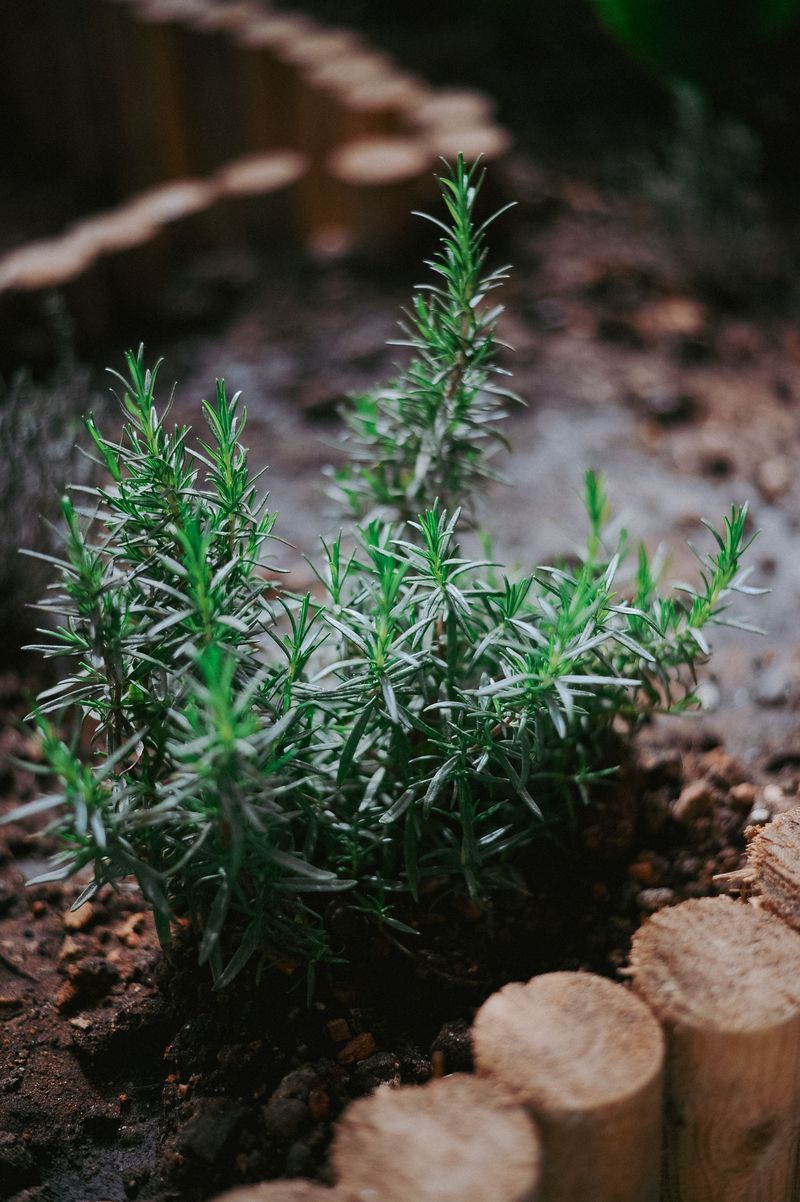
Rosemary is one plant they tend to skip. Its strong, piney scent and tough, needle-like leaves just are not appealing to them. For gardeners tired of losing plants, that is great news.
Many Texans plant rosemary along the edges of beds and walkways. It forms a fragrant border that deer usually walk past. Some homeowners call it their living fence.
There is a bonus trick, too. The bold smell can help hide the scent of tastier plants growing behind it. Deer rely a lot on their noses, so a little confusion goes a long way.
Try tucking rosemary between tomatoes, herbs, or flowers that deer love. Pair it with other plants they dislike, such as lavender, salvia, and lantana. Together they make a tougher defense.
Keep your hopes realistic, though. A very hungry deer during a drought may taste almost anything. Rosemary lowers the risk, but it is not a magic shield.
Upright types like Tuscan Blue grow tall and thick, which makes a better barrier. Space plants about two to three feet apart. In a year or two, they will fill in nicely.
Plant in full sun and skip the heavy watering once roots are set. Rosemary actually likes being a little neglected.
Too much water causes more trouble than too little. With a smart border, you might finally enjoy flowers that last longer than one night.
5. Cascading Cover For Slopes And Walls

Got a steep, sunny hill that nothing wants to grow on? Grass struggles, weeds take over, and rain washes the dirt away. Trailing rosemary might be the answer you have been hunting for.
Unlike the upright kind, trailing rosemary spreads low and wide. Its branches creep across the ground and tumble over edges. On a limestone retaining wall, it looks like a soft green waterfall.
The beauty is more than skin deep. Rosemary sends roots deep into the soil and holds it in place. That helps stop erosion when big Texas thunderstorms roll through.
Heat does not bother it one bit. Rosemary handles August afternoons that would make most plants wilt. Once settled, it needs very little extra water, which helps during drought rules.
Popular trailing varieties include Prostratus and Huntington Carpet. Garden centers often label them as creeping or groundcover rosemary. Ask a local nursery which kinds do best in your area.
To plant on a slope, dig small flat pockets so water does not run straight off. Space plants about three feet apart. Add a layer of gravel or mulch around them to slow runoff.
For walls, plant right along the top edge. Gravity does the rest. Within a season or two, the branches start spilling over the side.
Little trimming is needed. Just snip any stray branches that wander onto sidewalks. Those clippings can go straight to the kitchen.
Quick tip: avoid planting in low spots where water puddles. Rosemary roots can rot in soggy soil.
High, dry, and sunny is its happy place. A once-ugly slope can become the prettiest corner of your yard.
6. Winter Blooms That Feed Bees
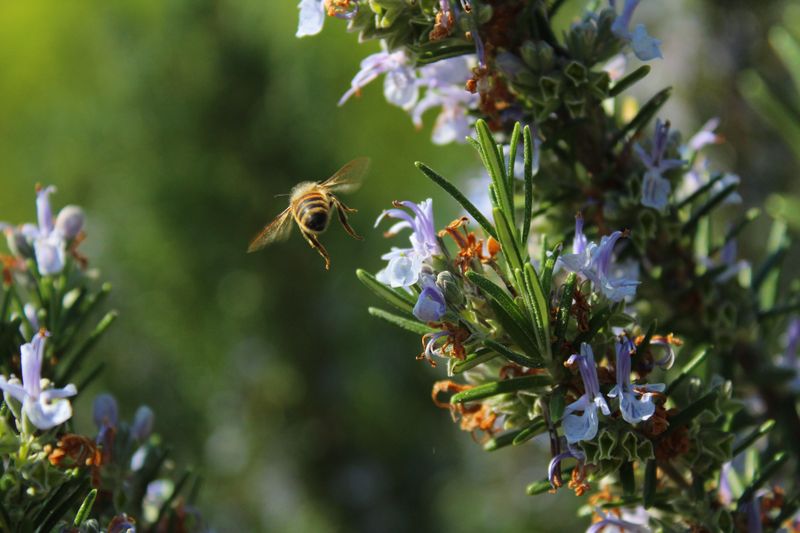
Something sweet happens in Texas gardens when the weather turns chilly. Most flowers have faded and trees stand bare. Yet rosemary bushes suddenly burst with tiny blue blossoms.
In much of the state, rosemary often blooms in fall, winter, and early spring. The flowers are small, but there can be hundreds on one plant. Up close, they look like little pale blue mouths opening wide.
Bees notice right away. On mild winter days, honeybees leave their hives to look for food. Finding nectar this time of year is tough, so a blooming rosemary is like a surprise buffet.
Native bees benefit too. Texas is home to hundreds of native bee species. Some are active on warm winter afternoons and need every flower they can find.
Why does this matter to you? Bees pollinate many foods we eat, from peaches to pecans to squash. Healthy bee populations mean better gardens and farms all around.
Want to help? Plant rosemary where it gets plenty of sun. More sunlight usually means more flowers. Skip bug sprays on and around the plant so visiting bees stay safe.
Hold off on heavy pruning while it blooms. Cutting back branches removes the flowers bees depend on. Wait until blooming slows before you shape the bush.
Here is a cool bit of history. The name rosemary comes from Latin words meaning dew of the sea. It grew wild along coasts where sea mist kept it fresh.
Next time a sunny January day pops up, step outside and listen. That soft buzzing around your rosemary means you are feeding some very busy helpers.
7. Natural Home Fragrance

Walk into a Texas grandma’s kitchen during the holidays and you might smell something magical. Often, it is not cookies baking. It is a little pot of rosemary, citrus, and spice bubbling on the stove.
Stovetop simmer pots are an old trick for making a home smell cozy. They cost almost nothing and use simple ingredients. No sprays or plug-ins needed.
To make one, fill a small pot about halfway with water. Add three or four rosemary sprigs, a few orange or lemon peels, and a cinnamon stick. Bring it to a boil, then turn the heat to low.
Within minutes, the house fills with a fresh, warm scent. Add water every half hour or so to keep the pot from going dry. Never leave it alone on the stove.
Feel free to mix things up. Cloves, vanilla, apple slices, or a few cranberries all work well. In summer, try rosemary with lime and mint for a brighter smell.
Dried rosemary has a second job, too. Hang sprigs upside down in a dry spot for about two weeks. Once crunchy, crumble the leaves into small cloth bags.
Tuck these sachets in drawers, closets, or gym bags. They keep things smelling clean and fresh. Some people add dried lavender for an extra calm feeling.
Squeeze the bags every few weeks to wake up the scent. When the smell fades, empty the old leaves into the garden. Then refill with a new batch.
Homemade sachets also make lovely little gifts. Tie them with ribbon and hand them to teachers, neighbors, or friends. Everyone appreciates a sweet-smelling surprise from your own backyard.