How To Get Your Rain Barrel Ready Before Michigan’s First Hard Freeze
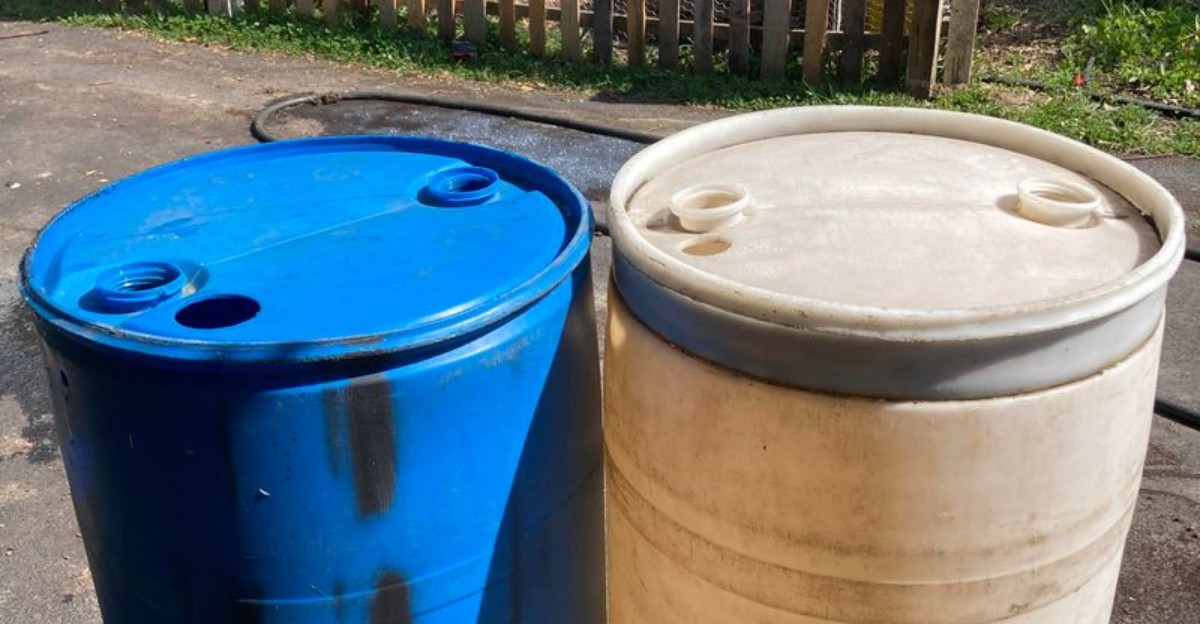
Water expands when it turns to ice, and a rain barrel has no way to make room. That is how plastic cracks and spigots split. Many Michigan gardeners find the damage in April, when a barrel that looked fine in October leaks like a sieve.
A short list of jobs prevents it. Emptying the barrel comes first, since even a few inches can freeze solid. Next, disconnect the hose and the diverter, so water does not back up and freeze inside the downspout.
A quick scrub removes the sludge that collects at the bottom all summer. The barrel then needs to rest with the spigot open and the opening protected from rain and snow. Do it this week, and the barrel will be ready for spring storms.
1. Use The Last Of The Water On Your Plants
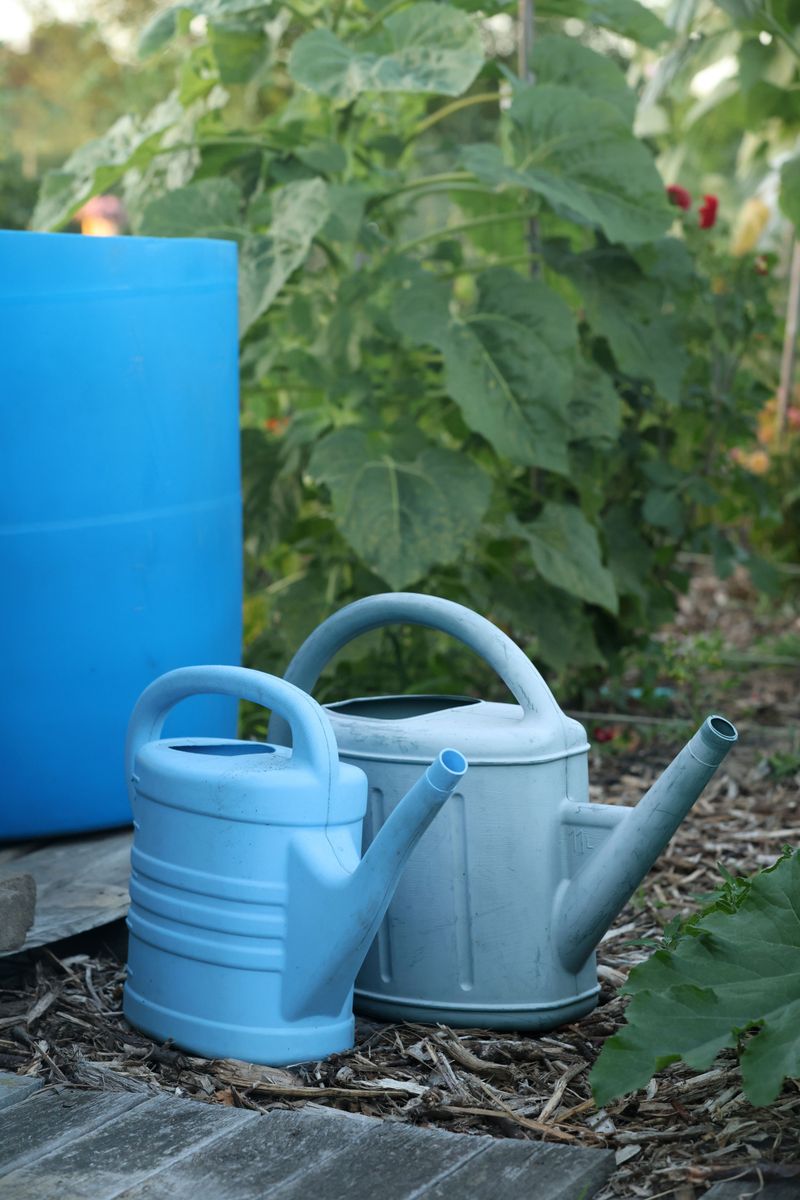
Every drop in your barrel is a gift your roof handed you for free, so why waste it? Before winter shows up, that stored rainwater can do one last big job in your yard.
Water left sitting in the barrel can freeze and cause damage, but in your garden it becomes a welcome drink.
Trees, shrubs, and perennials love a deep soak before the ground freezes solid. Roots keep working in cool fall soil, and moist soil holds warmth better than dry soil does. A good fall watering helps plants enter winter strong instead of thirsty.
Start with your evergreens. Pines, spruces, arborvitae, and boxwoods keep their needles and leaves all winter, so they lose moisture even on cold, windy days.
Next, give attention to trees and shrubs you planted this year, since their young roots have not spread far yet. Perennial beds are a smart final stop.
Not sure who needs water most? Push a trowel or your finger a few inches into the soil. If it feels dry two to four inches down, that plant should get a slow, deep drink. Pour water gently at the base so it sinks in rather than running off.
Michigan gardeners have extra reason to do this right now. Parts of Lower Michigan have been abnormally dry this fall, and evergreens that go into winter thirsty often show brown, scorched needles by spring.
Emptying your barrel onto those plants turns one chore into two wins. Your barrel gets lighter and safer, and your landscape gets a moisture boost that lasts until the snow arrives.
2. Drain The Barrel Completely
Ice is sneaky and strong. When water freezes, it expands by about nine percent, and that push is powerful enough to crack plastic, split seams, and bend metal fittings. A barrel that looks fine in November can greet you with a leaky crack in April.
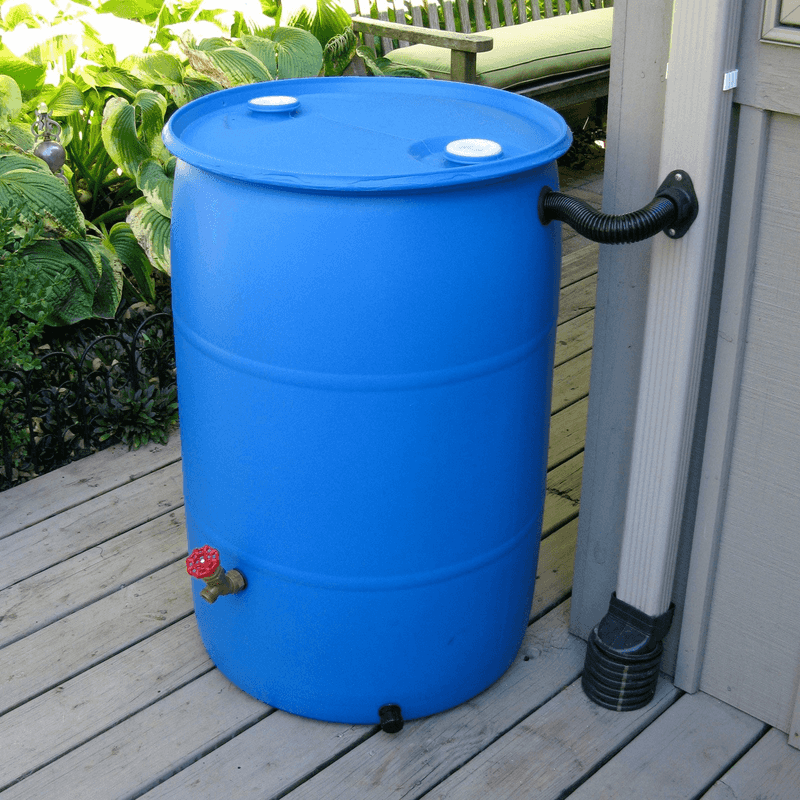
Spigots and fittings take the worst of it. Water trapped inside a small valve has nowhere to go when it turns to ice, so the brass or plastic parts can split open. Even a tiny crack means drips and lost water all next season.
Getting every last bit out is simple. Open the spigot all the way and let gravity do the work until the flow stops. Most barrels hold a few inches of water below the spigot, though, so you need one more step.
Your Michigan Garden Changes Every Week. Your Plan Should Too.
Gardening in Michigan changes quickly throughout the season. Every Friday you’ll receive a simple weekly plan showing exactly what to plant, prune, fertilize, harvest, and protect so you never miss the right timing.
Carefully tip the barrel on its side and let the leftover water pour out. If it feels heavy, ask a friend for help, because even a little water weighs a lot. A gallon of water weighs a bit over eight pounds, so those last few gallons add up fast.
Once it is empty, leave the spigot open. Any moisture that gathers inside can escape instead of sitting there waiting to freeze. An open valve also lets the inside air out and dry faster.
Timing matters in Michigan. Hard freezes can arrive as early as October, especially up north and in low spots. By January, temperatures can stay below freezing for weeks at a time, giving ice plenty of chances to cause trouble.
Draining early means you never have to rush out on a frosty morning hoping you are not too late.
3. Disconnect It From The Downspout
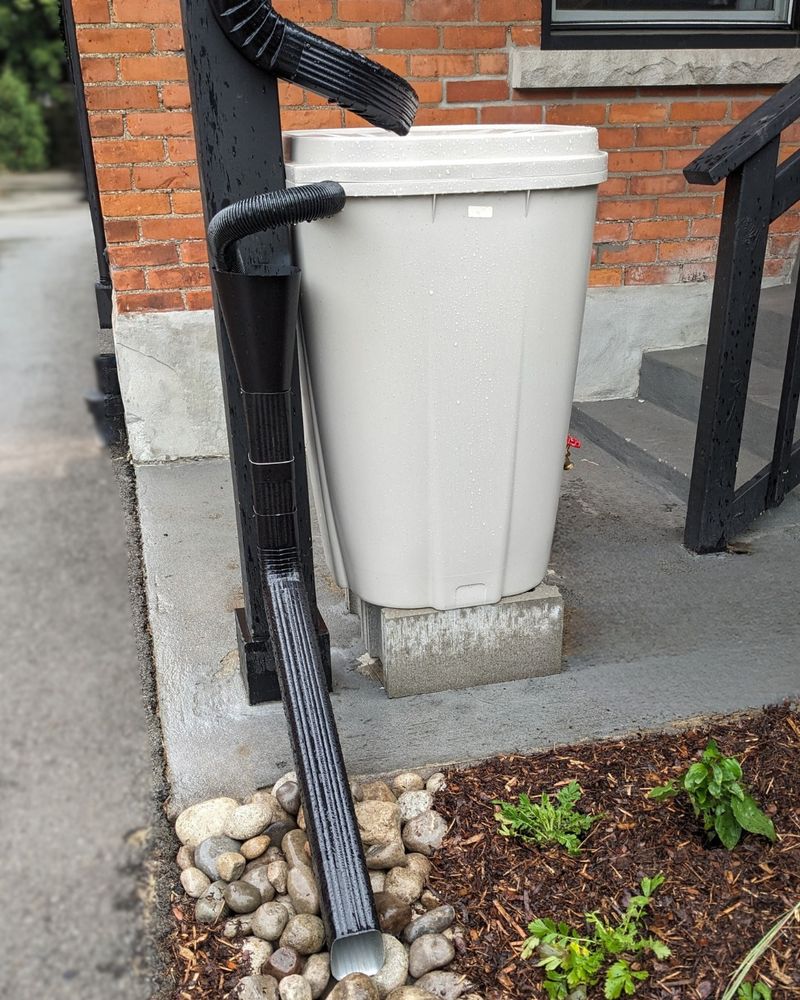
Here is a mistake plenty of folks make. They drain the barrel, feel proud, and leave it hooked up to the downspout. Then a warm spell melts the snow, and the barrel quietly fills right back up.
When temperatures drop again, all that fresh water freezes inside. You end up with the same risk of cracks and broken fittings you worked so hard to avoid. A connected barrel is basically an open invitation for ice.
The fix takes just a few minutes. Remove the diverter or connector that sends water from your downspout into the barrel. Some diverters have a simple flap you can close, but taking the hose or connector off completely is the safest choice.
After that, reattach the original downspout piece or extension you set aside when you installed the barrel. Hang on to any screws, clips, or small parts in a labeled bag so nothing goes missing. Spring will feel much easier with everything in one place.
Take a quick look once the downspout is back together. Water should flow freely from top to bottom and exit away from your house. Pour a bucket of water into the gutter if you want to test it before the real weather hits.
Michigan winters are famous for their surprises. One week brings a foot of snow, and the next brings rain and fifty degrees.
Those January and February thaws can send gallons of water down your roof in a single afternoon. Unhooking the barrel now keeps it empty and safe, no matter how wild the forecast gets.
4. Redirect Downspouts Away From The Foundation
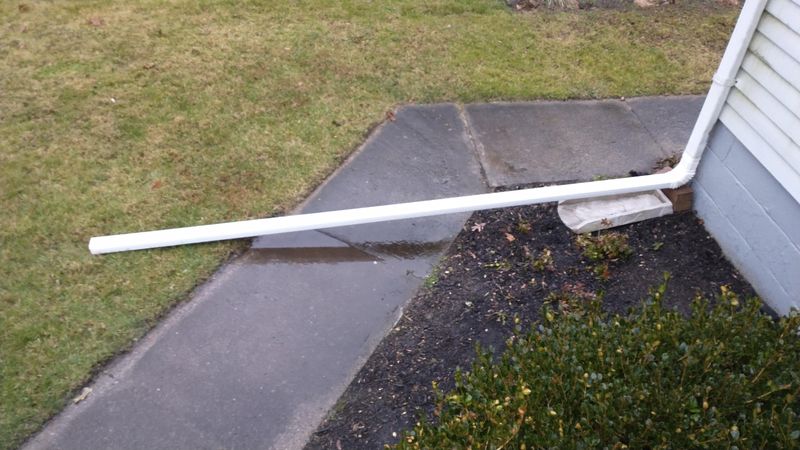
Think of your downspout as a garden hose that never shuts off during a storm. An average roof can shed hundreds of gallons in a single inch of rain. With the barrel gone for the season, all that water needs a new path.
Water dumped right beside your house soaks the soil near the foundation. Over time, that can mean damp basements, musty smells, and even cracks as wet soil freezes and pushes against walls. Nobody wants to start spring with a soggy basement.
Ice is the other concern. Runoff that lands on a walkway or driveway can freeze overnight into a slick, dangerous sheet. One icy step by the back door is all it takes for a nasty fall.
Luckily, the solution is cheap and easy. Attach a downspout extension or set a splash block under the opening so water travels several feet from the house. Many experts suggest at least four to six feet, and more is even better if your yard allows it.
Aim the flow toward a lawn, garden bed, or other spot where soil can soak it up. Avoid pointing it at sidewalks, patios, or driveways where puddles can turn to ice. Check that the ground slopes away from your home, too.
Flexible extensions are handy because you can bend them around corners or shrubs. Some even roll up automatically when empty and stretch out as water flows.
Michigan homes see a lot of roof runoff in winter, between melting snow and chilly rain. Steering that water away protects your foundation, your basement, and your ankles all season long.
5. Clean Out Debris And Sludge
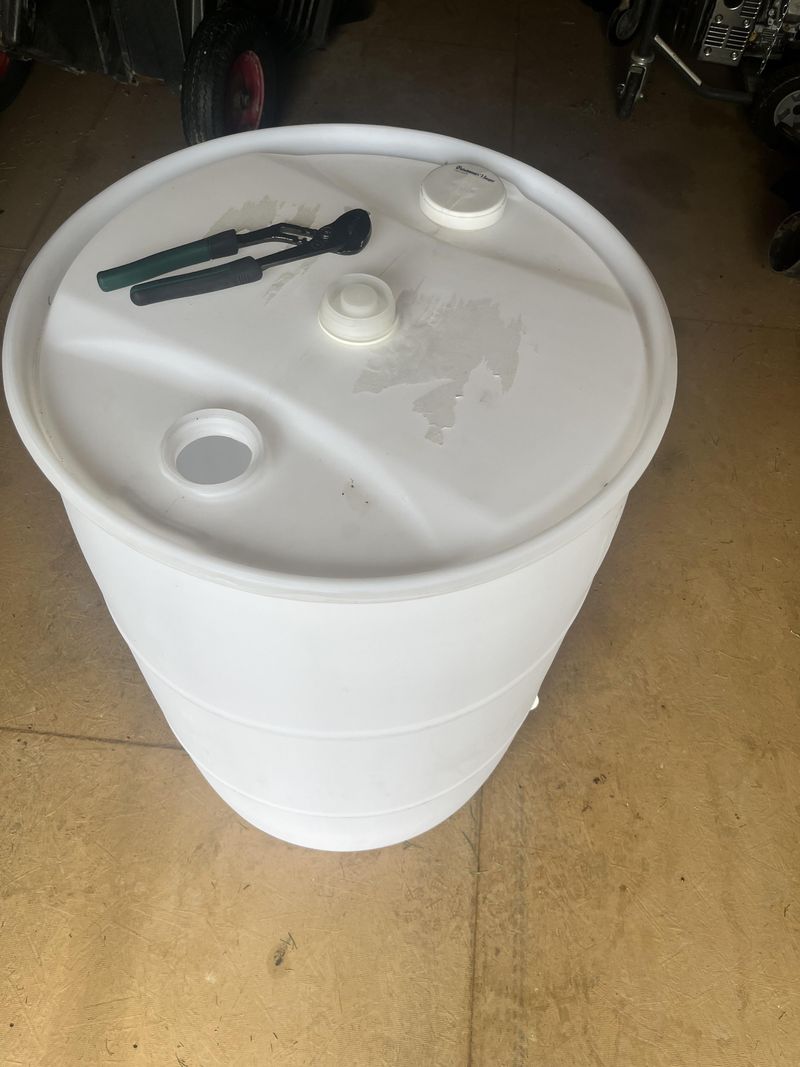
Peek inside your barrel after a full season and you might find a surprise. Leaves, twigs, pollen, roof grit, and a layer of dark sludge love to settle on the bottom. It is not pretty, but it is normal.
Leaving that mess for winter causes problems later. Old gunk can create stinky odors, clog your spigot, and feed algae once warm weather returns. A fresh start in fall means cleaner water for your plants in spring.
Begin once the barrel is empty. Spray the inside with a hose to loosen and flush out the loose stuff. Tip the barrel to dump the dirty water onto a garden bed or lawn.
Next, grab a long-handled brush and scrub the walls and bottom. A little mild dish soap works well, or you can mix about one part white vinegar with several parts water. Vinegar helps break down grime without harsh chemicals that could harm your garden.
Rinse everything thoroughly so no soap or vinegar remains. Then turn your attention to the small parts. Clean the screen on top, which keeps out mosquitoes and leaves, and flush the spigot until water runs clear.
Drying is the final, important step. Set the barrel upside down in the sun or a breezy spot until the inside is completely dry. Moisture left behind can freeze or grow mildew.
Michigan falls are gorgeous, but all those maples and oaks drop a mountain of leaves. Gutters fill up fast, and plenty of that debris washes straight into your barrel. A good scrub now clears it all away before it becomes a smelly spring chore.
6. Store It Upside Down Or Indoors
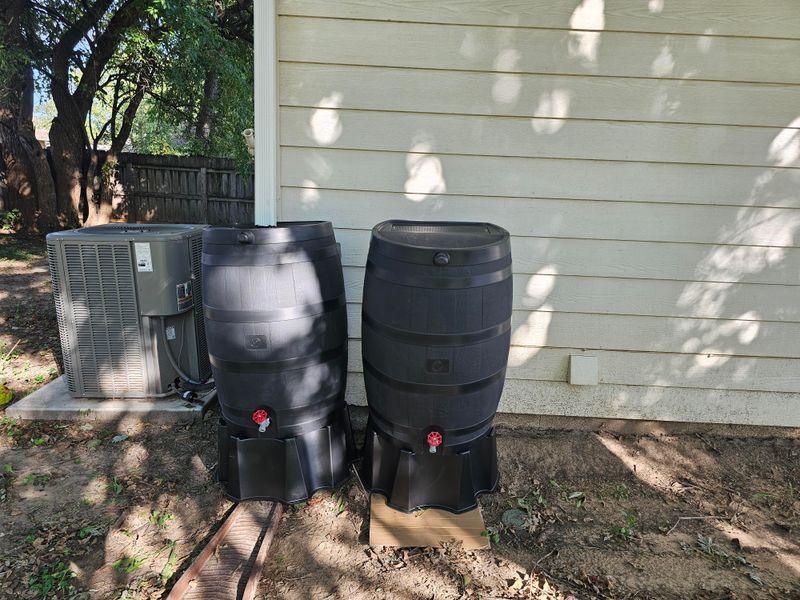
Where your barrel spends the winter can decide whether it lasts three years or ten. A clean, dry barrel still needs shelter from snow, rain, and harsh sun. Smart storage keeps it in great shape for many seasons.
Left upright outside, a barrel can collect snow and rain inside even after you drain it. That water freezes, expands, and puts pressure on the plastic. Winter sun also matters, because UV rays slowly make plastic brittle over time.
The best home is indoors. Slide the empty, dry barrel into a garage, shed, or basement if you have room. It will stay safe from ice, wind, and sunlight until spring.
No space inside? No problem. Turn the barrel upside down in a sheltered spot, such as beside a fence, under a deck, or along the side of the house that blocks the wind. Upside down, it cannot fill with water.
Wind can be a real troublemaker, especially for an empty barrel that weighs only a few pounds. Secure it with a bungee cord, rope, or strap tied to a sturdy post. You could also set a heavy brick or paver on top for extra hold.
Remember the little pieces, too. Bring hoses, spigot attachments, overflow tubes, and removable fittings inside. Rubber and plastic parts crack faster in freezing weather, and small items vanish easily under snow.
Michigan winters pile on snow and ice, sometimes for months. Barrels left upright outdoors take a beating from heavy snow loads and frozen water. Tucking yours away keeps it sound and ready for the first spring shower.
7. Plan For An Easy Spring Setup
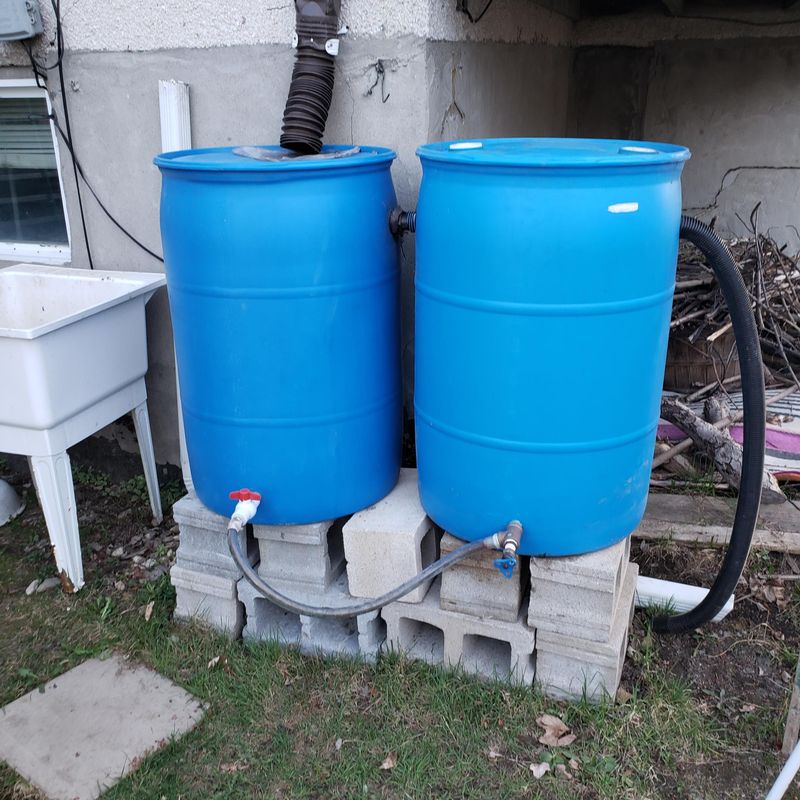
Future you will be thankful for a few notes you jot down today. Fall is the perfect time to check your barrel over while it is clean and fresh in your mind. A little planning now means you can catch rain the moment spring arrives.
Start with a careful inspection. Run your hand along the sides and bottom, looking for cracks, thin spots, or bulges. Shine a flashlight inside to spot small problems you might miss in daylight.
Next, examine the parts that wear out fastest. Screens can tear, and rubber washers often get stiff or flat after a season. Replacing them is cheap, and most hardware stores carry standard sizes. Buy spares now so you are not hunting for them in a spring rush.
Labeling is a small step with big rewards. Put fittings, screws, and connectors in a zip bag and write what they are on the outside. A quick phone photo of your downspout setup also helps when it is time to reconnect.
Patience pays off when spring comes. Wait until the danger of hard freezes has passed before hooking the barrel back up. In southern Michigan that is often April, while northern areas and the Upper Peninsula may need to wait until May.
Spring in Michigan brings plenty of rain, which makes it a wonderful time to start collecting. Early showers can fill your barrel fast, giving seedlings, new plantings, and veggie beds a steady supply of soft, chlorine-free water.
Set yourself up now, and your barrel will be ready to start working the very first rainy day.