8 Easy Michigan Perennials Perfect For Low-Maintenance Gardeners
Not every Michigan garden needs constant attention to look full and healthy, and a handful of dependable perennials prove that low-maintenance and beautiful aren’t mutually exclusive.
These plants tend to establish quickly, tolerate a range of soil and light conditions, and require minimal dividing, deadheading, or winter protection once settled into the landscape.
Many also return reliably year after year with little more than an occasional cutback in fall or spring, making them ideal for gardeners short on time or experience.
Because they’re well suited to Michigan’s climate, these perennials also tend to handle the state’s cold winters without much extra intervention.
For anyone wanting a garden that looks good without demanding constant upkeep, these eight perennials offer a genuinely practical starting point.
1. Black-Eyed Susan Handles Summer Conditions Well
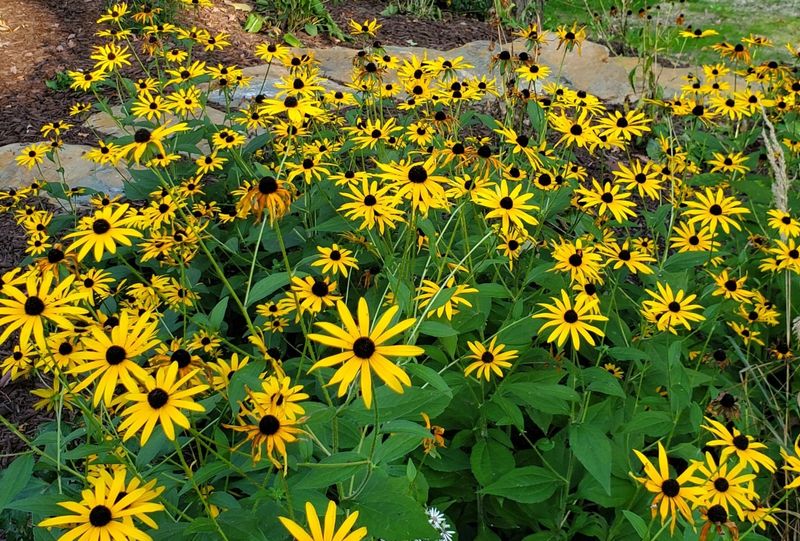
Golden petals with a dark button center make black-eyed Susan one of the most cheerful sights in any summer garden. This native beauty pops up across Michigan fields and roadsides, so you know it can handle whatever the season throws at it.
Once the roots settle in, black-eyed Susan asks for very little. It shrugs off hot afternoons, dry spells, and average soil without complaint. Full sun keeps the blooms coming strong, though it will accept a bit of light shade too.
Bees and butterflies flock to these flowers, turning your yard into a busy little hangout for pollinators. Later in the season, finches enjoy picking at the seed heads, so you get free bird entertainment as a bonus.
Planting is simple. Space them out a bit for good airflow, water them during their first few weeks, and then step back. They spread gently over time, filling gaps and creating a warm carpet of color from midsummer into fall.
Snipping off faded blooms encourages even more flowers, but honestly, you can skip that step and the plant still thrives. Many gardeners leave the seed heads standing through winter for texture and wildlife.
Fun fact: black-eyed Susan is the state flower of Maryland, but it feels right at home in the Great Lakes region. If you want a plant that rewards laziness with nonstop cheer, this one belongs on your list.
2. Purple Coneflower Returns Year After Year
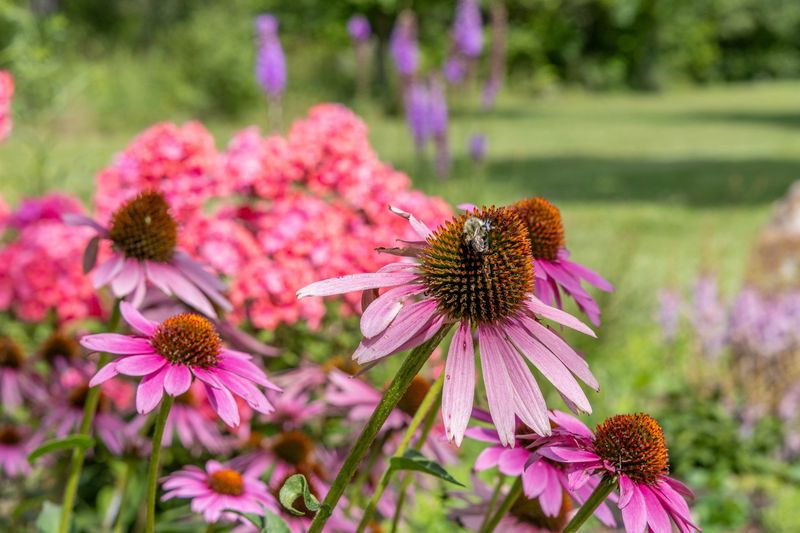
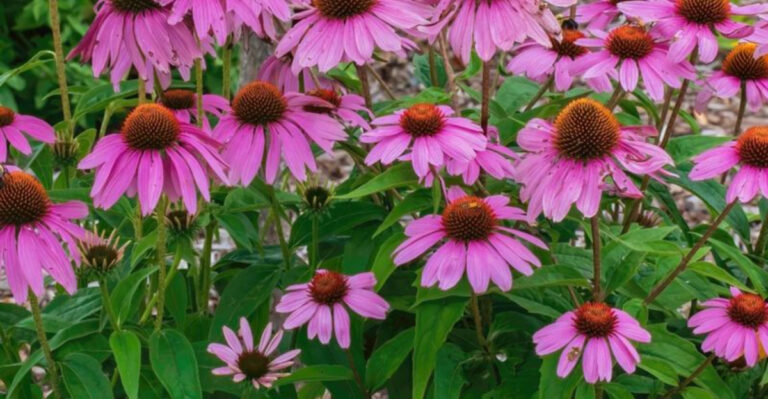
Few flowers say summer quite like the purple coneflower, with its wide petals swept back around a spiky copper center. Butterflies treat it like a landing pad, and you will often spot several visitors on a single plant.
Michigan gardeners love echinacea because it comes back stronger every year. After the first season, its deep roots reach down for water, so you rarely need to drag out the hose even during a dry July.
Sun is the main thing it craves. Give it a bright spot and well-drained soil, and it will reward you with weeks of blooms from summer into early fall. Poor soil?
No problem. This plant is not picky.
Beyond looks, coneflowers pull their weight for wildlife. Bees gather pollen all summer, and once the petals fade, goldfinches perch on the seed heads for a snack.
Your Michigan Garden Changes Every Week. Your Plan Should Too.
Gardening in Michigan changes quickly throughout the season. Every Friday you’ll receive a simple weekly plan showing exactly what to plant, prune, fertilize, harvest, and protect so you never miss the right timing.
Care could not be easier. Cut back the stems in spring or leave them standing through winter for a bit of structure in the snow. Every few years you can divide the clumps to make new plants for free.
Here is a neat bit of history: echinacea has been used in herbal remedies for generations, long before it became a garden favorite. Today it stands out as one of the toughest, prettiest choices for busy gardeners who still want a yard full of life and color.
3. Sedum Thrives With Minimal Care
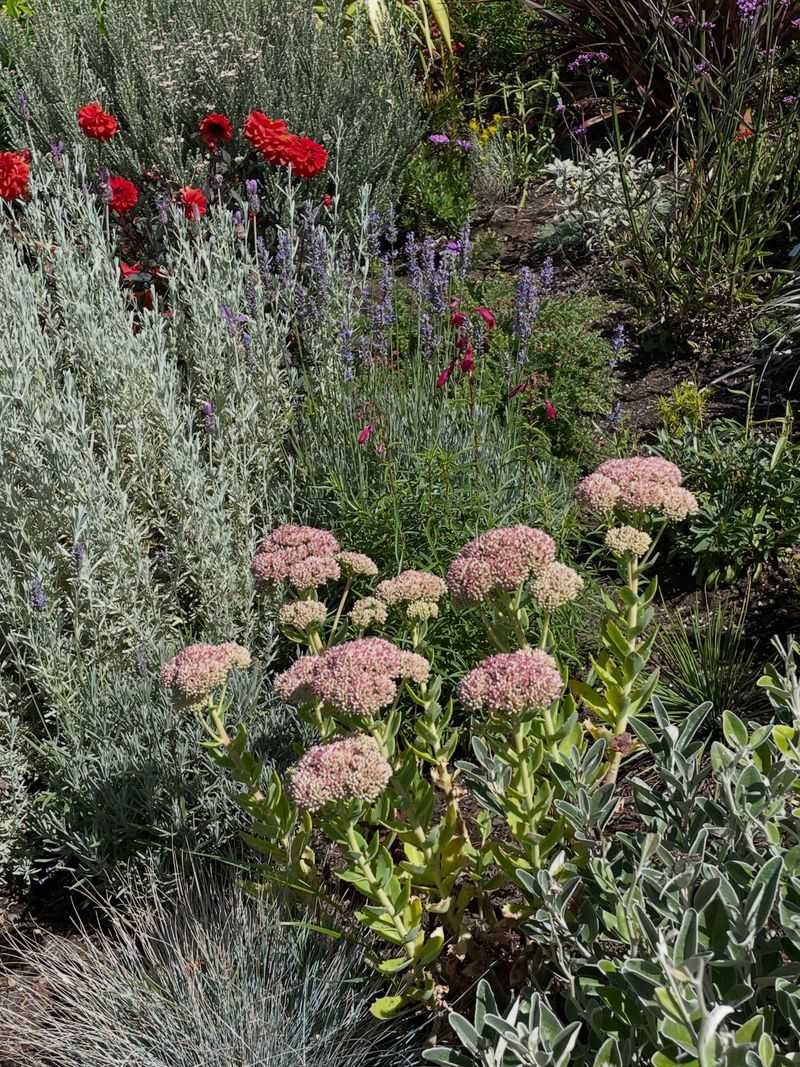
If there were an award for the most forgiving plant, sedum would win in a landslide. Its thick, juicy leaves store water like tiny tanks, so this plant barely notices when you forget to water it.
Upright varieties, like the popular Autumn Joy, form neat mounds that stay tidy all summer. Then, just when other flowers start fading, they burst into clusters of pink and rusty red that last well into fall.
Michigan gardeners appreciate how little fuss sedum demands. It grows happily in poor, sandy, or rocky soil where fussier plants would sulk. Bright sun is all it really wants.
Bees and butterflies swarm the flat flower tops in autumn, making sedum a lifeline for pollinators late in the season. The blooms slowly shift from soft pink to deep bronze, giving you weeks of changing color.
Even in winter, sedum earns its keep. Leave the dried flower heads standing and they catch frost and snow, adding shape to an otherwise sleepy garden bed.
Getting started is a breeze. Pop it in the ground, water it a few times while it settles, and then leave it alone. Sedum actually prefers being ignored over being pampered.
One quirky tip: if a stem breaks off, just stick it in the soil and it will often root on its own. Few plants make expanding your garden this simple, which is exactly why sedum belongs in every low-effort landscape.
4. Daylilies Provide Reliable Summer Color
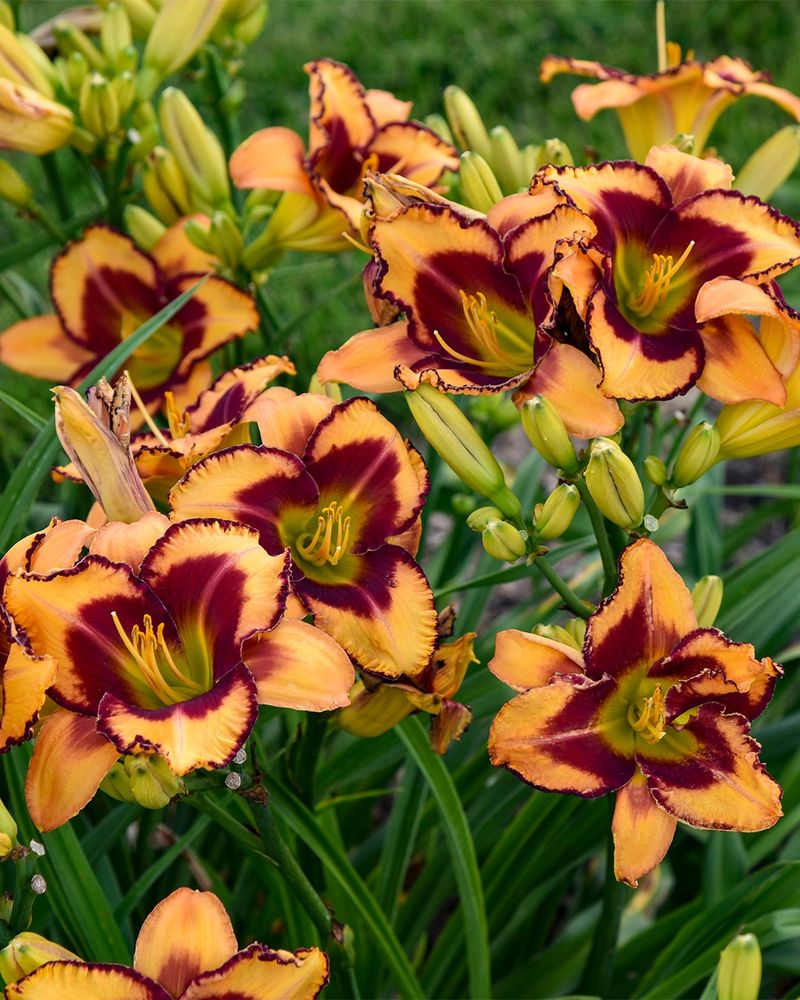
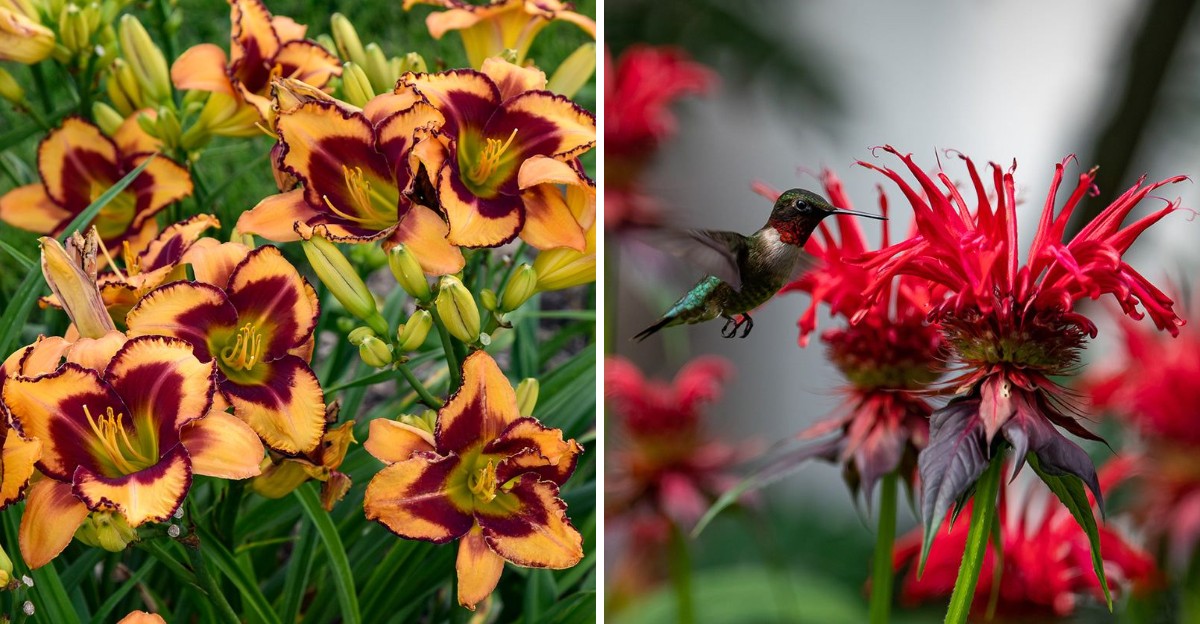
Trumpet-shaped blooms in orange, yellow, red, and pink make daylilies a summer showstopper. Each flower lasts just a day, but the plant sends up so many buds that the color keeps rolling for weeks.
Michigan yards are dotted with daylilies for a good reason. They handle heat, drought, and even neglect like champs, coming back bigger and better each year without any special attention.
You will find them growing in sun or partial shade, in rich soil or plain old dirt. That flexibility makes them perfect for filling tricky spots where nothing else seems to take hold.
Their strappy green leaves also do a great job of crowding out weeds. Once a clump fills in, you spend far less time on your knees pulling unwanted sprouts.
Planting them is nearly foolproof. Set the roots in the ground, water them for the first couple of weeks, and then let nature take over. Every few years you can dig up a clump and split it to spread the beauty around your yard.
Here is something fun: daylilies are not true lilies at all, despite the name. Their scientific name, Hemerocallis, comes from Greek words meaning beauty for a day.
For gardeners who want dependable color without a long to-do list, daylilies deliver every single summer. Plant a few varieties that bloom at different times and you can enjoy fresh flowers for most of the warm season.
5. Peonies Can Bloom For Decades
Grandmothers across Michigan have grown the same peony bushes for fifty years or more, and that says everything about this plant’s staying power. Once settled, a peony can outlast the gardener who planted it.
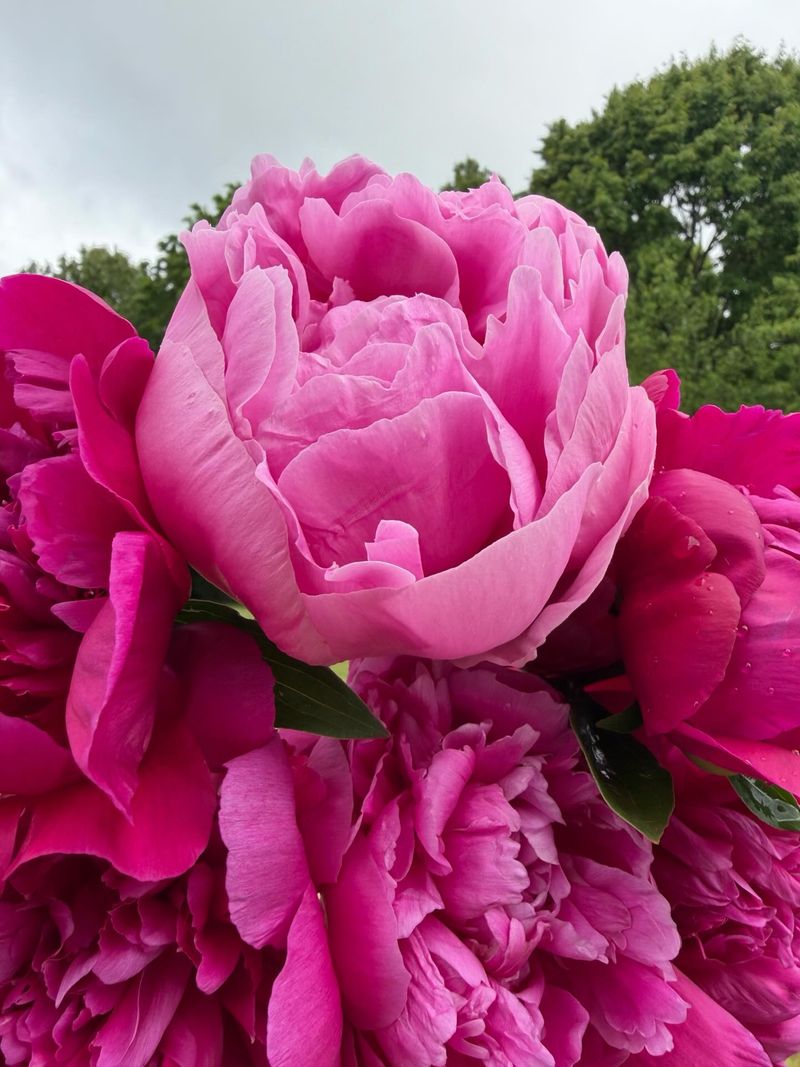
The blooms are pure drama. Big, ruffled, and often scented like roses, they show up in late spring in shades of pink, white, and deep red that stop people in their tracks.
What makes peonies perfect for busy gardeners is how little they ask once established. Give them a sunny spot with soil that drains well, and they mostly take care of themselves year after year.
Patience is the one thing they require up front. A new peony may take a season or two to really hit its stride, but the wait pays off with decades of dependable flowers.
Planting depth matters more than anything else. Set the roots too deep and the plant may skip blooming, so keep the buds just an inch or two below the surface.
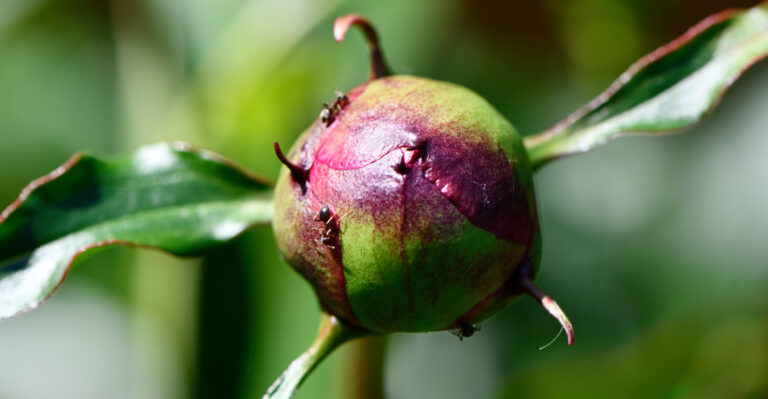
You might notice ants crawling on the flower buds. Do not worry, they are simply sipping the sweet sap and cause no harm at all.
A light layer of support keeps the heavy blooms from flopping after rain. Beyond that, peonies want to be left alone, which suits low-maintenance gardeners just fine. Plant one now, and you may be handing cut flowers to grandchildren from the very same bush.
6. Catmint Adds Long-Lasting Flowers
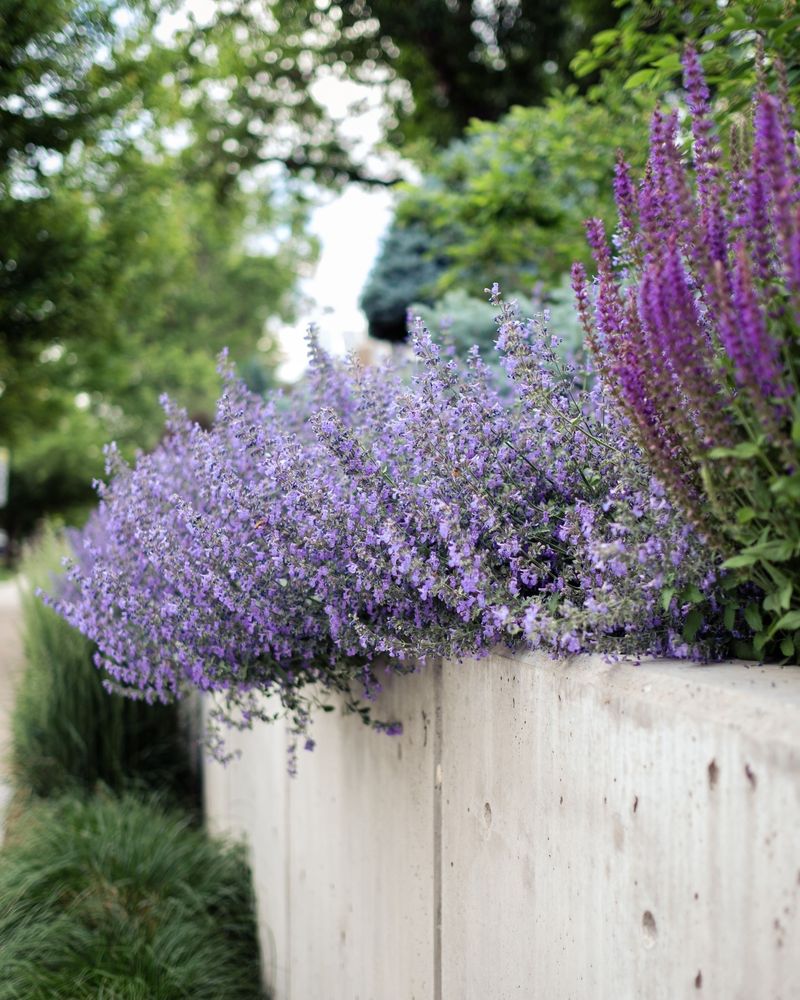
Soft clouds of purple-blue flowers spilling over a garden path is the magic catmint brings. This tough little plant blooms for months, giving you color long after many perennials have called it quits.
Nepeta is a dream for anyone who hates fussing over their garden. It laughs at dry spells, thrives in average soil, and only wants a sunny spot to do its thing.
Pollinators adore it. Bees hum around the flower spikes all day, and the silvery, fragrant leaves add a fresh, minty scent whenever you brush past them.
One of the best tricks with catmint is a quick trim. After the first big flush of blooms fades, shear the plant back by about a third, and it bounces right back with a fresh round of flowers.
Deer and rabbits tend to leave it alone, which is a huge win in areas where hungry critters treat gardens like a buffet. That aromatic foliage simply is not to their taste.
Cats, on the other hand, may take an interest, since catmint is a relative of catnip. Most catmint varieties are milder, so your yard should not turn into a feline hangout.
Planting is easy and quick. Space the mounds so air can move between them, water while they root, and then enjoy the low-effort payoff. For a plant that flowers nonstop, shrugs off drought, and feeds the bees, catmint is hard to beat.
7. Hostas Fill Shady Garden Spaces
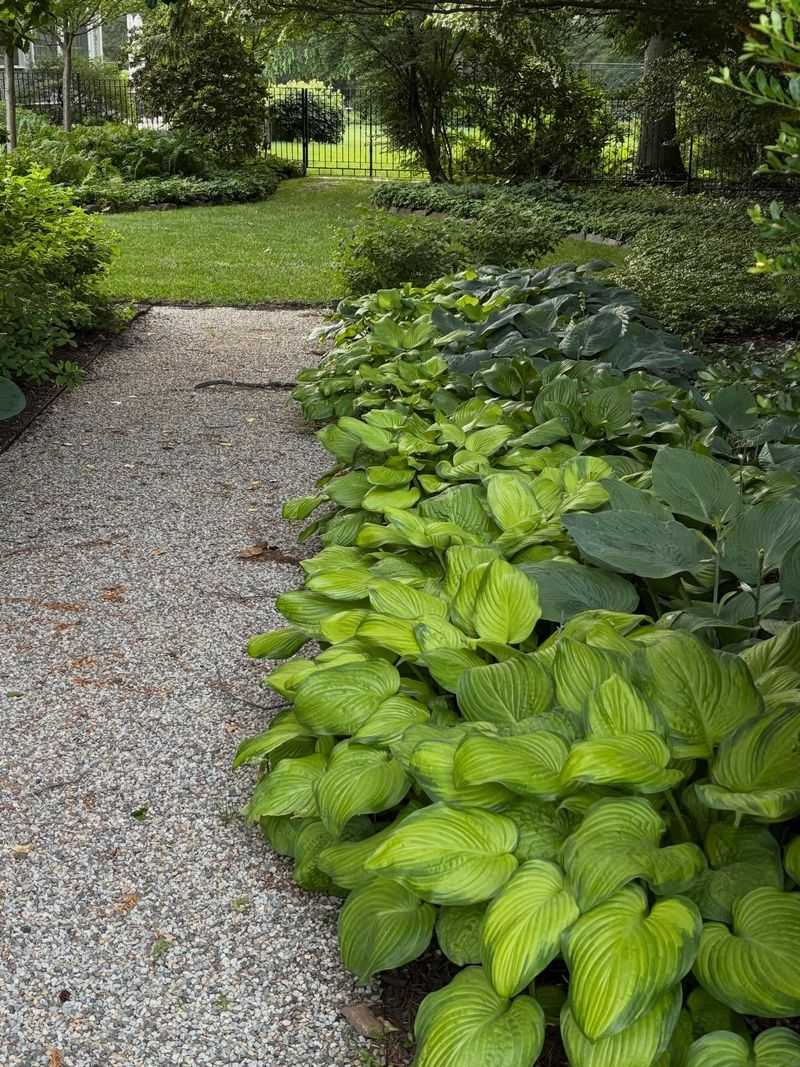
Shady corners where grass refuses to grow are exactly where hostas shine. These leafy champs turn dim, forgotten spots into lush green retreats with almost no effort from you.
The real star here is the foliage. Hostas come in a huge range of sizes and colors, from tiny blue-green mounds to giant plants with leaves as big as dinner plates, some edged in cream or gold.
Michigan gardeners love how hardy they are. Once planted in the right spot, hostas return faithfully each spring and slowly grow into bigger, fuller clumps year after year.
Care is refreshingly simple. Give them shade or dappled light, keep the soil from drying out completely, and they will do the rest. In summer they even send up tall stalks of pale purple or white flowers.
They do have two rivals worth mentioning. Slugs can damage hostas, and barriers, traps, or slug-control methods may help reduce damage.
If deer roam your neighborhood, a repellent spray or a fence can protect your plants. In many yards, though, hostas grow trouble-free for years.
Dividing them is a bonus. Every few springs you can dig up a clump, split it, and plant the pieces elsewhere, filling your whole shade garden for free. For low-light spots that need life, few plants work as beautifully as the humble hosta.
8. Bee Balm Supports Pollinators
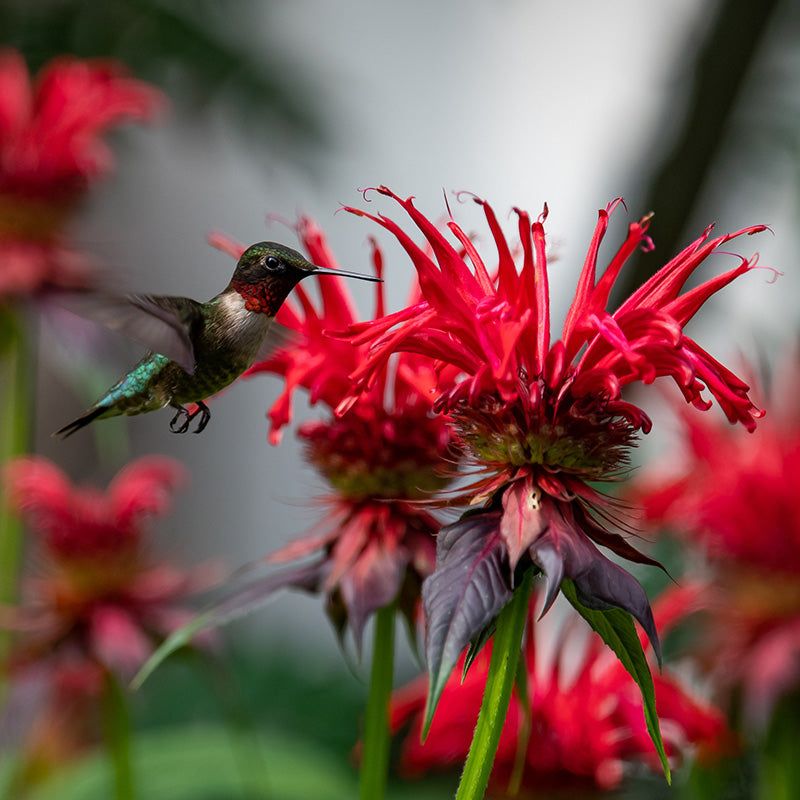
Wild, spiky blooms in red, pink, and purple make bee balm look like a fireworks show planted in your garden. Hummingbirds and butterflies simply cannot resist it.
Also known as Monarda, this plant is a pollinator magnet. If you want a yard buzzing with life, few flowers pull in as many helpful visitors as bee balm does in midsummer.
Michigan gardeners value it for being both showy and easygoing. It grows well in full sun to light shade and handles regular garden soil without any special treatment.
The one thing to watch for is powdery mildew, a whitish coating that can appear on the leaves. The good news is that smart choices make this easy to avoid.
Start by picking mildew-resistant varieties, which many garden centers now carry. Then give each plant enough room so air can flow freely between the stems and leaves.
Good spacing keeps the foliage dry and healthy, which goes a long way toward keeping problems away. Watering at the base rather than over the top helps even more.
Here is a fragrant bonus: crush a leaf and you will catch a scent close to the herb used in Earl Grey tea. In fact, some people brew bee balm leaves into a soothing tea of their own.
Bee balm also spreads over time, so pull a few stray shoots each spring to keep it tidy. Plant it once and you will enjoy years of color and a garden full of happy pollinators.