Should You Add Sand To California Clay Soil?
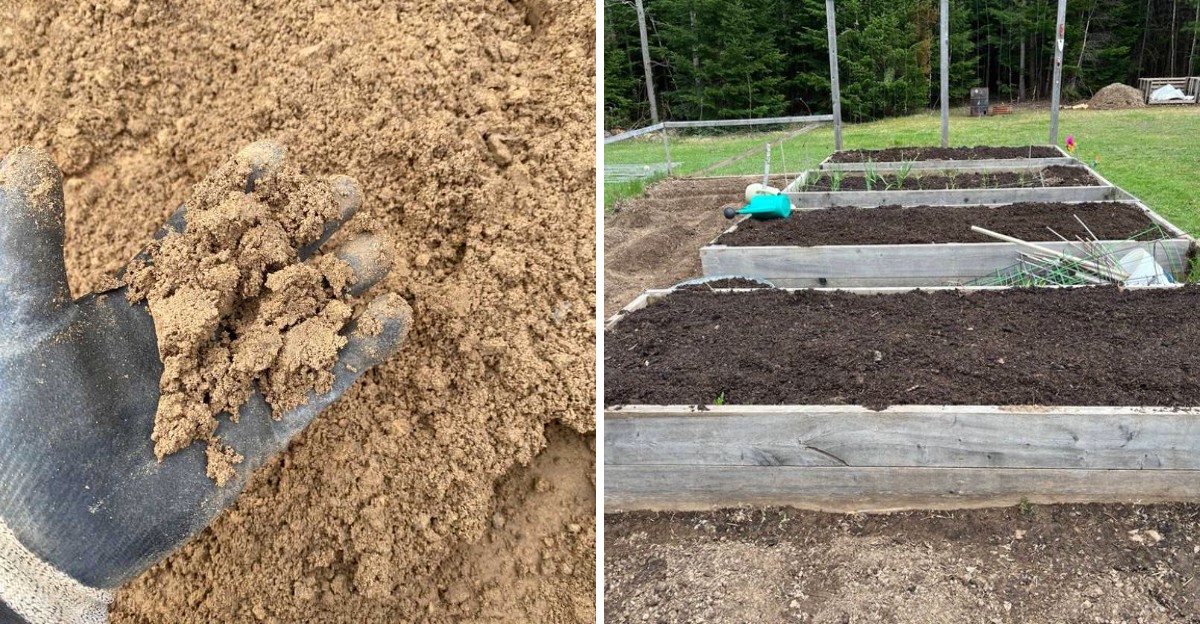
A wheelbarrow heaped with sand sits beside a cracked backyard bed, and the plan feels simple. Mix it in, loosen the clay, and finally get some drainage.
The idea travels from neighbor to neighbor with remarkable staying power.
Clay soil covers much of California, from Central Valley farmland to coastal hillsides. It turns sticky and slick in winter rain, then bakes brick-hard by July.
Wanting a quick fix makes perfect sense.
Soil, however, follows its own rules, and some of them surprise even experienced gardeners.
The good news is that heavy ground holds real advantages once handled well, including a natural talent for storing water and nutrients. With fall rains approaching, the timing for smarter soil work looks ideal.
Skip The Sand Because It Backfires
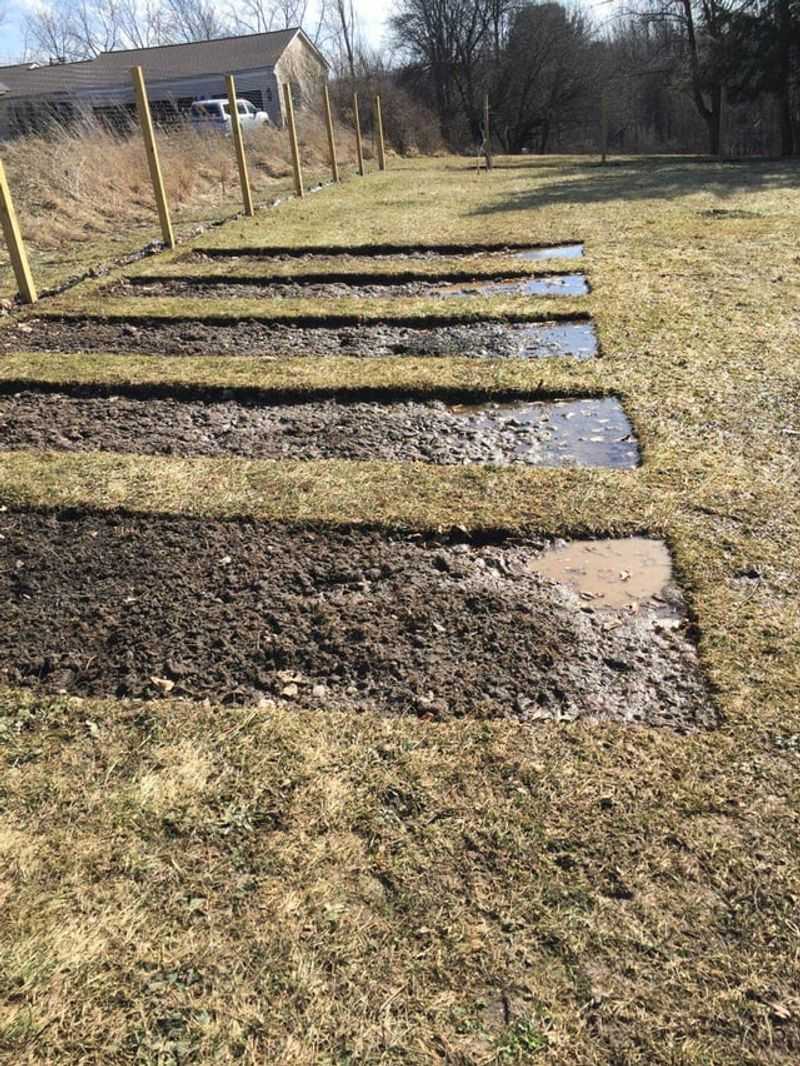
The short answer is no, and it saves money, sweat, and a sore back. Sand ranks among the most common fixes tried on clay, and among the least effective.
UC ANR guidance advises against mixing sand into clay soil. The idea sounds logical, since sand drains fast and clay drains slowly, so blending them seems to promise a middle ground.
Soil doesn’t behave like paint, though, and mixing two textures rarely creates a neat average.
A jar of marbles offers a useful comparison. Flour poured over it slides into every gap, and clay particles behave just like that flour around sand grains.
Water then has fewer paths to drain through.
Many gardeners learn this the hard way. Bags of sand get hauled in and dug through, and the first big rain leaves puddles sitting longer than before.
Roots struggle, and the soil feels even heavier underfoot.
Skipping the sand doesn’t mean giving up on the yard. Effort works best aimed at fixes that change how clay behaves rather than what it is.
Organic matter, raised planting areas, and plants suited to heavy soil all work with clay rather than against it.
That sand belongs back in the sandbox. Better options are waiting, and the items ahead cover each one.
Fall offers a fine moment to change course, before winter rains settle in.
Small Amounts Of Sand Make Clay Denser
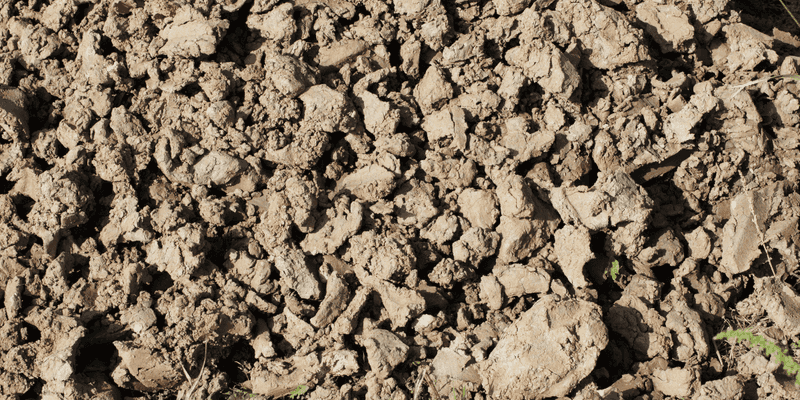
A handful of wet clay squeezed tight holds the shape of a fist, smooth and sticky. Add a little sand, and the clump firms up rather than crumbling.
Size explains the surprise. Clay particles are incredibly tiny, far smaller than the eye can see, while sand grains are giants by comparison.
A modest amount of sand simply gets wrapped in clay, with fine particles filling the spaces nearby.
Healthy soil needs pore space. Those little air pockets hold oxygen for roots and give water a route to drain.
A small dose of sand takes up room without adding new pores, leaving soil heavier and tighter than before.
Builders rely on this effect. Mixing coarse and fine particles creates firm, packed surfaces for paths and roads, since different sizes lock together.
That works wonderfully under a driveway but poorly around carrot roots.
Your California Garden Changes Every Week. Your Plan Should Too.
Gardening in California changes quickly throughout the season. Every Friday you’ll receive a simple weekly plan showing exactly what to plant, prune, fertilize, harvest, and protect so you never miss the right timing.
A few bags from the hardware store fall squarely into this problem zone. Spread over a typical bed, they come nowhere near changing the soil’s basic nature.
They mainly add weight and density.
Clues after a sand experiment are easy to spot. Water may pool longer, the surface may crust after drying, and digging can feel like chipping stone.
Those signs mean particles are packing rather than loosening, and switching to organic matter makes the most sense.
Fall rains often reveal the problem quickly, making October and November good months to watch how beds drain.
It Takes Huge Volumes To Change Texture
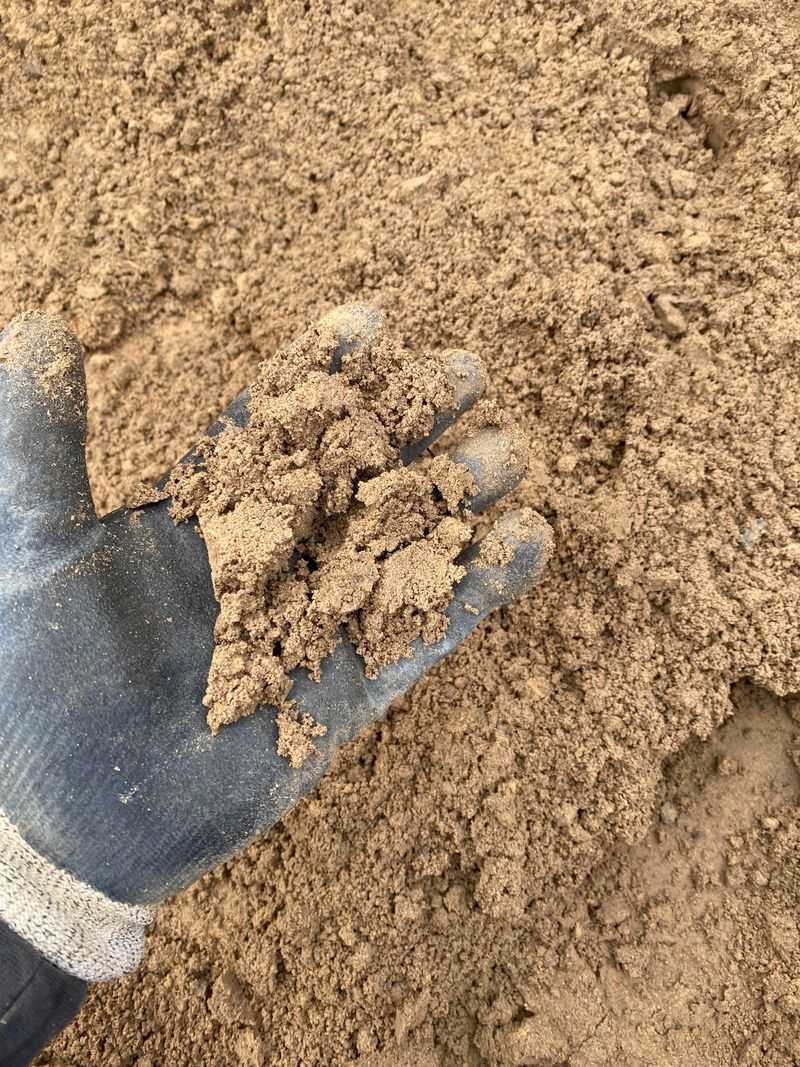
A little backyard math tells the story. To truly shift clay toward a sandy texture, sand must make up roughly half or more of the soil volume.
Anything less, and the clay still runs the show.
A bed 10 feet long, 4 feet wide, and dug 12 inches deep holds about 40 cubic feet of soil. Matching it with sand requires roughly two tons.
That covers a single bed, before any delivery fees.
Scaled to a whole yard, the job calls for truckloads of sand plus the muscle to mix it evenly and deeply.
Uneven mixing creates its own trouble, leaving pockets of clay and sand that drain at different speeds.
Soil texture describes the mix of sand, silt, and clay particles, and UC soil guidance treats it as essentially fixed in a home garden.
Structure differs. It describes how those particles clump into crumbs, and it can improve considerably.
Effort spent on structure makes far more sense. Organic matter helps clay particles bind into small, crumbly clusters with air spaces between them.
The clay stays, yet it behaves differently.
Cost matters too. Sand, delivery, and rented equipment add up quickly, while compost costs less, works in smaller amounts, and feeds soil life that keeps improving beds year after year.
Gypsum, another popular fix, mainly helps sodium-heavy soils, so a soil test before buying it saves money.
Sand Plus Clay Can Set Like Concrete
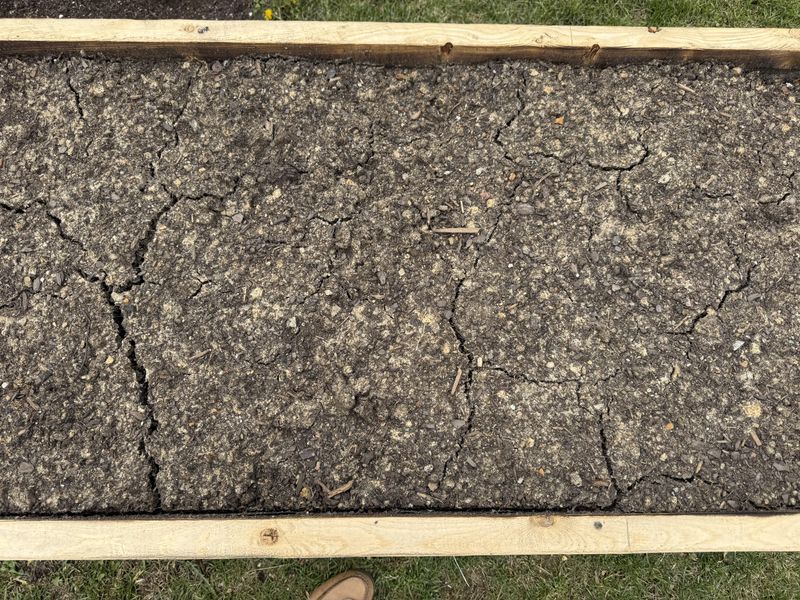
August in the Central Valley can teach a tough lesson. A bed mixed with sand in spring may ring like pavement when a shovel strikes it.
Some gardeners joke they could park a truck on it.
Hardening happens for a simple reason. Clay acts like glue when it dries, while sand grains act like gravel.
Glue and gravel combined with water, then baked by the sun, produce something close to homemade masonry.
People have known this for centuries. Adobe bricks, a classic building material in early California, blend clay and sand, often with straw.
Builders shape the wet mix and let it dry into sturdy blocks, which suits a mission wall far better than a tomato patch.
Roots struggle to push through hardened soil. They twist sideways, stay shallow, and dry out fast during heat waves.
Water runs off the crusty surface rather than soaking in, so plants go thirsty even after irrigation.
Fixing a concrete-like bed takes time. Digging while soggy is best avoided, since working wet clay smears it and worsens the problem.
Waiting until soil feels moist but crumbly gives the best results.
Two to three inches of compost on the surface, topped with mulch, starts the repair. Over seasons, worms and microbes pull organic matter down and slowly break up the hard layer.
It’s a slow fix, but it beats a jackhammer.
Compost Improves Structure Instead
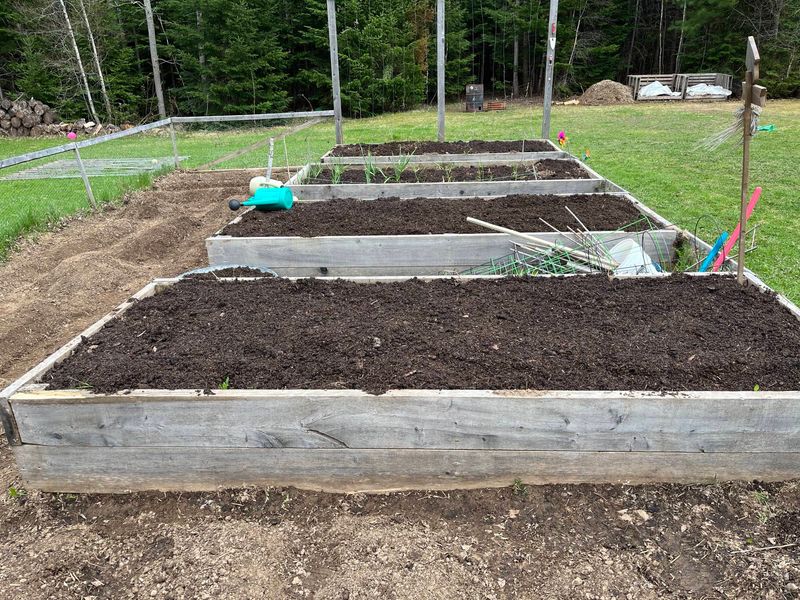
Dark, crumbly, and smelling like a forest floor, compost serves as the real hero for heavy ground. Where sand clogs, compost opens things up.
UC ANR guidance consistently recommends organic matter as the best amendment for clay.
Organic matter works on structure. As it breaks down, it feeds bacteria, fungi, and earthworms, which produce sticky substances binding clay into small crumbs called aggregates.
Between those crumbs, air and water finally have room to move.
Benefits pile up fast. Drainage improves, roots spread more easily, soil warms sooner in spring, and digging stops feeling like a workout.
Clay also keeps its natural talent for holding water and nutrients, giving plants the best of both worlds.
A good starting rate is a 2 to 3 inch layer of compost, mixed into the top several inches of soil when building a new bed.
After that, an inch or two each year replaces organic matter as it breaks down.
Plenty of materials count, including finished compost, aged manure, shredded leaves, and composted wood products.
Fresh manure or raw sawdust in large amounts is best avoided, since both can burn plants or tie up nitrogen temporarily.
Many California cities offer free or inexpensive compost made from curbside yard waste, thanks to the state’s organic waste recycling programs.
A quick check with the local recycling program may reveal a mountain of soil gold just a few miles from home.
Add Organic Matter Over A Wide Area
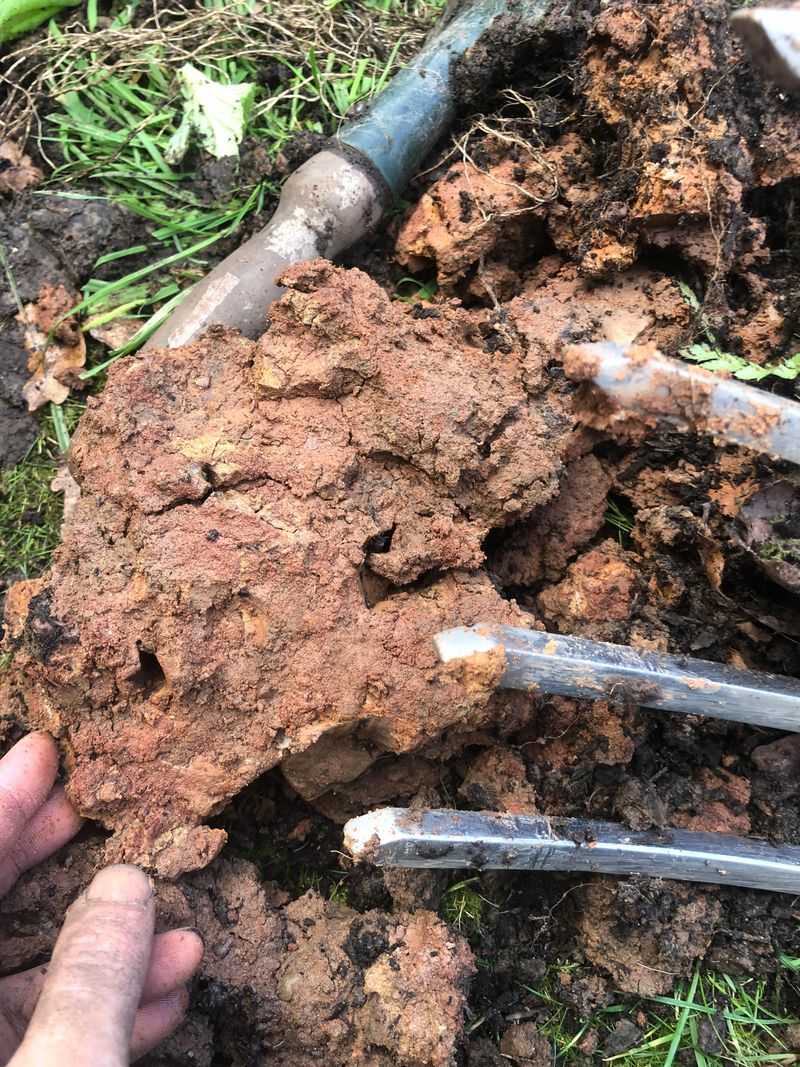
A common mistake starts with good intentions. A single hole dug in clay gets filled with fluffy potting mix, and a month later, the new shrub sits in a soggy puddle.
Gardeners call this the bathtub effect. Loose soil inside the hole drains quickly, while surrounding clay drains slowly, so water rushes in with nowhere to go.
Roots sit in waterlogged mix and often hesitate to grow into tougher native soil.
UC guidance suggests a smarter plan for trees and shrubs. Planting holes get backfilled with the native soil removed, while improvements spread across the whole planting area.
Roots grow wide, so the soil they explore benefits from even improvement.
Topdressing offers the easiest approach. Compost spread across the surface of an entire bed, followed by 2 to 4 inches of wood chip mulch, does the job.
Mulch works best kept a few inches from trunks and stems, and beyond five feet of the house in fire-prone areas, where Zone 0 rules exclude wood chips.
Nature handles the rest. Earthworms drag organic matter down, rain carries nutrients into the soil, and the top layer gradually turns darker and softer.
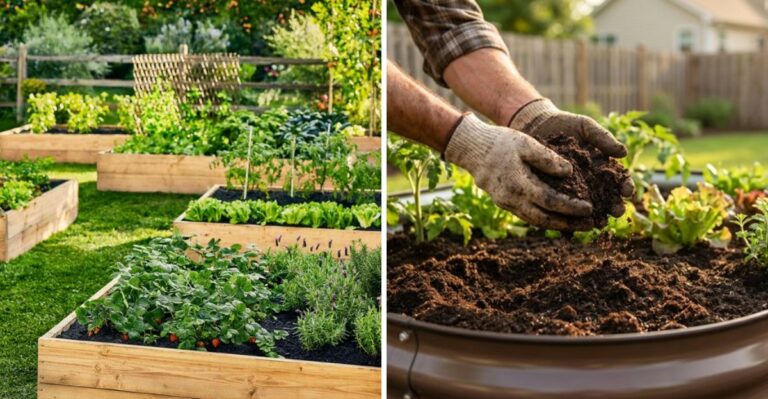
Raised beds offer another route for vegetables and flowers, letting roots grow in loose soil above the clay while the ground below slowly improves.
Broad coverage encourages roots to roam outward, building stronger, more drought-tolerant plants, a real advantage during long California summers.