8 California Flowers That Keep The Color Coming In Summer Heat
California summers do not ease in. They hit. By July, the plants that looked unstoppable in spring are crisping at the edges and checking out. You water.
They perk up for a day. Maybe two. Then the same tired cycle starts again. The sun gets harsher.
The garden that felt so promising in April starts feeling like a chore you are losing. But then there are the other gardens.
The ones still glowing in August. Packed with color, pollinators, looking like the heat never happened.
Those gardeners are not running sprinklers around the clock. They just planted differently, and that one decision changed everything that followed.
There is a specific group of flowers that reads California heat as a starting gun rather than a stop sign. Bold color, serious pollinator traffic, almost zero drama through the driest stretch of the year.
The frustrating part is how often these plants get walked right past at the nursery. Some are California natives.
Some come from climates just as brutal. All of them share something that most gardeners never think to look for until one particularly savage August finally changes the way they shop.
Want to know what that is…maybe?
1. California Fuchsia
Most flowers treat August like a retirement notice. California fuchsia treats it like an opening act.
Epilobium canum is one of the few California natives that genuinely hits its stride in midsummer and keeps going well into fall.
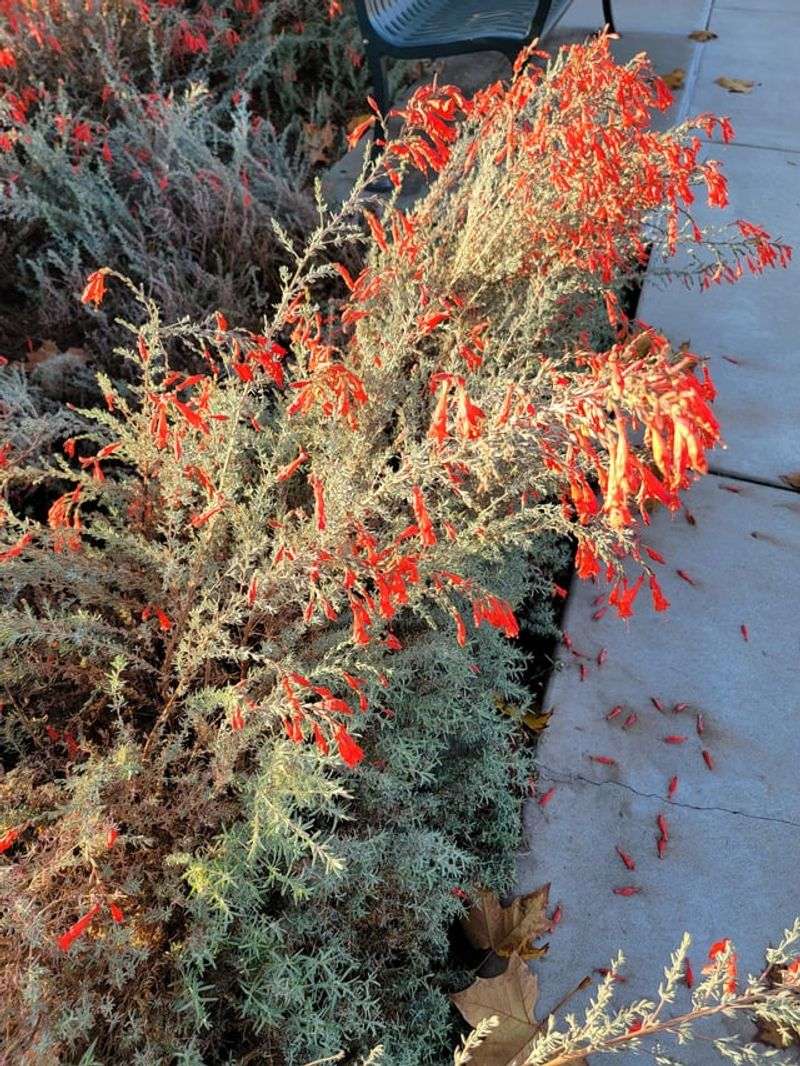
The vivid red-orange tubular blooms arrive right when the rest of the garden is winding down and looking tired. That timing alone makes it worth planting.
Hummingbirds find these flowers with impressive speed. The long, tubular shape was practically designed for their beaks, and a plant near a window or patio turns into a front-row wildlife show without any extra effort.
Once established, California fuchsia handles dry summers with ease. Supplemental irrigation becomes largely unnecessary once the root system is settled in.
The plant actually prefers lean, dry conditions over the alternative. Overwatering is the most reliable way to cause problems with this one.
It spreads by rhizomes, so give it room. On sunny, well-drained slopes it works beautifully as a low-growing ground cover that manages itself while looking genuinely striking.
A hard cutback in late winter keeps growth tidy and sets up a vigorous new flush for the following season. Full sun and excellent drainage are the two things it asks for consistently.
Everything else, it handles on its own.
2. Cleveland Sage
Walk past a Cleveland sage in full bloom, and the fragrance makes the decision for you. That rich, camphor-like scent hits before the color does, and the color is already impressive.
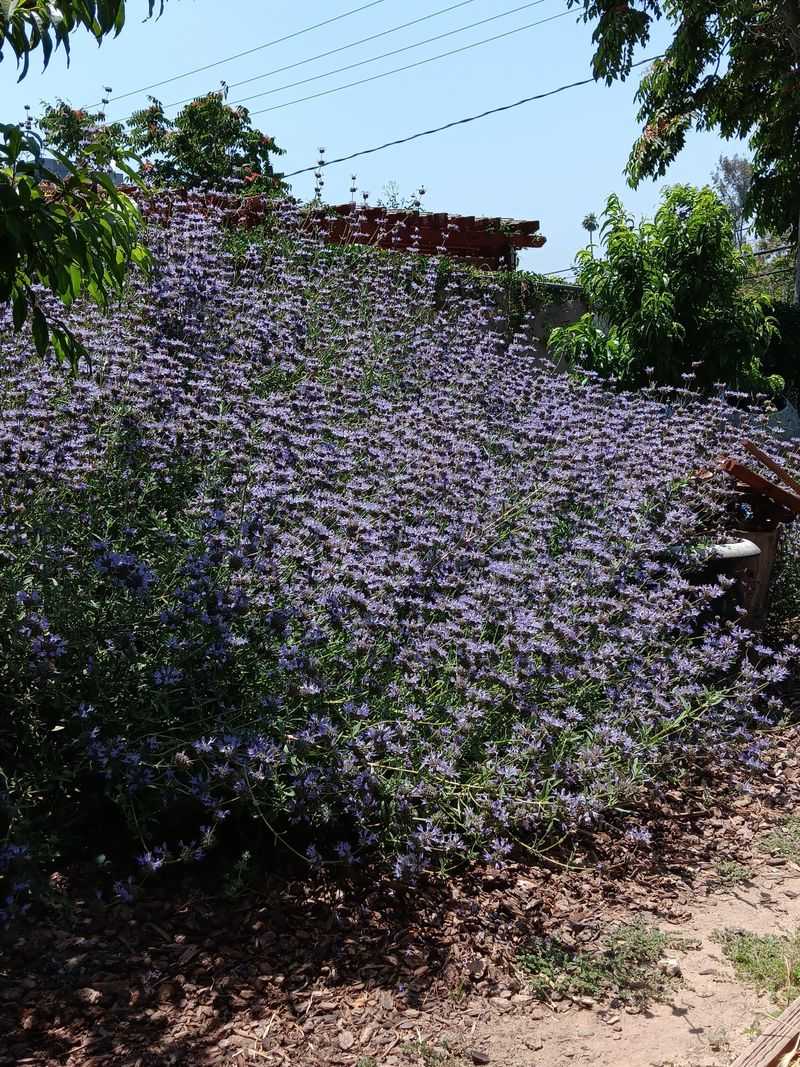
Salvia clevelandii produces deep violet-blue flower spikes arranged in whorls along upright stems. The architectural quality is genuine, not manufactured.
The plant looks considered and wild at the same time, which is a combination that takes most gardeners years of effort to achieve anywhere else in the garden.
Cleveland sage blooms in late spring through early summer and holds well into the warm months. Dry conditions do not stress it.
Your California Garden Changes Every Week. Your Plan Should Too.
Gardening in California changes quickly throughout the season. Every Friday you’ll receive a simple weekly plan showing exactly what to plant, prune, fertilize, harvest, and protect so you never miss the right timing.
They suit it. This is a plant that prefers a summer without irrigation once it is settled in, and it shows when it is grown that way.
Full sun and well-drained soil are the two constants. Everything else is largely hands-off.
Overwatering is the most common way gardeners undermine this plant, and it is an easy trap given how good the plant looks when it is thriving.
Bees and butterflies show up reliably for the blooms. Deer tend to avoid the strong scent, which is a quiet bonus for gardeners in foothill and rural areas.
A light prune after flowering keeps the shape compact and encourages fresh growth. Paired with California buckwheat or yarrow, it creates a low-water palette that looks effortlessly native.
Purple never looked so unbothered by the heat.
3. Yarrow
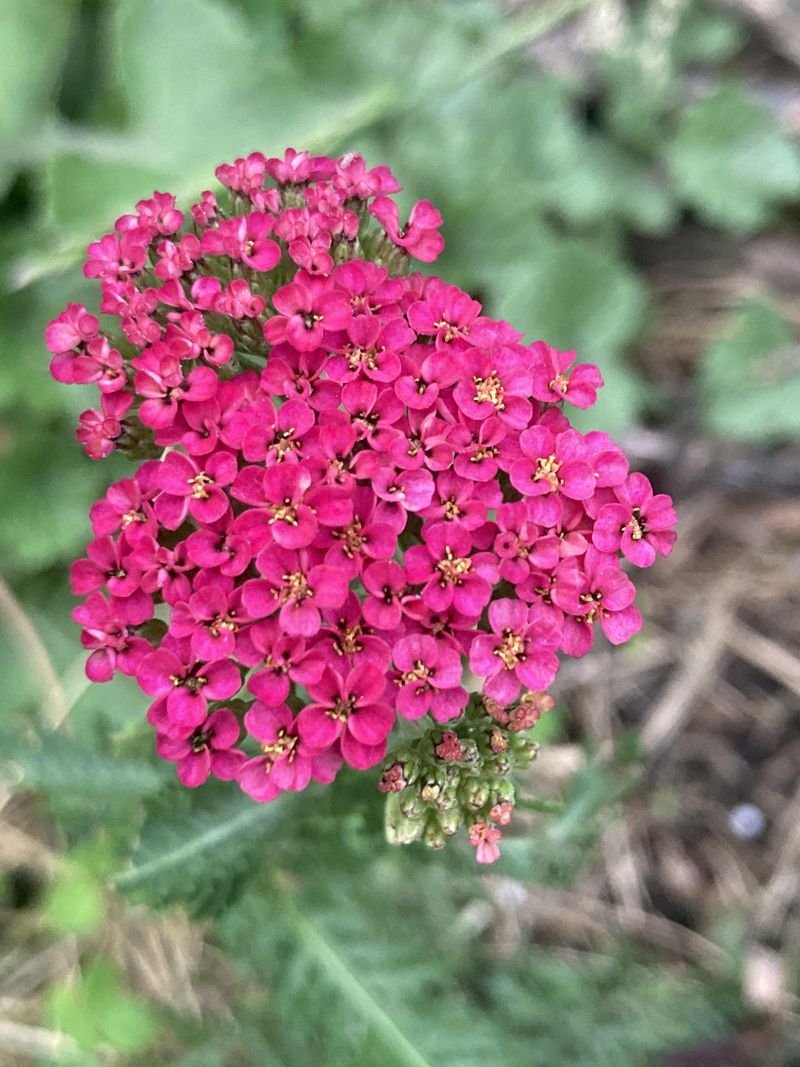
Yarrow looks like it belongs in a cottage garden painting. It acts like it belongs in a drought survival manual.
Both things are true, and that combination is exactly what makes it so useful in a California summer.
Achillea millefolium brings flat-topped flower clusters in yellow, white, pink, and red, floating above feathery aromatic foliage like small bouquets on sticks. The soft, textured look suggests fragility.
The plant itself suggests otherwise. It handles heat, drought, and poor soil without complaint. Full sun is where it performs best.
Good drainage is the one firm requirement. Wet, heavy soil is where yarrow loses its composure, and it shows quickly.
Deadheading spent blooms keeps the plant producing through summer. Snipping faded clusters down to a healthy leaf node tends to trigger a second round of color that extends the season considerably.
Some gardeners cut the whole plant back by about half in midsummer to refresh it for a late flush.
Pollinators respond to yarrow with genuine enthusiasm. Bees, butterflies, and beneficial insects all visit the open, accessible flowers.
That activity makes yarrow a smart companion plant near vegetable beds where helpful insects are always welcome.
It spreads over time and fills bare spots on its own schedule. Divide clumps every few years to keep them vigorous.
Cut a few stems for a vase and yarrow earns its keep indoors as readily as it does outside. Tough plant. Beautiful results.
4. Coyote Mint
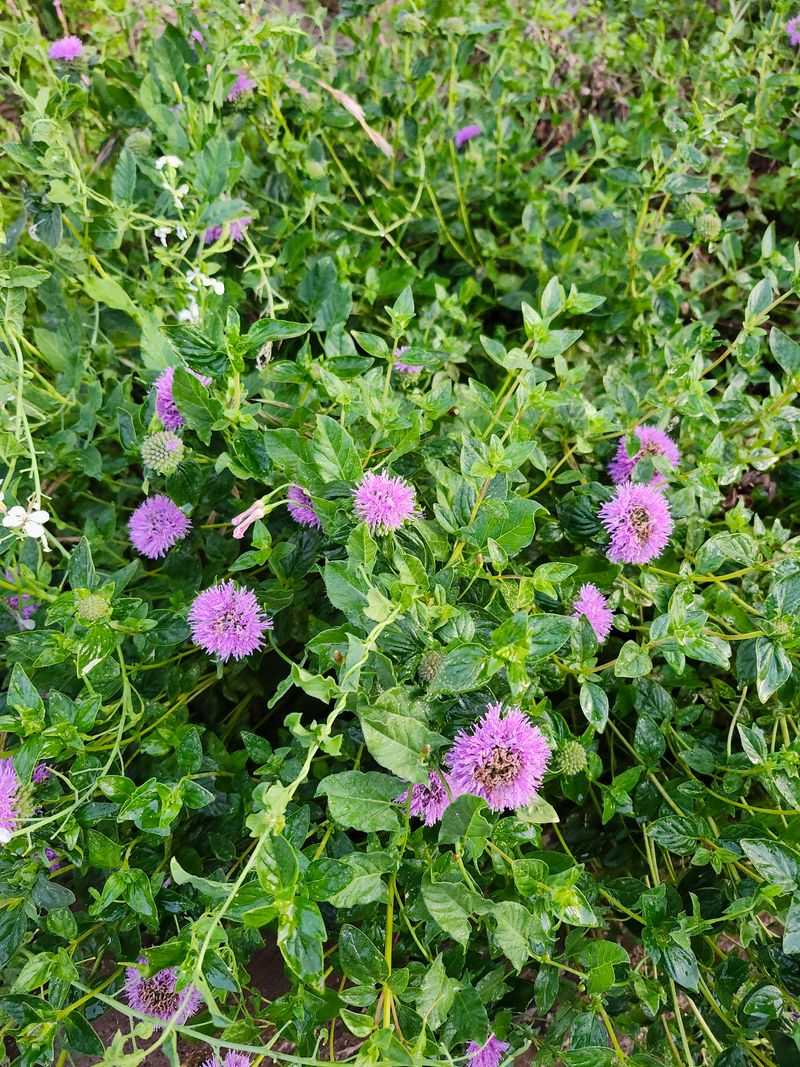
Crush a leaf of coyote mint between your fingers and the whole garden suddenly smells like a California hillside in June. Sharp, clean, instantly refreshing. That fragrance is just the introduction.
Monardella villosa follows up with dense purple flower clusters that bloom from early summer into fall and stay consistently busy with pollinator activity.
For a plant that stays under a foot tall, the ecological output is remarkable. Native bees, honeybees, bumble bees, butterflies, and hummingbirds all treat it like a regular stop on their circuit.
The compact, spreading habit makes it genuinely versatile. It works as a ground cover on dry slopes, a front-of-border plant in a sunny bed, or a fragrant edge alongside a path where people brush past it regularly. That last use is particularly rewarding.
Full sun and sharp drainage are the baseline requirements. Lean soil actually encourages better blooming with this one.
Rich, amended soil can push the plant toward foliage at the expense of flowers, so resisting the urge to over-improve the ground is worth the restraint.
Frequent watering once established is not necessary and tends to cause more harm than dry spells would. This is a plant adapted to California summers, and it performs best when treated accordingly.
A light trim after the main bloom period tidies things up and often stimulates a fresh flush of flowers before the season ends. Paired with California fuchsia and buckwheat, coyote mint completes a native trio that hums with life from June through October.
5. California Buckwheat
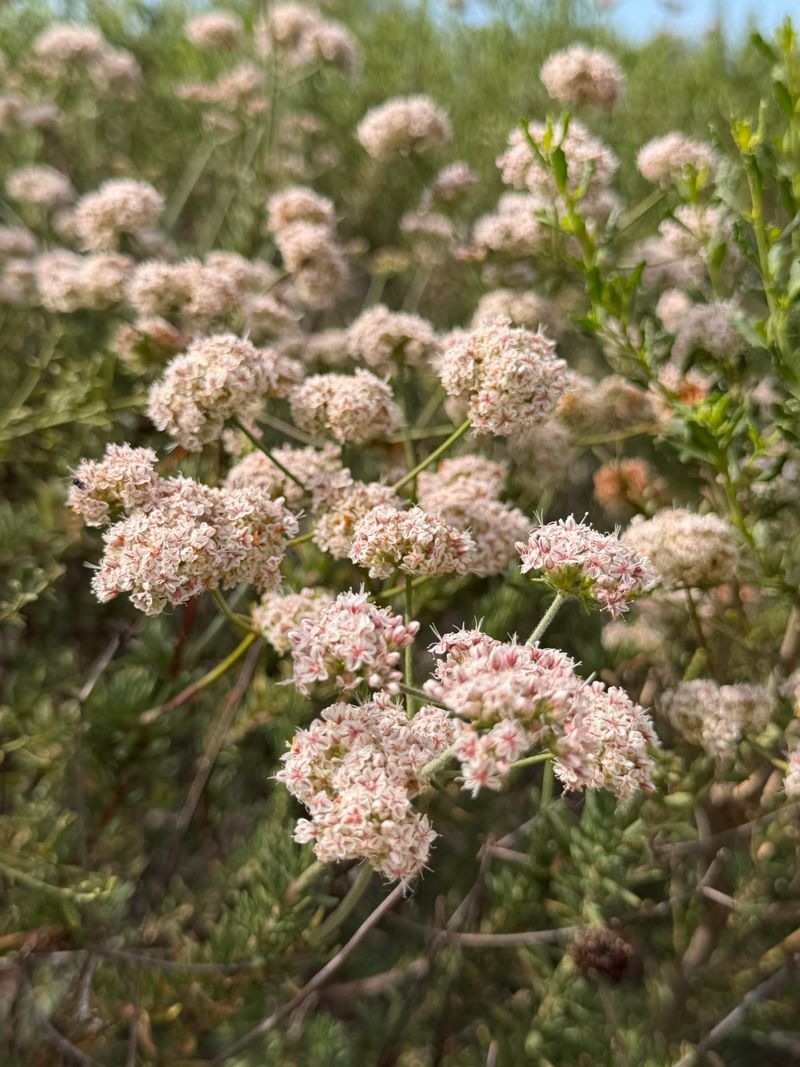
California buckwheat does not announce itself. It just quietly becomes the most popular address in the garden.
Eriogonum fasciculatum produces airy clusters of tiny white to pinkish flowers that draw bees, butterflies, and native insects in numbers that can genuinely surprise first-time growers.
The bloom starts creamy white and ages to a warm rust-red as the season progresses. That two-stage color shift gives the plant a layered, multi-season look that most single-flush bloomers cannot match.
The dried seed heads then carry on into fall and winter as a food source for birds. Heat, poor soil, and minimal water are not challenges for buckwheat. They are its preferred conditions.
Once established, supplemental irrigation becomes largely unnecessary across most California regions.
It grows roughly two to four feet tall and wide depending on the variety, fitting comfortably into mixed native plantings, dry slopes, or informal hedge situations. Different ecotypes exist for coastal, inland, and foothill conditions, so finding a locally appropriate variety tends to produce better long-term results.
Pruning after flowering is optional. A light trim keeps the shape tidy if that matters. Otherwise, buckwheat prefers to be left to do its thing in full sun with good drainage.
Give it those conditions and step back. The pollinators do not need a second invitation.
6. Russian Sage
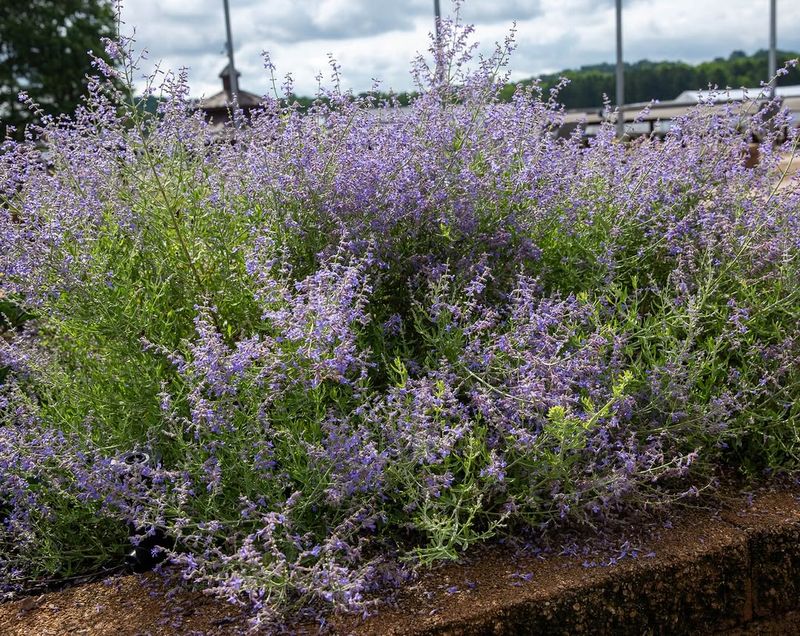
Russian sage does not just survive a California summer. It performs through one, and it does so with a kind of effortless elegance that is genuinely hard to manufacture.
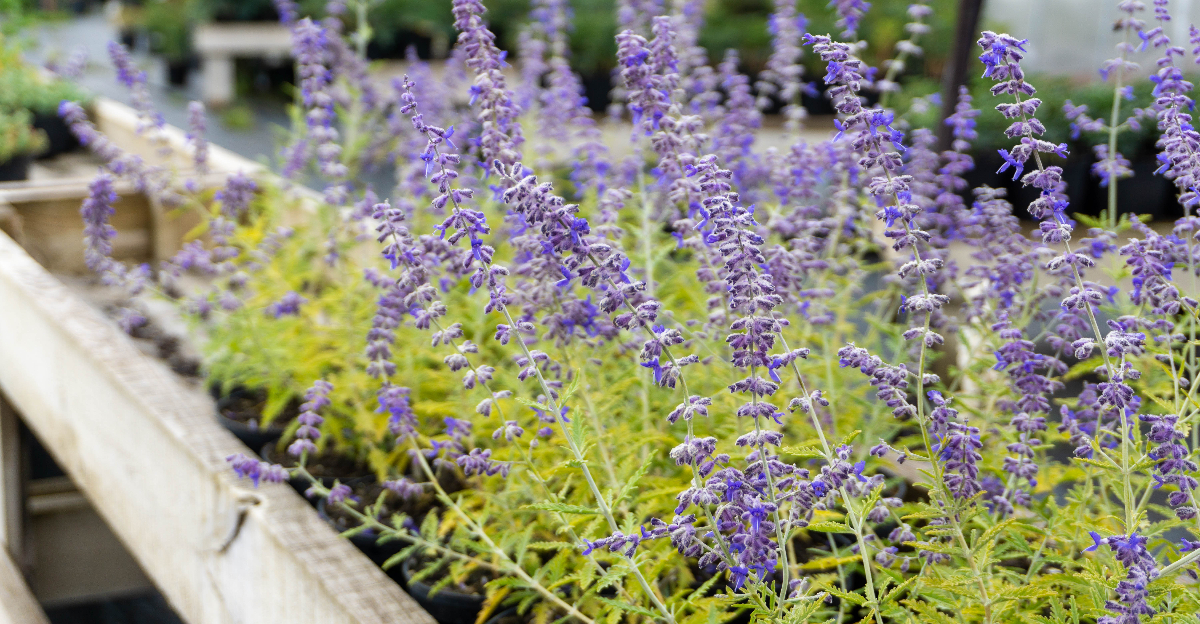
Perovskia atriplicifolia sends up tall, airy spikes of lavender-purple flowers above silver-gray foliage that sways in any available breeze.
The effect is soft and atmospheric in a way that contrasts beautifully with the heat-baked surroundings. It looks like the garden is cooling down even when it is not.
Despite not being a California native, Russian sage is exceptionally well-suited to California conditions.
It handles intense summer heat and drought with impressive composure once established in the right spot. Full sun is non-negotiable. Excellent drainage is equally important.
Heavy clay or consistently wet soil tends to undermine this plant fairly quickly, so site selection matters more than most of the care that follows.
In the right conditions, it blooms from midsummer well into fall, providing lavender color long after many other plants have wrapped up their season. Bees and butterflies visit the flowers regularly throughout that window.
The silvery stems and foliage add texture to mixed borders even between bloom cycles. Paired with yellow yarrow, orange California fuchsia, or deep-red salvias, the color combinations arrange themselves.
Cut it back hard in late winter before new growth pushes out. Avoid cutting aggressively into old woody stems.
Sun, drainage, and a little room to move in the breeze, that is the full list of requirements. The lavender haze handles everything else.
7. Hummingbird Mint
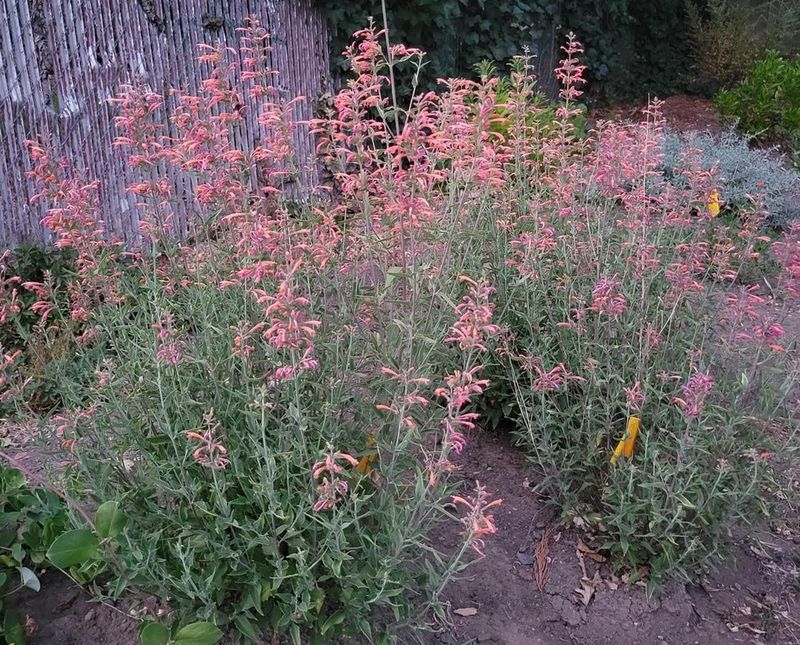
Plant hummingbird mint once and the hummingbirds find it before the week is out. The bees follow shortly after. By midsummer, the plant sounds like it has a pulse.
Agastache earns that activity with upright flower spikes in orange, pink, purple, and red, depending on the variety. The color is bold and the bloom window is generous, running from midsummer well into fall in suitable conditions.
Full sun and good drainage are the baseline requirements. Soggy roots are the main vulnerability, particularly during warm months when the combination of heat and moisture creates conditions the plant does not handle well.
Raised beds, slopes, and well-draining garden soil all suit it comfortably.
Once established, drought tolerance improves considerably. Heavy summer watering becomes unnecessary and can actually cause more stress than a dry stretch would.
Trimming spent spikes encourages the plant to push out new flower stems and extends the bloom window further into the season. A light trim in midsummer can refresh the plant and add several more weeks of color when the garden typically needs it most.
The fragrant foliage is a bonus that reveals itself every time someone brushes past the plant.
Paired with California fuchsia, Russian sage, and yarrow, it contributes height, texture, and color to a layered pollinator border that looks both wild and entirely intentional.
The hummingbirds approve. The garden benefits. A genuinely productive partnership.
8. Frikart’s Aster
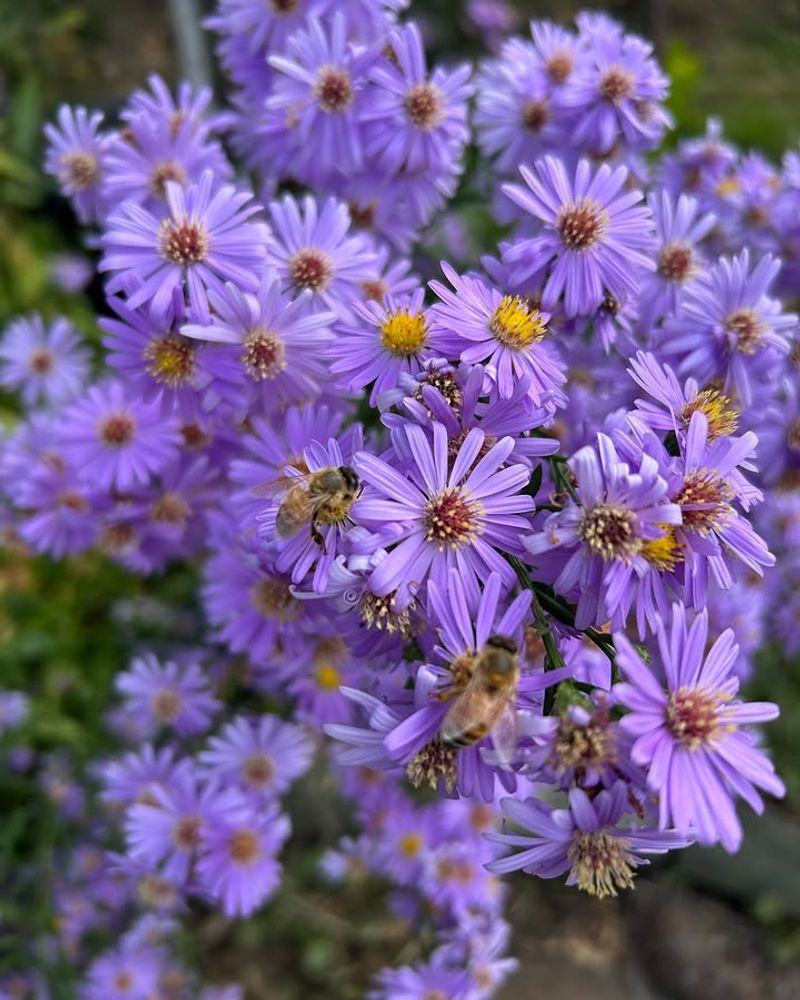
Late summer is when a lot of California gardens start running out of ideas. Frikart’s aster is just arriving at the party.
Aster x frikartii produces cheerful lavender-blue daisy flowers with bright yellow centers that bloom from midsummer through fall.
Few asters match that bloom window, and fewer still handle California summer conditions with the same reliability. This one earns its reputation through performance, not just reputation.
The flowers carry a classic wildflower charm that fits comfortably in both formal and casual garden styles. They do not try to dominate. They just show up consistently and look good doing it.
Full sun is where Frikart’s aster performs best. Good air circulation helps reduce powdery mildew risk, which can appear in humid coastal areas or when plants are crowded.
An open, breezy planting spot tends to prevent most of those issues before they start.
Moderate watering suits it well. Consistently wet soil causes more problems than dry stretches typically would. Deadheading spent flowers regularly keeps new buds coming through the season.
Cutting back by about one-third in midsummer can encourage a stronger flush of late-season blooms right when the garden needs a second act most. That timing works particularly well given how much the rest of the garden has faded by August.
Paired with Russian sage, yarrow, and ornamental grasses, it completes a late-summer border that feels relaxed and genuinely layered. The kind of combination that makes August feel like the best month rather than the most exhausting one.