Camellia Buds Falling Off Before They Open Can Be A Problem In Georgia Gardens
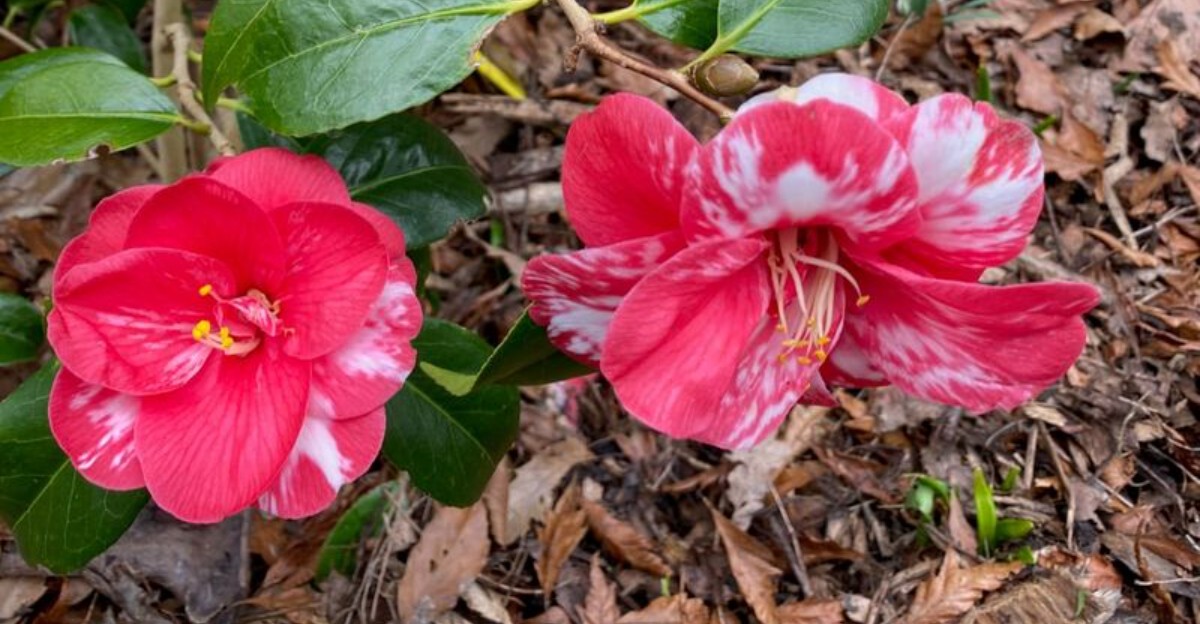
Camellia buds lying on the mulch before a single flower has opened can be a disappointing sight after months of waiting.
Bud drop is common enough that many shrubs shed a few without real cause for concern.
Heavy losses, though, usually point to stress the plant went through weeks earlier. Buds form months ahead of blooming, so problems that started in late summer often show up now.
Water is frequently part of the story, especially after a dry stretch followed by heavy rain.
Feel the soil a few inches down, since camellias dislike both soggy clay and long dry spells. Sudden cold snaps in north and central Georgia can also damage buds that were just beginning to swell.
Other causes are easier to miss, and a few have nothing to do with weather at all.
1. A Few Dropped Buds Can Simply Mean The Plant Set Too Many
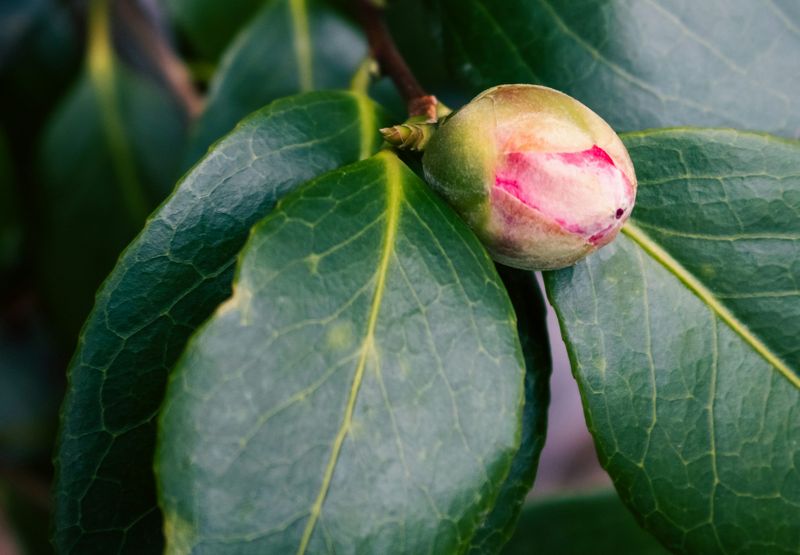
Not every fallen bud is a warning sign. Camellias often set more buds than they can carry, and shedding a few is one way the shrub balances its load.
Look closely at a branch tip in late summer or fall and you may see two or three buds packed together.
Crowded clusters like that compete for water and energy. When the plant cannot support all of them, some may loosen and fall while the others keep developing.
Gardeners in Georgia often notice a sprinkle of buds under healthy shrubs and assume the worst. If most buds stay put and the leaves look glossy and green, the plant is likely fine.
You can also help by disbudding, which simply means pinching off extra buds by hand.
Leave one plump bud per cluster and remove the rest. Growers commonly do this to get fewer but larger flowers, and it may reduce random shedding later.
Timing matters a little here. Disbudding works best once buds are big enough to tell flower buds from leaf buds, since flower buds are usually rounder and fatter.
Pay attention to how much is falling over several weeks.
A handful scattered around is usually normal. Heavy, steady loss across the whole shrub suggests something else may be going on, so check the other causes in this list.
2. Dry Spells While Buds Form Are A Common Trigger
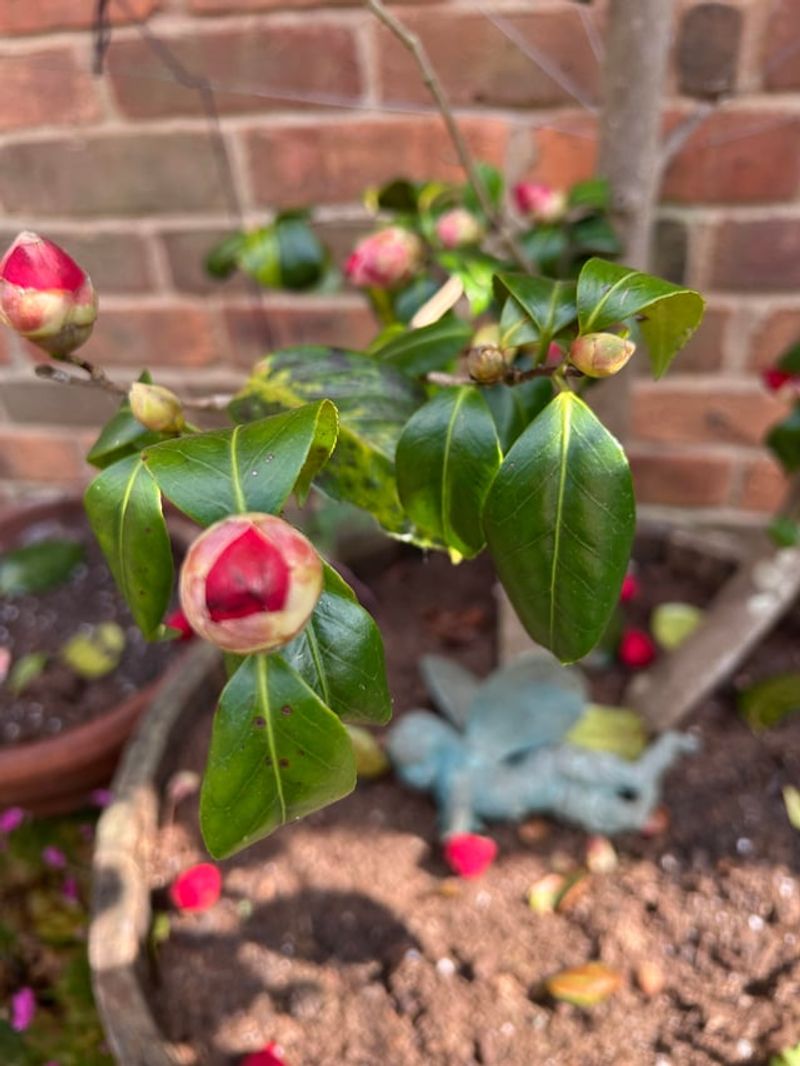
Late summer heat can quietly undo next winter’s flowers. Camellias usually form their flower buds in summer, so water stress during those months can affect them long before they open.
Here is the tricky part. Buds that were stressed in August or September might not fall until weeks or even months later, which makes the cause easy to miss.
Georgia summers often bring stretches with little rain and plenty of heat, especially in late summer.
Camellias have fairly shallow roots, so they feel dry soil faster than deep-rooted shrubs. Plants in their first few years in the ground are even more sensitive.
Check the soil with your finger a few inches down near the root zone.
If it feels dry, give the shrub a slow, deep soaking rather than a quick splash. A soaker hose or a slow trickle from a garden hose helps water reach the roots instead of running off.
Your Georgia Garden Changes Every Week. Your Plan Should Too.
Gardening in Georgia changes quickly throughout the season. Every Friday you’ll receive a simple weekly plan showing exactly what to plant, prune, fertilize, harvest, and protect so you never miss the right timing.
Shrubs near brick walls, driveways, or under large trees may dry out faster. Tree roots compete hard for moisture, so camellias planted beneath oaks or pines often need extra attention.
Watch the leaves too, since wilting or dull foliage during hot afternoons can hint at thirst.
Steady moisture through summer and fall gives buds their best chance, though weather and soil type still play a role in the final result.
3. Sudden Freezes After Mild Weather Can Damage Swelling Buds
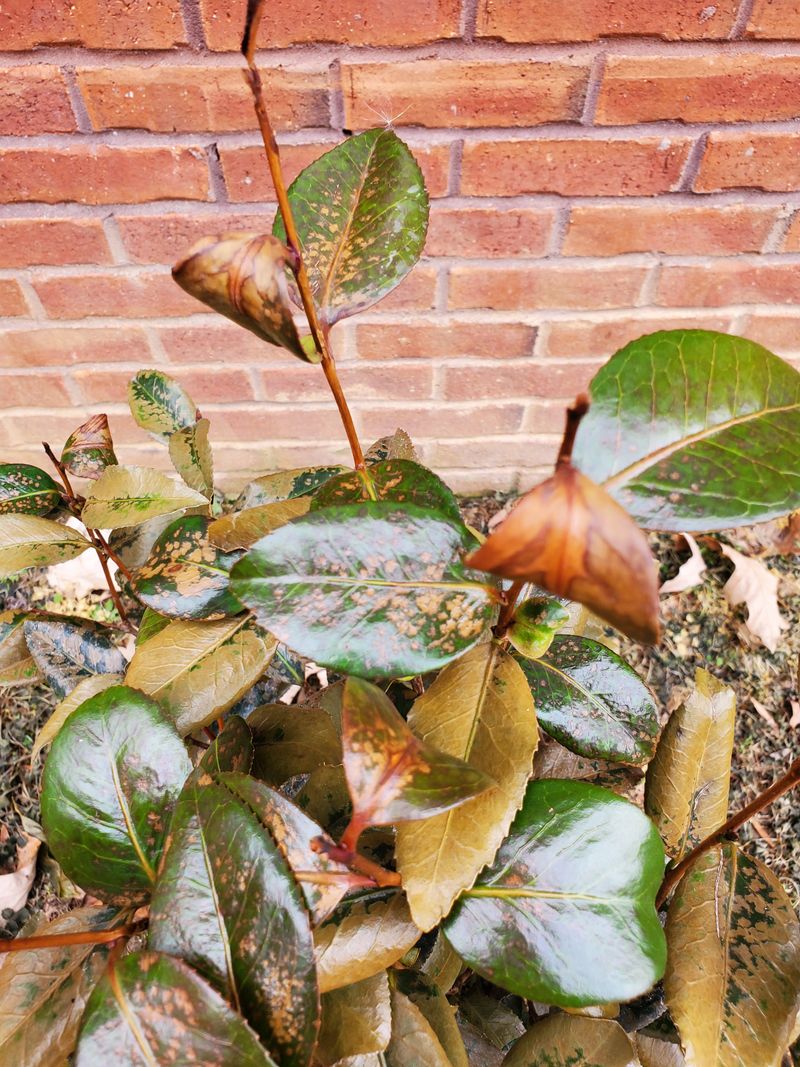
Warm days in January can fool a camellia. When buds start to swell and show color, they become much more tender than tightly closed buds.
Then a hard freeze rolls in overnight.
Buds that were opening may turn brown inside or along the edges. Some fall within days, while others stay on the plant and open with damaged, browned petals.
Swings like that happen fairly often across Georgia in winter. A mild week can be followed by a sharp cold front, and swelling buds take the hit.
You can check a suspicious bud by gently slicing it open.
Healthy tissue inside looks fresh and pale or colorful. Brown or mushy centers usually point to cold damage.
Covering small shrubs before a hard freeze may offer some protection. Use frost cloth or an old sheet draped to the ground, and remove it the next day once temperatures rise.
Avoid plastic touching the leaves, since it can transfer cold directly to the plant.
Protection does not work every time, and severe cold can still harm buds under a cover. Tightly closed buds often handle cold better, so some flowers may still open later in the season after a freeze passes.
4. Early-Blooming Varieties Face More Cold Risk In Northern Areas
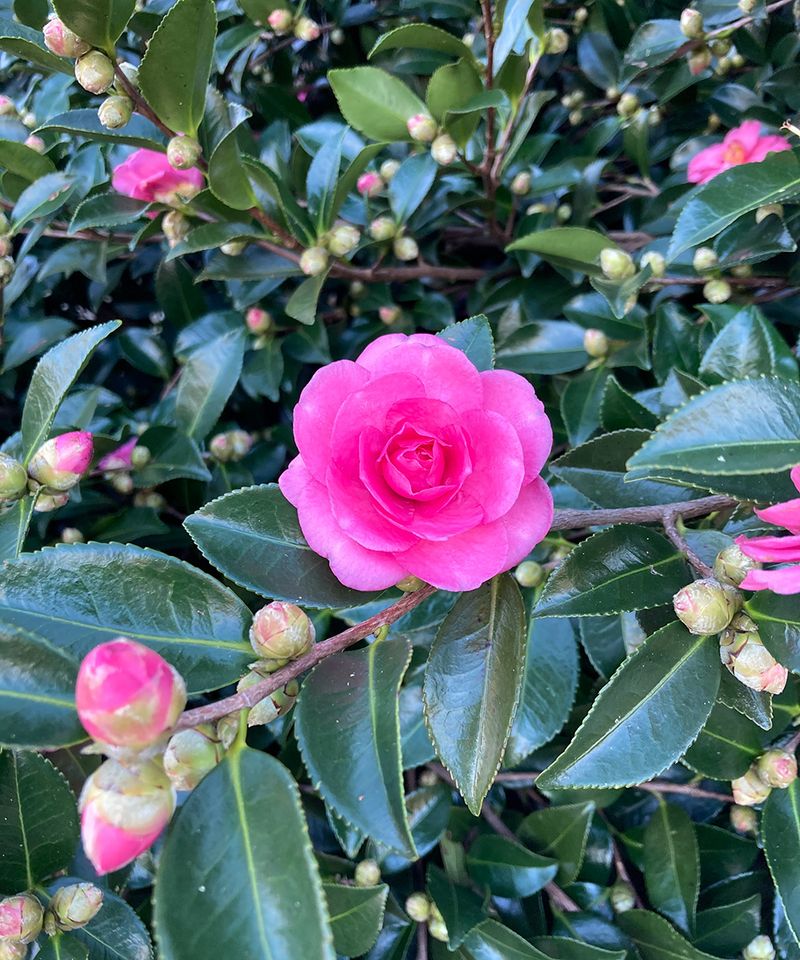
Where you live in the state changes the picture. North Georgia mountains get colder winters than Savannah or Valdosta, and that affects how camellias perform.
Sasanqua camellias usually bloom in fall, while many Japanese camellias bloom from late fall into spring.
Varieties that open in midwinter run the highest chance of meeting a hard freeze while in bud or bloom. In colder northern areas, those winter bloomers can lose more buds in some years.
Fall bloomers often finish before the coldest weather arrives. Late-season types may open after the worst cold has passed, though spring frosts can still cause trouble.
Shopping locally helps a lot.
Ask a nearby nursery or your county Extension office which varieties tend to do well in your area. Some camellias have been selected for better cold tolerance, and local growers often know which ones hold up.
Planting spot matters too. A site with morning shade can help, since buds that thaw slowly after a freeze may suffer less damage than buds hit by early sun.
Shelter from cold winter winds can make a small difference as well.
Gardeners farther south usually see fewer cold losses, but no region is free from an occasional surprise freeze.
5. Too Much Fertilizer Can Contribute To Bud Drop
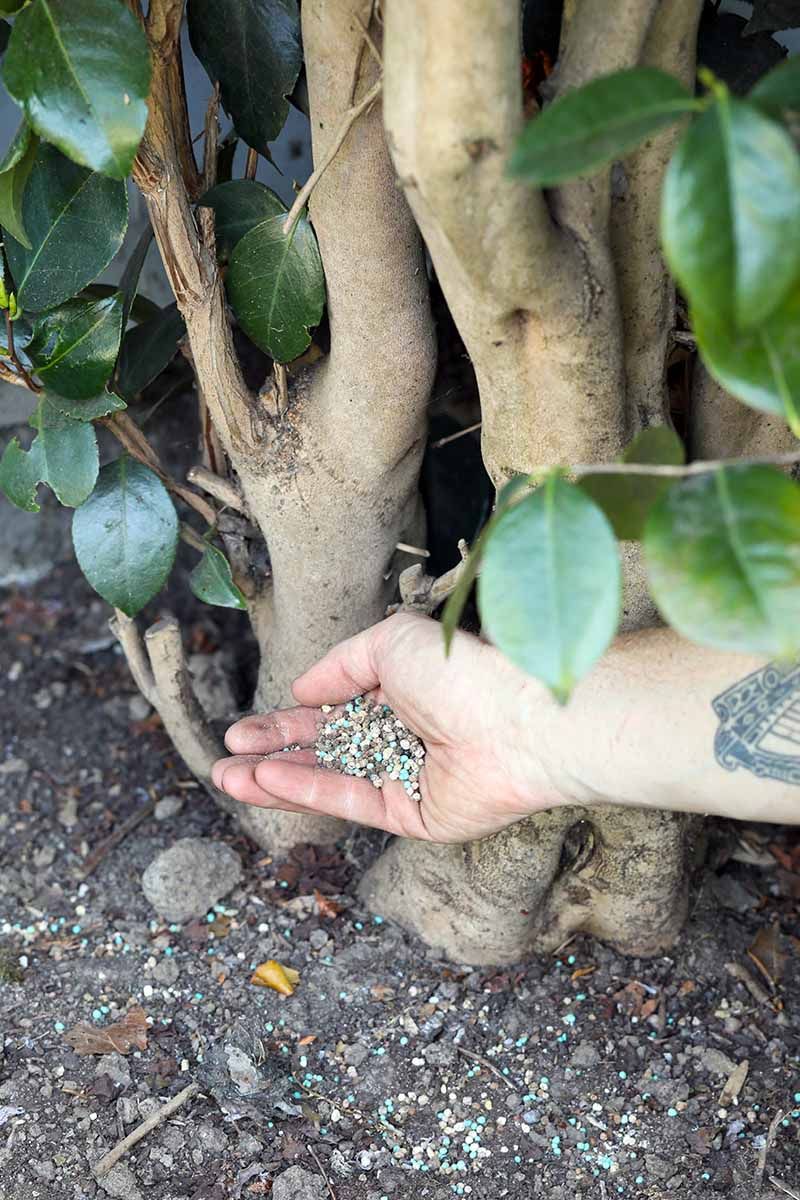
More food does not mean more flowers. Overfeeding camellias can stress their roots and may play a part in buds falling early.
Camellias are generally light feeders compared to many garden plants.
Too much fertilizer can build up salts in the soil, which can burn roots and make it harder for the plant to take up water. Stressed roots can then lead to bud problems, even when you are watering well.
Feeding late in summer or fall can also push tender new growth at the wrong time. That fresh growth competes with developing buds and may be more easily hurt by cold.
Extension guidance commonly suggests fertilizing camellias in spring after blooming ends, when new growth begins.
Use a product made for acid-loving plants and follow the label rate. Water it in well afterward so it reaches the root zone evenly.
A soil test is a smart first step. UGA Extension offers soil testing through county offices in Georgia, and results show whether your shrub needs nutrients at all.
Signs of overfeeding can include browned leaf edges or a white crust on the soil.
Fertilizer is rarely the only cause of bud drop, so look at it alongside water, drainage, and weather before cutting back.
6. Poor Drainage And Root Stress Can Lead To Falling Buds
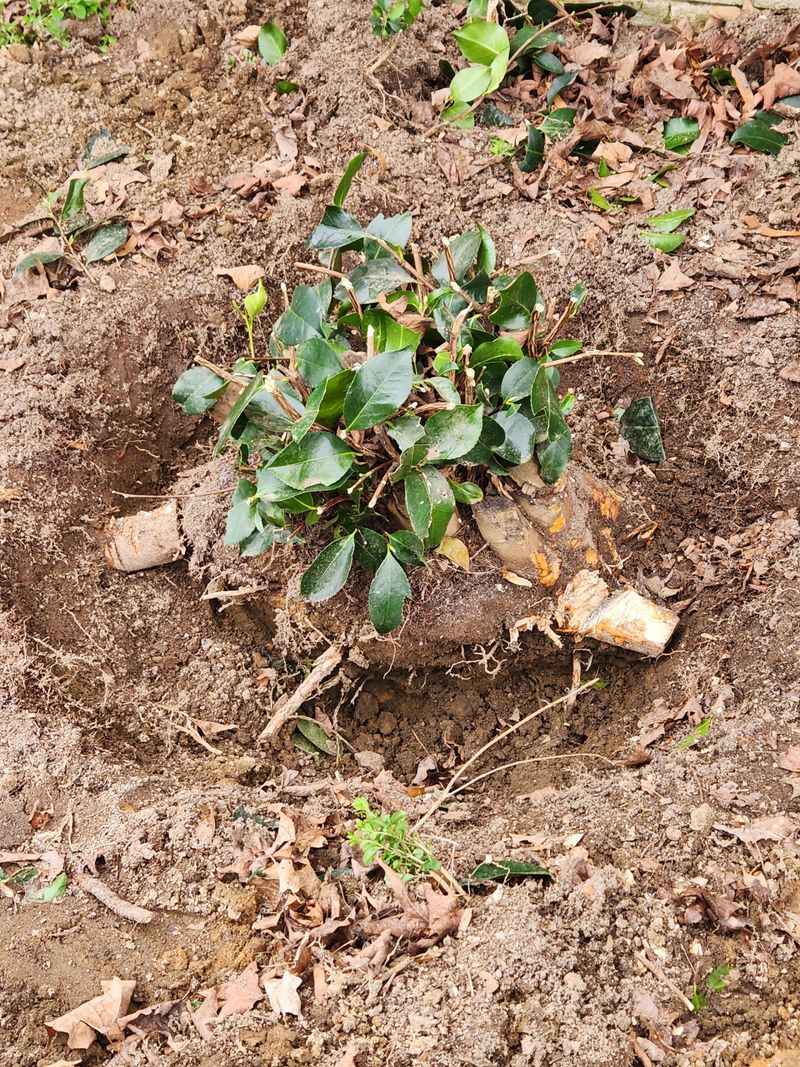
Soggy soil is a quiet troublemaker. Camellias like moisture, but they do not like sitting in water for long periods.
Heavy clay soil is common in parts of Georgia, and it can hold water around roots after rain.
Roots that stay waterlogged can struggle to get oxygen. Over time, that stress may show up as yellow leaves, weak growth, or buds that fall before opening.
Wet, poorly drained sites can also raise the risk of root rot diseases. Phytophthora root rot is one known problem in camellias, and it often shows up where water lingers.
Try a simple drainage test.
Dig a hole about a foot deep, fill it with water, and see how long it takes to empty. If water still sits there many hours later, drainage is likely poor.
Planting depth matters as well. Camellias set too deep can suffer, so the top of the root ball should sit at or slightly above the soil line.
For new plantings in clay, raised beds or slightly mounded soil can help.
If an established shrub is struggling, a local Extension agent can help check for disease. Moving a mature plant is possible in some cases, but it is a big job and success varies.
7. Steady Watering And Mulch Through Fall Help Buds Hold On
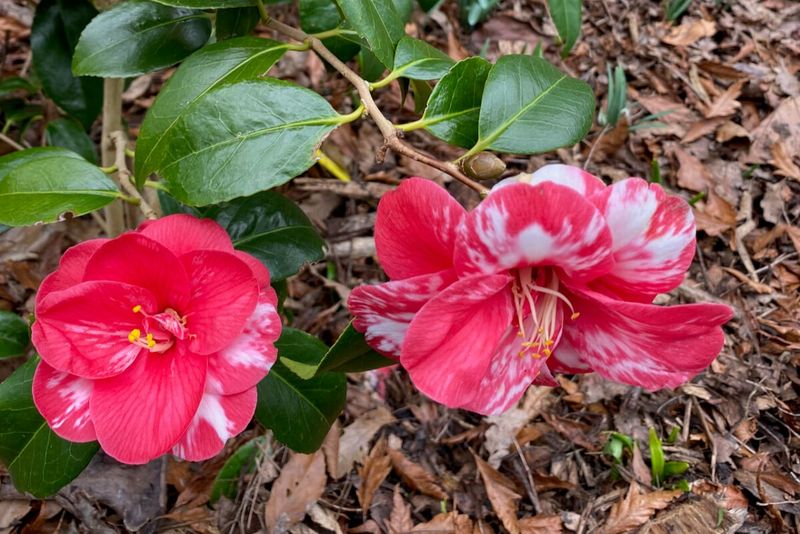
Consistency beats big rescues. Buds respond better to even soil moisture than to long dry stretches followed by a heavy flood of water.
Fall can be a surprisingly dry season in Georgia, right when buds are getting ready to open.
Keep checking the soil every week or so during dry weather. Water deeply when the top few inches feel dry, and skip it when rain has done the job.
Mulch makes this much easier. A layer of pine straw, pine bark, or shredded leaves helps hold moisture and keeps soil temperatures more even.
Aim for a layer around two to three inches deep.
Pull mulch back a few inches from the trunk so the base stays dry. Piling it against the stem can invite rot and pests.
Pine straw is easy to find across much of the Southeast and breaks down slowly. As it decays, it adds organic matter that camellias generally appreciate.
Drip lines or soaker hoses can deliver water slowly to the root zone with less waste.
Good watering will not stop every bud from falling, especially after a hard freeze. Still, steady care reduces stress, and healthier shrubs usually have a better chance of opening more of their buds.