The Yard Conditions That Attract More Ticks In Georgia
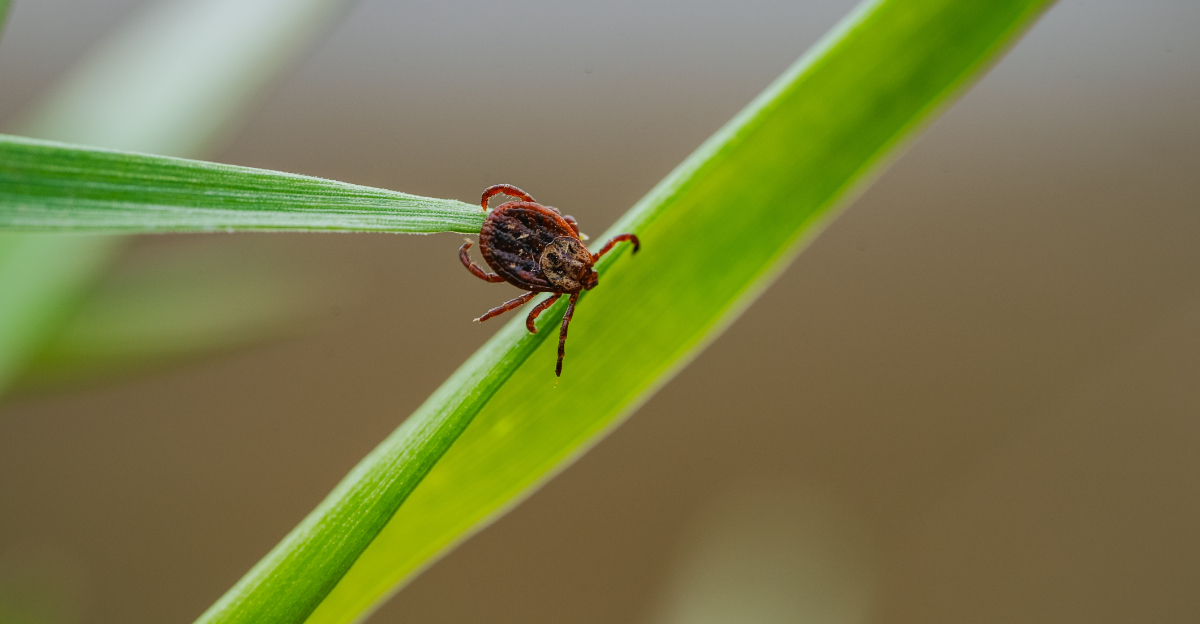
Finding a tick on yourself or a pet can change the way you look at your yard almost instantly.
One day everything seems normal, and the next you start wondering what is hiding in the grass, around the fence line, or beneath the shrubs.
It is easy to assume ticks only show up in heavily wooded areas, but that is not always how it works. Some yards seem to attract far more tick activity than others, even when they are in the same neighborhood.
That is what makes this topic so important right now in Georgia. Many people spend hours mowing, watering, and maintaining their outdoor spaces without realizing a few common yard conditions may be creating an environment ticks love.
The surprising part is that some of these conditions are things people rarely think about at all. Once you know what to look for, your yard starts to look very different.
Before you spend more time outside this season, it is worth taking a closer look at what could be drawing ticks in.
1. Remove Leaf Piles That Hold Moisture
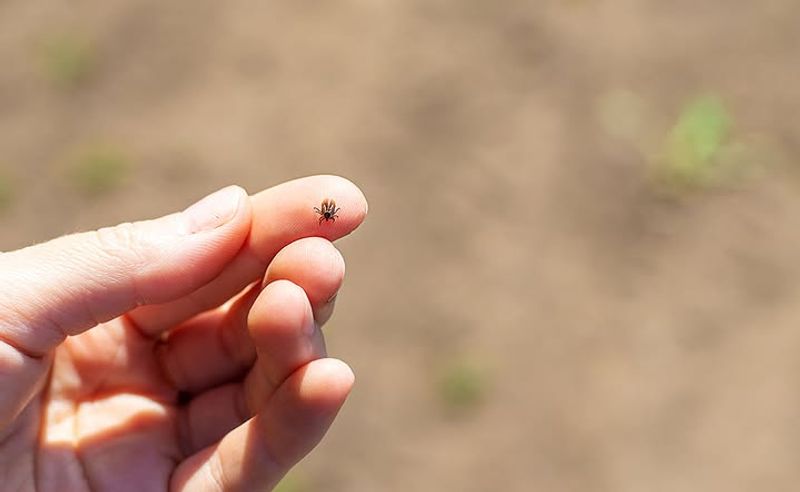
Wet leaf piles are basically a welcome mat for ticks. Moisture trapped under layers of leaves creates a cool, dark space that ticks actively seek out during warm months.
Leaves break down slowly, and as they do, the pile stays damp for days after rain. Ticks do not handle dry heat well, so moist, shaded spots like leaf piles are exactly where they wait for a host to pass by.
Raking and bagging leaves promptly makes a noticeable difference. Piles left along fences, under trees, or near porches are the most risky spots.
Even small accumulations in corners of the yard can hold enough moisture to shelter ticks through dry spells. Keeping the yard clear of organic buildup, especially during fall and spring, cuts down on the habitat ticks depend on.
Compost bins should also be positioned away from areas where kids and pets spend time. Consistent yard cleanup is one of the most straightforward habits that actually works against tick activity.
Removing leaf piles before they sit for long periods reduces the damp, sheltered conditions that ticks rely on for survival.
2. Keep Tall Grass From Taking Over
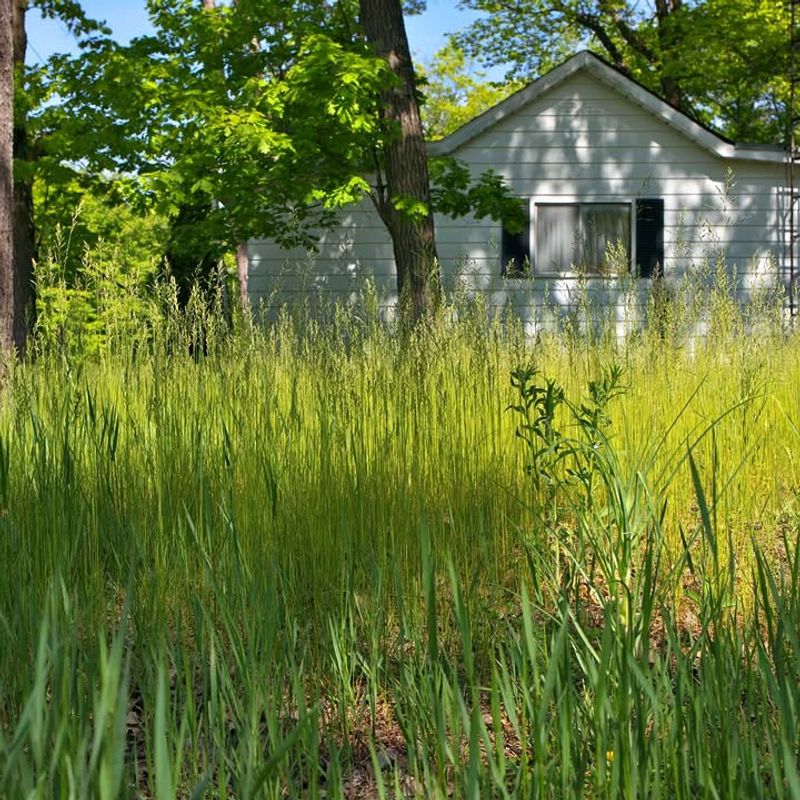
Tall grass is one of the top reasons ticks move into residential yards. Ticks climb grass blades and wait in a behavior called questing, where they stretch out their legs to latch onto passing animals or people.
Grass above three to four inches gives ticks a much better chance of making contact with a host. Short, well-mowed lawns offer far less opportunity for that kind of ambush.
Mowing every one to two weeks during peak growing season keeps grass at a manageable height. Pay extra attention to edges along fences, garden beds, and tree lines where grass tends to grow faster and get missed during routine cuts.
Letting sections of the yard go unmowed even briefly can create enough cover for ticks to establish a presence. Bag clippings when possible so cut grass does not pile up and retain moisture.
Your Georgia Garden Changes Every Week. Your Plan Should Too.
Gardening in Georgia changes quickly throughout the season. Every Friday you’ll receive a simple weekly plan showing exactly what to plant, prune, fertilize, harvest, and protect so you never miss the right timing.
A consistent mowing schedule paired with trimming around structures is a simple but effective way to reduce tick-friendly habitat in your yard throughout the warmer months.
Ticks are much less likely to remain in areas where regular mowing keeps the lawn exposed to sunlight and better airflow.
3. Trim Back Overgrown Property Edges
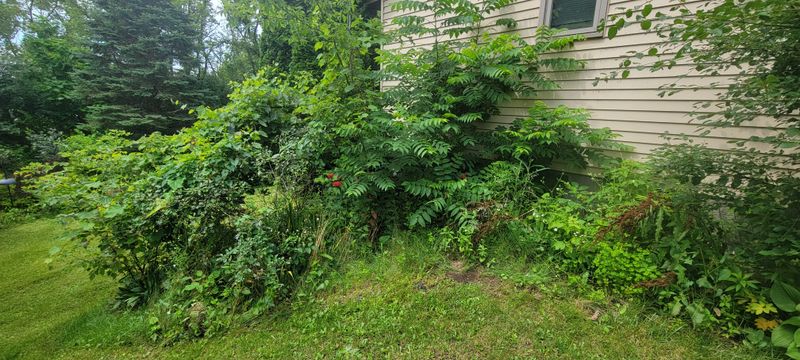
Property edges that blend into wild vegetation are a major tick entry point. Where your yard meets woods, fields, or overgrown neighboring lots, ticks move freely from one side to the other.
Shrubs, weeds, and low-hanging branches along boundary lines create a shaded corridor that ticks use to travel inward toward the yard. Keeping that edge trimmed tight disrupts that movement.
Cut back any vegetation that overhangs or touches the yard from the perimeter. Shrubs should be pruned so their lowest branches are off the ground, reducing shaded resting spots at soil level where ticks spend much of their time.
Weeds and wild plants along fences or property lines should be cleared regularly, not just once at the start of the season. Spot-checking these areas every few weeks helps catch regrowth before it becomes a problem.
Trimming is not just about appearances. A clean, well-defined edge between your yard and surrounding vegetation makes it much harder for ticks to migrate inward and set up in areas where your family spends time outdoors.
Creating a clear buffer between maintained lawn areas and dense vegetation reduces the sheltered pathways ticks use to move through a property.
4. Block Deer From Crossing The Yard
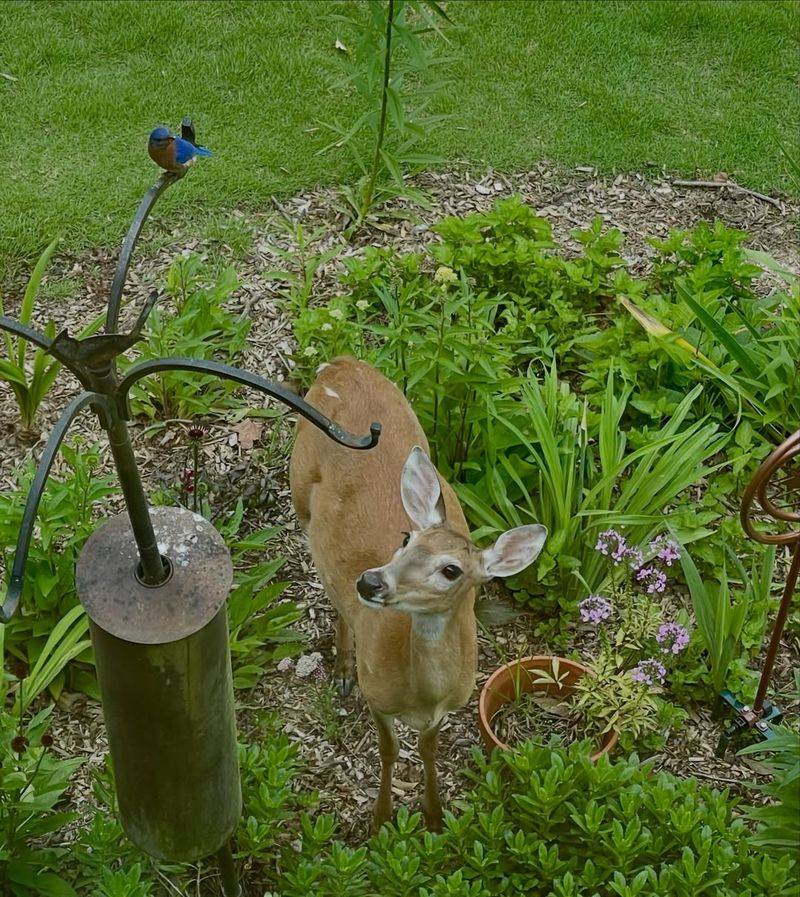
Deer carry ticks from wooded areas directly into residential yards. Every time a deer crosses through, it can drop dozens of ticks along its path without any visible sign that it happened.
Blacklegged ticks, sometimes called deer ticks, are closely linked to deer movement. Where deer roam regularly, tick populations tend to be noticeably higher in surrounding yards and landscaping.
Fencing is the most reliable way to keep deer out. A fence at least eight feet tall is generally needed since deer are strong jumpers.
Shorter fences may slow them down but rarely stop them entirely.
For yards where full fencing is not practical, deer-resistant plantings along the perimeter can reduce how often deer enter. Plants like lavender, rosemary, and ornamental grasses are less appealing to deer.
Motion-activated sprinklers and lighting can also deter deer from making your yard a regular route.
Reducing deer traffic does not eliminate ticks entirely, but it significantly lowers the number being introduced to the yard on a regular basis, which matters a lot over the course of a full outdoor season.
Limiting deer access to the yard helps reduce one of the most common ways ticks are carried into residential landscapes.
5. Clear Out Unused Brush Piles
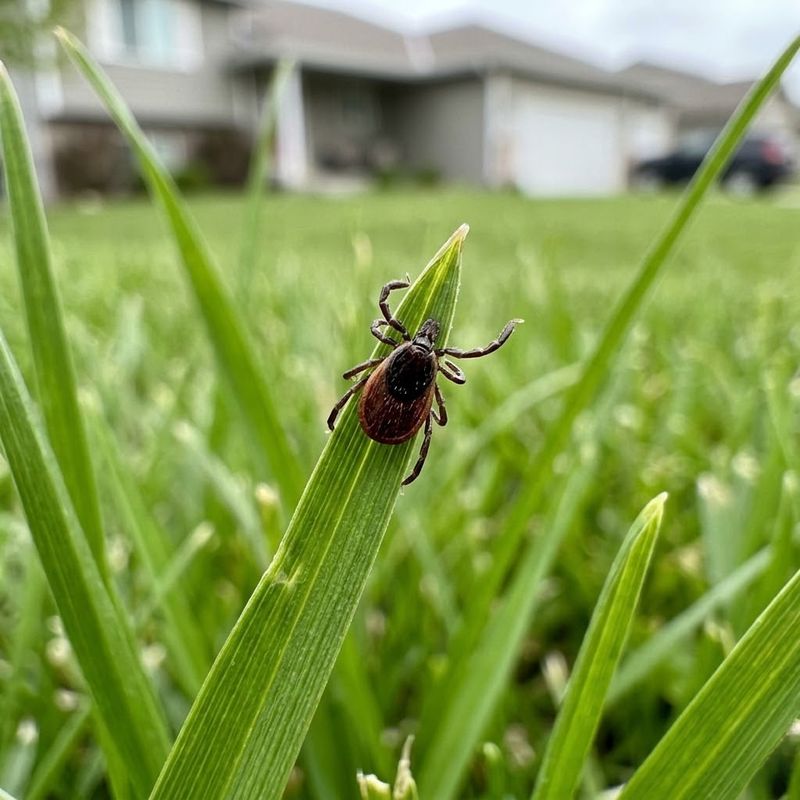
Brush piles sitting in a corner of the yard are one of the most overlooked tick shelters. Stacked branches and woody debris trap humidity, block sunlight, and give ticks a protected space to wait out dry or hot conditions.
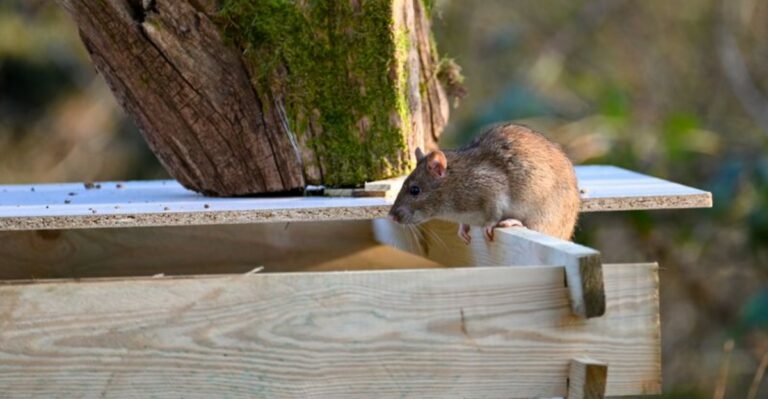
Small animals like mice and chipmunks are also drawn to brush piles for nesting. These animals are common tick hosts, especially for young ticks in their larval and nymph stages, which makes brush piles a kind of tick breeding hub.
Clearing out old brush piles and disposing of them properly removes that shelter and disrupts the cycle. Do not just move the pile to another part of the yard.
Bag the debris or arrange for yard waste pickup.
If you generate brush regularly from pruning or storm cleanup, try to remove it promptly rather than letting it accumulate. Keeping the yard clear of stacked organic material is especially important near the edges of the property where wooded areas meet the lawn.
Fewer hiding spots for small animals means fewer feeding opportunities for ticks, which slows their population in your yard over time.
Removing brush piles promptly helps eliminate one of the sheltered environments where ticks and the animals that carry them tend to gather.
6. Thin Dense Ground Covers In Shade

Shaded ground covers look tidy but can quietly harbor ticks underneath their dense canopy. Plants like English ivy, pachysandra, and vinca grow thick enough to block airflow and hold moisture close to the soil surface.
Ticks prefer exactly that kind of microclimate. Shade keeps temperatures lower, and dense foliage prevents the ground from drying out between rain events, giving ticks a stable environment to remain active longer.
Thinning these ground covers periodically improves air circulation and lets sunlight reach the soil. Even partial sun exposure can raise ground temperature enough to make the area less hospitable for ticks.
Consider replacing very dense shade plantings with mulch or open ground cover that dries out more quickly. Gravel or wood chip mulch in deeply shaded spots is a practical alternative that does not hold moisture the same way living plants do.
If you keep ground covers, trim them back regularly and avoid overwatering. Checking shaded areas of the yard for tick activity, especially near tree bases and along shaded borders, helps you stay aware of where the risk is highest during outdoor activities.
Dense ground covers can create cool, sheltered conditions that allow ticks to remain active for longer periods than they would in more open areas of the yard.
7. Create A Dry Buffer Near Wooded Areas

Wooded areas right up against the lawn create a direct path for ticks to move into your yard. A dry barrier between the two zones makes that transition harder for ticks to cross.
A buffer strip of gravel, wood chips, or bare mulch about three feet wide placed along the edge where lawn meets trees can reduce tick movement significantly.
Ticks avoid crossing dry, exposed surfaces because they lose moisture quickly in open areas without shade or vegetation.
Keep the buffer free of leaves and debris so it stays dry and exposed to sunlight. A barrier that fills up with organic material defeats its purpose and may even become another tick-friendly spot.
Positioning outdoor seating, play equipment, and garden beds away from the wooded edge also reduces exposure. Even a few extra feet of distance between where people spend time and where the woods begin can lower contact risk.
Combining a physical dry buffer with regular trimming of the wooded edge gives you the best result.
It is a practical, low-maintenance strategy that works with the natural landscape rather than against it, and it holds up well across the warmer months in the Southeast.
A well-maintained buffer zone helps separate tick habitat from the areas of the yard where people are most likely to spend time.