Storm-Damaged Tree After Isaias? What Florida Law Says About Removing It
Florida homeowners can remove a risky tree without a city permit, as long as one expert signs off. That rule surprised me, since I assumed every chainsaw job needed a stack of stamped city forms.
The catch hides inside a short state law from 2019 that most neighbors had not heard about. It names exactly who can judge a damaged tree, and a guy with a truck does not qualify.
After Isaias, I found a split oak limb hanging over my fence like a loose tooth. I believe plenty of you felt that same urge to grab a saw right away that morning.
Before you cut a single branch, you need to know who pays, who signs, and what paperwork protects you. So which side of the fence does your fallen tree problem actually belong to this fall?
You Can Skip The City Permit With The Right Signature
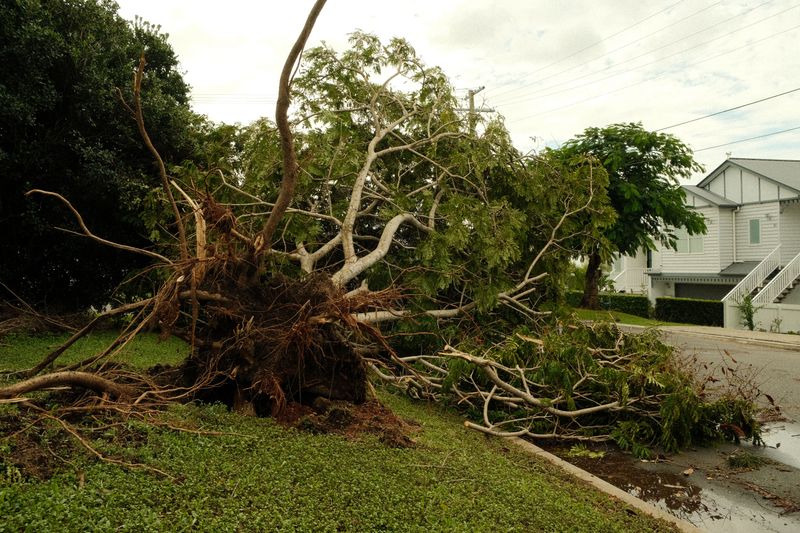
Since 2019, Florida Statute 163.045 has let residents remove hazardous trees on home lots without asking local governments first. That change felt huge for homeowners who once waited weeks for a permit while a cracked trunk loomed overhead.
The law applies only to residential property, which covers your house lot, but not commercial land or busy shopping centers. A tree must pose an unacceptable risk to people or property before the permit exemption kicks in for you.
Proof of that risk must come in writing, signed by an ISA certified arborist or a licensed landscape architect. Once you hold that document, the city or county cannot demand a permit, an application fee, or a replacement tree.
Mangroves are the big exception, since separate state rules protect them along the coast with much stricter cutting limits. Some historic districts or planned communities may also carry their own covenants, so check your HOA papers carefully too.
In plain words, the expert signature works like a hall pass that lets you skip the usual permit line. Without it, you could face fines and a costly replanting order from local code enforcement officers later this autumn.
Your Arborist Report Is The Real Golden Ticket
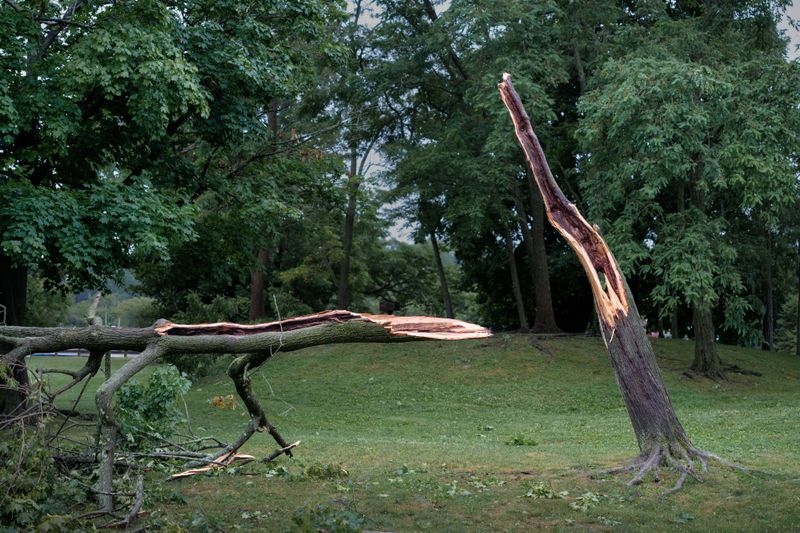
One sheet of paper can save you hundreds of dollars, and it comes from a tree expert, not a lawyer. Certified arborists study roots, trunks, and canopies for years before they earn that credential from the International Society of Arboriculture.
During a visit, the arborist uses a standard tree risk assessment method to judge how likely failure really is. They look at what could get hit, such as your roof, your parked car, or kids playing nearby after school.
Ask for a written report with the date, the exact tree location, clear photos, and the specific defects they found. Make sure their certification number appears on the page, because local officials may ask to verify it later.
Many assessments I have seen quoted run between one hundred and three hundred dollars, depending on tree size. Personally, I think that fee feels small next to a city fine or a nasty argument with code enforcement.
Your Florida Garden Changes Every Week. Your Plan Should Too.
Gardening in Florida changes quickly throughout the season. Every Friday you’ll receive a simple weekly plan showing exactly what to plant, prune, fertilize, harvest, and protect so you never miss the right timing.
Your Eyes Can Spot Trouble Before The Expert Arrives
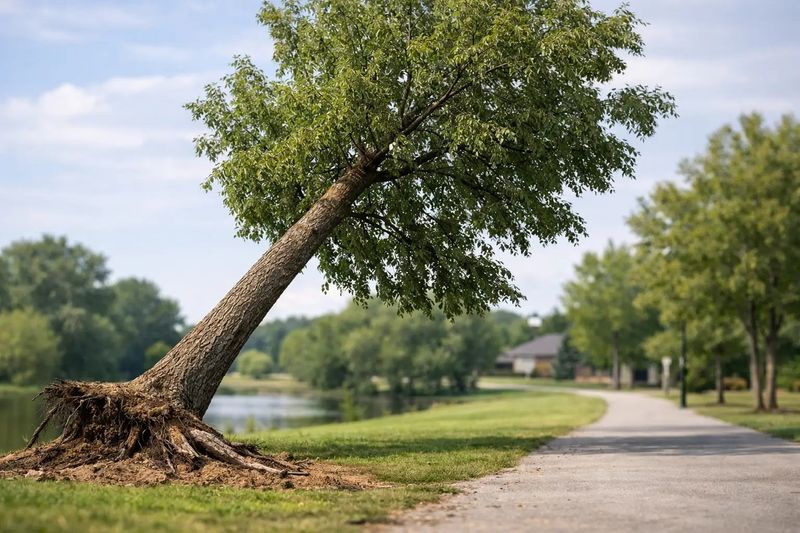
My first clue after the storm was a fresh crack in the trunk that smelled sharp, like wet sawdust. You can spot many warning signs yourself before paying anyone, as long as you stay on safe, solid ground.
Look up first for large limbs with no leaves, which often signal weak wood that can snap without warning. Hanging branches caught in other limbs, called widowmakers by tree crews, deserve extra caution, so admire them from a distance.
Next, scan the trunk for deep splits, peeling bark, or mushrooms growing near the base after a few rainy weeks. Fungus at the bottom can point to soft hidden rot that weakens the tree from the inside out.
Check the soil too, since lifted dirt or exposed roots on one side often mean the anchor has shifted. A lean that grows worse week by week is a big red flag, especially with October rain still falling.
Snap a few photos of anything strange, then share them with your arborist during the official risk visit. Your notes help the expert work faster, and that can trim the final bill by a few dollars too.
Your Neighbor’s Fallen Oak Might Be Your Insurance Claim
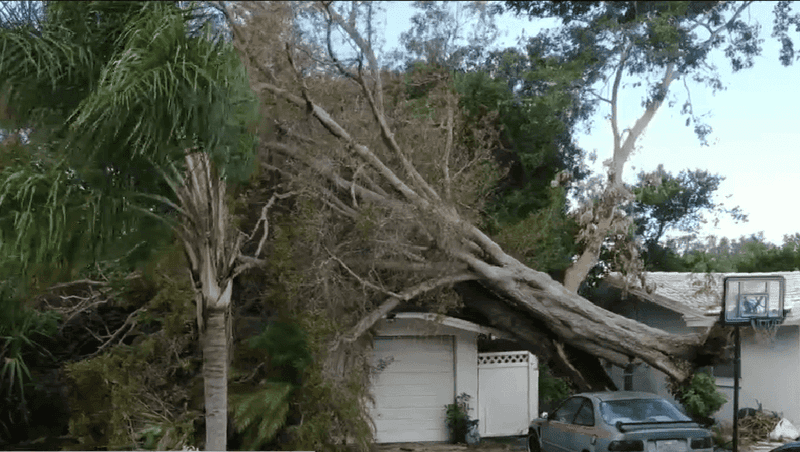
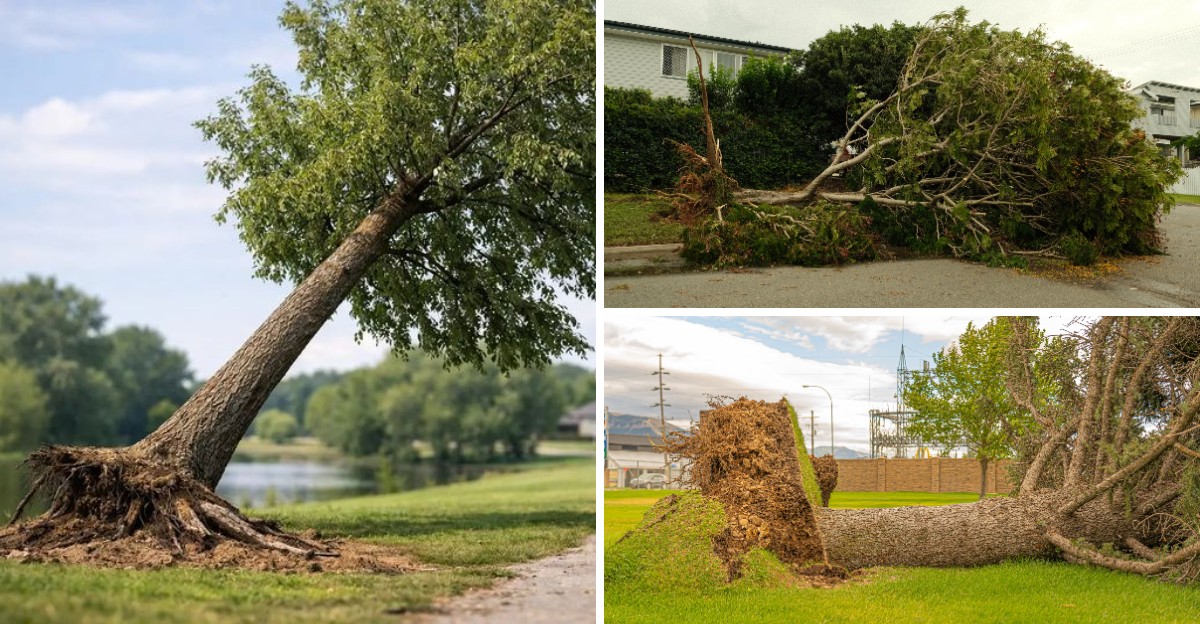
Nobody wants to wake up and find the neighbor’s laurel oak resting on their carport after a windy night. Surprisingly, Florida law often treats that mess as an act of nature when the tree was healthy and sound beforehand.
The neighbor generally is not on the hook, since a strong storm can topple even sturdy, well-kept old trees.
Things change if the tree was visibly sick, hollow, or leaning badly for months before the storm ever arrived. When an owner ignores obvious problems, a court may decide they were negligent and responsible for your property damage.
You can protect yourself by sending a polite written note whenever you notice a risky tree right next door. Keep a copy, along with dated photos, because that paper trail shows the owner knew about the growing danger.
Branches crossing your property line can usually be trimmed by you at your own cost, but only to the boundary. Avoid harming the main trunk, since damaging a neighbor’s tree can lead to a lawsuit you do not want.
Local Rules Can Still Ask You For After-The-Fact Paperwork
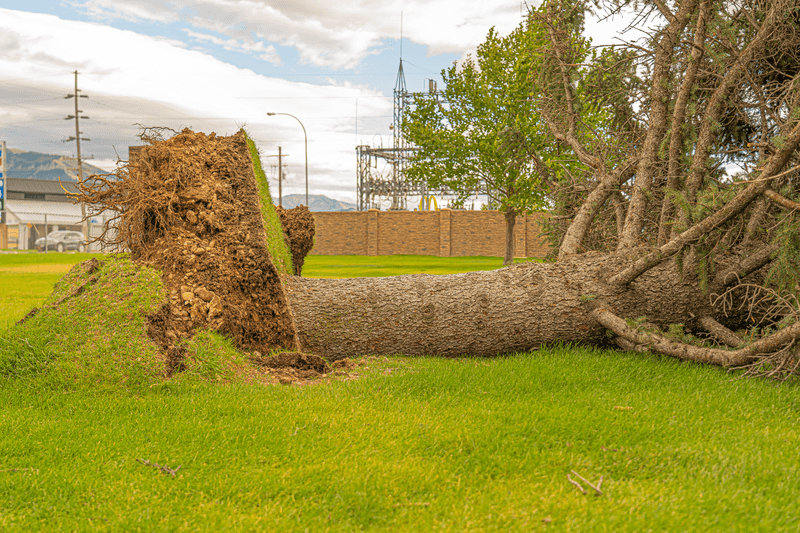
A state law may cancel the permit, but some cities still want to hear from you after the cutting. Think of it as checking in with a teacher after leaving class early for a real family emergency at home.
During declared emergencies, many local governments relax rules so crews can clear blocked roads and messy yards quickly. Those relaxed windows often close weeks after the storm, so October cleanup may fall under normal permit rules again.
A quick call to your city planning or code office can clear up confusion in about ten short minutes. Write down the name of the person you spoke with, plus the date and exactly what they told you.
I like how this small step turns a gray area into something clear, calm, and easy to defend later. Tree crews in Florida often know local habits too, so ask them which forms your town usually expects.
Photos Become Your Best Friend During Cleanup
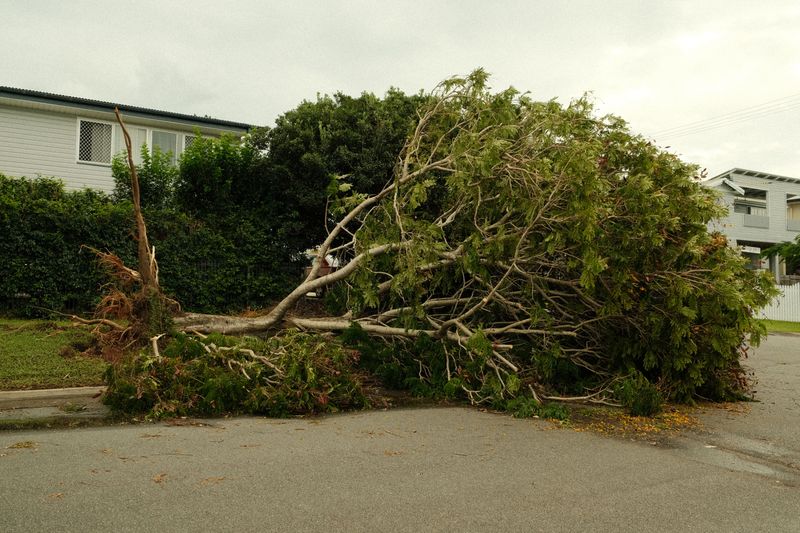
Your phone camera might be the most valuable tool you own during storm cleanup, even more than the rake. Photos tell a clear story that insurance adjusters, city staff, and even judges can follow easily without much guessing.
Start with wide shots that show the whole tree, your house, the fence, and anything the trunk or limbs touched. Then move in close for cracks, rot, torn roots, and broken branches, with a ruler or shoe nearby for scale.
Keep shooting during removal, since pictures of hollow or rotten wood inside the trunk prove the danger was real. Finish with after photos of the stump, the cleared side yard, and any repairs you made to the fence.
Store everything in one folder along with the arborist report, receipts, and your handwritten notes from every phone call. Many attorneys suggest keeping these records for several years in case questions or claims pop up months later.
Backing up the folder to cloud storage protects it if another storm knocks out power or floods the garage. Hurricane season in the state runs through November 30, so that backup could matter sooner than you might expect.
Your Yard Deserves A Calmer Hurricane Season Next Year
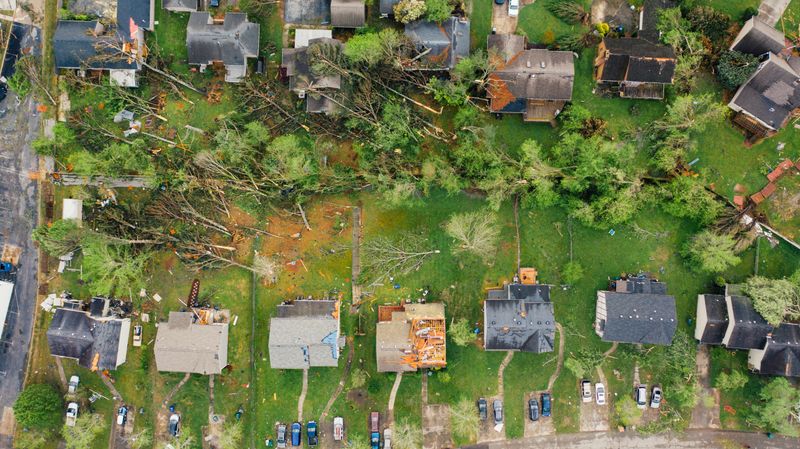
Early October is a smart window for checkups, since the heaviest storm weeks are usually behind us by now. Cooler mornings also make it easier to walk the yard and study each tree without melting in the heat.
Under Florida rules, homeowners are expected to keep their trees in reasonably safe shape for neighbors and curious passersby. A yearly look from a certified arborist can catch weak spots long before a hurricane tests them for you.
Wind-resistant natives like live oak, sabal palm, and southern magnolia tend to stand up better than many imports. Laurel oaks, sand pines, and Australian pines often snap or topple more easily, according to University of Florida studies.
Light pruning to thin the canopy lets wind slip through, but avoid topping, which weakens the tree badly over time. Fall planting works well here too, since cooler weather and steady moisture help new roots settle in nicely before winter.
Plant new trees at least twenty feet from your house so a future fall lands on soft grass instead. Personally, I sleep better knowing my yard got its yearly checkup before the next big storm season rolls in.