Native Florida Privacy Plants To Grow Instead Of Bamboo That Won’t Take Over Your Yard
Bamboo seems like the perfect privacy solution right up until it is not. Florida homeowners plant it with the best intentions.
A few seasons later, it has crossed the property line, irritated the neighbors, and turned removal into a project that costs real money and real patience.
There is a better way to get privacy in a Florida yard, and native plants have been delivering it without the chaos for a long time.
Florida’s native lineup includes some genuinely impressive privacy options. Tall, dense, fast enough to do the job, and none of them have that invasive streak that makes bamboo such a gamble.
Some are evergreen. Some attract wildlife.
A few do both while looking like something out of a landscape design magazine. You do not have to choose between a beautiful yard and a well screened one.
The right native plants handle both without taking over the whole neighborhood.
1. Marlberry Makes A Glossy Screen For Warm Shady Yards
Shady yards can be tricky for privacy plants. Many popular screening shrubs demand full sun, which leaves shaded fence lines and dim back corners without good options.
Marlberry, known botanically as Ardisia escallonioides, is one native shrub that actually thrives where the light is filtered or limited.
Growing as a large shrub or small tree, marlberry can reach 10 to 15 feet tall in warm, sheltered spots. Its leaves are glossy, dark green, and evergreen, giving it a polished, lush appearance even in the shade.
White to pinkish flowers appear in clusters and are followed by small berries that ripen from red to black, drawing birds and other wildlife to the yard.
Marlberry works especially well in southern and coastal landscapes where freezing temperatures are rare. In cooler inland or northern regions, a hard freeze can damage or set back the plant significantly, so regional fit matters before planting.
It is not a clipped formal hedge, but planted in a row with enough space to fill out naturally, it builds a soft, layered screen over time.
Give it well-drained but moist, fertile soil and some protection from harsh afternoon sun. It handles partial shade gracefully.
Allow three to six feet between plants when screening, and let the canopy fill in gradually. Marlberry rewards patient gardeners with a genuinely tropical-looking, wildlife-friendly privacy planting.
2. Buttonbush Turns Wet Spots Into A Living Privacy Wall
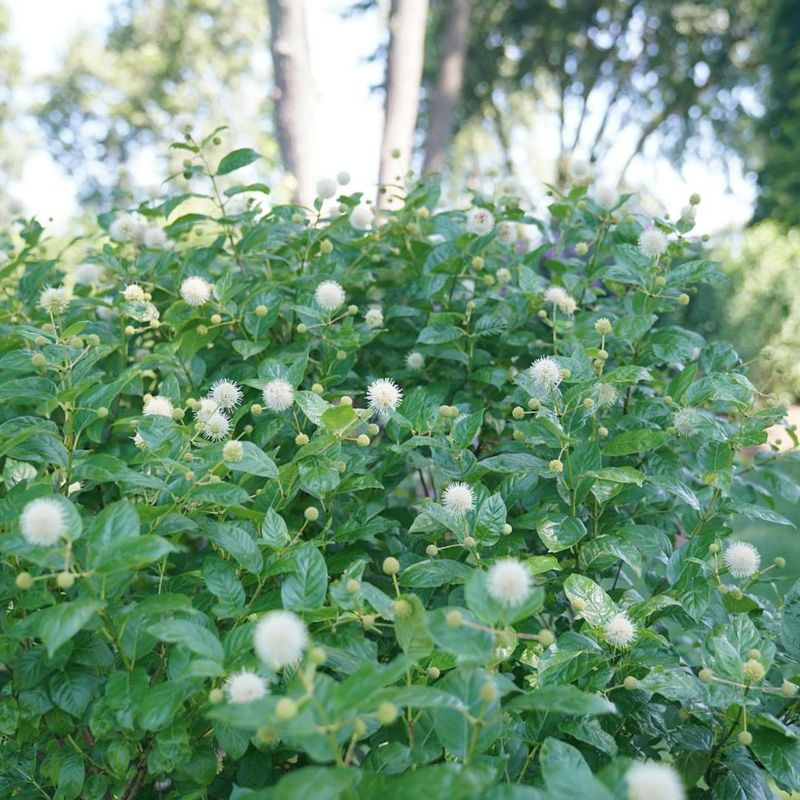
Low spots in the yard that stay soggy after rain are a landscaping puzzle for most homeowners. Grass drowns, typical shrubs rot, and the area ends up looking neglected.
Buttonbush, Cephalanthus occidentalis, flips that problem into an opportunity.
This native shrub thrives in wet soil, pond margins, rain gardens, and swales where moisture lingers. It can grow 6 to 12 feet tall and spreads into a dense, multi-stemmed form that builds a real visual barrier along a wet edge.
Planted in a row along a soggy fence line or low-lying border, it fills in over a few seasons into a living wall that blocks views and softens the landscape.
Your Florida Garden Changes Every Week. Your Plan Should Too.
Gardening in Florida changes quickly throughout the season. Every Friday you’ll receive a simple weekly plan showing exactly what to plant, prune, fertilize, harvest, and protect so you never miss the right timing.
The flowers are one of buttonbush’s most charming features. Round, white, golf-ball-shaped blooms appear in summer and attract bees, butterflies, and hummingbirds.
Seeds and fruit follow, drawing waterfowl and songbirds. The wildlife value is genuinely impressive for a plant that most homeowners walk past without recognizing.
Buttonbush is not the right fit for dry, sandy upland yards. It needs consistent moisture to perform well.
Trying to grow it in a dry spot leads to a weak, struggling plant with little screening value. Match it to the right wet or periodically flooded site, and it becomes one of the most useful native privacy shrubs available for challenging low areas across this state.
3. Firebush Adds Fast Color Where Bamboo Would Be Too Much
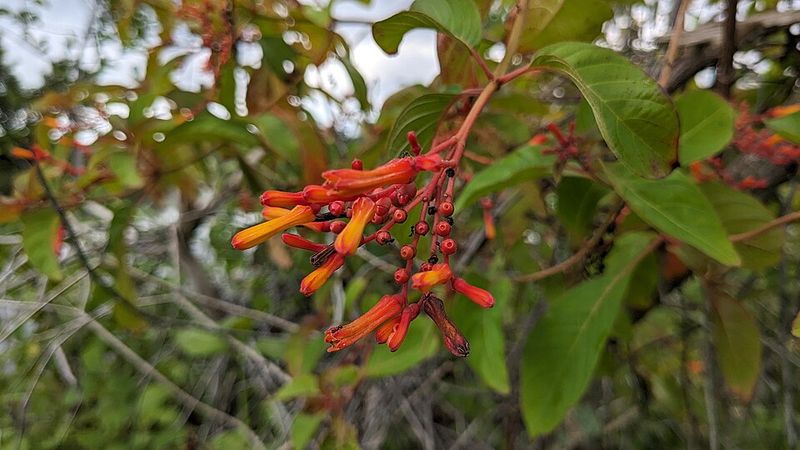
Bright, fast-growing, and loaded with wildlife visitors, firebush earns its place in warm, sunny yards where a bold privacy screen is wanted without the long wait.
Hamelia patens is a Florida native that can grow 8 to 12 feet tall in frost-free or nearly frost-free areas.
It forms a thick, leafy mass of stems and foliage that blocks views and softens fence lines.
The tubular orange-red flowers bloom almost continuously in warm months, pulling in hummingbirds and butterflies with remarkable consistency. Small dark berries follow the flowers and attract songbirds.
Few native shrubs match firebush for sheer seasonal energy and wildlife activity in a single planting.
Speed is a real advantage here. In warm, sunny conditions with regular water and good soil, firebush puts on noticeable growth in a single season.
It can reach a useful screening height much faster than slower-growing native options. That makes it appealing for gardeners who want results without resorting to running bamboo.
Honesty is important, though. In central or northern regions, firebush may freeze back to the roots during a cold winter.
It typically regrows from the base in spring, but it will not provide year-round screening in colder areas. Southern and coastal yards with mild winters get the best results.
Full sun and moderate water keep it healthy, and light pruning helps maintain a fuller, bushier shape for better coverage.
4. Elderberry Screens Sunny Edges With Flowers And Fruit
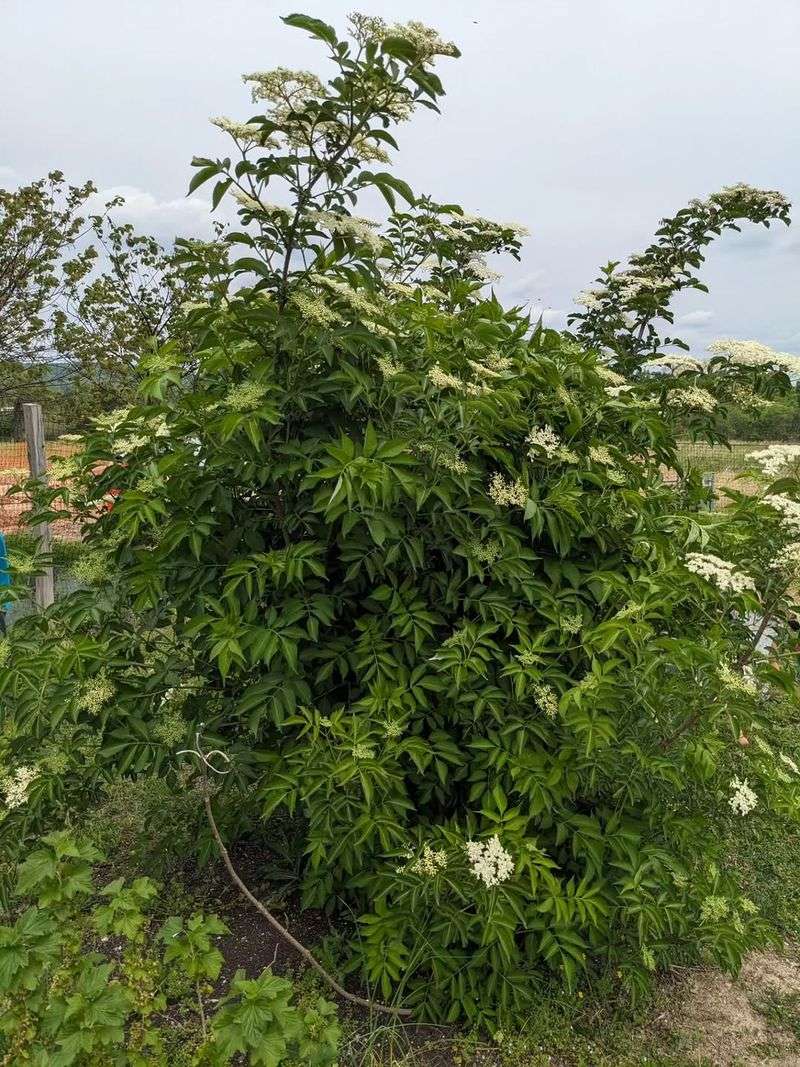
Along a sunny back fence or at the edge of a larger property, elderberry can grow into a broad, lush screen that doubles as a wildlife magnet.
Sambucus canadensis, the native American elderberry, is a fast-growing shrub that reaches 6 to 12 feet tall and spreads into a wide, multi-stemmed clump over time.
Flat-topped clusters of tiny white flowers appear in spring and early summer, filling the air with a sweet, light fragrance. Dark purple-black berries follow by midsummer, and birds flock to them almost immediately.
The fruit is also used by people for jams, syrups, and other culinary purposes, which adds a practical bonus for gardeners who want more than just a screen.
Elderberry grows quickly in moist, fertile soil and handles full sun well. It is genuinely useful along property lines, pond edges, or informal borders where a natural, layered look is wanted.
Unlike a clipped hedge, it has a relaxed, arching form that suits naturalistic or cottage-style gardens.
One honest caution belongs here. Elderberry can sucker from the roots and spread outward over time.
This is not the aggressive underground runner problem that bamboo creates, but it does mean elderberry needs space and occasional management. Planting it against a tight foundation or in a small enclosed bed is not ideal.
Give it room to expand, and it becomes a generous, giving, and genuinely beautiful native screen.
5. Fiddlewood Brings Dense Native Cover To Southern Yards
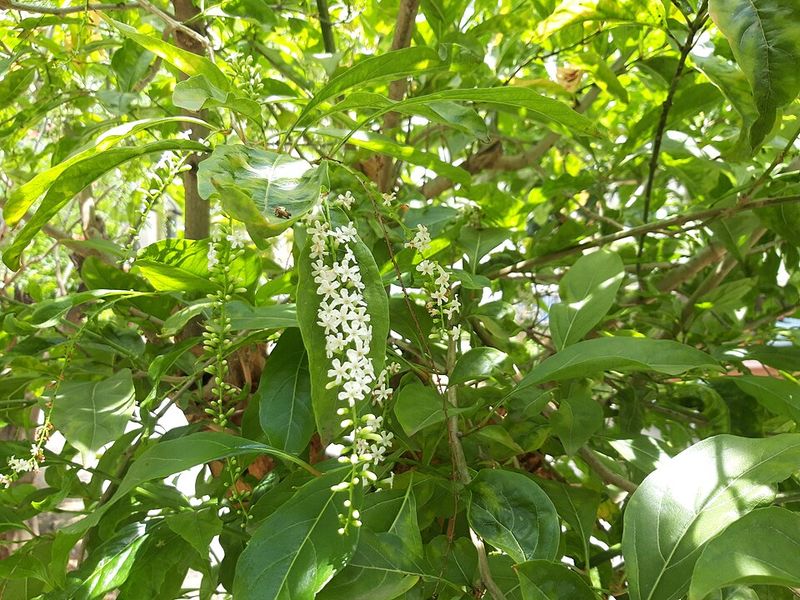
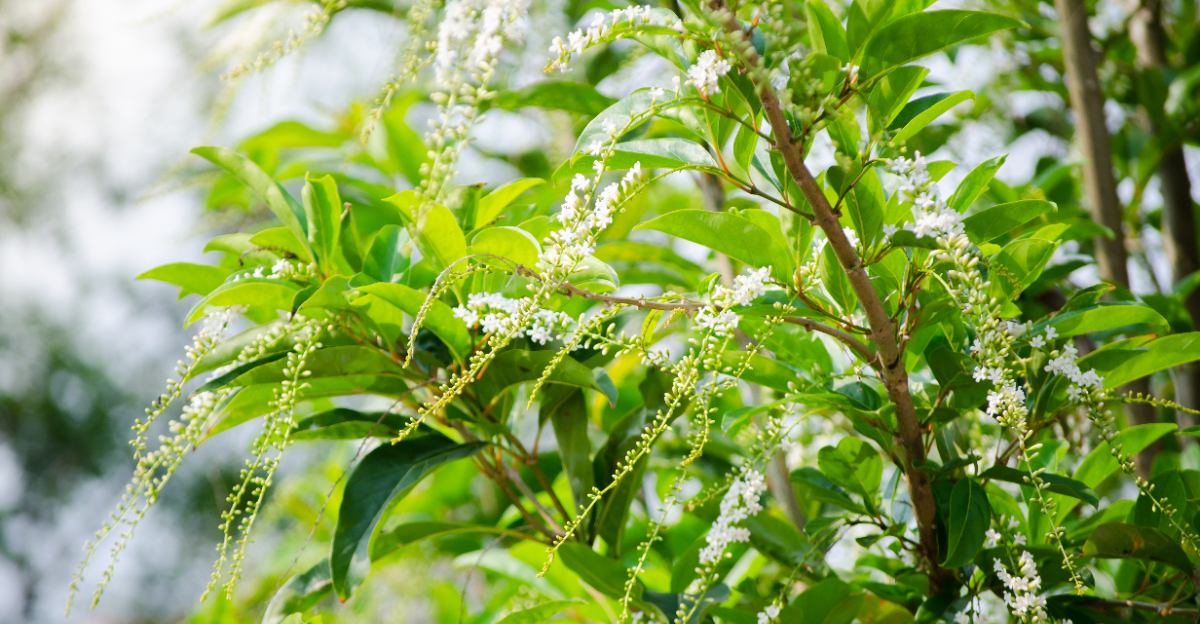
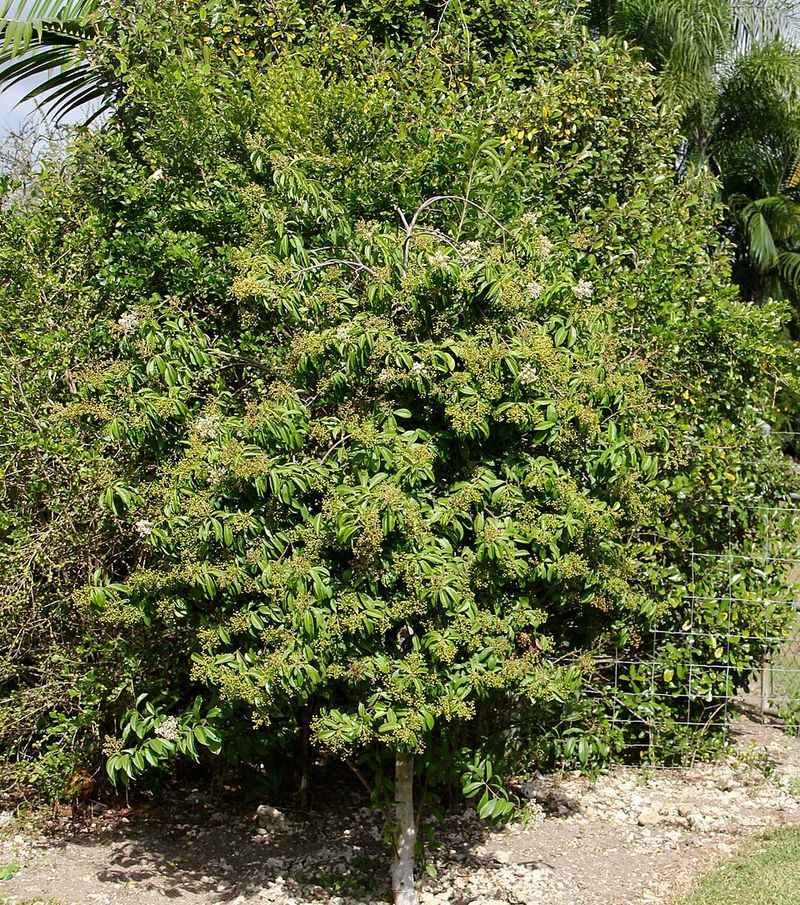
Few homeowners in warm coastal or southern areas have heard of fiddlewood. That is a shame because Citharexylum spinosum is one of the more underused native privacy options for those mild-climate landscapes.
Growing as a large shrub or small tree, it can reach 15 to 25 feet tall in the right conditions, forming a dense, upright canopy that blocks views effectively.
The foliage is semi-evergreen to evergreen in warm locations, keeping the plant leafy and useful as a screen through most of the year. Small, fragrant white flowers appear in clusters and attract pollinators and butterflies.
Berries follow and draw birds, adding wildlife value that a wooden fence or bamboo planting simply cannot match.
Fiddlewood prefers full sun to partial shade and tolerates the heat, humidity, and coastal conditions found in southern and coastal areas of this state. It is not the right choice for cold northern regions where freezing temperatures are common, since cold can damage or defoliate the plant during hard winters.
Pruning helps keep fiddlewood shaped into a tighter, more formal screen if that look is wanted. Without pruning, it develops a more open, tree-like form with a high canopy, which provides less low-level coverage.
For a dense hedge effect, trim it back regularly during the growing season. Planted along a property line or behind a patio, a well-maintained fiddlewood screen is both beautiful and functional in the landscapes where it thrives.
6. Inkberry Keeps Damp Privacy Plantings Neat And Evergreen
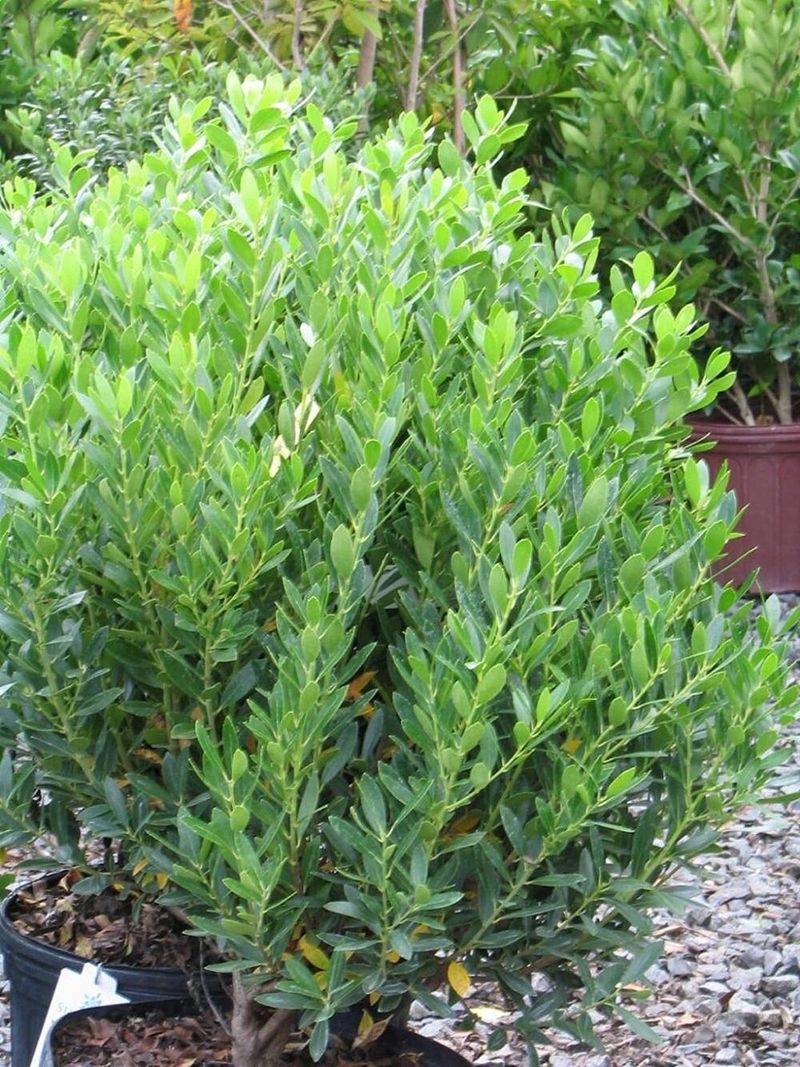
Not every yard has a dramatic wet swale or a pond edge. Some landscapes just have persistently moist, acidic soil that makes growing a tidy evergreen hedge frustrating.
Inkberry, Ilex glabra, handles those conditions with quiet reliability and a clean, compact look that many homeowners find genuinely appealing.
This native holly stays evergreen through the year, which is exactly what a privacy planting needs to do its job in every season. Dark green, glossy leaves give it a polished appearance without requiring the kind of constant attention that formal boxwood hedges demand.
Small black berries ripen in fall and winter, providing food for birds including bluebirds, catbirds, and waxwings.
Inkberry typically grows 5 to 8 feet tall, though some cultivars stay more compact. Planted in a row, it fills in steadily into a dense, rounded screen that suits suburban fence lines, rain garden edges, and naturalistic borders alike.
It handles partial shade reasonably well, which gives it flexibility in yards where full sun is not available along every edge.
Moist, acidic, well-drained to periodically wet soil suits it best. Sandy dry upland soil is not a good match.
Inkberry also tends to sucker gently at the base over time, which can thicken a row planting naturally but may need occasional tidying. Overall, it is one of the most dependable native evergreen options for damp sites where a neat, year-round screen is the goal.
7. Devilwood Builds A Fragrant Screen With Small Tree Style
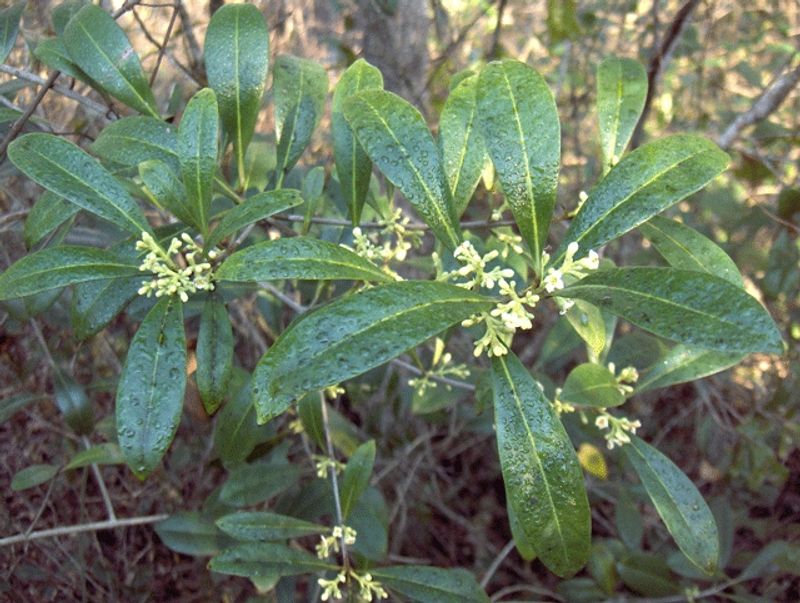
Fragrance is not something most people expect from a privacy screen, but devilwood delivers it quietly and beautifully. Osmanthus americanus is a native evergreen shrub or small tree that blooms in late winter to early spring.
It produces small, creamy white flowers that carry a sweet, noticeable scent. Planted near a patio, walkway, or outdoor seating area, the fragrance becomes a genuine sensory bonus.
Devilwood grows 10 to 20 feet tall at maturity, with a refined, upright to rounded form that suits both naturalistic plantings and more structured landscapes. The foliage is glossy, dark green, and evergreen, giving it year-round screening value.
Small blue-black fruits follow the flowers and attract birds in fall.
Growth rate is honestly slow compared to fast-growing bamboo or even some of the other shrubs on this list. Devilwood is not the right choice for a gardener who needs a screen next season.
It rewards patience, though, building into a sturdy, handsome, long-lived screen that looks better every year and rarely needs major intervention once established.
It adapts to a range of soil types, including moist, well-drained upland soils, and handles partial shade reasonably well. Full sun encourages the best flowering.
Use it in a mixed native screen alongside faster-growing shrubs so the planting fills in while the devilwood matures. Over time, it becomes one of the most elegant and low-maintenance native privacy options available for warm-climate home landscapes.
8. Rusty Lyonia Adds Woodland Privacy Without Runaway Canes
Sandy, acidic, dry woodland edges are not easy places to build a privacy screen. Most mainstream hedging plants sulk in those conditions, and bamboo planted there struggles too without irrigation.
Rusty lyonia, Lyonia ferruginea, is a native shrub or small tree that genuinely belongs in those landscapes.
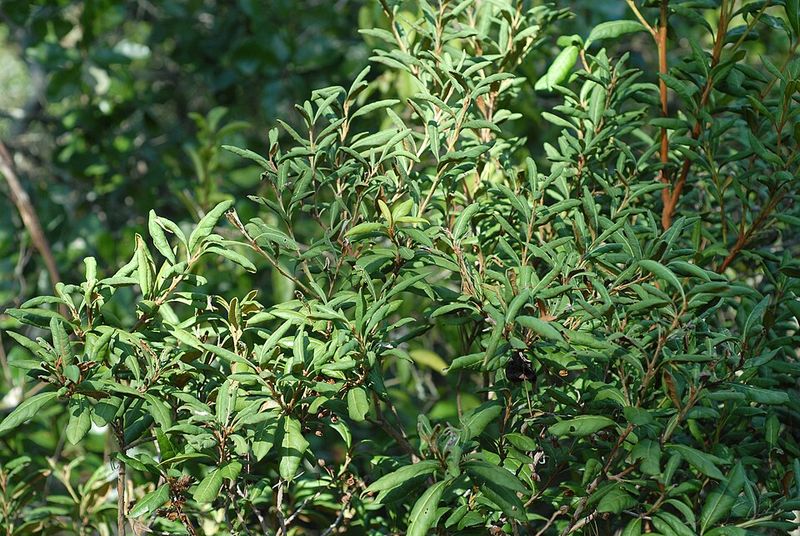
The plant gets its common name from the rusty, coppery tones that color its new growth and the undersides of its leaves. M
ature foliage is leathery and dark green on top, giving the plant a layered, textured appearance that suits naturalistic or woodland-style gardens.
It can grow 6 to 15 feet tall over time, developing a shrubby to small-tree form that adds real vertical structure to a sandy edge planting.
Rusty lyonia is not a clipped suburban hedge. Trying to shear it into a formal box shape would fight against its natural, open, branching character.
Instead, plant it in informal groupings along a woodland border, a sandy property line, or a naturalistic buffer. These spots work well when a relaxed, layered screen is the goal rather than a rigid wall.
It thrives in the well-drained, nutrient-poor, acidic sandy soils found in scrub, flatwoods, and upland habitats across this state. It needs very little supplemental water once established and does not appreciate fertilizer-heavy or irrigated lawn conditions.
For gardeners restoring or managing a naturalistic landscape on sandy soil, rusty lyonia is an honest, site-appropriate, and genuinely beautiful native privacy option.