7 Places Arizona Scorpions And Spiders Hide Inside Your Home Once Nights Turn Cold
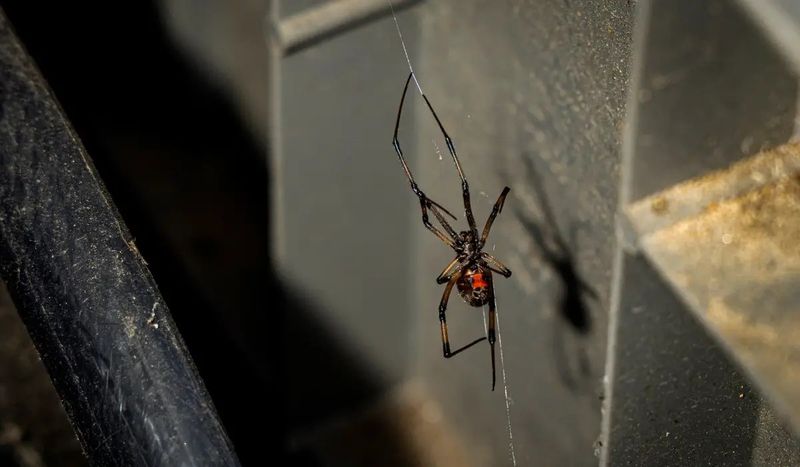
When desert nights finally drop below 60 degrees, you are not the only one looking for a warm spot indoors. Bark scorpions, black widows, and other arachnids start slipping into Arizona homes through gaps you might never notice.
Knowing exactly where they like to tuck themselves away can save you from a painful surprise in a shoe or a towel. Here are the seven hiding places worth checking first this fall and winter.
1. Attics and Crawl Spaces
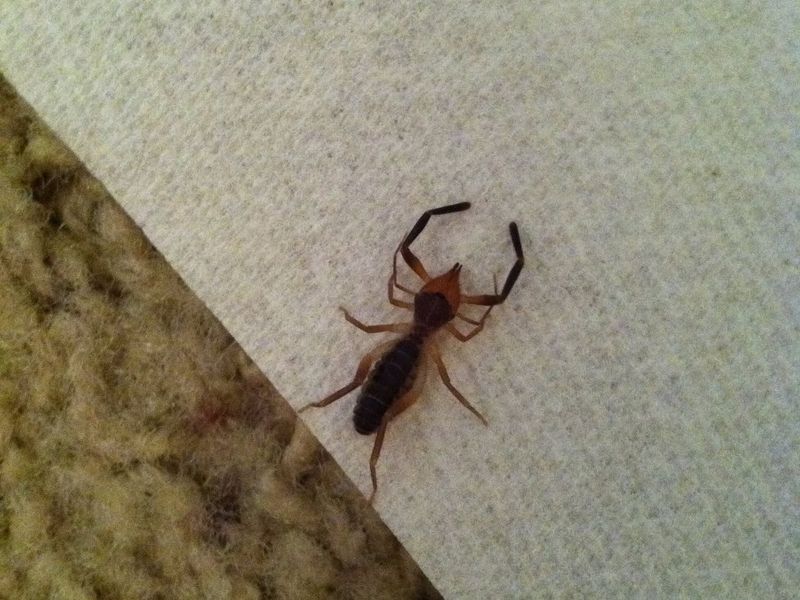
Picture the quietest room in your house, the one nobody visits until it is time to haul down holiday boxes. Scorpions and spiders picture it too.
Attics and crawl spaces stay dark, undisturbed, and noticeably warmer than the cooling desert air outside.
Bark scorpions are skilled climbers, so roof gaps, loose vents, and tree branches touching your eaves can give them a direct route upward. Once inside, they settle between rafters, under insulation, and along beams.
Black widows build messy webs in corners near vents, while wolf spiders roam crawl space floors after dark.
A few simple habits can make these spaces less inviting. Trim mesquite, palo verde, and other tree limbs so they sit several feet away from your roofline.
Check vent screens for tears and replace weathered seals around attic access doors.
When you do go up, bring a bright flashlight or a UV blacklight. Scorpions glow a striking blue-green under UV light, which makes spotting them far easier.
Wear gloves and long sleeves, and move boxes slowly instead of grabbing blindly. A quick seasonal inspection in October or November can reveal activity before it spreads into the living areas below.
2. Wall Voids and Cracks
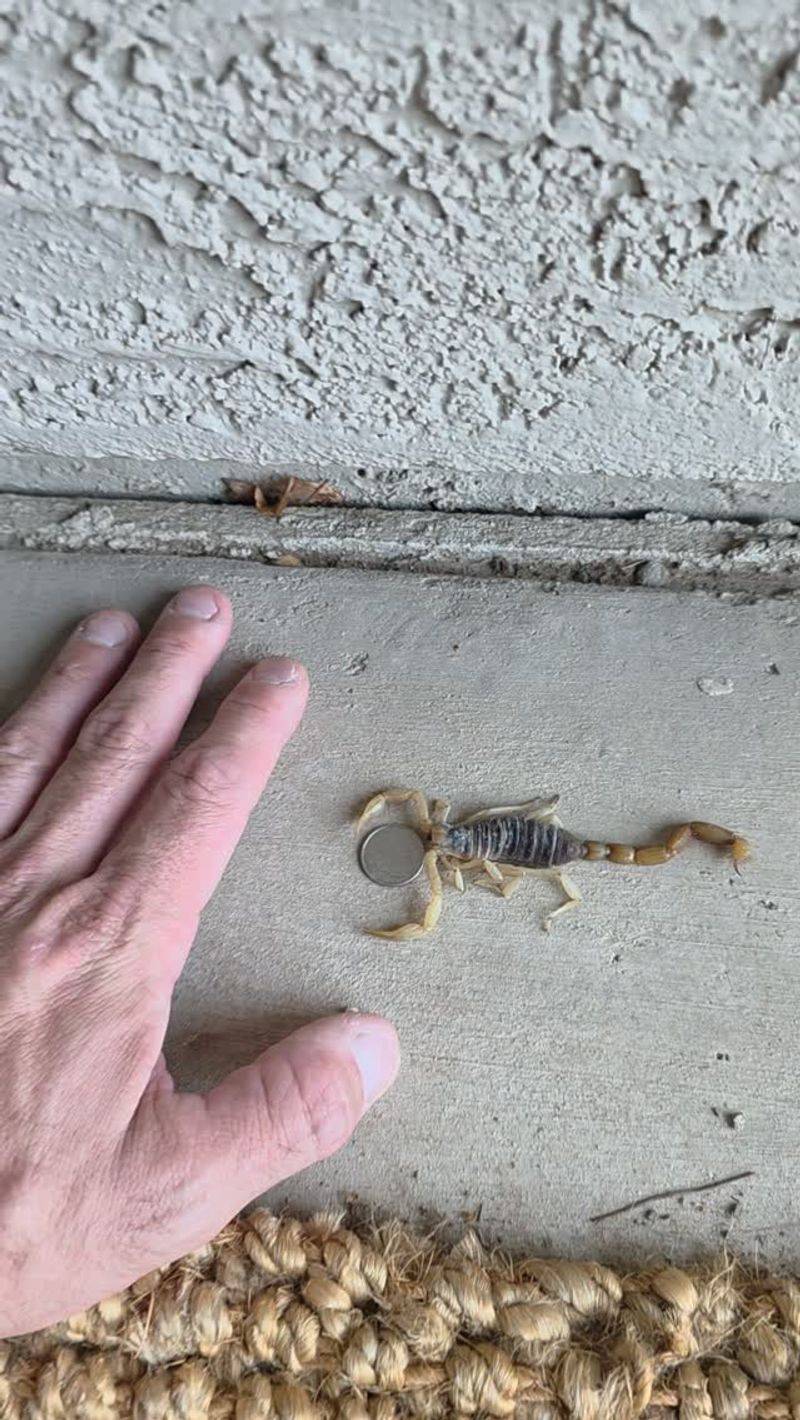
Here is a number that surprises most Arizona homeowners: a bark scorpion can squeeze through an opening just 1/16 of an inch wide. That is roughly the thickness of a credit card.
Suddenly, every hairline crack in your stucco looks a little more suspicious.
Wall voids act like hidden hallways. Once nights turn cold, scorpions may cluster inside them in small groups, staying protected from temperature swings.
Spiders slip into the same spaces, using cracks around baseboards, outlets, and window frames to move from room to room without being seen.
Sealing is your best friend here. Walk the outside of your home and fill gaps in stucco with an exterior-grade caulk.
Inside, run a bead of clear caulk along baseboards where they meet the floor and around light switch plates that sit loosely.
Weatherstripping matters too. Check the bottoms of exterior doors by turning off the lights and looking for daylight peeking through.
If you can see light, a scorpion can find a way in. Door sweeps are inexpensive and can reduce entry points significantly.
It is not glamorous work, but an afternoon with a caulk gun may pay off all winter long.
3. Closets, Shoes, and Clothing Piles
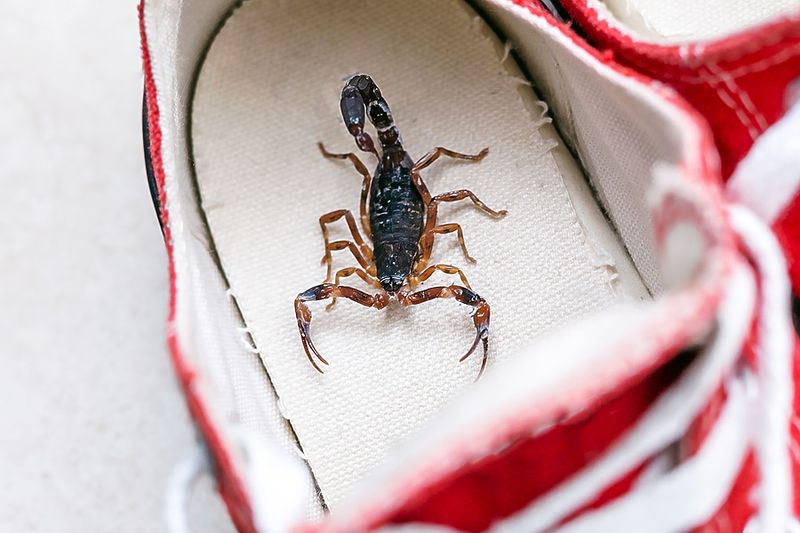
Every Arizona kid learns the shoe-shake rule eventually. You tip your sneaker upside down, give it a tap, and only then slide your foot in.
Your Arizona Garden Changes Every Week. Your Plan Should Too.
Gardening in Arizona changes quickly throughout the season. Every Friday you’ll receive a simple weekly plan showing exactly what to plant, prune, fertilize, harvest, and protect so you never miss the right timing.
Longtime desert residents swear by it, and cooler months are exactly when the habit matters most.
Closets offer everything an arachnid could want. They are dark, enclosed, and full of soft fabric folds.
A pile of jeans on the floor or a gym bag left zipped open becomes a cozy shelter for a scorpion or a cellar spider looking to escape chilly nights.
Start by lifting things off the floor. Hanging shoe racks, sealed plastic bins, and over-the-door organizers leave fewer hiding spots.
Keep laundry in hampers with lids instead of loose heaps, and shake out towels and clothes before using them, especially items stored for months.
Bedrooms deserve extra attention. Pull bedding away so it does not drape onto the floor, since scorpions climb fabric easily.
Some families place bed legs inside smooth glass jars, which scorpions struggle to climb. A little organization goes a long way, and your closet will look better too.
Consider it a cleaning project with a very real reward.
4. Garages and Sheds
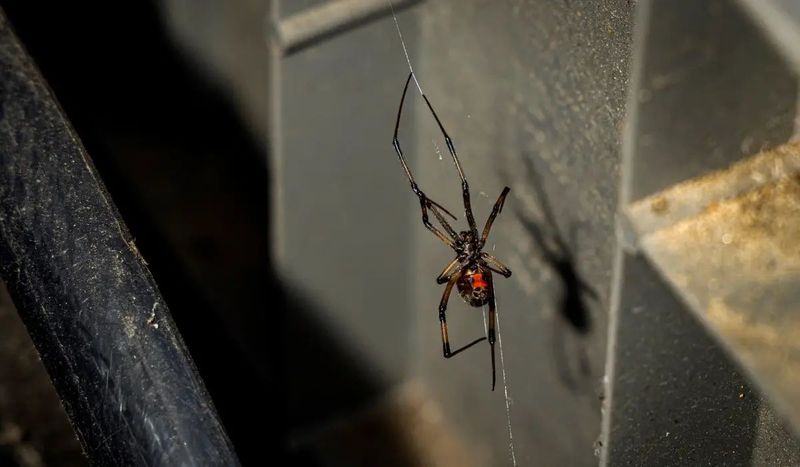
Cardboard boxes, stacked pots, coiled hoses, and that old cooler you keep meaning to toss. To a black widow, your garage looks like a luxury resort.
Clutter combined with low foot traffic makes garages and sheds some of the most popular winter hideouts in the low desert.
Black widows especially love the corners near garage doors, under shelves, and inside stored gear. Scorpions crawl beneath boxes resting directly on concrete, where cardboard holds a bit of warmth.
Garage doors with worn bottom seals let them stroll right in from the yard.
Swap cardboard for clear plastic bins with tight lids. Store items on metal shelving at least a few inches off the floor, and leave space between shelves and walls so you can see behind them.
Replace cracked rubber seals along the garage door bottom.
Your yard plays a role here too. Keep firewood, rock piles, and debris away from garage walls.
Native birds like roadrunners and cactus wrens may help keep arachnid numbers in check when your landscape offers them cover and food. Always wear thick gloves when reaching into storage, because a surprised widow is one guest nobody wants to meet up close.
5. Under Sinks and Inside Cabinetry
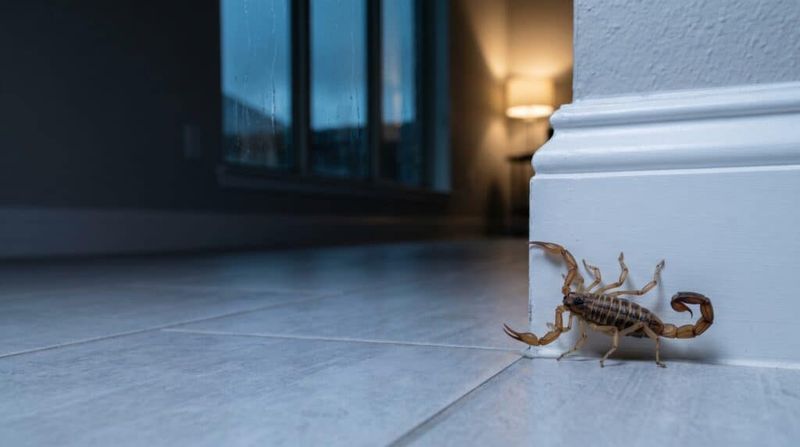
Open the cabinet under your kitchen sink and take a good look. Between the pipes, the cleaning bottles, and that mystery sponge, there is a lot going on.
For scorpions and spiders, it is a dark little oasis with a bonus: moisture.
Arizona is dry, and arachnids still need some water to survive. A slow drip, condensation on cold pipes, or a damp cabinet floor can draw them in.
The holes where plumbing passes through the wall are often cut wider than needed, leaving open highways straight from wall voids.
Fixing this takes about twenty minutes. Check for leaks and tighten loose fittings.
Then seal gaps around pipe penetrations with expanding foam or a snug-fitting escutcheon plate. Bathroom vanities and laundry room cabinets need the same treatment.
Clearing out clutter helps as well. Fewer items mean fewer hiding spots and an easier time spotting visitors.
A small tray under bottles keeps the cabinet floor dry. Fun fact: bark scorpions can go months without eating, but water is a far more pressing need.
Cut off the moisture and your cabinets can become much less appealing to these thirsty desert dwellers.
6. Behind Furniture and Appliances
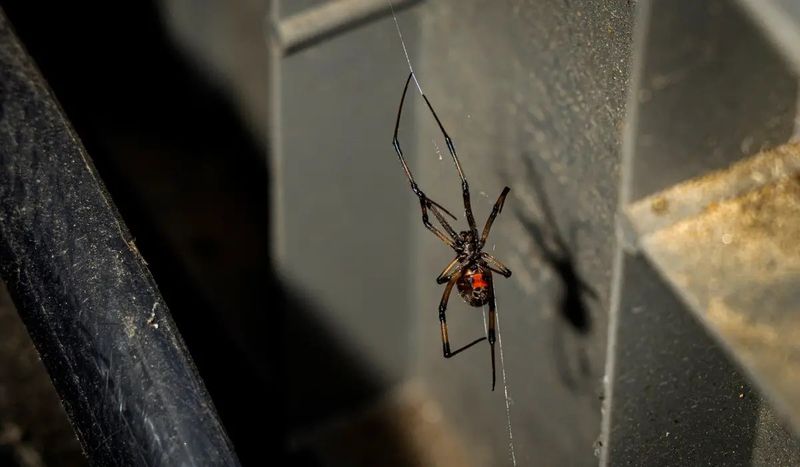
When was the last time you moved your refrigerator? If the answer involves a moving truck, you are not alone.
Heavy furniture and appliances rarely budge, and that stillness is exactly what scorpions and spiders crave once evenings get chilly.
The narrow gap behind a couch or entertainment center creates a dark, sheltered lane along the wall. Refrigerators and dryers add gentle warmth from their motors, making the space behind them extra cozy.
Washing machines bring moisture into the mix, which is a double invitation.
Try a seasonal shuffle. Once in fall and again in winter, slide furniture out and vacuum along baseboards, under cushions, and behind appliances.
Spider webs, egg sacs, and shed scorpion skins all tell you something has been living there.
Leaving a few inches between furniture and walls makes routine checks easier. Beds benefit from this most, since a headboard touching the wall gives scorpions a ladder to your pillow.
Sticky glue traps tucked behind appliances work as quiet monitors, showing you what is moving around while you sleep. Think of them as tiny security cameras for bugs, minus the monthly fee.
7. Around Pipes and Utility Entrances
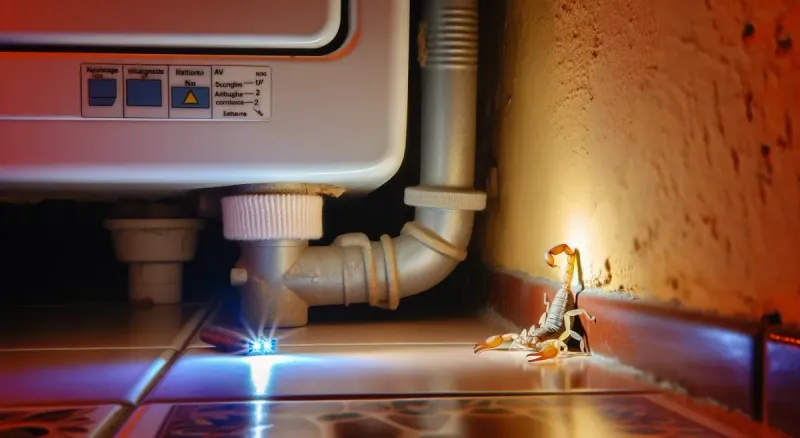
Step outside at dusk and walk the perimeter of your house. Count every pipe, cable, AC line, and dryer vent poking through the wall.
Most homeowners find more than they expected, and each one may be a front door for a scorpion.
Utility entrances are often sealed during construction and then forgotten. Over years of blazing summers, caulk shrinks and cracks.
Those gaps become secluded hiding spots and entry points, especially on the shaded side of the house.
Doggy doors deserve a special mention. They are basically welcome mats for scorpions seeking warmth on cold nights.
Adding a magnetic flap with tight edges or closing the pet door after dark can make a real difference.
For pipe and cable gaps, use copper mesh stuffed into larger holes, then seal over it with exterior caulk or foam. Keep a clear band of gravel or bare ground about a foot wide along your foundation, with native plants like brittlebush or desert marigold set a bit farther out.
This setup can reduce hiding cover near walls while still supporting lizards and birds that may snack on arachnids. A thoughtful yard and a sealed home work best together.