The Worst Way To Water New Arizona Desert Plants – And 9 Smarter Habits That Build Deep Roots
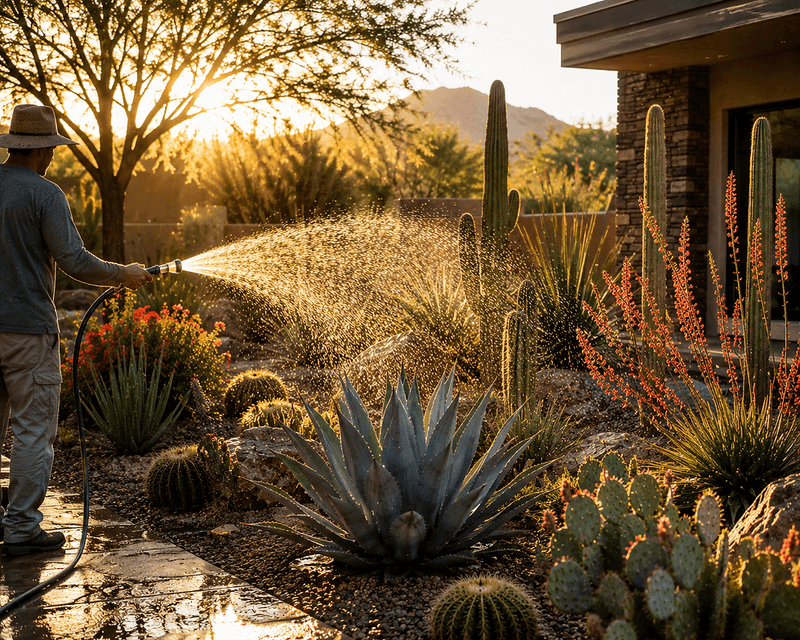
Watering a brand-new plant in the Arizona desert feels simple, but a tiny splash every single day is actually the fastest way to weaken it. Shallow sips keep roots stuck near the hot surface, where they bake, dry out, and topple in monsoon winds.
The good news is that a few smart changes teach roots to dive deep, so your plants survive 100-degree heat and use way less water. Here is the mistake to skip and nine habits that build tough, deep-rooted desert plants.
1. The Worst Way: Shallow, Daily Splashing
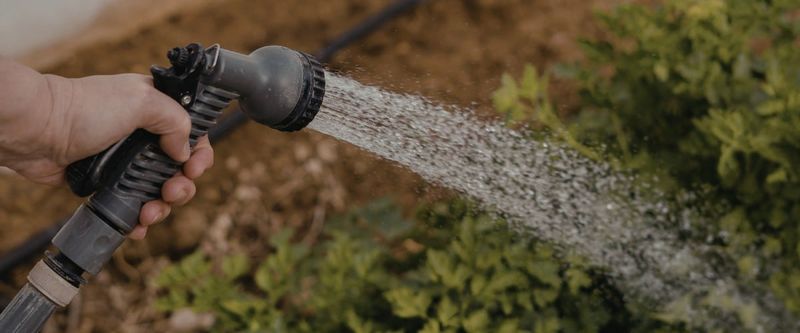
Picture a homeowner grabbing the hose for a quick two-minute sprinkle every evening. It feels caring, but that little splash never soaks past the top inch of soil.
Roots are smart. They grow toward water, so when moisture only sits near the surface, roots stay shallow and cramped.
Out in the desert, that top layer heats up like a frying pan and evaporates fast, leaving the plant thirsty within hours.
Shallow roots also mean a wobbly plant. When monsoon gusts roll through Phoenix and Tucson in July, top-heavy plants with weak anchors simply flop over or snap.
Daily watering can even invite fungus and rot because the crown stays damp. You end up with a fragile plant that demands constant babysitting and still looks stressed.
Think of shallow watering as junk food for plants. It gives a quick sugar rush but builds nothing lasting.
Break this habit first, and every other tip below becomes far more powerful. The rest of this list flips the script toward slow, deep soaking that forces roots to chase moisture downward.
2. Water Slowly and Deeply
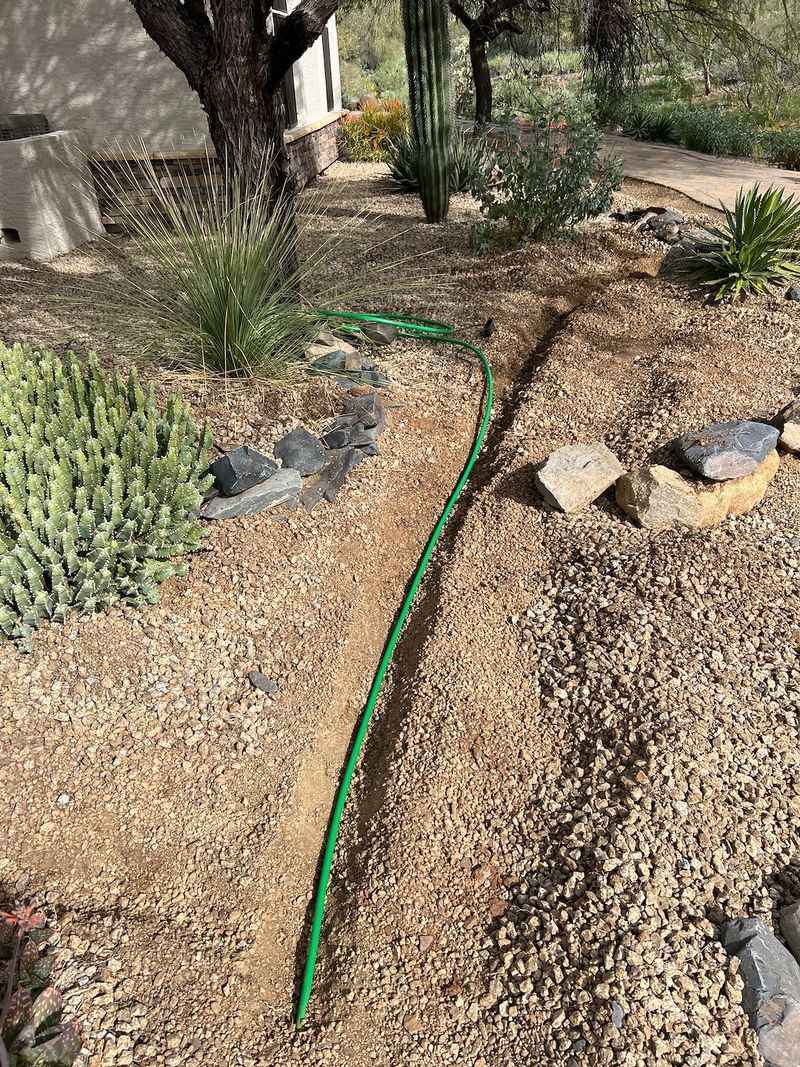
Here is the single habit that changes everything: let the water go slow and go deep. Instead of a fast blast that runs off hard caliche, aim for a gentle trickle that soaks in over time.
When water travels deep, roots follow it down into cooler, more stable soil. Those deep roots become a plant’s insurance policy against drought, brutal heat, and windy monsoon nights.
A slow soak also lets stubborn desert soil actually absorb moisture rather than shedding it across the surface. You get more water reaching the root zone and far less wasted to evaporation.
The payoff is huge. Deep-rooted plants can stretch days or even weeks between waterings once established, which means a lower water bill and less fuss for you.
Try setting a hose to a slow dribble or running a drip line long and low. Walk away, let it work, and check later how far the moisture reached.
Once you see roots respond, you will never go back to quick, shallow sprinkles again. Slow and deep is the foundation every other habit builds on.
3. Aim for the Right Depth
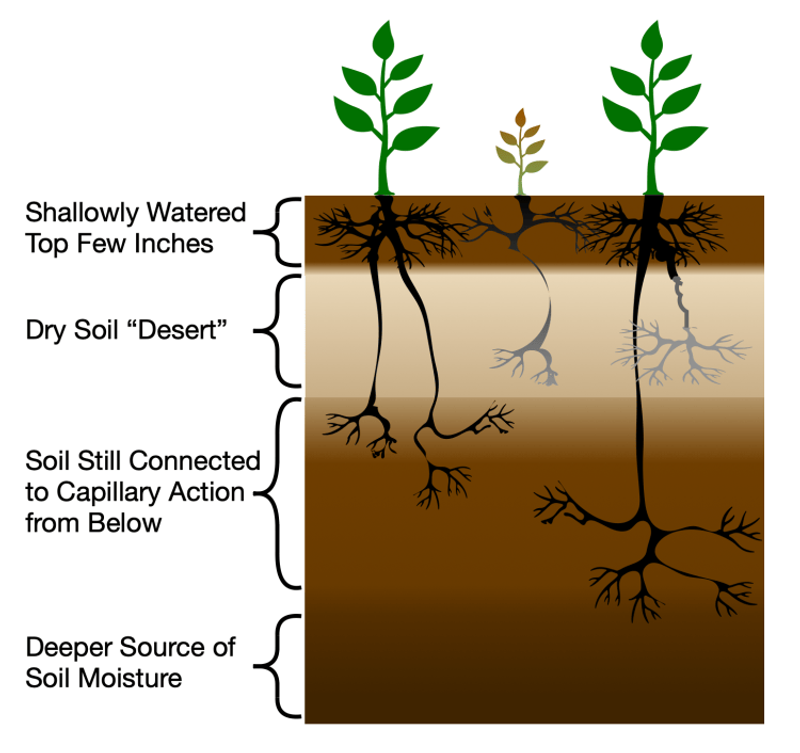
Not every plant wants the same amount of water reaching the same depth. Matching the soak to the plant type is like tailoring a suit instead of grabbing one off the rack.
Your Arizona Garden Changes Every Week. Your Plan Should Too.
Gardening in Arizona changes quickly throughout the season. Every Friday you’ll receive a simple weekly plan showing exactly what to plant, prune, fertilize, harvest, and protect so you never miss the right timing.
Trees are the deep drinkers. You want moisture reaching 2 to 3 feet down, roughly 24 to 36 inches, so their sprawling roots have somewhere to travel.
Shrubs sit in the middle. Aim for water to reach 1 to 2 feet deep, about 12 to 24 inches, which keeps mesquite bushes and hopbush anchored and happy.
Smaller plants like groundcovers, annuals, and cacti need much less. A depth of 6 to 12 inches does the trick for their compact root balls.
Why bother measuring? Watering too deep for a cactus wastes water and can rot the roots, while watering too shallow for a tree keeps it fragile forever.
Think of these depths as targets on a dartboard. Hit the right zone and roots grow exactly where they should.
Once you know your plant’s depth goal, the next step is simply confirming you actually reached it, which is where a probe comes in handy.
4. Water in the Early Morning
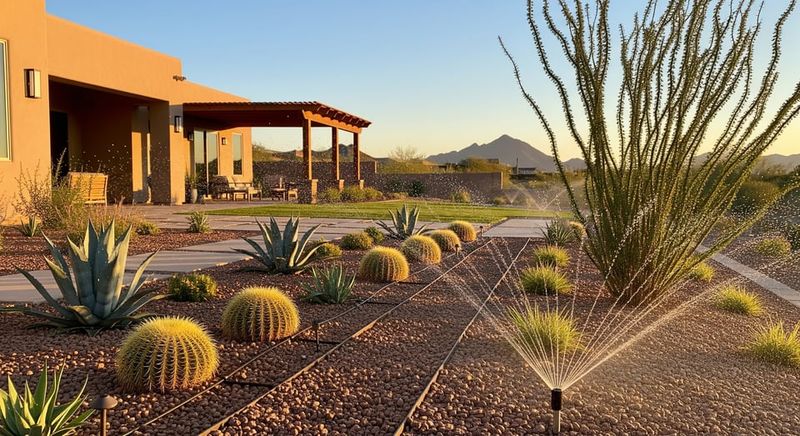
Timing turns out to be just as important as amount. The window between 4:00 and 7:00 AM is prime time for watering desert plants.
Before sunrise, temperatures are cool and the winds are usually calm. Water has a real chance to sink down into the soil before the blazing sun starts pulling it back into the air.
Skip the midday watering habit. In the afternoon heat, a shocking amount of your water simply evaporates before roots ever taste it, so you pay for water that floats away.
Evening and nighttime watering carries a different risk. When leaves and soil stay wet through the dark hours, fungus and mildew get a cozy place to grow, and that can invite plant disease.
Morning watering also gives plants a full drink before facing the hottest part of the day. They head into the afternoon fully hydrated instead of already stressed.
Not a morning person? An inexpensive irrigation timer handles the schedule while you sleep.
Set it once and let it deliver water at the perfect hour, every day, without you ever setting an alarm. Cool, calm, and early is the sweet spot.
5. Use Drip Irrigation or Soaker Hoses
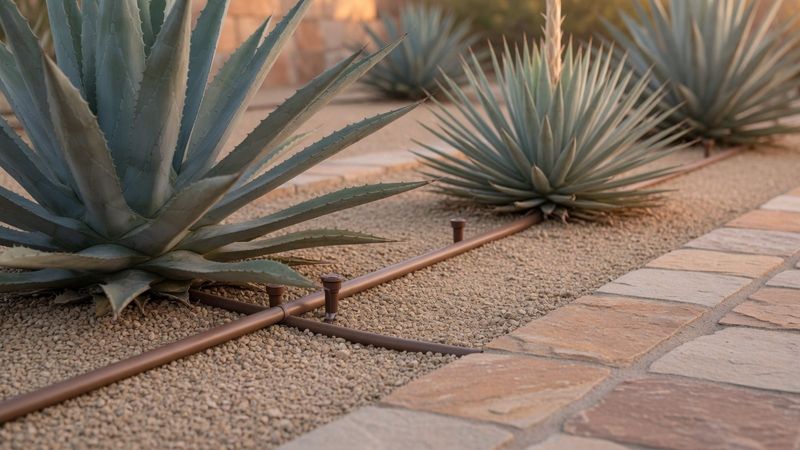
If you want deep roots without standing around with a hose, drip irrigation is your best friend. These systems run water straight to the root zone, drop by drop.
Drip lines and soaker hoses reach around 95 percent efficiency. Compare that to a sprinkler flinging water into the desert air, and the savings become obvious fast.
Because the water seeps out slowly, it has time to move downward instead of puddling and running off across hard, alkaline soil. That slow seep is exactly what deep roots crave.
Drip systems also keep leaves and stems dry, which lowers the odds of fungus taking hold. Bonus: a dry, targeted watering zone gives less standing moisture for mosquitoes to breed in around the yard.
Setup is friendlier than most people expect. A basic kit with tubing, emitters, and a timer can transform a thirsty flowerbed into a low-maintenance, water-wise corner.
For Phoenix and Tucson homeowners battling both heat and high water bills, drip irrigation quietly does the hard work all summer long. Install it once, tweak it seasonally, and enjoy healthier plants with a whole lot less effort on your part.
6. Check Soil Moisture with a Probe
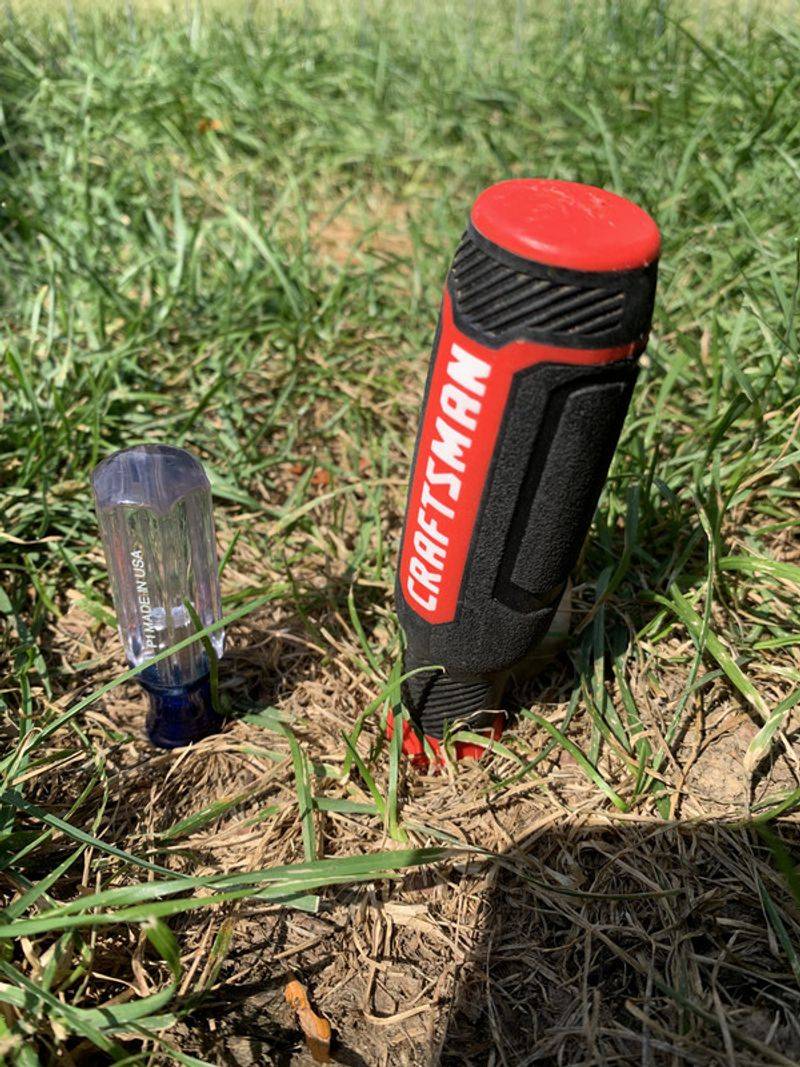
Guessing whether you watered enough is a losing game. A simple soil probe takes all the mystery out of it.
You do not need fancy gear. A long screwdriver or a metal rod works great.
Push it into the soil right after watering, and it will slide easily through moist ground but stop cold at dry, packed soil.
If the probe glides down to your target depth, congratulations, you nailed the soak. If it stops short at six inches when you wanted two feet, you know to run the water longer next time.
The probe protects you from two opposite mistakes. Overwatering rots roots and wastes precious desert water, while underwatering keeps plants shallow and stressed.
Over time, this little tool teaches you your yard’s personality. You will learn how long your particular soil takes to soak, and eventually you can predict it without even checking.
Do a probe test once a week during the first summer, especially for new trees and shrubs. It turns watering from a nervous guess into a confident routine.
Knowing exactly where the water reached is one of the most satisfying feelings in desert gardening.
7. Adjust Frequency as Plants Establish
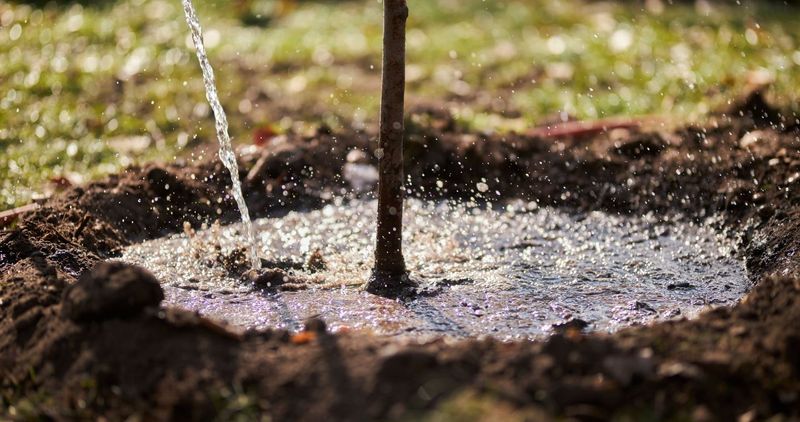
New plants are needy babies at first, then grow into independent teenagers. Your watering schedule should grow up right along with them.
Fresh transplants need more frequent water while they build a root system. Plan on watering new plants every one to two days during the first two weeks of summer heat so they never dry out completely.
After about eight weeks, start stretching the gap. Move toward watering every 7 to 14 days, then even further apart as roots reach deeper and grow tougher.
Trees and shrubs run on different clocks. Shrubs usually need this extra attention for their first full year, while trees can take up to three years to become truly self-sufficient.
The key is weaning, not neglecting. Each time you extend the interval, you gently encourage roots to hunt deeper for moisture, building drought resistance.
Keep an eye on the plant, not just the calendar. Wilting in the cool morning means it is genuinely thirsty, while afternoon droop in extreme heat is often just the plant protecting itself.
Adjusting frequency as plants settle in is how a fussy newcomer transforms into a low-maintenance desert survivor you barely have to think about.
8. Water at the Drip Line, Not the Trunk
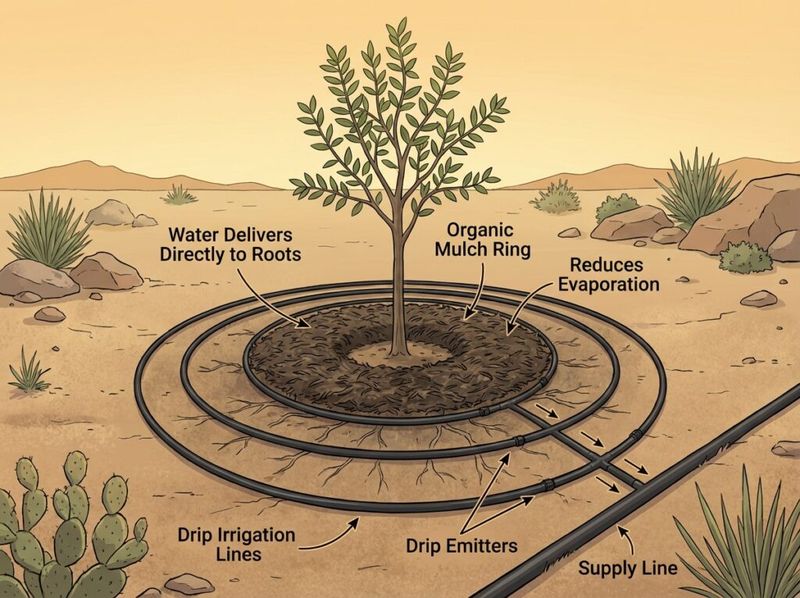
Many folks aim the hose straight at the trunk, but that is not where a growing tree drinks. The real action happens out at the drip line.
The drip line is the imaginary circle on the ground directly under the outer edge of the canopy. That is where the hungry feeder roots spread out, reaching for water and nutrients.
As your mesquite or palo verde grows, its roots grow outward too. Watering only at the trunk leaves those active feeder roots high and dry while doing little to help.
Move your drip emitters or hose to trace that outer canopy edge. Better yet, place a few emitters in a ring so water reaches roots all the way around.
This trick also encourages roots to spread wide, which anchors big desert trees against strong monsoon winds. A well-anchored tree is far less likely to lean or topple.
Trunk watering can even cause harm. Constant moisture against the bark invites rot and fungal problems at the base of the tree.
Each year, as the canopy widens, nudge those emitters outward again. Following the drip line keeps your trees drinking exactly where it counts and growing strong for decades.
9. Match Watering to Your Soil Type
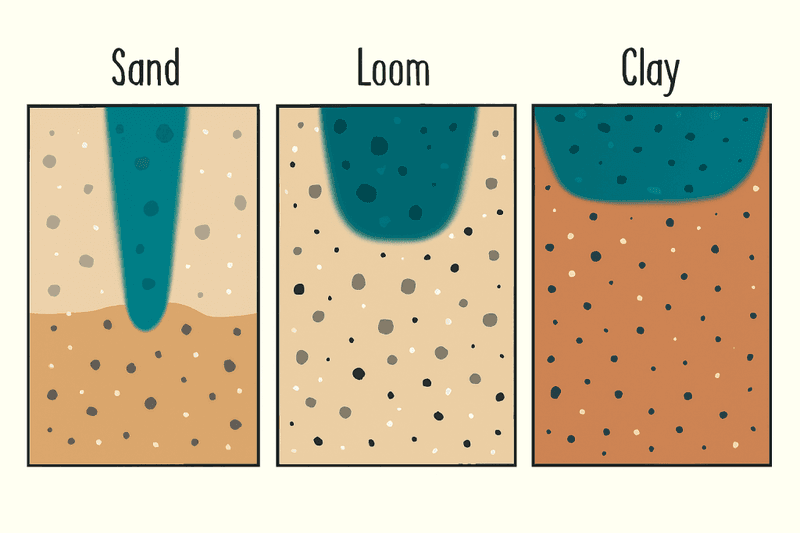
Your soil has a huge say in how often you should water, and Arizona hands out some tricky dirt.
Sandy soil drains fast, so water slips through quickly and dries out sooner. You will need to water a bit more often to keep moisture in reach of the roots.
Clay and caliche soils do the opposite. They cling to water for a long time, so watering too frequently can drown roots and cause rot in these dense, slow-draining spots.
Most native desert plants actually love well-drained soil. If your ground is heavy clay, mixing in a modest amount of organic matter can improve drainage without spoiling the plants natural preferences.
Deep watering pulls double duty in alkaline desert soil. A good soak helps flush out built-up salts that would otherwise harm roots over time.
Do a simple test: water a spot, wait a while, then push in your probe. Fast drainage means sandy soil, while lingering wetness signals clay.
Tune your schedule to what you find.
Working with your soil instead of against it means healthier roots, fewer surprises, and native plants that settle in like they truly belong here.
10. Adapt Your Watering During Monsoon Season
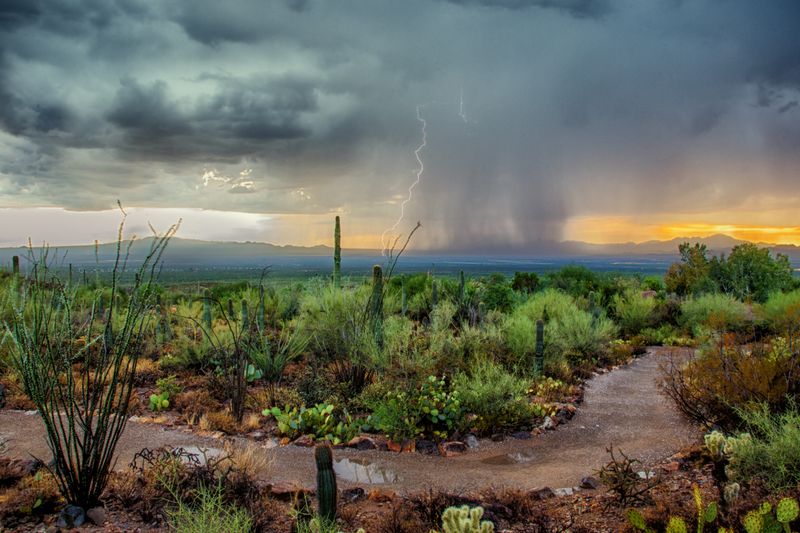
When the monsoon rolls in from June through September, the rules shift. Suddenly the sky is doing some of your watering for you.
Monsoon humidity slows evaporation, so soil stays damp much longer than it does in dry June. That means your usual schedule can quickly become too much water.
After a heavy downpour, switch off your irrigation for a day or two. Let the soil breathe and check it with your probe before turning the system back on.
Overwatering during monsoon is a sneaky risk. Roots sitting in soggy soil can rot, and for trees like mesquite, too much water makes the wood weak and easy to snap in storms.
Speaking of storms, wind is the other monsoon threat. Thinning out the inner branches of your trees before the season cuts down the sail effect, so gusts pass through instead of pushing the whole canopy over.
Standing water is worth watching too, since puddles that linger can turn into mosquito nurseries. Keep drainage flowing and empty any pooling spots.
Reading the weather and easing off the hose during monsoon protects your deep-rooted work and helps your native plants ride out Arizona’s wildest season safely.