The Mushrooms Popping Up In Florida Lawns That Can Be Dangerous For Dogs
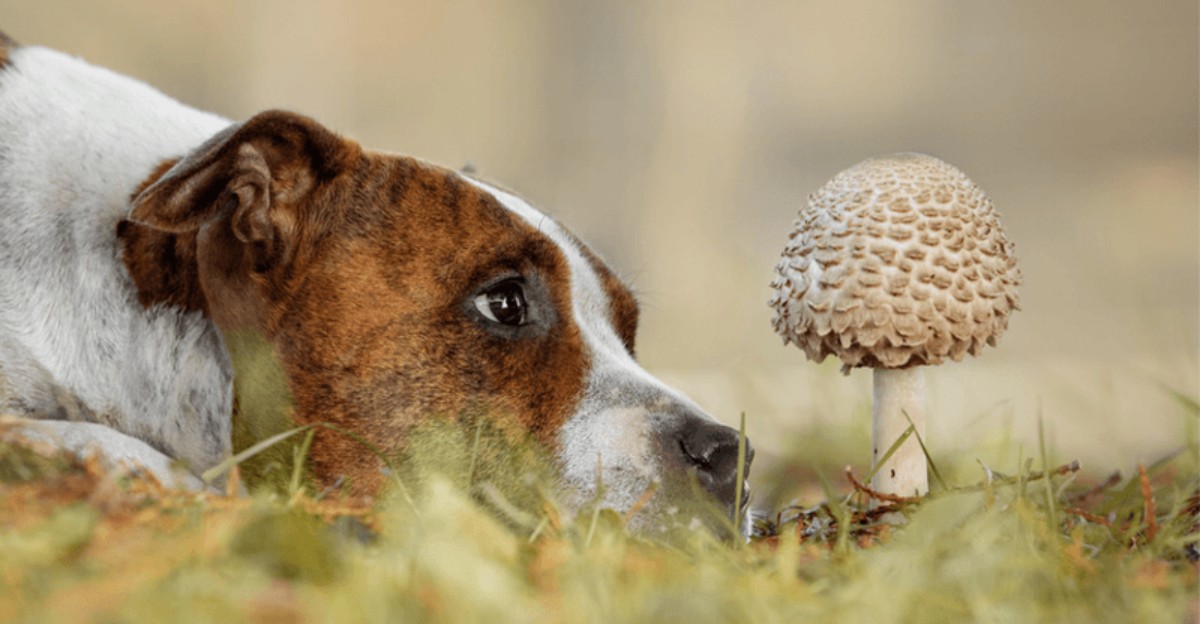
Your dog sniffs a pale cap in the grass, tilts his head, and you’ve got about two seconds to decide whether to intervene.
Florida’s damp spells push mushrooms up through the lawn overnight, and most of them look harmless. Brown, white, tan, tidy little umbrellas.
A few of them aren’t. The dangerous ones don’t come with a warning label, and they rarely look scary.
Some signs show up within hours. Others take a day or two, which tricks owners into thinking everything is fine.
Speed matters more than most people realize, and so does knowing what to tell the vet.
A morning walk across the yard can head off a long night at the clinic.
Check the grass before you let the dog out. A quick scan could save you a very bad day.
1. The False Parasol Is Florida’s Most Common Lawn Culprit
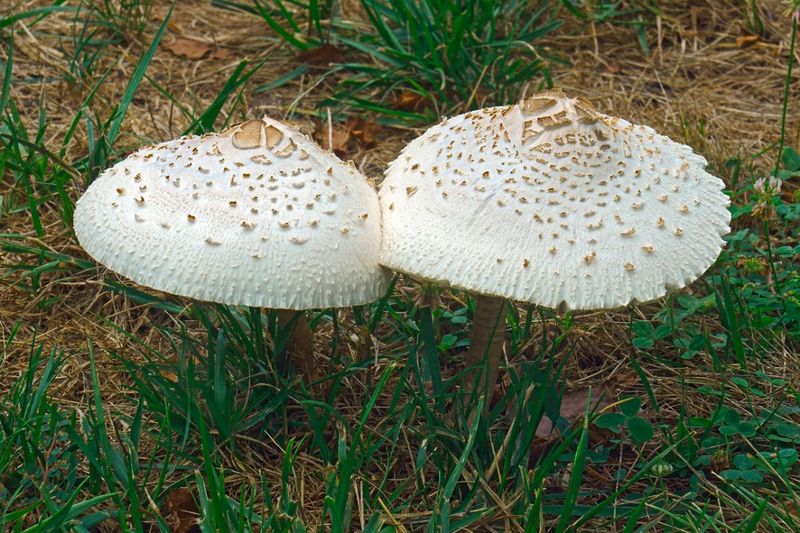
Picture a sunny Florida morning after a big thunderstorm. Out in the grass, a cluster of large white mushrooms has appeared as if someone planted them overnight.
Meet the False Parasol, known to scientists as Chlorophyllum molybdites. It ranks among the largest and most common mushrooms found in lawns across the Sunshine State.
Warm air and sticky humidity make Florida a dream home for this fungus. Heavy rain gives it the final push it needs to sprout.
You can spot it from about April through November in most years. That stretch lines up with the rainy season, so summer and early fall bring the biggest crops.
Lawns are its favorite hangout, though it also shows up in parks, roadside grass, and open woods. Neighborhoods across the southeastern United States see it too.
Fun fact: the mushroom you see is only a small part of the whole organism. Most of it lives underground as a web of thin threads feeding on old roots and thatch.
Because those hidden threads stick around, the same yard may sprout these mushrooms again and again. One rainy week can bring a fresh batch.
For dog owners, that makes a quick lawn check after storms a smart habit. A few seconds of looking can spare your pup a rough day.
2. It’s The Top Cause Of Mushroom Poisoning In The U.S.
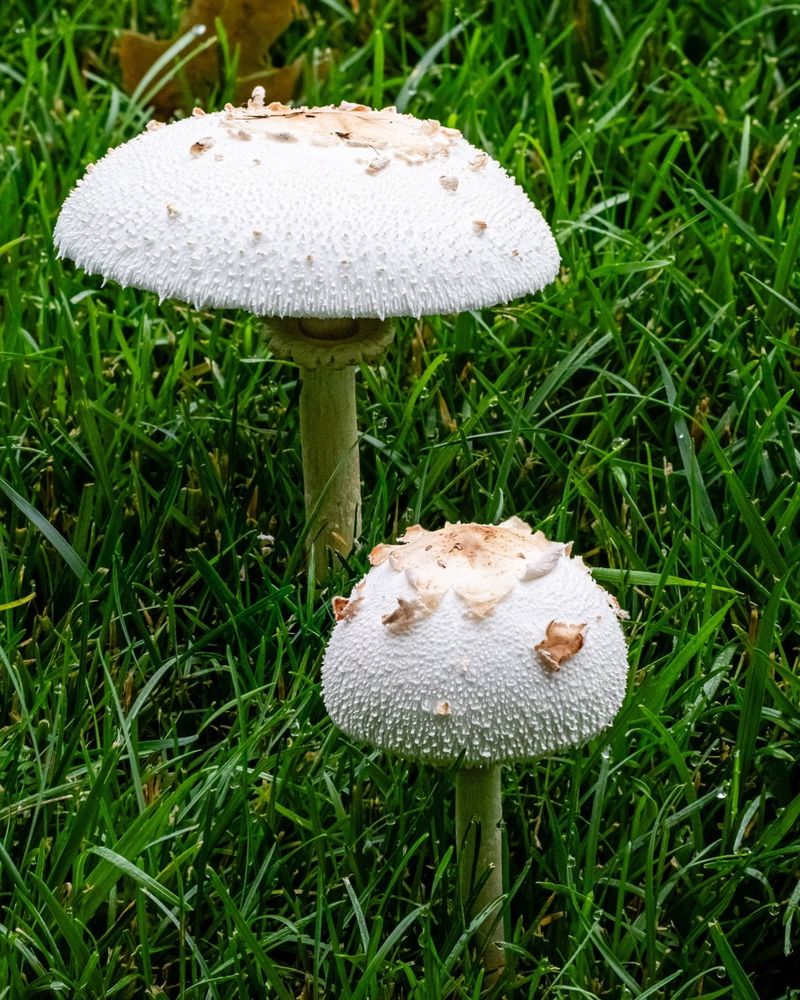
Here is a surprising statistic. Among all wild mushrooms in North America, the False Parasol is blamed for more poisoning cases than any other.
That is not because it is the most toxic mushroom out there. It simply grows in places where people and pets spend lots of time.
Lawns, playgrounds, and parks are its stomping grounds. More contact means more chances for someone to take a bite.
People sometimes mistake it for an edible parasol mushroom. Dogs, on the other hand, do not need any excuse at all.
Once eaten, this mushroom mostly attacks the stomach and gut. Common signs include vomiting, diarrhea, drooling, cramps, and low energy.
Symptoms usually start within a few hours. In dogs, heavy vomiting and diarrhea can quickly lead to dehydration, which can turn serious.
Small pups and older dogs may struggle the most. Their bodies have less fluid to spare during a bad bout of sickness.
False parasols aren’t the only risk. Florida yards near oaks and pines can also sprout Amanita mushrooms, and some contain toxins that can cause liver failure.
Amanita symptoms may not start for 6 to 24 hours, and a dog can seem to recover before getting much sicker. Call your vet if your dog eats any wild mushroom, even if it seems fine.
If you think your dog nibbled one, call your vet or a pet poison hotline right away. Bring a photo or a sample of the mushroom in a bag if you can.
Quick action makes a big difference. Most dogs bounce back well when they get care early.
3. Look For A Large, Whitish Cap With Brownish Scales
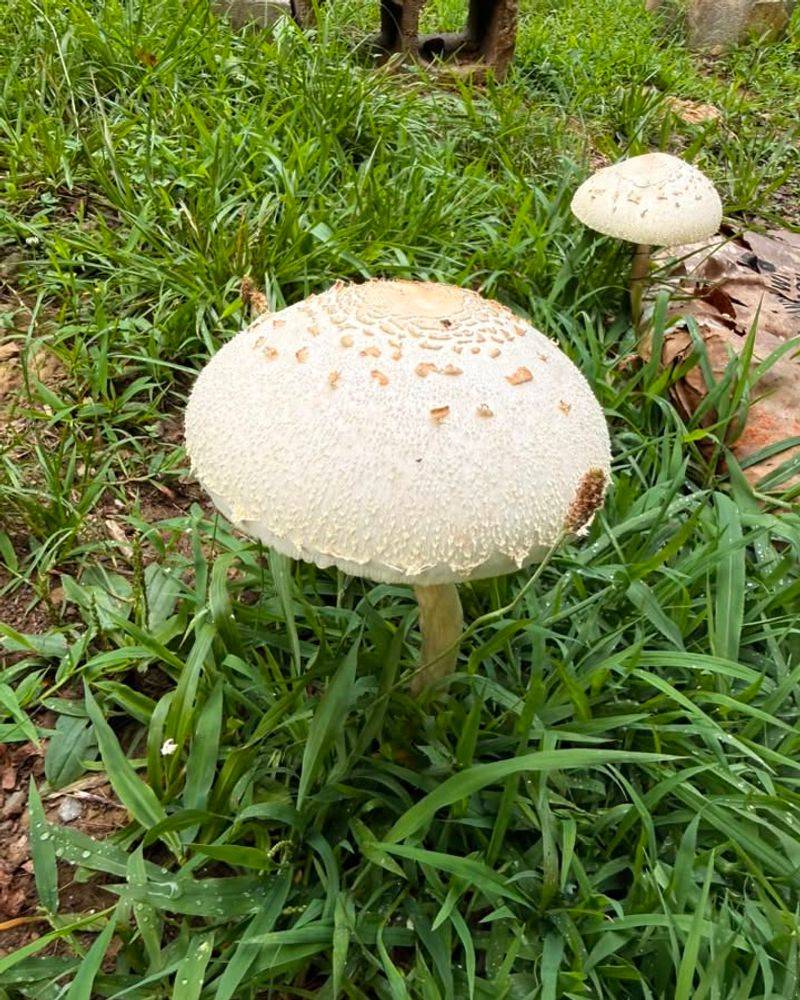
Some mushrooms are shy little things you could miss. The False Parasol is not one of them.
Its cap can stretch anywhere from about 2 inches to nearly 12 inches across. A big one can look like a dinner plate sitting in your lawn.
Young caps start out round and white, a bit like a marshmallow or a golf ball. As the days pass, they spread wider and can flatten out like an open umbrella.
Now look closely at the top. You will notice scattered scales or patches in beige, cinnamon, or pinkish brown.
Those scales tend to bunch up near the center. The edges usually look whiter and more torn up as the cap stretches.
Think of it like a cracked sugar cookie. The middle stays darker while the outside breaks into lighter flakes.
The stem is tall and smooth, often with a ring around it. Many folks find these mushrooms surprisingly pretty, which is part of the problem.
Still, a cap alone is not enough for a sure ID. Several mushrooms share this look, so treat any large white lawn mushroom as off limits for pets.
When in doubt, pull it out and keep your dog away.
4. Greenish Gills Are A Telltale Clue
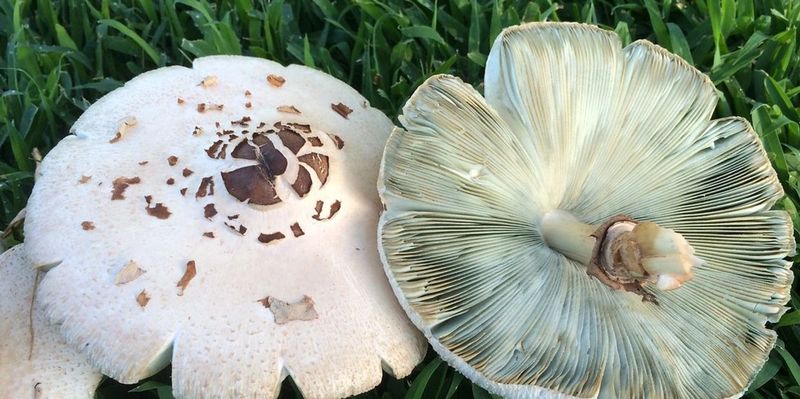
Want to play mushroom detective? Grab some gloves, gently tip the cap over, and peek underneath.
Those thin, papery ridges under the cap are called gills. On the False Parasol, they hold a secret that sets it apart from look-alikes.
When the mushroom is young, the gills look white or pale yellow. Nothing special so far.
As it ages and the spores ripen, the gills slowly turn gray green or greenish brown. Few lawn mushrooms show that odd, minty shade.
That green color comes from the spores themselves. In fact, mushroom experts often do a spore print to check, and this one leaves a greenish dust.
Here is a simple way to try it. Set the cap gills down on white paper, cover it with a bowl, and check after several hours.
You will also notice the gills are broad and packed close together. They do not touch the stem, leaving a little gap around it.
Keep in mind that young mushrooms may not show green yet. A white-gilled one could still be a False Parasol in disguise.
So the green clue helps, but it is not a free pass. Pull any doubtful mushroom before your dog gets curious.
5. It Often Grows In Circles Called Fairy Rings
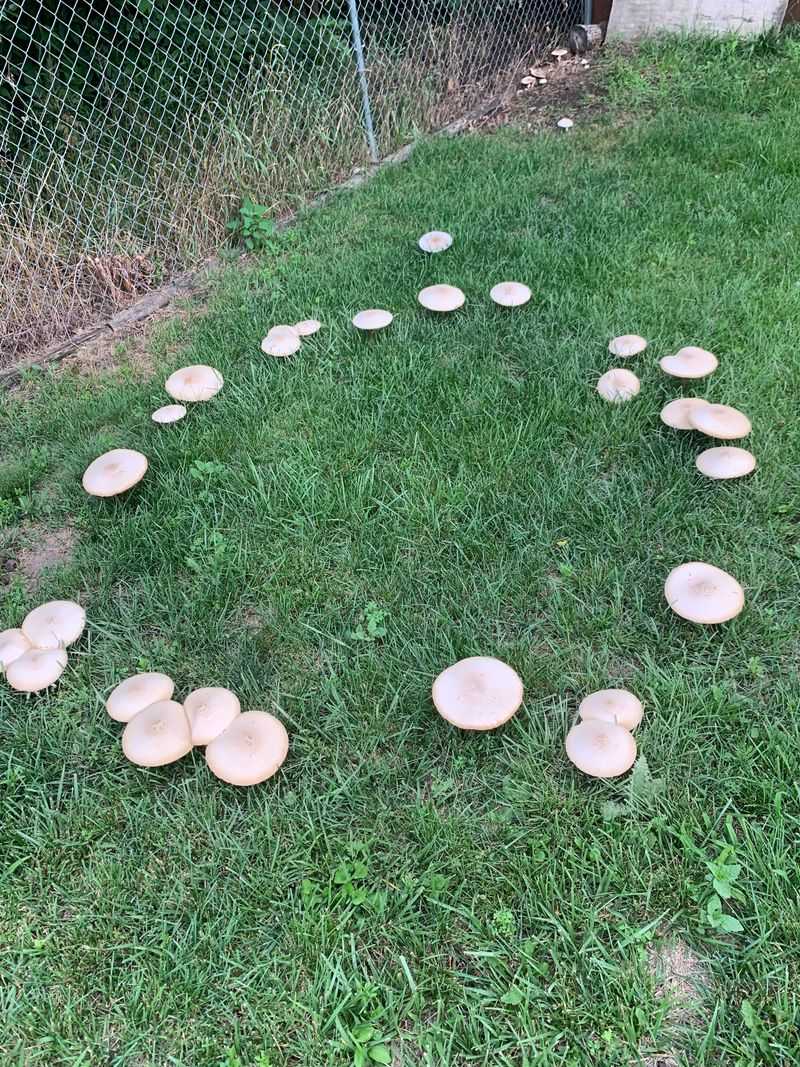
Old stories said fairies danced in circles at night, leaving rings of mushrooms behind. Florida homeowners still wake up to find these magical-looking loops in their yards.
The False Parasol is the most common fairy ring mushroom in Florida landscapes. It may form a full circle, a half moon, or a wobbly arc.
So how does that happen? The fungus grows outward underground from a center point, like ripples spreading on a pond.
Mushrooms pop up along the outer edge, where the fungus is most active. Some rings grow a little wider each year.
You might also see a band of extra green grass around the circle. The fungus releases nutrients that act like a mini fertilizer boost.
Of course, not every False Parasol joins a ring. Some sprout alone or in loose groups scattered across the yard.
For dog owners, a ring means one thing: many mushrooms in one spot. A curious pup could gobble several in seconds.
Try walking the edges of any rings you know about after a rain. Mark the spots in your memory, since they tend to show up again.
A little magic is fun, but not as a doggy buffet.
6. Dogs Are More Likely To Eat Them Raw
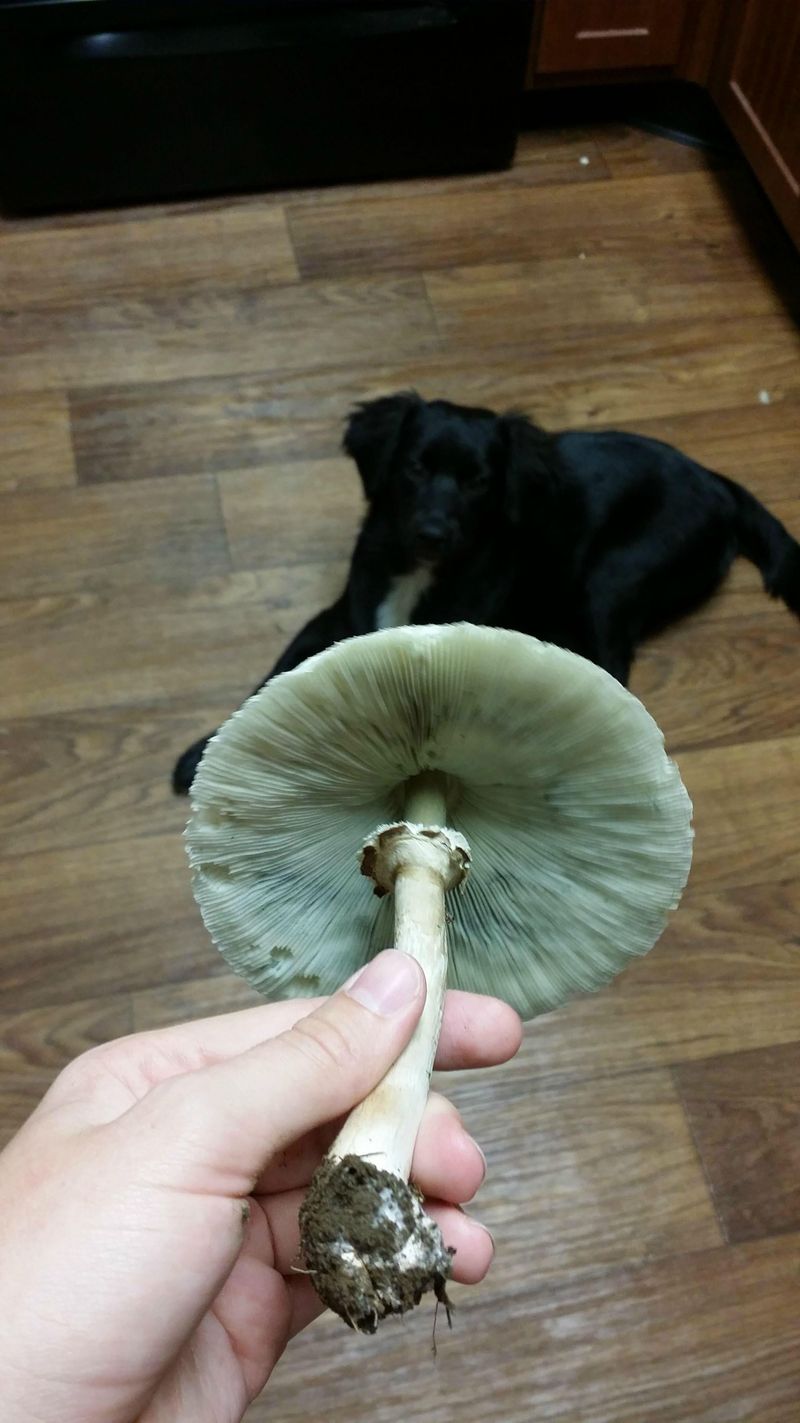
Ask any dog owner, and you will hear stories of socks, sticks, and mystery snacks. Dogs explore the world with their noses and mouths first.
Wild mushrooms can be oddly tempting to them. Many give off a rich, earthy smell that some dogs find hard to ignore.
The texture plays a role too. A soft, spongy cap is fun to chomp, and some mushrooms even have a slightly meaty taste.
People who eat mushrooms usually cook them first. Dogs skip that step and eat them raw, straight from the lawn.
Raw False Parasols tend to cause the worst tummy trouble. Even cooking does not make them safe for people, so raw ones are a bigger worry.
Dogs also tend to eat fast, without much chewing or thinking. One second the mushroom is there, and the next it has vanished.
Some practical tips can help. Keep your dog on a leash during morning walks after storms.
Teach a strong leave it command with tasty rewards. Practice in the yard so it works when it counts.
A quick scan of the grass before letting your dog out takes almost no time. That small habit can save you a late-night vet trip.
7. Puppies And Chewers Face The Biggest Risk
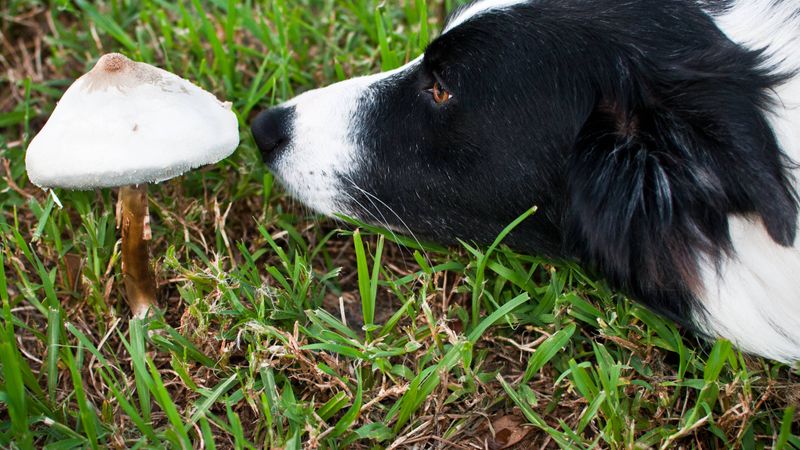
A ten-week-old puppy treats the backyard like an all-you-can-eat buffet. Leaves, bugs, and yes, mushrooms all look like fair game.
Puppies learn about the world by tasting it. Their teeth are coming in, so chewing feels good and keeps them busy.
Size matters here as well. A tiny body has less room to handle toxins, so even a small bite can hit harder.
The same goes for toy breeds and small adult dogs. A Chihuahua and a Great Dane eating the same mushroom will not feel the same effects.
Then there are the lifelong chewers. Some dogs, like Labs and beagles, seem to eat first and ask questions never.
If your dog fits any of these groups, give the yard extra attention. Walk the lawn before each outing during the rainy months.
Supervise puppy playtime outside instead of leaving them alone. Offer chew toys outdoors so they have something safe to gnaw.
Watch for warning signs like drooling, vomiting, loose stool, or a sudden lack of energy. Small dogs can dry out fast, so call your vet quickly.
A little extra care during puppyhood builds good habits for years to come.
8. Mowing Breaks Them Up, But Picking Them Is Safer With Pets Around
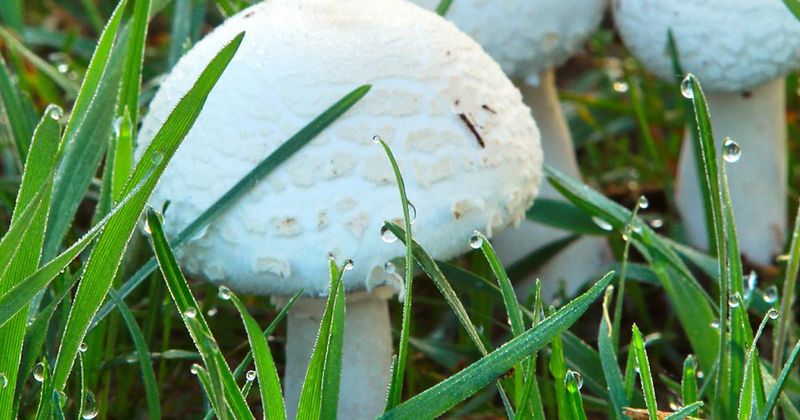
Firing up the mower might seem like the easiest fix. Zoom over the patch, and the mushrooms are gone, right?
Not quite. Mowing chops them into tiny bits that get scattered across the lawn.
Those pieces are still toxic, and now they are harder to see. A dog sniffing around could snack on chunks you never noticed.
Mowing can also fling spores around the yard. That may help new mushrooms pop up in fresh spots.
Picking them by hand works better when pets live with you. Slip on gloves and grab the mushroom at its base.
Gently twist and pull so the whole thing comes up, stem included. Leaving the base behind can mean leftover bits for curious noses.
Try picking young mushrooms before the caps open wide. Fewer ripe spores means less chance of spreading them.
Here is a handy routine. After a rainy spell, do a quick yard sweep with a bucket before letting your dog out.
Removing mushrooms will not wipe out the fungus underground. Still, it cuts down on what your dog can reach, which is the real goal.
Think of it as weeding with a purpose.
9. Bag Them And Toss Them In The Trash
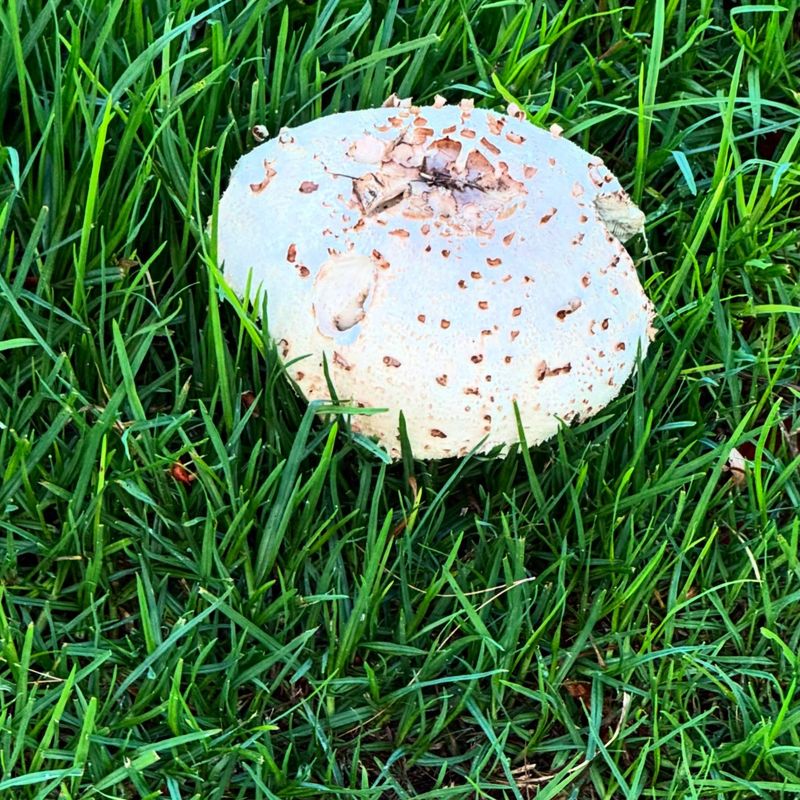
You have picked a pile of mushrooms. Now what?
Skip the compost bin. Tossing them there can spread spores back into your garden soil and give your dog another place to dig.
Instead, drop them into a plastic bag and seal it tight. Then place the bag straight into your outdoor trash can with the lid closed.
Wearing gloves for the whole job is a wise move. It keeps mushroom bits and spores off your hands.
Once you finish, wash your hands with soap anyway. Clean any tools or buckets you used too.
Store the trash can somewhere your dog cannot knock it over. Some pups are master garbage raiders.
A few lawn care tweaks can help over time. Rake up extra thatch, improve drainage in soggy spots, and avoid overwatering.
Fungi love damp, crowded lawns full of old plant material. A tidier yard gives them fewer places to thrive.
Keep up regular checks, especially after summer storms. Five minutes of scouting can become part of your morning coffee routine.
Your dog gets to enjoy the grass, and you get peace of mind. That is a win for everyone on four legs or two.