Why You Should Grow Passionflower Vine Along Your Fence In Florida
A Florida fence can do more than mark the edge of a yard. With the right vine, it can become the prettiest, liveliest part of the whole garden.
Passionflower vine is one of those plants that makes people stop mid-sentence and ask, “What is that?”
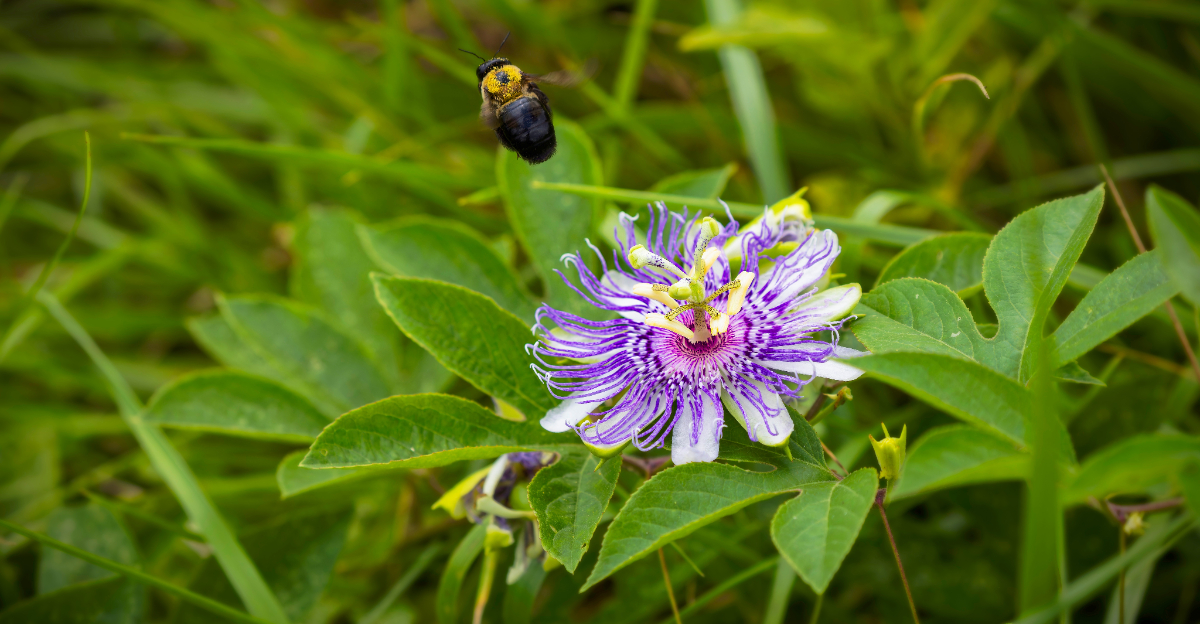
For this article, we’re talking about native purple passionflower, also called maypop, or Passiflora incarnata – the showy Florida native with flowers that look almost unreal.
Its growth can transform a bare fence fast, and its presence brings a little wildness that feels perfectly at home in Florida.
But the real reason gardeners love it goes beyond looks. This vine has a few tricks that make it especially useful along a fence line, from the way it fills space to the kind of life it invites into the yard.
Before you plant just another shrub or leave that fence baking in the sun, passionflower deserves a closer look.
1. A Fence Gives This Native Vine Room To Climb
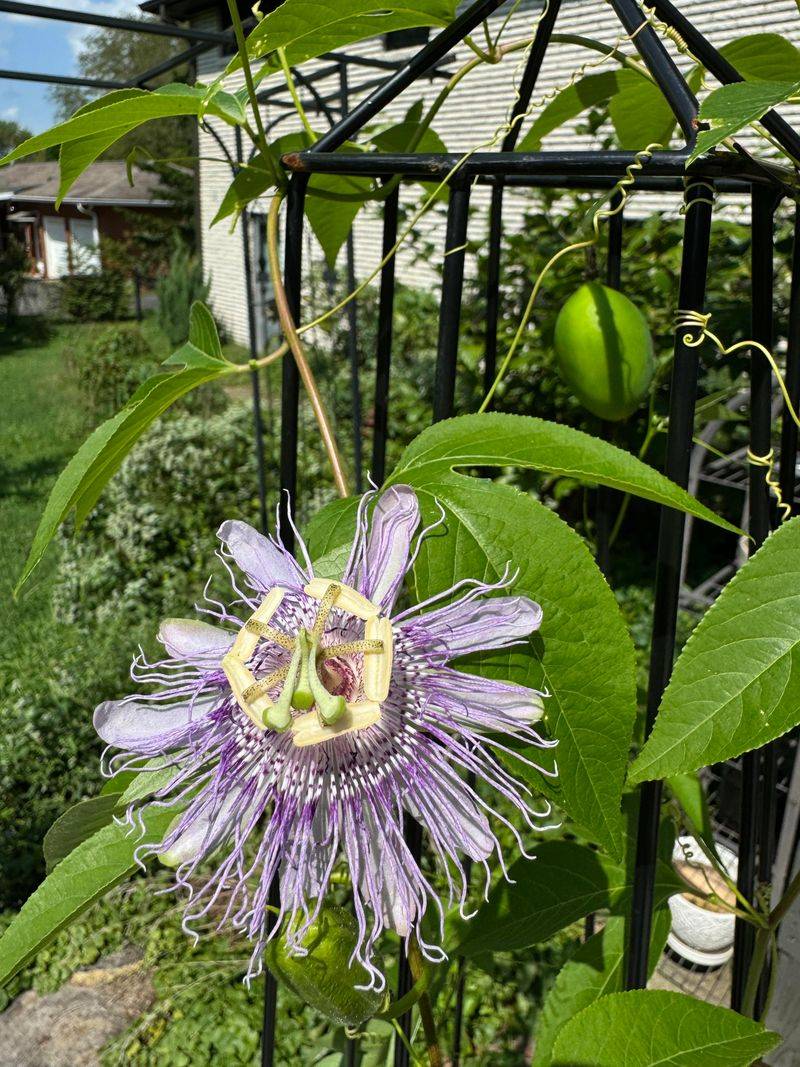
Most vines need something to grab onto, and passionflower vine is no different. Passiflora incarnata uses tendrils to attach itself and pull its stems upward.
A fence gives those tendrils exactly what they are looking for: a long, stable surface to work across.
According to UF/IFAS, purple passionflower grows as a vigorous vine that benefits from a support structure. A sturdy fence, trellis, or arbor can support the vine, but check that the structure can handle seasonal growth and routine trimming.
Weaker or unstable fences may need reinforcement before planting.
One of the practical perks of using a fence as a trellis is that you can guide the growth in a direction that works for your yard. You can train stems horizontally along fence rails or let them climb vertically toward the top.
Either way, the fence gives you more control than letting the vine roam freely across the ground.
Keep in mind that this vine can spread beyond its original planting spot through underground runners. Planting near a fence line where you can monitor and trim new shoots will make management much easier over time.
A little attention each season goes a long way. Starting with a healthy fence and a clear plan for the vine’s path sets both you and the plant up for a much smoother growing experience.
2. The Flowers Look Exotic Without Acting Fragile
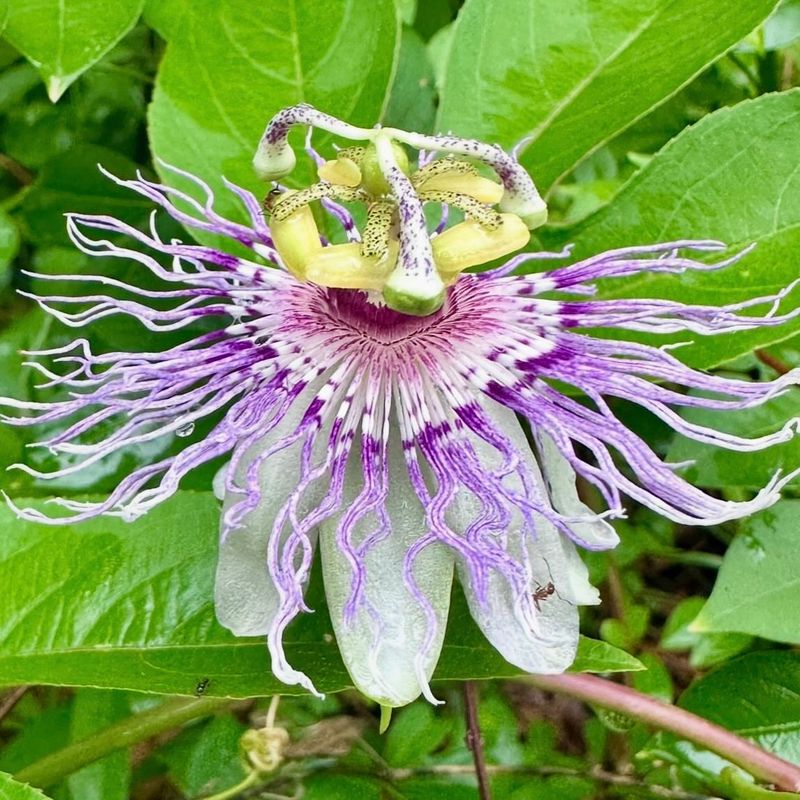
There is something genuinely surprising about seeing a passionflower bloom up close for the first time. The flower has layered petals, colorful filaments, and a raised central structure.
It looks more like it belongs in a tropical rainforest than on a backyard fence. Yet this is a native plant, not an exotic import.
Passiflora incarnata produces flowers that are typically lavender to light purple with a fringe of purple and white filaments. The Florida Wildflower Foundation notes that maypop blooms from late spring through fall.
That makes it one of the longer-blooming native vines for a warm-climate yard.
The flowers are large and showy enough to be a real focal point along a fence. Visitors often stop and ask what the plant is because the blooms look so unusual compared to common garden plants.
Your Florida Garden Changes Every Week. Your Plan Should Too.
Gardening in Florida changes quickly throughout the season. Every Friday you’ll receive a simple weekly plan showing exactly what to plant, prune, fertilize, harvest, and protect so you never miss the right timing.
That visual surprise is part of what makes it such a satisfying choice for a fence line where you want something worth noticing.
Despite that bold appearance, the plant is not delicate. Purple passionflower is adapted to heat, humidity, and periods of dry weather.
It handles full sun well and does not demand constant care to produce flowers. Placed in a sunny spot along a fence with decent drainage, it tends to bloom generously through the warm months without much coaxing from the gardener.
3. Butterflies Use The Leaves As A Nursery
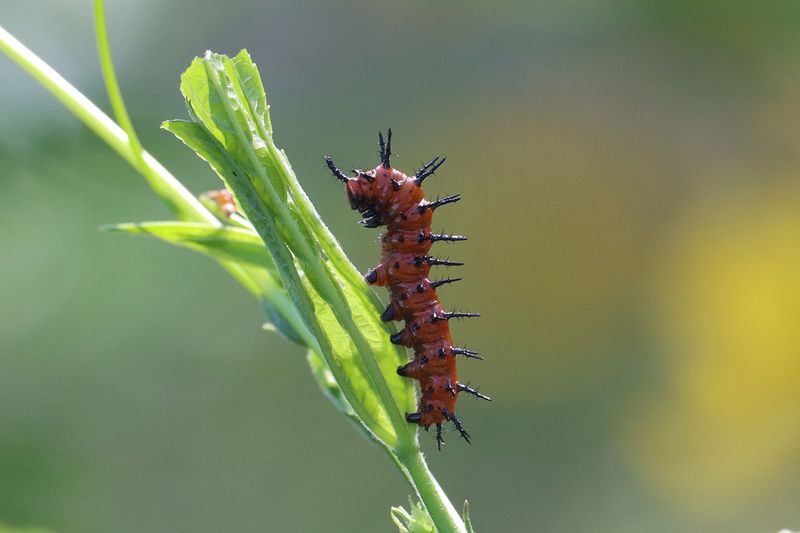
One of the most exciting things that happens when you grow passionflower vine is the butterflies. Not just visiting for nectar, but actually using the plant to raise their young.
Several native butterfly species depend on passionflower leaves as a larval host plant.
According to the Florida Wildflower Foundation and UF/IFAS, Passiflora incarnata hosts several butterfly larvae. That includes Gulf fritillary, zebra longwing, and variegated fritillary.
Female butterflies lay their eggs directly on the leaves and stems. Once the eggs hatch, the caterpillars feed on the foliage as they grow.
Seeing caterpillars chewing on your vine is not a sign that something has gone wrong. It is the whole point.
The plant has evolved alongside these butterflies, and supporting their life cycle is one of the most meaningful things a native plant can do in a garden setting.
The zebra longwing is also the state butterfly of the Sunshine State, which makes hosting it feel especially rewarding.
A passionflower vine growing along a fence gives caterpillars plenty of surface area to feed across without stripping the plant completely. The vine typically recovers well from caterpillar feeding during the growing season.
Watching Gulf fritillaries flutter around a fence covered in passionflower is one of those garden moments that feels genuinely wild and alive, right in your own backyard.
4. Pollinators Find The Blooms Hard To Ignore
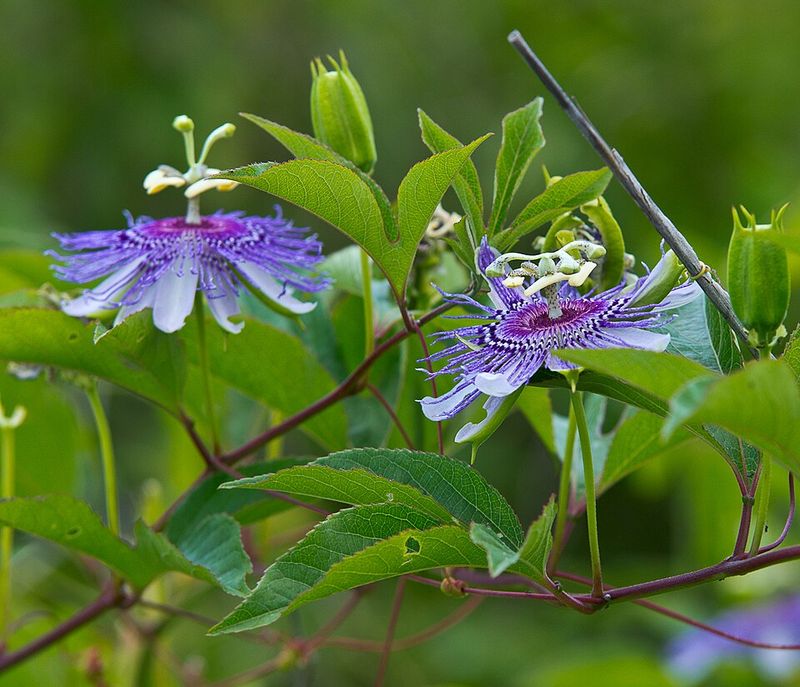
A passionflower vine in full bloom along a fence is not a quiet corner of the garden. Bees, butterflies, and other pollinators show up regularly when the flowers are open, drawn in by both the visual display and the nectar the blooms provide.
UF/IFAS notes that Passiflora incarnata is valued for its pollinator appeal, attracting native bees and bumble bees in particular. The flower structure is well-suited for pollinators that are large enough to reach the nectar while making contact with the pollen.
That design makes every visit productive for the plant and rewarding for the visitor.
Hummingbirds have also been observed visiting passionflower blooms, though bees and butterflies tend to be the most frequent guests.
Having this kind of consistent pollinator traffic along a fence line adds a layer of life to the garden that goes beyond what most ornamental plants offer.
For gardeners who want to support local wildlife without planting an entire meadow, a passionflower vine along a fence is a practical and rewarding option.
The blooms open during daylight hours and are most active on warm, sunny days, which is exactly when pollinators are most active too.
Pair this vine with other native flowering plants nearby to extend pollinator activity. Together, they can turn your fence line into a wildlife corridor through the warm months.
5. Dense Growth Can Soften A Plain Fence Fast
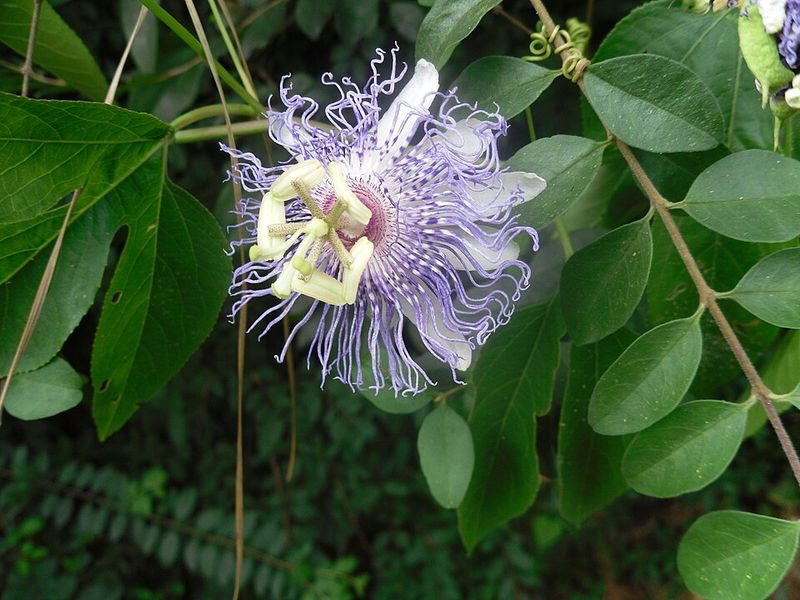
A bare fence can feel harsh, especially along a property edge where you see it every day. Passionflower vine can transform that kind of boundary.
It starts to feel much more like a garden feature and much less like a barrier.
Purple passionflower is a vigorous grower. Under the right conditions, it can cover a significant stretch of fence in a single growing season.
Dense, lobed green leaves and large purple blooms create a layered look. They soften hard lines and add texture to a plain surface.
This kind of visual coverage works especially well along chain link fences, which tend to look industrial on their own. The vine weaves through the links naturally, filling gaps and creating a living screen over time.
Wood fences also benefit from the contrast of green foliage against natural wood tones.
Keep in mind that fast growth requires some management. Passionflower vine will not politely stop at the edge of your fence.
Stems can reach neighboring plants, drape over the top of the fence, or start spreading along the ground if left unchecked. Plan to do some light trimming during the growing season to keep the coverage looking intentional rather than overgrown.
With a bit of seasonal guidance, the vine can make even the most ordinary fence look like a thoughtfully planted garden boundary worth admiring.
6. Maypop Fruit Adds Another Layer Of Interest
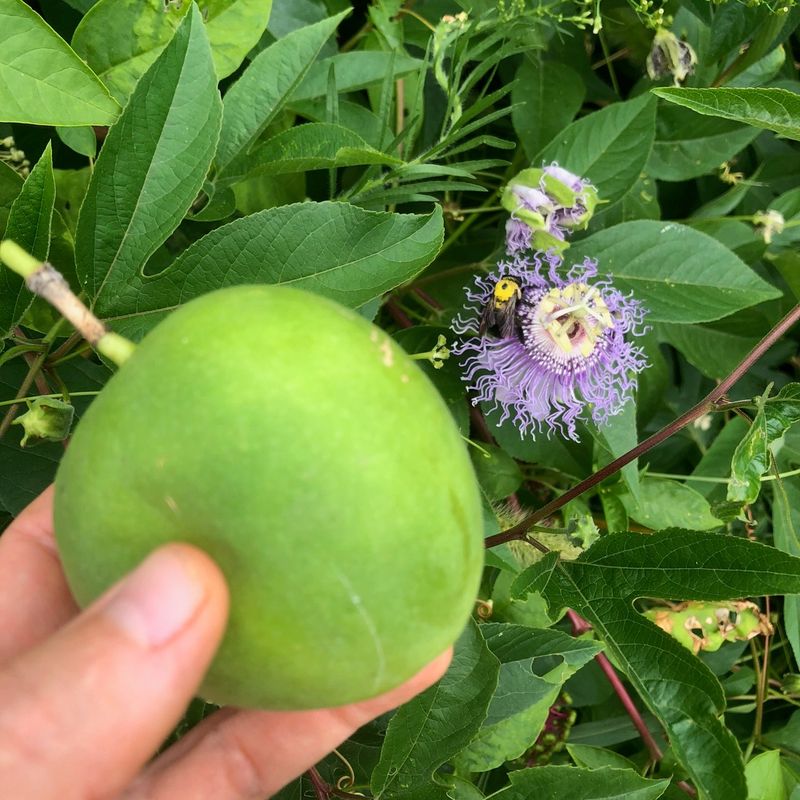
Most people grow passionflower vine for the flowers, but the fruit that follows is its own kind of reward. Purple passionflower, known locally as maypop, produces egg-shaped green fruits that turn yellowish as they mature.
The ripe fruit makes a hollow popping sound when stepped on, which is where the common name comes from.
UF/IFAS and the Florida Wildflower Foundation both note that maypop fruit is edible and has historically been used in the region. The pulp has a sweet-tart flavor.
That said, this article is not the place for food preparation advice, and anyone curious about consuming the fruit should consult reliable Extension resources before trying it.
From a garden and wildlife perspective, the fruit adds a seasonal dimension that extends the vine’s interest well beyond its bloom period. Birds and small wildlife may feed on fallen fruit, adding another layer of ecological activity along your fence line.
The fruit develops after successful pollination, so a fence location with good sun exposure and regular pollinator visits tends to produce more fruit than a shaded or isolated spot. Seeing the vine cycle from flower to fruit across the warm season is one of the more satisfying things about growing it.
The maypop fruit also makes for an easy conversation piece when guests notice the unusual green orbs tucked among the leaves along the fence. It is a detail most people do not expect from a backyard vine.
7. This Vine Needs Space And Occasional Control
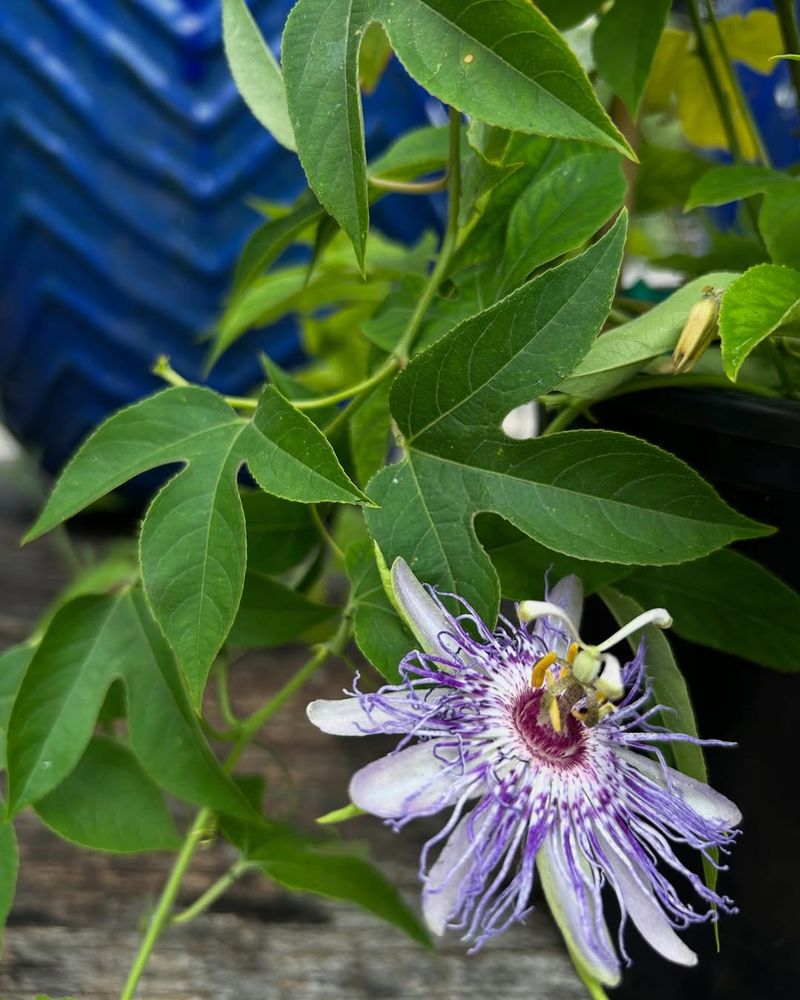
Honesty matters here. Passionflower vine is not a low-maintenance ground cover that politely stays where you put it.
It is an energetic plant that spreads through underground runners and can send up new shoots several feet away from the original planting spot.
UF/IFAS describes Passiflora incarnata as a vigorous vine that can spread aggressively under favorable conditions. That vigor is part of what makes it useful for covering a fence quickly, but it also means you need to stay on top of it.
Unwanted shoots can appear in lawns, garden beds, and gaps in hardscaping if the plant is not monitored regularly.
Trimming stems that wander beyond the fence, pulling up stray shoots, and guiding new growth back onto the fence structure are all part of routine care. These tasks are not overwhelming if you check on the vine every few weeks during the growing season.
Waiting too long between check-ins is when things can get out of hand.
Because Passiflora incarnata is native to Florida, it is not invasive in the same way a nonnative pest plant would be. Still, it can be aggressive in a small garden and needs regular management.
The plant belongs here, but it needs a gardener willing to give it boundaries. Think of it less like a plant you set and forget, and more like one you grow in an ongoing relationship.
The rewards are real, but so is the commitment it asks of you.
8. The Right Spot Makes Passionflower Easier To Manage
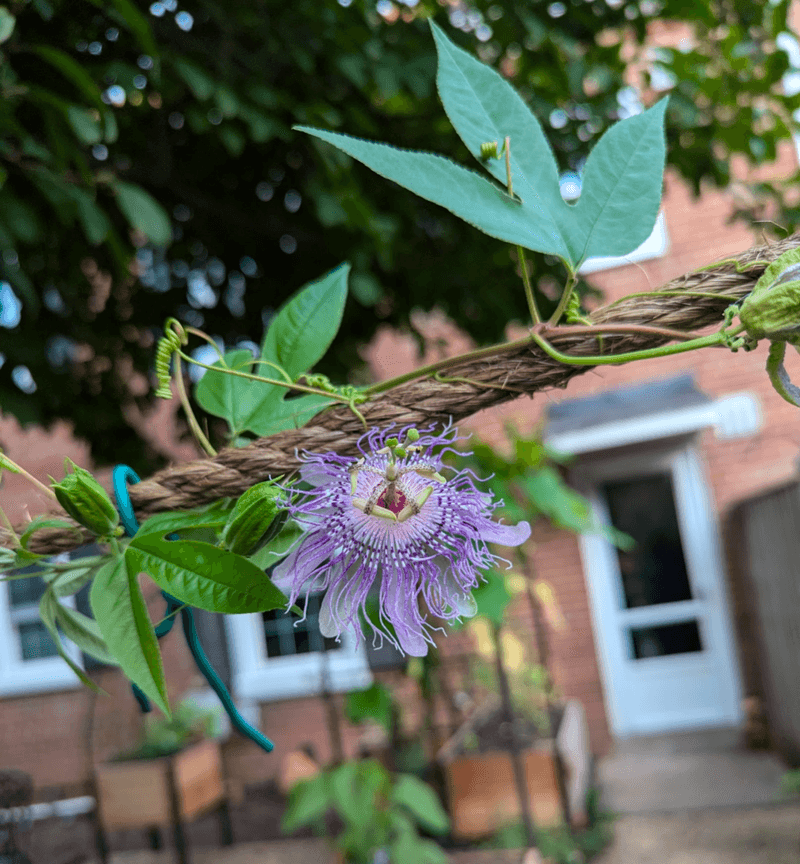
Placement matters more than most gardeners expect with passionflower vine. Putting it in the wrong spot does not just limit the plant.
It can create more management work than the vine is worth. Choosing the right fence location from the start saves a lot of effort later.
Purple passionflower performs best in full sun with well-drained soil, according to UF/IFAS. It tolerates a range of soil types but struggles in areas with poor drainage or standing water.
A fence that runs along a sunny edge of the yard with decent air circulation is a much better fit than a shaded or soggy corner.
Regional differences across the state are worth considering. Panhandle gardens experience cooler winters than gardens further south, and the vine may go dormant in colder seasons.
Central gardens sit between those extremes. South gardens tend to have longer warm periods that support more extended growth.
Coastal gardens may deal with sandy soil, salt air, and faster drying, which affects how often the vine needs watering during dry stretches.
Before planting, check with your local Extension office or UF/IFAS resources for guidance specific to your area. Match the vine to the right fence spot, with the right amount of sun, space, and drainage.
That is the single best way to make this plant easier to enjoy. A well-placed vine rewards you with flowers, butterflies, and beauty.
A poorly placed one rewards you with extra work.