How To Plan Next Year’s Vegetable Garden Before An Ohio Winter Sets In
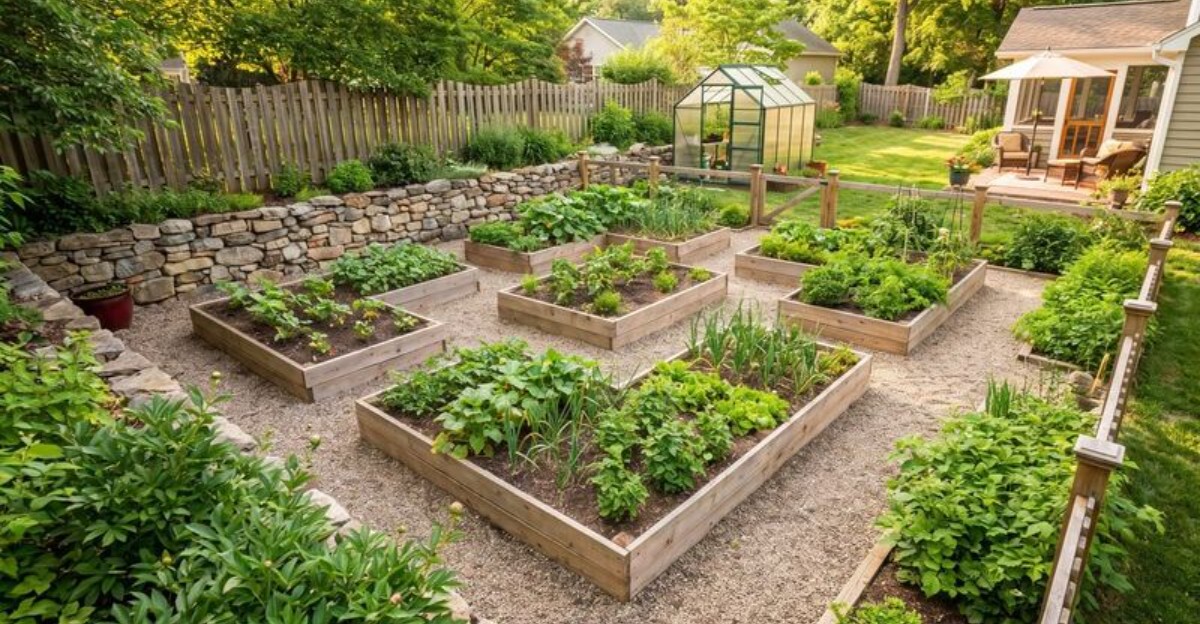
Plant tomatoes in the same bed three summers in a row, and Ohio soil starts keeping score.
Disease and pests spend the winter right where the last crop grew. Gardeners who plan on paper now sidestep that trap.
The ones who guess in May walk straight into it, then blame the weather.
A good plan answers questions you can’t settle in the middle of planting season. Which crop goes where, which plants should never share a bed, and when each seed hits the ground.
One page covers it, and no software is needed.
Winter gives you the quiet time to get it right. The payoff shows up in July, when your beds outproduce the neighbors’.
Sketch your layout before the seed catalogs land. A page of notes now saves a season of guesswork.
1. Write Down What Worked And What Didn’t
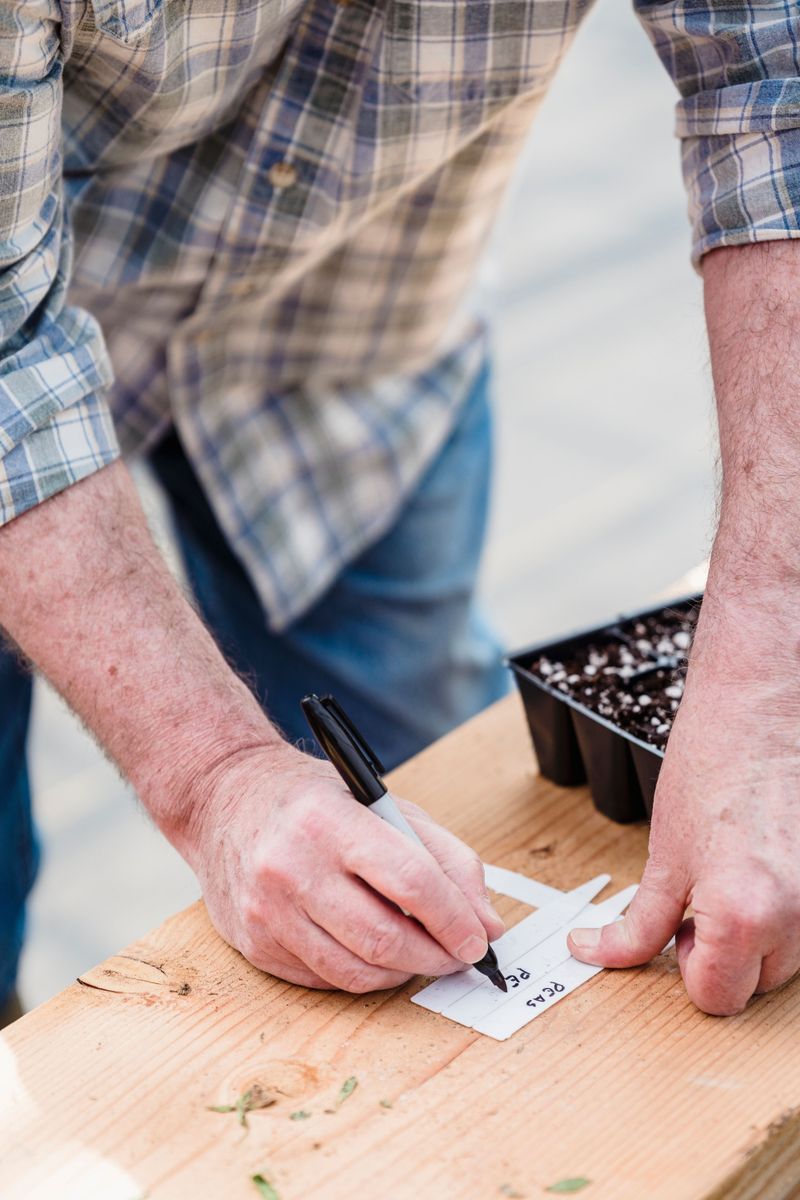
Memory is a sneaky thing once winter rolls in. By March, you may forget which tomato split in the rain and which bean variety fed your whole family.
A simple garden journal fixes that problem fast. Any cheap notebook works, or you can use the notes app on your phone.
The goal is to catch your thoughts while the season is still fresh.
Start with the winners. Write down which crops gave you plenty to eat and which ones you wanted more of.
Note the variety names too, since many seed packets look alike.
Next, be honest about the flops. Did the zucchini fade in July?
Did the lettuce turn bitter in the heat? Jot down what happened and when it started.
Pests and diseases deserve their own page. Record the bugs you spotted, the spots on leaves, and the parts of the garden where trouble showed up.
Over a few years, patterns start to appear, and that helps you solve problems earlier.
Weather notes are worth adding as well. Ohio summers can swing from soggy to dry in a hurry, so a quick line about rain and heat explains a lot later on.
Finally, add a wish list for next year. Maybe you want more peppers, fewer radishes, or a new herb to try.
Your notes become the roadmap for spring.
2. Sketch Where Every Crop Grew This Year
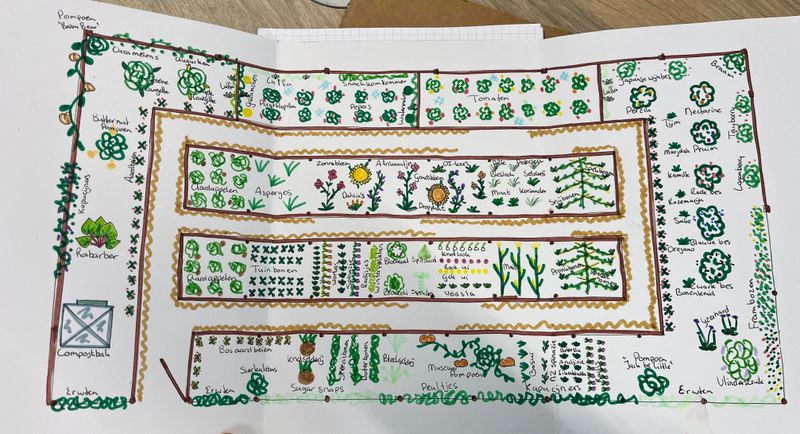
Grab a pencil and pretend you are a treasure map maker. Only this time, the treasure is a healthier garden next year.
Drawing a quick map of your beds takes about fifteen minutes. It does not need to be pretty or perfectly to scale.
Boxes, circles, and simple labels are plenty.
Walk around your garden while you sketch. Mark where the tomatoes stood, where the squash vines sprawled, and which corner held the carrots.
Include containers and raised beds too.
Why bother with all this? Some plant troubles hide in the soil after a crop is pulled.
If you plant the same family in that exact spot again, those problems may be waiting for it.
A map takes the guesswork out of planning. Come spring, you can glance at it and know right away what grew where.
Your Ohio Garden Changes Every Week. Your Plan Should Too.
Gardening in Ohio changes quickly throughout the season. Every Friday you’ll receive a simple weekly plan showing exactly what to plant, prune, fertilize, harvest, and protect so you never miss the right timing.
That makes moving crops around much easier.
Graph paper works great for this job. Each square can stand for one foot, which helps you see how much space you really have.
Some gardeners also use free online garden planners.
Keep your sketches from year to year in one folder. After three or four seasons, you will have a full history of your garden.
It is a little like a family photo album for your vegetables, and it gets more useful with time.
3. Rotate Plant Families To New Spots Next Year
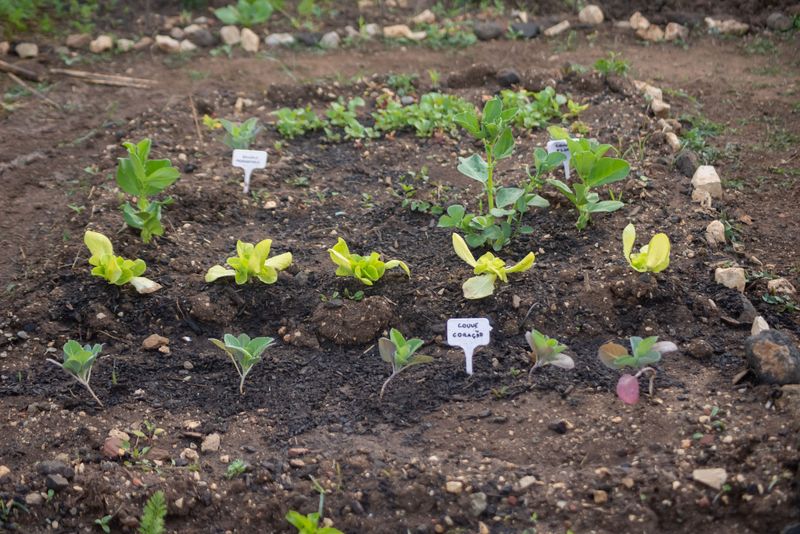
Farmers have been moving crops around for thousands of years. Ancient Romans even rested fields and swapped plantings to keep harvests strong.
Home gardeners can borrow that same old trick. It is called crop rotation, and it simply means planting each vegetable family in a new area every year.
Here is how it helps. Plants in the same family tend to share the same pests and diseases.
When they grow in one spot year after year, those troubles can build up in the soil and wait for them.
Moving them breaks that cycle. Pests that overwinter in the ground wake up in spring and find nothing they like to eat.
That gives your plants a fresh start.
Rotation also helps with soil food. Some crops are heavy feeders that pull lots of nutrients, while beans and peas add nitrogen back.
Switching them around keeps the soil more balanced.
A simple plan uses four groups. Think tomato relatives, cabbage relatives, squash relatives, and beans or peas.
Shift each group one bed over every year.
Try to wait three or four years before a family returns to the same spot. Small gardens make this tricky, so do your best.
Even moving crops a few feet or using containers helps more than you might expect.
4. Tomatoes, Peppers, Potatoes And Eggplant Share A Family
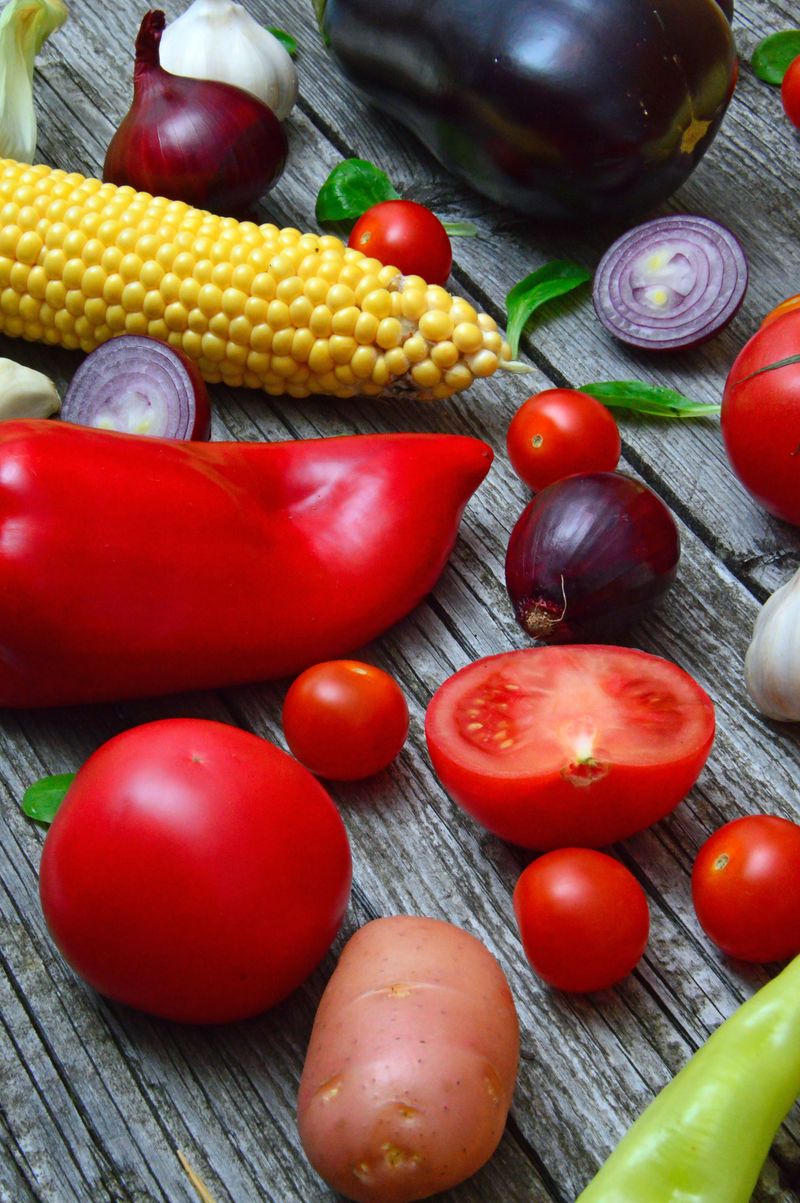
Here is a fun surprise for your next dinner party. Your french fries and your salsa are cousins.
Tomatoes, peppers, potatoes, and eggplant all belong to the same plant family. Scientists call it Solanaceae, but most gardeners know it as the nightshade family.
Tomatillos, ground cherries, and goji berries are part of the clan too.
This matters a lot for crop rotation. Many people move their tomatoes to a new bed, then plant potatoes right where the tomatoes grew.
To the soil, that is basically the same crop again.
Nightshades share many of the same enemies. Early blight, late blight, and certain wilts can hit all of them.
Colorado potato beetles also enjoy eggplant and tomato leaves when potatoes run short.
So treat the whole family as one group. On your garden map, circle every spot where any nightshade grew this year.
Next spring, give those areas to beans, lettuce, squash, or cabbage instead.
Peppers grown in pots can be easier to manage. Just swap in fresh potting mix each season so old problems do not hang around.
Knowing plant families makes you a sharper planner. Once you spot the nightshades, other groups start to make sense too, like broccoli and kale being relatives.
It turns your garden into a fun little puzzle.
5. Clear Out Spent Plants And Fallen Vegetables
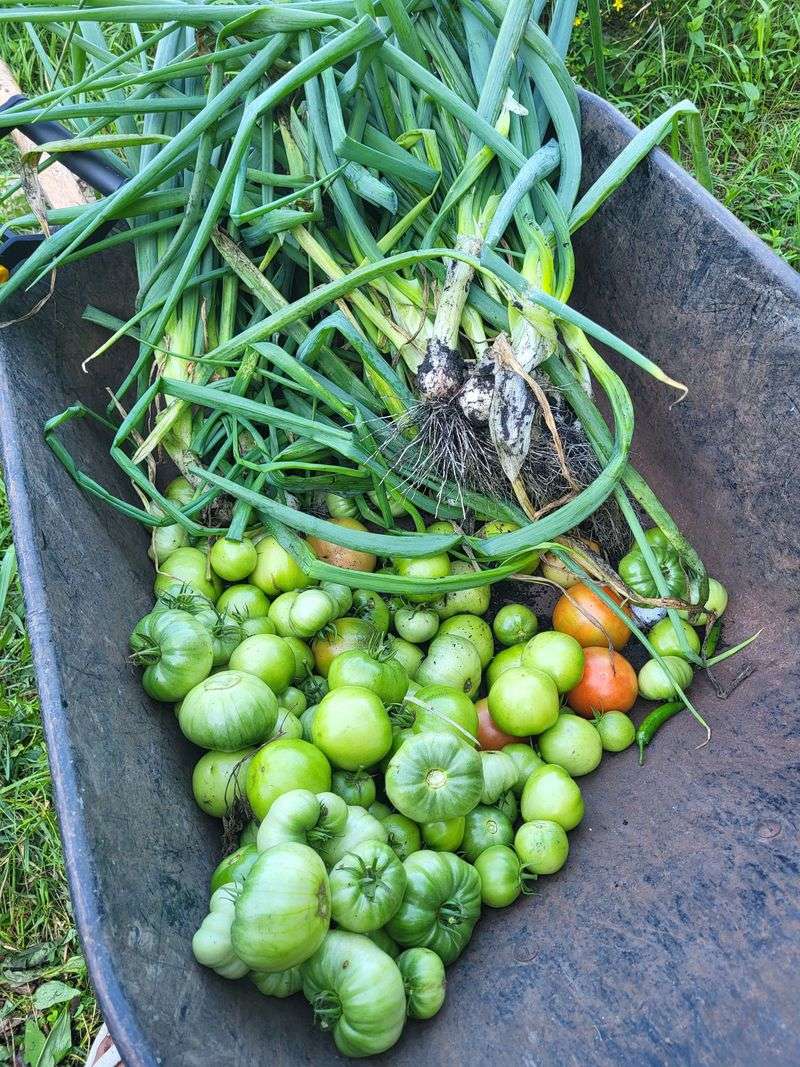
That squishy tomato hiding under the leaves is not as harmless as it looks. Rotten fruit and old vines can become cozy winter homes for pests and disease.
A good fall cleanup is like sweeping the kitchen before bed. It takes a little effort now, but the morning feels so much better.
Start by pulling plants that are finished for the year. Tomato vines, bean stalks, cucumber plants, and squash vines can all come out once frost ends their run.
Grab the roots too, if they come up easily.
Then look closely at the ground. Fallen tomatoes, split melons, and forgotten potatoes are easy to miss.
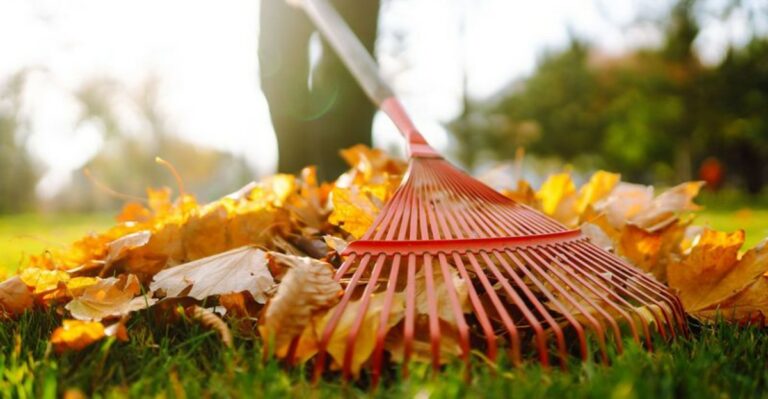
Rake them up so they do not sprout or carry problems into spring.
Squash bugs and some beetles love hiding in leftover leaves. Clearing debris gives them fewer places to wait out the cold.
Fungus spores also lose their favorite resting spots.
Healthy plant material can go straight to your compost pile. Chop big stems into smaller pieces so they break down faster over winter.
Remove plant stakes and tomato cages while you work. Brush off the dirt and store them somewhere dry.
Your spring self will be happy to find them clean and ready instead of tangled in brown vines.
6. Keep Diseased Plants Out Of The Compost
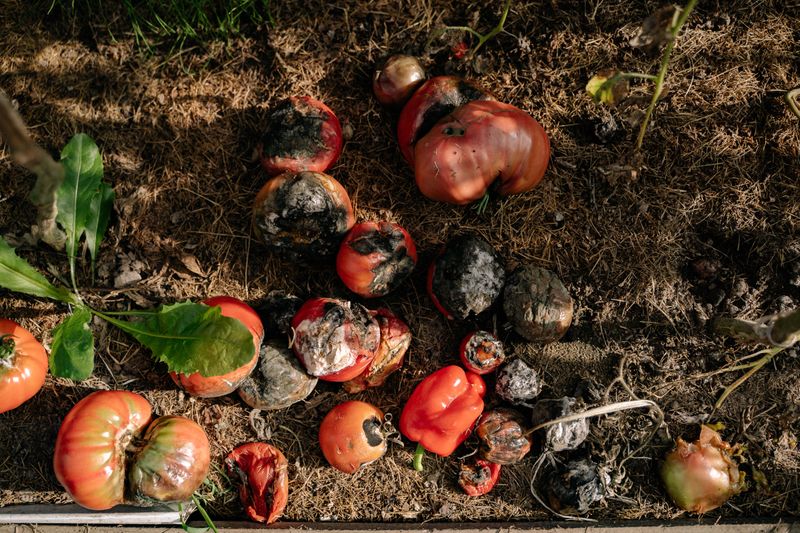
Compost feels like magic, turning scraps into rich, dark soil. Still, a few things should skip the pile entirely.
Plants with disease belong in that group. Germs that cause late blight, clubroot, and certain wilts can survive in a cool compost pile.
When you spread that compost next spring, you might spread the trouble right back into your beds.
The problem comes down to heat. To wipe out most plant germs, compost needs to stay above 140 degrees Fahrenheit for a while.
Most backyard piles in Ohio do not get that hot, especially in chilly fall weather.
So how do you spot a sick plant? Look for leaves with brown or black spots, fuzzy mold, or yellowing that spreads fast.
Wilting stems and rotting fruit can also be warning signs.
When in doubt, play it safe. Seal sick plants in a bag and put them out with the trash.
Some Ohio towns also run large composting sites that reach higher temperatures, so check with your city.
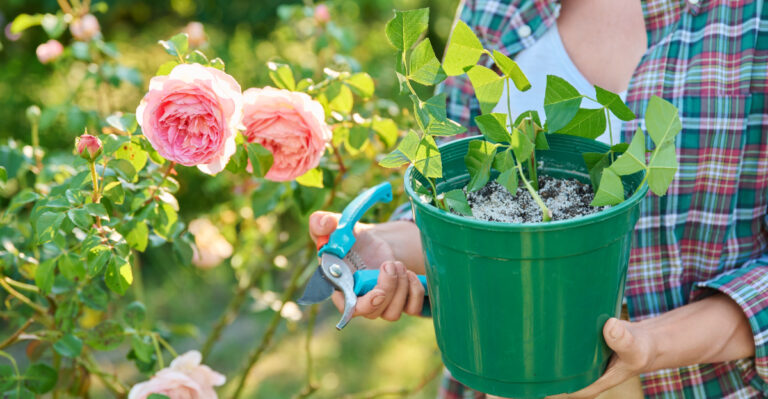
Clean your tools after handling diseased plants as well. A quick wipe with a mild bleach mix or rubbing alcohol stops germs from riding along to healthy plants.
Your compost pile will stay a helpful friend instead of a hidden troublemaker.
7. Test Your Soil This Fall
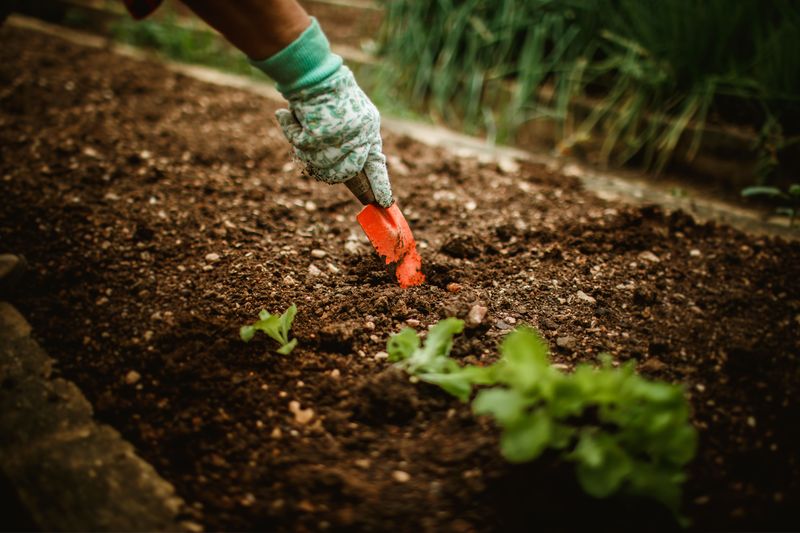
Think of a soil test as a checkup for your garden. You would not guess at a fever, so why guess at what your dirt needs?
Fall is one of the best times to test in Ohio. After a long summer of growing, the soil shows exactly what your crops used up.
You get a clear picture of nutrients and pH.
Timing matters for another reason. Fixes like lime and sulfur work slowly, sometimes taking months.
Adding them in fall gives them all winter to settle in before planting time.
Collecting a sample is easy. Use a clean trowel to dig down about six inches in several spots around your garden.
Mix the soil together in a clean bucket, then take about a cup for testing.
Ohio State University Extension offices can point you to trusted labs. Many tests cost less than a nice pizza.
Home kits from garden stores work too, though lab tests are usually more accurate.
Your results will list levels of things like phosphorus and potassium. They often include suggestions for how much fertilizer or lime to add.
Here is a bonus tip. Buying amendments in fall can save money, since prices often climb during the spring rush.
You will also skip the crowded garden center lines.
8. Plant A Cover Crop Or Mulch Bare Beds
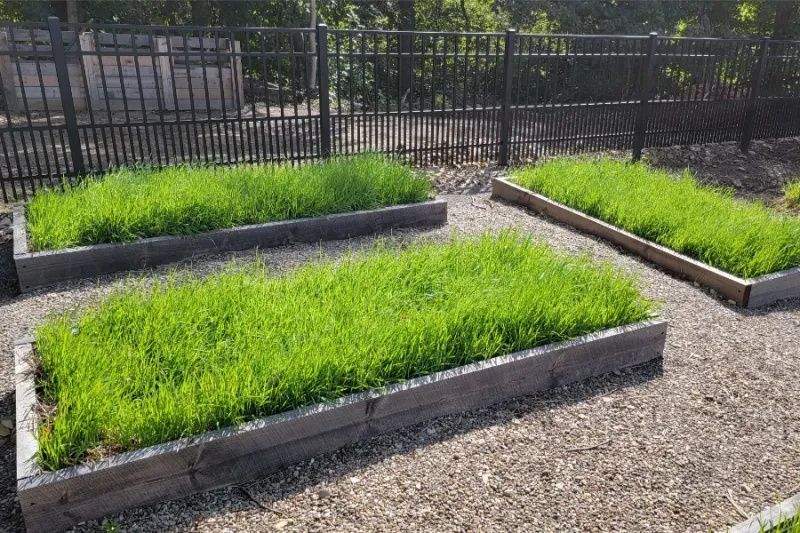
Bare soil in winter is a bit like a kid without a coat. Wind, rain, and snow can wash it away and pack it down hard.
You have two great ways to protect it. The first is planting a cover crop, which is a plant grown to help the soil instead of feed you.
Cover crops add organic matter, hold soil in place, and block weeds. Peas and clover can even add nitrogen.
In Ohio, many cover crops go in by late September, while cereal rye can be sown into mid or late October.
Oats are a cheap, easy choice. They usually fade away on their own during a hard Ohio winter, leaving a soft layer you can plant right through in spring.
Short on time? Mulch is your second option.
Spread two to four inches of shredded leaves, straw, or wood chips over empty beds.
Mulch keeps soil temperatures steadier. That helps stop the freeze and thaw cycles that can heave soil and harm roots.
Late fall, around Thanksgiving, is a good time to add it.
Fallen leaves from your yard are free mulch. Run them over with a mower first so they do not mat together.
Your worms will happily feast on them all winter long.
9. Look Up Your Local Frost Dates Before Ordering Seeds
Seed catalogs start landing in mailboxes right when the weather turns gray. Every glossy page makes you want to order everything at once.
Before you click buy, check your frost dates. These two dates mark the edges of your growing season.
They tell you when tender plants can safely go outside and when cold may end the fun.
In much of Ohio, the last spring frost usually falls between May 1 and May 15. The first fall frost tends to arrive between early and mid October.
Some spots see it closer to the end of October or early November.
Northern counties and low valleys often run colder. Lake Erie can also shift dates near the shore.
Enter your zip code on a frost date website for a closer guess.
Once you know your dates, read the seed packets carefully. Look for the days to harvest number.
A melon needing 100 days may struggle in a short season, while a 70 day variety fits nicely.
Count backward from your last frost to plan indoor seed starting. Tomatoes and peppers usually need six to eight weeks inside first.
Write all these dates in your garden journal. With a plan in hand, ordering seeds becomes exciting instead of overwhelming.