Can Your Ohio HOA Make You Rake Your Leaves?
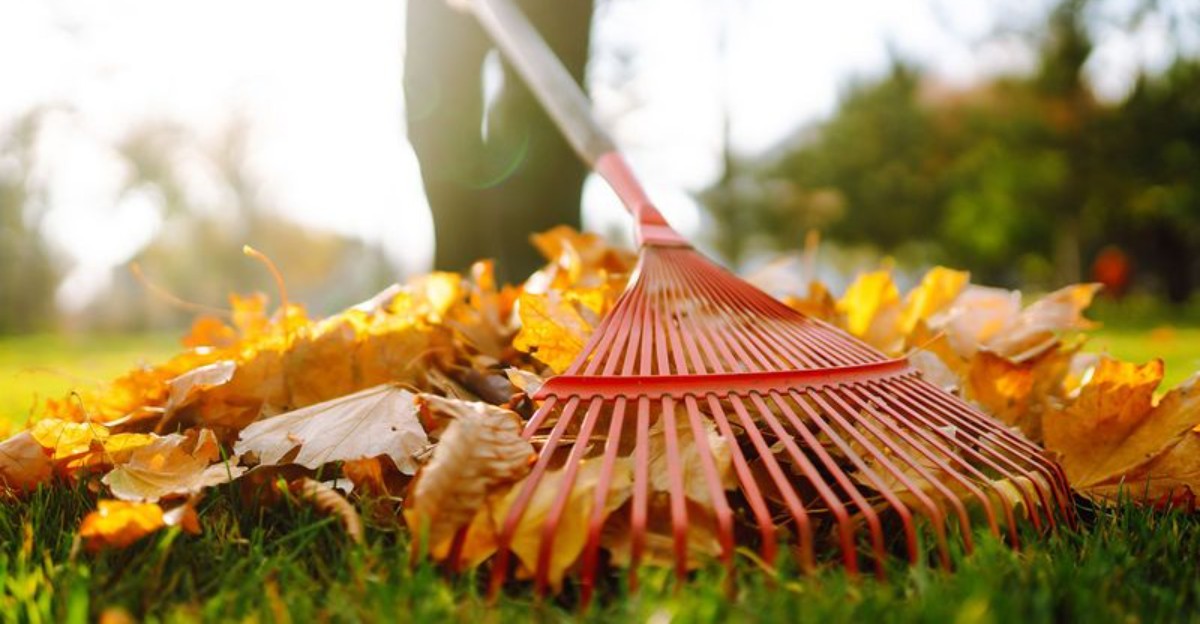
Rake or don’t rake? Somewhere in your Ohio neighborhood, a letter on HOA letterhead is already sitting in a mailbox.
Leaves pile up fast in October, and the folks who run your association tend to notice before you do. Some boards treat a lawn full of leaves like a crime scene.
Others shrug and move on. Neighbors swap horror stories at the curb, and half of them get the details wrong.
Plenty of homeowners assume the board can demand anything. Plenty of others assume nobody can touch their yard.
Both camps tend to get a surprise.
The answer lives in a few documents most people stuffed in a drawer at closing. A quick read can settle it before the first notice shows up.
Dig them out this weekend. A fine is a lousy way to learn your own rules.
1. It Depends On What Your HOA’s Documents Say
Picture a stack of papers you signed at closing and then tossed in a drawer. Those pages hold the real answer to the leaf question.
Every Ohio HOA runs on a set of governing documents. The big ones are the recorded declaration, the bylaws, the articles of incorporation, and any rules the board adopts.
Your association can only enforce what those papers actually allow. If nothing in them covers leaves, yard upkeep, or general landscaping standards, the board has very little to stand on.
Many communities do include a broad maintenance clause, though. A line like owners must keep lots neat and free of debris could easily cover a thick layer of fallen leaves.
So your first job is simple detective work. Dig out your copies, or ask the management company for current versions, since rules can change over time.
Look for words like landscaping, lawn care, debris, appearance, or maintenance. Read those sections slowly, and note any final dates or seasonal standards.
Here is a handy tip. Save a digital copy on your phone so you can check the rules whenever a question pops up.
When you buy a home in an HOA, you agree to follow these documents. Knowing what they say puts you on solid ground before any letter lands in your mailbox.
2. Ohio Law Requires Owners To Follow Recorded Covenants And Rules
Ohio did not leave HOAs to make things up as they go. State lawmakers built a clear framework for how these groups work.
Planned communities fall under Ohio Revised Code Chapter 5312. Condominiums follow Chapter 5311, which covers a lot of the same ground.
Both chapters give associations power to enforce their declarations, bylaws, covenants, and restrictions. In plain words, the state backs up the rules your community recorded.
The duty to comply reaches further than many people expect. Owners, renters, and anyone lawfully living in the home must follow the covenants and rules.
That means a landlord cannot simply shrug and blame the tenant for a messy yard. Likewise, a tenant cannot ignore leaf rules just because they do not own the place.
Your Ohio Garden Changes Every Week. Your Plan Should Too.
Gardening in Ohio changes quickly throughout the season. Every Friday you’ll receive a simple weekly plan showing exactly what to plant, prune, fertilize, harvest, and protect so you never miss the right timing.
Fun fact: The state passed its Planned Community Law in 2010. Before that, many neighborhoods relied mostly on older contract and property law.
So what does this mean for your weekend? If your recorded documents include a clear yard upkeep rule, Ohio law gives your HOA the muscle to enforce it.
That is not a reason to panic. Following the rules keeps your street looking sharp and helps protect home values for everyone, including you.
3. Boards Can Fine Owners For Violations

Nobody enjoys the word fine, especially when it is tied to a pile of oak leaves. Still, Ohio boards do have this tool in their belt.
The legal term is enforcement assessment. It is simply a charge an association can add to your account when you break a community rule.
This power usually comes straight from your governing documents. If those papers allow fines, the board can use them for things like ignored yard work.
The state law does not set a dollar limit on HOA fines. However, the amount must be reasonable and fit the size of the problem.
A huge fine for a few stray leaves could be challenged. Charges meant to punish rather than encourage fixes tend to look unfair to a judge.
Many associations use a step-by-step fine schedule. The first violation might cost a small amount, while repeat issues cost more each time.
Some documents even allow daily fines for problems that drag on. Those can add up faster than leaves pile up under a big maple.
Here is the practical takeaway. Ask your board for its written fine schedule now, before autumn hits, so you know exactly what is at stake.
4. You’re Entitled To Written Notice First
Surprise bills are the worst. Luckily, Ohio law says your HOA cannot spring a leaf fine on you out of nowhere.
Before any enforcement assessment, the association must send you written notice. A quick wave from a board member on the sidewalk does not count.
That letter has to include several key pieces. It must describe the alleged violation, list the proposed fine amount, and tell you about your right to a hearing.
For ongoing problems, like a yard that stays buried in leaves, the notice must give a reasonable date to fix things. Meet that cutoff date, and you can avoid the charge.
If the HOA skips these steps, the fine may not hold up. Missing information can make the whole charge invalid.
So when that envelope arrives, do not toss it in the junk pile. Read it carefully and check whether every required part is there.
Take a photo of the letter and the envelope. Write down the date you received it, because timing matters a lot for your next move.
Then look at your yard with fresh eyes. Sometimes the easiest fix is grabbing a rake before the cutoff date and calling it a day.
5. You Have 10 Days To Request A Hearing
Tick, tock. Once that violation letter lands, a clock starts running, and it moves faster than you might think.
In our state, you get 10 days from receiving the notice to ask for a hearing. That request needs to be in writing and sent to the board.
Miss the window, and you generally lose your chance to be heard. The board can then move ahead and add the charge to your account.
Ten days goes by in a blink during a busy fall. Between school events, work, and football games, the letter can easily get buried.
Here is a simple plan. Mark the cutoff date on your calendar the same day the notice arrives.
Keep your request short and polite. Say you received the notice, include the date, and ask for a hearing before the board.
Send it in a way you can prove later. Certified mail or an email with a read receipt works well for many homeowners.
Even if you plan to fix the leaves, a hearing can still help. You might explain a health issue, a broken mower, or a rule you think was misread, and boards often listen.
6. No Fine Can Be Charged Before A Requested Hearing
Think of the hearing as a pause button. Once you ask for one on time, the fine has to wait.
Ohio law says the board cannot charge you until the hearing is over. That rule gives you a fair chance to tell your side first.
The board must also send you written notice at least 7 days before the hearing. That notice should list the date, time, and place.
If the HOA charges you early or gives short notice, the fine may be challenged. Lawyers call that procedurally defective, which basically means the board skipped steps.
So how do you prepare? Bring photos of your yard, especially any showing cleanup progress or a tidy lawn after a fresh rake.
A short list of points helps you stay calm. Note what the rule says, what happened, and what you have already done to fix it.
Be friendly, even if you feel annoyed. Board members are usually neighbors volunteering their time, and kindness often goes further than anger.
Afterward, ask for the decision in writing. Clear records protect you if questions come up later, and they help everyone remember exactly what was agreed.
7. Unpaid Fines Can Become A Lien On Your Home

A small leaf fine can grow into a much bigger headache. Ignoring it may put a legal claim right on your house.
HOAs can place a lien on a home when owners do not pay fines, special assessments, or other charges. A lien is a legal claim tied to your property.
This typically happens if the amount stays unpaid for ten days after it is due. The association generally must send written notice and follow its own steps before recording the lien.
Why does that matter? A lien can make it harder to sell or refinance, since the debt usually has to be cleared first.
If the debt still sits there, the HOA may try to foreclose. In Ohio, that requires a lawsuit and a judge’s approval, so it is a long process.
Most leaf disputes never get close to that point. Still, it shows why a fine deserves real attention instead of a shrug.
If money is tight, reach out to the board early. Many associations will set up a payment plan if you ask nicely.
Keep receipts for every payment. Proof of payment can save you from confusion if records ever get mixed up.
8. Mowing Leaves Into The Lawn May Satisfy Both Sides
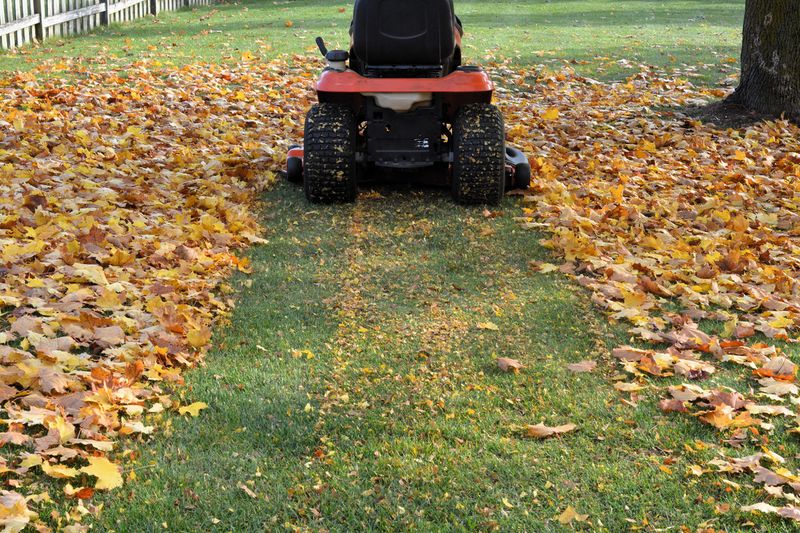
Here is a trick that can save your back. Your lawn mower might handle the job better than a rake.
Mulching means mowing over dry leaves until they become tiny bits. Those pieces slip down between grass blades and break down over the winter.
Ohio law does not say anything specific about mulching leaves. Your HOA rules decide what methods count as proper yard care.
Many rules focus on how things look, not how you got there. If your lawn appears neat and green afterward, mulching may meet the standard.
Bonus: those shredded leaves feed your soil. Lawn experts say they add nutrients and can help grass grow stronger come spring.
For best results, mow when leaves are dry. Make a few passes, and use a mulching blade if you have one.
Do not let leaves pile up too deep before mowing. A thick, soggy mat is much tougher to chop and may smother your grass.
Before switching methods, double-check your HOA wording. If the rules say leaves must be removed or bagged, ask the board whether mulching is acceptable, and get the answer in writing.
9. Don’t Blow Leaves Into The Street To Comply
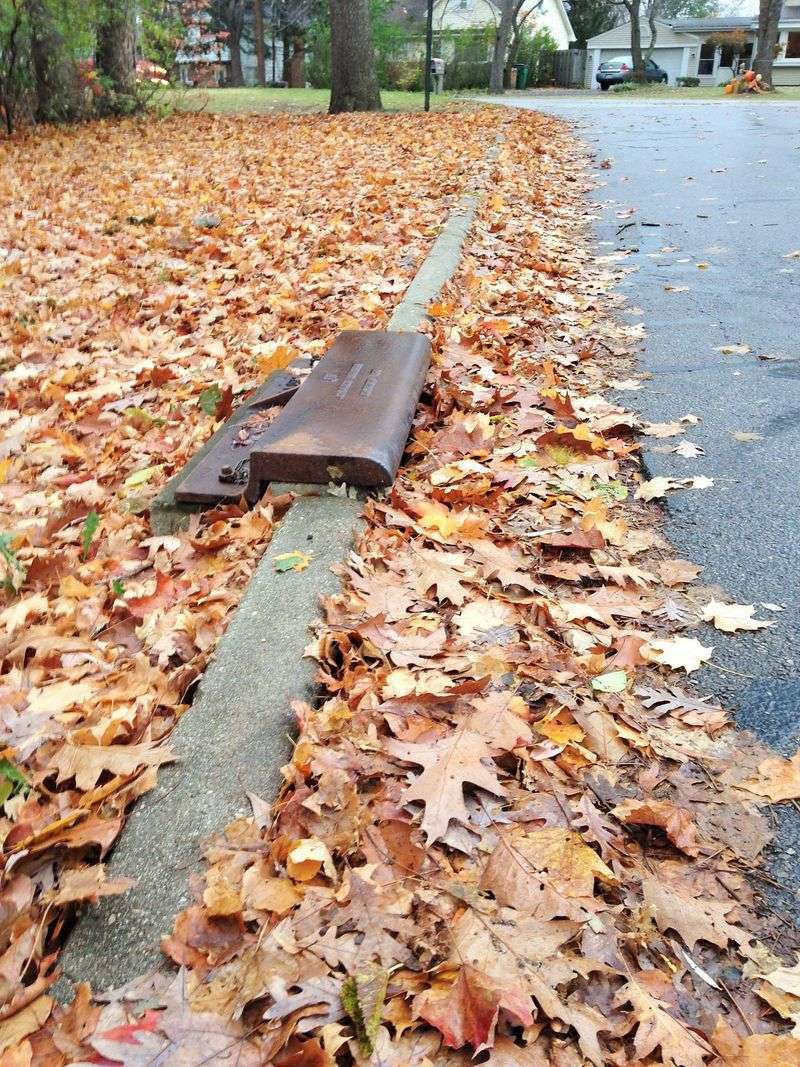
Sure, the leaf blower makes the yard look perfect in five minutes. But pushing that mess into the road just swaps one problem for another.
Many cities ban blowing or raking leaves into streets and alleys. Breaking those local rules can lead to penalties of their own.
Wet leaves on pavement get slick, a bit like ice. Motorcyclists and bike riders face extra danger, since their tires lose grip quickly.
Leaves also clog storm drains. When water cannot escape, streets and even nearby yards may flood during heavy fall rains.
State law, Ohio Revised Code 4511.74, bans placing harmful materials on roadways. It does not name leaves directly, but local ordinances often fill that gap.
There is also a money risk. If someone crashes because of debris you put in the street, you could face a civil claim.
So what are better options? Bag leaves for curbside pickup if your city offers it, or follow posted rules for leaf collection piles.
Composting works too. A simple backyard bin turns this season’s leaves into rich garden soil for next spring, and your HOA, city, and neighbors will all thank you.