This Ohio Nursery Grows Nearly 200 Kinds Of Witch Hazel, The Shrub That Blooms When Everything Else Is Done
The leaves have dropped, the mums have faded, and your Ohio garden looks ready to call it a year. A few miles up the road, one nursery is just getting going.
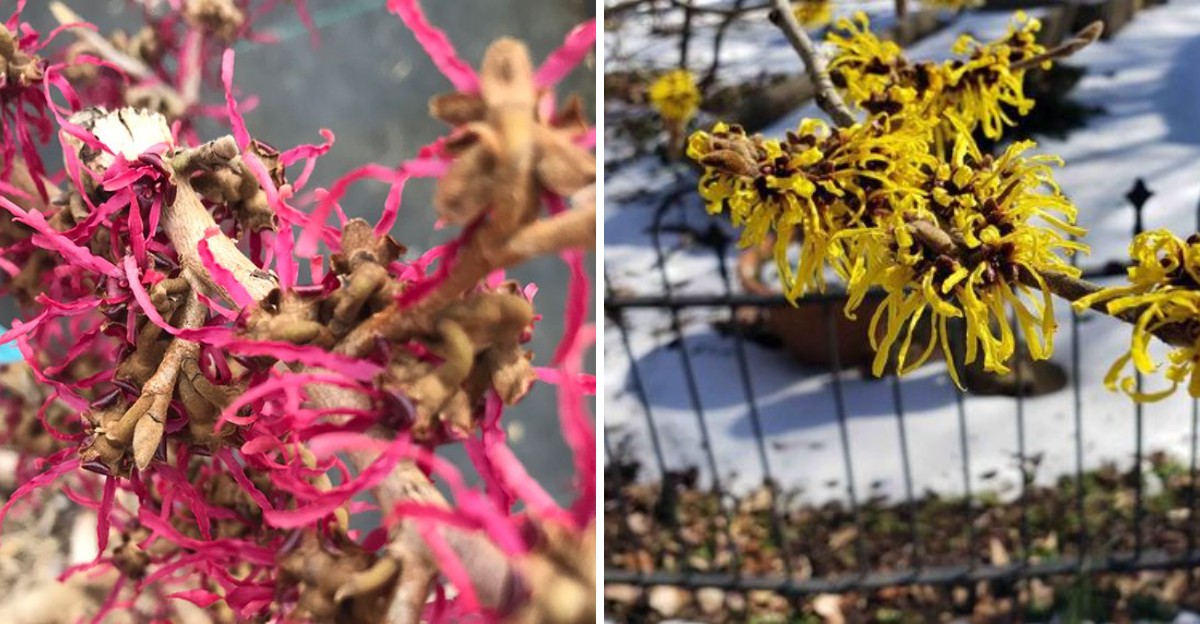
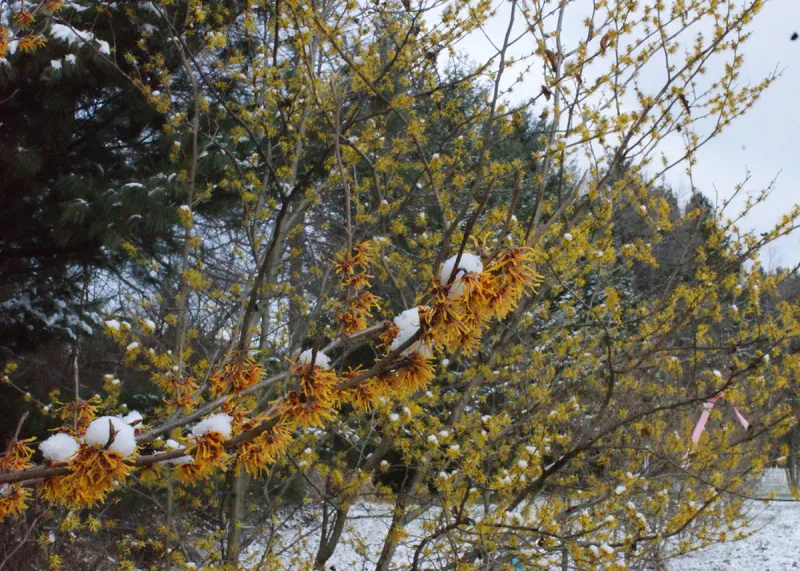
Rows of shrubs there haven’t heard the season is over. Spidery petals unfurl in yellow, orange, and red while frost still settles on the grass around them.
Some open this month. Others wait until the coldest weeks and bloom anyway, with a scent you can catch from several steps away.
Garden centers stock a few of them, if that. This family has spent decades collecting far more than most people know exist.
Visitors tend to arrive with one plant in mind and leave with a different plan for their yard.
Find out who grows them before you shop for your own. The source shapes the shrub you bring home.
1. Brotzman’s Nursery Sits In Madison Village In Lake County
Head east from Cleveland, and the suburbs slowly give way to farm fields and quiet country roads. Out in Madison Village, at 6899 Chapel Road, you will find Brotzman’s Nursery tucked into Lake County.
Location matters a lot for growers in this corner of Ohio. Lake Erie sits close by, and its huge body of water helps shape the local weather.
In spring, the cool lake air can slow buds from opening too early, which helps protect them from surprise frosts.
Lake County is famous among plant people for that reason. The area has long been home to many nurseries, and folks sometimes call it a hub for Ohio’s green industry.
Rich soil, steady moisture, and that helpful lake breeze give shrubs and trees a solid start.
For a witch hazel fan, Madison may sound like an unlikely treasure spot. It looks like a regular farm town at first glance.
Yet behind the rows of evergreens and shrubs grows one of the largest witch hazel collections in the country.
Here’s a tip if you garden near a big lake too. Pay attention to how the water changes your frost dates.
Local nurseries often grow plants that handle those quirks well, so buying close to home can pay off in healthier shrubs.
2. It’s A Wholesale Nursery With More Than 70 Years Of History
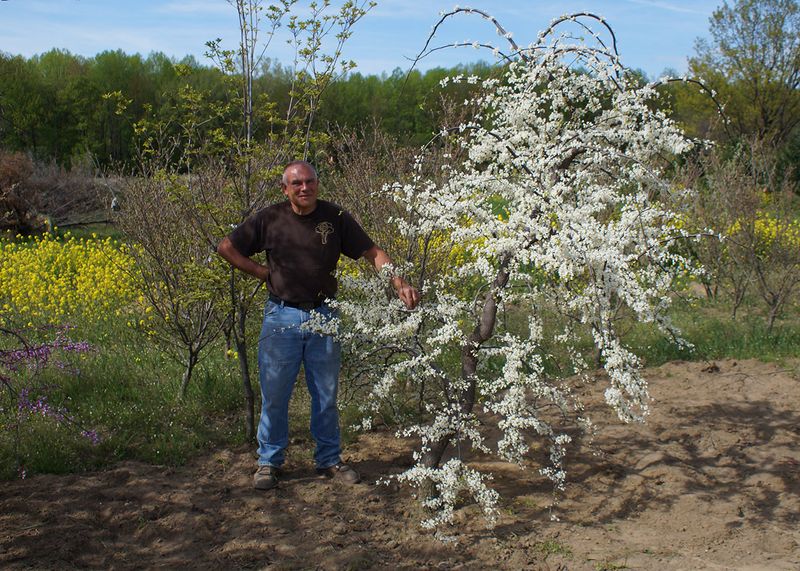
Back in 1955, Charlie Brotzman and his wife, Dorothy, bought 20 acres of farmland and took a big leap. The land already had peach trees and asparagus growing on it.
Instead of tearing everything out, they planted their first nursery crops right alongside the old ones.
Evergreens were the main focus in those early days. Charlie even gave his business a cheerful nickname, calling it The Home of Happy Evergreens.
That small slogan says a lot about the friendly spirit behind the family business.
As the years rolled on, the nursery grew bigger. Deciduous trees and shrubs joined the evergreens, giving customers far more choices.
Those are plants that drop their leaves each fall, and witch hazels belong in that group.
Brotzman’s is a wholesale nursery, which means it mostly sells to other businesses rather than walk-in shoppers. Think of it like a bakery that supplies cafes instead of running a storefront.
Your Ohio Garden Changes Every Week. Your Plan Should Too.
Gardening in Ohio changes quickly throughout the season. Every Friday you’ll receive a simple weekly plan showing exactly what to plant, prune, fertilize, harvest, and protect so you never miss the right timing.
Its buyers include growers, landscapers, towns, and mail-order companies.
Staying in business for more than 70 years takes grit. Weather, changing tastes, and tough economic times can test any farm.
The Brotzman family kept going by adapting, learning, and caring about quality, a lesson any home gardener can borrow when a planting plan needs a fresh twist.
3. A Blooming Witch Hazel In England Started It All In 1975
Sometimes one moment changes the whole direction of a life. For Tim Brotzman, that moment arrived in 1975 at a famous garden in Wisley, England.
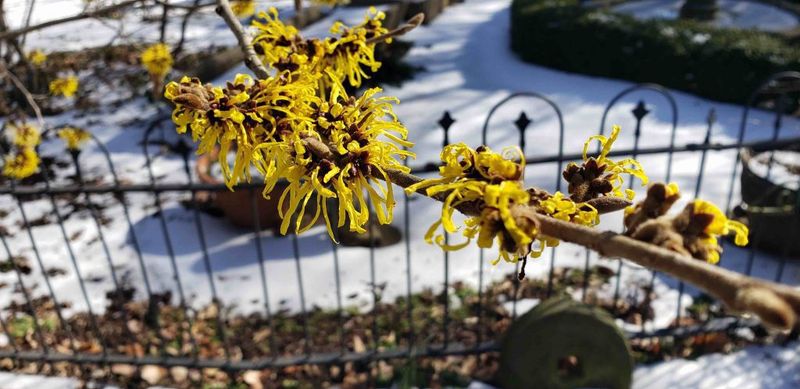
Tim was working at the Royal Horticultural Society’s garden there. One day, he came across a towering witch hazel covered in bright yellow blossoms.
The flowers glowed against the dull winter scene, and a sweet fragrance hung in the chilly air.
Imagine walking through a quiet, frosty garden and suddenly smelling something like honey and citrus. You would stop in your tracks too.
Tim did, and that shrub stuck with him long after he left England.
Wisley is one of the most respected gardens in the world. It has trained many young plant lovers over the years, giving them hands-on experience with all sorts of rare and beautiful plants.
For Tim, it became the place where a lifelong passion took root.
Here’s a fun detail about witch hazel flowers. Their skinny petals can curl up on bitterly cold days and unfurl again when temperatures rise.
That clever trick helps them survive winter weather that would harm most blooms.
So next time you visit a public garden, keep your eyes open. You never know which plant might spark a new hobby, or even a career.
4. Tim Brotzman Set Out To Grow Every Selection He Could Find
Most people bring home souvenirs from a trip abroad. Tim Brotzman brought home a mission instead.
After his time in England, he returned to the family nursery in Ohio with a bold goal. He wanted to collect and grow every witch hazel selection he could track down.
That is a little like deciding to collect every baseball card ever printed.
Tim was well prepared for the job. He learned the basics working beside his father, Charlie, from a young age.
Later, he earned a degree from The Ohio State University and studied plants in both England and Germany.
Building a collection this big takes help. Tim teamed up with experts from around the world, including British witch hazel authority Chris Lane.
He also worked with Abraham Rammeloo of Arboretum Kalmthout in Belgium, a garden well known for its witch hazels.
Plant lovers often trade cuttings, which are small pieces of stem that can grow into new plants. Sharing like this helps rare varieties survive and spread to new places.
It also builds friendships that cross oceans.
If you want to start your own plant collection, take a page from Tim’s book. Learn from experienced growers, ask lots of questions, and connect with clubs or gardens that share your interest.
5. The Collection Now Nears 200 Named Varieties
Nearly 200 different witch hazels grow at Brotzman’s Nursery today. That number surprises many gardeners, who might only know two or three kinds.
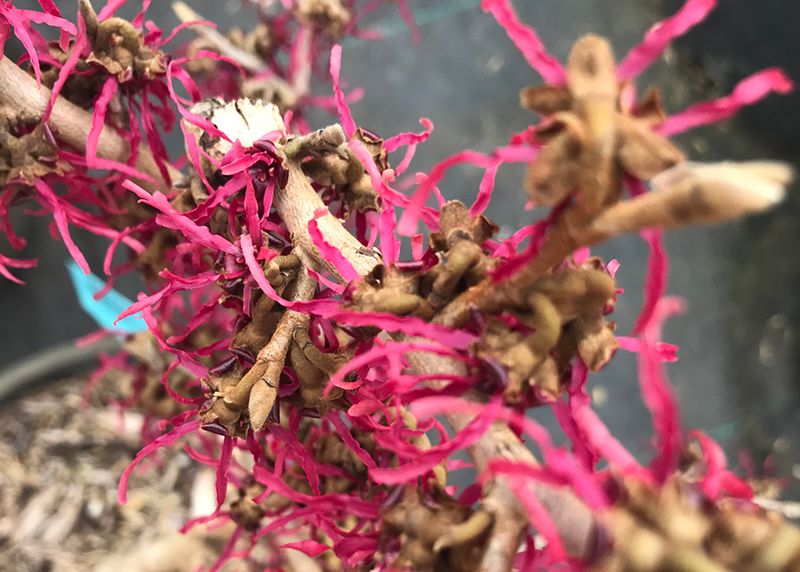
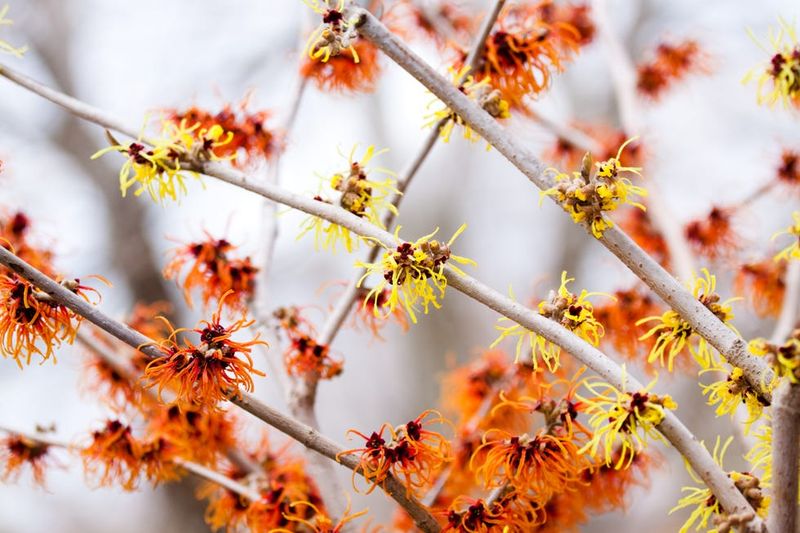
Each named variety, also called a cultivar, has its own personality. Some have lemon-yellow petals, while others glow orange like a campfire.
You can also find red, coppery, and even purplish blooms in the mix.
The color range at the nursery covers yellow, yellow-orange, orange, orange-red, red, red-purple, and purple. Picture a box of crayons, but painted onto spidery little flowers.
On a sunny winter day, the whole field looks like it is sparkling.
Timing is another neat feature. With so many types planted together, something is in bloom from around Halloween until Easter.
That stretch covers the gloomiest months of the year, when most gardens look bare and brown.
Choosing a witch hazel for your yard can feel tricky with so many options. A helpful tip is to plant it where the low winter sun can shine through the petals.
Lit from behind, the flowers seem to glow.
Also think about smell. Some varieties have a much stronger perfume than others.
Placing a fragrant one near a front door or walkway lets you enjoy that sweet scent every time you step outside.
6. Its Witch Hazels Supply Botanical Gardens Across The Country
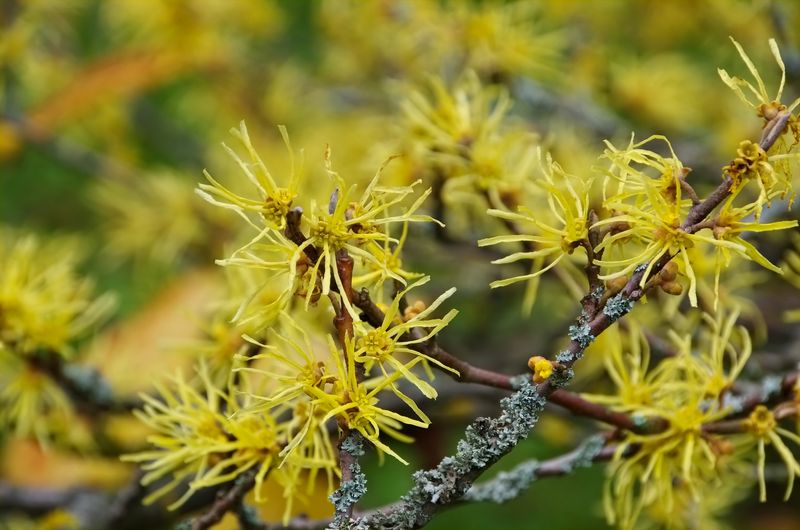
Ever wander through a botanical garden in winter and spot a shrub glowing with color? There’s a decent chance it got its start on a farm in Madison, Ohio.
Brotzman’s witch hazels travel far beyond Lake County. The nursery supplies arboretums and botanical gardens across the United States.
Two examples are the Dawes Arboretum in Ohio and Tyler Arboretum in Pennsylvania.
Gardens like these want plants that are healthy, true to name, and well grown. When a public garden labels a shrub as a certain variety, visitors trust that label.
A nursery with a strong reputation helps make sure the information stays accurate.
Arboretums play a big role in plant education. They let people see mature shrubs in person before buying one for home.
You can compare sizes, colors, and scents side by side, which beats guessing from a picture on a tag.
Brotzman’s also sells to landscapers, towns, re-wholesalers, and mail-order companies. That wide network means its plants end up in parks, office grounds, and home gardens too.
Here’s a handy idea for winter weekends. Check whether a nearby arboretum has a witch hazel collection and plan a visit between January and March.
It is a cheerful way to shake off cabin fever and pick a favorite for your yard.
7. Most Garden Witch Hazels Are Hybrids That Bloom In Winter
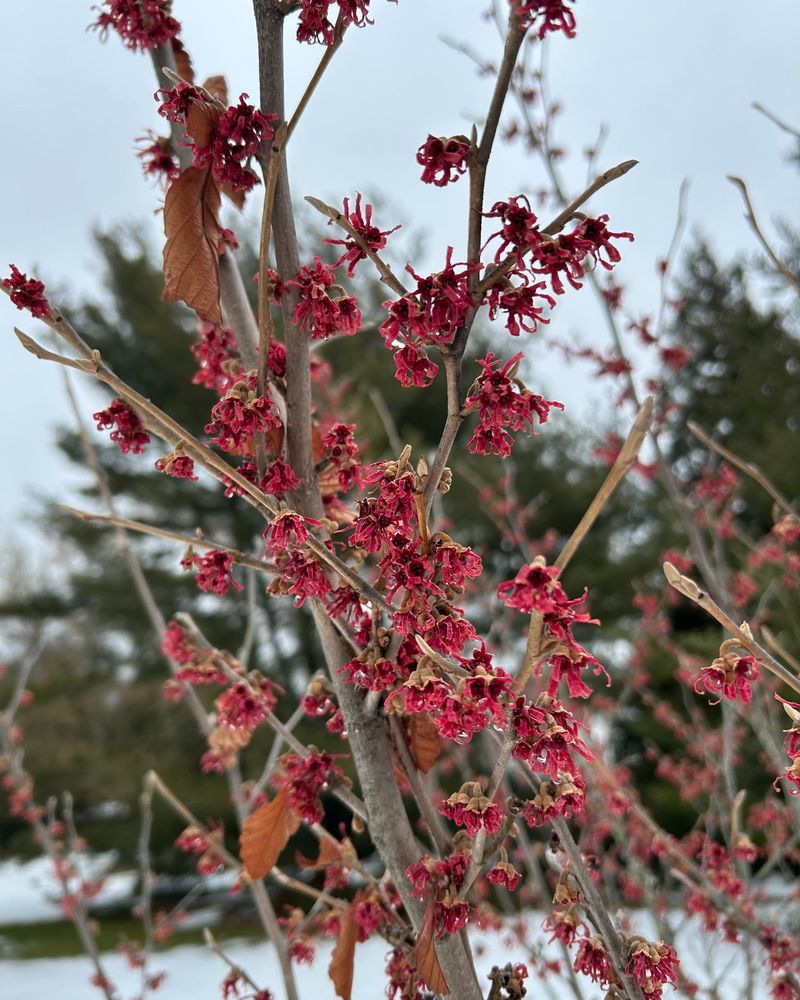
Arnold Promise, Diane, and Jelena sound like characters in a novel. They are actually three of the most popular witch hazels you can plant.
Most witch hazels sold for gardens are hybrids. A hybrid comes from crossing two different kinds of plants, often blending the best traits of each.
Many garden witch hazels come from crosses between Asian species, giving them bigger, brighter blooms.
These hybrids usually flower in the middle to late part of winter. You might see blossoms open anywhere from late January into March.
While snow still covers the lawn, their crinkly ribbon petals add a splash of warmth.
Each one brings something different. Arnold Promise offers cheerful yellow flowers with a lovely scent.
Diane leans toward rich red, and Jelena shows off a coppery orange that almost looks like embers.
Growing a hybrid witch hazel is fairly simple. Give it a spot with sun or light shade and soil that drains well but stays slightly moist.
Most grow slowly into large shrubs, so leave plenty of room.
A bonus perk comes in autumn. Many hybrids turn shades of gold, orange, or red before dropping their leaves.
That means you get two seasons of color from a single plant, which is a pretty sweet deal.
8. Ohio’s Native Witch Hazel Blooms In Late Fall
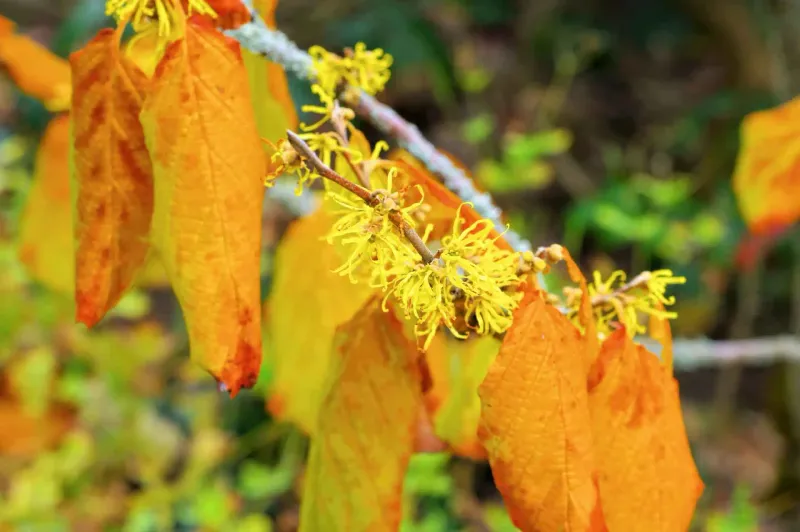
Long before any nursery existed, a humble witch hazel was already blooming in Ohio’s woods. Its name is Hamamelis virginiana, though most folks call it common or American witch hazel.
Unlike its winter-blooming cousins, this native shrub flowers in late fall. Blooms usually show up in October and November, and some plants keep going into early December.
That makes it one of the very last wildflowers of the year.
The flowers are yellow and a bit smaller than those on hybrids. Sometimes they open while the shrub still holds its bright yellow fall leaves.
Because of that, you may need to look closely to notice the blossoms hiding among the foliage.
Native plants bring big benefits. They are adapted to local weather and soil, and they support local wildlife.
Late-season insects, such as certain moths, visit witch hazel flowers when few other food sources remain.
Fun fact time. The witch hazel lotion sold in drugstores is traditionally made from this native species.
People have used extracts from its bark and leaves for generations.
Want to try one at home? It fits nicely at the edge of a woodland or in a shady corner.
Once settled in, it needs little fuss and rewards you with a cheery autumn surprise.
9. Look For Its Plants At Garden Centers And Arboretums
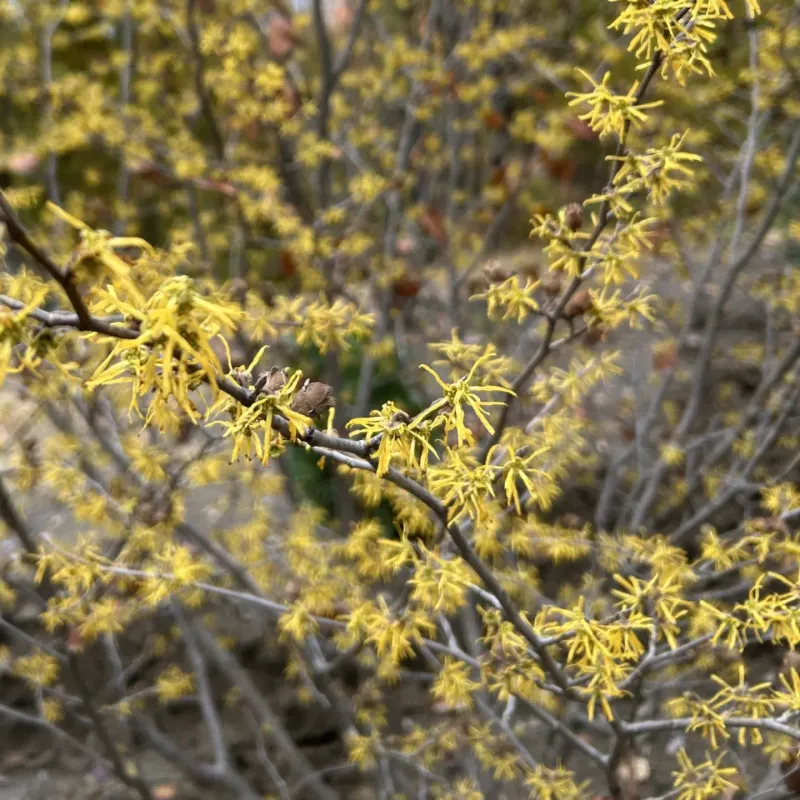
So you can’t just pull into Brotzman’s driveway and shop. Don’t worry, because their witch hazels are easier to find than you might think.
Since it’s a wholesale business, the nursery sells to other companies that pass the plants along. Many local garden centers stock shrubs that were first grown in Madison.
You may already have walked past one without knowing its Ohio roots.
When shopping, read the plant tag carefully. Look for the variety name so you know what flower color and size to expect.
Asking staff where their witch hazels come from can also lead to interesting stories.
Arboretums and botanical gardens offer another way to enjoy these plants. Many display Brotzman-grown witch hazels in their collections.
Some even hold plant sales where you can bring home a variety you admired on the trail.
Timing your purchase helps too. Buying in late winter or early spring lets you see the plant in flower, so you know exactly what you’re getting.
Fall is also a fine season for planting, since cooler weather eases the move.
Once planted, be patient. Witch hazels grow slowly but steadily, and each year the show gets a little bigger.
Before long, your yard will become the bright spot on your block when winter drags on.