The Plant Disease Florida Gardeners Should Watch For After A Wet Weekend And Dry Air
The rain hammers the roof all weekend, the garden drinks up every drop, and then Monday shows up crisp, breezy, and strangely dry. Lovely for your skin.
Your plants have mixed feelings. That weather flip is exactly what one sneaky fungus has been waiting for, and it does not make an entrance.
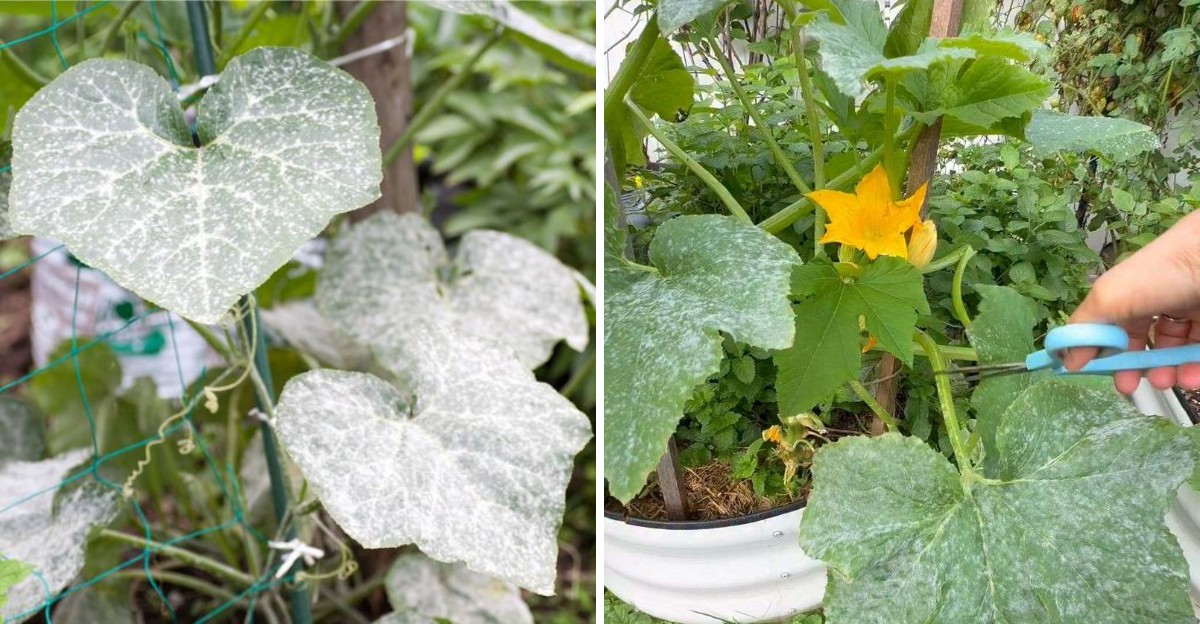
It simply appears, looking like a careless baker dusted a little flour across your leaves and walked away. Powdery mildew loves a Florida swing from damp to dry, and it tends to settle in before most gardeners notice anything is off.
The good news is that the clues are right there on the leaf surface, and catching them early can save your squash, your roses, and a fair amount of patience. Time to learn what to look for.
1. Florida Weather Swings Set The Stage For Powdery Mildew
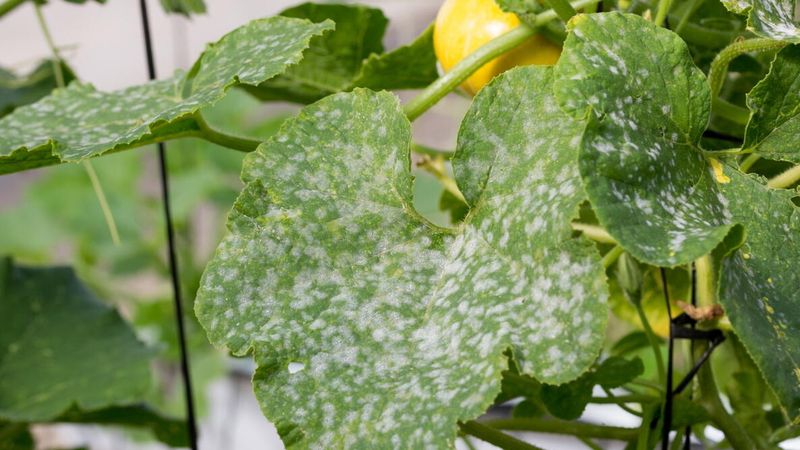
Powdery mildew is a fungus that looks like white flour on leaves. Unlike many diseases, it does not need leaves to stay soaking wet.
Here is the twist that surprises many gardeners. Free water on leaves can actually work against the spores, so it is the humid air around plants, not the rain itself, that helps them germinate.
A rainy weekend raises humidity around plants, which sets the stage for spores to sprout.
Then dry, breezy air arrives and carries those spores across your yard. Low daytime humidity helps them float, while cool, humid nights help them settle in.
So the mix of a wet weekend followed by dry air is a perfect launch pad. Think of the extra humidity as the alarm clock and dry wind as the delivery truck.
Spores land on leaves, sprout within a day or two, and start feeding. Soon, small white spots appear, usually on older leaves first.
Late fall, winter, and early spring in Florida bring these exact swings. Cold fronts push through after rainy spells, dropping humidity fast.
That is why gardeners in Orlando, Tampa, and Gainesville can see spots anywhere from late October through spring. Coastal areas can see it too, especially in shaded beds.
Keep an eye on the weather app after a soggy weekend. If the forecast shows a dry, breezy stretch next, plan a leaf check within three to five days.
Early spotting makes treatment much easier. A quick five-minute walk through your garden can make a huge difference.
2. Spotting The First White Dust On Leaves
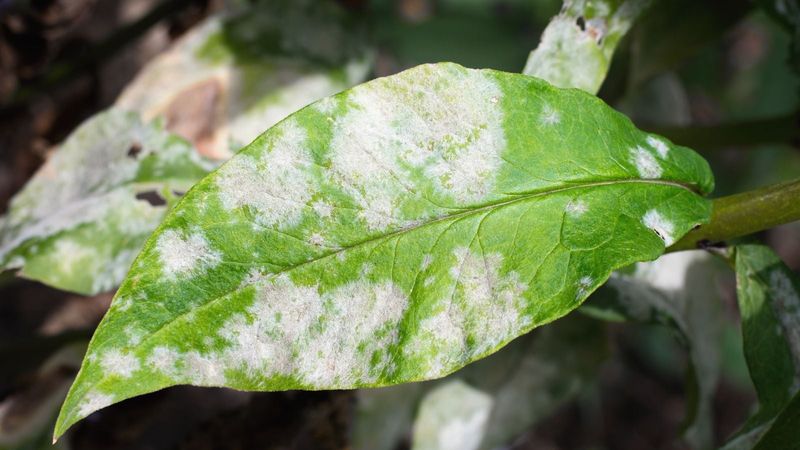
Plenty of gardeners have wiped a cucumber leaf, assuming it was dust or stray paint, only to see the white smudge return a couple of days later.
That is powdery mildew, and it fools plenty of people. Early signs are small, round, white or gray patches that look dusty.
Rub one gently with your finger. If the powder smears off but the spot returns, you likely have this fungus.
Spots often start on older, lower leaves and can appear on either the upper or lower surface. They then grow and join together, covering big sections like a fuzzy blanket.
Your Florida Garden Changes Every Week. Your Plan Should Too.
Gardening in Florida changes quickly throughout the season. Every Friday you’ll receive a simple weekly plan showing exactly what to plant, prune, fertilize, harvest, and protect so you never miss the right timing.
Florida sunlight can make the patches hard to see at noon. Check in the morning or late afternoon, when the light hits leaves at an angle.
Look under leaves too, since some plants show spots there first. Stems, flower buds, and young fruit can carry the dust as well.
As things progress, leaves may turn yellow, curl, or feel crispy. Plants lose energy because the coating blocks sunlight they need for food.
Do not confuse it with downy mildew, which shows yellow patches on top and gray fuzz beneath. Downy prefers long, wet conditions, while powdery favors that dry air swing.
Snap a photo when you see a suspicious spot. Comparing pictures over a few days helps you track whether it is spreading.
3. Florida Plants Most Likely To Catch Powdery Mildew
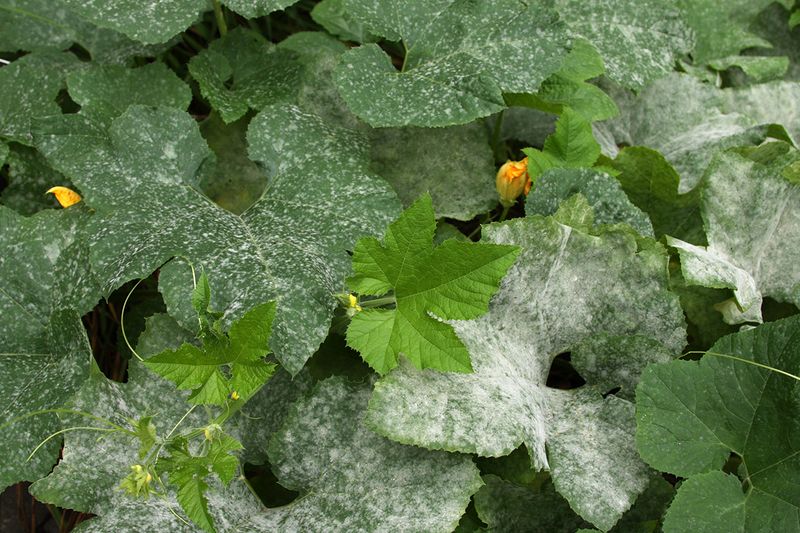
Squash plants are the drama queens of the mildew world. Zucchini, yellow squash, pumpkins, and cucumbers seem to attract it like magnets.
Cantaloupe and watermelon are close behind in many backyards. Their big, broad leaves give spores plenty of room to land.
Beans and peas can also show white patches during cool months. Tomatoes get a type of powdery mildew too, though it is less common.
Flowers are not safe either. Roses, zinnias, and gerbera daisies often get dusted after a damp spell.
Crape myrtles are a classic example. Many homeowners notice whitish new growth on these trees every spring.
Mangoes are another big one in South Florida. The fungus can attack flower clusters, cutting down how much fruit you get that season.
Hydrangeas, begonias, and even some succulents can join the list. Basically, if a plant has soft new growth, it can be a target.
Knowing your high-risk plants helps you focus your energy. Check those first after any wet weekend followed by dry, breezy days.
A simple garden notebook works wonders here. Jot down which plants got mildew last year, and you will know where to look next time.
4. Smart Watering Habits For Florida Gardens
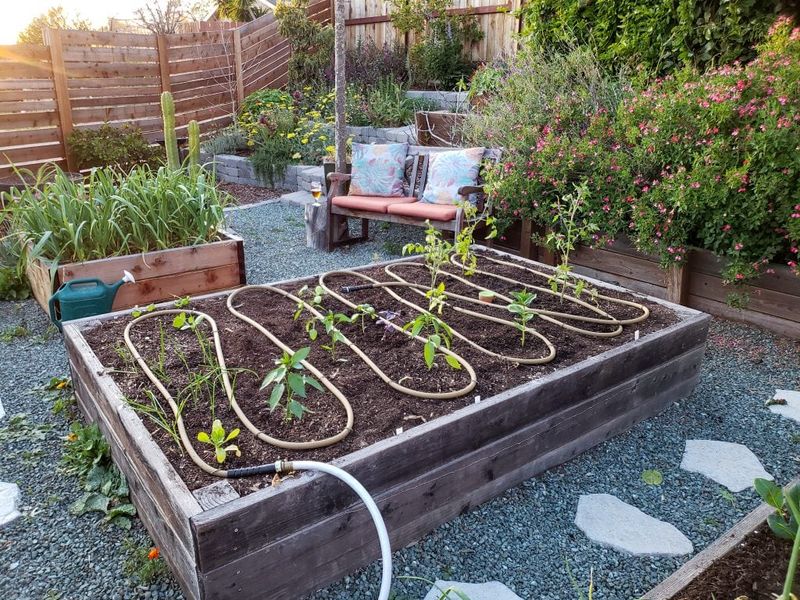
Watering seems simple until a fungus starts taking notes. How and when you water can either invite trouble or slam the door on it.
Aim water at the soil, not the leaves. Soaker hoses and drip lines are great tools for this job.
Morning is the best time to water. Leaves have all day to dry, and plants get a drink before the heat builds.
Evening sprinkling leaves foliage damp through cool nights. That gives spores a comfy spot to sprout.
After a soggy weekend, skip watering for a few days. Push a finger two inches into the soil, and only water if it feels dry.
Sandy soil drains fast, so plants may need water sooner than you think. Still, overwatering creates weak, leafy growth that mildew loves.
Mulch helps keep moisture steady without soaking leaves. Pine straw or shredded leaves work nicely and stop soil from splashing onto plants.
If you use a sprinkler system, check the spray pattern. Adjust heads so they hit beds, not the lower leaves of your squash.
Small changes here add up quickly. Better watering means healthier plants that can shrug off fungus much more easily.
5. Give Plants Room To Breathe
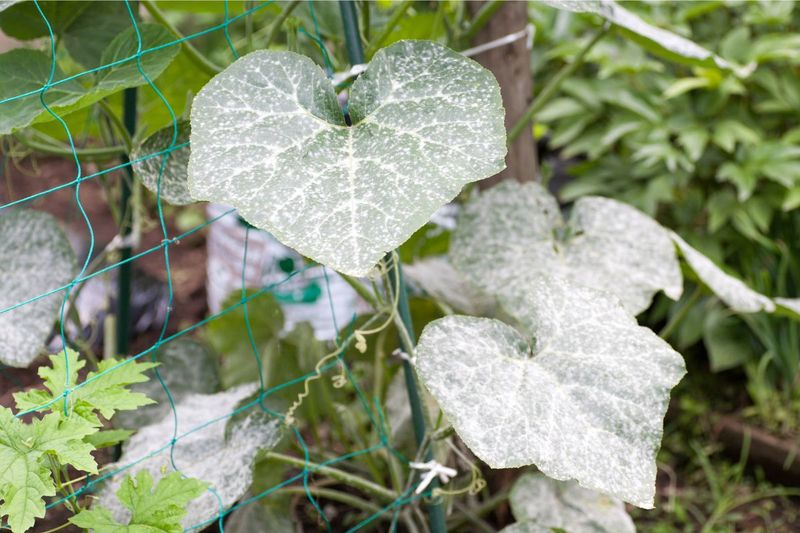
Crowded plants are like a packed elevator on a muggy day. Nobody gets fresh air, and trouble spreads fast.
Good airflow helps leaves dry and makes life harder for fungus. Proper spacing is one of the easiest prevention tricks around.
Read seed packets and plant tags for spacing tips. Squash usually needs about two to three feet between plants, sometimes more.
Thin seedlings early, even when it feels painful. Removing a few extra sprouts gives the rest a stronger start.
Prune lower leaves that touch the ground or crowd the center. Clean shears between cuts so you do not carry spores around.
Shade is another factor many Florida gardeners overlook. Powdery mildew often thrives in partly shaded spots with still air.
Move potted plants into brighter areas when possible. Most vegetables want six to eight hours of direct sun anyway.
Trellises help vining crops like cucumbers climb up instead of sprawling. Lifted leaves catch breezes and dry faster after rain.
Trim overgrown shrubs and trees around your garden beds as well. A little breathing room for your yard can mean fewer white spots on your plants.
6. Kitchen Remedies Gardeners Swear By
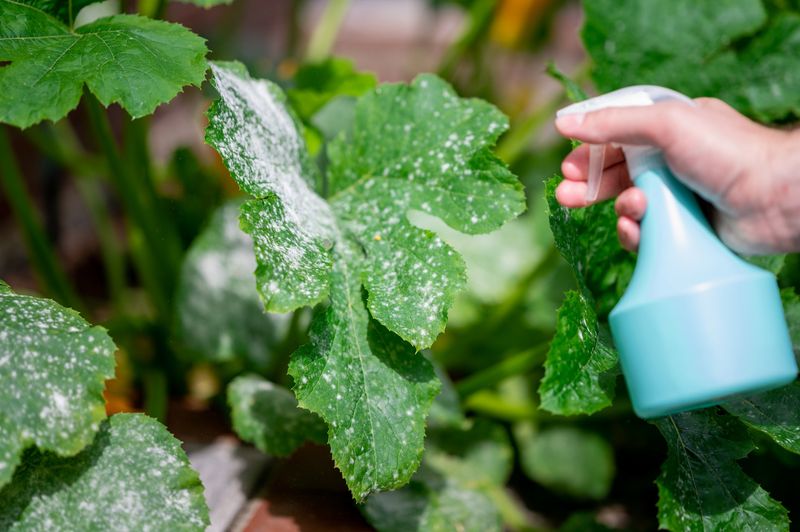
Grandma had a spray bottle for everything, and she might have been onto something. Some pantry items can slow powdery mildew when it first appears.
A baking soda spray is a popular choice. Mix one tablespoon of baking soda, a few drops of mild dish soap, and one gallon of water.
Potassium bicarbonate works even better than regular baking soda. Many garden centers sell it ready to mix.
Milk spray has fans too. Try one part milk to two or three parts water, and spray leaves on a sunny morning.
Researchers have found that milk can help control mildew on squash. Scientists think proteins react with sunlight to fight the fungus.
Test any spray on a few leaves first. Wait two days to make sure nothing burns or spots.
Avoid spraying during the hottest part of a Florida afternoon. Strong sun plus spray can scorch tender foliage.
Repeat every seven to ten days, and again after rain washes it off. Consistency matters more than strength here.
These remedies work best as prevention or early treatment. Heavy infections usually need stronger help, which the next section covers.
7. Store-Bought Treatments That Work
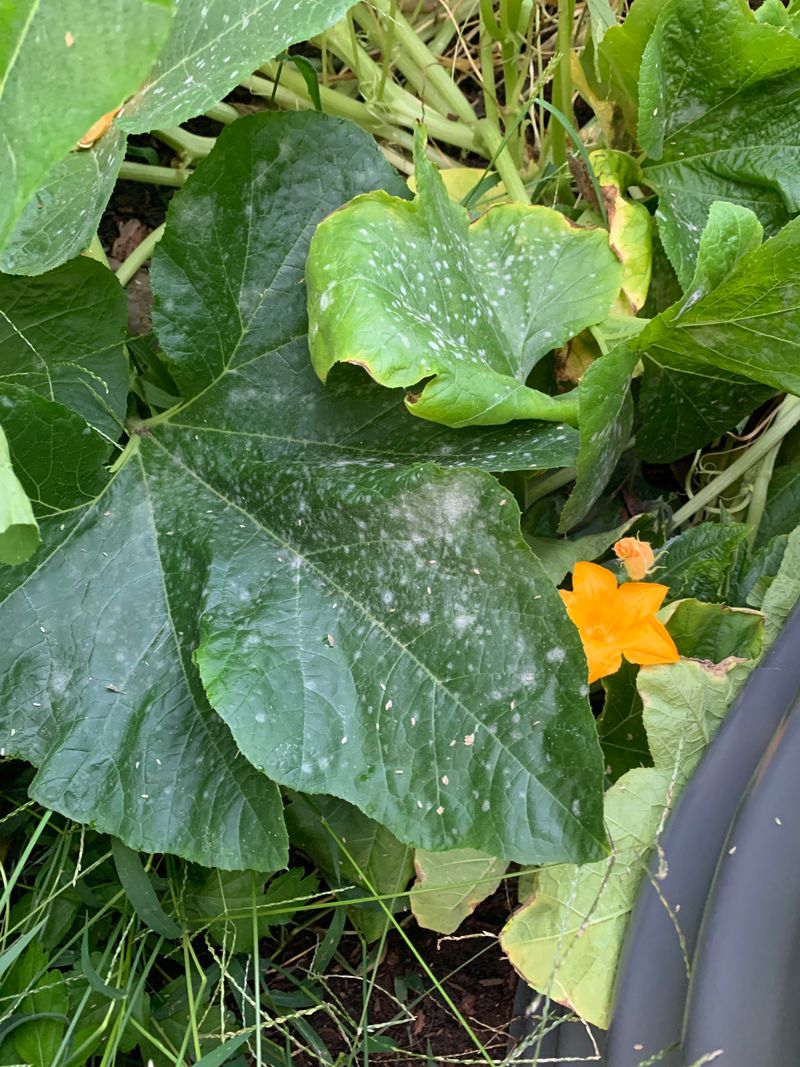
Sometimes the kitchen cabinet just is not enough. When white patches keep spreading, garden store products can step in.
Neem oil is a favorite for organic gardeners. It helps smother the fungus and can also bother insects like aphids.
Horticultural oils work in a similar way. Spray them in early morning or evening, when temperatures stay below about 90 degrees.
Sulfur is one of the oldest mildew fighters known. Farmers have used it for over a century, and it still works today.
Do not mix sulfur and oil sprays within a couple of weeks of each other. Together, they can burn leaves badly.
Copper fungicides and products with Bacillus subtilis are other options. The University of Florida extension offers guides on choosing safe products.
Read every label carefully before spraying. Labels tell you which plants are safe, how much to use, and how long to wait before harvest.
Wear gloves and avoid spraying on windy days. Florida breezes can push spray onto you or onto pollinator flowers.
Rotate between product types when possible. Switching it up helps keep the fungus from building resistance over time.
8. Cleanup Tips To Stop Powdery Mildew
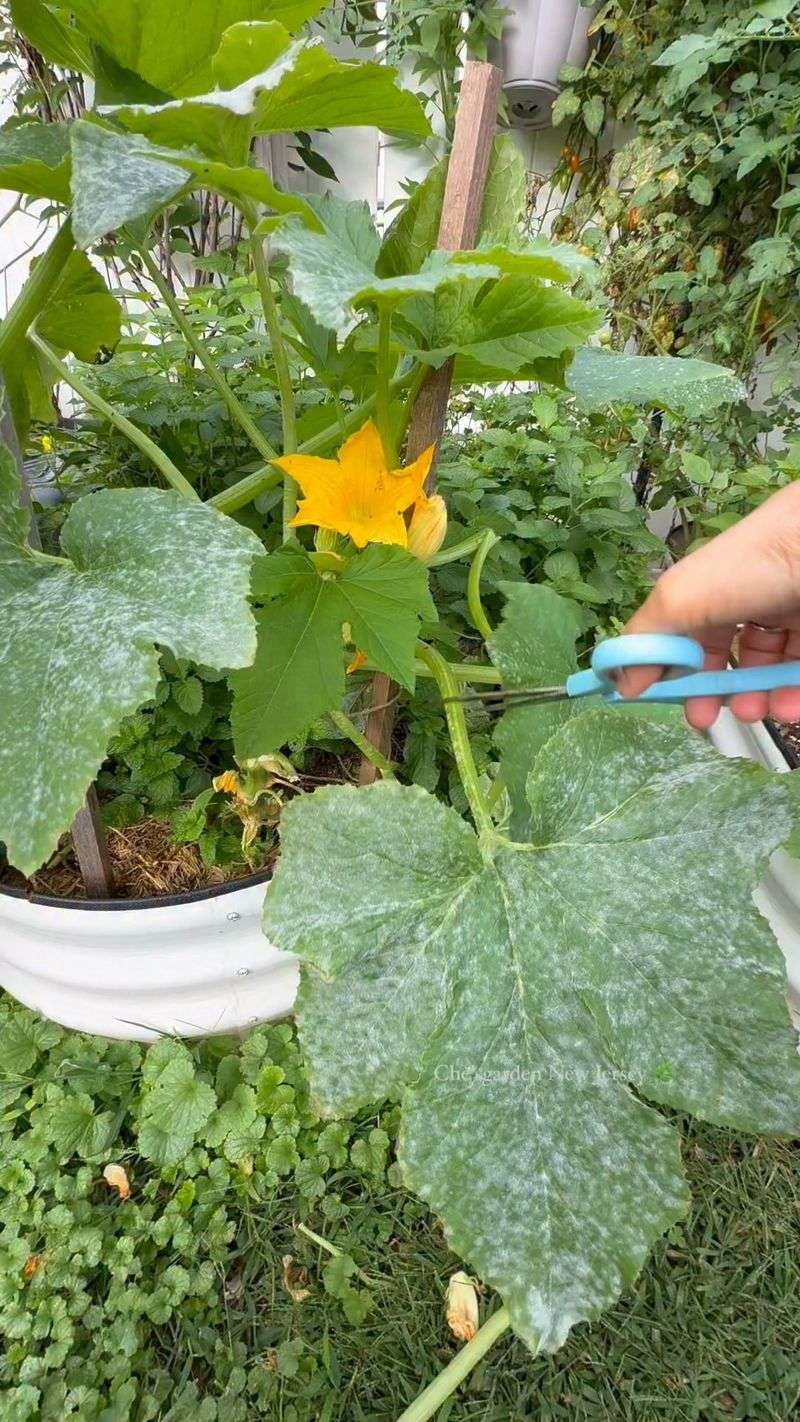
Nobody puts garden cleanup on their fun list. Yet a tidy yard still helps keep mildew in check.
Remove badly infected leaves as soon as you see them. Bag them and toss them in the trash, not the compost pile.
Home compost piles rarely get hot enough to destroy every pathogen, so the trash is the safer choice for sick leaves.
Clean your pruners with rubbing alcohol after working on mildewed plants. Wipe gloves and tools before touching healthy ones.
Powdery mildew mostly survives on living plants in Florida, since the fungus needs a live host. That makes it worth watching crape myrtles, roses, and other perennials that keep growing through the cooler months, and removing heavily infected leaves and shoots from them.
At the end of each season, pull spent squash and melon vines. Long growing seasons can let the fungus move from old crops to new ones.
Rotating crops is still good garden practice, but it does little against powdery mildew on its own, since the spores travel easily on the wind.
Wash your hands after handling infected plants too. It is a simple habit that helps keep things clean between beds.
Think of cleanup as a reset button for your garden. A few minutes each week saves hours of treatment later.
9. Resistant Varieties Make Gardening Easier

Why fight a battle you can skip? Choosing tough plant varieties is like giving your garden a raincoat before the storm.
Many seed companies label plants with letters like PM, meaning powdery mildew resistance. Look for that tag on squash, cucumber, and melon packets.
Resistant does not mean the plant cannot get sick. It just means the plant handles fungus far better and keeps producing.
Some squash choices handle mildew well, like certain hybrid zucchini types. Marketmore cucumber varieties are often recommended too, and checking the seed packet for a PM rating is the surest way to confirm.
For flowers, newer crape myrtle types bred at the National Arboretum resist mildew nicely. Many carry Native American tribe names, like Natchez and Tuscarora.
Zinnias in the Profusion and Zahara series are tougher than older types. They keep blooming even after damp spells followed by dry air.
Visit a local Florida nursery and ask what grows well nearby. Staff often know which plants struggle in your neighborhood.
The University of Florida extension office also shares variety lists. Their advice fits our sandy soil and quirky weather.
Starting with strong plants means less spraying and more harvesting. Your weekends will feel much more relaxed too.