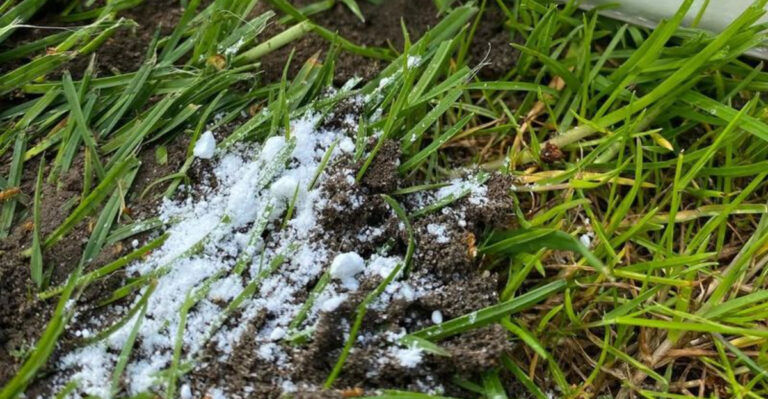
What To Do When You’re Stung By Fire Ants In North Carolina, And Why You Should Never Pop The Blisters

A fire ant sting feels like a tiny flame, and the aftermath is stranger. Within a day, a white blister rises where each ant bit. It itches, it looks awful, and nearly everyone is tempted to pop it.
That is the one thing doctors ask you not to do. The blister is a sterile bubble, and breaking it opens the skin to infection. What helps is simpler and kinder to your skin.
A few early steps can calm the pain and keep the itching down. Most stings are only miserable, but some reactions are serious, and the warning signs are worth learning before you need them.
North Carolina yards are full of mounds, so a stung ankle is a matter of when. Knowing what to do, and what to leave alone, makes that day much easier.
1. Move Away And Brush Ants Off Quickly
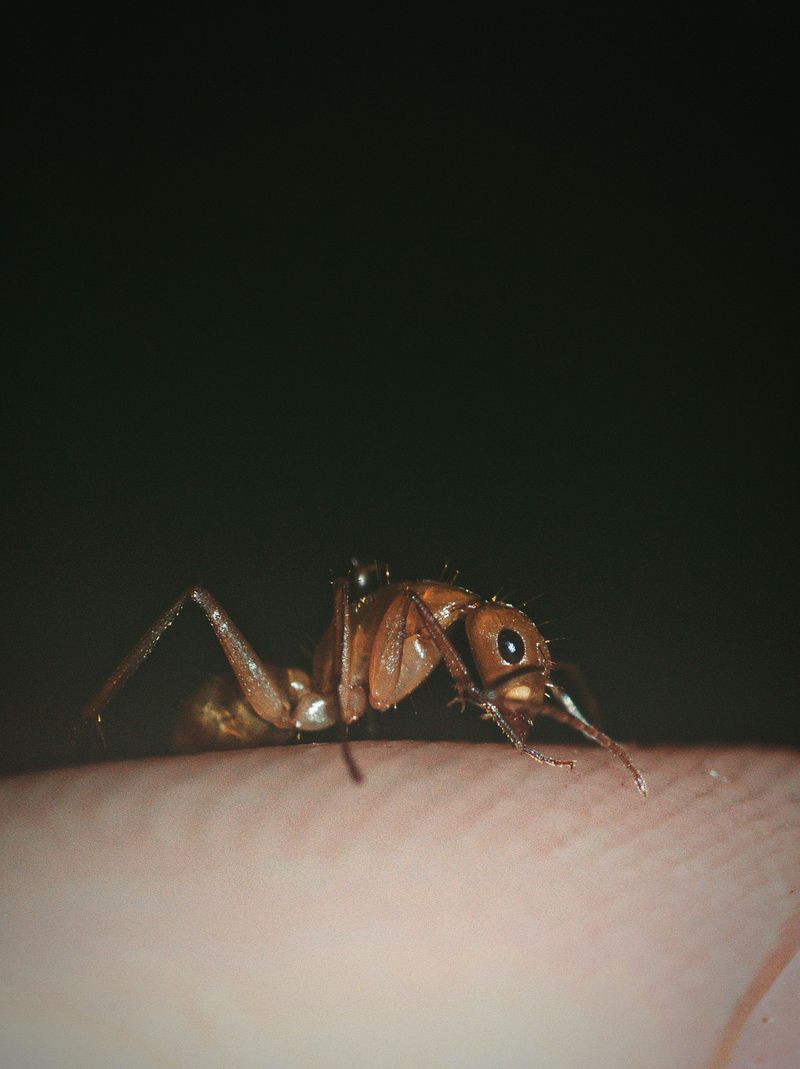
Seconds count the moment your shoe sinks into a fire ant mound. Red imported fire ants, known to scientists as Solenopsis invicta, defend their homes with surprising speed.
Dozens of them can race up your feet and legs before you even notice a single bite. Each ant grabs your skin with its jaws and then curls its body to sting.
Worse still, one ant can pivot and sting again and again in a small circle. The longer they stay on you, the more stings you collect, so fast action really pays off.
Your first move is simple: get away from the mound right now. Walk several steps off to a clear spot so more ants cannot join the attack. Once you are safe, start brushing the ants off firmly with your hand, a towel, or a piece of cloth.
Slapping might feel natural, but it usually makes things worse. A sudden smack can press ants into your skin and cause them to sting even harder. A strong, sweeping brush works much better because it knocks them loose without squeezing them.
Next, check your shoes, socks, and pant legs. Ants love to hide in tight spaces, and they will keep stinging if they stay trapped against your skin. Pull off any clothing they have crawled into and shake it out well away from your body.
Here in North Carolina, fire ant mounds pop up all over lawns, parks, ball fields, and playgrounds, especially across the Piedmont and Coastal Plain.
They often look like loose, fluffy piles of soil with no clear opening on top. Learning to spot them, and reacting quickly when you miss one, can turn a painful afternoon into just a minor annoyance.
2. Wash The Area With Soap And Water

Soap and water might sound too plain to matter, yet they are one of your best tools after a fire ant attack. A quick wash clears away leftover venom sitting on the skin. It also removes the dirt and germs that come along with a tumble near an ant mound.
Fire ant stings often leave tiny breaks in the skin. Those little openings give bacteria an easy way inside, which can lead to trouble later. Cleaning the area early lowers that risk and gives your body a fresh start for healing.
Your North Carolina Garden Changes Every Week. Your Plan Should Too.
Gardening in North Carolina changes quickly throughout the season. Every Friday you’ll receive a simple weekly plan showing exactly what to plant, prune, fertilize, harvest, and protect so you never miss the right timing.
Head to a sink, garden hose, or even a water bottle as soon as the ants are gone. Use mild soap and cool water, since cool water also feels soothing on hot, burning skin. Wash the area gently, moving your hand in slow circles instead of rubbing hard.
Scrubbing can feel like it gets things extra clean, but it actually irritates stung skin. Rough rubbing may also open the sting spots wider. A soft touch does the job just fine.
When you finish, pat the skin dry with a clean towel. Avoid wiping back and forth, which can drag across the sore bumps. Keeping the area clean and dry for the next few days helps too.
For North Carolina families, this step is a big one. Kids spend long hours running through backyards, school fields, and parks where fire ants live. A little one may not even see the mound until the stinging starts.
Keeping soap and a small towel in your outdoor bag or car means you can clean up quickly wherever the next sting surprise happens.
3. Use Cold To Ease Pain And Swelling

There is a reason people call them fire ants. Their venom causes a hot, burning pain almost the moment the sting lands. Swelling usually follows quickly, leaving the skin red, puffy, and sore.
Cold is your friend here. Chilling the area helps calm the burn and keeps swelling from spreading. It works by narrowing tiny blood vessels near the skin, which slows down the puffiness and dulls the pain signals.
Grab a cold pack, a bag of ice, or even a bag of frozen peas from the freezer. Always wrap it in a thin towel or cloth first, because ice placed right on the skin can cause irritation or frostbite. Then hold it against the stings for about 10 to 20 minutes at a time.
After that, give your skin a short break. You can repeat the cold treatment as often as you need during the first several hours. Many people find that the sharpest pain fades a lot after a few rounds.
A cool, damp washcloth can also help if you are outside without ice. Keep it handy and refresh it with cold water whenever it warms up. Resting the stung arm or leg in a raised position may ease swelling a little more.
Across North Carolina, plenty of stings happen during everyday yard chores. Gardeners kneel in flower beds, homeowners push mowers over hidden mounds, and folks pull weeds along fence lines.
Keeping a reusable cold pack in the freezer means relief is only a few steps away when the burning starts.
4. Treat The Itch Without Scratching

Just when the burning finally settles down, the itching moves in. Fire ant stings can itch like crazy for several days. Many people say this part bothers them more than the sting itself.
Scratching feels great for a moment, but it causes real problems. Fingernails can break the skin and push germs into the sore spots. That can turn a simple sting into an infection that takes much longer to heal.
Luckily, you have some easy options at the drugstore. An over-the-counter hydrocortisone cream can calm redness and itching when you rub a thin layer onto the stings. Soothing lotions, such as calamine, offer another cool and gentle choice.
For bigger itchy patches, an oral antihistamine may help. These medicines work from the inside to quiet your body’s itchy response. Always read the package and follow the directions closely, since some types can make you sleepy.
Children need extra care. Talk with a doctor or pharmacist before giving any medicine to a child, even one sold without a prescription. They can help you pick the right product and the right amount.
A few simple tricks make a difference too. Keep fingernails trimmed short, wear loose clothing over the stings, and use a cool cloth when the urge to scratch gets strong. North Carolina gardeners know how busy spring, summer, and fall can be.
Between planting, weeding, and harvesting, stings tend to pile up during those outdoor months. Stocking a small itch relief kit in your shed or garage keeps you comfortable and back in the garden faster.
5. Expect White Pustules, And Don’t Pop Them
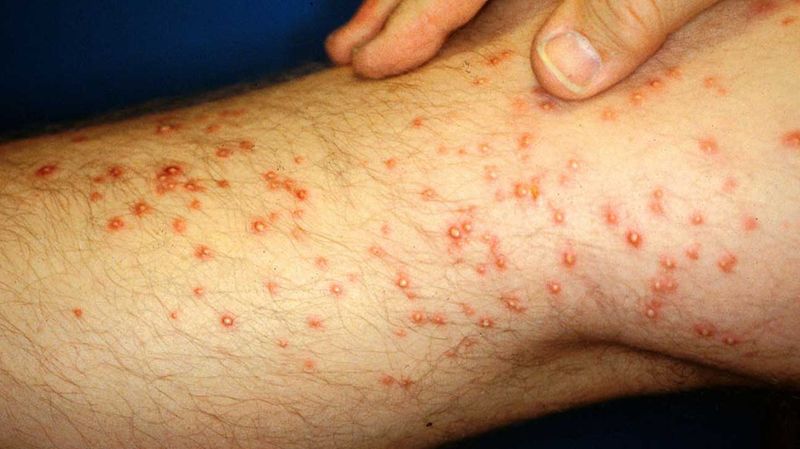
Wake up the morning after a fire ant attack and you may see something strange. Small white bumps have appeared right where each sting landed. They look like tiny blisters filled with cloudy liquid.
Those bumps are called pustules, and they show up on most fire ant stings within about a day. Many people panic and think the stings are infected. In truth, the pustules are your body’s normal reaction to the venom, not a sign of infection.
Here is the most important rule: leave them alone. Do not pop, squeeze, pick, or scratch them, no matter how tempting it feels. Breaking a pustule open creates a doorway for bacteria to slip into your skin.
Once germs get in, an infection can follow. Popped pustules are also more likely to leave behind scars or dark spots that last a long time. Keeping them whole is the best way to protect your skin.
Your job is simple. Keep the area clean and dry, wash gently with soap and water, and wear loose clothing that will not rub. A loose bandage can shield pustules from accidental bumps, especially on kids.
Patience matters too. Pustules usually fade over about a week, though some take a little longer. Your body slowly absorbs them on its own.
For North Carolina families, these white bumps are a telltale clue that fire ants were the culprits. Parents sometimes treat them like regular blisters that need draining. Knowing the truth helps you skip that mistake and lets the skin heal cleanly.
6. Watch For Signs Of Infection
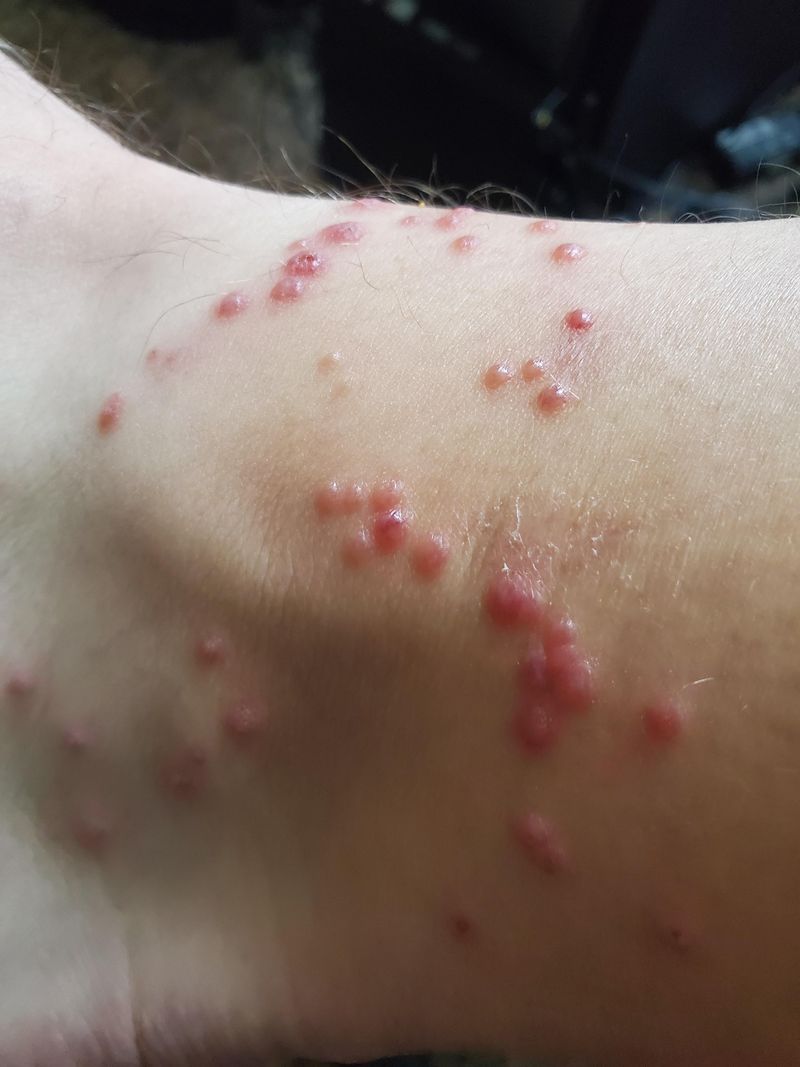
Most fire ant stings heal on their own without any trouble. Still, things can change if a pustule gets scratched or broken open. Bacteria may sneak into the skin and cause an infection that needs a doctor’s care.
Knowing the warning signs helps you catch problems early. Check the sting spots once or twice a day, especially on children who may not notice changes. A quick look takes only a few seconds.
Pay attention to redness that grows and spreads beyond the sting itself. Skin that feels warm to the touch is another clue. Swelling that gets worse after a few days, instead of better, also deserves attention.
Thick, yellow, or green drainage coming from the area is a red flag. So are red streaks stretching away from the sting across the skin. A fever means the infection could be spreading, so take it seriously.
If you notice any of these signs, call your doctor. Many skin infections clear up well with proper treatment, such as prescription antibiotics. Waiting too long can make them harder to treat.
Until you get checked, keep the area clean and covered with a clean bandage. Avoid trying home remedies on infected skin without medical advice. Your doctor can tell you exactly what will help.
North Carolina summers are famous for warm, sticky, humid days. That moisture can keep skin damp under clothes and socks, which gives bacteria a cozy place to grow.
Staying alert during the muggy months gives you a real edge in keeping small stings from turning into bigger problems.
7. Know The Signs Of A Serious Allergic Reaction
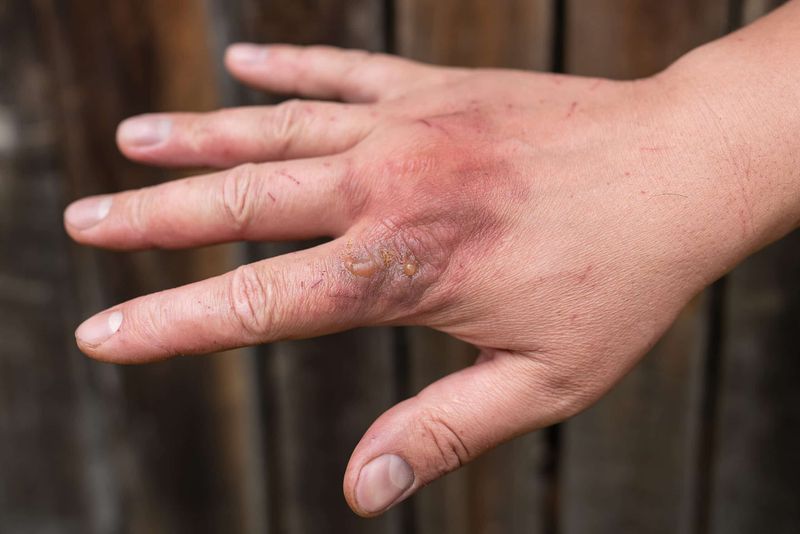
For a small number of people, a fire ant sting is far more than an itchy nuisance. Some bodies react strongly to the venom. That reaction, called anaphylaxis, can build fast and become life threatening within minutes.
Anyone can develop this allergy, even if past stings caused only mild bumps. That is why everyone should know the warning signs. Quick action makes a huge difference.
Call 911 right away if someone has trouble breathing or starts wheezing. Swelling of the face, lips, tongue, or throat is an emergency too. Watch for hives spreading over the body, dizziness, fainting, or a racing heartbeat.
If the person has a prescribed epinephrine auto-injector, use it immediately. Follow the directions printed on the device, usually pressing it firmly against the outer thigh. Epinephrine can quickly ease the reaction while help is on the way.
Even after the shot, the person still needs emergency care. Symptoms can return, so stay with them and let medical crews take over. Keep them calm and lying down unless breathing is easier sitting up.
After any strong reaction, talk with a doctor about allergy testing. An allergist can confirm the problem and may suggest treatments that lower future risk. They can also prescribe an auto-injector to carry everywhere.
Across North Carolina, fire ant stings rank among the most common causes of insect allergy reactions.
With mounds in so many yards and parks, being prepared simply makes sense. Learning these signs today could help you protect a friend, a child, or yourself tomorrow.