7 Strong Scents That Draw Coyotes To Your Pennsylvania Yard
Deer season is a big deal in Pennsylvania. Every fall, thousands of hunters bring their harvest home to process in garages, sheds, and backyards.
The leftover scraps and bones might end up in the trash or tucked behind the barn. To a coyote, that’s an open invitation.
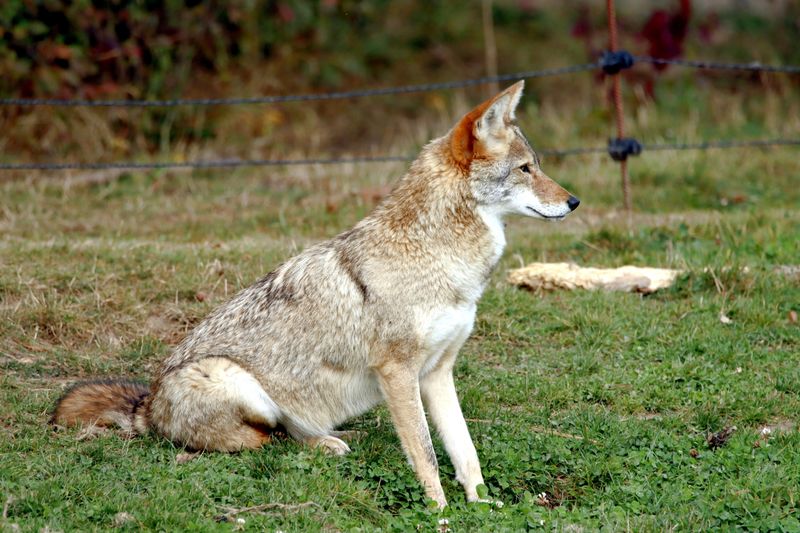
These clever predators have an incredible sense of smell, and they rely on it to find their next meal. Hunting scraps are just one example.
Backyard chicken coops, overflowing garbage cans, compost piles, pet food left on the porch, and even spilled birdseed that attracts mice can all send strong signals across the neighborhood.
Once a coyote finds a reliable food source, it often comes back again and again. Many of these scents seem harmless until they start drawing unwanted visitors.
Knowing what coyotes are sniffing out can help you make your yard far less tempting this season.
1. Garbage And Food Scraps
Ever walked outside on trash day and found garbage scattered across the driveway? Raccoons often get the blame. In many Pennsylvania neighborhoods, coyotes are just as likely to be the culprits.
Trash cans are packed with tasty smells. Chicken bones, meat wrappers, old leftovers, and greasy pizza boxes all give off strong odors. As that garbage sits and warms up, the smell gets even stronger.
Coyotes can catch that scent from a long distance. A flimsy lid or a bag left on the curb overnight makes things way too easy. One good meal teaches them to visit again.
Start with a sturdy can that has a tight-fitting lid. Locking lids or bungee cords work great for keeping clever animals out. Heavy plastic or metal cans hold up better than thin ones.
Where you keep the can matters too. A garage, shed, or fenced area is the best spot until pickup day. Try to put trash out the morning of collection instead of the night before.
A few extra tricks help cut down on odor. Double-bag meat scraps and bones before tossing them. You can also freeze very smelly scraps and throw them out right before pickup.
Keep the cans themselves clean. Rinse them with a hose and a little dish soap every few weeks. A sprinkle of baking soda in the bottom can help soak up leftover smells.
Talk with your neighbors as well. If one house on the street leaves trash exposed, coyotes will hang around the whole block. Working together keeps everyone’s yard calmer and cleaner.
2. Pet Food Left Outside
Your dog thinks dinner is the best part of the day. A coyote nearby feels exactly the same way. Kibble and canned pet food have a rich, meaty smell that drifts far on a cool evening breeze.
Many people leave bowls on the porch so pets can snack whenever they want. That habit works fine during the day, but nighttime is a different story. Coyotes do most of their roaming after dark, and an open bowl is like a free buffet sign.
Your Pennsylvania Garden Changes Every Week. Your Plan Should Too.
Gardening in Pennsylvania changes quickly throughout the season. Every Friday you’ll receive a simple weekly plan showing exactly what to plant, prune, fertilize, harvest, and protect so you never miss the right timing.
Wet cat food is even stronger. Its fishy, oily scent can travel across a whole neighborhood. Outdoor cats in Pennsylvania towns often get fed on steps or decks, which puts the food right next to the house.
Fixing the problem is pretty easy. Feed your pets indoors whenever you can. If they must eat outside, stay with them and bring the bowl in as soon as they finish. Even an empty bowl holds crumbs and smells, so rinse it out too.
Water bowls matter less, but they can still draw wildlife during dry summer weeks. Try to keep those inside at night as well. Store big bags of pet food in a garage or pantry inside a sealed plastic or metal bin.
Here is a fun fact. A coyote’s nose is thought to be many times stronger than a human’s. It can pick up faint food smells from far away, even through a light wind.
Once a coyote learns your porch means food, it may keep checking back. Breaking that habit early protects both your pets and the coyote. A bowl brought inside tonight could save you a lot of worry later.
3. Compost Piles With Food Scraps
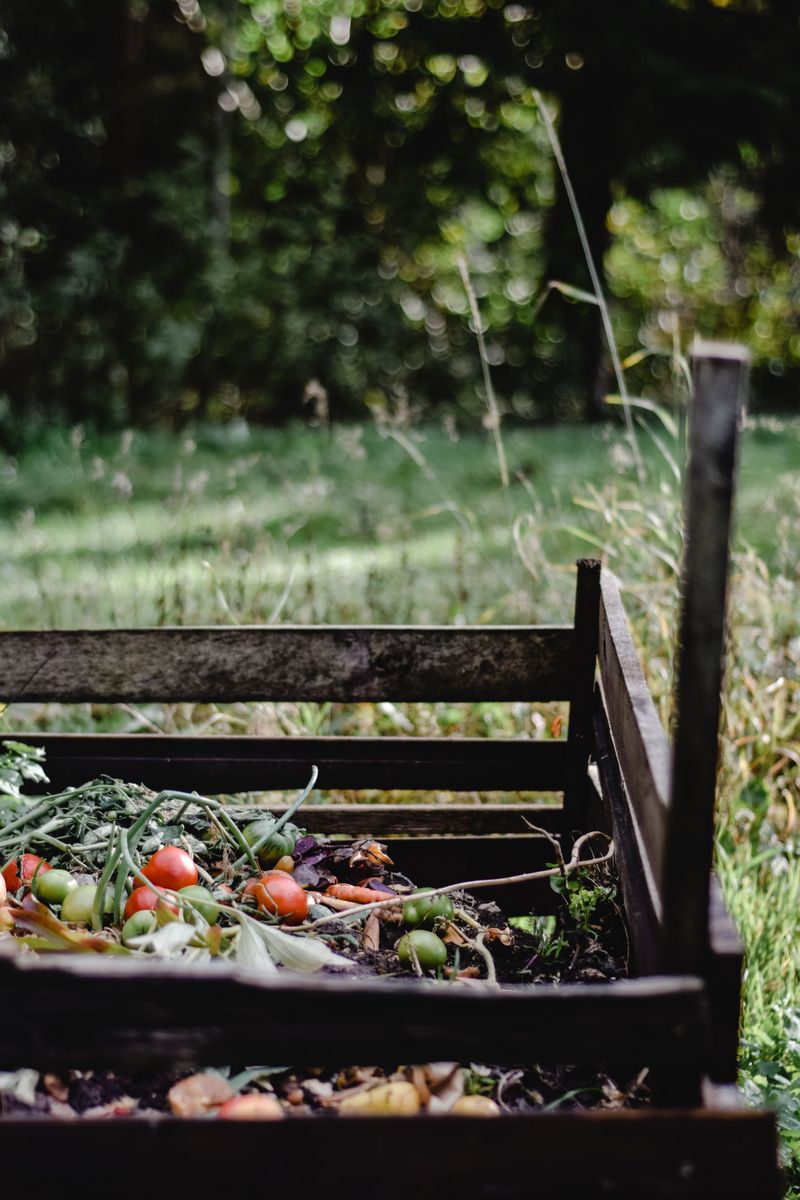
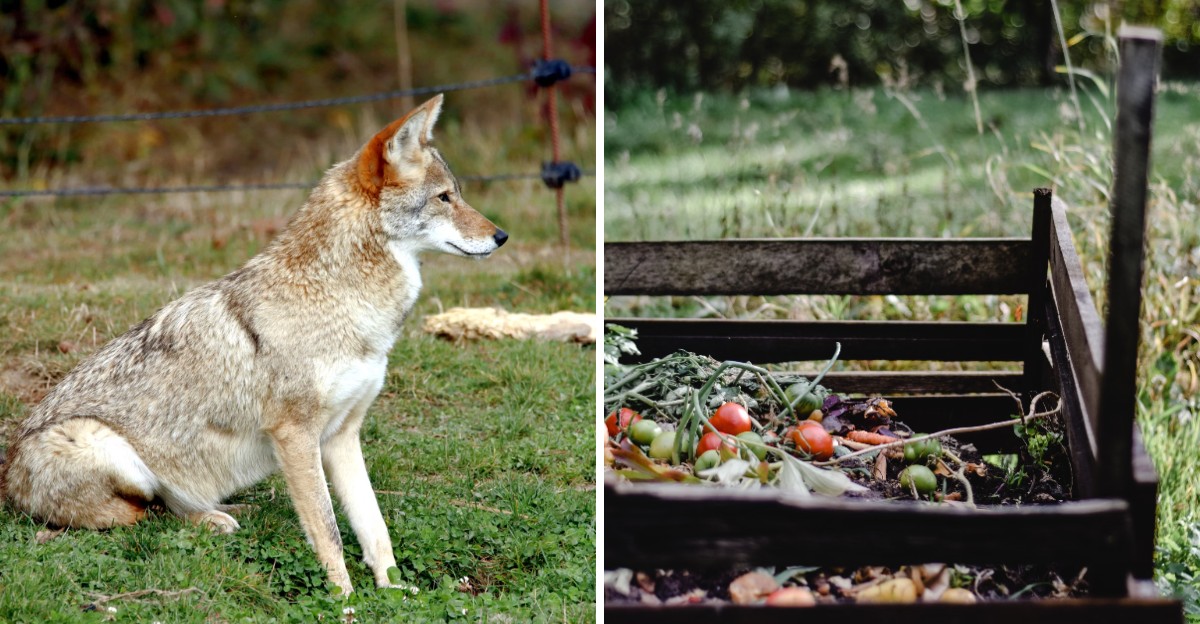
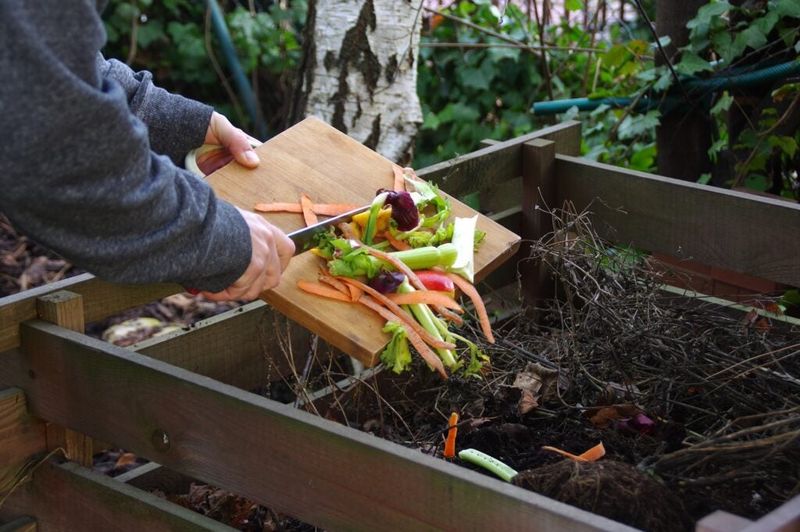
Gardeners love compost, and honestly, so do coyotes. That rich pile of rotting scraps smells like a treasure hunt to a hungry animal. The trick is knowing what goes in and how to cover it.
Meat, dairy, and greasy foods are the biggest troublemakers. Cheese, bacon fat, fish skins, and leftover chicken all create powerful odors. They also break down slowly, so the smell lingers for days.
Keep these items out of your pile completely. They belong in the trash, sealed tight. Your compost will also work better without them.
Fruit and vegetable scraps are fine, but they still need care. Uncovered peels and cores can attract coyotes, along with skunks, raccoons, and even bears in some parts of Pennsylvania. Always bury fresh scraps under a layer of brown material.
Good brown materials include dry leaves, straw, shredded paper, and sawdust. Aim for roughly two or three parts brown to one part green. The brown layer acts like a lid that traps smells inside.
An enclosed bin is even better. Look for a compost tumbler or a bin with a solid lid and a sturdy base. Some folks add hardware cloth under the bin so animals cannot dig in from below.
Placement helps too. Set your compost away from the woods edge and closer to your house where activity is higher. Coyotes feel less safe near busy spots.
Turning the pile often keeps it hot and breaking down fast. A hot pile smells earthy instead of rotten. That small change can make a big difference in who comes to visit.
4. Grease From Barbecue Grills
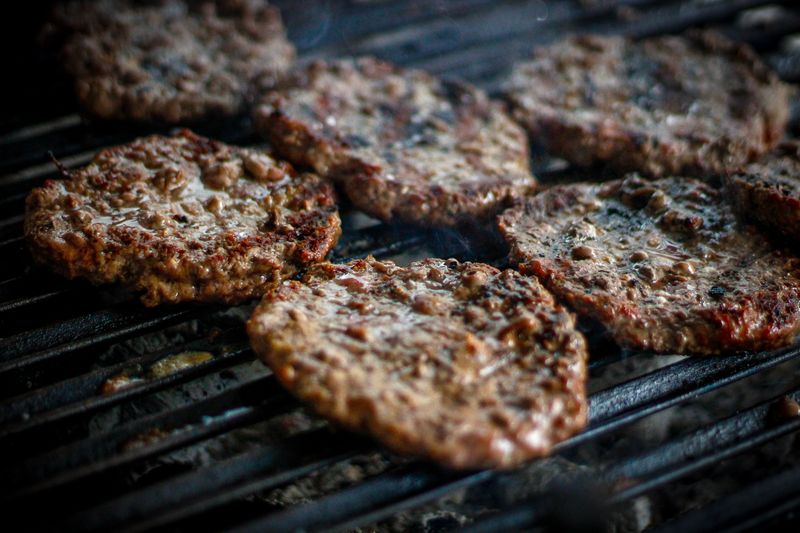
Burgers on Saturday, hot dogs on Sunday, and a dirty grill all week long. Sound familiar? Plenty of Pennsylvania families fire up the grill all summer and forget about the mess left behind.
That leftover grease is a big deal to wildlife. Drippings from burgers, steaks, and chicken soak into grates and pile up in grease traps. The smell is rich, smoky, and meaty, which is exactly what a coyote wants.
Grills often sit on decks or patios close to the house. So a coyote following that scent ends up right near your back door. Raccoons, skunks, and bears may show up for the same reason.
The fix starts with a simple routine. After you finish cooking, let the grill stay hot for a few minutes to burn off food bits. Then scrub the grates with a grill brush once they cool a bit.
Next, check the grease trap or drip tray. Empty it often, ideally after every cookout. Pour the grease into an old can, let it harden, and toss it in a sealed trash bag.
Disposable foil liners for drip trays make cleanup faster. Swap them out regularly. Wipe down the outside of the grill too, since splatters can carry smells.
A fitted grill cover adds one more barrier. It keeps odors from drifting quite so far. It also protects your grill from rain and snow.
Never dump grease on the ground or in the yard. It soaks into the soil and keeps smelling for a long time. A clean grill is a happier grill, and a less tempting one.
5. Fallen Apples And Other Fruit
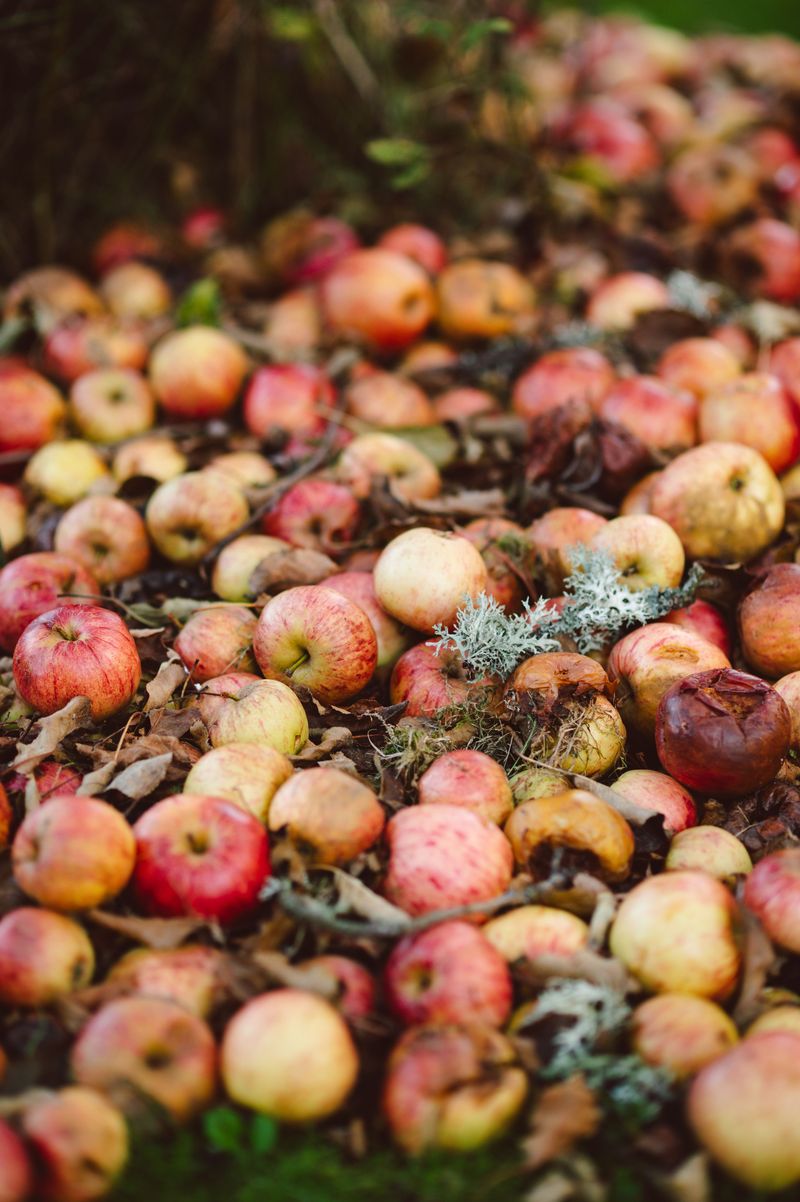
Pennsylvania ranks among the top apple-growing states in the country. Lots of backyards have at least one apple, pear, or cherry tree. Those trees are lovely, but they can also invite some surprise guests.
Many people think coyotes eat only meat. In truth, they are flexible eaters that happily munch on fruit. Apples, pears, berries, and even persimmons are all on the menu.
Fall is peak season for this problem. Ripe fruit drops to the ground and starts to soften. As it rots, it gives off a sweet, strong smell that spreads across the yard.
Fallen fruit also draws mice, rabbits, and deer. Those animals are coyote food too. So your fruit tree can attract coyotes in two ways at once.
Staying on top of cleanup is the best plan. Walk under your trees every day or two during harvest time. Pick up any fruit on the ground and bag it or add it to a covered compost bin.
Harvest ripe fruit as soon as it is ready. Leaving it on the tree too long means more drops. If you have more than you can use, share with neighbors or donate to a local food pantry.
Berry bushes need attention too. Pick them often during summer and trim back overgrown patches. Thick brush can give coyotes a place to hide while they snack.
A rake and a bucket might be your best tools here. A few minutes of cleanup each week keeps your yard tidy. Plus, you get to enjoy more of your tasty harvest yourself.
6. Chicken Coops And Animal Feed
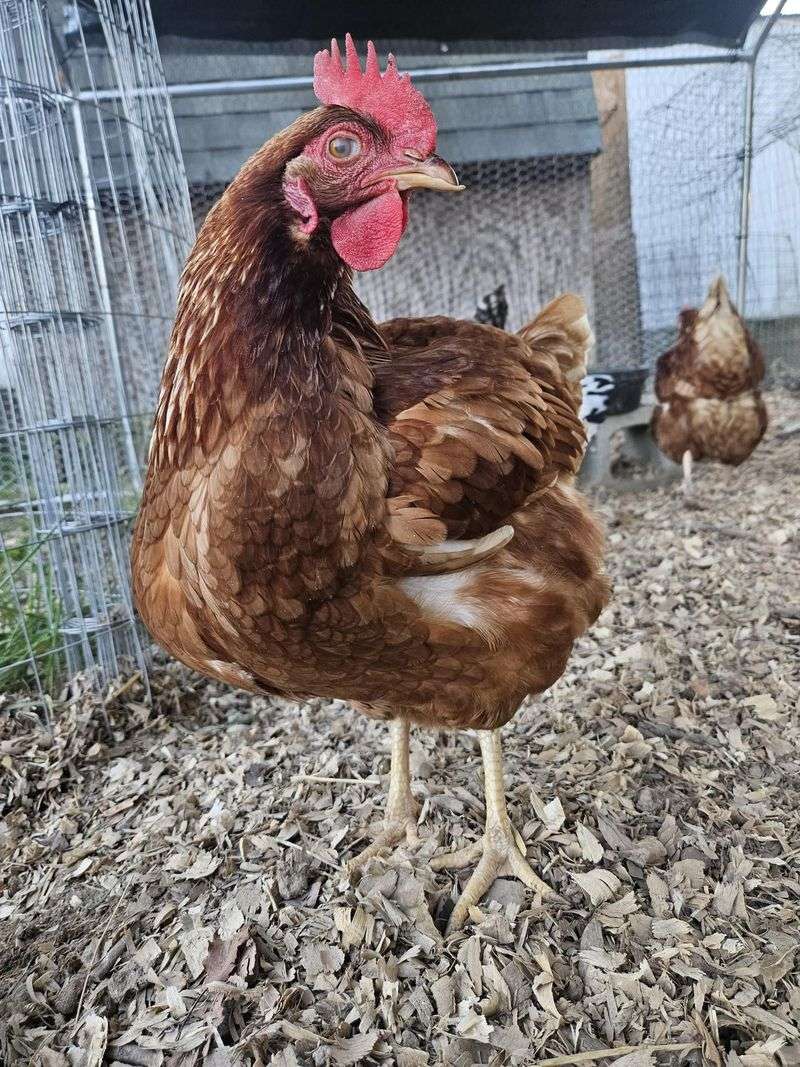
Backyard chickens have become super popular across Pennsylvania. Fresh eggs every morning are hard to beat. Unfortunately, coyotes find chickens pretty appealing too.
Coops create a mix of scents that travel far. There is the smell of the birds themselves, plus their feed, bedding, and droppings. To a coyote, all of that shouts easy meal nearby.
Feed is often the first thing that draws them in. Spilled grain also attracts mice and rats, which coyotes love to hunt. Before long, your coop becomes a busy stop on the coyote route.
Store feed in sealed metal cans with tight lids. Plastic bins work, but chewing animals can sometimes break through. Sweep up spilled feed around the coop every day.
Keeping the coop clean cuts down on odor. Change bedding often and remove droppings on a regular schedule. Deep litter methods can work, but they need good airflow and dry conditions.
Security matters most at night. Lock your chickens inside a sturdy coop every evening before dusk. Use hardware cloth instead of chicken wire, since chicken wire keeps chickens in but does not keep predators out.
Bury hardware cloth about a foot deep around the run, or lay an apron of it flat on the ground. Coyotes are skilled diggers. Check doors and latches to make sure they close tight.
Some farmers add motion lights or electric fencing for extra protection. Livestock guardian dogs are another option on larger properties. A little effort now keeps your flock safe and your egg basket full.
7. Deer Scraps From Hunting Season
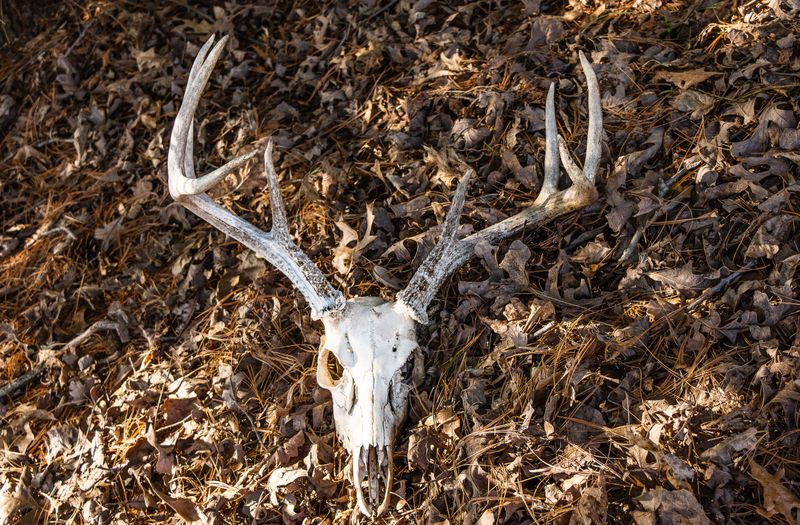
Hunting season is a big tradition in Pennsylvania. Hundreds of thousands of hunters head into the woods each fall. Many of them process their deer right at home.
That process leaves behind hides, bones, and other scraps. Those leftovers carry a powerful scent. Coyotes can pick it up from a long way off, especially on cold, still nights.
A pile of scraps tossed at the edge of the yard is basically an open invitation. Coyotes will come, and they will remember the spot. Some may keep returning long after the scraps are gone.
Act quickly after processing. Bag up all remains in heavy-duty trash bags and seal them tight. Keep the bags in a secure place until you can get rid of them properly.
Disposal rules can vary by township and county. Some areas allow scraps in regular trash pickup if they are bagged. Others have special drop-off sites or rules about burying remains.
Chronic wasting disease is another reason to be careful. Pennsylvania has disease management areas with specific rules about moving and disposing of deer parts. Check the Pennsylvania Game Commission website for current guidance.
Clean your processing area well when you finish. Hose down tables, tarps, and the ground nearby. Wash knives and tools inside, not in the yard.
If you hang deer to age, try to keep them in a closed garage or shed. Open-air hanging spreads scent fast. Smart cleanup keeps your property quiet and respects the outdoors you enjoy so much.