Shorter Days Are Here, And Your Virginia Houseplants Need You To Act
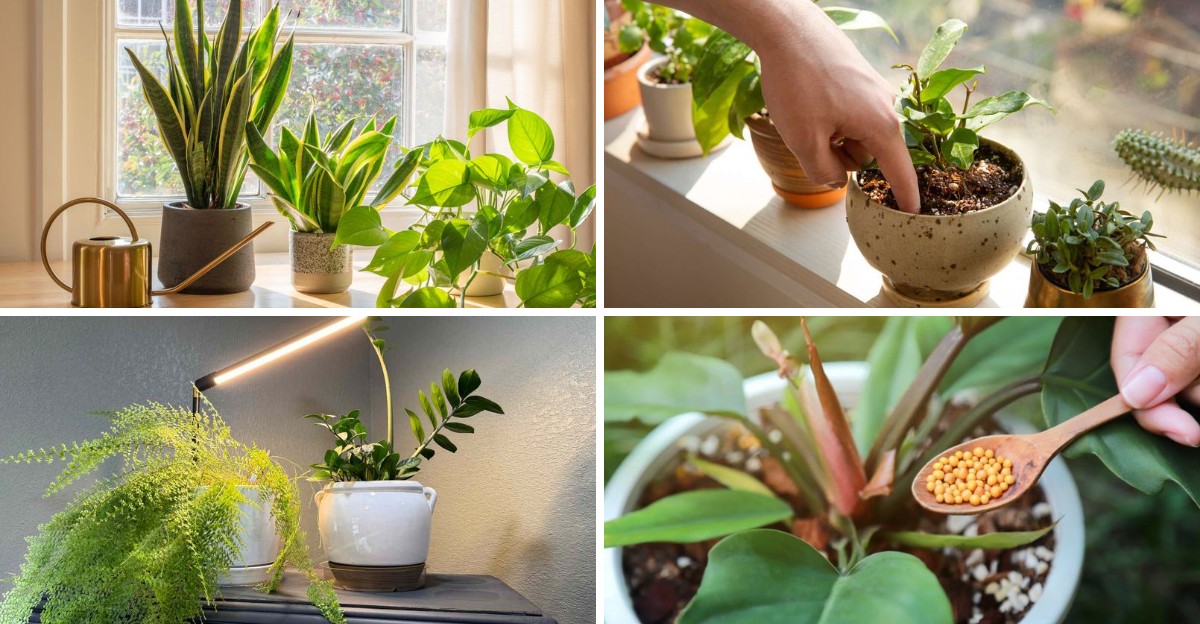
The sun seems to clock out before dinner lately, and your houseplants have noticed too. They’re quietly adjusting to the gloom, and not always happily.
Fall and winter in Virginia bring weaker light, drier air, and chilly window glass. Together, they can stress even the toughest indoor greenery.
A few simple changes can keep your pothos perky and your snake plant standing tall. No fancy gear or green thumb required.
Small moves, like shifting a pot or skipping a watering, matter more than you might think. Some tips may surprise you, especially the one about fertilizer.
You might want to set that watering can down for a minute. Your plants can coast through the darkest months with just a little help.
1. Less Daylight Slows Houseplant Growth
Picture your monstera pushing out huge leaves all summer, then suddenly taking a long nap. Nothing is wrong, and your plant is simply reacting to the season.
Plants make food from light through a process called photosynthesis. When Virginia days shrink toward nine or ten hours, they get less energy to work with.
Less energy means slower growth and smaller new leaves. Many plants shift into a resting mode experts call quiescence, which differs slightly from true dormancy.
During quiescence, a plant is still awake but moving at a snail’s pace. It saves energy instead of spending it on fresh stems and big blooms.
Here is a fun fact worth knowing. Once daylight drops below about ten hours, even plants that ignore day length may pause growth.
Around Richmond, the shortest day in December offers roughly nine and a half hours of light. Your plants feel that change clearly, even sitting indoors.
So what should you watch for during this slowdown? A few yellow lower leaves can be normal, but widespread yellowing may signal a care problem.
Try not to panic and change everything at once. Plants handle steady routines better than sudden swings in light, water, or location.
Think of winter as a quiet chapter rather than a crisis. Your job is to support the rest, not force new growth that the light cannot fuel.
Keep a simple notebook of how each plant behaves this season. Next year, you will know exactly what normal looks like for your collection.
2. Move Plants Closer To Bright Windows
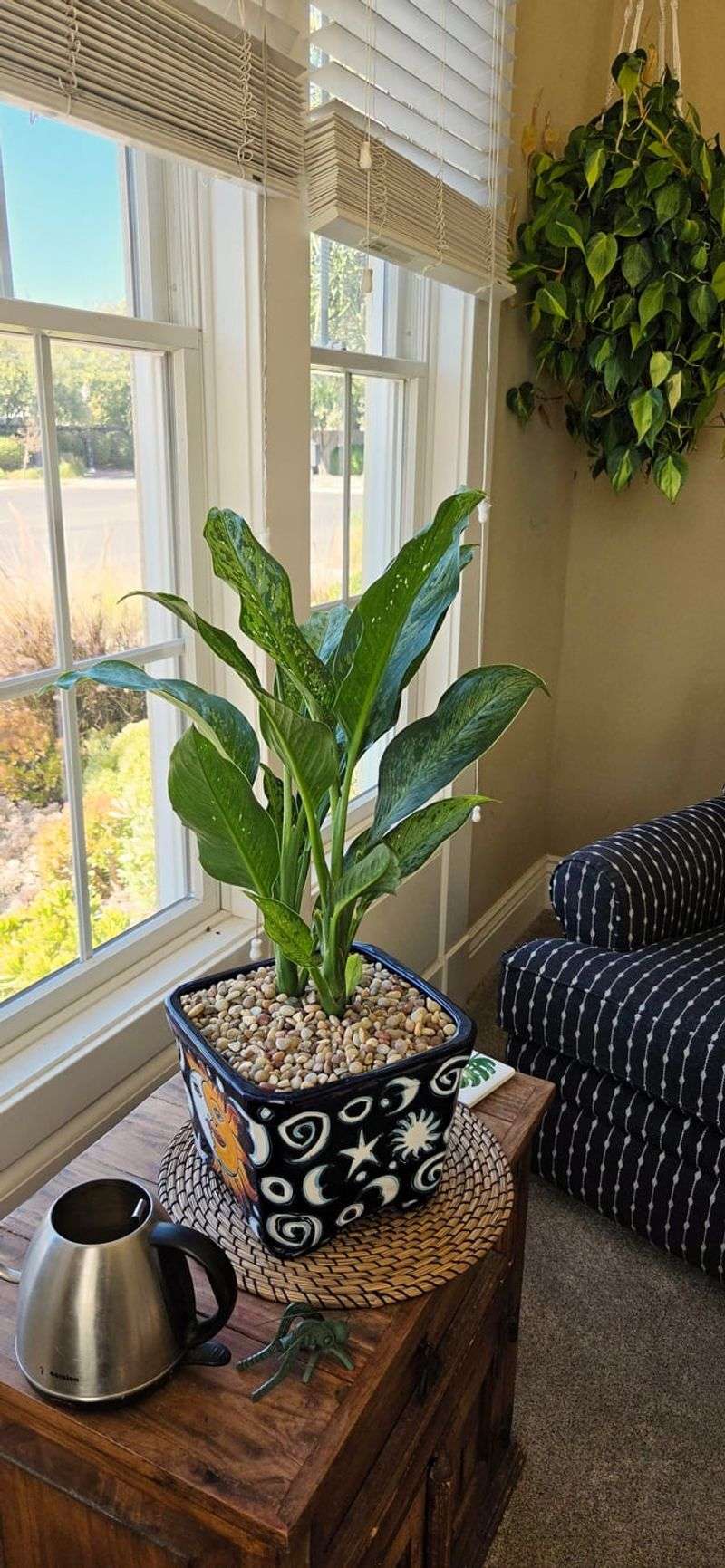
Scoot over, little fern, because winter calls for a seating change. A plant that thrived across the room in July may starve for light by December.
Light strength drops fast as you move away from a window. A spot just six feet back can receive only a fraction of the brightness.
Shifting pots closer gives them a better shot at the weak winter sun. Even a foot or two can help a struggling plant perk up.
There is one catch, though. Leaves pressed against cold glass can get chilled and develop dark, mushy patches.
Leave a few inches between foliage and the windowpane. A small gap protects tender leaves while still letting them soak up light.
Your Virginia Garden Changes Every Week. Your Plan Should Too.
Gardening in Virginia changes quickly throughout the season. Every Friday you’ll receive a simple weekly plan showing exactly what to plant, prune, fertilize, harvest, and protect so you never miss the right timing.
Older homes often have drafty single-pane windows. Those cold drafts can bother tropical plants like peace lilies, calatheas, and fiddle leaf figs.
Try a quick hand test on a chilly night. If you feel cold air leaking near the sill, slide plants back slightly at bedtime.
Plant stands and stools make great tools for this season. They lift smaller pots up to window height, where the brightest light lands.
Clean your windows, too, while you are rearranging. Dust and grime can block a surprising amount of sunlight from reaching your leaves.
Wipe dusty leaves gently with a damp cloth as well. Clean leaves absorb light better, giving your plants an easy winter boost.
3. South And West Windows Work Best In Winter
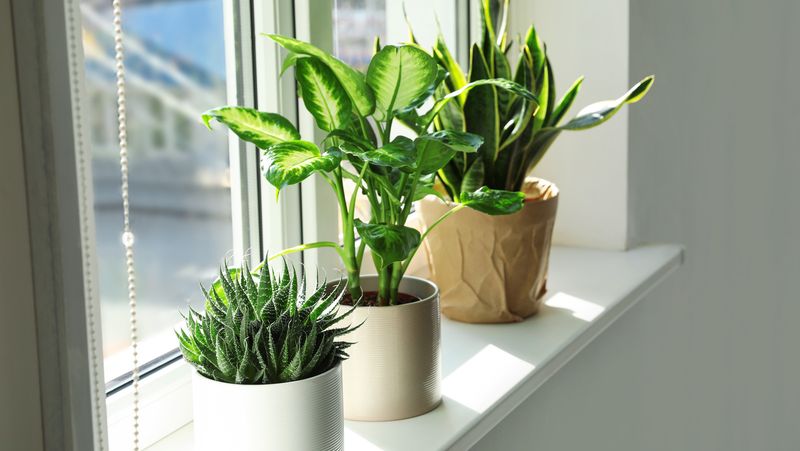
Grab a compass app and take a quick tour of your home. Knowing which way each window faces can change your whole winter plan.
South-facing windows win the prize during the cold months. They catch steady light for most of the day across Virginia.
West-facing windows come in a strong second place. They deliver warm afternoon sun that many plants happily soak up.
Why does direction matter so much now? The sun travels lower across the southern sky in winter, so light enters at a shallow angle.
That low angle weakens the light but also lets it reach deeper into rooms. South windows take the most advantage of this shift.
East windows still offer gentle morning light, which suits ferns and prayer plants. North windows, however, often run too dim for most houseplants in winter.
Here is a handy trick for summer shade lovers. A plant that scorched in a south window in July may feel just right there in January.
Sun-loving plants like jade, aloe, and citrus will especially thank you. Move them first, since they suffer most when light runs short.
Watch closely for a week after any move. Pale or bleached patches suggest too much sun, while stretching means the light is still lacking.
Come March, plan to shift some plants back. Spring sun grows stronger quickly and can surprise leaves that adjusted to winter softness.
4. Rotate Pots Every Week Or Two
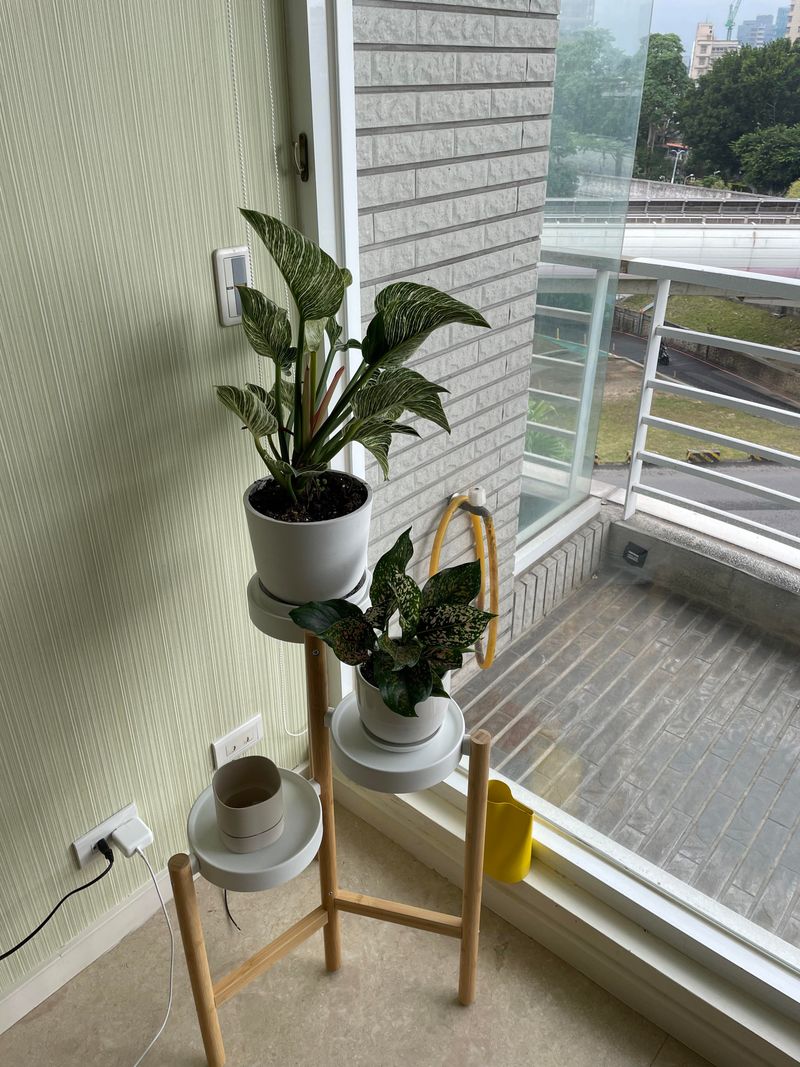
Ever notice your plant leaning like it is trying to peek outside? It is chasing the light, and it will keep stretching unless you step in.
Plants bend toward their light source through a process called phototropism. Over time, one side grows full while the other looks thin and bare.
A simple quarter turn fixes the problem. Spin each pot every week or two so all sides get a fair share of sunshine.
Winter makes rotating even more useful. With light coming from one low angle, lopsided growth happens faster than you might expect.
Need a way to remember? Tie the habit to something you already do, like checking soil every Sunday morning.
Some gardeners mark the pot rim with a small piece of tape. Each time you rotate, move the tape a quarter turn to track progress.
Bigger plants on wheeled caddies make this chore easy. Heavy pots without wheels can be turned slowly, using your legs instead of your back.
A few plants prefer to stay put, though. Christmas cactus may drop buds if moved too often while it is setting flowers.
For everyone else, rotation keeps shapes tidy and balanced. Your snake plant will stand straighter, and your pothos vines will fill in evenly.
Bonus tip for plant parents with many pots. Rotating also gives you a close look at leaves, helping you spot pests early.
5. Cut Back On Watering
Here comes the hard truth that surprises many plant lovers. More houseplants struggle from too much water in winter than from too little.
Slower growth means roots drink far less than they did in summer. Soil stays damp longer, and soggy roots can start to rot.
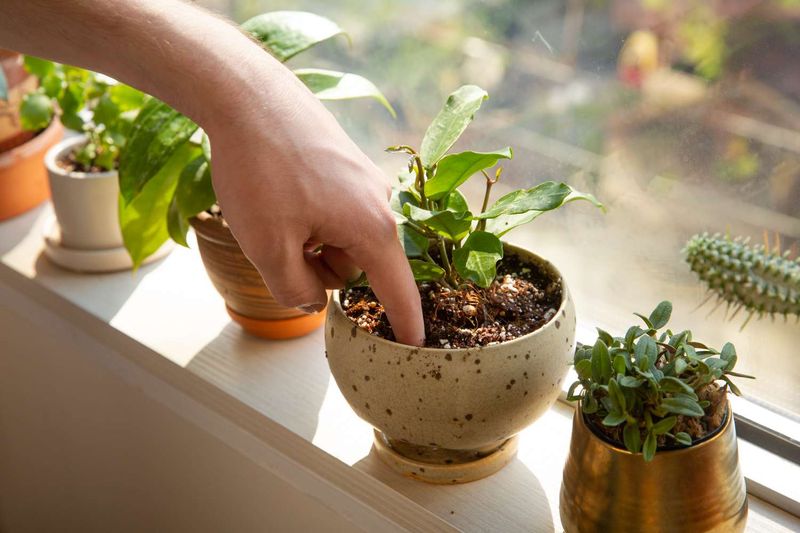
Before reaching for the watering can, use your finger as a tool. Push it into the soil about one or two inches deep.
Feel moisture? Wait a few more days and check again.
Dry soil at that depth usually means it is time for a drink.
A wooden chopstick works well for deeper pots. Slide it in, pull it out, and look for damp soil clinging to the wood.
Many gardeners find they water half as often in winter. A plant that needed weekly water in August might go two weeks now.
Timing and temperature matter, too. Use room-temperature water, and try watering in the morning so excess moisture can evaporate during the day.
Cold tap water can shock tender roots. Fill your can the night before so it reaches room temperature by morning.
Drainage holes are your best friend this season. Empty saucers after watering so pots do not sit in puddles for hours.
Succulents and cacti need even less attention right now. Some barely need water at all until the longer days of spring return.
6. Hold Off On Fertilizer Until Spring
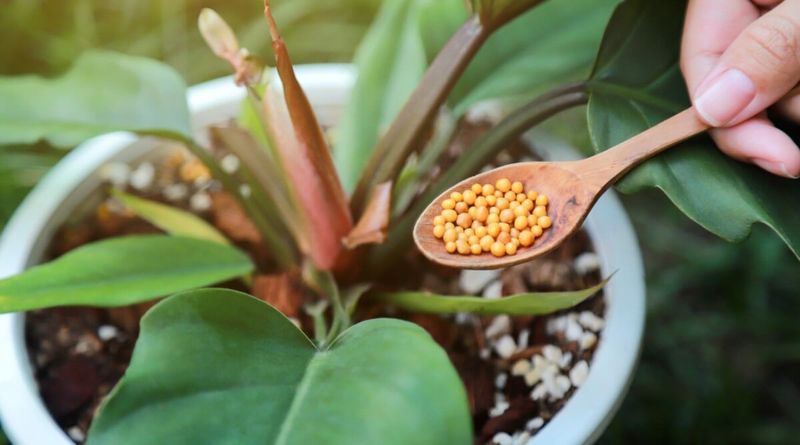
Feeding a sleepy plant is a bit like serving a big dinner to someone already snoozing. The food just sits there, and it can cause trouble.
Plants use fertilizer to fuel active growth. When winter slows them down, they cannot use those extra nutrients well.
Unused fertilizer salts build up in the soil over time. That buildup can burn roots and leave crispy brown edges on leaves.
So go ahead and give your fertilizer bottle a vacation. Most experts suggest pausing feeding from late fall until late February or March.
Watch for a white crust on the soil surface or pot rim. That crust often signals salt buildup from earlier feedings.
Flushing the soil can help clear it out. Run plenty of room-temperature water through the pot and let it drain fully.
Are there exceptions to the rule? Plants under strong grow lights that keep growing may handle a light, diluted feeding once a month.
Blooming plants like African violets sometimes need a small amount, too. Check the specific needs of each plant before deciding.
For most Virginia homes, though, resting is the smart choice. Let your plants recharge quietly during the darkest stretch of the year.
Mark your calendar for early spring. When you spot fresh leaves unfurling, start feeding again at half strength and build up slowly.
7. Keep Plants Away From Heating Vents
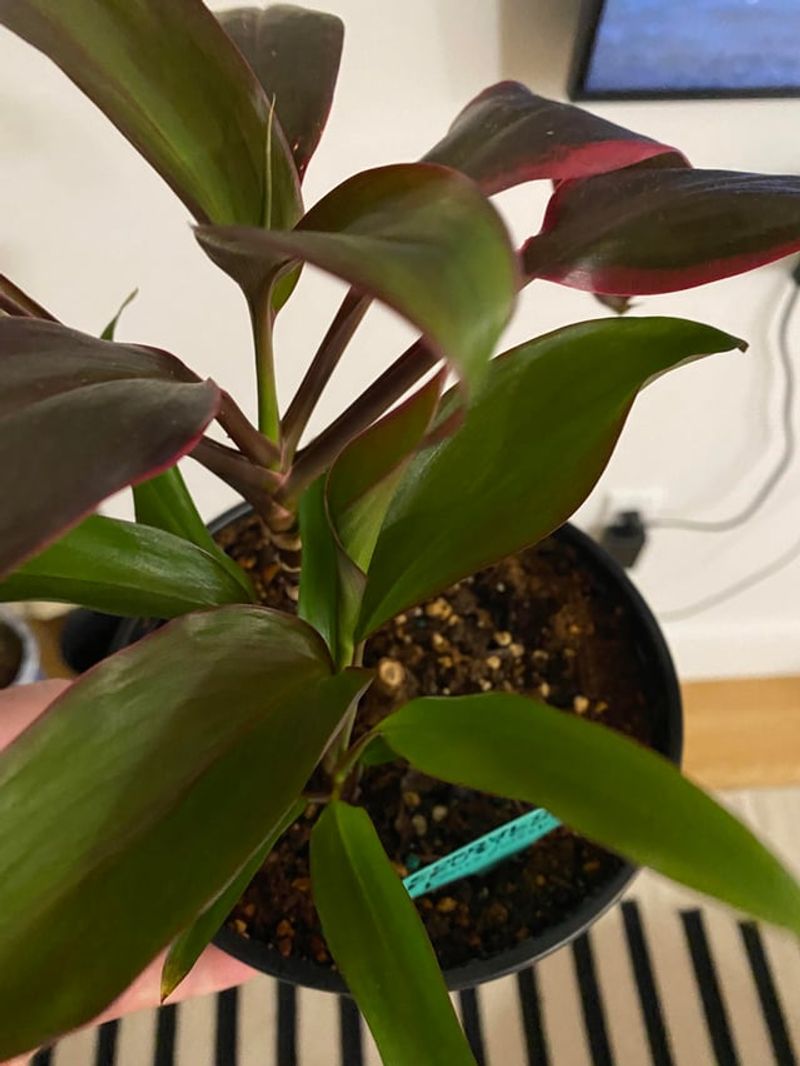
Your furnace keeps you toasty, but your calathea may disagree. Those blasts of warm air can feel like a desert wind to tropical leaves.
Indoor heating dries the air dramatically. In many Virginia homes, winter humidity can drop well below what rainforest plants prefer.
Dry air pulls water from leaves faster than roots can replace it. The result is often brown, crunchy tips and curled edges.
Start by checking where your vents and radiators sit. Move plants several feet away from any direct stream of hot air.
Fireplaces and space heaters count, too. Their heat may feel cozy, but it can scorch nearby foliage quickly.
Want to boost moisture around your plants? Group them together, since leaves release water and create a small humid pocket.
Pebble trays offer another easy fix. Fill a shallow tray with pebbles and water, then set pots on top without touching the water.
A small humidifier works best for serious plant collections. Aim for humidity between 40 and 60 percent, which feels nice for people as well.
A cheap digital hygrometer shows you the exact numbers. Many cost under fifteen dollars and take the guesswork out of humidity.
Misting feels helpful, but its effect fades within minutes. Save your energy for methods that keep humidity steady throughout the day.
8. Add A Grow Light For Dim Rooms
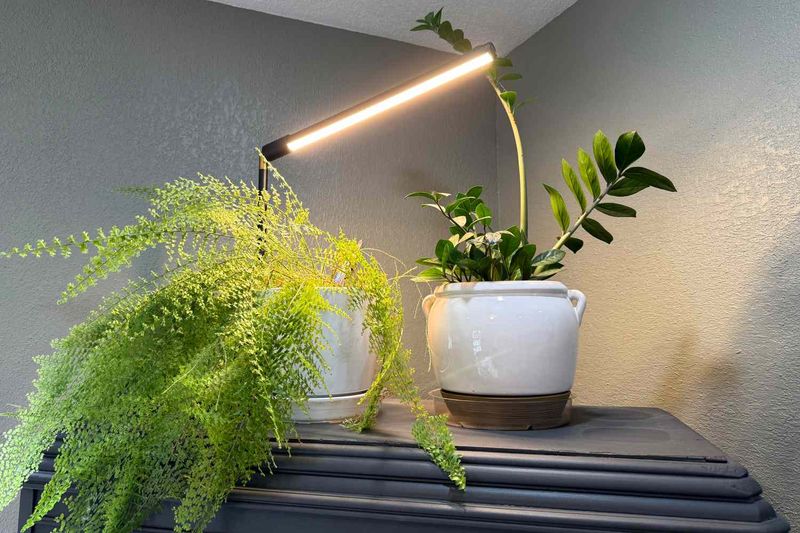
Some rooms feel like caves once November rolls around. Basements, hallways, and north-facing bedrooms rarely offer enough natural light for happy plants.
That is where a grow light earns its keep. Full-spectrum LED lights copy the colors of sunlight that plants use for photosynthesis.
Modern LEDs run cool and sip electricity. You can tuck them into shelves, clip them to desks, or screw bulbs into regular lamps.
How long should the light stay on? Most houseplants do well with about 12 to 14 hours each day.
A simple outlet timer makes this easy. Set it once, and your plants get a steady schedule even when you forget.
Distance matters more than many people realize. Keep most lights about 6 to 12 inches above foliage, adjusting if leaves pale or stretch.
Curious whether a spot gets enough light? A light meter, or even a free phone app, can give you a rough reading.
Pothos and snake plants manage in lower light. Herbs, succulents, and flowering plants usually need much brighter conditions to stay healthy.
Grow lights also help Virginia gardeners start spring seeds indoors. Your winter purchase can pull double duty once the weather warms.
With a bit of extra light, even the dimmest corner can turn green. Your plants will greet spring stronger, fuller, and ready to grow.