Why Jujube Is The Drought Tolerant Fruit Tree More North Carolina Gardeners Should Plant
Drought has been the story of this year in North Carolina, and plenty of gardeners are looking at their dry orchards with a sour taste.
A few trees do not seem to notice. One small fruit tree from Asia sends roots deep and carries on through weeks without rain.
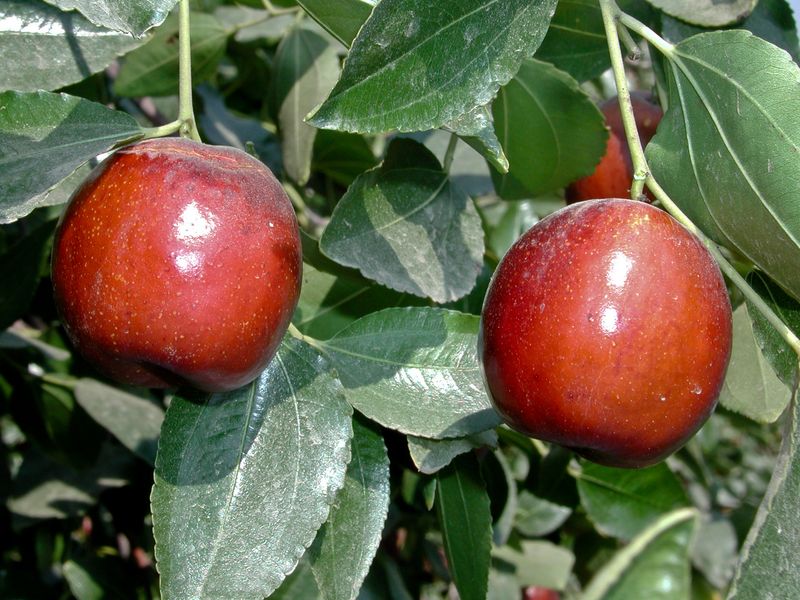
Its fruit looks plain, like a little brown-red date. Bite into a fresh one, though, and the crunch surprises almost everyone. The flavor surprises them even more.
It has quirks that most nursery tags leave out, from when it wakes in spring to how it handles cold. Some gardeners plant one and wonder why they waited so long. Before you pick your next fruit tree, this one deserves a hard look.
1. It Handles Dry Spells Once Established
Drought has a way of exposing which plants are truly tough. Jujube (Ziziphus jujuba), often called Chinese date, has grown in dry parts of Asia for thousands of years, and it carries that toughness right into American gardens.
So what makes it so hardy? Once a jujube settles in, it sends roots deep into the ground where moisture lasts longer. Its small, glossy leaves are tough and lose less water than the broad leaves on many other fruit trees.
Because of these traits, an established jujube often keeps bearing fruit with very little extra water. Peaches and apples may drop fruit or struggle in a dry August, while a jujube just keeps going.
That kind of steady performance feels like a gift during a hot, rainless summer. Young trees still need a helping hand, though.
During the first year or two, give your jujube a deep soaking about once a week so water reaches well below the surface. A slow trickle from a hose for 20 to 30 minutes works nicely, and a layer of mulch helps hold that moisture in.
After the roots are established, you can relax. Water only during long dry stretches, such as several weeks without a good rain. Light, frequent sprinkles are less helpful, because they keep roots near the surface instead of pushing them deeper.
For North Carolina gardeners, this matters more than ever. Much of the state has dealt with drought this year, and plenty of people now want fruit trees that ask for less water. A jujube fits that wish perfectly.
You save time, lower your water bill, and still get a basket of homegrown fruit when fall arrives.
2. Heat Doesn’t Slow It Down
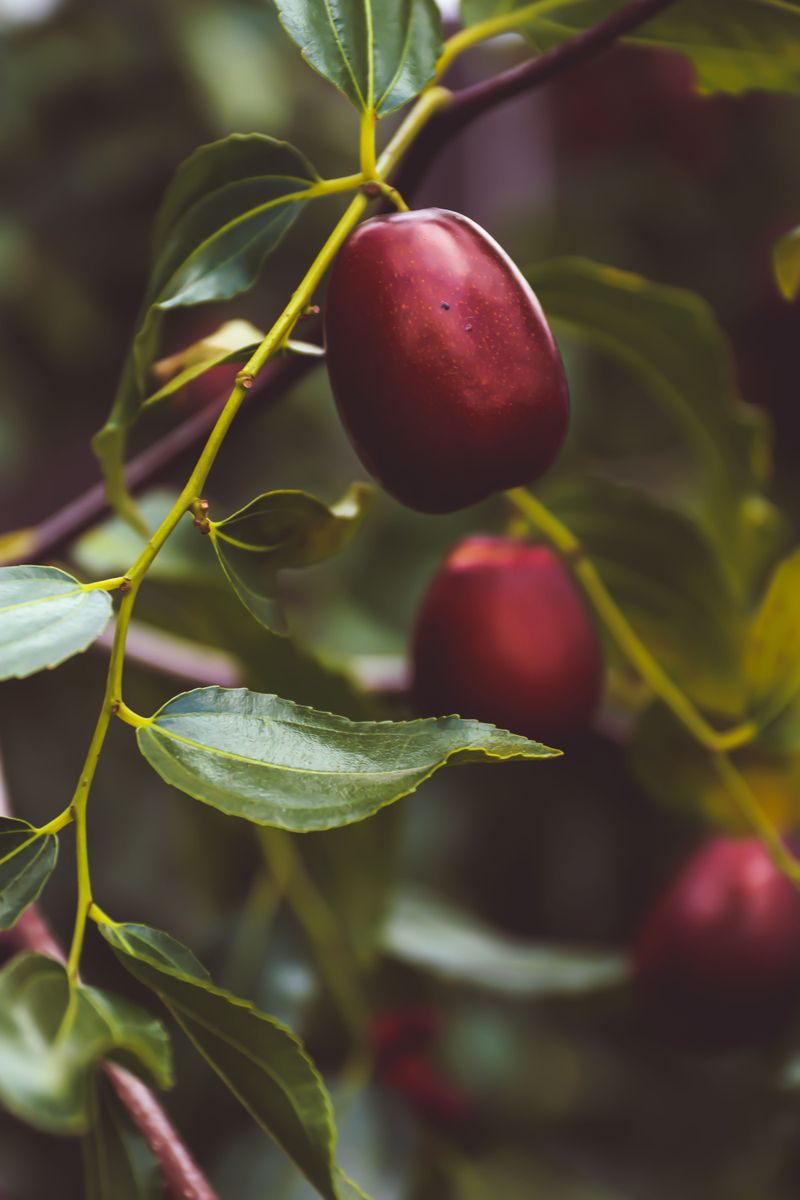
Some fruit trees sulk when July turns sticky and hot. Jujube does the opposite. It practically cheers when the thermometer climbs into the 90s.
That love of heat comes from its roots in regions with long, hot summers. In those places, steady sunshine and warm days help the fruit ripen fully and build up natural sugars.
More heat usually means sweeter, better tasting jujubes, which is great news for anyone who dislikes bland fruit.
Sunlight is the secret ingredient here, so choose your planting spot with care. Look for the sunniest place in your yard, ideally one that gets at least eight hours of direct sun each day. A south facing area away from tall buildings or big shade trees is often a winner.
Your North Carolina Garden Changes Every Week. Your Plan Should Too.
Gardening in North Carolina changes quickly throughout the season. Every Friday you’ll receive a simple weekly plan showing exactly what to plant, prune, fertilize, harvest, and protect so you never miss the right timing.
Shade is where jujube falls short. A tree tucked under oaks or beside a tall fence may grow leaves, yet it will produce few flowers and even fewer fruits. Before you dig, watch the spot for a full day and note when sunlight hits it and when it fades.
Spacing helps, too. Give the tree room so neighboring plants do not block its light as they grow. Most jujubes reach around 15 to 30 feet tall over time, though regular pruning can keep them smaller and easier to pick.
Here in North Carolina, long, hot summers are simply part of life, especially in the Piedmont and Coastal Plain.
Those conditions line up beautifully with what jujube wants. Instead of fighting the heat, you can grow a tree that turns those steamy months into sweet, crunchy fruit.
3. It Shrugs Off Most Pests And Diseases
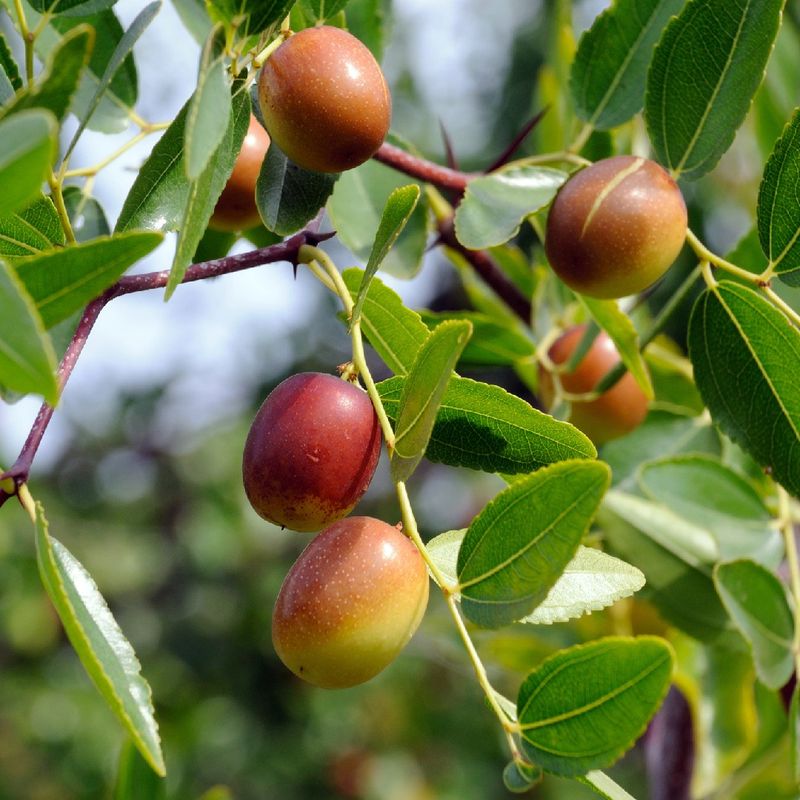
Ask anyone who has tried to grow peaches in the South, and you will hear stories about spray schedules, spotted fruit, and endless chores. Jujube offers a refreshing break from all that.
In home gardens across the United States, jujube is generally bothered by few serious pests or diseases.
Apples, peaches, and plums often need regular spraying to stay healthy, but jujube usually gets by with simple care. For busy families, that difference is huge.
Keeping things tidy is your main job. Pick up fallen fruit from under the tree, since rotting fruit can attract insects and other critters. A quick sweep or rake every few days during harvest season goes a long way.
Every so often, take a stroll around the tree and look closely at the leaves and fruit. You might spot an occasional pest, such as stink bugs or birds pecking at ripe fruit, especially in some years.
Catching small problems early usually means you can handle them by hand or with a simple net.
Most of the time, though, there is little to do except enjoy the view. Many gardeners grow jujube with little or no spraying at all. That makes it a great match for anyone who wants homegrown fruit without a shelf full of chemicals in the garage.
North Carolina weather makes this trait even more valuable. Warm, humid summers create perfect conditions for fungal problems on many fruit trees.
Brown rot on peaches and fire blight on pears frustrate gardeners every year, yet jujube tends to stay clean and productive through the same muggy weather.
4. It Grows In Poor And Varied Soils
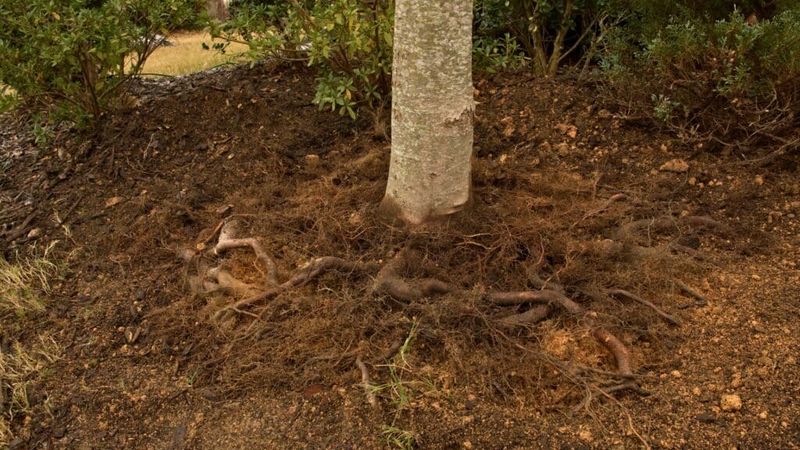
Red clay that sticks to your boots. Sandy ground that drains in seconds. Rocky patches where nothing seems happy. Jujube can handle all of them. Few fruit trees adapt as well to different soil types.
Jujube grows in sandy, rocky, and heavier soils, and it even tolerates poor fertility. The one thing it truly needs is good drainage, because roots sitting in soggy ground for long periods will struggle.
Picking the right spot makes all the difference. Avoid low areas where puddles form after a storm, and watch your yard during a heavy rain to see where water collects. A gentle slope or slightly raised area is often ideal.
If your soil is very poor, mix some compost into the planting area before you set the tree in place.
Compost improves structure in both clay and sand, helping clay drain better and helping sand hold moisture. You do not need to go overboard, since jujube is not picky.
Go easy on fertilizer, too. Heavy feeding can push lots of leafy growth at the expense of flowers and fruit. A light application in spring, or simply a fresh layer of compost and mulch, is usually plenty.
North Carolina has a wide range of soils, which can make choosing plants tricky. The Coastal Plain often has loose, sandy ground, while the Piedmont is famous for heavy clay.
Jujube can succeed in both regions as long as water drains away, so gardeners in Wilmington and Greensboro alike can enjoy it.
5. It Fruits Early And Leafs Out Late
Patience pays off with jujube, though not as much patience as you might think. Two handy traits make this tree a reliable producer, and both work in your favor.
First, many jujube trees start bearing within a few years of planting. Some grafted trees even give a small crop in their first or second season. Compared with fruit trees that make you wait much longer, that quick reward feels pretty exciting.
Second, jujube is a late sleeper. It leafs out and blooms later in spring than most fruit trees. That timing helps it avoid the late frosts that often wipe out tender peach and plum blossoms.
Don’t panic in early spring when your jujube looks like a bare stick. While dogwoods and peaches burst into color, it may seem like nothing is happening at all. Hold off on any drastic action, because new leaves usually appear once the weather warms up for good.
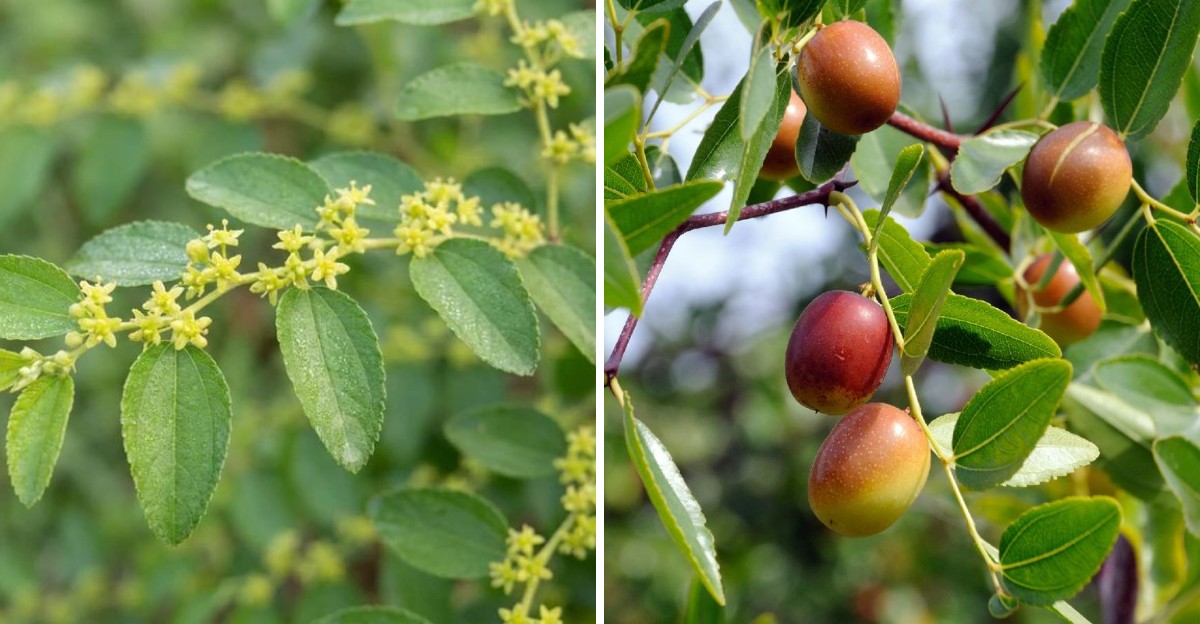
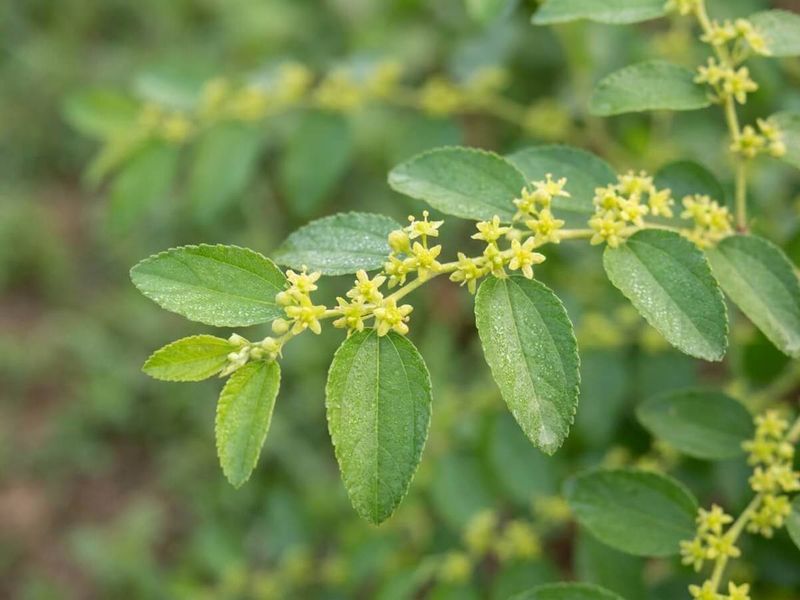
When it does wake up, you will see small, yellowish green flowers in late spring. They are tiny but fragrant, and bees love them. Fruit follows and ripens from late summer into fall, giving you a harvest when many other trees are finished.
For North Carolina gardeners, this late start is a real advantage. Spring weather here can swing wildly, with warm days followed by a sudden freeze in March or April.
Those cold snaps often ruin crops on early blooming trees, yet jujube usually stays safely asleep until the danger has passed.
6. Its Fruit Can Be Eaten Fresh Or Dried
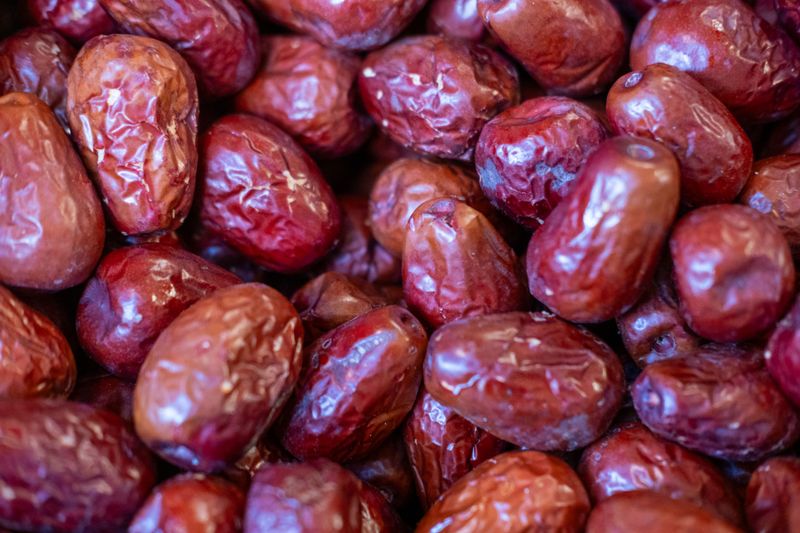
Bite into a fresh jujube, and you might be surprised. The crunch and sweetness taste a lot like a small apple, with a light, refreshing flavor that kids and adults both enjoy.
The best time for fresh eating is when the fruit turns partly reddish brown. At that stage, it is crisp, juicy, and sweet. Leave the fruit on the tree a bit longer, and it starts to wrinkle and turn chewy, tasting much more like a date.
Variety choice matters a lot, so start with named types known for great flavor. Li produces large fruit that is excellent fresh, while Lang is often enjoyed dried. Sugar Cane and Honey Jar are prized for their very sweet, small fruits that are hard to stop eating.
Harvest whenever the fruit reaches the stage you like best. Many people pick some crisp for snacking and let others wrinkle for a chewier treat. Try both and decide which you prefer.
Extras dry beautifully. A food dehydrator does the job quickly, though a warm, airy spot indoors can work as well. Once dried, jujubes store well in airtight containers, giving you sweet snacks long after the harvest ends.
North Carolina gardeners looking for something unusual will find plenty to love here. Jujubes are rarely sold fresh in local grocery stores, so growing your own gives you a fruit that few neighbors have tried.
Share a handful at a fall cookout, and you may soon get questions about where to buy a tree.
7. Plan For Thorns, Suckers, And A Second Tree
Every great plant has a few quirks, and jujube is no exception. Knowing them ahead of time helps you plant smart and avoid surprises later.
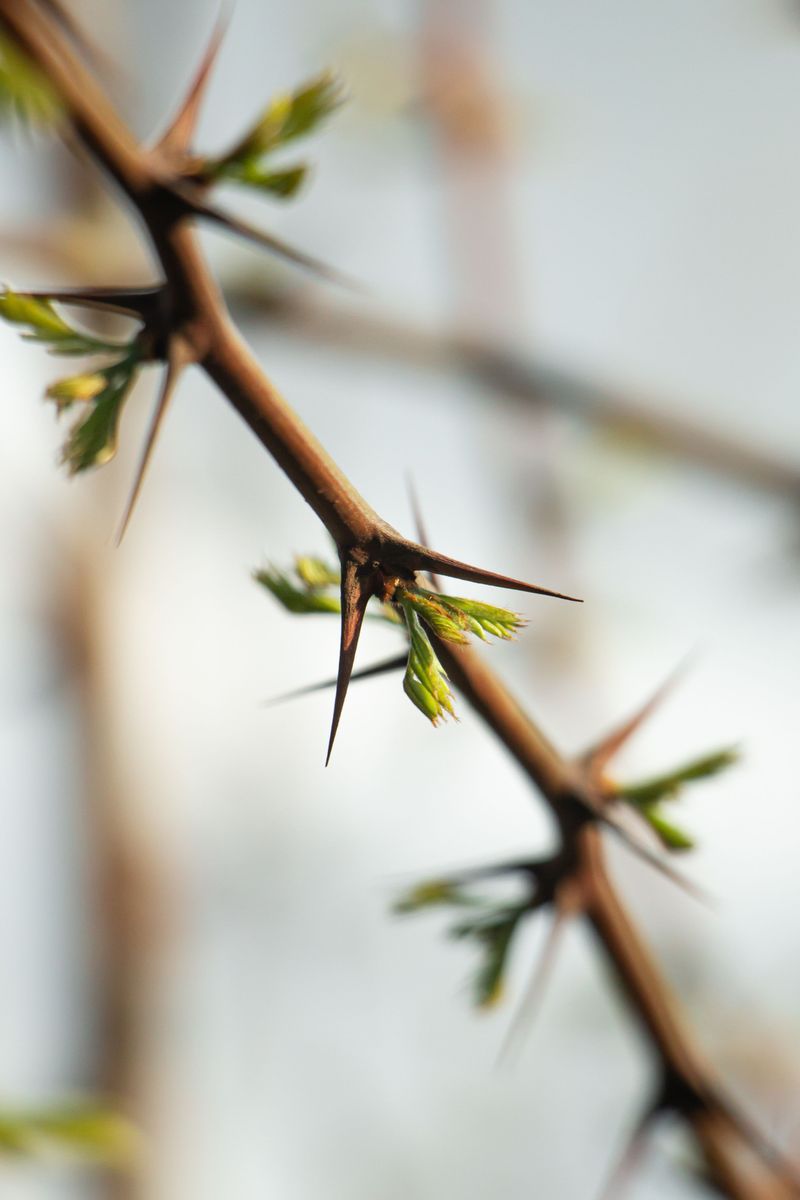
Thorns come first on the list. Many jujube trees have sharp spines along their branches, and they can snag clothing or scratch skin. Plant your tree away from walkways, patios, and play areas where kids or pets run around.
Suckers are the next thing to watch. Grafted trees may send up shoots from the rootstock below the graft, often popping up around the base or even a few feet away.
Snip or pull them out promptly, because they steal energy and will not produce the same tasty fruit as your chosen variety.
A second tree is worth considering, too. Many jujube varieties can set some fruit on their own, but planting two different varieties usually improves the harvest. Ask your nursery which types pair well, since some combinations work better than others.
Beyond those small chores, jujube asks for very little. It is cold hardy enough to grow in most of North Carolina, from the mountains down to the coast. With a sunny spot and good drainage, a tree can live and produce for many years with minimal care.
Think of it as a long term investment in your yard. A little planning now, such as smart placement and a well chosen partner tree, sets you up for decades of sweet harvests. Your future self, holding a bowl of crunchy jujubes, will be glad you did it.