10 Desert Groundcovers That Fill Bare Arizona Gravel And Crowd Out Weeds By Spring
Bare gravel in an Arizona yard looks tidy for about a week, and then the weeds show up. The good news is that a handful of tough desert groundcovers can spread across that open ground, shade the soil, and leave weeds with nowhere to sprout.
Plant them in fall, give them a little water through winter, and many will knit together by spring. Here are ten that handle Phoenix and Tucson heat, sip water, and bring bees, butterflies, and birds along for the ride.
1. Trailing Dalea
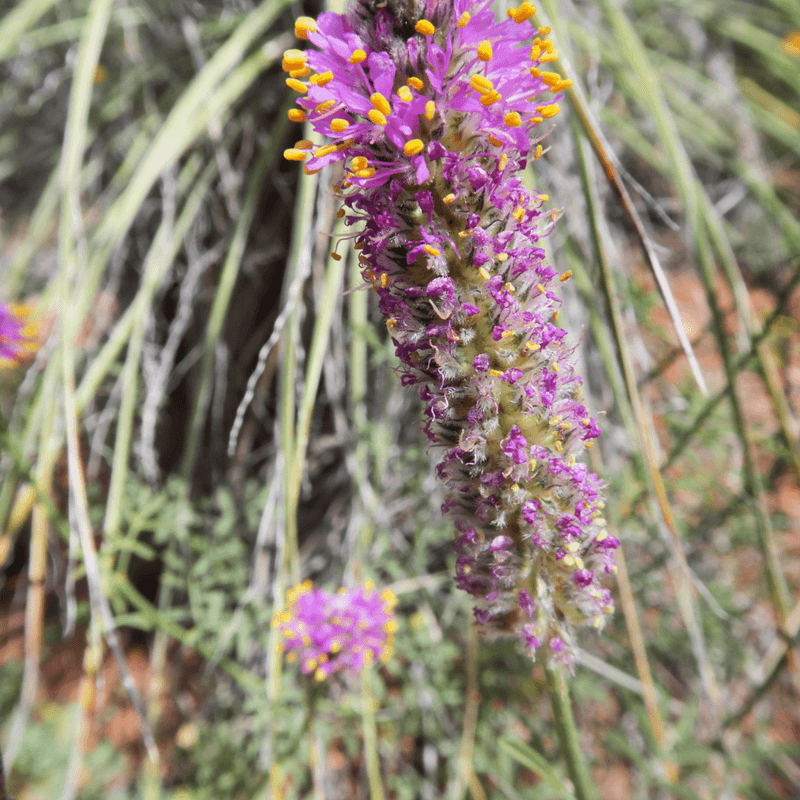
Picture a silver blanket rolling across your gravel, dotted with tiny purple flowers that bees cannot ignore. Trailing dalea is the heavy lifter on this list, with a single plant stretching up to 6 feet wide.
Few groundcovers cover more ground per dollar.
Originally from the Chihuahuan Desert, it shrugs off full sun and even reflected heat bouncing off walls and driveways. Its soft gray foliage grows thick enough to shade the soil beneath it.
That shade is the secret weapon, since most weed seeds need sunlight on bare ground to germinate.
Plant it in October or November so roots can settle in during the mild months. Water deeply every week or so through the first winter, then taper back once it starts creeping outward.
By the following spring, you may notice far fewer weeds poking through the gravel around it.
Spring blooms bring in native bees and small butterflies, adding a busy pollinator patch to your yard. Give it plenty of elbow room, though.
Crowding it against a sidewalk means constant trimming. Space plants about 4 to 5 feet apart and let them weave together into one seamless, low-water carpet that barely needs a second glance.
2. Desert Marigold
Some plants stay where you put them. Desert marigold has other plans, and that is exactly why gardeners love it.
Each season it drops seeds that sprout in the open gaps between rocks, quietly claiming space before weeds can.
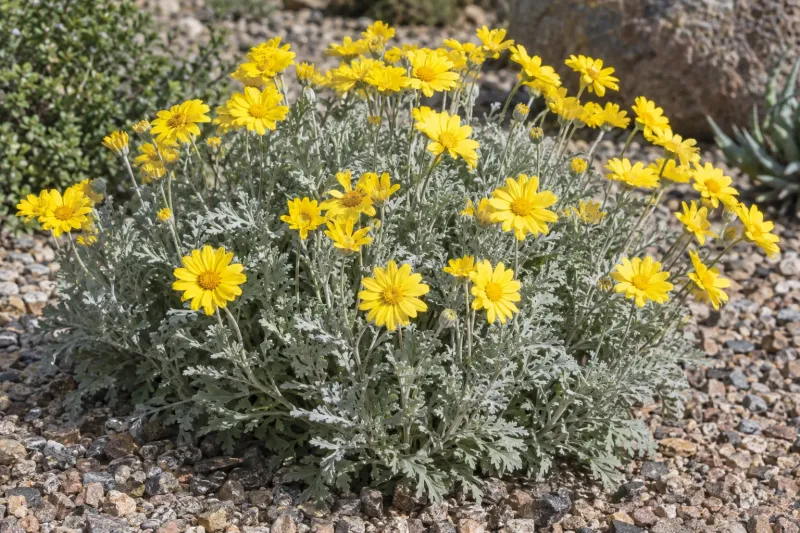
Its fuzzy, silver-gray leaves form soft clumps topped with sunny yellow flowers from spring well into fall. In the low desert, that means months of color with almost no water once it settles in.
Heavy summer heat barely slows it down.
Think of it as a self-filling groundcover. Plant a few in fall, let them bloom, and resist the urge to deadhead every spent flower.
The seeds that fall will become next year’s coverage, filling bare patches naturally and saving you from replanting.
Bees and butterflies visit constantly, so your yard picks up real habitat value along the way. The clumps also stay fairly open rather than forming thick, damp mats.
That airy growth may make the ground beneath less inviting to scorpions, which tend to favor dense, cool hiding spots.
One caution worth remembering: too much water shortens its life. Treat it a bit rough, skip the rich soil, and it will reward you with years of golden, self-sowing cover.
3. Blackfoot Daisy
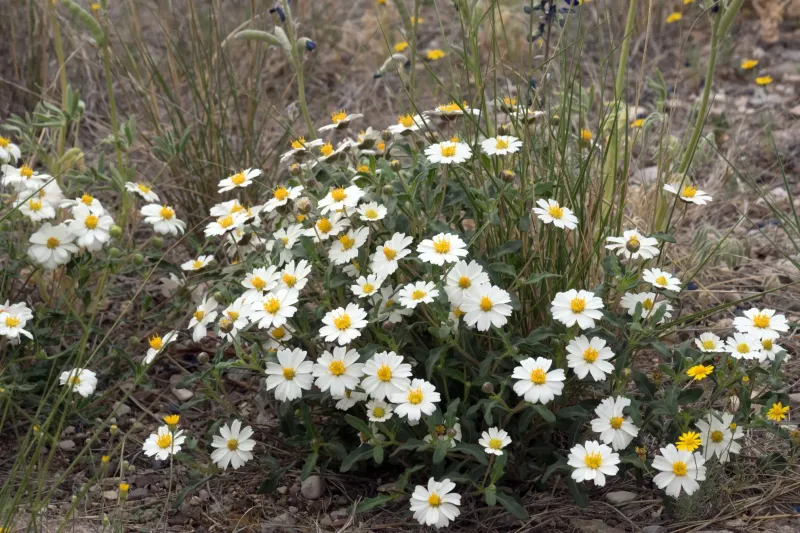
Tidy, polite, and covered in honey-scented white flowers, blackfoot daisy is the neat freak of desert groundcovers. It grows into tight, round mounds about a foot tall and wide.
Your Arizona Garden Changes Every Week. Your Plan Should Too.
Gardening in Arizona changes quickly throughout the season. Every Friday you’ll receive a simple weekly plan showing exactly what to plant, prune, fertilize, harvest, and protect so you never miss the right timing.
Plant a cluster of them and they form a cheerful patchwork that shades the soil between.
From spring through fall, each mound is smothered in white petals with golden centers. Small native bees and butterflies drift from bloom to bloom all day.
You get steady pollinator traffic without the plant ever looking messy.
Reflected heat from block walls and driveways rarely bothers it. In fact, it tends to struggle more from kindness than neglect.
Rocky, well-drained soil and modest water keep it happiest, which makes it a natural match for gravel yards across Phoenix and Tucson.
For weed control, spacing matters. Set plants about 18 inches apart so the mounds nearly touch once grown.
That closes the sunny gaps where weed seeds love to sprout, especially after winter rains.
Fun fact: the name comes from the dark, almost black base of the flower bracts. A light trim in late winter keeps mounds compact and full, ready for another long season of blooms and quiet ground coverage.
4. Damianita
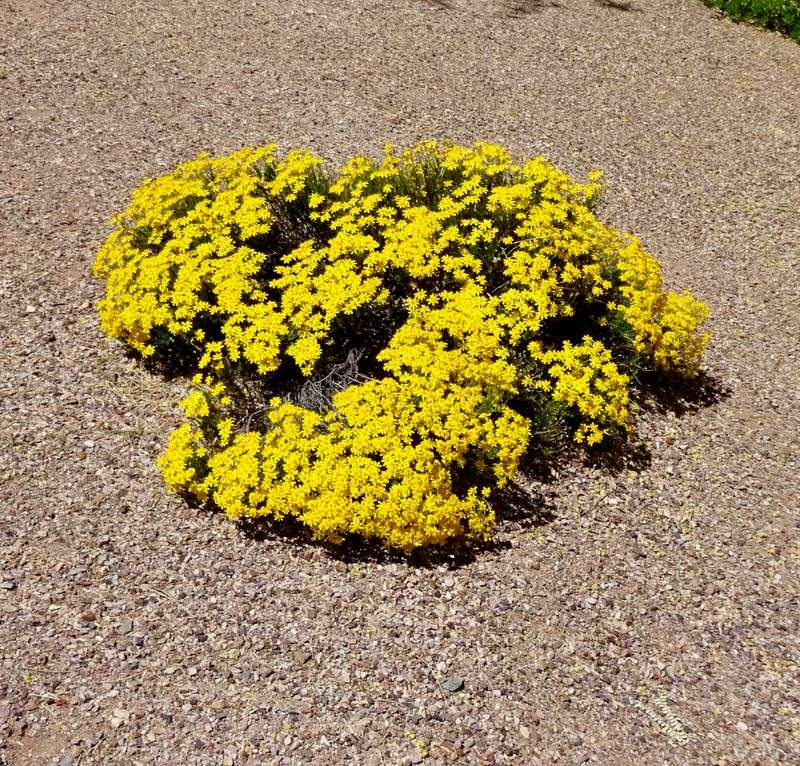
Brush your hand across damianita and you get a burst of spicy, resinous fragrance. That aromatic foliage is part of its charm, and it hints at how tough this little evergreen really is.
Few plants stay this green while sitting in full Arizona sun.
Damianita forms low, rounded mounds of needle-like leaves, usually under 2 feet tall. In spring, it explodes with tiny, bright yellow daisies that nearly hide the foliage.
A smaller second flush sometimes appears after monsoon rains.
Because it stays evergreen, it keeps shading the gravel all year instead of fading in winter. That year-round cover is what sets it apart from many seasonal bloomers.
Weeds hunting for open ground in January will find less of it.
Plant it in fall, water regularly that first winter, and then step way back. Established plants get by on very little water, and soggy soil is their biggest enemy.
Good drainage on a slope or raised berm suits it well.
Native pollinators visit those spring flowers, adding a lively buzz to the yard. Group three to five plants together for the best effect.
They blend into one soft, golden cushion that looks planned rather than patchy.
5. Goodding’s Verbena
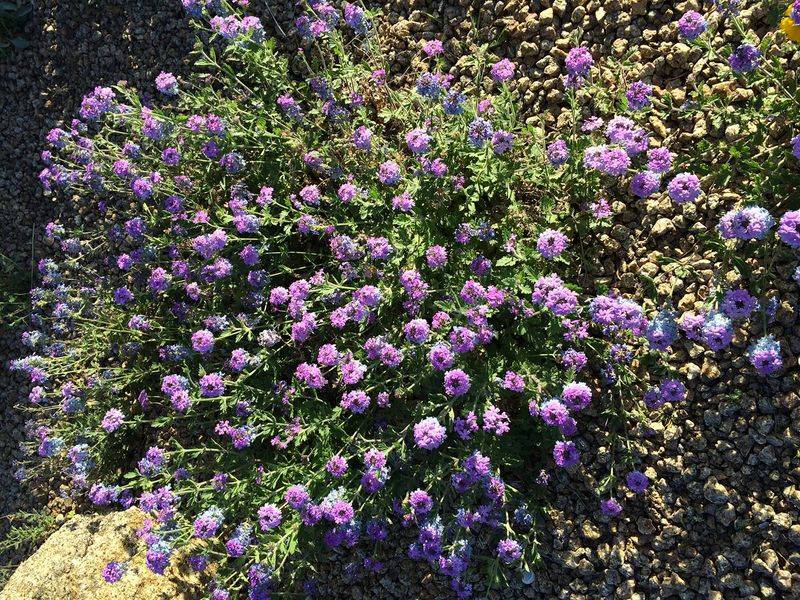
If butterflies had a favorite snack bar in the Sonoran Desert, Goodding’s verbena might be it. Its rounded clusters of pink to lavender flowers draw swallowtails, sulphurs, and painted ladies, especially during the spring peak.
Here is the twist that earns it a spot on this list. Individual plants often fade after a few years, but they rarely leave a hole behind.
Seedlings pop up nearby to take their place, so the patch keeps renewing itself without any help from you.
It grows low and loose, spreading across rocky, poor soil that would discourage fussier plants. That makes it ideal for those stubborn, caliche-heavy corners where nothing else seems to want to live.
Low water needs are a bonus.
Sow seeds or set out small plants in fall to take advantage of winter rains. By March, you may see a spreading wash of purple across ground that used to be bare gravel and stray weeds.
Let some flowers go to seed in late spring to keep the cycle going. A quick trim during the hottest part of summer can tidy things up.
Expect fresh growth and more blooms once cooler fall weather rolls back into the valley.
6. Trailing Lantana
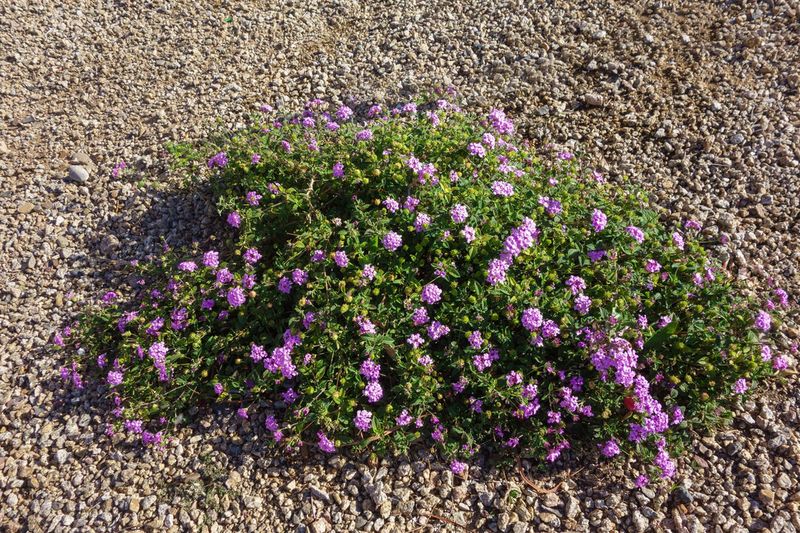
When July hits 115 degrees and most plants look exhausted, trailing lantana just keeps blooming. That stubborn summer show is its claim to fame.
Purple flower clusters keep coming through the hottest months of the year.
Each plant can sprawl 3 to 6 feet wide, forming a dense green mat that hugs the ground. On slopes, that thick growth helps hold soil in place during heavy monsoon downpours.
Fewer washouts mean fewer bare scars where weeds can move in.
Butterflies and hummingbirds both visit, turning a sunny bank into a lively wildlife stop. Plant it near a patio and you can enjoy the action while sitting in the shade.
Kids tend to love spotting the hummingbirds.
A quick reality check is helpful here. Trailing lantana is not a desert native, and a hard frost can nip it back in colder pockets.
Most plants regrow from the roots by spring, so trim off damaged stems after the last frost instead of panicking.
Water deeply but infrequently once established, and skip the fertilizer. Too much food makes it leggy.
Kept lean, it fills gravel quickly and keeps weeds shaded out through the toughest season.
7. Creeping Rosemary
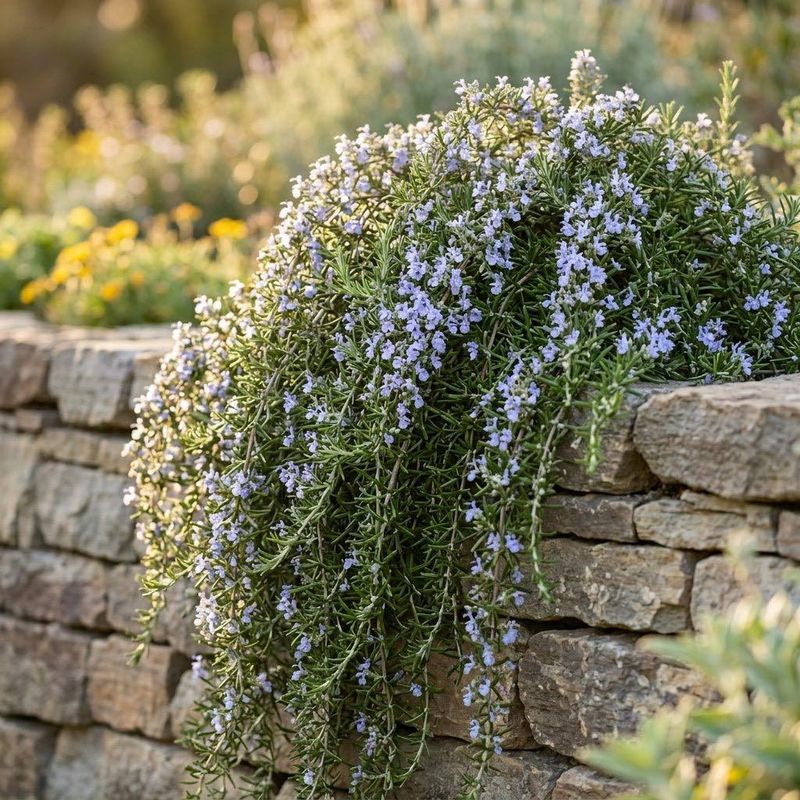
Here is a groundcover you can actually cook with. Creeping rosemary brings fragrant, needle-like leaves that taste just like the upright kind.
Snip a sprig for dinner, and the plant hardly notices.
Though it hails from the Mediterranean, it handles Arizona’s dry heat surprisingly well. Its low, mounding stems spread vigorously across gravel and spill beautifully over walls or raised beds.
The thick evergreen growth shades the soil all year long.
One standout trait is its bloom timing. Small, pale blue flowers often appear in winter and early spring, when few other plants are offering food.
Bees appreciate that cool-season snack, making your yard a helpful stop when forage runs thin.
The strong scent may also make nearby areas a bit less appealing to some insects, though results vary from yard to yard. Either way, brushing past it on a walkway releases a lovely herbal aroma.
Plant it in fall in full sun with sharp drainage. Overwatering is the main way gardeners lose rosemary, so let the soil dry between soakings.
Once established, a deep drink every couple of weeks in summer usually keeps it green, spreading, and steadily pushing weeds out of the picture.
8. Frogfruit
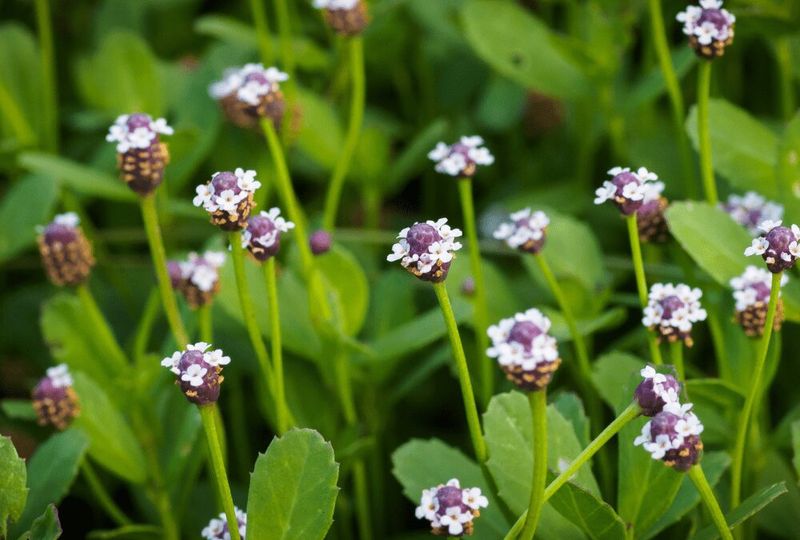
Need something you can actually walk on? Frogfruit is the one groundcover here that handles light foot traffic.
It forms a flat green mat only 2 to 3 inches tall, perfect for filling spaces between stepping stones.
Runners creep along the surface and root as they go, covering several feet in a single season. That tight, carpet-like growth leaves almost no room for weeds to squeeze through.
Some homeowners use it as a lawn substitute in small areas.
Tiny white and pink flowers, shaped a bit like miniature matchsticks, appear through warm months. They look modest, yet bees and small butterflies visit them constantly.
Frogfruit even serves as a host plant for a few butterfly species, so caterpillars may munch on the leaves.
Unlike most plants on this list, it handles part shade nicely. That makes it handy under a mesquite or along the east side of the house, where tougher sun lovers might sulk.
Water needs run low to moderate, a bit more than true desert natives. A drip line running nearby keeps it lush.
In return, you get a soft, living carpet that cools the ground and stays friendly to bare feet.
9. Desert Zinnia
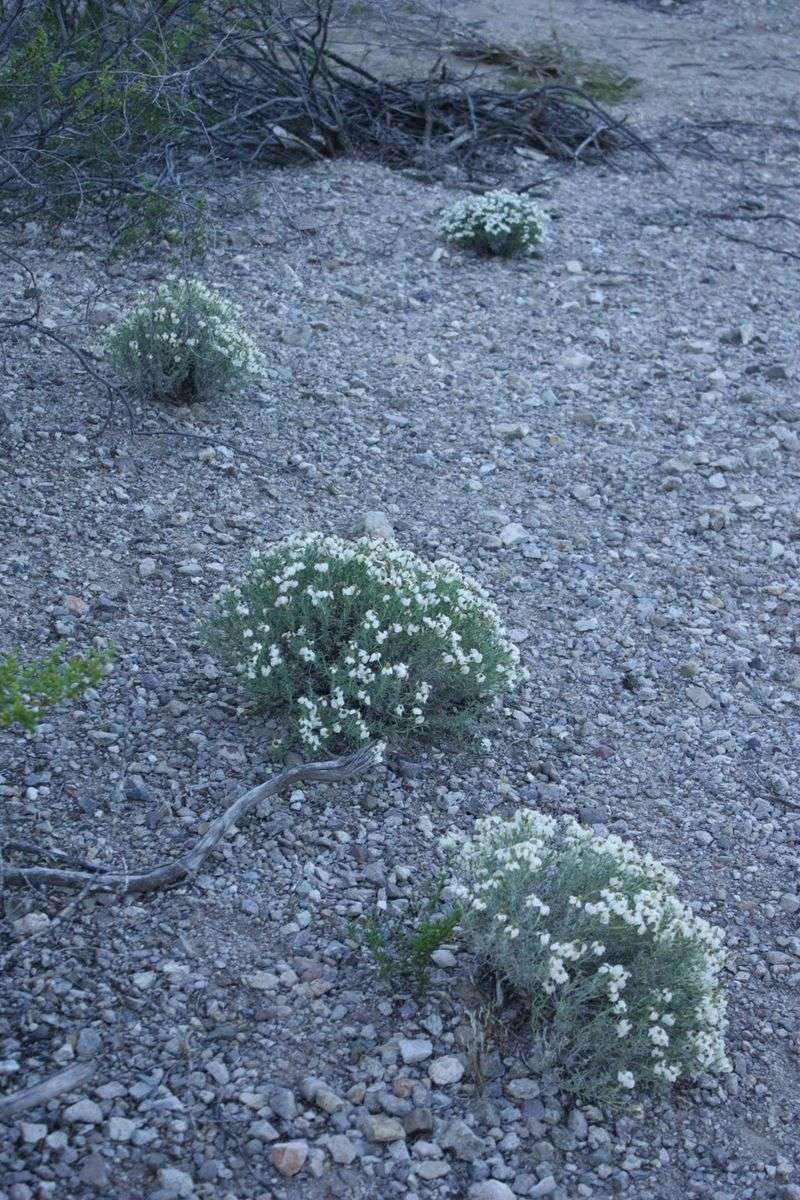
Small but mighty might be the best way to sum up desert zinnia. This native mini-shrub stays just 6 to 10 inches tall and spreads 10 to 18 inches wide.
Yet it handles conditions that would flatten much bigger plants.
Fine, needle-like leaves give it a soft, airy texture against rough gravel. Across the warm season, creamy white to pale yellow flowers dot the foliage.
The papery petals hang on long after blooming, so the plant always looks decorated.
What makes it special is how little it asks for. Once established, it survives on very little supplemental water, even through June.
That makes it a smart pick for far corners of the yard where the drip system barely reaches.
Planted in groups about a foot apart, the little mounds blend together and shade the soil. That shade cuts down on the sunlit bare spots where weeds like to sprout after rain.
Pair it with boulders for a natural, wild-desert look.
Plant in fall for the best start. Skip fertilizer entirely, as lean, rocky soil keeps it compact and long-lived.
Small pollinators visit regularly, giving this pint-sized native a role in the backyard habitat too.
10. Angelita Daisy
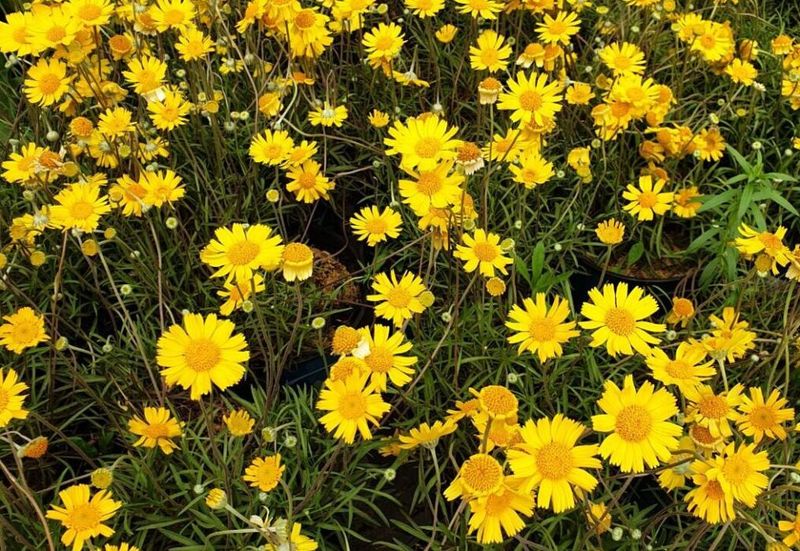
Ask Valley landscapers which flower blooms the most months of the year, and angelita daisy often comes up. Sunny yellow blossoms on slender stems appear heavily in spring and keep popping up through much of the year.
Each plant forms a tidy tuft of narrow, grassy leaves only about a foot tall. Alone, it looks sweet but small.
The trick is planting it close together, roughly 12 to 18 inches apart, so the tufts merge into a flowering carpet.
That close spacing turns it into a real weed blocker. Tufts shade the soil, and the steady show of flowers keeps the area looking intentional rather than bare.
It is a great choice for borders along driveways and walkways.
Angelita daisy handles blazing summer sun and cold winter nights equally well. That flexibility makes it reliable in chillier pockets of the Phoenix and Tucson areas, where frost can be a concern for other plants.
Bees and butterflies stop by for nectar, so even a narrow strip becomes useful habitat. Water about once a week in summer, less in winter.
Shear off old flower stems now and then, and fresh blooms will follow quickly.