This Is Why Your North Carolina Tomatoes Are Still Green In August
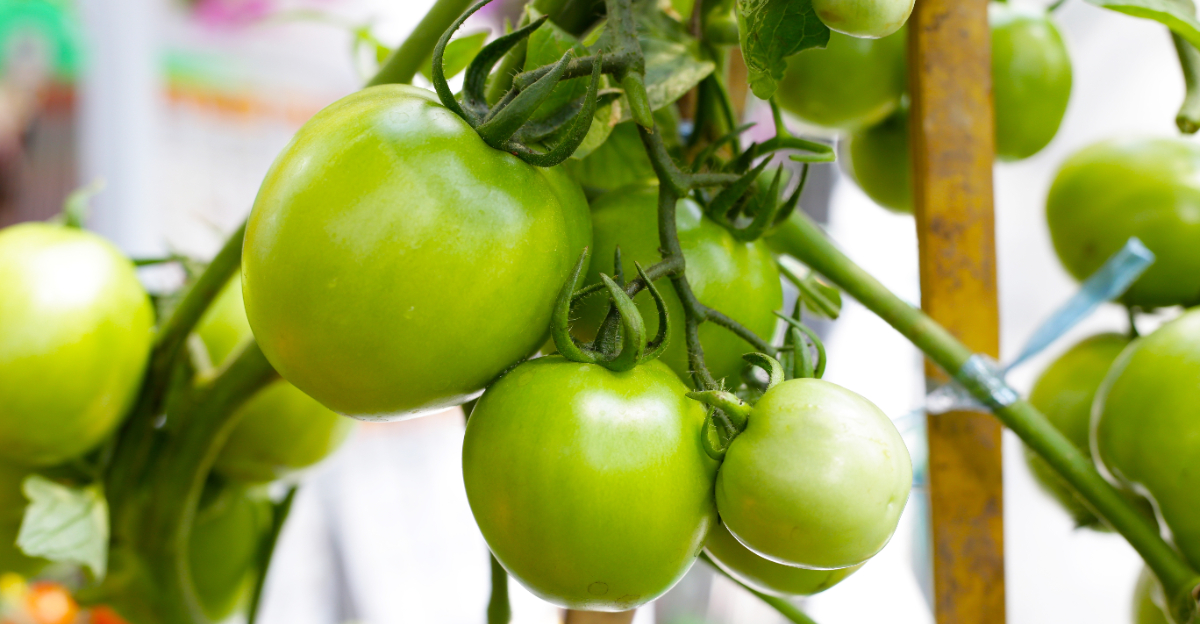
Tomato plants loaded with fruit that stubbornly refuses to ripen leave plenty of North Carolina gardeners confused, especially well into August when harvest should already be in full swing.
Most people assume something is simply wrong with the plant or the variety they chose to grow this year.
But there’s a specific, common explanation behind this exact frustration, one that has much more to do with the weather than anything you did wrong in the garden.
Understanding what’s actually happening changes how you should respond, rather than assuming your tomato crop is a lost cause.
Many gardeners spend weeks troubleshooting the wrong potential fix, missing the real explanation entirely. Once you know what’s truly behind those stubbornly green tomatoes, the situation starts to make a lot more sense.
This knowledge could help you get your harvest back on track before the season runs out.
1. August Heat Can Put Ripening On Hold
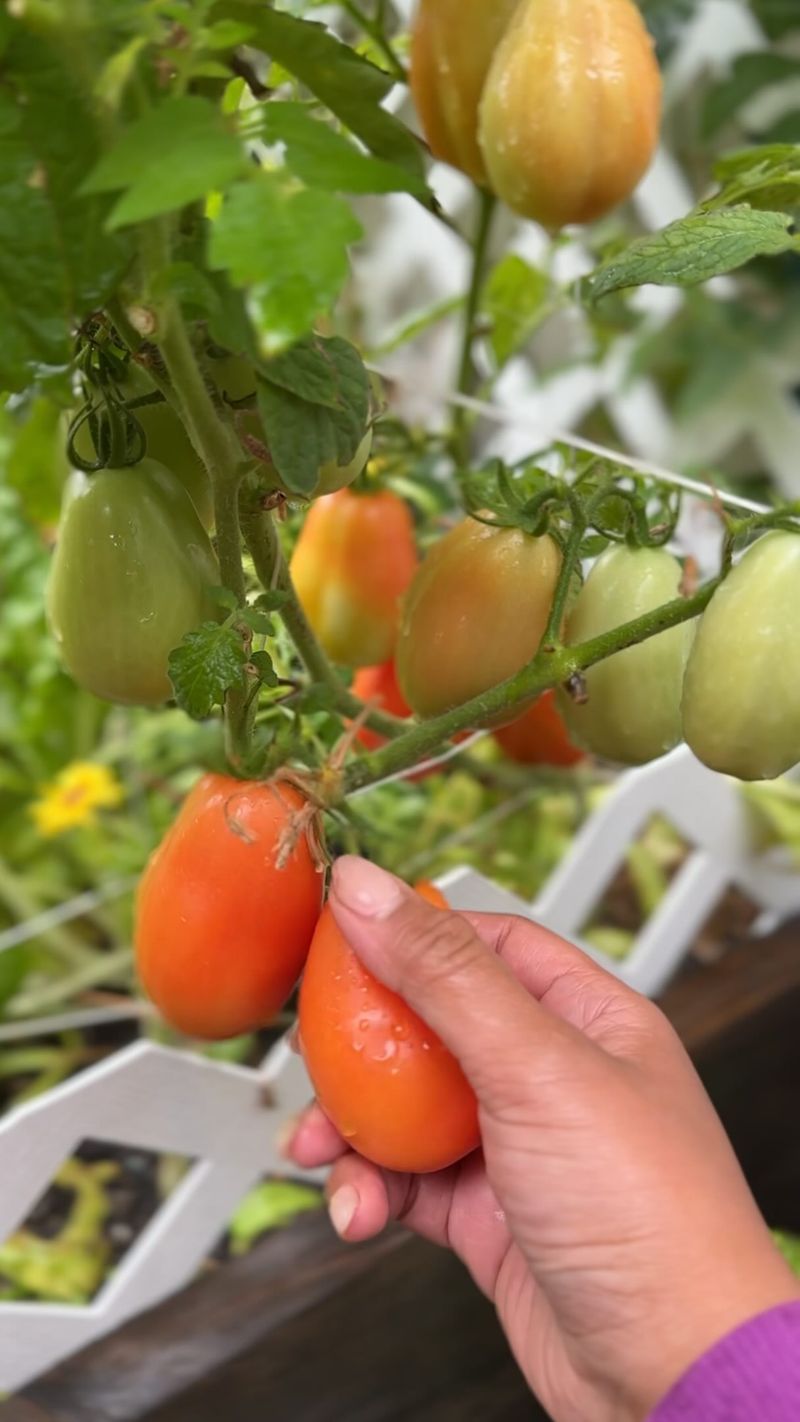
Ever notice how your tomatoes seem to freeze in place once the peak of summer hits? North Carolina Augusts bring long stretches of intense heat, and that heat has a real effect on how fruit matures.
Tomatoes ripen best when temperatures stay between about 68 and 77 degrees. Once the thermometer climbs higher and stays there, the plant shifts into survival mode. Instead of pouring energy into turning fruit red, it focuses on staying cool and holding onto water.
Your tomatoes may already be full-sized, round, and heavy on the vine, yet they simply pause. This waiting game frustrates a lot of gardeners because everything looks ready except the color.
The good news is that the fruit is not wasted or ruined during this pause. Think of it like a person taking shade on a scorching day. The plant is not doing anything wrong, it is just responding to weather that makes ripening hard.
Once a cooler stretch arrives, those green globes often begin coloring up fairly quickly. In the meantime, avoid the urge to fuss too much. Extra water dumps or heavy fertilizer will not speed things along and can create new headaches.
Steady care and patience usually work better than any quick fix. Keep an eye on the forecast. When you see a run of milder days coming, that is often when your patience finally pays off and the harvest basket starts filling again.
2. Red Color Struggles Above 85 Degrees
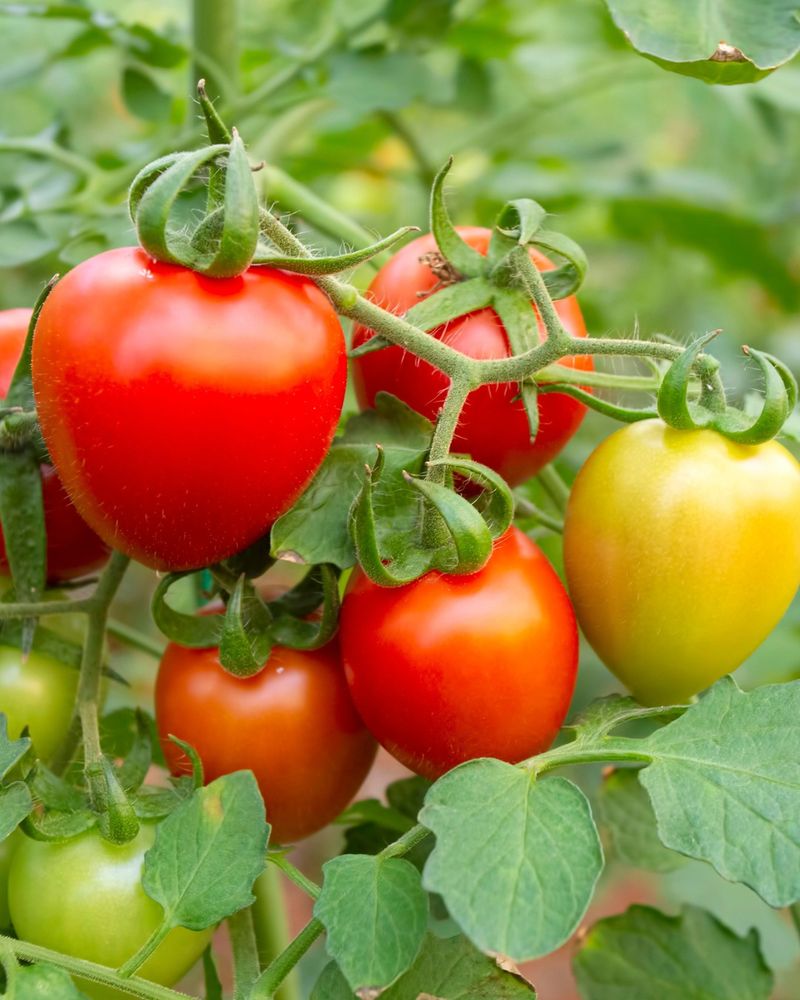
There is a fascinating bit of science behind why your tomatoes stall in the heat. The red color you are waiting for comes from a pigment called lycopene, and lycopene has a temperature limit it does not like to cross.
When daytime highs push past 85 degrees, the plant slows or even stops making this pigment. That is why a tomato can sit on the vine looking mature in size but never turning that deep red you expect.
The fruit is fine, but the color factory inside has hit pause. Another pigment, called carotene, gives tomatoes their orange tones, and it handles heat a little better.
Your North Carolina Garden Changes Every Week. Your Plan Should Too.
Gardening in North Carolina changes quickly throughout the season. Every Friday you’ll receive a simple weekly plan showing exactly what to plant, prune, fertilize, harvest, and protect so you never miss the right timing.
That explains why some varieties turn orange or yellow-ish before going fully red during hot spells.
Knowing this helps you set realistic expectations. No amount of extra sunlight will fix the problem, because sunlight is not the missing piece. In fact, too much direct sun can make things worse by heating the fruit even more.
Shade cloth stretched over your plants during the hottest afternoons can bring temperatures down just enough to help pigment production restart. Many North Carolina gardeners swear by this simple trick during brutal weeks.
Patience remains your best friend here. As soon as temperatures ease back into a comfortable range, the pigment production kicks back on and your tomatoes finally start showing their true colors, sometimes all at once.
3. Hot Nights Can Make The Problem Worse
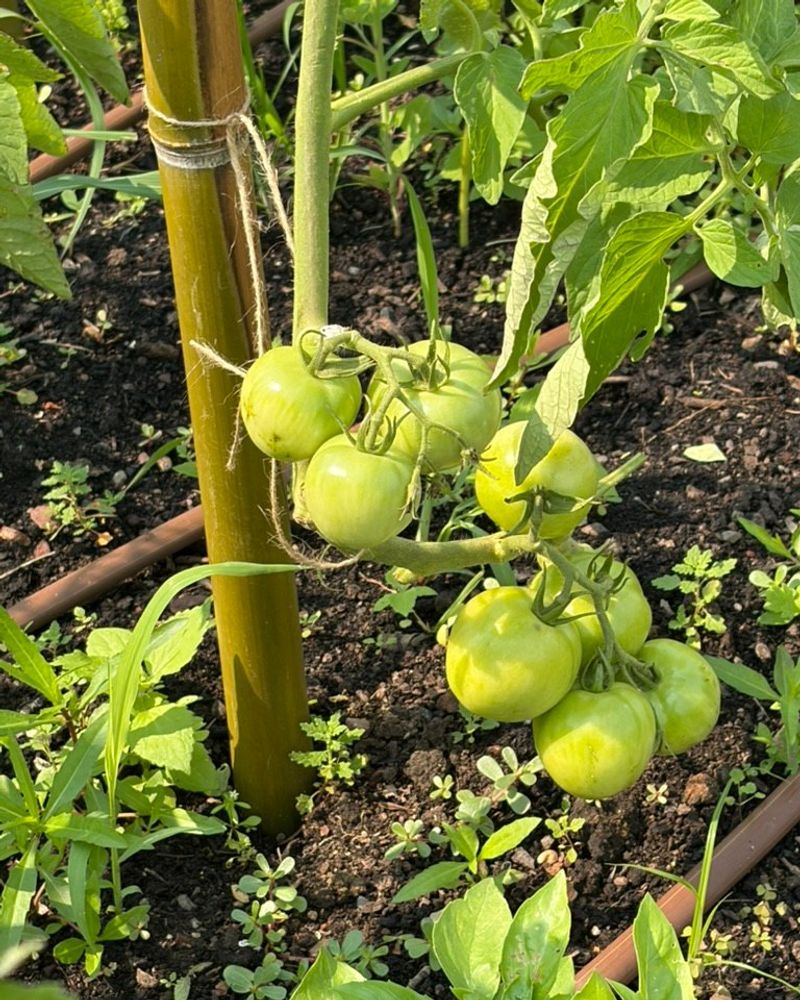
Most people blame the daytime sun, but the real trouble often hides after sunset. Warm nights in North Carolina can be just as tough on ripening tomatoes as hot afternoons.
Tomatoes do a lot of their internal work when the air cools down. When nighttime temperatures stay above 75 degrees, the plant never gets the break it needs to properly process and mature its fruit.
Picture trying to rest in a room that stays stuffy all night. You wake up tired and behind schedule, and that is basically what happens to your tomato plants during muggy southern nights.
Humidity adds to the challenge too. Thick, sticky air traps heat close to the ground, so the plants stay warm long after the sun goes down. Fewer cool hours means fewer chances for ripening to move forward.
You cannot control the weather, but you can help a little. Good spacing between plants allows air to flow, which lets heat escape more easily overnight. Avoid crowding your tomatoes against fences or walls that hold warmth.
Watering in the morning rather than the evening also helps, since damp soil at night can keep the area warmer and more humid. A drier surface by nightfall cools faster.
When those first slightly cooler evenings finally return, usually toward the end of the month, your tomatoes get the rest they have been missing and ripening picks up speed again.
4. Green Fruit Does Not Mean Something Is Wrong
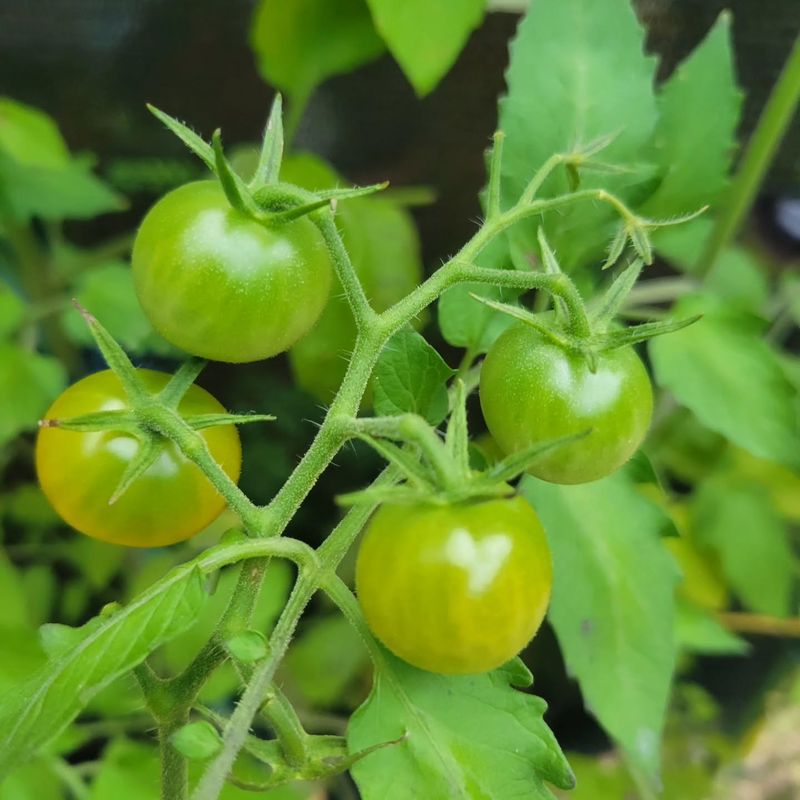
Take a deep breath, because green tomatoes in August are usually a sign of a healthy plant, not a struggling one. Many gardeners panic and assume they did something wrong, when really the weather is calling the shots.
A plant loaded with firm, green fruit is doing exactly what it should. It grew, it set fruit, and now it is simply holding those tomatoes until conditions feel right for the final color change.
During hot weeks, this pause can stretch longer than you expect. The tomatoes are not spoiling on the vine, they are just biding their time and staying protected inside their green skins.
Look closely at the fruit for clues. Smooth skin, steady size, and no soft spots all tell you things are progressing normally. Damage or rot would look very different, so healthy green fruit is genuinely good news.
Once temperatures ease into a friendlier range, these same tomatoes often begin coloring within days. Sometimes an entire plant seems to shift almost overnight after a cool front rolls through North Carolina.
Instead of worrying, use this waiting period to keep your plants well cared for. Steady water, a bit of shade, and gentle attention set the stage for a strong harvest.
Trust the process. Your patience during these slow weeks almost always turns into baskets of ripe, flavorful tomatoes once the season cools down a notch.
5. Do Not Strip Away Their Leafy Shade
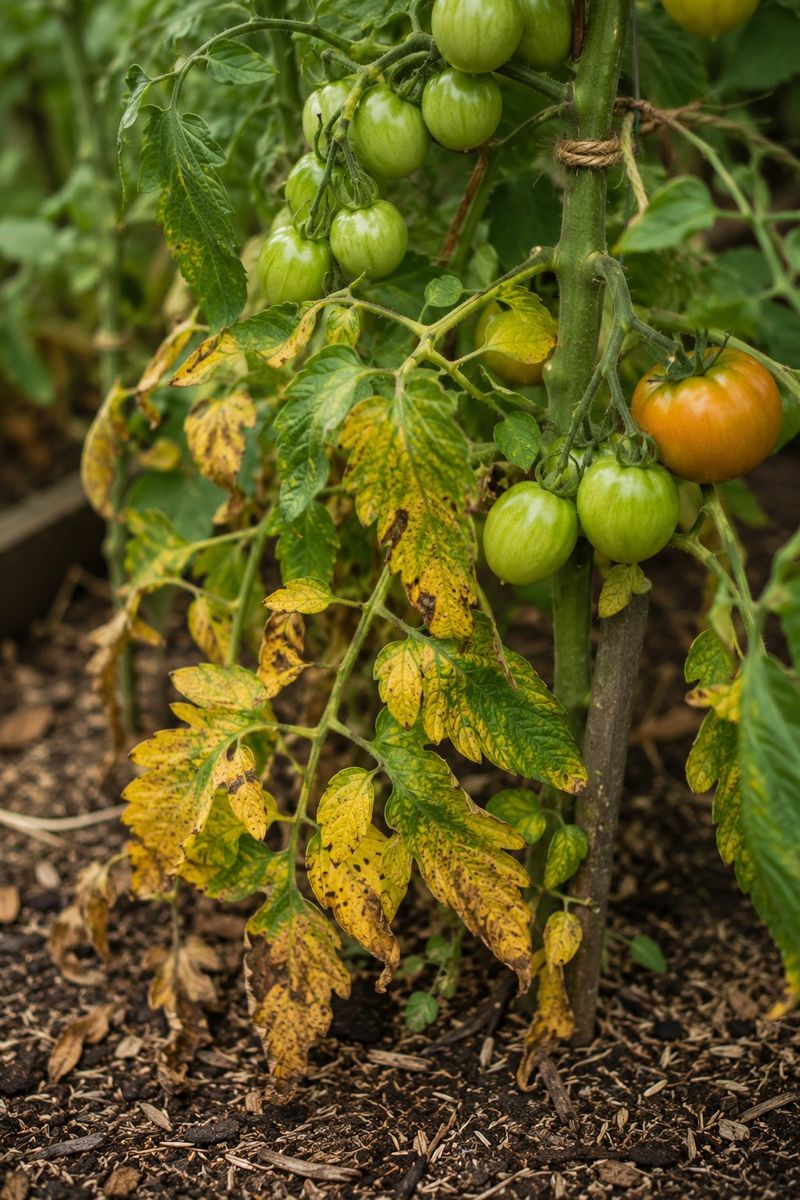
It might feel tempting to snip away leaves so more sun reaches your fruit, but that instinct can backfire in a big way. Those leaves are doing an important job during the hottest part of summer.
Leaves act like little umbrellas, shading tomatoes from harsh, direct sunlight. Strip too many away, and you expose the fruit to intense heat that it cannot handle.
The result is often sunscald, which shows up as pale, papery patches on the tomato skin. Once that damage appears, that part of the fruit will not recover, and it can invite rot too.
Overpruning also removes the very foliage that feeds the plant through photosynthesis. Fewer leaves mean less energy for ripening, which is the opposite of what you want.
A little thinning for airflow is fine, especially near the bottom of the plant. The goal is balance, not a bare skeleton of stems holding exposed fruit.
Think of the leafy canopy as natural sunscreen your plant grew all on its own. In North Carolina’s blazing August sun, that protection matters more than a few extra rays hitting the tomatoes.
If you already trimmed heavily, consider adding shade cloth to make up for the lost cover. It gives your fruit a fighting chance against the strongest afternoon heat.
Let the plant keep most of its greenery. Those leaves are working hard to protect and eventually ripen every tomato hanging beneath them.
6. Keep Soil Moisture Steady
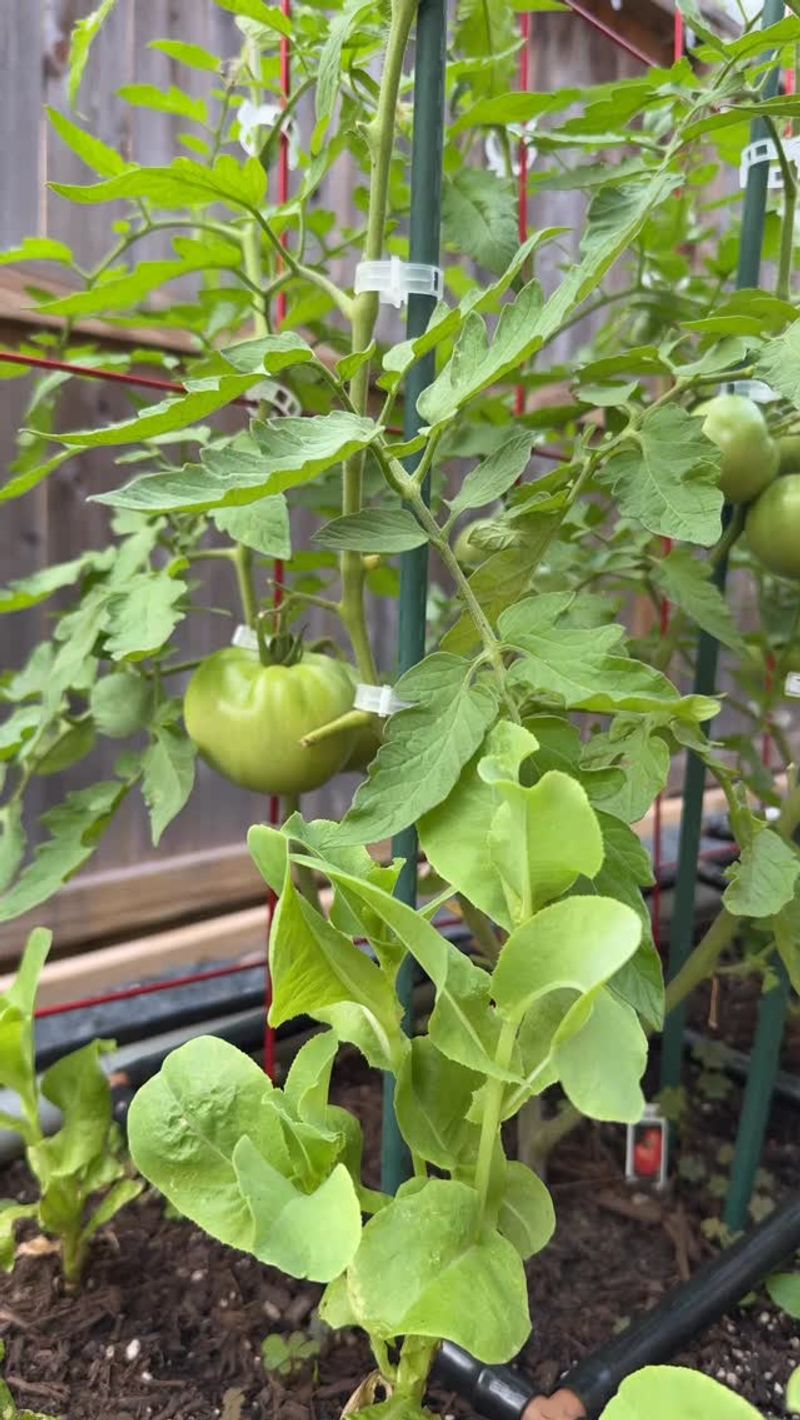
Water might be the single most powerful tool you have during a hot North Carolina August. But here is the catch: how you water matters just as much as how much.
Tomatoes handle heat far better when the soil stays evenly moist. Steady moisture keeps the plant calm and lets it focus energy on the fruit instead of scrambling for water.
Trouble starts when you swing between extremes. Letting the soil dry out completely and then soaking it heavily creates stress that can crack fruit and cause blossom end rot.
Cracked tomatoes often show up right after a big rain or a heavy watering that follows a dry spell. The fruit swells too fast, and the skin splits because it cannot keep up.
Aim for consistency instead. A deep, slow watering a few times a week usually beats a light sprinkle every day, since it reaches the deeper roots where it counts.
Mulch is your secret weapon here. A few inches of straw or shredded leaves around the base holds moisture in and keeps the soil cooler during scorching afternoons.
Morning watering works best because it gives the plant a full drink before the heat peaks. It also lets the surface dry before evening, which reduces humidity around the plant.
Keep that moisture level even and steady, and your tomatoes will handle August far more gracefully while they wait for their moment to ripen.
7. Skip The Extra Nitrogen
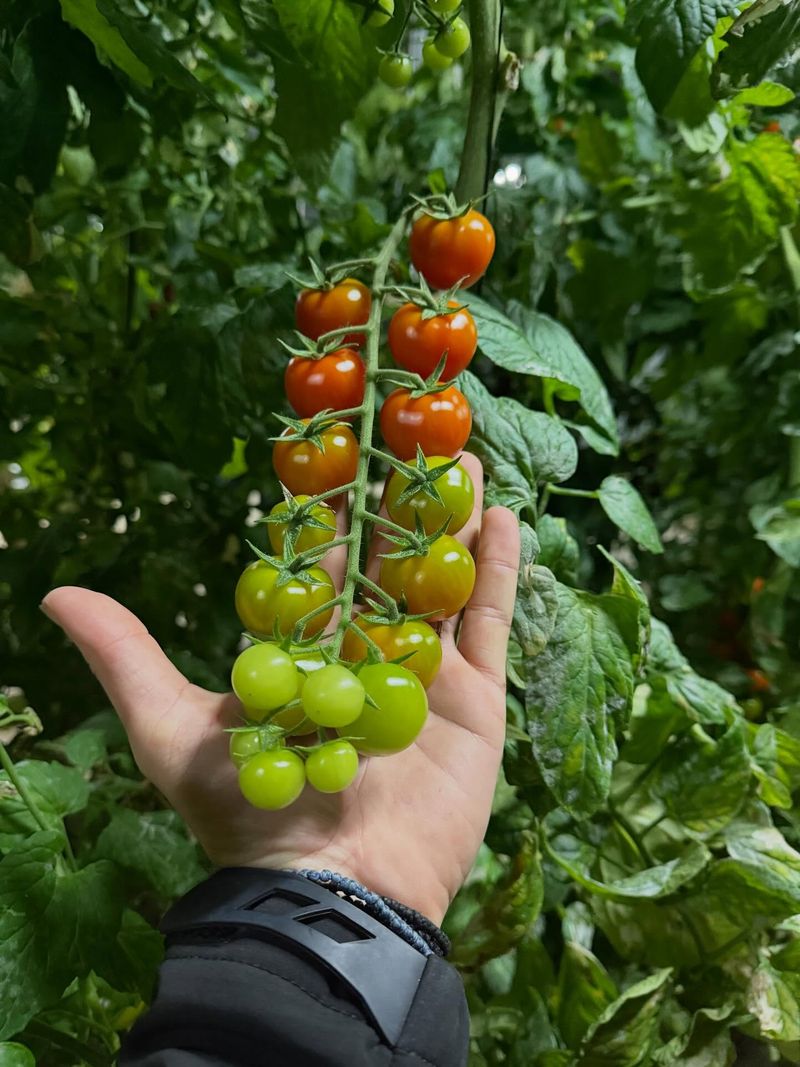
When tomatoes refuse to ripen, a lot of gardeners reach for fertilizer, thinking a boost will fix everything. That move often makes the wait even longer.
Nitrogen is the nutrient that fuels leafy growth. Give a tomato plant too much of it, and you end up with a lush, bushy jungle of green that produces plenty of foliage but little ripe fruit.
The plant simply chases what you feed it. Extra nitrogen tells it to keep making leaves and stems instead of putting energy into coloring the tomatoes already hanging there.
So that big beautiful plant might actually be working against your harvest goals. All those leaves look impressive, but they are pulling attention away from the fruit you want.
Green tomatoes that stall in the heat do not need feeding to finish ripening. The pause is about temperature, not hunger, and fertilizer cannot lower the thermostat outside.
If your plants got a balanced feeding earlier in the season, they likely have what they need. Piling on more nutrients now just adds stress and delays.
Should you feel the plant is truly lacking, choose a fertilizer lower in nitrogen and higher in phosphorus and potassium. Those support fruiting rather than endless leaf production.
For the most part, though, holding back is the smarter play. Let the plant use its stored energy, wait for cooler days, and skip the fertilizer that only feeds the leaves.
8. Let Cooler Weather Finish The Job
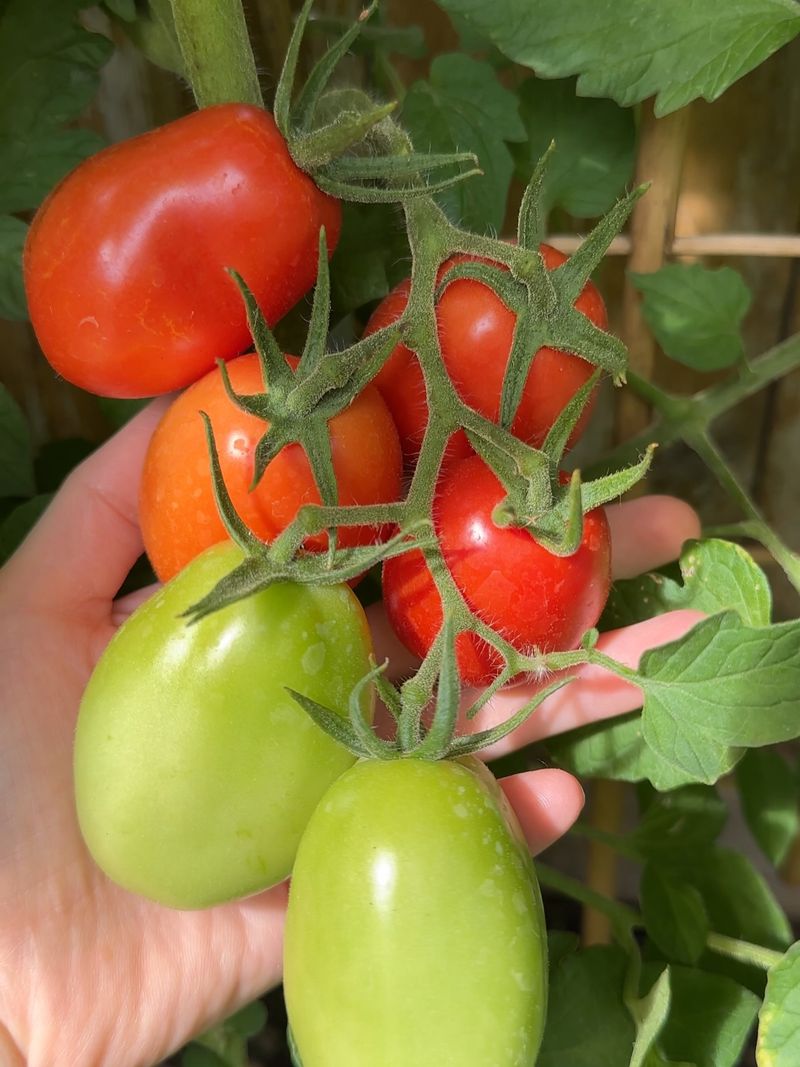
Here is the encouraging part: your patience is about to pay off. As North Carolina’s brutal heat starts to ease, ripening usually kicks into high gear almost like a switch was flipped.
Once temperatures settle into that comfortable range, the plant restarts pigment production. Tomatoes that sat stubbornly green for weeks can begin coloring up within just a few days.
You do not always have to leave them on the vine, either. Any tomato that has started to show a blush of color will keep ripening perfectly well indoors.
Pick those blushing fruits and set them on a counter away from direct sunlight. Room temperature is ideal, and they will slowly turn red over several days with no vine required.
This trick is handy near the end of the season or when heavy heat lingers. Bringing fruit inside protects it from sunscald and lets you control the ripening pace.
Placing a banana or apple nearby speeds things up too, since those fruits release a natural gas that encourages ripening. It is a simple kitchen hack that really works.
Avoid the refrigerator during this stage, because cold temperatures ruin flavor and texture. Keep them on the counter until they reach the color you want.
So take heart during those slow August weeks. Cooler days are coming, and between the vine and your windowsill, that pile of green tomatoes will soon become a delicious, colorful harvest worth the wait.