Why Eastern Rat Snakes May Turn Up Around Georgia Homes In November
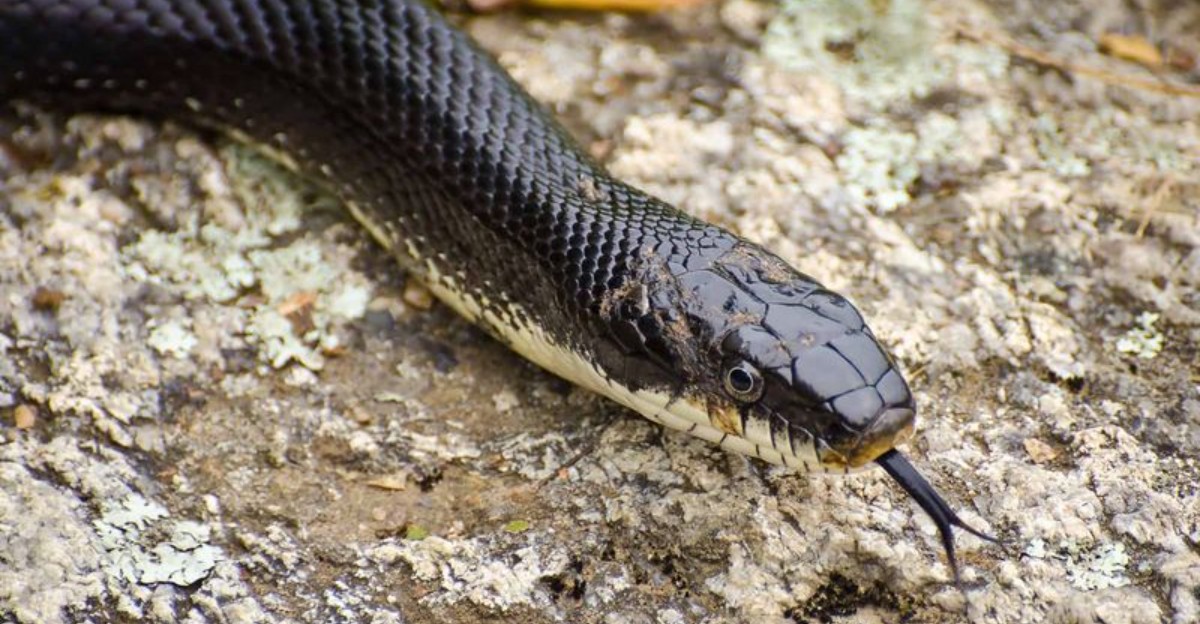
Finding a large snake near your porch in November can catch you off guard, especially when you thought colder weather meant snake activity was winding down.
Eastern rat snakes don’t follow a calendar when deciding whether to move around. A mild afternoon can still bring one out to explore or warm itself before colder conditions return.
That can make late fall sightings seem unexpected.
Around Georgia homes, these nonvenomous snakes may visit areas where rodents find food and shelter. Woodpiles, sheds, and sheltered spaces around buildings can offer places to hide as temperatures change.
Don’t assume every snake you encounter near the house is dangerous.
Give it space and avoid trying to handle or corner it. November sightings don’t necessarily mean a snake has settled in for winter, and its presence may be temporary.
1. Cooling Weather Sends Them Looking For Protected Winter Hideouts
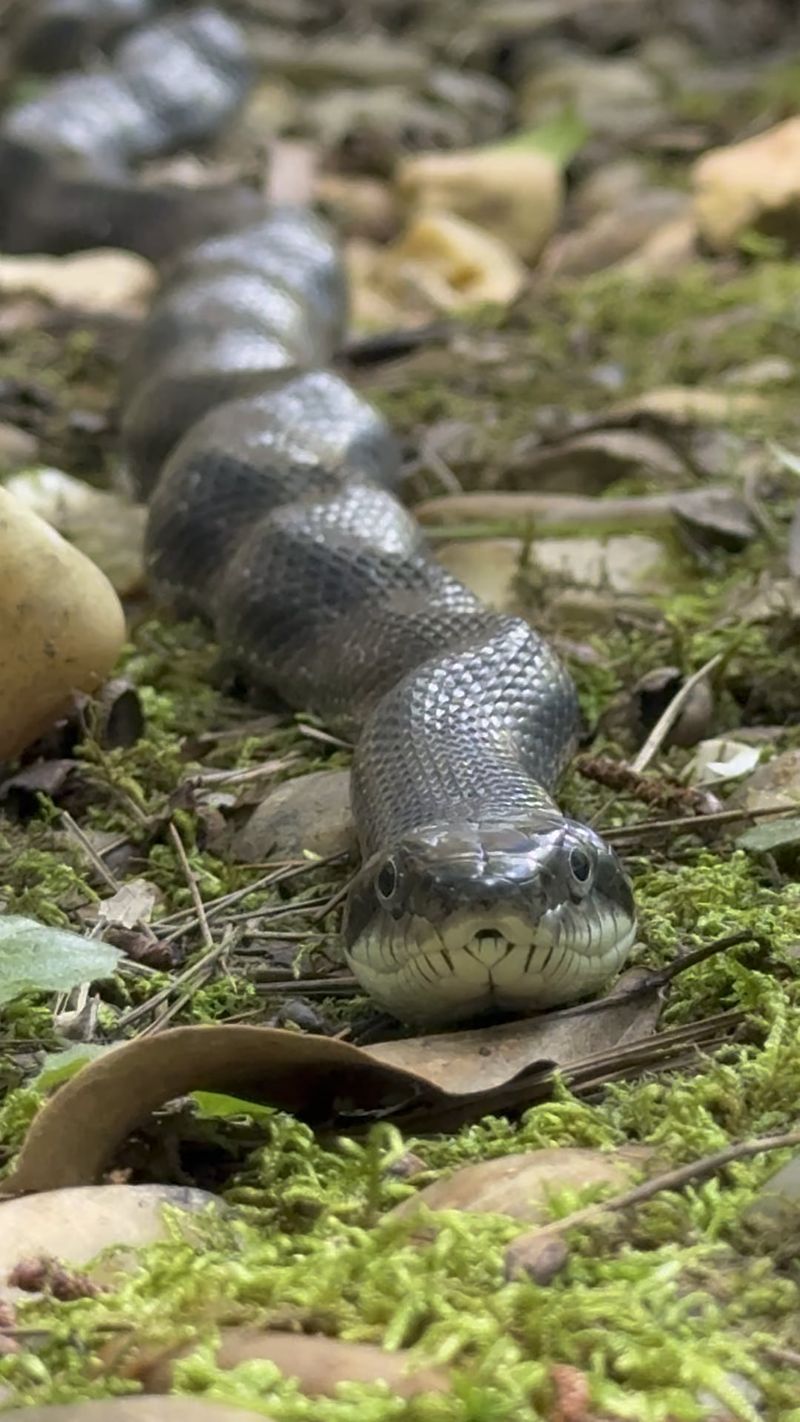
Shorter days change everything for a cold-blooded animal. Eastern rat snakes rely on outside warmth to stay active, so falling temperatures push them to find shelter.
In the wild, they often use hollow trees, rock crevices, old stumps, and abandoned animal burrows as winter retreats.
Across Georgia, the timing varies quite a bit from place to place. Mountain areas in the north tend to cool off earlier than the coastal plain in the south.
That means a snake near Blairsville may settle in weeks before one near Valdosta does.
During this search, rat snakes may travel farther than usual. A route that crosses your yard, driveway, or porch is simply part of the trip for them.
Brumation is the word for the slowed-down winter state reptiles enter. Rat snakes do not sleep straight through it, and they may move on mild days.
Homes can look a lot like natural shelters to a snake. Woodpiles, stacked lumber, and cluttered sheds offer dark, protected spaces that hold steady temperatures.
If you want fewer surprise visitors, start by tidying up those spots around the edges of your property.
Moving firewood stacks away from the house and keeping them off the ground can help. Clearing brush piles near foundations also removes inviting cover.
None of these steps will make your yard snake-free, but they can lower the odds of a rat snake choosing your place as its winter base.
2. Attics And Crawl Spaces Can Offer Shelter From Cold Weather
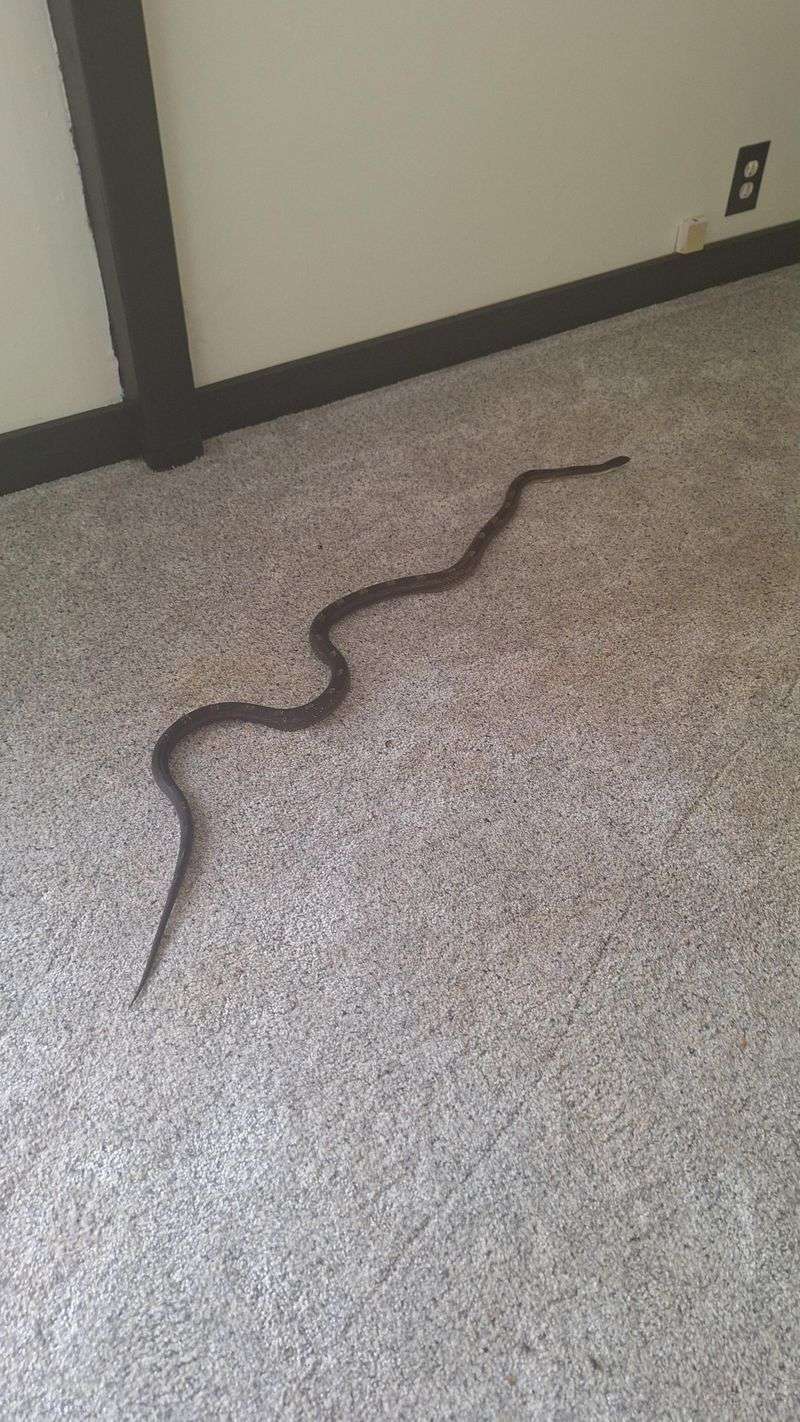
Hidden corners of a house stay calmer than the open outdoors. Attics and crawl spaces block wind, shed rain, and often hold a bit of warmth from the living space nearby.
To a rat snake hunting for a winter spot, that combination can be hard to pass up.
Crawl spaces are especially common in older homes across the Southeast. Loose vent screens, gaps around pipes, and cracked foundation blocks can give a snake a way in.
Attics are a little different, since getting there takes climbing skill. Rat snakes are good at it, so roofline gaps and openings near soffits matter too.
Signs of a snake indoors are often subtle. You might find a shed skin, which can be surprisingly long and papery, tucked along insulation or beams.
Droppings may show up as well, though they can be hard to tell apart from other critters without a closer look.
If you spot a snake in a crawl space, give it room and avoid grabbing it. Many people in Georgia call a licensed wildlife removal company to handle the job safely.
Checking these areas once in early fall can save you a surprise later.
Bring a flashlight, wear gloves, and look for torn screens or light coming through cracks. Small fixes now are usually easier than dealing with an unwanted guest in midwinter.
3. Expert Climbers Can Scale Brick Walls And Tree Trunks With Ease
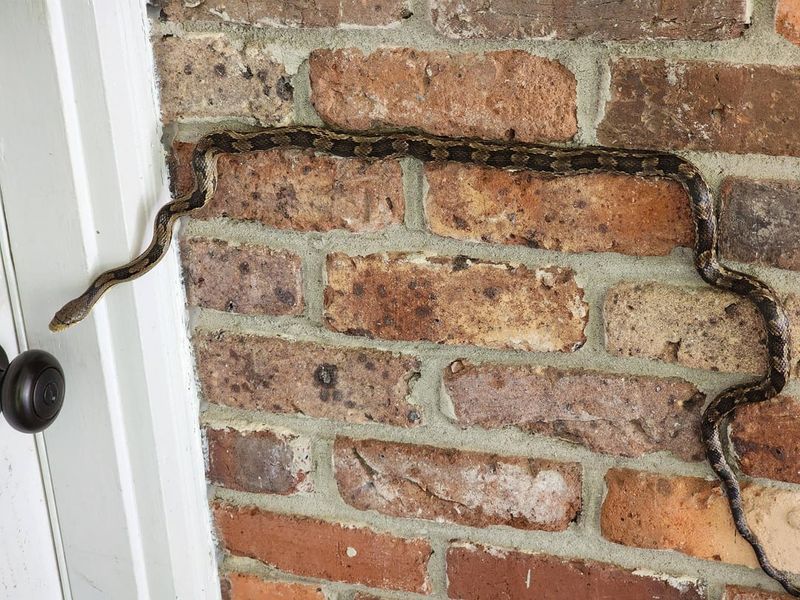
Few local snakes climb as well as this one. Eastern rat snakes can work their way up rough bark, brick, and wooden siding using the edges of their belly scales for grip.
Watch one closely and you may see its body bend into a series of kinks. That shape lets it press into tiny cracks and ledges as it moves upward.
Smooth surfaces like metal or glass are much harder for them. Rough textures are where they really shine, and brick has plenty of small grooves to use.
Trees give them access to bird nests, which are a regular food source. Branches hanging over a roof can also act like a bridge to gutters and eaves.
Homeowners sometimes spot a rat snake draped along a gutter or stretched across a porch rafter. It can be startling, but the snake is usually just resting or passing through.
Trimming limbs back from your roofline is a practical step that also helps with gutter debris. Keep shrubs and vines from growing tight against walls as well.
Bird feeders and birdhouses mounted on poles can benefit from baffles. These cone or tube shields make it tougher for a climbing snake to reach eggs or chicks.
Here in Georgia, many backyard birders use baffles for exactly that reason, and they help with squirrels too.
4. Mice And Rats Around The House Give Them A Reason To Stay
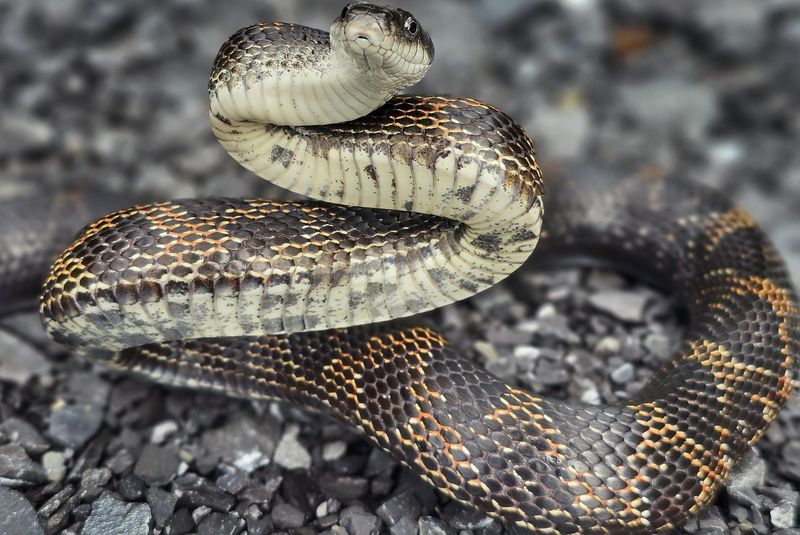
Food is a big part of the story. The name rat snake fits well, since rodents are one of their main meals, along with birds and eggs.
Fall is a busy season for mice looking to move indoors, and that movement can catch a snake’s attention.
Where rodents gather, rat snakes may follow. Garages, barns, sheds, and chicken coops often have spilled feed or stored grain that draws in mice.
Rat snakes do not use venom to subdue their prey. They are constrictors, wrapping around prey and squeezing until it stops moving.
That hunting habit makes them useful neighbors in rural Georgia, where farmers have long appreciated their help around barns. Still, not everyone wants one living in the shed.
Reducing the rodent supply is the most reliable way to make your property less appealing.
Store birdseed, pet food, and grain in sealed metal or heavy plastic containers. Pick up fallen seed under feeders when you can.
Chicken keepers should collect eggs daily and close coops securely at night. Rat snakes are known to raid nests, and hardware cloth over gaps helps keep them out.
Fewer mice usually means fewer reasons for a snake to linger, though one may still pass through now and then.
5. Warm Sunny Afternoons Can Coax Them Out Even In Late Fall
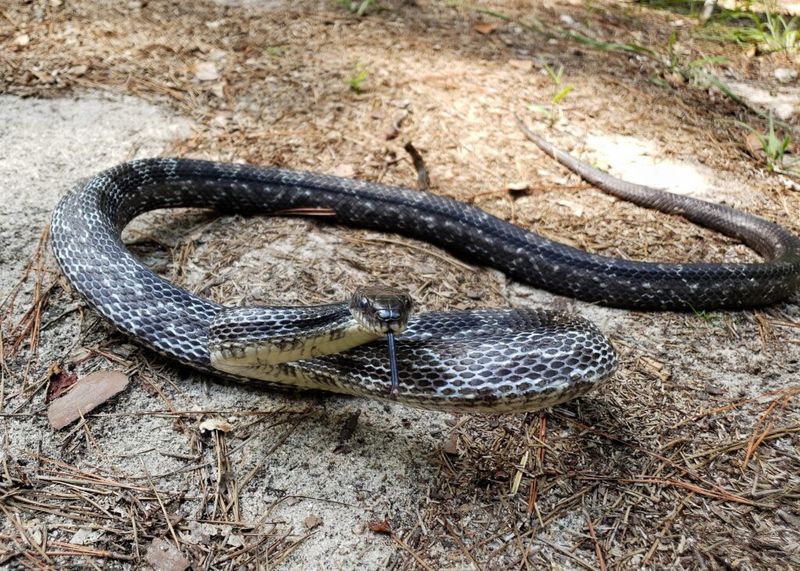
November in the South rarely stays cold for long. A chilly week can be followed by several mild, sunny days that feel almost like early fall again.
Snakes notice those swings right away.
On a warm afternoon, a rat snake may leave its shelter to bask on a sidewalk, rock, deck, or sunny patch of mulch. Soaking up heat helps its body work properly.
Seeing a snake out in late fall does not mean something is wrong. It is a normal response to the weather, especially in central and southern parts of the state.
Georgia winters tend to be milder than those farther north, so reptile sightings can pop up even into December during warm spells. Exact timing depends on local conditions each year.
Keep an eye out when moving leaf piles or lifting tarps on sunny days.
Wearing gloves and sturdy shoes during fall yard work is a simple habit worth keeping. Use a rake or stick to shift debris before reaching in with your hands.
Pets may also find basking snakes before you do. Keeping dogs leashed or supervised in brushy areas can prevent a tense standoff.
Once temperatures drop again, most snakes slip back into hiding. Patience is usually all it takes for a sunbathing visitor to move along.
6. These Snakes Are Nonvenomous And Rarely Aggressive If Left Alone
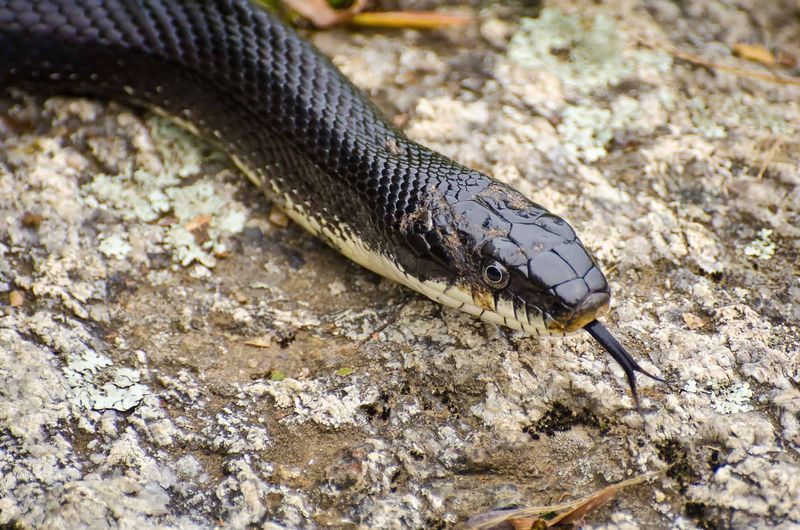
Size can be misleading. Eastern rat snakes can grow quite long, yet they have no venom and are not a medical threat to healthy people.
When cornered, a rat snake may freeze, coil up, or hold its body in a kinked pose. It might also vibrate its tail against dry leaves, making a buzzing sound.
Some will release a strong musky smell if handled. A bite is possible when they feel trapped, but it usually causes only minor scratches.
Cleaning any bite with soap and water is a sensible step, and a doctor can advise if it looks irritated.
Telling snakes apart matters in Georgia, which is also home to several venomous species, including copperheads and rattlesnakes. Young rat snakes have blotchy patterns that confuse many people.
If you are unsure what kind of snake you are looking at, treat it with caution and keep your distance.
University Extension offices and state wildlife agencies offer photo guides that can help with identification. Learning a few key features makes yard encounters much less stressful.
Most snakebites happen when people try to catch or harm a snake. Simply stepping back and letting it leave is the safest choice for everyone.
Calm, steady patience tends to work better than a broom or shovel ever will.
7. Sealing Entry Gaps Helps Keep Snakes Out Of Homes
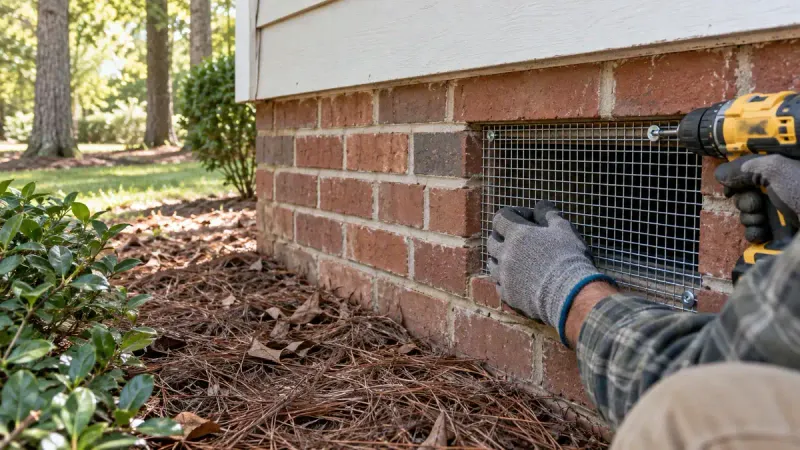
Prevention beats removal almost every time. A rat snake cannot use an opening that is no longer there, so a careful walk around your house is a smart starting point.
Look low first, then work your way up.
Common trouble spots include foundation vents, gaps around plumbing and utility lines, worn door sweeps, and cracks in siding. Garage doors with damaged seals are another frequent entry point.
Hardware cloth with small openings works well for covering vents while still allowing airflow. Expanding foam, caulk, and weatherstripping can close many smaller gaps.
Up top, check soffits, roof vents, and spots where the roofline meets the walls. Screens that have pulled loose may need to be refastened.
Snake repellents sold in stores are popular, but evidence for their effectiveness is limited, according to many wildlife experts.
Sealing gaps also helps keep out mice, insects, and drafts, which adds value beyond snake control. Late summer or early fall is a good time to tackle the job before cooler weather arrives.
Homeowners across Georgia often find that one afternoon of repairs makes a noticeable difference. Some openings are hard to reach, so a pest control or wildlife professional can help.
No home is perfectly sealed, but fewer gaps usually mean fewer surprises when November rolls around.