Palmetto Bugs Head Indoors In Georgia As Fall Nights Turn Cooler
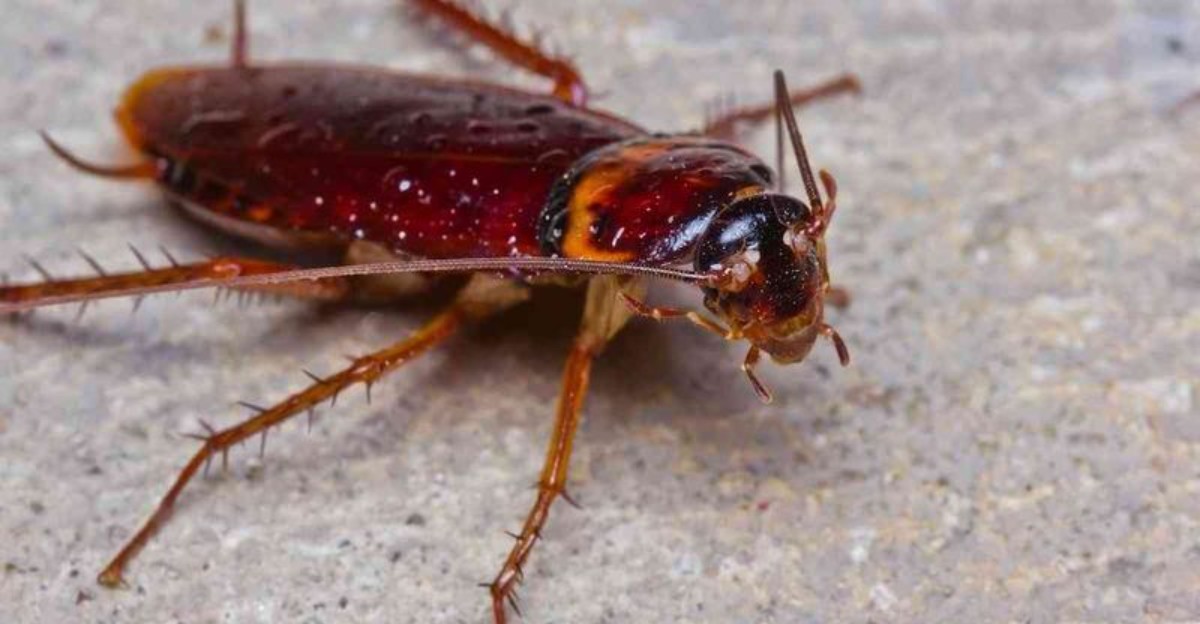
Flipping on the kitchen light and seeing a palmetto bug dart under the fridge can ruin an evening fast. If that happened to you lately, the timing is probably no coincidence.
These roaches spend most of the summer outside in mulch and other damp spots around the yard.
Once nights start cooling off, they look for somewhere warmer, and your house is usually the closest option.
Across Georgia, this is when homeowners start seeing them in rooms where they were never a problem before. They rarely come through an open door, so the real entry points are easy to miss.
Most of those gaps are small enough that you walk past them every day.
Take a slow look around the outside of your house this weekend, especially along the foundation.
1. Fall Can Bring More Palmetto Bugs Close To The House
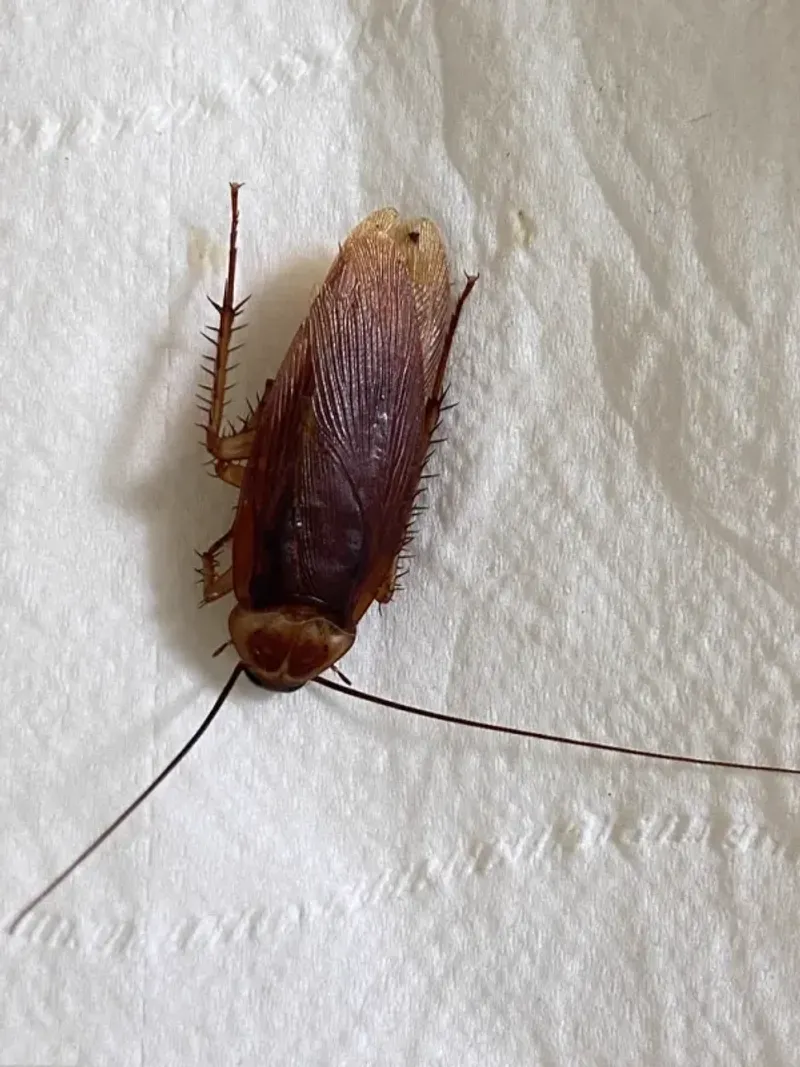
Autumn in the yard looks peaceful, but a lot is happening under those fallen leaves. As temperatures swing, palmetto bugs tend to gather in spots that hold steady warmth and moisture.
Around a typical house, those spots are usually right beside the foundation.
Mulch beds, stacked firewood, and piles of raked leaves all trap heat and dampness. When those features sit up against your walls, roaches living there end up just inches from a door or vent.
Across much of Georgia, fall weather can bounce between warm afternoons and chilly nights, which may encourage more movement near homes.
You might notice them on porches, patios, or near outdoor lights after dark. Lights draw in other insects, and some roaches seem to follow that activity looking for food.
A quick walk around your house in the evening can tell you a lot about what is going on outside.
Try pulling mulch back a few inches from the foundation and keeping leaf piles away from the siding. Moving firewood at least several feet from the house is another easy change that removes a cozy hiding spot.
None of these steps will clear every roach from your property, since they are common outdoors in the South.
Still, making the area next to your walls less comfortable can lower the number that wander close enough to find a way inside.
2. These Large Roaches Usually Spend Their Time Outdoors
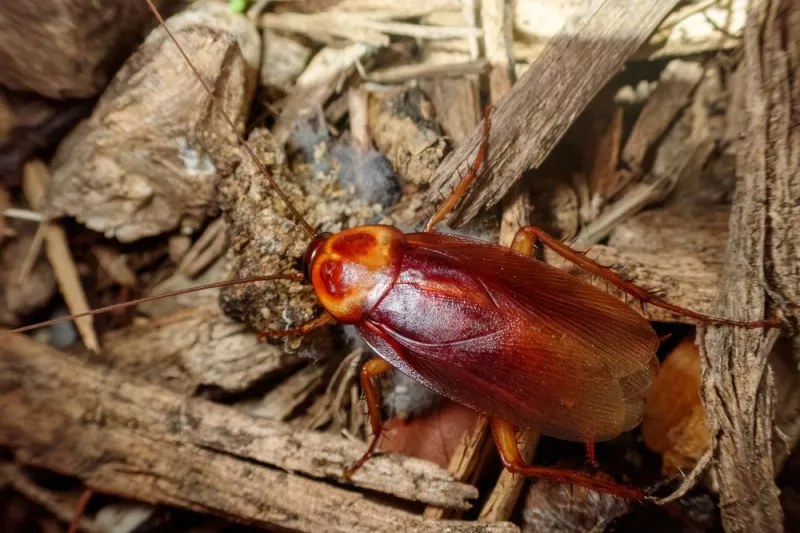
Picture a roach, and you might imagine a dirty kitchen. Palmetto bugs are a little different, because they often live happily outside in the yard.
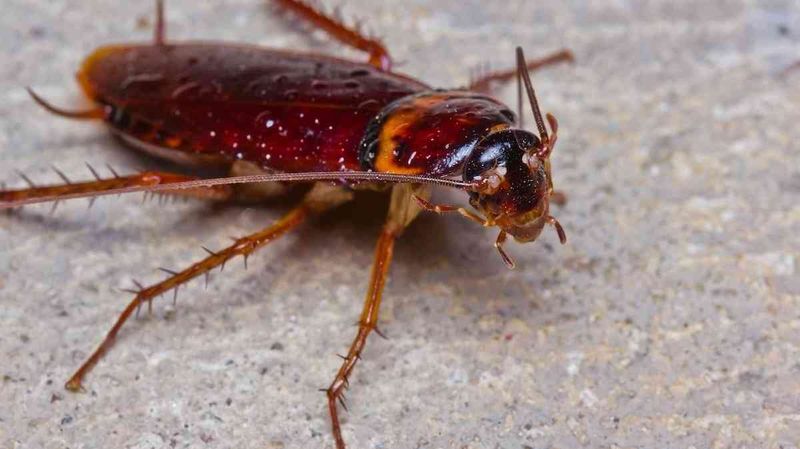
They can grow roughly an inch and a half long, with shiny reddish-brown bodies and a pale band behind the head.
Outdoors, they often hang out in tree holes, under bark, inside storm drains, and beneath damp mulch. Sewers and crawl spaces can hold them too, since those places stay humid and dark.
Georgia gives them plenty of room to thrive, thanks to its long warm season and frequent humidity.
Out in nature, they mostly eat decaying plant matter and other organic bits. In that sense, they play a small role in breaking down leaf litter and debris around the garden.
Your Georgia Garden Changes Every Week. Your Plan Should Too.
Gardening in Georgia changes quickly throughout the season. Every Friday you’ll receive a simple weekly plan showing exactly what to plant, prune, fertilize, harvest, and protect so you never miss the right timing.
Here is a fun detail: adults have wings and can glide short distances, which surprises plenty of people on summer nights.
Knowing they are mainly outdoor insects changes how you approach the problem. Instead of focusing only on indoor sprays, it makes sense to look at the conditions outside that support them.
Clearing clogged gutters, trimming shrubs that touch the house, and removing yard clutter can all help.
Results vary with your property and local weather, but a tidier yard usually gives them fewer places to settle near your walls.
3. Cooler Nights Can Send Them Searching For Shelter
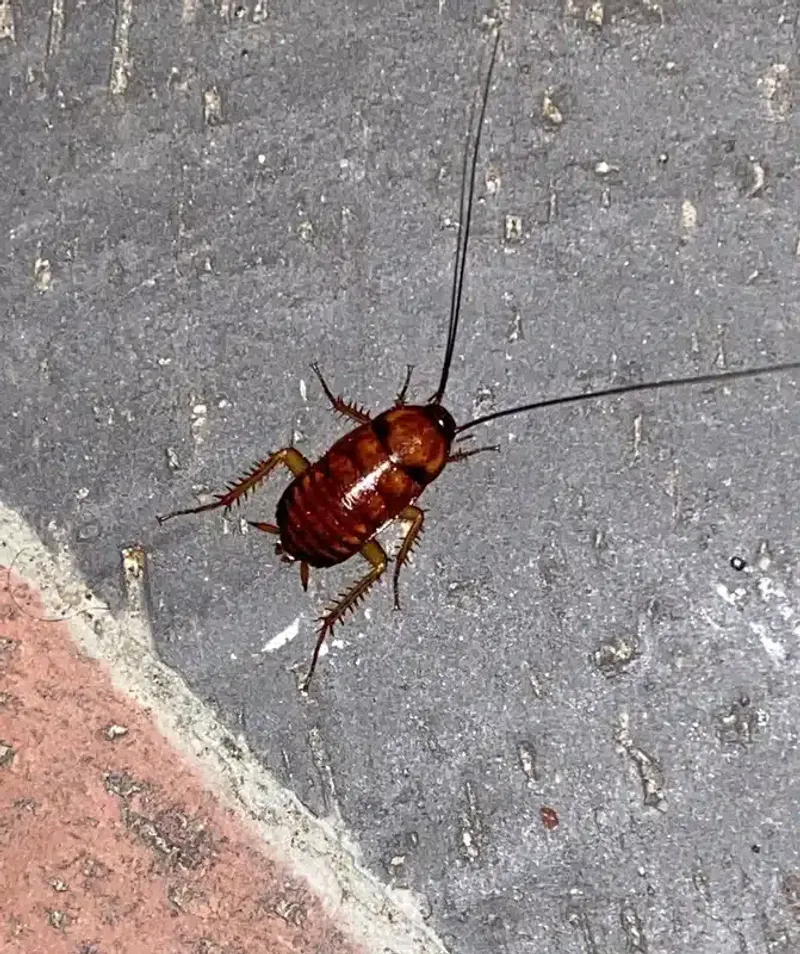
Ever notice more roaches right after the first cool snap? You are not imagining things, since shifting temperatures can change how these insects behave.
Palmetto bugs are cold-blooded, so their activity depends heavily on the temperature around them.
When nights drop into the fifties or lower, they often slow down and look for protected spaces. Your home, with its steady indoor temperature, can seem like an attractive option.
In Georgia, those first chilly evenings usually arrive sometime in October, though timing varies from north to south.
Heavy rain can have a similar effect by flooding their usual outdoor hiding places. After a big storm, some may move toward higher, drier ground, and a house fits that description well.
Keep in mind that not every cool night will bring roaches inside.
Plenty will simply tuck deeper into mulch, wood piles, or crawl spaces instead. How many head indoors depends on your yard, your home’s condition, and how local weather plays out that year.
A smart move is checking door sweeps and weatherstripping in early fall, before the colder stretch begins.
Doing that small bit of prep ahead of time is often easier than chasing roaches around the kitchen later in the season.
4. Small Gaps Give Them An Easy Route Inside
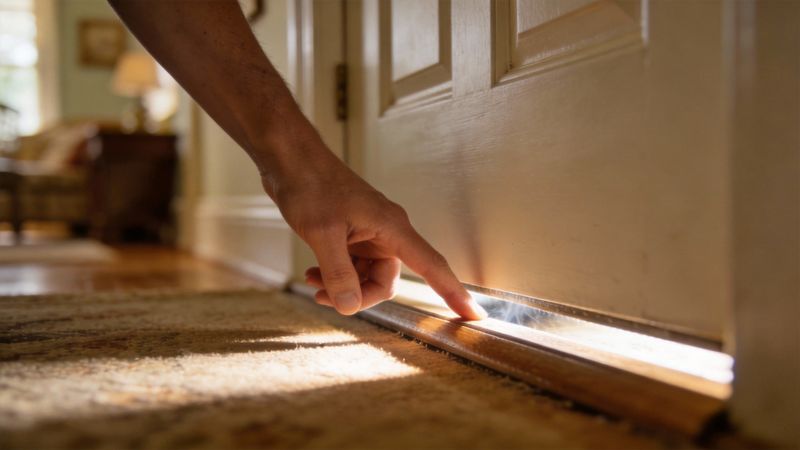
A space no wider than a pencil can be enough. Palmetto bugs have flat, flexible bodies that let them slip through surprisingly narrow openings.
Worn door sweeps are one of the most common trouble spots homeowners overlook.
Look closely at the bottom of exterior doors in the evening with a light on inside. If you can see light glowing under the door from outside, a roach can likely find that path too.
Gaps around plumbing pipes, dryer vents, and cable lines are other popular entry points.
Garage doors deserve attention as well, especially if the rubber seal at the bottom is cracked or flattened. Many older homes in Georgia also have crawl space vents or foundation cracks that offer easy access.
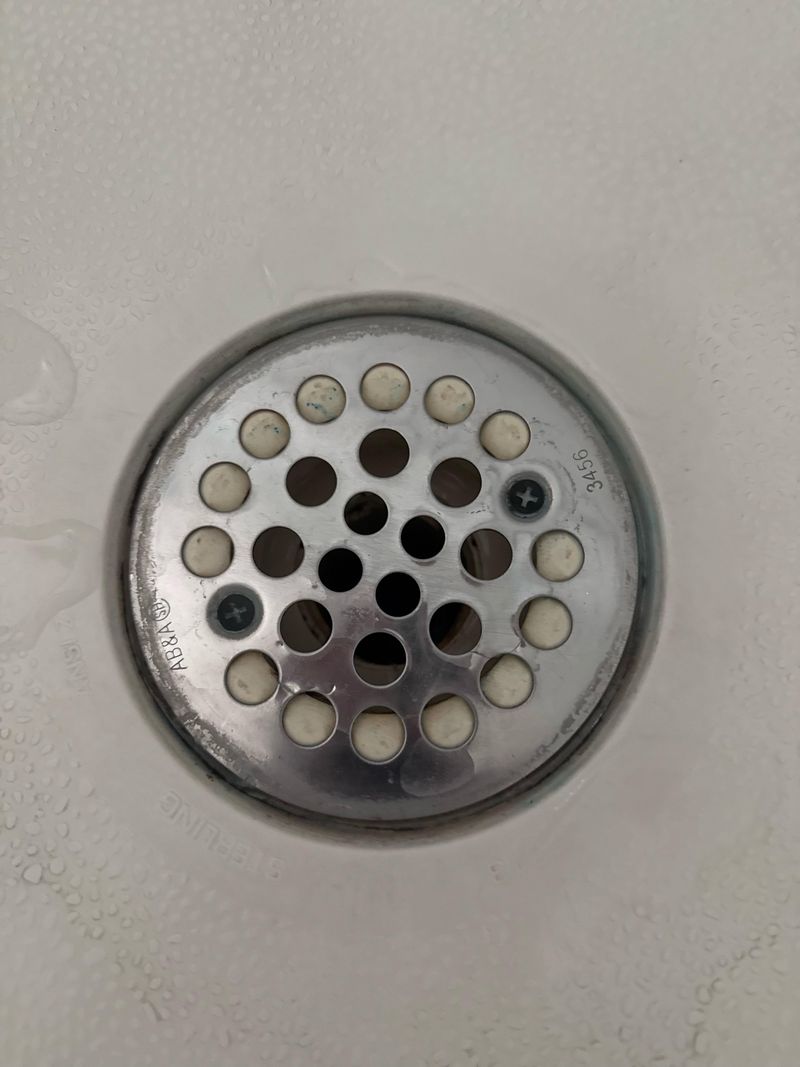
Floor drains and sink drains can occasionally let them up from plumbing lines, too.
Walk the outside of your house slowly and note every opening you spot. A flashlight and a notepad make the job simple, and it usually takes less than an hour for an average home.
Once you have that list, you will know exactly where to focus your repair time.
Tackling the biggest and most obvious gaps first tends to give you the most noticeable difference.
5. Damp Areas Can Make Indoor Spaces More Inviting
Moisture matters to these roaches more than almost anything else. Palmetto bugs lose water easily, so they tend to seek out places that stay humid.
Inside a house, that usually means bathrooms, laundry rooms, basements, and the cabinet under the kitchen sink.
A slow drip from a pipe might not seem like a big deal to you. For a roach, though, that little leak can turn a dark cabinet into a comfortable spot with a steady water source.
Georgia summers leave many homes feeling muggy, and some of that dampness can linger into early fall.
Running a dehumidifier in a basement or crawl space may help, though results depend on your home’s layout and airflow. Using bathroom exhaust fans after showers is another easy habit worth building.
Fix leaky faucets and check under sinks for wet spots every few weeks.
Cardboard boxes stored in damp areas can also hold moisture and give roaches cover. Switching to sealed plastic bins makes those spaces less appealing and easier to clean.
Don’t forget pet water bowls and plant saucers left out overnight.
Drying things out won’t make your home roach-proof, but it removes one of the main reasons they might decide to stay once inside.
6. Sealing Entry Points Tackles The Problem At Its Source
Sprays get the attention, but caulk often does the quieter, longer-lasting work. Blocking the way in means fewer roaches to deal with once they are already inside.
Start with a tube of exterior silicone or latex caulk for small cracks around windows and trim.
For larger openings around pipes, expanding foam or copper mesh can fill the space better. Mesh is handy because pests have a harder time chewing or pushing through it.
Replacing worn door sweeps and weatherstripping usually costs little and takes only a few minutes per door.
Vent covers with fine screening can help keep insects out of crawl spaces and attics while still allowing airflow. Drain covers or stoppers are useful for floor drains that sit unused for long periods.
Seasonal checks matter, since caulk can crack and seals wear down over time.
Georgia’s heat and humidity can speed up that wear, so a yearly inspection in late summer is a sensible routine. Some homeowners pair it with other fall chores like cleaning gutters.
If gaps are hard to reach or you suspect foundation issues, a licensed pest professional or contractor can take a closer look.
Sealing won’t stop every roach, but it tends to cut down the steady trickle of fall visitors.
7. An Occasional Visitor Does Not Always Mean An Infestation
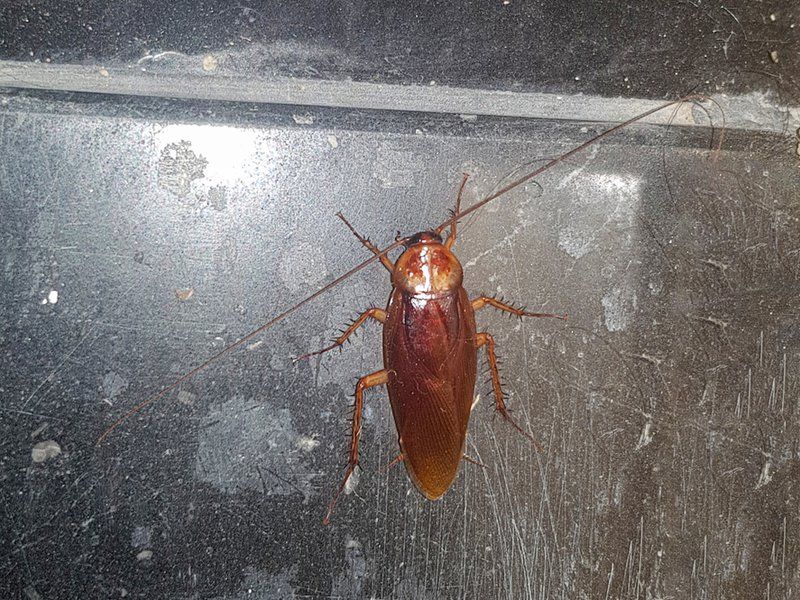
Spotting one roach in the bathroom can feel like an emergency. Take a breath, because a single palmetto bug often just wandered in from outside.
Since they live mostly outdoors, stray visitors are fairly common in southern homes during certain seasons.
An infestation usually looks different from one surprise sighting. Signs to watch for include droppings that resemble coffee grounds, egg cases, a musty odor, or roaches seen during daylight hours.
Frequent sightings in several rooms over a few weeks are another clue that something bigger may be going on.
If you only see one now and then, focus on prevention by sealing gaps, fixing leaks, and keeping food stored tightly. Sticky traps placed along walls can also help you track how often they appear.
Plenty of Georgia families deal with a few roaches each year without ever facing a serious problem.
Should the signs point toward a larger population, calling a licensed pest control company is a reasonable next step. They can identify the species, since smaller German cockroaches need a very different approach.
Keeping perspective helps you respond calmly and wisely.
A handful of fall visitors usually means it is time for some upkeep, not panic, and simple habits can make a real difference.