8 Strong Scents That Attract Coyotes To Georgia Yards
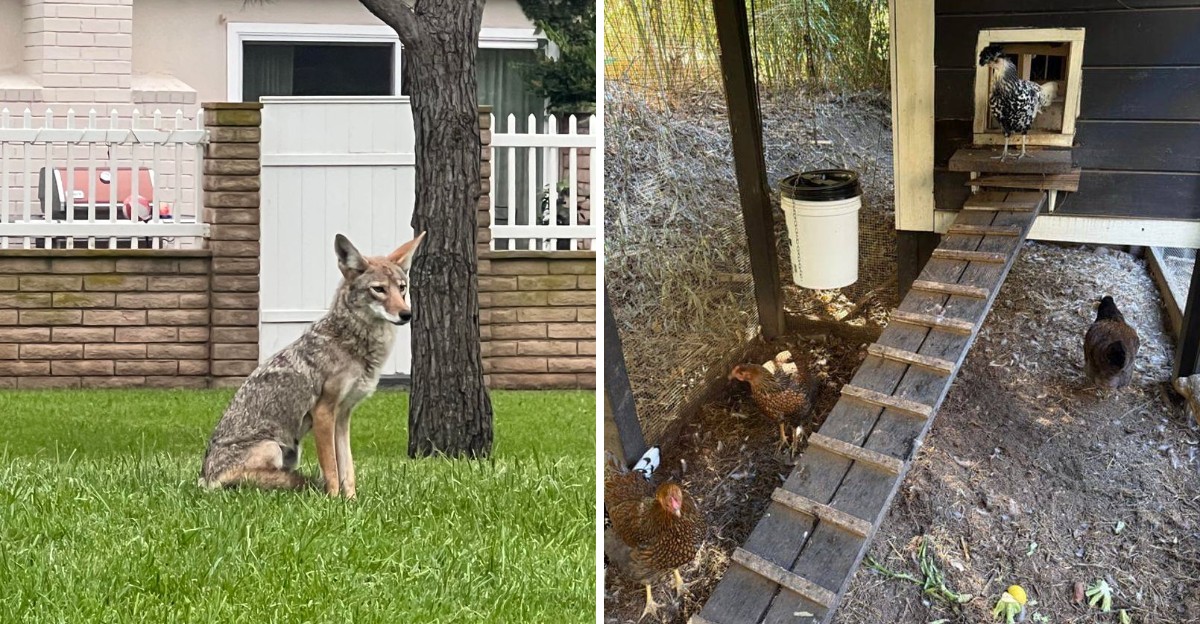
Coyotes rely on their noses more than their eyes when moving through a neighborhood after dark. Smells that barely register to you can carry a long way on cool nights.
Many of the strongest draws come from ordinary household routines, not anything unusual. Everyday chores and leftovers can create a scent trail worth following.
Once a coyote finds a reliable meal, it often returns to the same spot night after night.
Repeat visits can bring them closer to porches, sheds, and fenced areas where small pets spend time.
Coyotes now live in cities, suburbs, and rural areas throughout Georgia, so no neighborhood is off their map.
Walk your yard in the evening and notice which odors linger in spots you rarely think about. Small changes can make your property far less interesting to a passing coyote.
1. Overflowing Trash Cans Leave Strong Food Smells Around The Yard
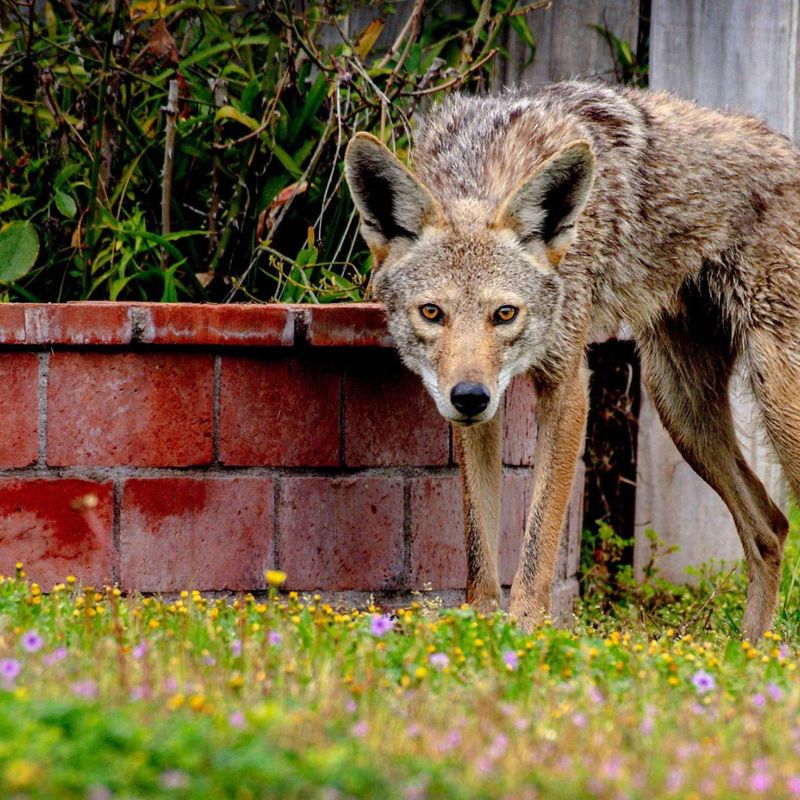
Garbage talks, and coyotes listen closely. A trash can stuffed so full that the lid will not close sends food smells drifting across the whole neighborhood.
Meat wrappers, chicken bones, and greasy takeout boxes give off some of the strongest odors.
Coyotes are opportunistic feeders, so they rarely pass up a free meal. Once a can tips over, the scattered scraps can keep them coming back on later nights.
Summer heat across Georgia makes the problem worse, since warm weather speeds up rotting and boosts odors.
So what actually helps? Start with cans that have tight-fitting lids, and look for models with latches or straps if raccoons or coyotes keep knocking yours over.
Storing cans in a garage or shed until pickup day is another solid choice.
Bagging food waste twice can cut down on smell. Some families also freeze meat scraps and bones, then toss them out the morning the truck arrives.
Rinsing your cans now and then matters more than people think, because old juices soak into the bottom and keep smelling long after the trash is gone.
A quick scrub with soap and water every few weeks is usually enough. Results can vary depending on how many animals live nearby, but a clean, sealed can gives coyotes much less reason to stop.
2. Pet Food Left Outside Overnight Can Draw Hungry Coyotes
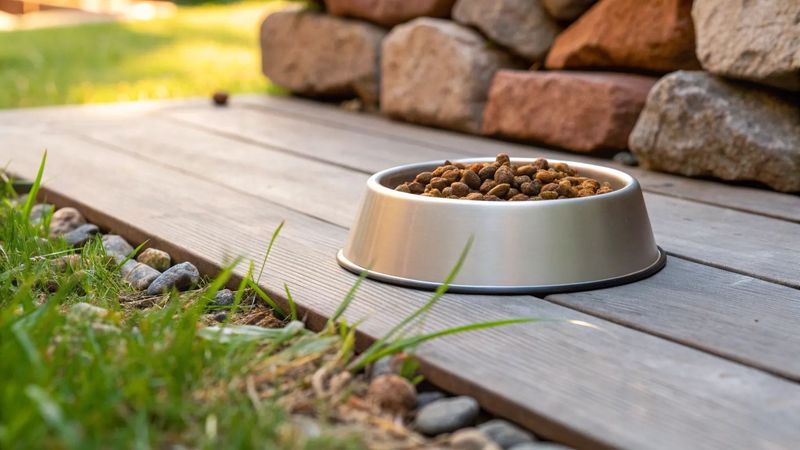
One bowl of kibble on the porch seems harmless. To a coyote walking past at night, though, it smells like an open buffet.
Dry and canned pet foods are packed with meat proteins and fats that animals can detect from a good distance.
Coyotes tend to be most active around dusk, overnight, and early morning. That timing lines up with the hours when a forgotten bowl sits alone outside.
Feeding pets indoors is the simplest fix.
If your dog or cat eats outside, try serving meals at set times and picking up the bowl within about half an hour. Leftover food can go back in a sealed container.
Storage counts too, since a torn bag of kibble in a carport or on a screened porch can still draw attention.
Your Georgia Garden Changes Every Week. Your Plan Should Too.
Gardening in Georgia changes quickly throughout the season. Every Friday you’ll receive a simple weekly plan showing exactly what to plant, prune, fertilize, harvest, and protect so you never miss the right timing.
Keep pet food in a hard plastic or metal bin with a snug lid. Many Georgia households store these bins in a garage, which also helps keep out ants and rodents.
Water bowls are less of a draw, but spilled food around them can still leave a scent trail worth cleaning.
There is another reason to be careful here. A coyote that finds food near your home may also notice small pets, so bringing cats and little dogs inside at night adds an extra layer of safety.
3. Grease And Meat Drippings On Backyard Grills Attract Scavengers
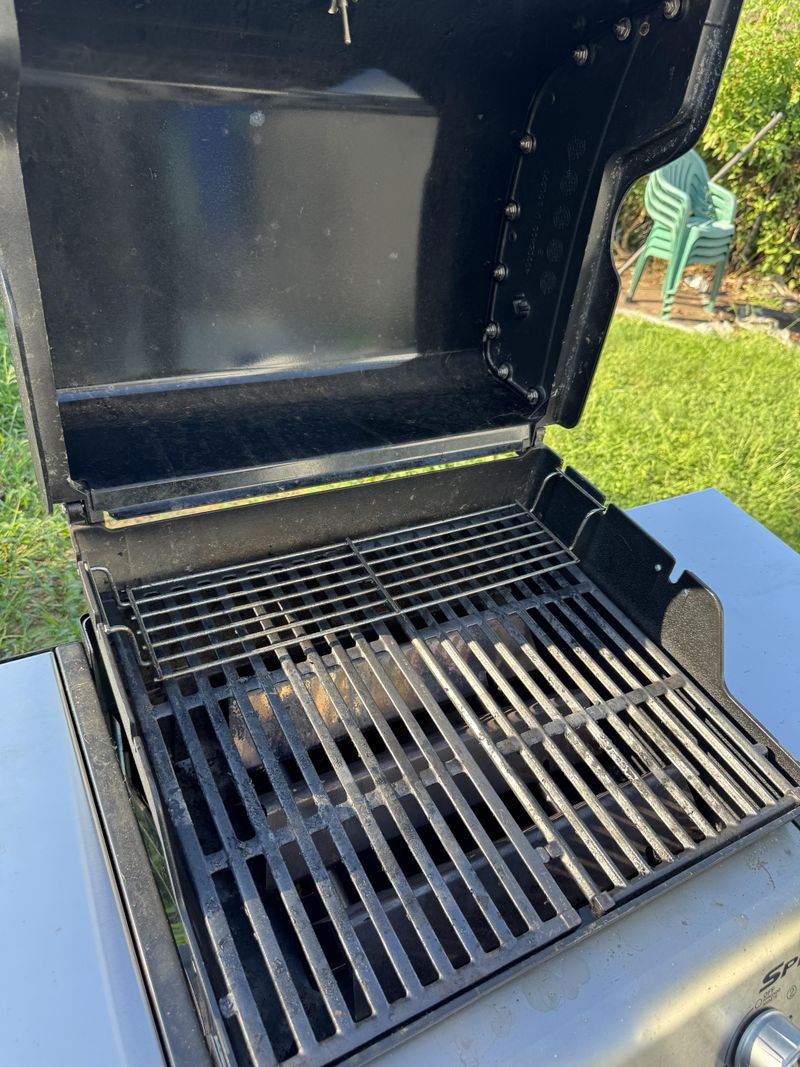
Cookout smells do not leave when the guests do. Burgers, ribs, and chicken drip fat into the grill, and that grease can keep smelling strong for days.
Wild animals often investigate grills, and coyotes are known to be among them.
Grease traps and drip pans are the biggest culprits. When they fill up and sit in the sun, the smell gets stronger and travels farther across the yard.
Burning off the grates for a few minutes after cooking helps get rid of stuck bits of meat.
After the grill cools, scrape the grates with a brush and empty the drip tray. Toss the grease in a sealed container rather than pouring it on the ground, where it soaks in and lingers.
Covering the grill also makes a difference.
A fitted cover keeps odors from spreading as easily and blocks curious noses from reaching greasy parts. Rolling the grill into a garage or shed works even better if you have room.
Do not forget the ground around it, because dropped scraps and splattered fat can be just as tempting as the grill itself.
Georgia grilling season runs long thanks to mild weather, so these cleanup habits pay off nearly year-round. A few extra minutes after each meal can keep your patio from becoming a nightly stop.
4. Meat And Dairy Scraps In Compost Piles Can Lure Coyotes
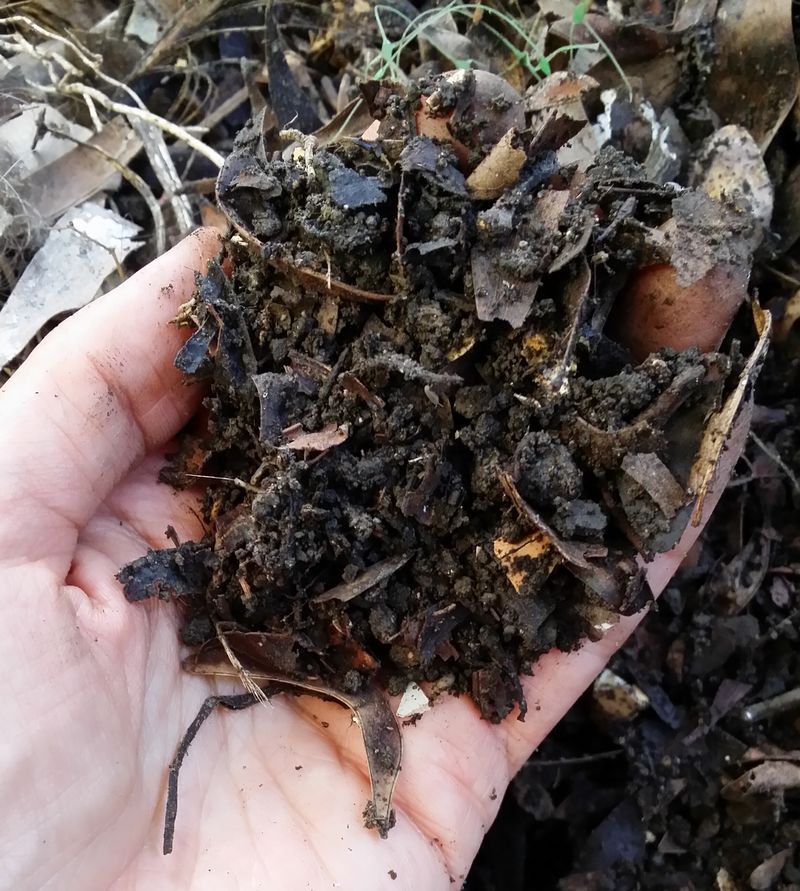
Composting is a great habit for any garden. Toss the wrong scraps in the pile, though, and it can turn into a coyote magnet.
Meat, fish, bones, cheese, and other dairy foods give off strong smells as they break down.
Most university Extension programs advise leaving these items out of home compost. Along with odor problems, they tend to draw rats, raccoons, opossums, and stray dogs as well as coyotes.
Fruit and vegetable peels, coffee grounds, leaves, and grass clippings are the safer choices.
Even plant scraps can smell a bit sweet, so burying fresh kitchen waste under a layer of leaves or soil helps hide the scent. Turning the pile regularly keeps it breaking down instead of sitting and souring.
Bin style matters too.
An open heap is easy for animals to dig into. A closed bin, tumbler, or a pile ringed with sturdy wire mesh makes it harder for coyotes to reach anything tasty.
Placement can help as well, since a pile tucked far from the house sometimes draws visitors without anyone noticing.
In Georgia, warm and humid weather speeds up decay, which can mean stronger smells in summer. Keeping meat and dairy out, adding plenty of dry brown material, and covering food scraps will cut down on odors for most backyard setups.
5. Rotting Fallen Fruit Gives Coyotes Another Reason To Visit
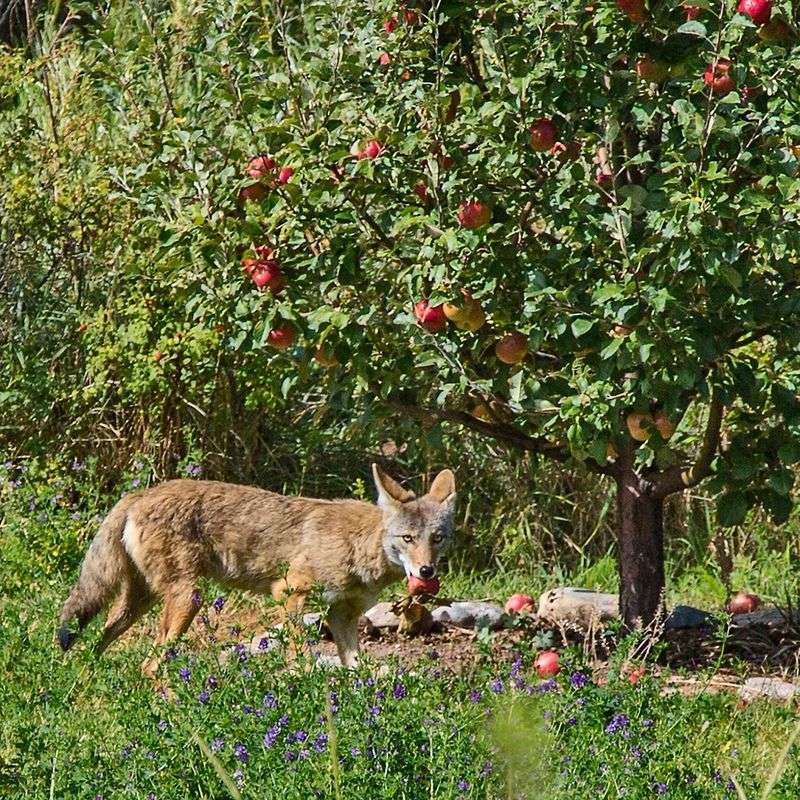
Coyotes are not strict meat eaters. They will happily snack on fruit, and soft, sweet fruit on the ground is easy to find by smell.
Peaches, figs, persimmons, plums, and muscadines are common in yards across Georgia.
Once fruit drops and starts to rot, it gives off a sugary, fermenting smell. Coyotes may come for the fruit itself or for the mice and other small animals that also feed on it.
Picking up dropped fruit every day or two during harvest season is the most useful step.
Timing varies by tree. Figs and peaches usually ripen in summer, while persimmons often drop in fall, so your cleanup schedule will shift through the year.
Harvesting fruit as soon as it ripens means less of it falls in the first place.
If you cannot keep up with a heavy crop, share it with neighbors or a food pantry. Bagging spoiled fruit and putting it in a sealed trash can works better than tossing it in an open compost pile.
Wild plants count too, since blackberry thickets and wild persimmon trees near your property may draw coyotes regardless of what you do.
You cannot control everything nearby, of course. Still, a tidy yard with fewer piles of mushy fruit gives coyotes one less reason to linger close to your home.
Regularly checking beneath fruit trees during peak ripening season can help you catch fallen fruit before it becomes an easy meal for wildlife.
6. Spilled Chicken Feed Attracts Rodents That Coyotes Hunt
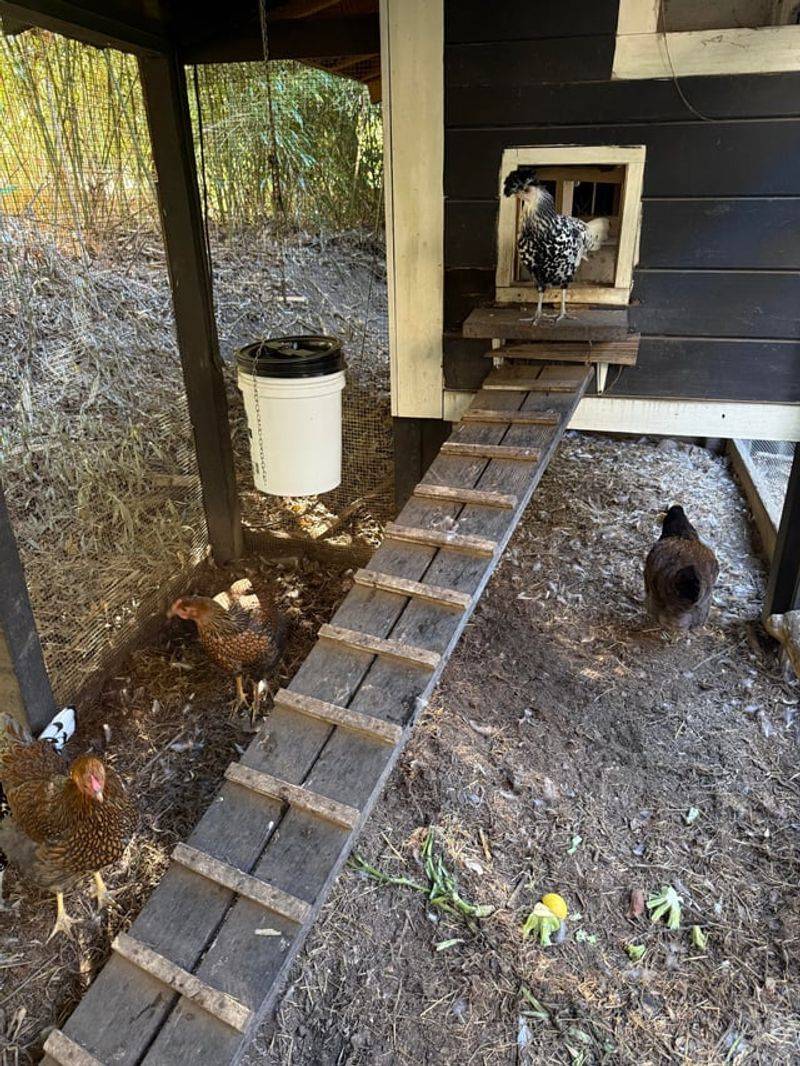
Here is a sneaky one. Coyotes do not need to like chicken feed to be drawn to it, because the feed brings in the animals they actually want to eat.
Rats, mice, and voles find spilled grain fast, and coyotes hunt rodents regularly.
Small piles of feed under a hanging feeder or near a torn bag can support a busy rodent population. Over time, that steady supply of prey can make your yard a regular hunting spot.
Storing feed in metal cans with tight lids keeps rodents from chewing their way in.
Plastic bins work for some people, but determined rats can gnaw through thinner plastic. Keeping the storage area swept also removes loose grain that slips through cracks.
Feeders make a difference as well.
Treadle feeders, which open only when a chicken steps on a platform, can reduce spills and keep wild animals out. Raising feeders to the height of a hen’s back may also limit waste from birds scratching.
Picking up feed at night is another option, since rodents are often busiest after dark.
Across Georgia, backyard flocks have become more common, and so have questions about rodents. Tidy feeding habits will not remove every mouse, but they can shrink the food chain that leads coyotes straight to your coop.
Even small changes to how you store and serve feed can help prevent rodents from turning your backyard into a hunting ground.
7. Birdseed Scattered Beneath Feeders Can Bring Prey Into The Garden
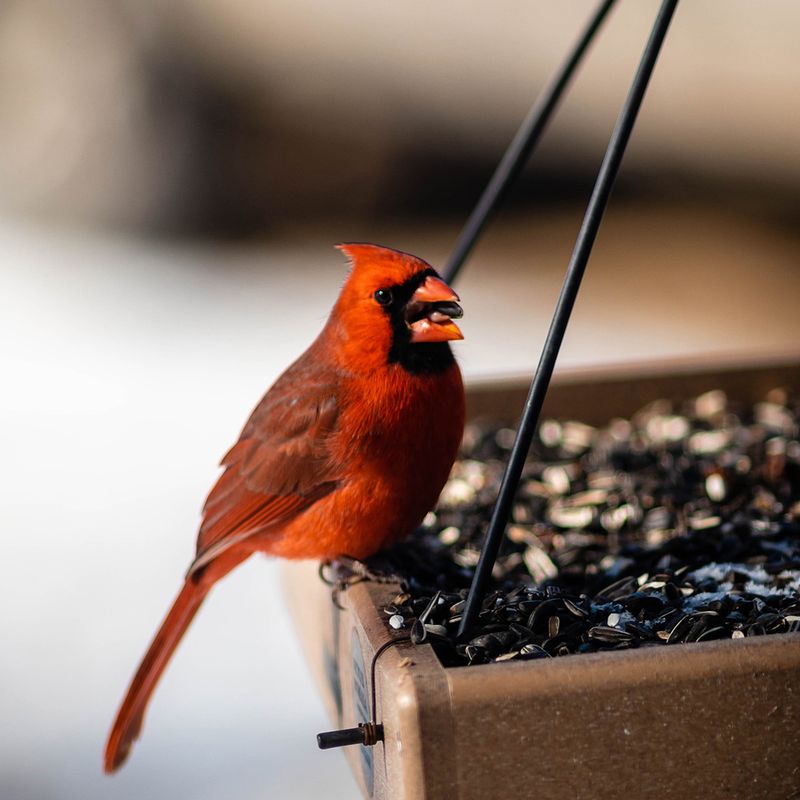
Feeding cardinals and chickadees brings plenty of joy. What lands on the ground below the feeder, though, can tell a different story after dark.
Spilled seed draws squirrels, chipmunks, rats, and mice, all of which coyotes will hunt.
Coyotes are not usually after the seed itself. They follow the scent of small animals that gather to eat it, and a feeder area can become a reliable spot for them to check.
Seed trays mounted under the feeder catch a lot of falling food.
Choosing hulled seeds, such as sunflower hearts, cuts down on the shells and dropped bits that pile up. Birds tend to waste less of what they cannot simply toss aside.
Raking or sweeping under feeders every few days helps keep leftovers from building up.
Some Georgia birders take feeders down at night or during times when coyotes or bears have been spotted nearby. That approach is especially useful in North Georgia, where black bears also raid feeders.
Moving the feeder closer to the house can make cleanup easier and leave less hidden cover around it.
None of this means you need to stop feeding birds. A cleaner feeding station simply sends fewer prey animals into your garden, which lowers the chance of a hungry coyote following them in.
Keeping the ground beneath feeders clear is a simple habit that can make your yard less appealing to coyotes over time.
8. Unsecured Backyard Chicken Coops Can Attract Hunting Coyotes
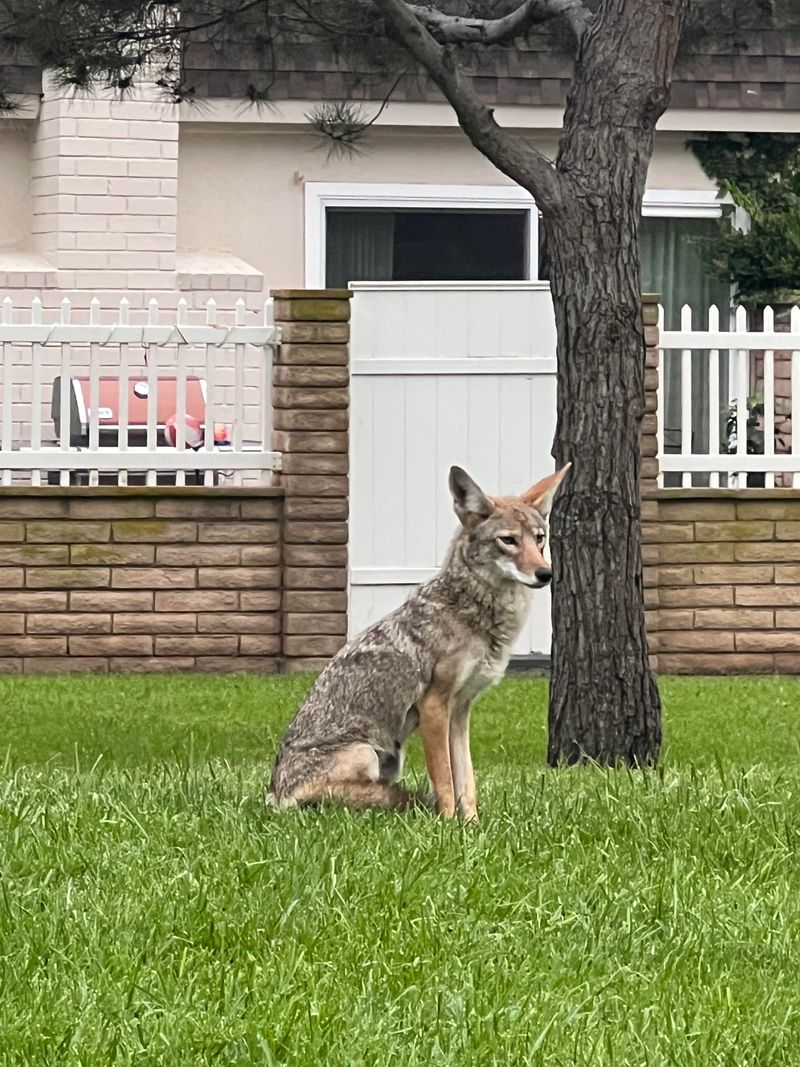
Chickens smell like food to a coyote, plain and simple. Add the scent of manure, feed, and bedding, and a coop can draw attention from far away.
Coyotes are among the most common predators of backyard poultry, along with foxes, hawks, and raccoons.
Losses often happen at dusk or dawn, but coyotes may also hunt in daylight. Free-range birds wandering the yard can be especially easy targets.
Locking hens inside a closed coop every night offers strong protection.
Chicken wire keeps birds in, but it may not keep predators out. Extension poultry experts often suggest sturdy welded wire or hardware cloth for runs, since coyotes can tear or push through flimsy mesh.
Digging is another concern.
Burying wire a foot or so into the ground, or laying an apron of wire flat around the run, can stop animals from tunneling under. Covering the top of the run also helps against climbers and hawks.
Cleaning out old bedding and manure regularly can reduce strong odors around the coop.
Many poultry keepers in Georgia also add motion lights or electric poultry netting for extra defense. No setup stops every predator, and results depend on local wildlife pressure, but a well-built coop gives your flock a much better chance.
Checking the coop and run regularly for gaps or weak spots can help keep coyotes from finding an easy way in.