You Can Grow A Whole Garlic Bulb In Maricopa County From One Clove Planted This Fall
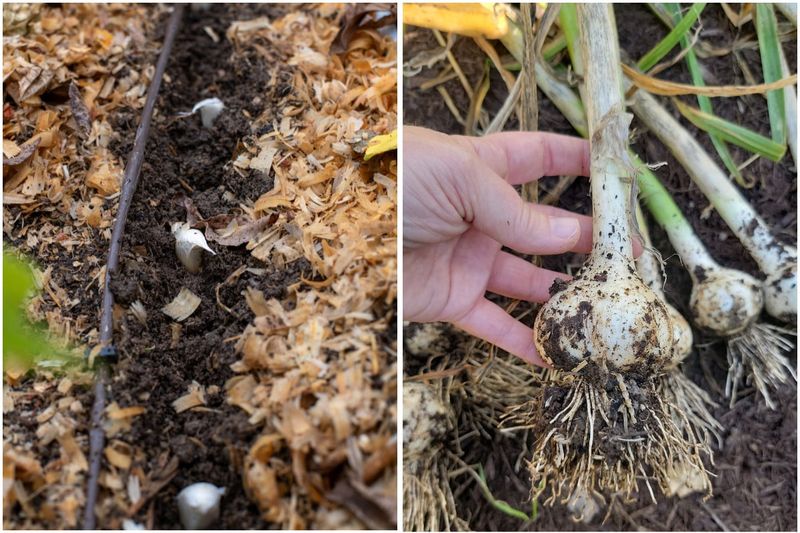
One small clove from your kitchen can turn into a whole new bulb, and fall is the time to try it in the Phoenix area. Garlic sits quietly in the soil through the mild months, then rewards patient gardeners in spring or early summer.
The catch is that not every clove behaves the same way, and low-desert timing matters. Here is how to give a single clove its best shot.
Can a grocery-store clove grow into a bulb?
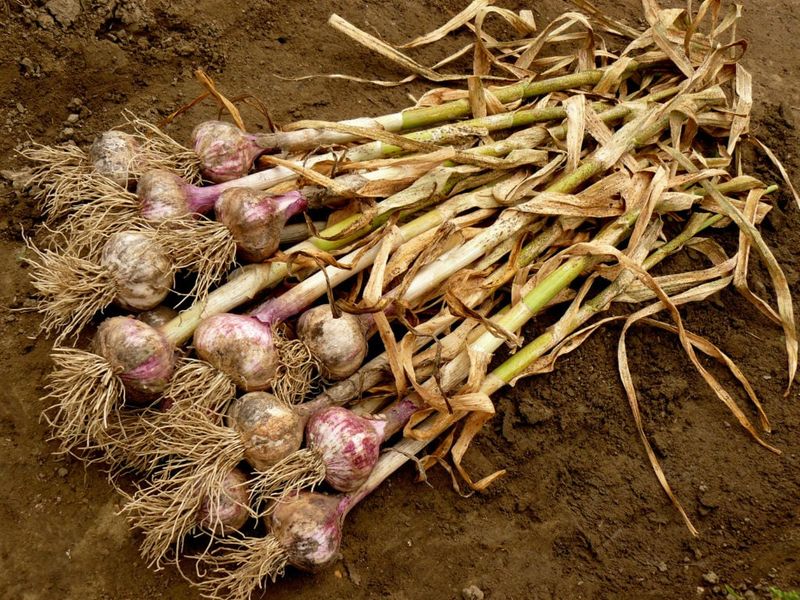
Yes, one clove can grow into a bulb. That is simply how garlic reproduces, and it is why gardeners plant cloves instead of seeds.
The trouble starts with where the clove came from. A grocery bulb has an unknown variety, so it may not suit low-desert growing.
Some store garlic has also been stored cold or handled in ways that make sprouting less reliable, and Iowa State guidance on store-bought garlic notes that treatment to prevent sprouting is common in its area. That does not mean every grocery clove will fail.
It just means you are rolling the dice a bit.
There is also a disease concern. Grocery garlic may carry white rot without showing any visible symptoms, and that fungus can linger in garden soil.
No one can say a particular bulb is infected, but it is a fair reason to be cautious.
If you want dependable results, buy garlic sold for planting. If you are curious and the stakes are low, a few grocery cloves in a spare spot make a fun experiment, as long as you expect a range of outcomes.
Plant in the Maricopa County fall window
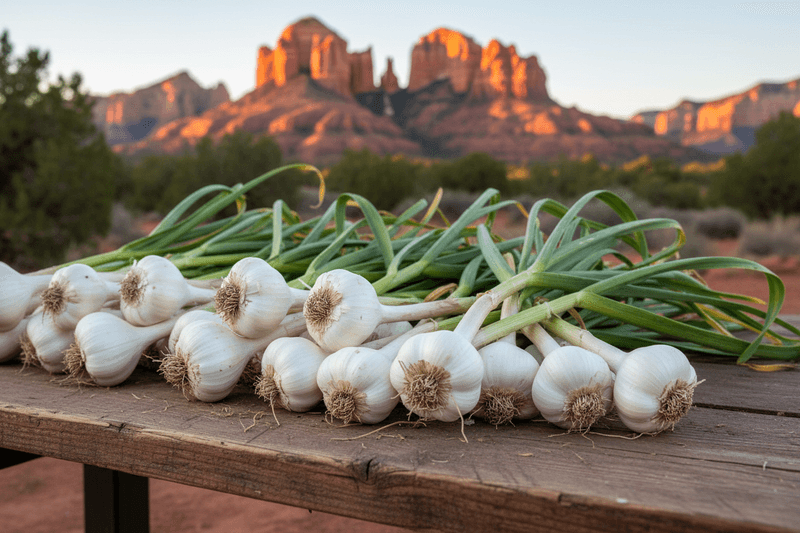
Timing is the biggest lever you control. University of Arizona guidance for Maricopa County lists mid-September to early November as the planting window for garlic.
It also points to softneck varieties such as California Early and California Late.
Once cloves are in the ground, expect a long wait. A Maricopa County planting calendar estimates about 5 to 7 months from planting to harvest.
Count forward from your planting day and you land somewhere between late spring and early summer.
So is late spring realistic? For some plantings, yes.
A clove tucked in during October might be ready in April or May, while a later planting or a slower season could push harvest into early summer. Planting date and growing conditions both play a part.
Keep in mind that this advice is for the low desert. Cooler, higher-elevation parts of Arizona follow different rules, including different chilling advice, and those do not apply to Phoenix-area yards.
Choose a sunny spot and prepare the soil
Garlic wants a sunny home. Look around your yard in fall and pick a bed that gets good light through the cooler months, when the sun is lower and gentler than in July.
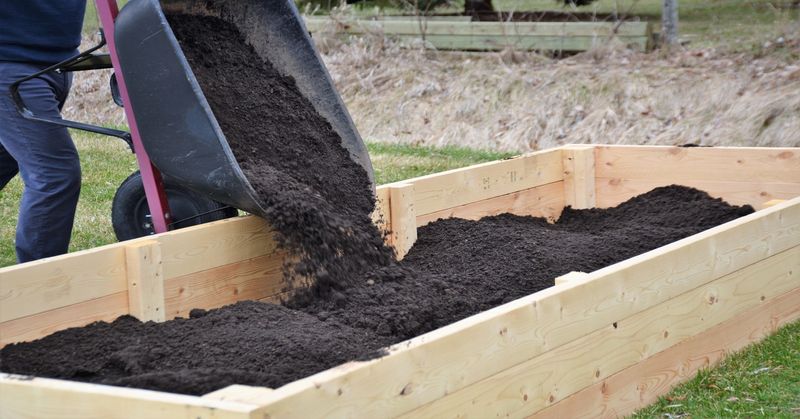
Next comes the soil. Arizona Extension fall gardening guidance recommends working compost into the planting area before you plant.
Loosen the ground, spread the compost, and mix it in so the cloves have a softer, richer place to start.
Your Arizona Garden Changes Every Week. Your Plan Should Too.
Gardening in Arizona changes quickly throughout the season. Every Friday you’ll receive a simple weekly plan showing exactly what to plant, prune, fertilize, harvest, and protect so you never miss the right timing.
That is all you need to do. There is no reason to chase fancy mixes or complicated recipes, and sticking to the basics keeps this an easy weekend project.
If you are reusing a bed, a quick walk-through helps. Pull out old roots and debris, break up any hard clumps, and smooth the surface.
A tidy, crumbly bed makes it much simpler to push cloves in at an even depth in the next step.
Plant individual cloves point-up
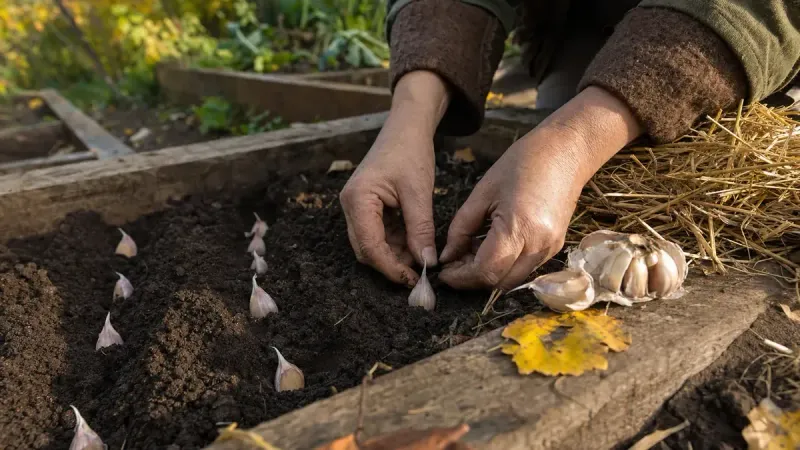
Start by cracking the bulb apart into separate cloves. Pick the largest, plumpest ones, since bigger cloves tend to give the plant a stronger start.
Leave the papery skin on each clove.
Now set each clove in the soil with the pointed end facing up and the flat root end down. Arizona Extension guidance gives a planting depth of about 1 to 3 inches.
Treat that as a range, not a fixed rule, and cover the clove with loose soil.
Spacing varies a little by source. Roughly 4 to 6 inches between cloves is a sensible guide.
Cramming them closer may feel efficient, but Maricopa County guidance warns that planting too densely can reduce bulb size.
Pat the soil gently and water the bed so the cloves settle in. Then mark the row, because garlic can be easy to forget about while it grows quietly underground.
Water through spring, then watch the leaves
After planting, the job is mostly steady care. Garlic stays in the ground through the cool season and into spring, and Arizona Extension guidance says to keep it watered through spring.
Do not treat it as a plant that gets by on neglect.
When you water, go deep. Maricopa County guidance calls for deep watering, which soaks the soil well below the surface where roots are working.
A quick sprinkle on top does not do the same job.
There is no single schedule that fits every yard, because soil, weather, and bed type all change how fast the ground dries. Check the soil with a finger and adjust as the weather warms.
The leaves tell you when to ease off. Once they begin yellowing, Maricopa guidance says to stop watering.
That yellowing is a sign the plant is wrapping up its growing season.
Harvest by maturity, not by a promised date
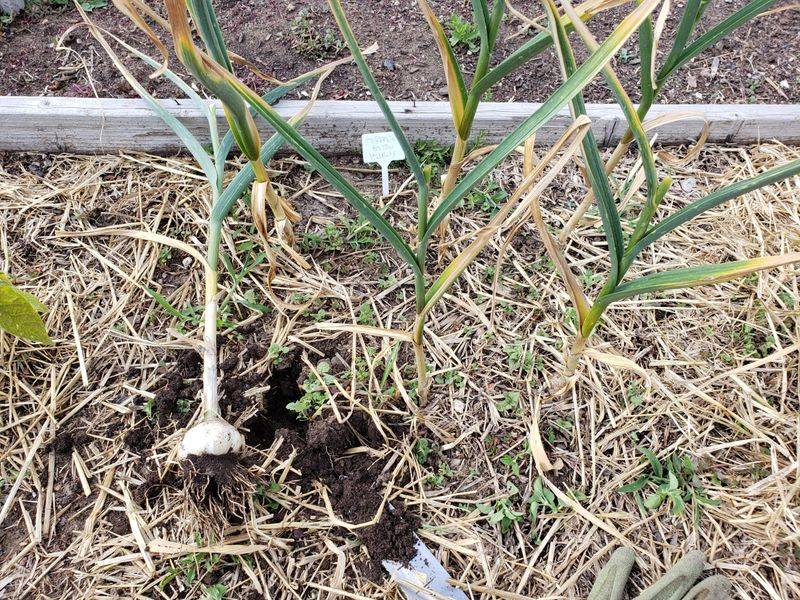
Forget the calendar and watch the plants. Maricopa County guidance says to harvest when the tops begin to yellow or fall over, before they are completely dry.
That is your cue, whether it arrives in late spring or stretches into early summer.
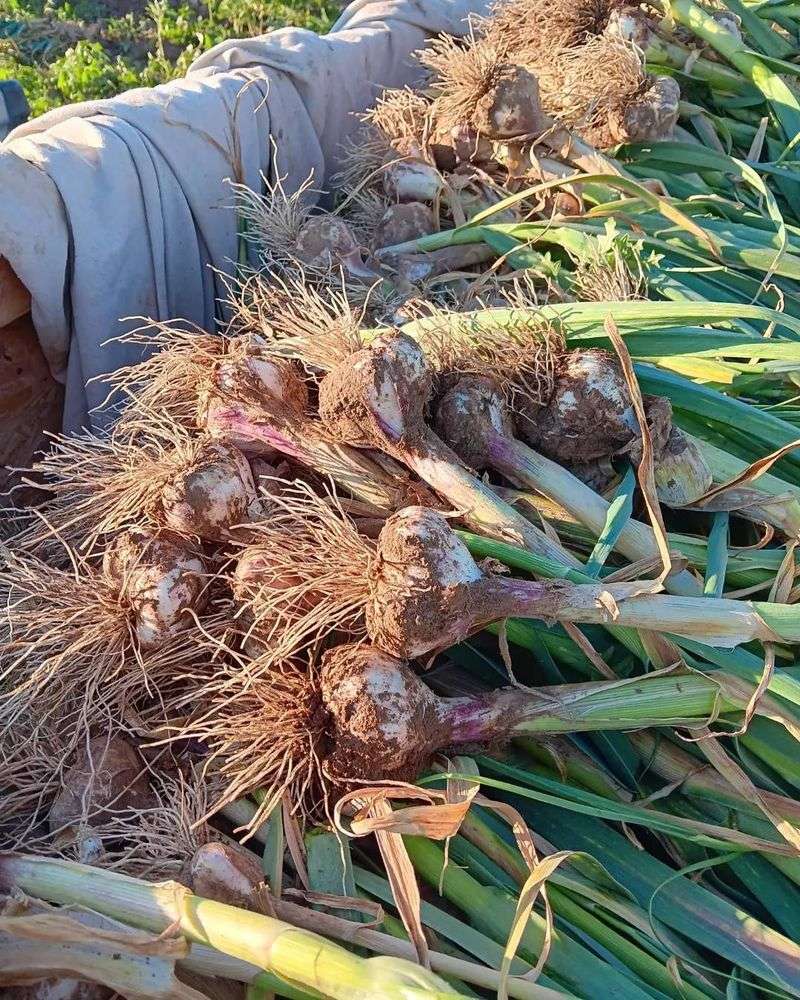
Loosen the soil and lift the plants gently rather than yanking on the stems. Then let them cure.
The same Maricopa County guidance recommends keeping the harvested plants in a shady, warm location for 1 to 2 weeks.
Keep the whole plant intact while it cures, since the tops are part of the process. Choose a spot out of direct sun, such as a covered patio or a garage with good airflow.
Your first bulb may be smaller than what you see in stores, and that is a normal outcome for a first try, especially from grocery cloves. A fall-planted clove can produce a bulb, but success, size, and timing are never guaranteed.
Sometimes the best part is simply pulling something new out of the dirt.