Why California Live Oaks Start Dropping So Many Acorns In Fall
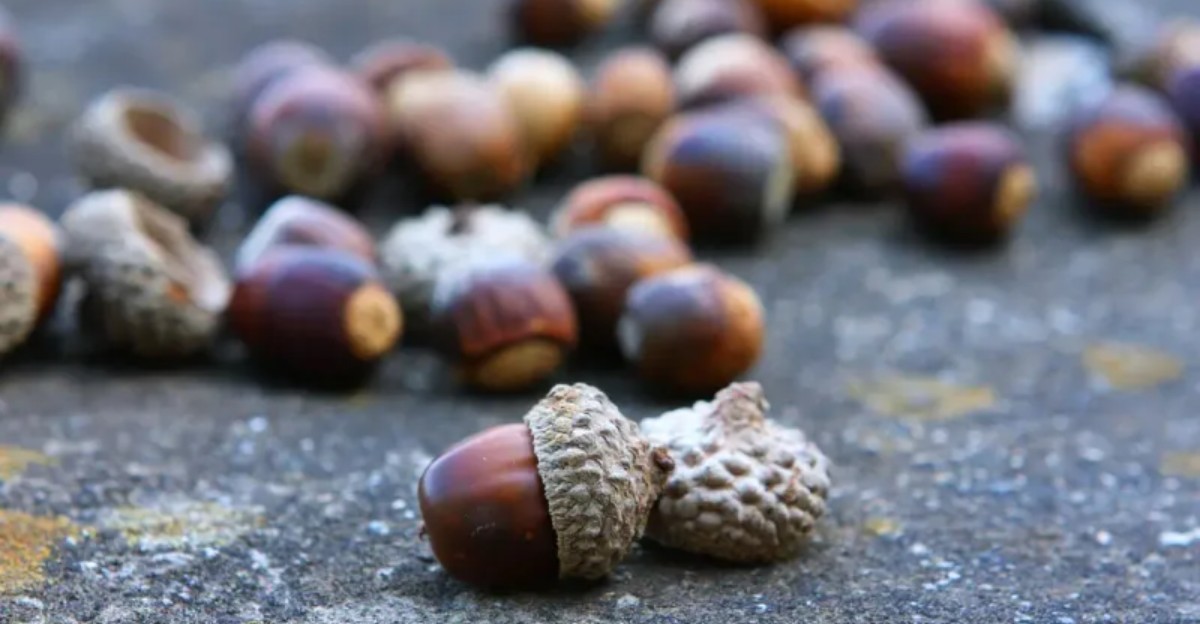
A single big tree can drop thousands of seeds in one autumn, then barely any the next year. Researchers in California have tracked this boom and bust pattern for decades, and it still surprises me.
Many of these seeds sprout within weeks of landing, because they carry no built-in rest period like other seeds. You can often spot tiny roots poking out of a fallen seed after the first November rains.
Scrub jays bury huge numbers of them across hillsides, and they forget plenty, which plants new trees far away. I believe those forgetful birds have helped shape the look of many California valleys and foothills.
Right now, you might hear seeds clicking on your roof or rolling under your shoes on the sidewalk. Odd as it sounds, the same tree that showered your sidewalk this week may barely drop a handful next year.
Your Oak Is Finishing A Full Year Of Work
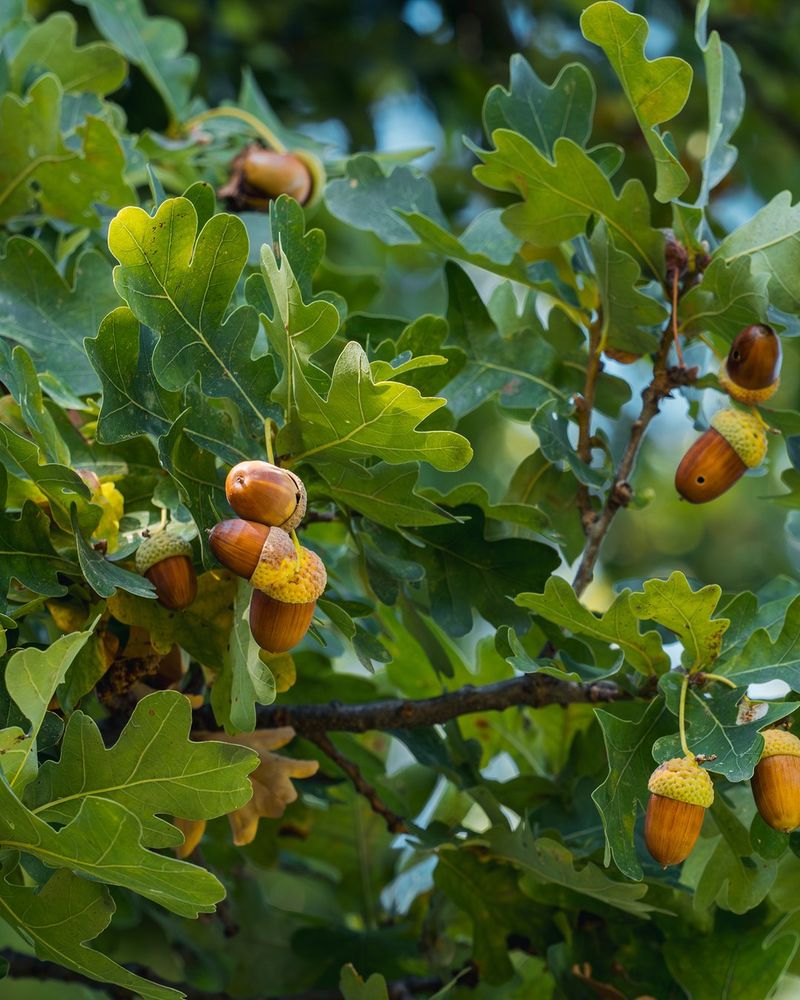
Most acorns hitting your driveway this month are the final product of a growing season that started with spring flowers. Coast live oak, or Quercus agrifolia, flowers in early spring and ripens its acorns by fall.
University of California experts note that coast live oak acorns mature in a single season, dropping from September to November. Once a seed is fully ripe, the tree seals off the stem holding it, and gravity handles the rest.
Interior live oak and canyon live oak work on a slower schedule, taking two years to ripen acorns. Because of that, those trees often carry green acorns from this year beside mature brown ones ready to fall.
You can tell a ripe acorn by its brown shell and the way it slips easily from the cup. Green acorns that fall early are often knocked loose by wind or pests and rarely sprout well.
So the heavy October shower of acorns is mostly the tree releasing seeds it spent months building. Each acorn packs starch, fat, and tannins, giving a future seedling food to live on before its leaves appear.
That timing makes sense for an evergreen tree that keeps its leaves and roots active through mild California winters. Seeing a big drop usually means your tree had enough water, sunlight, and pollen luck earlier in the year.
Wind carries oak pollen in spring, so a dry, breezy flowering season often sets up a generous fall crop. Rainy springs can wash pollen from the air, which may explain some of the leaner years people notice.
Rainy Season Timing Gives Every Seed A Head Start
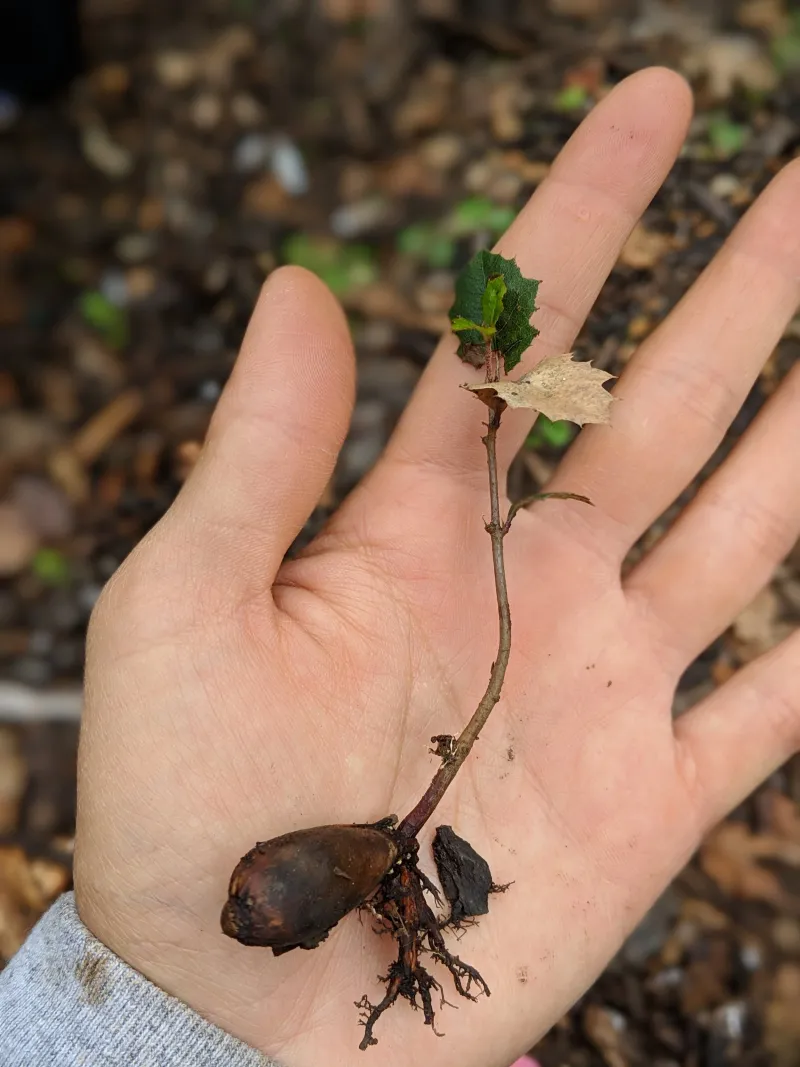
Timing is everything for a seed that cannot wait out a long, dry summer on the ground. Coast live oak acorns lose moisture quickly, and research shows dried acorns struggle to sprout at all.
By dropping in fall, the tree lines its seeds up with the first storms of California’s rainy season. Cool, damp soil from November through March gives a fresh acorn the conditions it needs to push out a root.
That root heads straight down first, sometimes growing several inches before any shoot appears above the ground. Getting deep early helps a young oak reach moisture once the rains stop and the hot months return.
Your California Garden Changes Every Week. Your Plan Should Too.
Gardening in California changes quickly throughout the season. Every Friday you’ll receive a simple weekly plan showing exactly what to plant, prune, fertilize, harvest, and protect so you never miss the right timing.
It is a bit like packing a lunch before a long hike, then eating it on the trail. The acorn feeds the seedling while that first root digs in during the wettest, coolest stretch of the year.
Interior live oaks follow the same basic plan, even though their acorns spend two seasons developing on the branch. Most California oaks release ripe seeds in autumn, which shows how closely they match the state’s wet winter pattern.
Hot, dry Santa Ana or north winds in October can shake loose extra acorns all at once. You may notice a bigger pile after a breezy night, which is normal and not a sign of trouble.
If you want to grow a seedling yourself, collect plump acorns soon after they fall and plant them quickly. Many extension guides suggest planting them about one inch deep in a deep pot or protected garden spot.
Your Whole Street Can Share A Bumper Crop Year
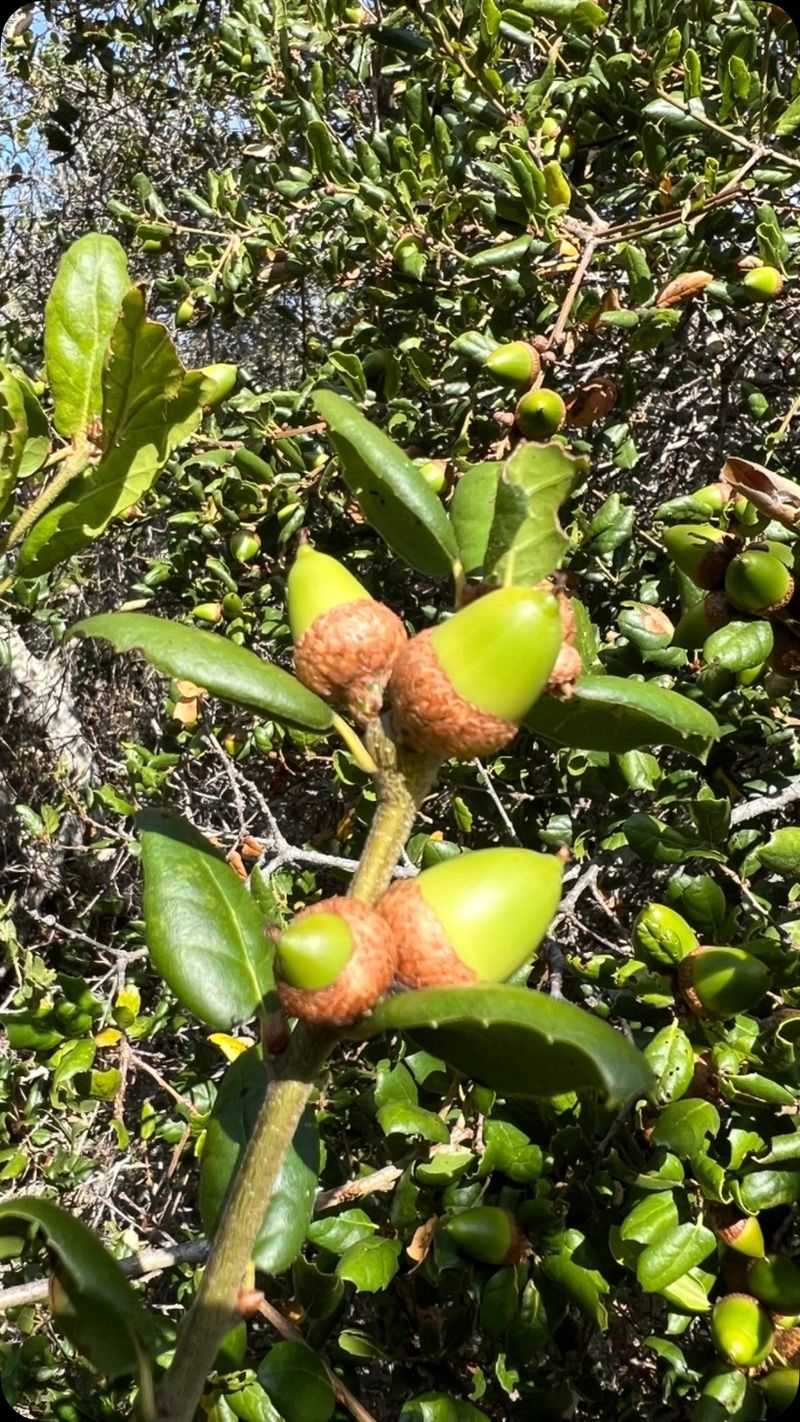
Walk around a neighborhood full of oaks this fall, and you might find every tree loaded or nearly bare. Scientists call this pattern masting, where many trees of the same species produce huge crops in the same year.
At Hastings Natural History Reservation in Monterey County, researchers have counted acorns on the same oaks since 1980. Their long survey shows crops can swing from almost nothing one year to a massive harvest the next.
Nobody knows every reason behind masting, but spring weather during flowering seems to play a major role. Trees across a wide area experience the same weather, so their crops tend to rise and fall together.
One popular idea suggests that boom years produce more acorns than animals can eat, leaving some to sprout. Lean years in between may keep populations of acorn-eating insects and animals from growing too large.
Another idea links big crops to stored energy, since making thousands of acorns takes a lot from a tree. After a heavy year, many oaks seem to rest and rebuild before they produce another large crop.
So if your coast live oak is raining acorns right now, you may be seeing a mast year. Next fall could look very different, and that change is part of how these trees have long survived.
Keep a simple notebook or phone note each October about how heavy your tree’s crop looks. Over a few years, you will start spotting your own local rhythm, just like the Hastings researchers did.
Your Tree Is Rarely Sick During A Heavy Drop
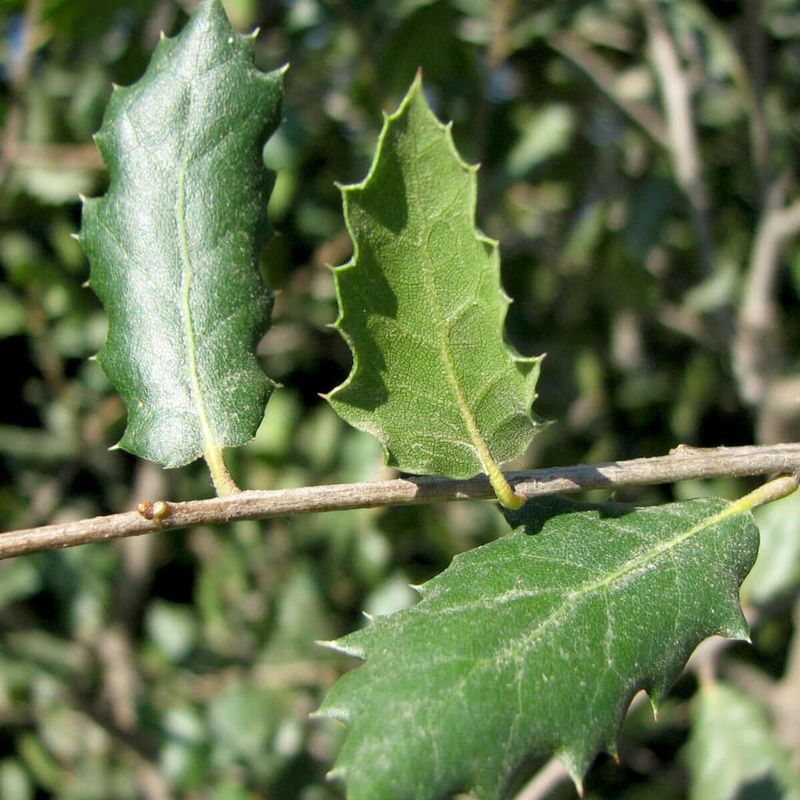
Plenty of homeowners worry when acorns pile up fast, but a heavy crop on its own is rarely a reason for alarm. Stressed oaks often produce fewer acorns, because they need their energy for leaves, roots, and basic repairs.
Coast live oaks shed many older leaves in spring, so heavy leaf drop in fall deserves a closer look. A thick carpet of acorns under a full, glossy canopy, on the other hand, is mostly a good sign.
There are a few warning signs worth knowing, and the UC Integrated Pest Management program describes them clearly. Dark, oozing patches on the trunk can signal diseases such as Phytophthora, which need expert attention.
Tiny holes in acorns usually come from filbert weevils or filbertworms, common insects that feed inside the nut. These pests rarely harm the tree itself, though they can ruin acorns you hoped to plant or save.
Thinning branches, wilting leaves in cool weather, or mushrooms at the trunk base are better reasons to call someone. A certified arborist can inspect the roots and crown, then suggest steps that fit your specific tree.
Healthy coast live oaks can live for well over two hundred years in the right California setting. Over that long life, a single tree may produce millions of acorns during good years and lean ones.
I find it comforting that the noisy drop on my roof is mostly a sign of a strong tree. You can enjoy the show this fall while still keeping an eye out for those few real warning signs.
Raking Pays Off Before Winter Rain Arrives
Stepping on a pile of acorns feels a lot like walking on marbles, and that can lead to falls. Raking them from walkways, patios, and driveways every week or two in October keeps paths much safer.
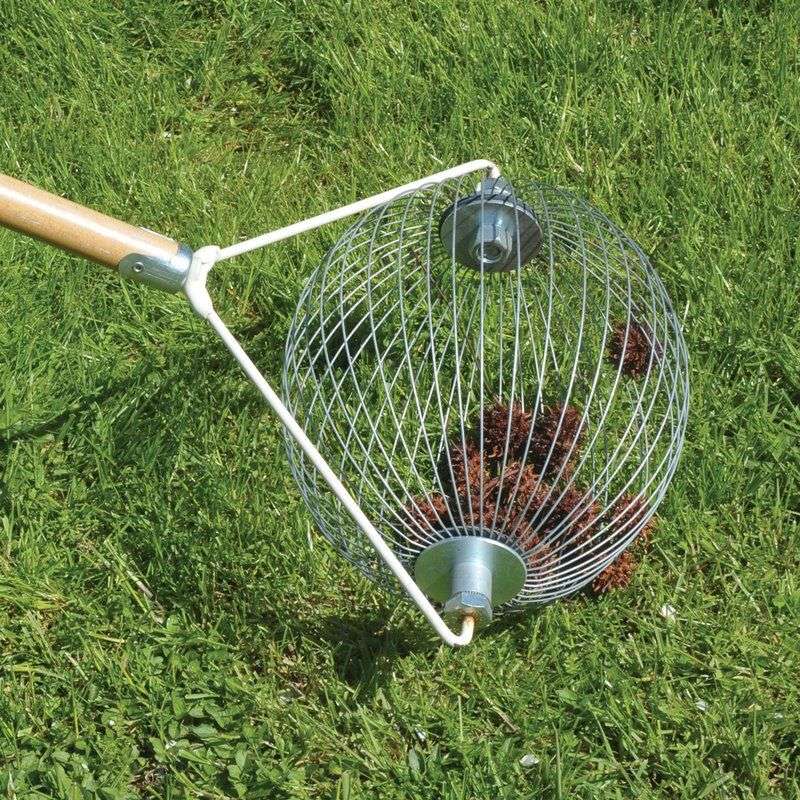
A leaf rake works, but a rolling nut gatherer saves your back when the crop is especially heavy. These tools look like wire cages on a handle, and they pick up acorns as you roll them.
Timing matters too, because the first real rains can turn fresh acorns into hundreds of sprouting seedlings. Clearing them from lawns and flower beds before November means far less weeding later in winter and spring.
Collected acorns can go into a compost pile, though they break down slowly because of their tough shells. Crushing them first with a mower or a shovel helps speed things up and stops them from sprouting.
Keep acorns away from dogs, since the ASPCA notes oak nuts can upset a pet’s stomach when chewed. Horses and cattle can also have problems after eating large amounts of green acorns or young oak leaves.
Leave a few acorns in wild corners of the yard if you enjoy watching birds like jays and woodpeckers. Acorn woodpeckers famously store acorns in holes they drill into trees, poles, and even wooden siding.
Under the tree itself, letting fallen leaves stay as mulch is fine, as long as they stay off the trunk. A clear ring of bare soil around the base helps keep the root crown dry and healthy.
Your Garden Can Welcome Next Year’s Seedlings With Care
Long before modern gardens, Native California tribes gathered fall acorns as one of their most important foods. Families leached the bitter tannins from ground acorn meal with water, a tradition many communities still practice today.
That long history reminds me that each acorn holds real value, even the ones sprouting in your flower beds. Most yards cannot fit many oaks, so a little planning this fall helps you choose which seedlings stay.
Pull unwanted sprouts while they are small, ideally within their first few months, before the taproot grows deep. Moist winter soil makes this job easier, so wait for a day after rain to tug them out.
If you want to keep one, pick a spot at least thirty feet from your house and other buildings. Young oaks grow faster when planted early in place, because transplanting can damage that delicate, deep taproot.
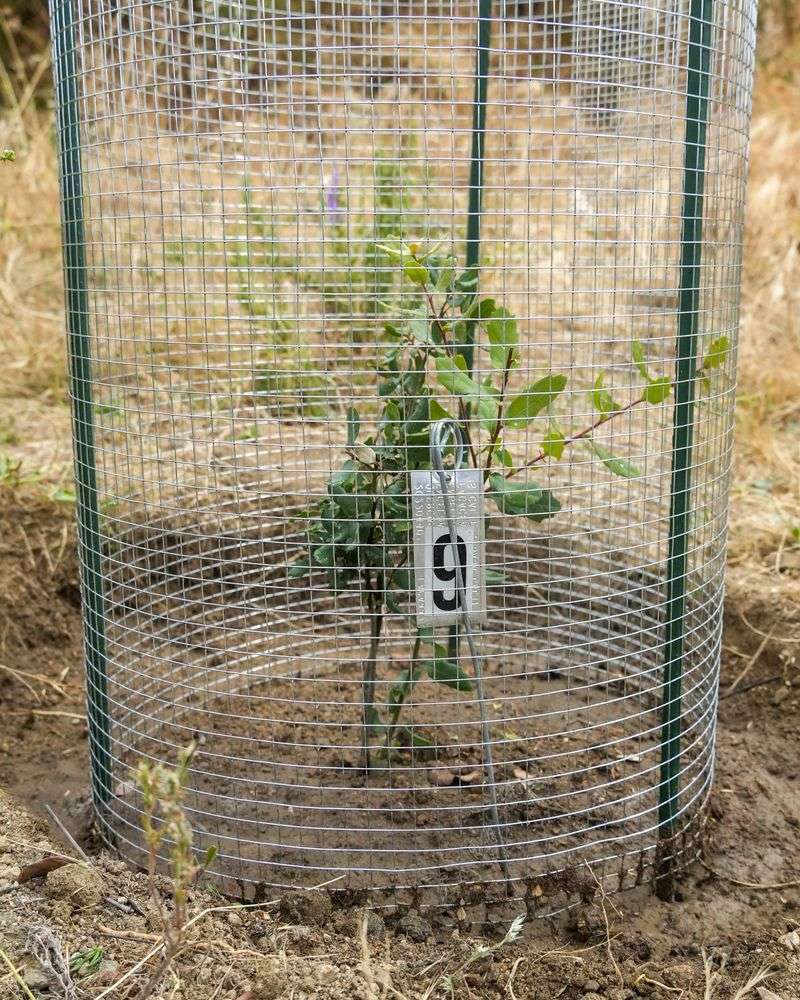
A simple wire cage around the seedling protects it from deer, gophers, and other hungry visitors this winter. Mature oaks need very different care, and UC experts warn against regular summer watering near the trunk.
Frequent summer irrigation can encourage oak root fungus and crown rot, which often cause long-term decline in these trees. Planting drought-tolerant natives under the canopy, instead of thirsty lawn, helps keep your big tree strong for decades.
Choose companions like hummingbird sage, Douglas iris, or native bunchgrasses that handle dry summer shade well. With that kind of care, next October’s acorn shower can become a yearly ritual you look forward to.