Steadier Watering May Reduce Fall Citrus Splitting in Arizona
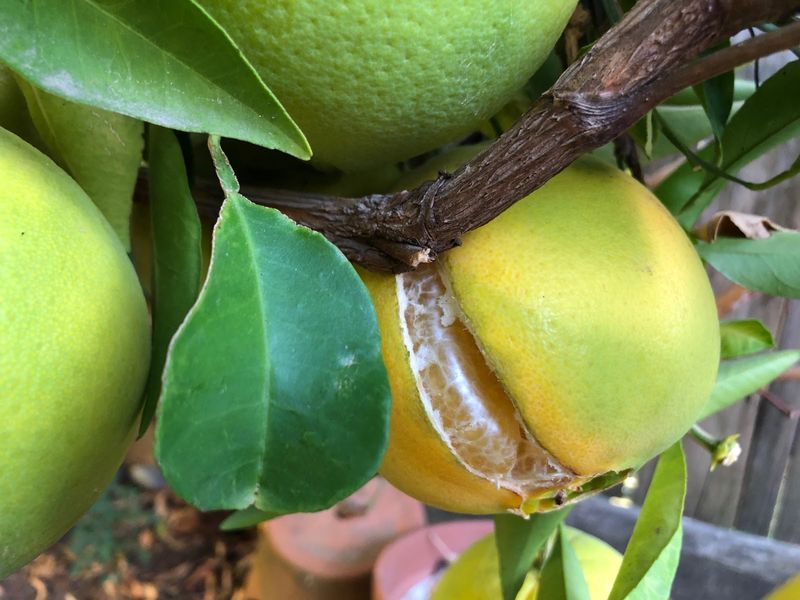
You walk out to your orange tree in October and find fruit cracked wide open. It is a common sight in Arizona yards, and it can feel like months of care went to waste.
Nobody has a perfect answer for why it happens, but how you water may change your odds. Here is what to check, what to skip, and what to do with fruit that has already split.
Why Arizona citrus can split in fall
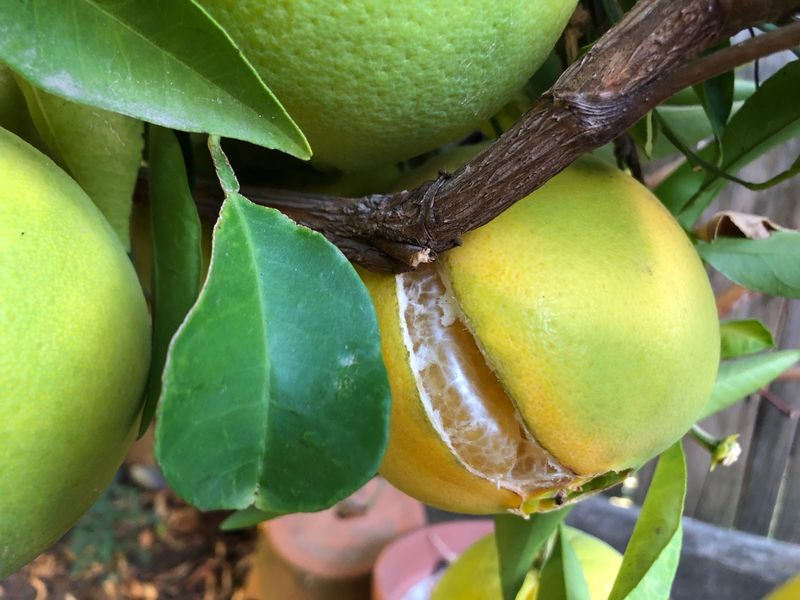
Fall is when many Arizona homeowners spot the damage. Arizona extension guidance notes that large navel oranges can split and drop in fall, especially when the weather turns hot and dry.
Fruit that looked fine in September may crack open a few weeks later.
Splitting is generally described as a physiological or environmental disorder. That means the tree and its growing conditions set it off, not a bug or an infection.
Rot organisms can move in afterward, but they are not what starts the crack, as noted in University of California rind splitting guidance.
No single cause explains every split. The approach in this article is risk reduction: smooth out the stresses you can control, and accept that some fruit may crack anyway.
Moisture swings are a risk, not the whole diagnosis
Picture a tree that goes dry for weeks, then gets a big soaking. Uneven soil moisture is one of the clues pointing at splitting, and it is something you can actually change.
Weather stress is another clue, and the guidance admits the exact cause is not fully understood.
Other possible contributors include heat, hot winds, sunburn, and nutrition problems. Arizona guidance lists inconsistent watering, fertilization, and sunburn among the possible causes.
A cracked orange does not tell you which one was at work.
Variety matters too. Navel oranges are especially prone, and some varieties are more susceptible than others.
If yours is a navel, some splitting may happen even with good care.
So the smart move is trimming avoidable stress, not hunting for one culprit or expecting a cure.
Make irrigation steadier, not simply heavier
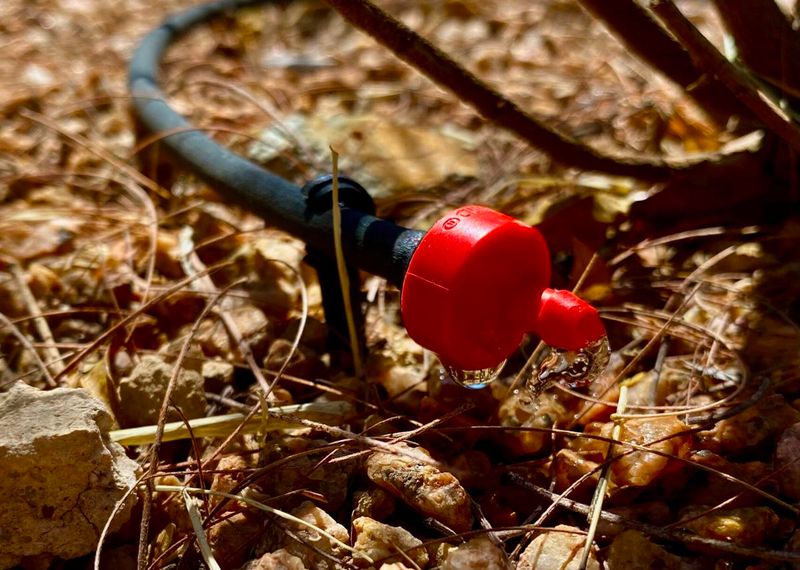
Steadier is the goal. Aim for adequate, reasonably consistent soil moisture, and avoid a long dry spell followed by a sudden heavy irrigation.
That swing from bone dry to soaked is the pattern most worth breaking.
Steady does not mean soggy. Arizona irrigation guidance tells growers to let the soil dry between waterings, so a constantly wet root zone is not the target.
Extra water on top of a regular schedule can also stress roots.
Be realistic about results. Smoother watering may lower the chance of splitting, but it cannot stop every split or repair fruit that has already cracked.
Heat, variety, and other stresses still play a part, as the University of California guidance makes clear.
If your tree has been through a dry stretch, ease back to a normal rhythm rather than flooding it to make up for lost time.
Time watering for your Arizona tree and system
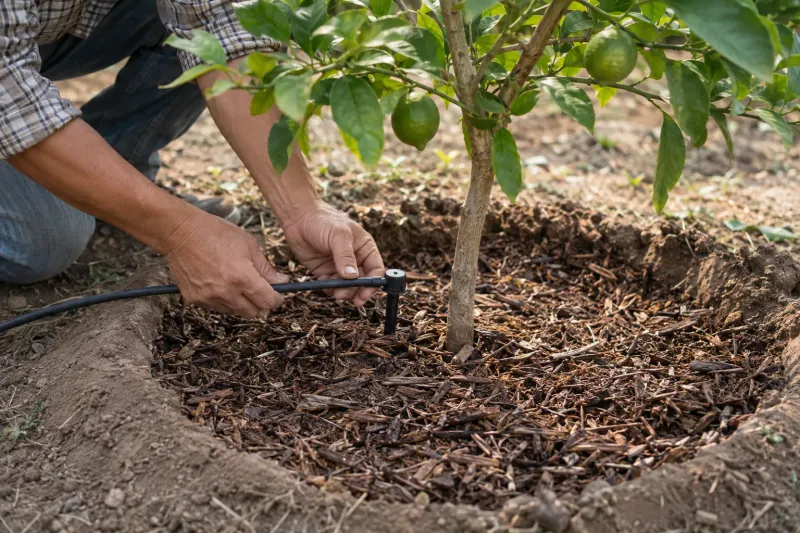
Here is a simple check. Push a probe or long screwdriver into the soil under the canopy.
Your Arizona Garden Changes Every Week. Your Plan Should Too.
Gardening in Arizona changes quickly throughout the season. Every Friday you’ll receive a simple weekly plan showing exactly what to plant, prune, fertilize, harvest, and protect so you never miss the right timing.
Arizona guidance says to let the soil dry about 6 inches deep before the next irrigation.
When you do water, go deep. The goal is to wet the root zone at least 2 feet down.
Short, shallow sprinklings leave the lower roots dry and encourage the very swings you want to avoid.
Timing varies a lot. Soil type, weather, tree age, and irrigation method all change how fast the ground dries.
University of Arizona intervals run from 7 to 28 days depending on conditions, which shows why a single weekly rule will not fit every yard.
A young tree on sandy soil in July is not the same as a mature tree in clay in November. Use the university schedule that matches your tree and your system, then let the probe tell you when it is time.
Remove and discard split fruit
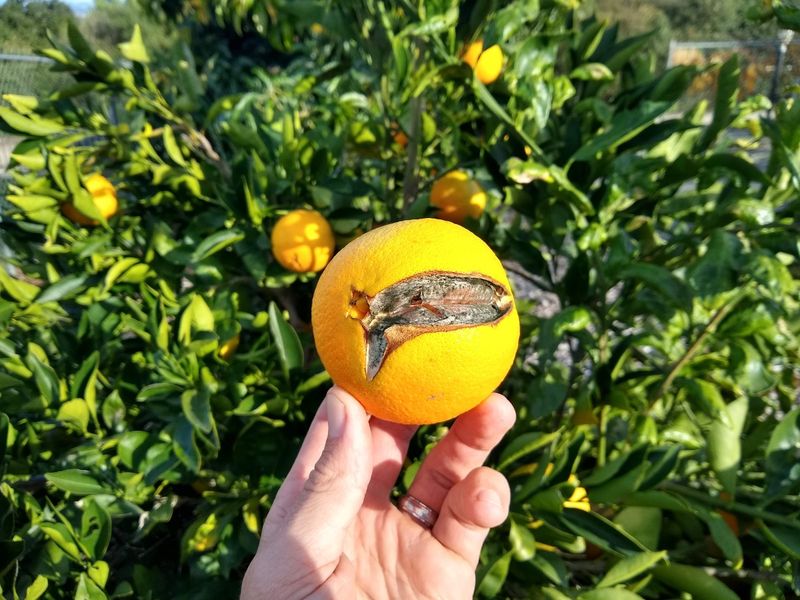
Once a fruit has cracked, pick it and throw it away. Split fruit does not heal, and it is not necessarily safe to eat.
The opening gives decay organisms an easy way in. University of California guidance says split fruit can rot, and it connects splitting with a greater risk of Alternaria infection in navel oranges.
Check the tree every few days during fall, and look on the ground too. Bag the fruit and put it in the trash rather than leaving it under the tree.
Avoid quick fertilizer and mulch fixes
When fruit cracks, it is tempting to grab fertilizer or potassium. Split fruit alone does not show a nutrient shortage, so guessing can waste money and stress the tree.
Arizona has its own schedule. The Arizona citrus fertilization chart places routine orange feeding in January through June, while lemons and limes get a late-summer application.
Follow that routine for your type of citrus, and correct a nutrient problem only after a real need is shown.
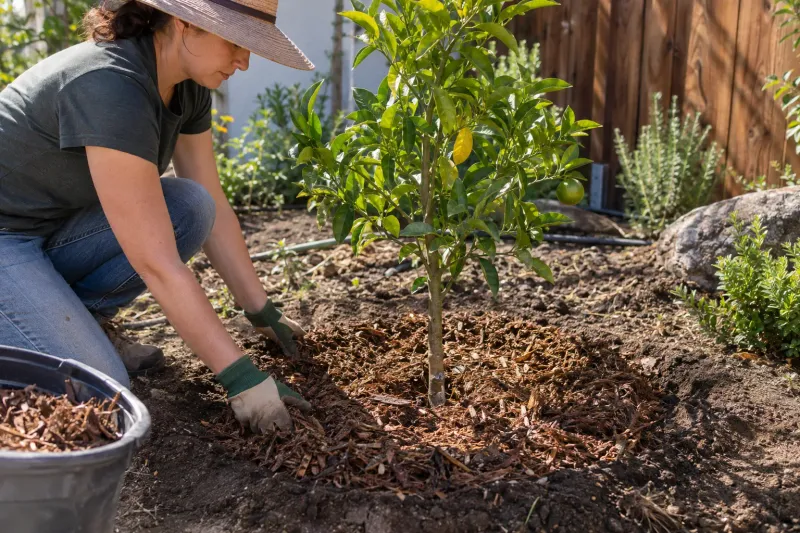
Mulch is not a shortcut either. Arizona guidance says heavy added mulch is no longer recommended because it may promote soil disease.
Put your effort into irrigation first.
Aim for stable soil moisture
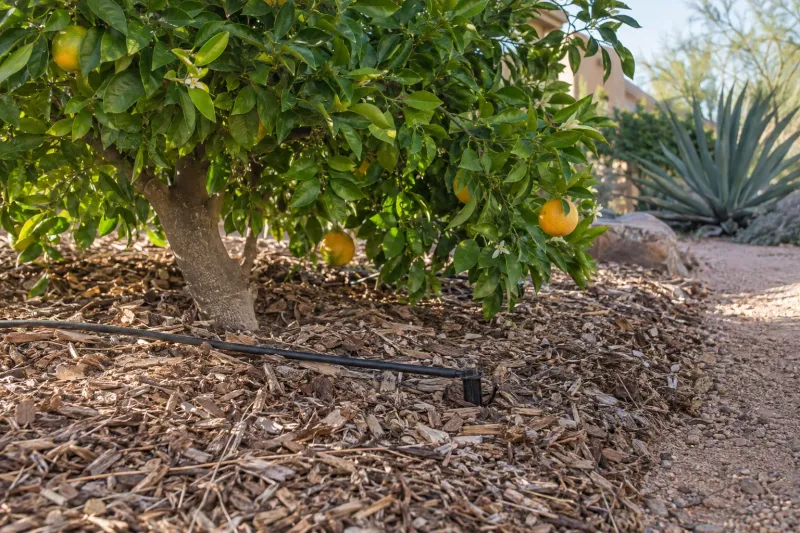
Check that your water reaches the root zone, avoid extremes, and discard any split fruit. These habits may lower your risk, though no method guarantees a crack-free harvest.
A few split oranges are a nudge from the tree, not a verdict on your gardening.