The Fast-Growing Texas Trees That Turn Into Expensive Problems Within Ten Years
In many Texas neighborhoods built a few decades ago, builders planted the same kinds of trees in nearly every front yard.
They grew fast, gave new homes instant curb appeal, and promised quick relief from the blazing sun. Years later, plenty of homeowners are paying the price.
Fast growth often comes with a catch. Many speedy trees have weak, brittle wood that splits during ice storms or strong spring winds.
Others send aggressive roots toward foundations, sidewalks, and sewer lines, especially in shifting clay soil. Some are short-lived, declining just as they reach a useful size.
A few spread seeds and sprouts all over the yard, creating even more work. That’s when the bills start showing up for tree removal, foundation repairs, or storm cleanup.
Before you plant, it pays to know which quick-growing trees can turn your shady dream into a costly headache.
1. Arizona Ash Looks Great Until It Doesn’t
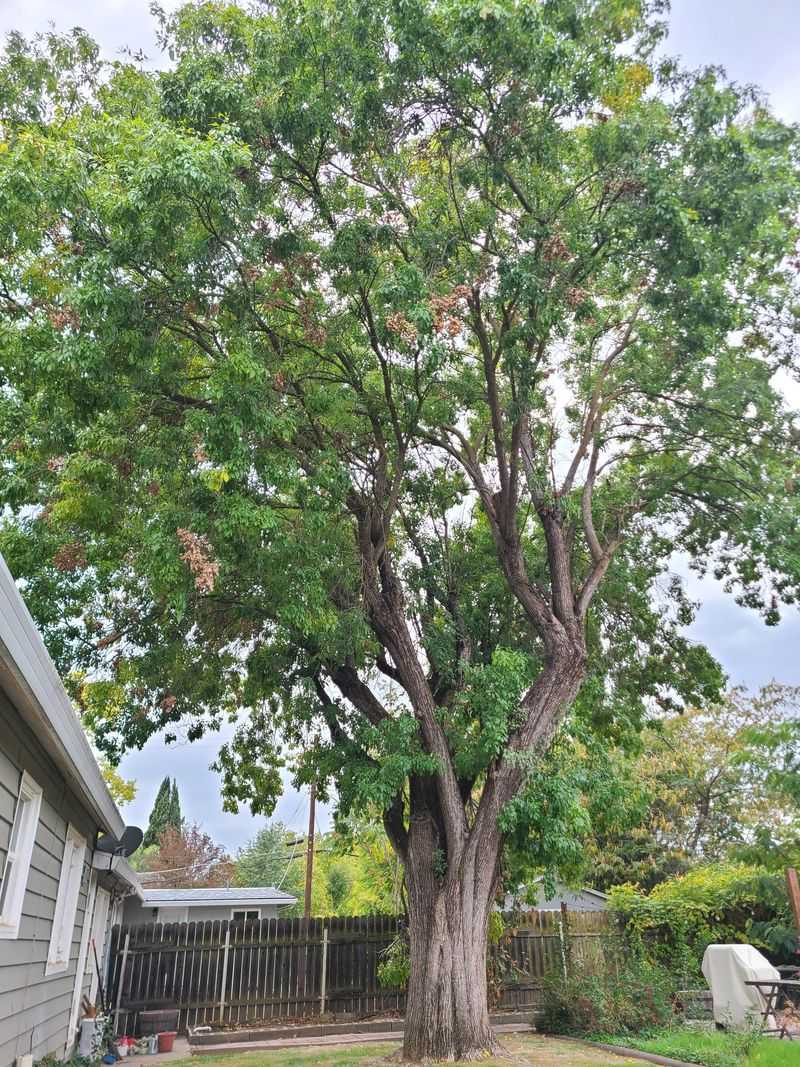
Back in the 1970s and 1980s, almost every new Texas neighborhood had an Arizona ash in the front yard.
Builders loved it because it grew fast and gave quick shade. Homeowners loved it because it filled out in just a few years.
Sadly, that early love story rarely lasts. Arizona ash is a short-lived tree, and many start to decline after only 15 to 25 years.
The wood is soft, so decay sets in easily through pruning cuts and storm wounds. Once rot gets inside, big limbs can snap without much warning.
Insects make things worse. Ash borers tunnel under the bark and weaken the tree from the inside. Now there is an even bigger threat.
The emerald ash borer, an invasive beetle, has been found in several Texas counties. It can wipe out ash trees in just a few years, and treatment is costly.
Removing a large, weakened ash can easily run from $1,000 to $3,000 or more. If a limb falls on a roof, car, or fence, the bill grows fast. That is a lot of money for a tree that only gave you a couple of good decades.
So what should you do if you already have one? Watch for thinning leaves, peeling bark, D-shaped exit holes, and mushrooms near the base.
Have a certified arborist check it every few years. If it is already struggling, plan the removal before a storm makes the choice for you.
For a new tree, look at tougher options. Cedar elm, Shumard oak, and Chinquapin oak grow a bit slower, but they last much longer and handle Texas weather like champions.
2. Silver Maple’s Speedy Growth Comes With Strings Attached
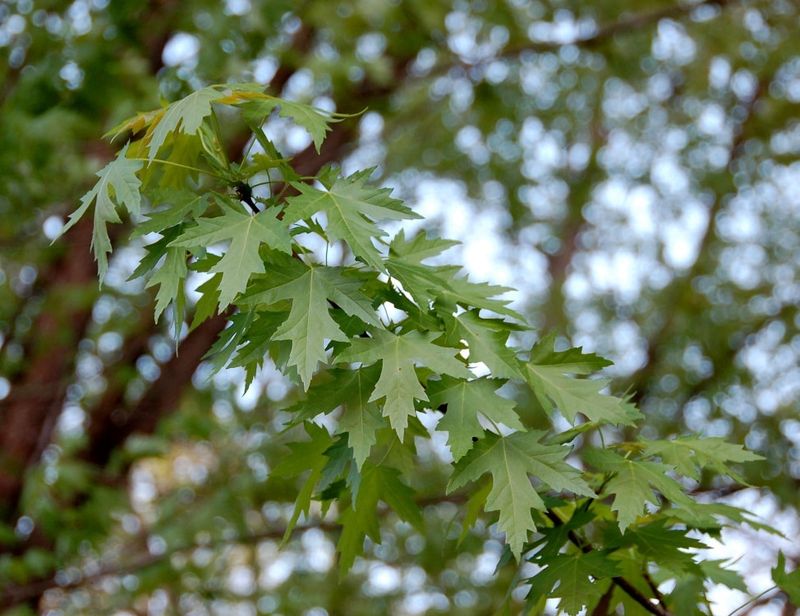
Ask any plumber in North Texas about silver maples, and you might get a long sigh. These trees can shoot up two to three feet a year. That sounds like a dream, but the fast pace leaves the wood brittle and weak.
Storms are the first big problem. Strong winds, ice, and heavy rain can tear off branches or even split the trunk. Since silver maples often grow 50 feet tall or more, those falling pieces are heavy and dangerous.
Your Texas Garden Changes Every Week. Your Plan Should Too.
Gardening in Texas changes quickly throughout the season. Every Friday you’ll receive a simple weekly plan showing exactly what to plant, prune, fertilize, harvest, and protect so you never miss the right timing.
Underground, the trouble keeps going. Silver maple roots grow shallow and spread wide in search of water. They can lift sidewalks, buckle driveways, and push into cracked sewer lines.
Once roots get into pipes, they can cause backups that cost hundreds or even thousands of dollars to fix.
Texas soil adds another twist. Much of the state has alkaline soil, which locks up iron and other nutrients.
Silver maples often show yellow leaves with green veins, a condition called chlorosis. You can treat it, but the fix is ongoing and the tree may still look tired.
Here is a helpful rule of thumb. Never plant a silver maple closer than 30 feet to your house, pool, or sewer line. Give it lots of open space if you really want one.
A better choice for many yards is a native like the Caddo sugar maple or bigtooth maple. Both handle Texas conditions much better.
They grow at a steadier pace, have stronger wood, and still give you that pretty fall color you were hoping for.
3. Bradford Pear Splits Just When It Gets Pretty
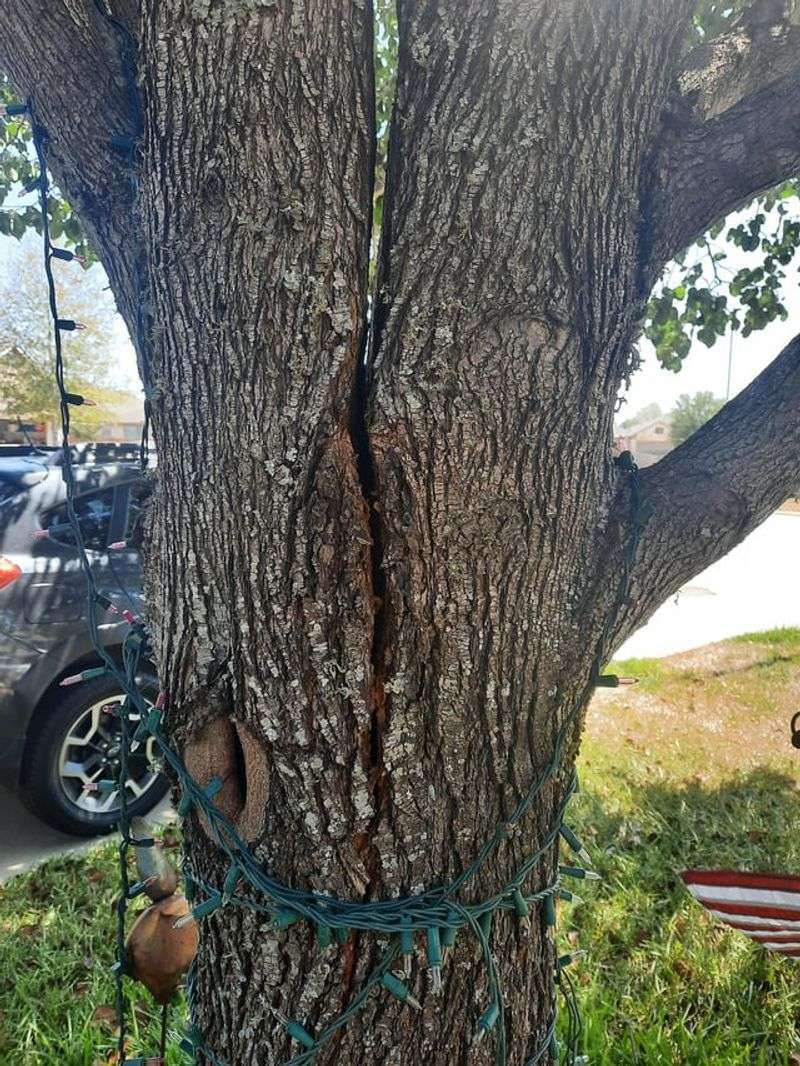
Every spring, clouds of white blossoms pop up along Texas streets. Many of them belong to Bradford pears. They look lovely for about two weeks, and some people even notice a strong, unpleasant smell coming from the flowers.
Once the bloom fades, the real issue shows up over time. Bradford pears grow many branches from almost the same spot on the trunk.
The branch angles are tight and narrow, which creates weak joints. As the tree gets heavier, those joints often crack apart.
The timing is cruel. Most trees split around 15 to 20 years old, right when they finally reach a nice size. One strong storm can rip the tree in half and leave a mess on your lawn, roof, or car.
There is also a wider problem. Bradford pears were supposed to be sterile, but they cross with other pear types.
Birds eat the small fruit and drop the seeds far away. Now wild callery pears are spreading into Texas fields and woods, forming thick, thorny patches that push out native plants.
If you have one, keep it well pruned to reduce weight and remove crowded branches. Many cities and extension services now suggest replacing them before they fail.
Some states even offer bounty programs that trade a free native tree for a cut-down pear.
Want spring flowers without the drama? Try Mexican plum, Texas redbud, or rusty blackhaw viburnum.
They bloom beautifully, feed pollinators, and hold together much better when the wind starts howling.
4. Chinese Tallow Is Now Banned For Good Reason
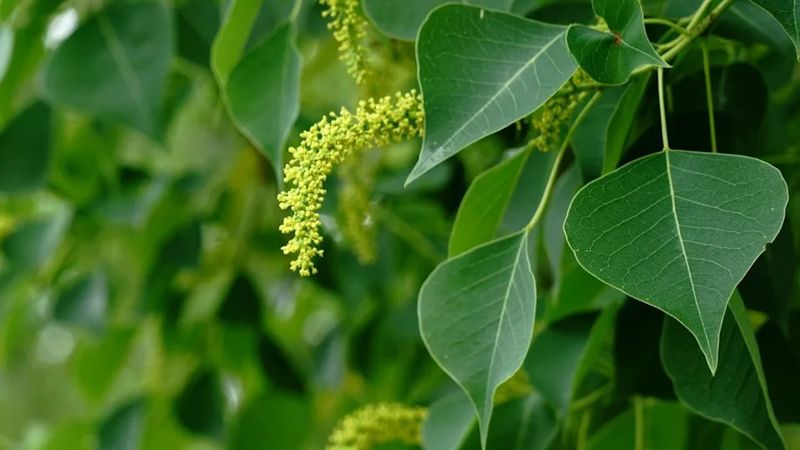
Here is a surprising fact. Benjamin Franklin is often linked to bringing Chinese tallow seeds to America in the 1770s. People valued the tree for its waxy seeds, which could be used to make soap and candles.
Centuries later, Texas has a serious tallow problem. The tree grows fast, handles wet and dry soil, and turns bright red, orange, and purple in fall. For years, nurseries sold it as an easy shade tree with great color.
The catch is how quickly it spreads. One mature tallow can make up to 100,000 seeds a year. Birds carry them everywhere, and water moves them along creeks and ditches. Soon you find seedlings in flower beds, along fences, and under shrubs.
In wild areas, the damage is even bigger. Tallow forms thick stands that crowd out native grasses and trees.
Along the Gulf Coast, it has taken over prairies and wetlands. Its leaves can also change soil and water chemistry, which hurts frogs and other wildlife.
Because of that harm, the Texas Department of Agriculture placed Chinese tallow on its noxious plant list. It is now illegal to sell, distribute, or import in the state.
If one grows in your yard, removal is smart. Cut it down and treat the stump so it does not sprout again. Pull seedlings while they are small, when roots come out easily.
For bright fall color, consider Texas red oak, flameleaf sumac, or Mexican sycamore. You will get the show without the endless cleanup.
5. Mimosa Charms You, Then Leaves A Mess
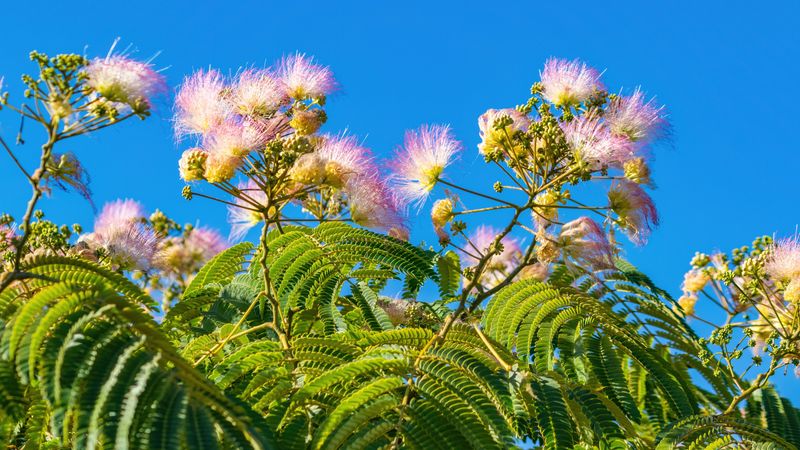
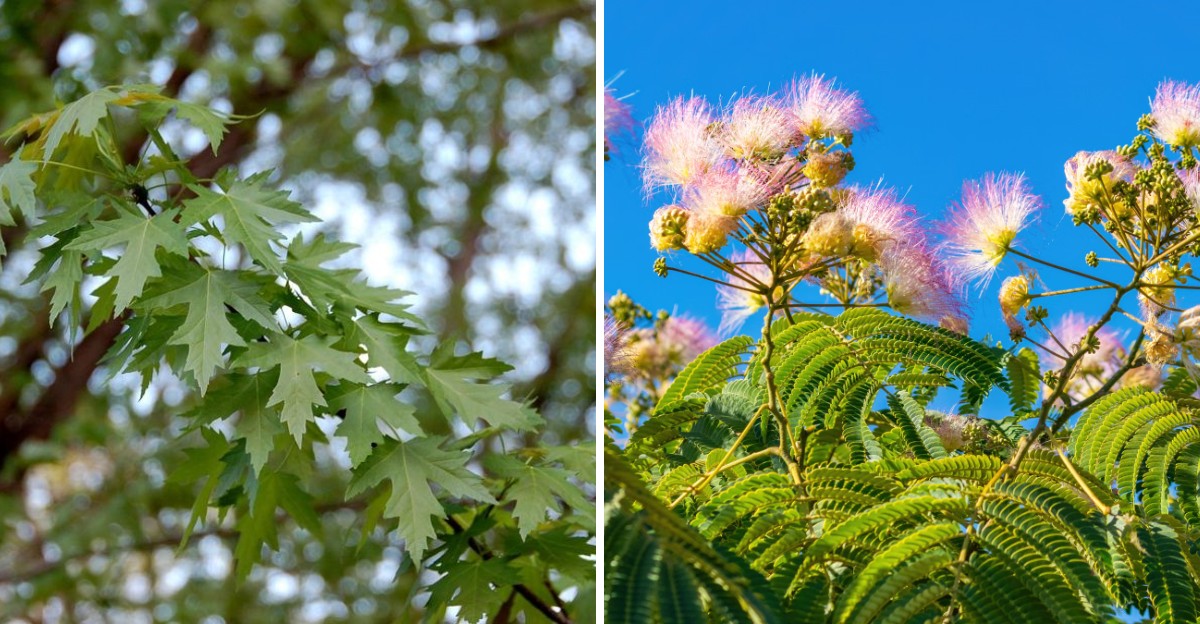
Grandma’s backyard might have had one. Those fluffy pink flowers look like tiny fireworks, and hummingbirds and butterflies love them. The fern-like leaves even fold up at night, which kids find fascinating.
Still, the sweet look hides a list of problems. Mimosa trees grow quickly, but they rarely live long. Many start to decline after 10 to 20 years. Weak wood and an open shape make them likely to drop branches.
Pests love them too. Mimosa webworms build silky nests and chew the leaves until the tree looks brown and scorched by midsummer.
Then there is mimosa wilt, a fungus that lives in the soil. It blocks water flow inside the tree, and there is no cure once it strikes.
Now for the part that drives gardeners crazy. Each tree makes long, flat seed pods full of hard seeds. Those seeds can stay alive in the soil for years.
You may find yourself pulling baby mimosas from your lawn, beds, and cracks in the patio long after the parent tree is gone.
Mimosa also escapes into natural areas, especially along streams and roadsides in East Texas. It shades out native plants and adds to the invasive plant load.
Got one already? Rake up pods before they split open. Mow or pull seedlings early. If wilt appears, removal is the only real option.
For pink blooms that behave, try desert willow, Texas mountain laurel, or Mexican redbud. All bring color, feed pollinators, and stay put.
6. Cottonwood Is Native But Not Yard Friendly
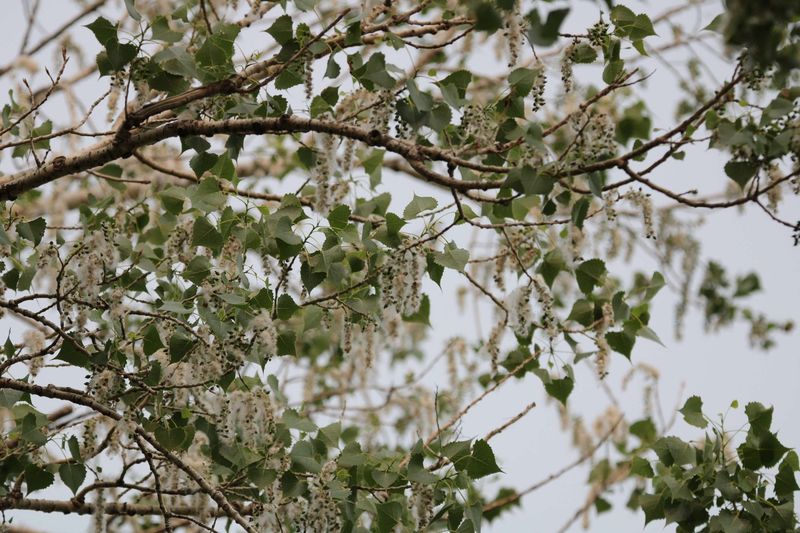
Being native does not always mean a tree belongs in your backyard. Cottonwoods are a great example. They have grown along Texas rivers and creeks for thousands of years, and they play a big role in those wild places.
In a yard, though, they can become a giant headache. Cottonwoods can grow five feet or more a year when young.
They often reach 80 to 100 feet tall with a massive trunk. That size is impressive, but the wood is soft and weak.
Big storms and strong winds often snap large branches. Even on calm days, limbs can drop without warning.
A falling cottonwood branch can crush a fence, damage a roof, or worse. Roots bring another worry. Cottonwoods drink huge amounts of water.
Their roots travel far to find it, sometimes sneaking into sewer lines, irrigation pipes, and cracks near foundations. In clay soils, all that water use can even make the ground shrink and shift under a house.
Then comes the fluff. Female cottonwoods release clouds of cottony seeds each spring. The fluff piles up in pools, clogs AC units, and sticks to window screens. Some people call it a spring snowstorm.
If you love cottonwoods, plant only male trees, and keep them at least 50 feet from buildings and pipes. Large rural lots or spots near a pond work best.
For smaller yards, a bur oak, live oak, or lacebark elm gives strong shade without the risky branches or messy fluff.
7. Fruitless Mulberry Brings Shade And Sneezes
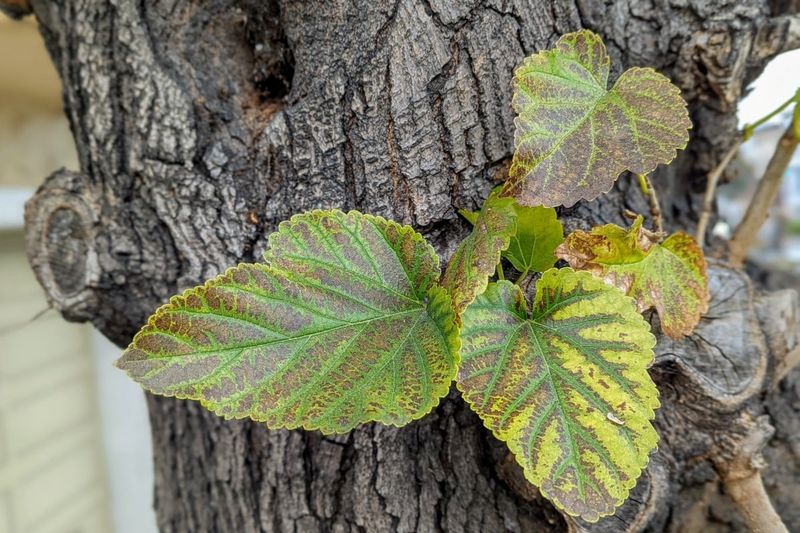
Shade in a hurry. That was the big selling point for fruitless mulberry trees across Texas for decades. They form a thick, rounded canopy fast, and they skip the purple, messy berries that regular mulberries drop.
Sounds perfect, right? Unfortunately, these trees come with some sneaky downsides. Their roots grow shallow and thick near the surface.
Over time, they can lift sidewalks, crack driveways, and make mowing a bumpy chore. Grass also struggles to grow under the dense shade and greedy roots.
Fruitless mulberries are not built for a long life either. Many start to decline after 20 to 30 years.
Branches may die back, and rot can set in, especially after heavy pruning. Topping the tree, which many people do, leads to weak new shoots that break easily.
Allergy sufferers face the biggest surprise. Fruitless mulberries are male trees, and male trees make pollen.
Lots of it. In early spring, they release clouds of fine pollen that can trigger sneezing, itchy eyes, and asthma. Some cities in the Southwest have even banned planting them for that reason.
If you already have one, avoid topping. Instead, hire an arborist for proper thinning cuts. Keep an eye on concrete near the trunk, and consider root barriers if you are adding new paving.
For a fresh start, think about a cedar elm, Texas ash, or Mexican white oak. They offer solid shade, handle heat well, and will not leave you reaching for tissues every March.