Should You Prune Fruit Trees Now Or Save Those Branches For Propagation In Missouri?
A pruning cut made in October can wake up buds that should stay asleep until the cold months pass. Those tender new shoots often have little time to harden before the first hard freeze arrives in Missouri.
I love that some berry canes plant themselves when their arching tips touch bare soil in early fall. Gardeners have a name for this habit, and you can copy the trick with a handful of soil and a rock.
Many apple and pear branches rarely grow roots from simple cuttings, which surprises a lot of home growers. That is why nurseries graft them onto rootstocks instead of sticking twigs into pots of damp soil.
Maybe you are standing in the yard right now with loppers in hand and a list of weekend chores. So which branches deserve a cut this month, and which ones could turn into brand new plants for your garden?
Dormant Cuts Belong In Late Winter
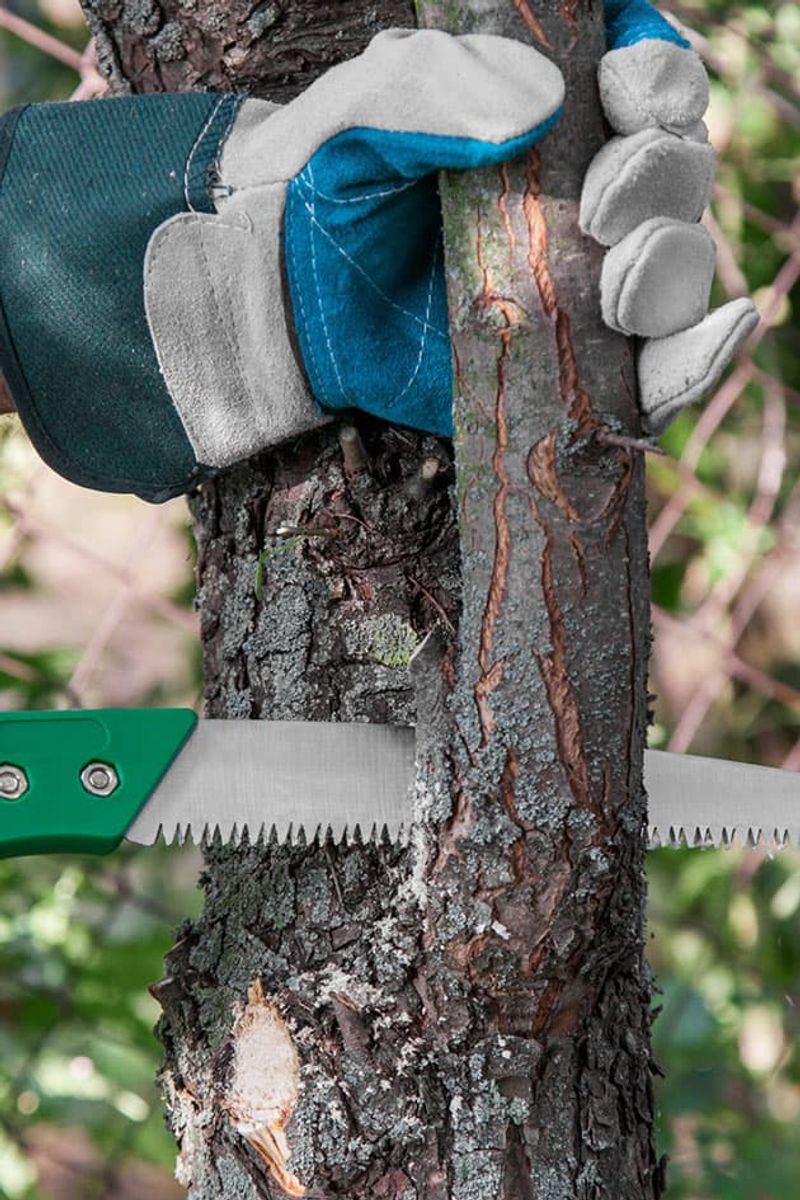
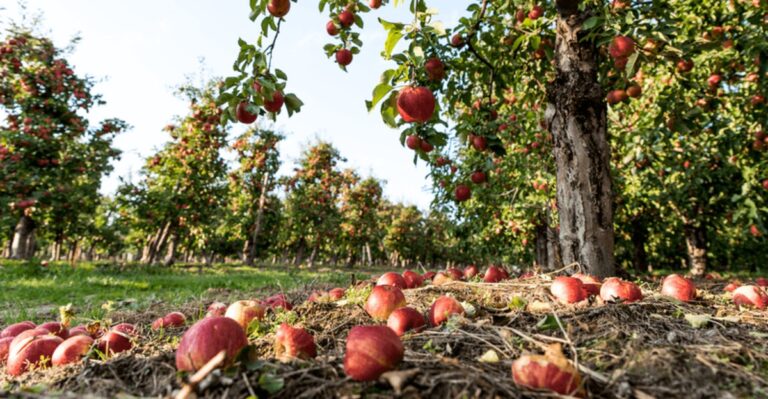
Hold off on those loppers for now, because University of Missouri Extension suggests pruning fruit trees in late winter. February through early March works well in most of Missouri, just before the buds begin to swell.
During that window, the trees are fully dormant, and you can see every branch clearly without leaves in the way. Wounds made just before spring growth also close faster, since the tree soon starts sending energy back into its limbs.
So the short answer to the big question is simple, wait to prune most fruit trees until late winter. Fall is better spent planning cuts, cleaning tools, and choosing which shrubs or canes you want to propagate.
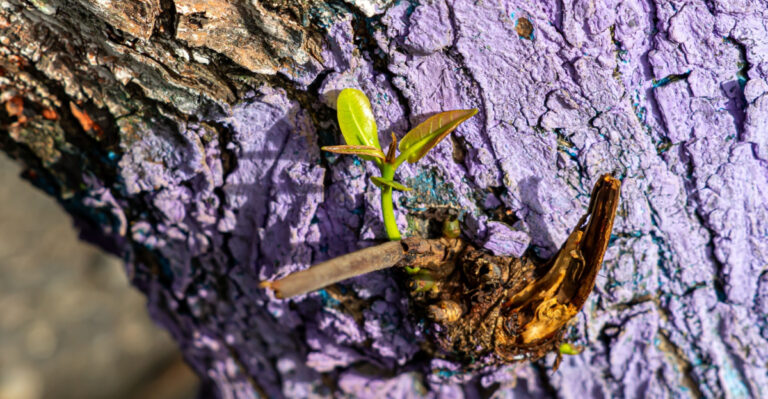
There is one helpful exception that many gardeners like to use when pruning time finally arrives in February. The healthy, pencil-thick shoots you remove can become scionwood for grafting onto a rootstock later in spring.
Wrap those cut pieces in slightly damp paper towels and seal them inside a plastic bag in the refrigerator. Keep them away from ripening apples, because the ethylene gas from fruit can harm the stored buds.
Broken, diseased, or rubbing branches are different, and you can remove those any time you notice a problem. Cut back into healthy wood and wipe your pruners with a household disinfectant between each cut you make.
Marking problem limbs with bright ribbon in October makes the late winter job faster and much less confusing. You will spot them easily once the leaves are gone and the orchard looks like bare gray sticks.
Cold Injury Risk From Fall Cuts
A fresh cut in fall sends a signal to the tree that it should start repairing and growing again. That message arrives at a poor time, since the tree is trying to slow down and harden for winter.
Extension specialists explain that pruning before dormancy can push out new shoots that stay soft and full of water. Those tender tissues struggle when Missouri temperatures drop suddenly in November or swing wildly during a mild December week.
Your Missouri Garden Changes Every Week. Your Plan Should Too.
Gardening in Missouri changes quickly throughout the season. Every Friday you’ll receive a simple weekly plan showing exactly what to plant, prune, fertilize, harvest, and protect so you never miss the right timing.
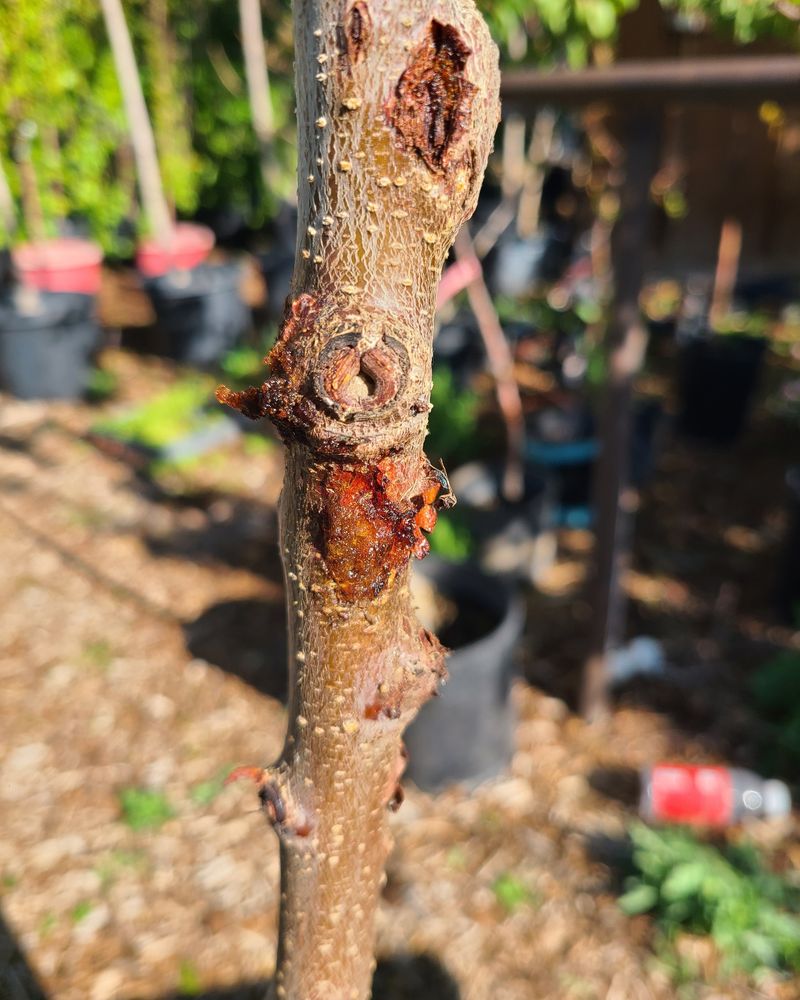
Cold injury often shows up as cracked bark, browned buds, or sunken patches near the pruning cuts in spring. Peaches and other stone fruits seem more sensitive, so many growers prune them last, close to bloom time.
Open wounds also give fungi and bacteria a place to enter while the tree heals very slowly in cold weather. Canker diseases on stone fruits often begin at wounds, so fewer cuts in fall means fewer entry points.
I find it helps to think of fall pruning as a small risk with uneven odds for the home orchard. Some years pass with no damage at all, but a harsh freeze can undo several seasons of careful training.
Wound paint is rarely needed, according to most university research, because trees close their own cuts with callus tissue and wall off the damaged area. Your best protection is patience, sharp tools, and clean cuts made just outside the branch collar in late winter.
Leaf cleanup is a safer fall chore, since fallen leaves can carry apple scab spores through the winter. Raking and composting them gives you something useful to do while the pruners rest in the shed.
Air Layers Slow Down In Cooling Weather
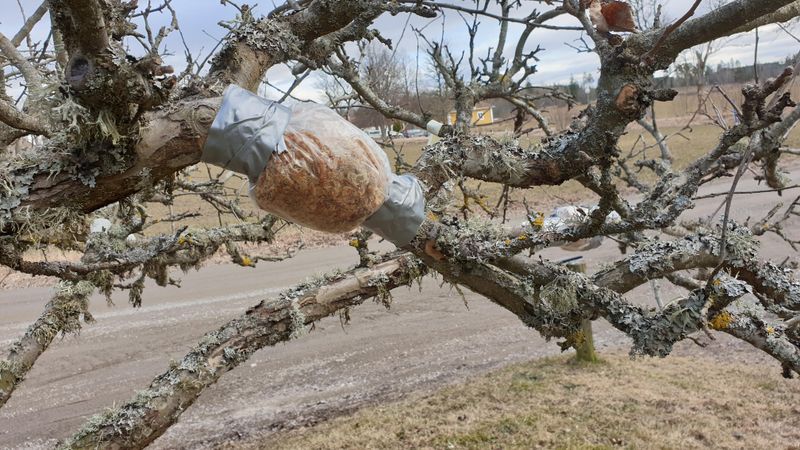
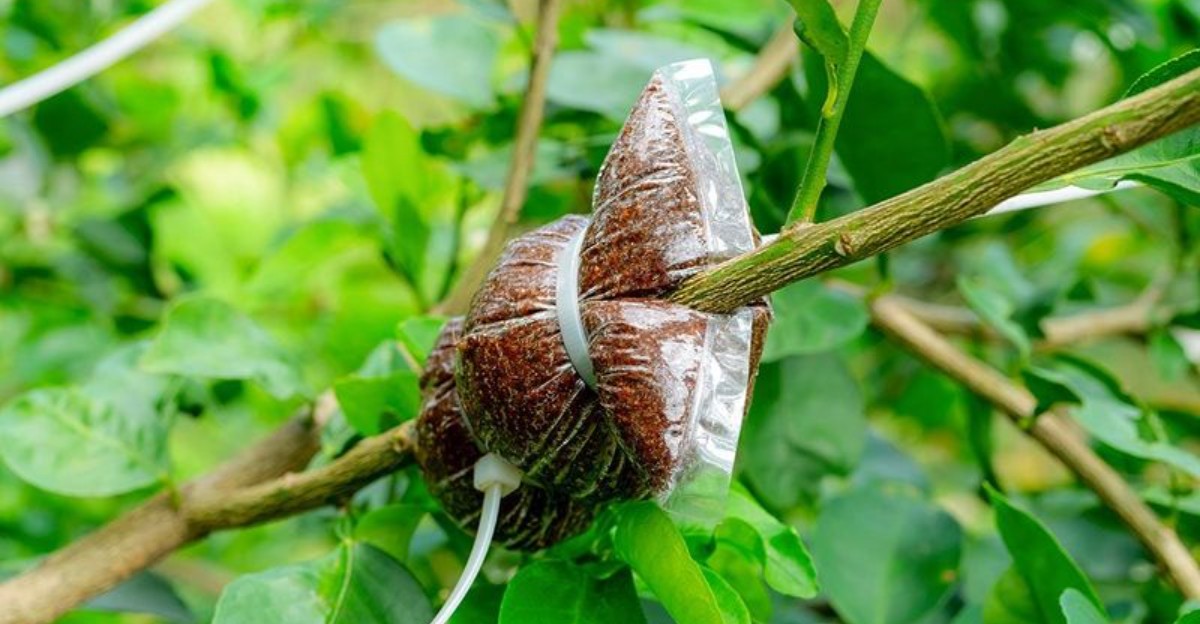
Air layering sounds fancy, but it simply means coaxing roots to form on a branch while it stays attached. You wound a stem, pack damp sphagnum moss around it, and wrap everything tightly in plastic and foil.
The catch is timing, because roots form fastest when the plant is actively growing in warm weather. Most extension guides suggest starting air layers in spring or early summer, when sap moves freely through the branch.
Layers started in fall usually sit idle, since cooler soil and shorter days slow root production quite a lot. An October attempt in Missouri may show little progress before winter, and freezing can damage the exposed moss ball.
Fruit trees also vary widely in how easily they root from layers, which adds some honest uncertainty to the method. Figs and citrus respond fairly well, while many apples and pears root slowly or not at all.
If you already have a layer wrapped from summer, peek through the plastic for white roots against the moss. A ball crowded with roots can be cut below the wrap and potted up to spend winter in a cool garage.
Fewer roots mean you should leave the layer in place and add extra foil to shield it from cold. Check the moss each month and add a splash of water if it starts to feel dry and crumbly.
Fun fact, gardeners in ancient China used air layering on fruit trees for centuries, wrapping branches in mud and cloth. The method is often called marcotting, and it still works today with a little patience and plastic wrap.
Hardwood Cuttings From Dormant Branches
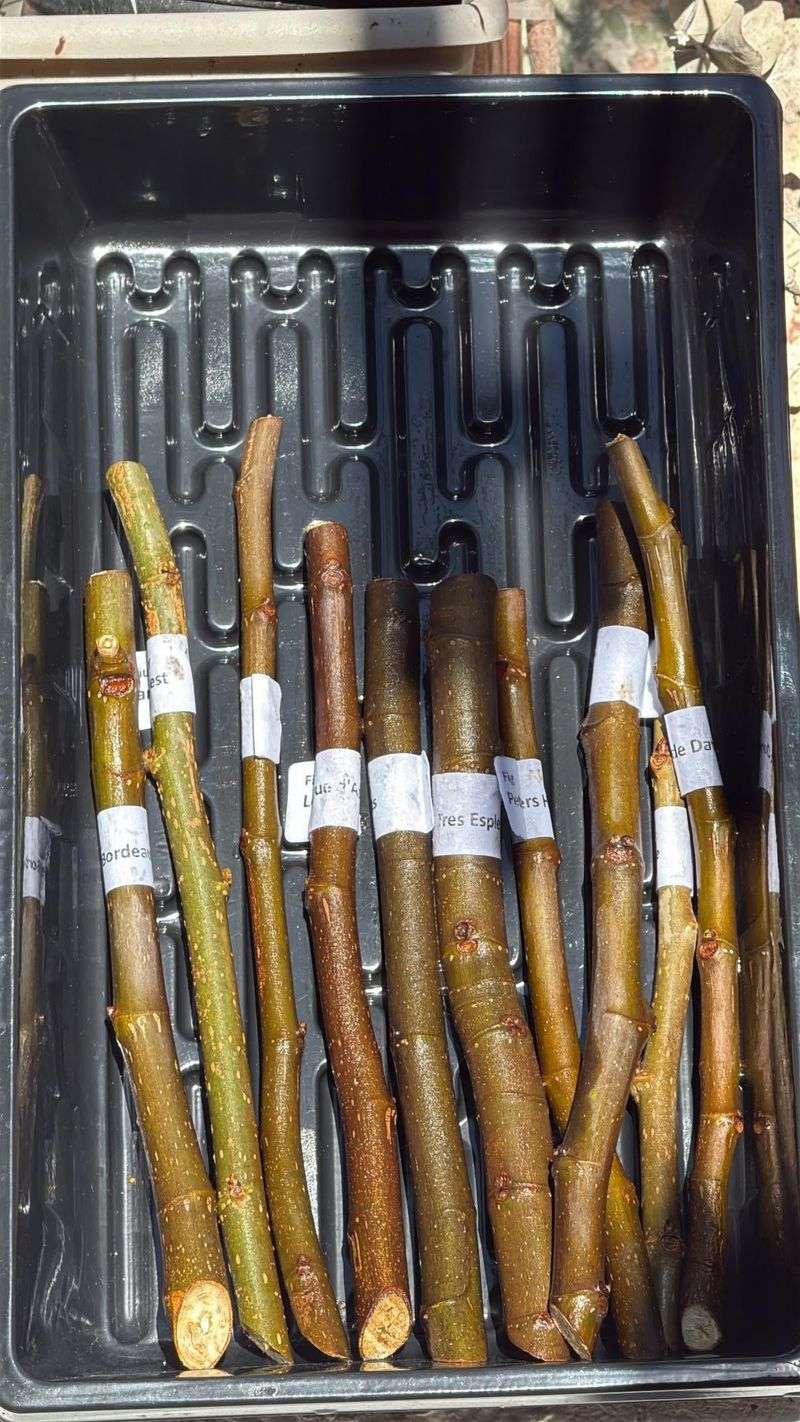
Late fall is prime time for hardwood cuttings, once leaves drop and the stems settle into true dormancy. Missouri gardeners can take them from November through February, when the wood is firm and mature from summer growth.
The honest truth is that most apple, pear, peach, and cherry trees root poorly from hardwood cuttings. Even when roots form, the new tree grows on its own roots and may lack the size control of rootstocks.
Better candidates include figs, grapes, currants, gooseberries, elderberries, and some quince, which root fairly easily from dormant wood. Pick healthy stems about as thick as a pencil, then cut pieces six to eight inches long.
Make a flat cut just below a bud at the bottom and a slanted cut above a bud at top. That simple trick reminds you which end goes down, since planting a cutting upside down often leads to failure.
Dip the bottom end in rooting hormone, then bundle the cuttings and store them in damp sawdust or sand. A cool spot between 35 and 40 degrees, such as an unheated garage, lets the ends form callus slowly.
In early spring, set the cuttings outdoors in loose soil with only the top bud showing above the surface. Keep them evenly moist through summer, and many will have strong roots ready for transplanting by the next fall.
I like labeling each bundle with the plant name and date, because bare sticks look alike after a few weeks. A waterproof marker on a plastic tag saves a lot of guessing when planting day finally rolls around.
Blackberry Tip Layers Rooting This Fall
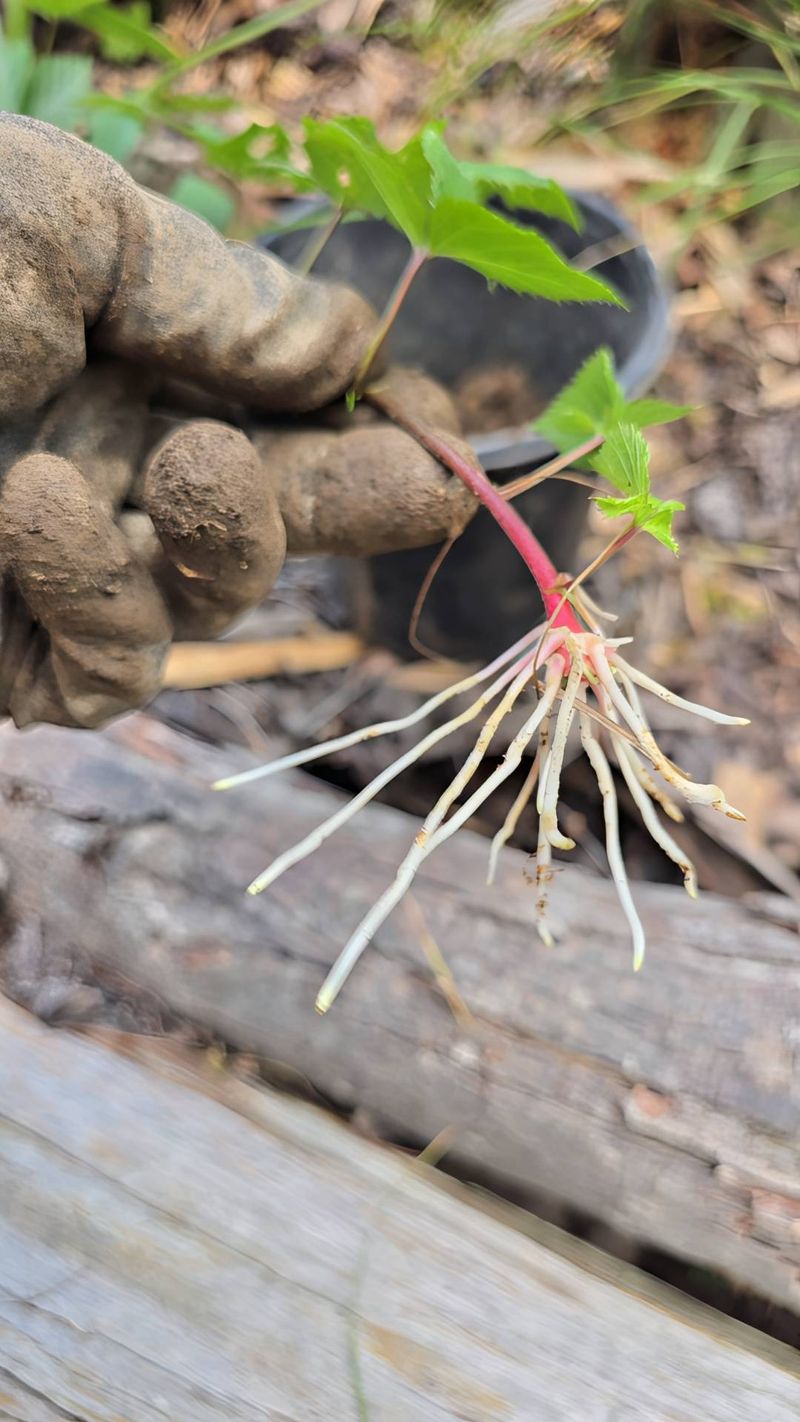
Blackberries practically beg to be propagated, and the arching canes do much of the work for you each fall. When a cane tip touches the ground, it can swell, form a curled shape, and send roots into the soil.
University of Missouri Extension notes that tip layering works well for trailing blackberries and black or purple raspberries. Late summer into early fall is the classic window, so October is a fine time to check your patch.
Look for the current season’s canes with tips that look thick and slightly curled, sometimes called the rat-tail stage. Bend each one down gently and bury the tip about three or four inches deep in loose, moist soil.
A small rock or a landscape staple holds the tip in place so wind cannot pull it free. Within a few weeks, roots usually start growing, and a small shoot may poke up through the soil surface.
Leave the new plants attached through winter, since the parent cane keeps feeding them while the ground stays cold. In early spring, cut the connecting cane about six inches above the soil and dig up each rooted tip.
Erect thornless types often spread by root suckers instead, so they rarely form tip layers as easily as trailing kinds. For those, dig up suckers that pop up between rows in early spring and replant them where you want.
Only propagate from healthy plants, because viruses and rust diseases can travel along with the new starts very easily. Buying certified disease-free plants from a nursery is often wiser if your patch has shown yellow or stunted canes.
Spring Timing For A New Round Of Air Layers
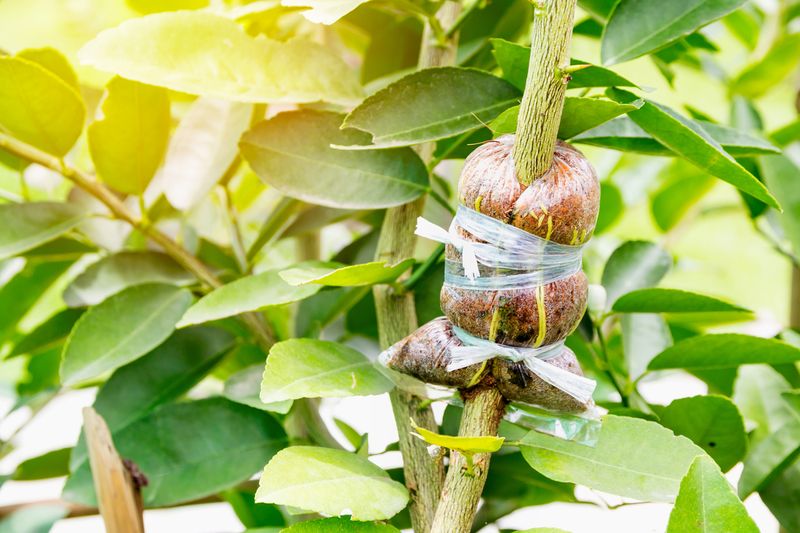
Mark a spot on your calendar for April or May, because that is when air layers truly hit their stride. Warm days and active sap help branches form roots in weeks instead of months, which makes the project more rewarding.
Choose a healthy branch about the thickness of a pencil or a little larger, growing in plenty of sunlight. Remove a ring of bark about one inch wide, then gently scrape away the slick green layer underneath.
Dust the wound with rooting hormone and wrap it with a fist-sized ball of moist sphagnum moss. Cover the moss with clear plastic, tie both ends tightly, and add foil to keep heat from building inside.
Many layers on figs and similar plants show roots within six to ten weeks during a typical Missouri summer. Slower plants may need the whole season, so cutting them off in late summer gives roots time to grow.
Spring also lines up perfectly with the late winter pruning plan from earlier, so your work flows from season to season. Prune in February, graft with stored scionwood in March or April, and then start a fresh batch of layers.
For now, use October to scout branches that would make good candidates and tag them with colorful ribbon. You can also order sphagnum moss and rooting hormone now, while garden centers clear out their seasonal supplies.
A little planning this fall turns next spring into a busy, happy stretch of growing new plants from old ones. Your trees stay protected through winter, and your garden gains extra plants without spending much money at all.