The Amish Mulching Habit Missouri Homeowners Wish They’d Known Before Summer
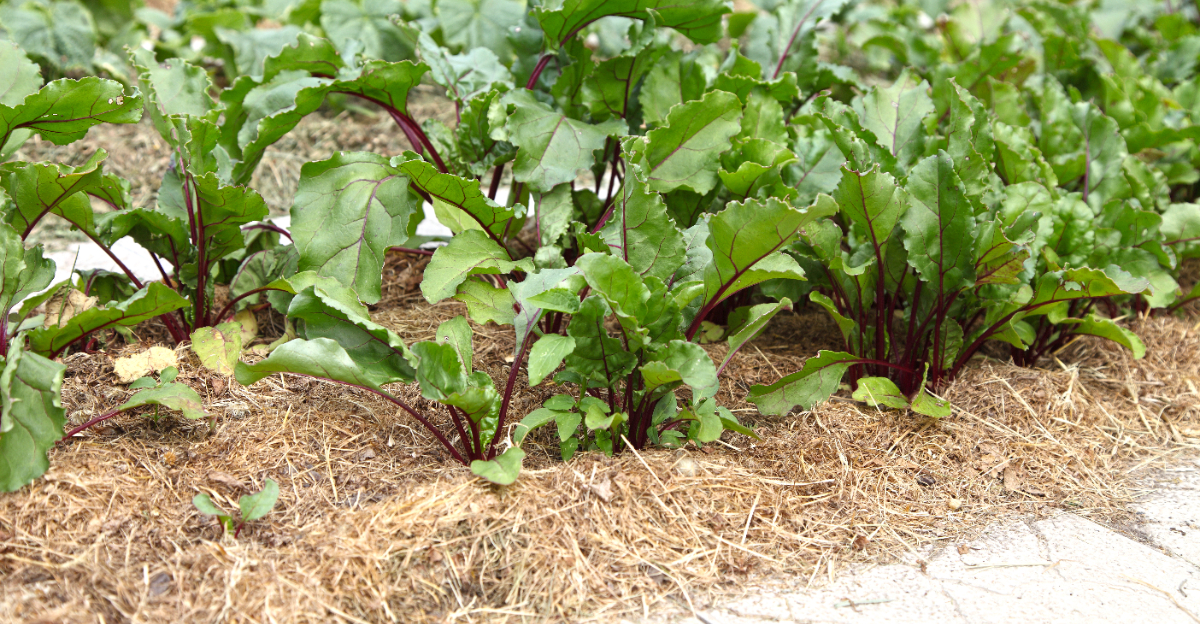
Drive past any Amish farmstead in rural Missouri, and you will notice something the neighbors keep missing. Their yards stay green and cool long after everyone else’s grass has given up for the season.
There is no secret tool hiding in their barns. Just a quiet habit passed down through generations, one that most modern homeowners never think to try.
Missouri summers show no mercy. Soil bakes, roots struggle, and water disappears faster than you can refill the hose. Yet somehow, these gardens barely notice the heat.
The trick sits right under your feet, hidden in plain sight for years. After learning what it actually is, you might feel a little embarrassed you skipped it this long
An Old-School Technique Still Used On Small Farms Today
Walk past any Amish homestead in the growing season, and you will notice something right away. The soil between plants stays covered and intact, even in the driest stretches.
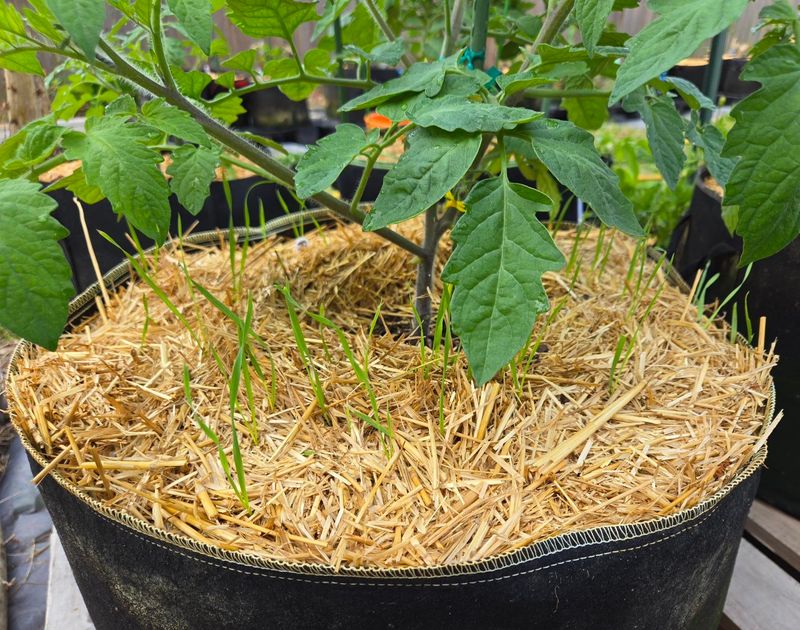
This particular method has been passed down across generations without a single instruction manual. It is a thick, intentional layer of organic material placed around every plant, every row, and every garden bed.
Farmers in plain communities spread mulch not just for looks, but for survival. Missouri heat can push soil temperatures dangerously high on a sunny afternoon.
Bare soil loses moisture fast, leaving roots with little to work with. A thick mulch layer acts like a blanket, keeping ground temperatures steady and manageable.
On small farms, this technique stretches water supplies and reduces the need for daily irrigation. Less water used means more time for everything else on the property.
Neighbors who have watched Amish gardens through the fence often notice the contrast immediately. Amish beds stay green when nearby gardens turn yellow and crisp.
The practice is simple enough for any beginner to follow. No certification, no special training, just layering material with purpose and consistency.
Even in non-farming suburban yards, this same approach delivers results you can see within weeks. Your plants will thank you before July even hits its peak.
Materials Used In This Time-Tested Method
The Amish do not shop for mulch at a big-box store, and that is a big part of the secret. They use what the land already provides, and it costs almost nothing.
Straw is the most common choice, especially wheat straw left over after harvest. It breaks down slowly, feeds the soil, and blocks most weeds from breaking through.
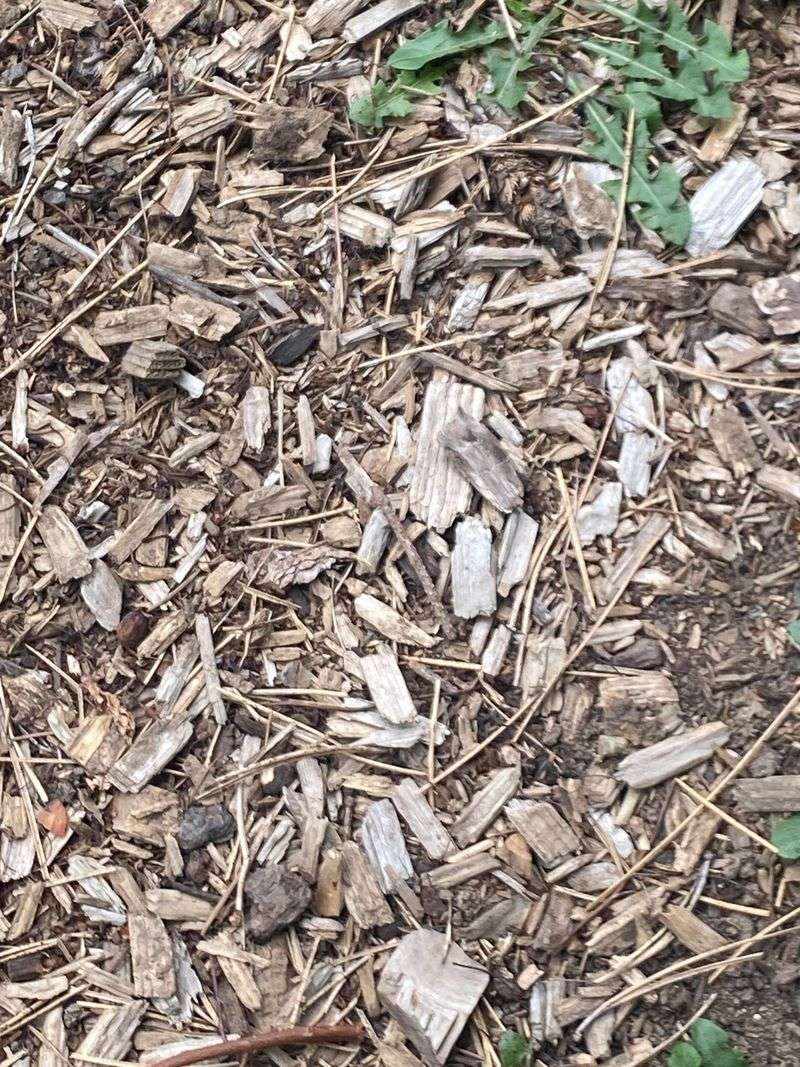
Wood chips from fallen trees or trimmed branches are another popular option. They last longer than straw and work especially well around fruit trees and perennial beds.
Dried leaves collected in autumn are layered thick in garden rows before winter and again before summer heat arrives. They decompose into rich, dark organic matter that roots respond to well.
Grass clippings pulled from a push mower get spread fresh around tomatoes and peppers. They mat together quickly and hold back weed growth surprisingly well.
Some families even use old hay that is past its feed quality but still perfectly useful for garden beds. Very little goes to waste in a well-run homestead.
Your Missouri Garden Changes Every Week. Your Plan Should Too.
Gardening in Missouri changes quickly throughout the season. Every Friday you’ll receive a simple weekly plan showing exactly what to plant, prune, fertilize, harvest, and protect so you never miss the right timing.
The key is applying materials at least three to four inches deep. Thin layers dry out fast and barely slow down weeds.
Mixing materials can also improve results, combining straw on top with a base of shredded leaves below. This layered approach holds moisture longer and builds soil health from the ground up.
The Difference It Makes For Soil And Plant Health
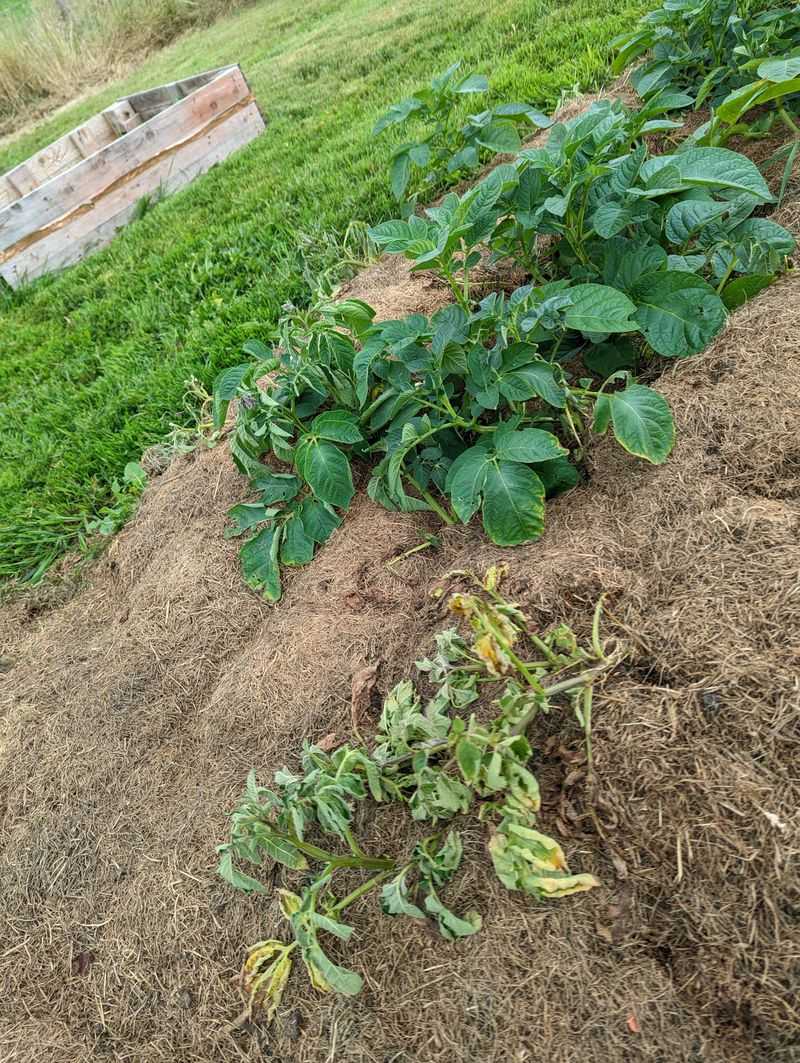
Soil without mulch is like skin without sunscreen on a July afternoon. It dries, cracks, and loses what it needs most.
Mulched soil holds moisture noticeably longer than bare ground, according to agricultural researchers. That means less watering and far less stress on plant roots during heat waves.
Healthy soil is full of earthworms, fungi, and billions of tiny organisms that keep plants fed. Bare, hot soil drives those creatures away and leaves roots with nothing to work with.
When this method is applied consistently, soil structure improves season after season. Organic material breaks down and adds nutrients and structure that fertilizers alone do not provide.
Plants mulched correctly tend to show stronger stems and deeper green color. They tend to flower longer, fruit more heavily, and handle disease pressure better.
Root systems also stay cooler and more active during peak afternoon heat. Roots that are not stressed can focus energy on growth instead of survival.
Weed pressure drops dramatically with a thick layer in place. Fewer weeds mean less competition for water and nutrients, giving your chosen plants a clear advantage.
Over multiple growing seasons, the soil underneath becomes noticeably darker and richer. You can feel the difference with your hands when you reach into well-mulched ground, it is spongy and alive.
Best Timing For Applying This Technique
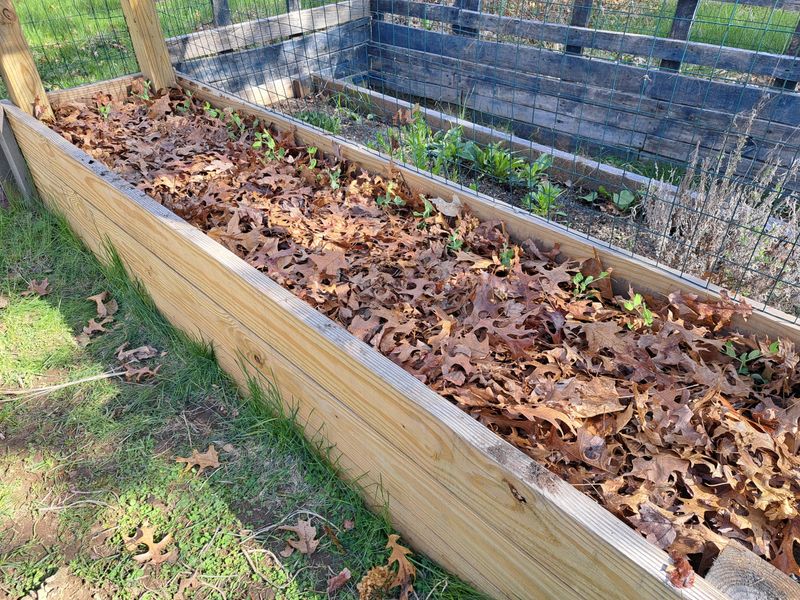
Timing matters a great deal with mulch, and most homeowners wait too long to get started. By the time summer heat hits, the damage to soil moisture is already done.
The Amish apply their first layer in early spring, right after the ground warms enough for planting. Getting mulch down early locks in soil moisture before evaporation season begins.
A second application often goes on in late May or early June, just before Missouri temperatures climb past 85 degrees consistently. This top-off layer keeps the coverage thick and effective through the hottest stretch.
Applying mulch too early in spring, before soil warms up, can actually slow plant growth. Cold, wet soil covered too soon stays cold longer and delays root development.
Waiting until midsummer is the most common mistake in suburban yards. Soil has already dried and compacted by then, and playing catch-up takes extra effort and extra water.
Fall is also an important time for this technique, not just summer. A fresh layer applied in October protects perennial roots through winter freezes and thaws.
After a heavy rain is a great moment to add mulch, because soil is already saturated and a top layer will seal that moisture in. Dry soil mulched without prior watering will not benefit as much.
Getting the timing right makes summer noticeably easier, with fewer watering sessions and healthier plants throughout the season.
Common Mistakes Homeowners Make With Mulch
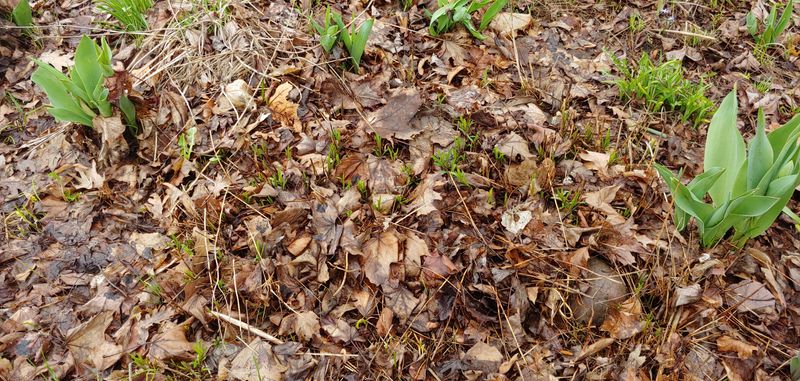
Mulch looks simple, but there are a few ways to get it wrong that end up hurting more than helping. Most mistakes come from either too much, too little, or bad placement.
Piling mulch against plant stems is probably the most widespread error in home gardens. That moist contact creates a breeding ground for rot, mold, and pest damage at the base of the plant.
Leave a small gap of two to three inches around stems and tree trunks. That breathing room protects the plant while still giving the surrounding soil full moisture benefits.
Using the wrong material can also backfire fast. Dyed wood mulch, for example, may contain chemicals that harm soil biology over time.
Fresh wood chips from diseased trees can spread that disease directly into garden beds. Sourcing materials from healthy plants and trees matters more than most people realize.
Applying mulch in a thin, skimpy layer is a common habit that delivers almost no benefit. Anything under two inches barely slows moisture loss or weed growth.
Forgetting to refresh mulch as it breaks down is equally problematic. Old, decomposed mulch becomes part of the soil, which is great, but the protective layer disappears and must be replaced.
Skipping mulch entirely because it seems optional is one of the costliest mistakes homeowners make. One Missouri summer without it will show you exactly why this method stuck around for so long.
Bringing This Habit Into Your Own Yard
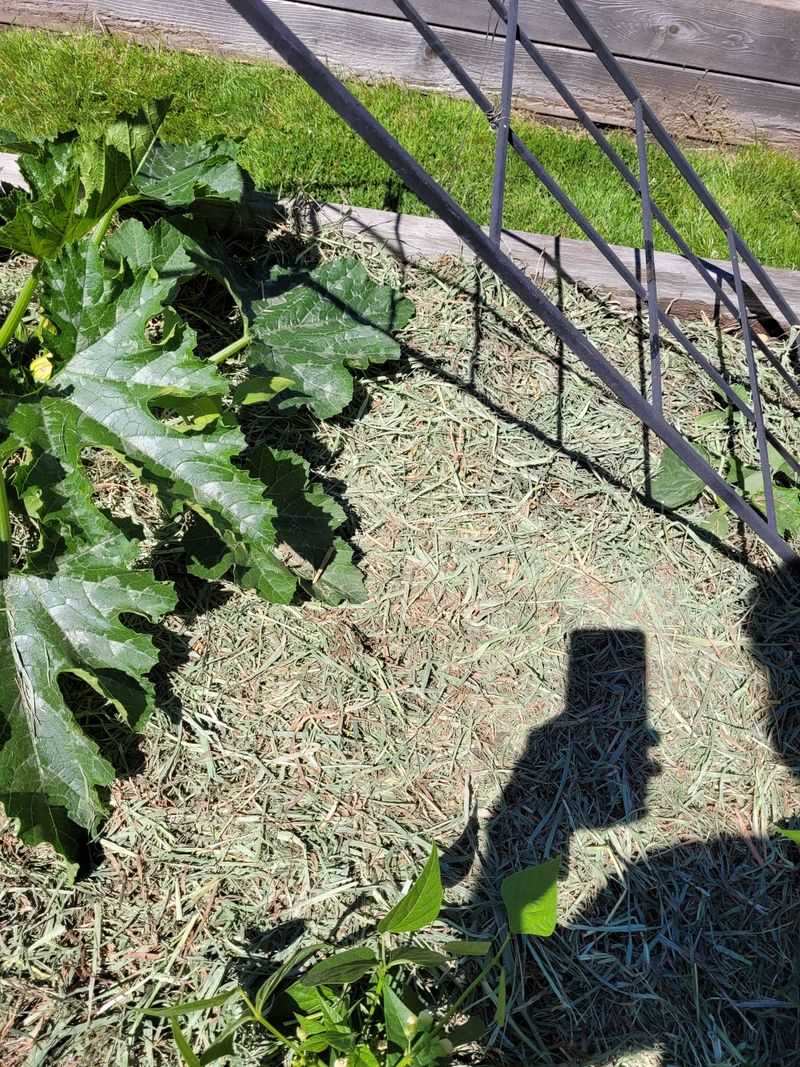
Starting this practice in your own yard does not require a farm or a big budget. A few bales of straw and an afternoon is all it takes to get going.
Begin with the beds that get the most direct sun exposure during the day. Those areas lose moisture fastest and will show the biggest improvement almost immediately after mulching.
Local feed stores and farm supply shops in Missouri usually carry straw bales for just a few dollars each. One bale typically covers around 50 square feet at a proper four-inch depth.
If you have trees on your property, a wood chipper or a call to a local tree service can supply free chips in large quantities. Many tree companies will drop off a load at no charge just to avoid disposal fees.
Start small if you feel overwhelmed, just one raised bed or one garden row. After seeing the results within a couple of weeks, motivation to expand the habit comes naturally.
Teach the method to your kids or grandkids while working outside together. Passing on a practical skill makes the garden time feel meaningful beyond just yard maintenance.
Check moisture levels under your mulch every few days at first to learn how your specific soil responds. Every yard is a little different, and small adjustments lead to big payoffs.
This method is not complicated, but it is powerful, and your Missouri garden will prove that all summer long.