8 Common Reasons Christmas Cactus Buds Fall Off In Pennsylvania
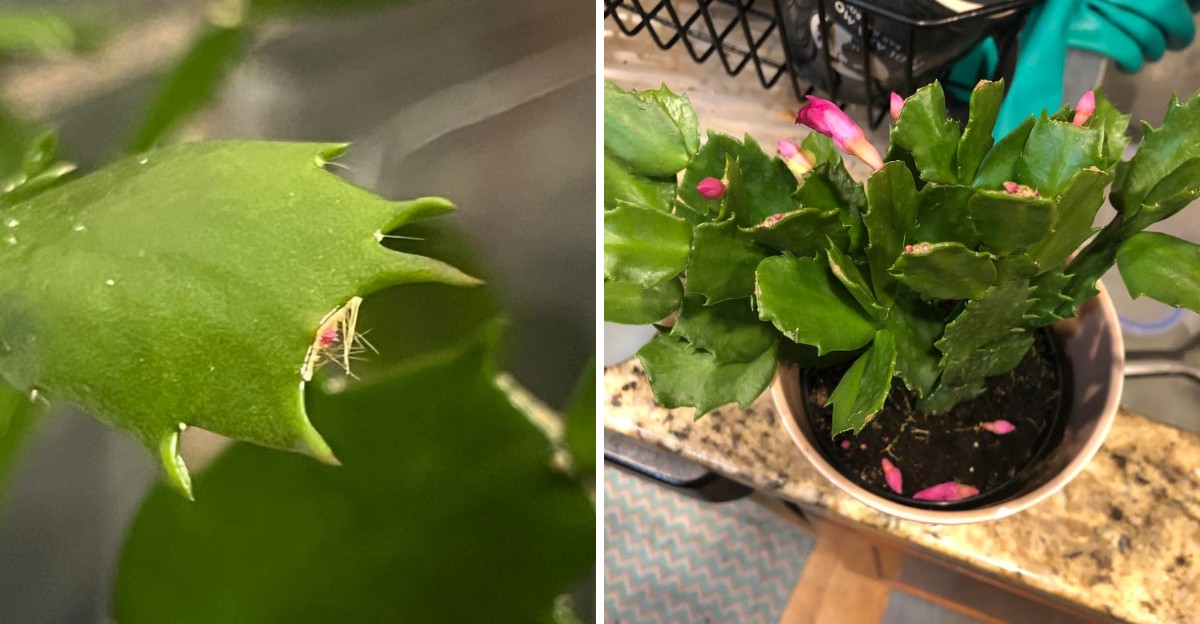
A flawless bud lands on your floor, and the cause is not who you think. Your holiday cactus holds its buds with a delicate grip.
Shift the pot a few inches and it may drop them. Pennsylvania nights chill the glass beside your pot, and buds respond by leaving.
Drafts from heating vents in Pennsylvania homes cause the same reaction. Wet soil taxes the roots, so your plant releases flowers to save energy.
Even your lamp left on at night can disrupt its clock. Long nights signal your cactus to build buds, and it takes that schedule seriously.
Many causes are simple to fix. Buds already on the floor stay there, but your plant still holds a hidden reserve.
Identify the cause behind your drop and protect buds still attached. Study a fallen bud, because its condition reveals the source.
1. Chilly Drafts From Opened Doors And Windows
Picture your plant sitting by the front door while kids race in and out all evening. Every swing of that door sends a chilly Pennsylvania breeze straight across those delicate buds.
October nights in places like Pittsburgh or Scranton can dip into the thirties, especially late in the month. A plant exposed to sudden cold air may drop buds as it adjusts.
Christmas cacti come from mountain forests in Brazil, where temperatures stay fairly mild and steady. They enjoy cool nights, but they dislike sudden cold drafts.
Drafty windows cause the same trouble, especially in older Pennsylvania farmhouses with thin, single-pane glass. Touch the glass on a cold night, and you will feel how chilly that spot gets.
A common guideline for budding plants is nighttime temperatures between about 55 and 65 degrees Fahrenheit. Daytime temperatures around 65 to 70 degrees keep them comfortable and steady.
Ideally, choose a home for your pot away from doors, leaky windows, and porch entrances early in fall. A bright interior shelf or a table near an east window usually works nicely.
If you love that windowsill spot, slide a folded towel along the window bottom on cold nights. Thermal curtains also help block the chill without stealing too much daytime light.
Space heaters cause the opposite problem when placed too close to the pot. Warm air followed by cold drafts creates sharp temperature swings.
Keep an eye on the weather forecast as fall settles over the state. When a frosty night is coming, pull the curtains and keep the room snug until morning.
2. Moving The Pot After Buds Appear
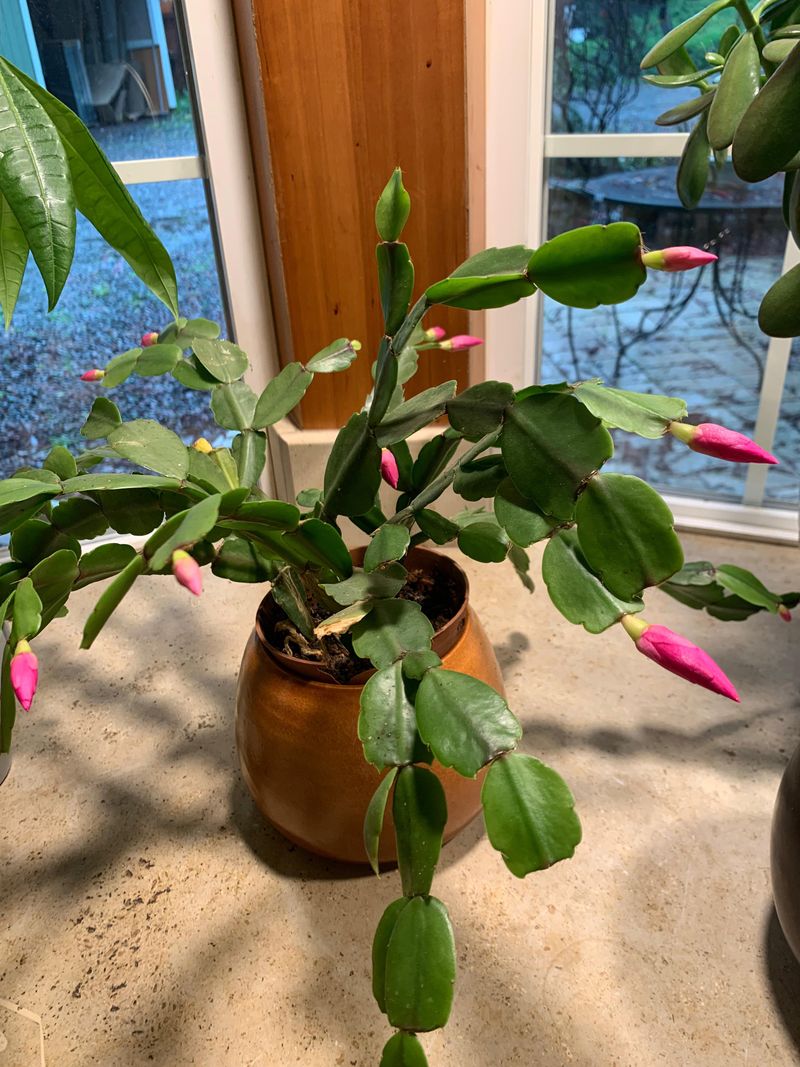
Budding Christmas cacti can be sensitive to changes in light direction. Once buds appear, the plant adjusts to its current conditions, and sudden changes can unsettle it.
Spin the pot around, and those buds suddenly have to adjust to a brand new direction. Many drop as the plant adjusts.
Lots of Pennsylvania gardeners carry their plants indoors from the porch in early fall. That move is smart, but timing matters.
Bring your plant inside before nights drop to about 50 degrees Fahrenheit, usually in September or early October, and before buds swell. Give it a week or two to settle into its new indoor home.
Your Pennsylvania Garden Changes Every Week. Your Plan Should Too.
Gardening in Pennsylvania changes quickly throughout the season. Every Friday you’ll receive a simple weekly plan showing exactly what to plant, prune, fertilize, harvest, and protect so you never miss the right timing.
After that, try to leave it in the same spot until blooms open. Resist the urge to show it off at every family dinner or carry it room to room.
Even turning the pot for even sunlight can cause trouble once buds have formed. Mark the front of the pot with a small piece of tape so you can remember its position.
Watering is a common time to rotate your plant by accident. Lift it carefully, water it in the sink, and set it back facing the same way.
Changing light direction is not the only problem with moving plants around. Bumps, jiggles, and temperature changes along the way can shake buds loose too.
Budding plants do best when left undisturbed. Move it too often, and it may respond by dropping buds.
3. Too Much Water In Soggy Soil
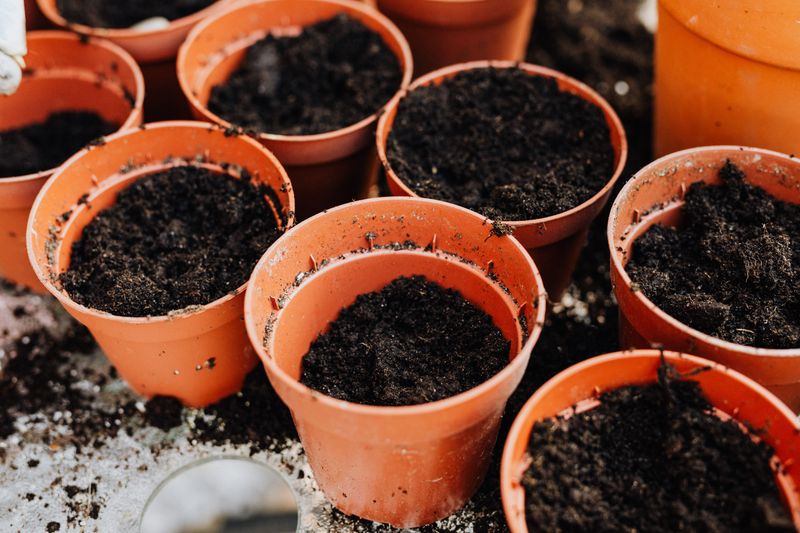
Overwatering is a common cause of bud drop in Christmas cacti. Many owners water extra when buds appear, hoping to help the flowers along.
Unfortunately, soggy soil limits oxygen to the roots and can lead to rot. Weak roots cannot support dozens of developing buds, so the plant drops some.
These plants grow on tree branches in the wild, not in deep, wet dirt. Rain soaks their roots, then quickly drains away through moss and bark.
Your pot should copy that quick drainage as closely as possible. Use a container with holes in the bottom and a light, chunky potting mix.
Terra cotta pots are a great choice because the clay soaks up extra moisture. Plastic pots hold water longer, so they need even more careful watering.
Before watering, push your finger about one inch into the soil. If it still feels damp, wait a few more days and check again.
During fall, many plants need watering only every one to two weeks, depending on the pot, mix, and room. Cloudy days and cooler rooms slow down how fast soil dries out.
Empty any water sitting in the saucer about fifteen minutes after watering. Standing water acts like a soggy sponge that keeps roots wet for days.
Underwatering can cause bud drop too, so aim for balance. Soil should feel lightly moist, like a wrung-out sponge, rather than soaked.
Watch for mushy stems near the soil line, which suggest root rot. Limp or wrinkled stems can also mean the plant is too dry, so check the soil before changing your watering.
4. Dry Indoor Air From Heating
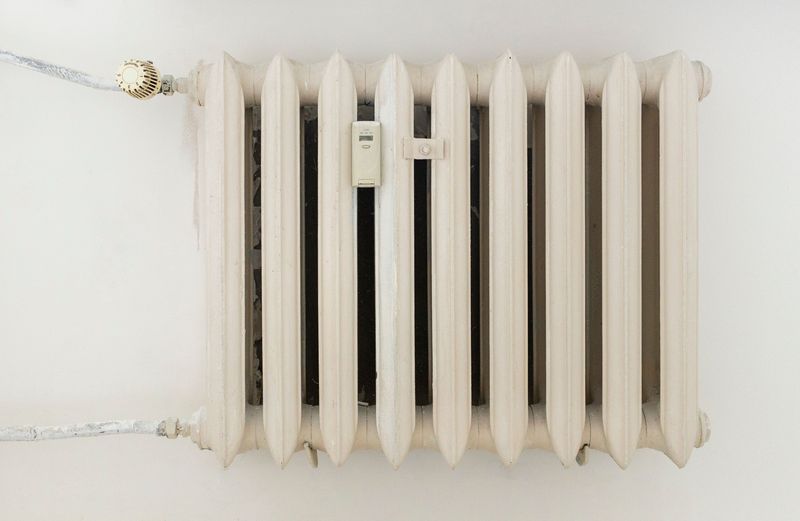
Click goes the thermostat, and suddenly warm, dusty air starts blowing through the house. Your skin feels it first, and your plant feels it too.
Many Pennsylvania homes start running their heat in October, and indoor humidity can drop fast. Some heated homes fall below 30 percent humidity, far drier than these plants prefer.
Christmas cacti grow naturally in humid cloud forests along Brazil’s coastal mountains. They like moisture in the air around 50 to 60 percent.
When the air gets too dry, buds lose moisture quickly and shrivel before opening. Many turn brown at the tips and drop easily.
A pebble tray is a low-cost way to add a little humidity. Fill a shallow dish with pebbles and water, then set the pot on top.
Keep the water level below the pot bottom so roots stay dry. As water evaporates, it slightly raises humidity right around the plant.
Grouping houseplants together helps too, since plants release moisture through their leaves. A small humidifier nearby can noticeably help during the coldest Pennsylvania months.
Misting the stems helps a little, but the effect fades within an hour. Morning misting works best, so the plant dries before cooler night air arrives.
Check humidity with an inexpensive hygrometer from any hardware store. Seeing the real number makes it easier to know when to take action.
Most importantly, keep your plant away from heat vents and radiators. Hot air blowing directly on buds can dry them out.
5. Light Changes From Shorter Fall Days
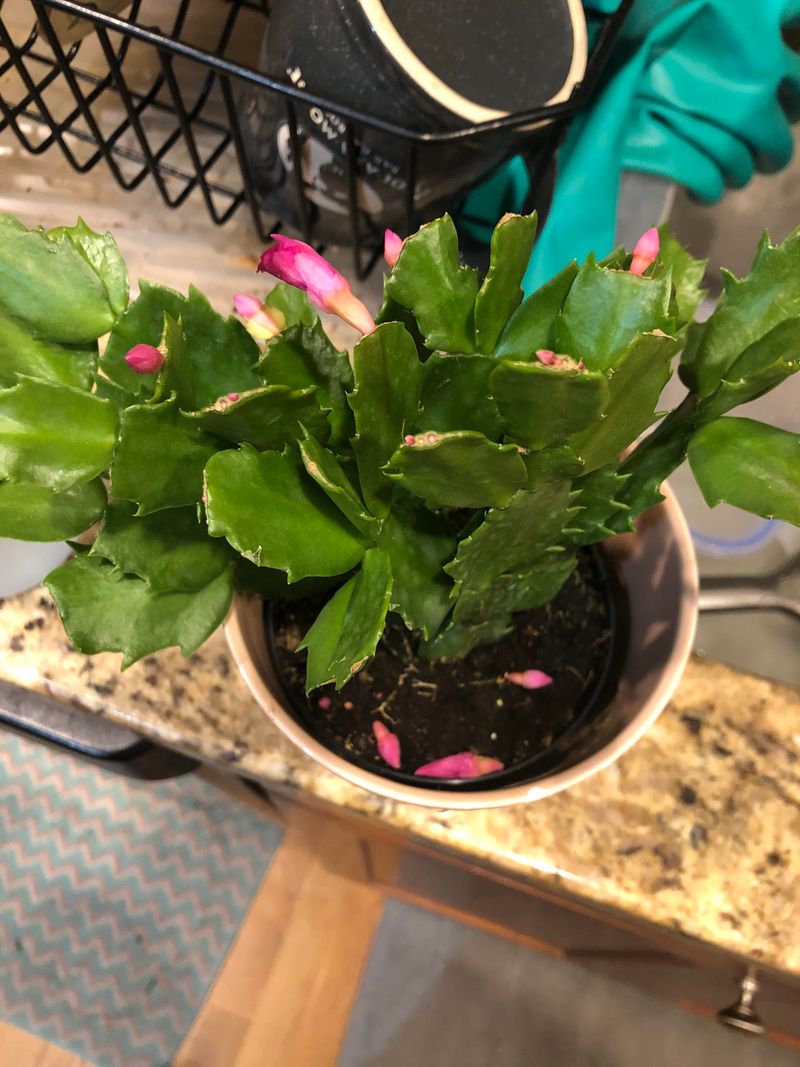
Many plants sold as Christmas cactus are actually Thanksgiving cactus, which responds more strongly to night length, while true Christmas cactus responds strongly to cool nights.
Did you know your plant can basically count the hours of darkness each night? That nighttime timer tells it when to start making flower buds.
Christmas cacti set buds when nights are long and cool, often around 12 to 14 hours of darkness. Pennsylvania days shrink quickly in October, which normally helps this process along.
In nature, these plants bloom as days shorten in the Southern Hemisphere’s autumn. Indoors in the north, they respond to our shorter fall days and cooler nights instead.
Trouble starts when light levels swing wildly from bright to dim and back again. A plant moved from a sunny porch to a dark corner may drop buds.
Buds need steady, bright, indirect light during the day to grow strong. Too little daylight leaves them weak, and weak buds tend to drop early.
Too much harsh, direct sun can also stress the plant and redden its stems. Gentle morning sun from an east-facing window is usually just right.
Cloudy fall weather across Pennsylvania can make light even trickier to manage. On gray weeks, a spot near a bright south window with sheer curtains helps.
Grow lights can help on very dark days, but turn them off by evening. A simple outlet timer makes this easy, even on busy school nights.
Look for stems that are firm and green. Pale stems can mean too little light, while reddish or purple tints can signal too much sun, cold, or nutrient stress.
Aim for balance rather than perfection. Bright mornings and dark nights keep those buds happy and holding on tight.
6. Late Night Lamps That Confuse The Plant
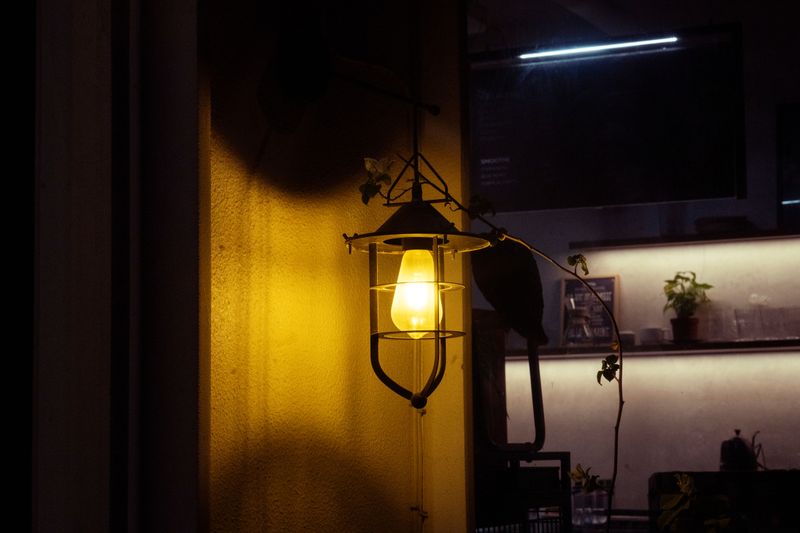
Evening lamps and screens can expose your plant to light when it needs darkness.
Regular light at night can interrupt its dark period. That can stop new buds from forming in the first place.
Living rooms are popular spots for these plants, but they also get busy at night. TV screens, reading lamps, and overhead lights all add up.
Streetlights and porch lights can sneak through windows too, especially in Pennsylvania towns and suburbs. A glowing motion light outside may be enough to throw things off.
Try moving your plant to a quiet guest room before buds appear in early fall. A spare bedroom with closed curtains keeps nights dark.
Some gardeners cover their plants with a cardboard box each evening around five o’clock. They lift it off in the morning, like opening the curtains on a stage.
Avoid plastic bags, since they trap moisture and can lead to mold. Breathable fabric or a cardboard box is a much better choice.
Plan to keep this routine going for about six weeks. After that, buds usually form and grow on their own schedule.
Kids may find the nightly box routine silly, so let them help. Turning it into a family chore makes it easier to remember.
Many growers find plump, colorful buds are less sensitive to stray light. Until then, keep its nights dark.
7. Too Much Fertilizer At The Wrong Time
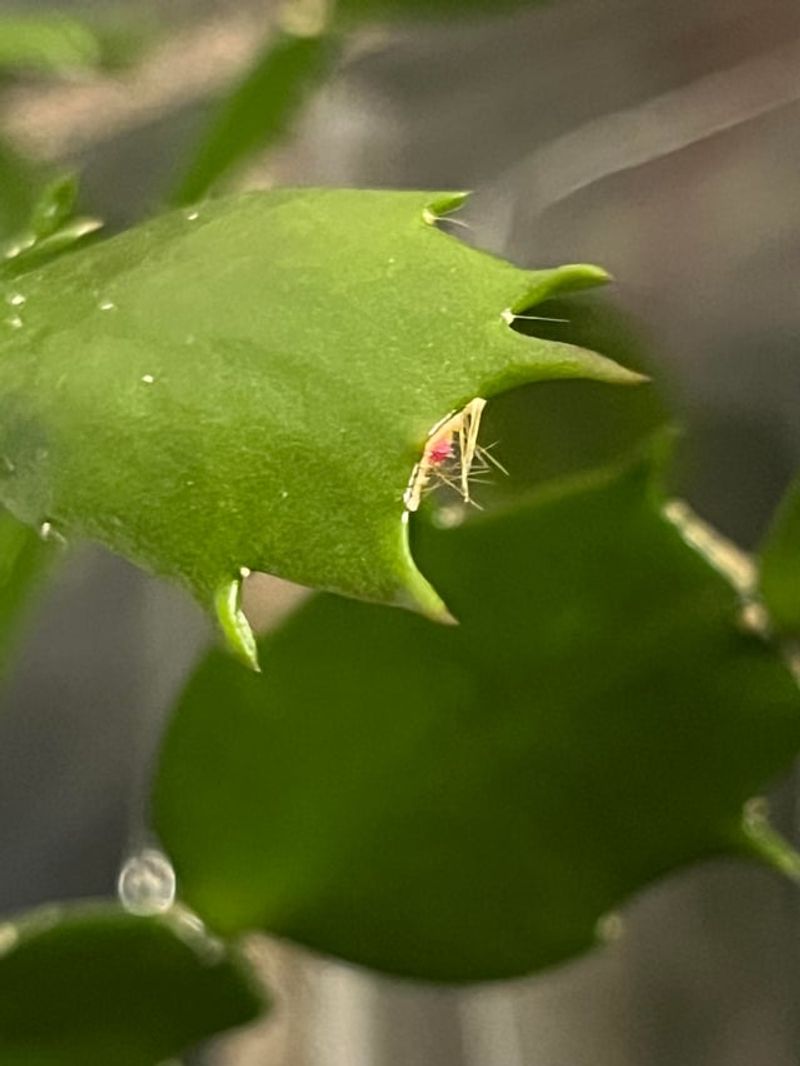
Feeding your plant feels like an act of kindness, yet bad timing can backfire. Fertilizer in late fall pushes the plant to grow leaves instead of flowers.
Christmas cacti do most of their growing in spring and summer. By October, they shift energy toward making buds and need a quieter diet.
Extra nitrogen during bud season can shift the plant’s energy toward leaf growth. Some growers report bud drop as the plant puts energy into fresh green segments.
Too much fertilizer also leaves salty buildup in the soil. Those salts can damage roots, which affects the whole plant.
A simple rule works well for most Pennsylvania growers. Feed every two to four weeks from April through August, then stop by September.
Use a balanced houseplant fertilizer mixed at half the strength listed on the label. Weaker doses are gentler and still give plenty of nutrition.
Some growers swear by a bloom-boosting fertilizer with more phosphorus in late summer. Even that should stop once buds start showing their colors.
If you have been feeding through fall, simply stop now and let the plant focus on its buds. Water thoroughly a few times to flush out leftover salts.
You will see white crust on the soil or pot rim if salts have piled up. Scrape it away gently and add a little fresh potting mix on top. Remember that a plant in bud needs very little fertilizer.
8. A Plant With More Buds Than It Can Support
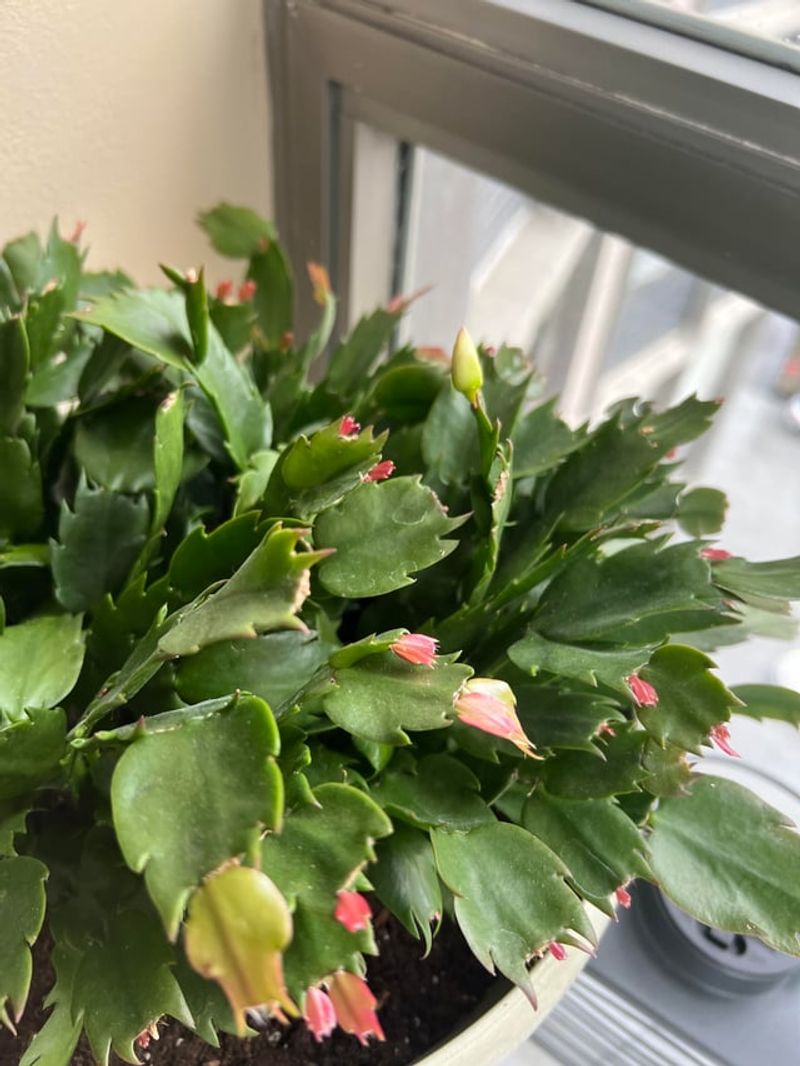
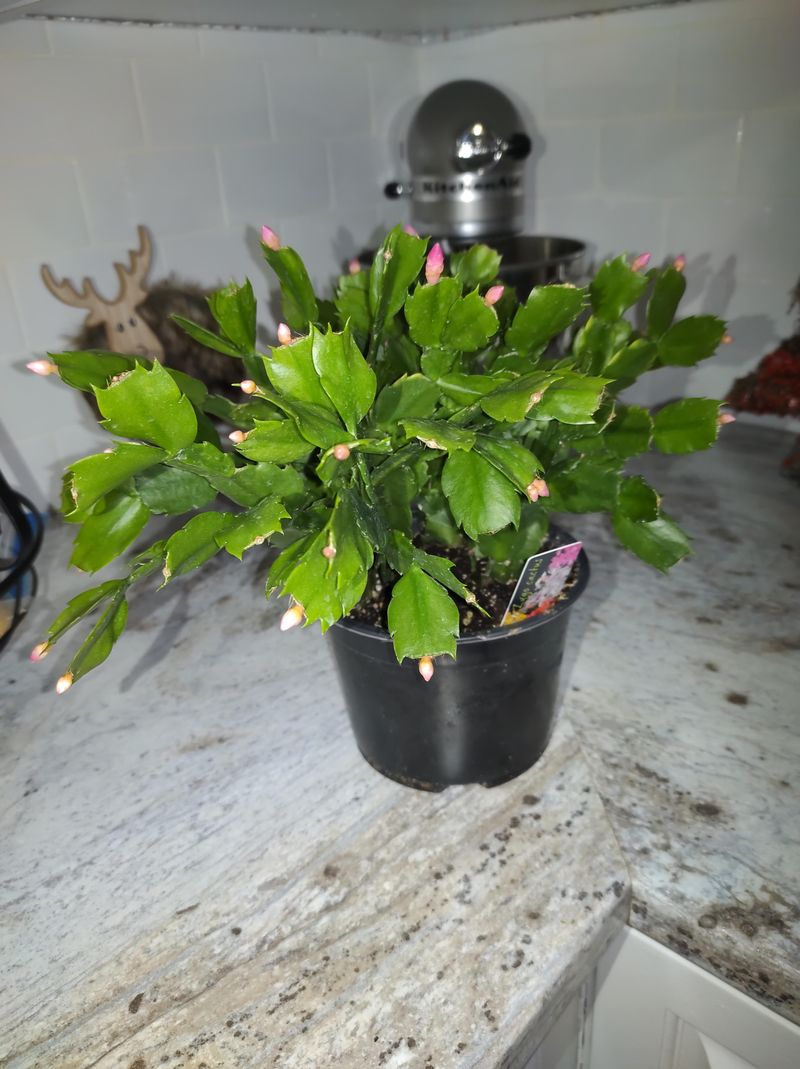
Sometimes a plant sets more buds than it can support. A healthy cactus may set dozens of buds, then find it cannot supply them all.
Dropping a few buds helps the plant balance its resources. It keeps the strongest ones and lets the weaker buds go.
Young plants or those in very small pots may go through this more often. Roots that are cramped or tired cannot supply enough water and nutrients.
A little bud drop is normal, so there is usually no need for concern. Losing two or three buds out of thirty is no cause for worry.
Bigger losses usually point to another issue, like drafts, dryness, or overwatering. Check the other causes first.
Some gardeners gently pinch off a few tiny buds to help the rest grow. The trick works best when the plant looks small or struggling.
Healthy stems that feel firm and plump can handle a heavier bud load. Wrinkled or thin stems signal a plant that needs lighter demands this season.
Repotting helps crowded plants, but wait until late spring after blooming ends. Christmas cacti actually like being a bit snug, so choose a pot just one size larger.
Some Pennsylvania families pass these plants down for generations, with some reaching fifty years or older. Established plants with healthy roots often cope better with a heavy bud load.
Give your plant steady care, and it can bloom well year after year. Patience pays off when that first bright flower opens, often between late November and December.