These Are The Pennsylvania Crown Vetch Warning Signs Every Homeowner Should Know Before It Spreads
Crown vetch has a real talent for making itself look like it belongs.
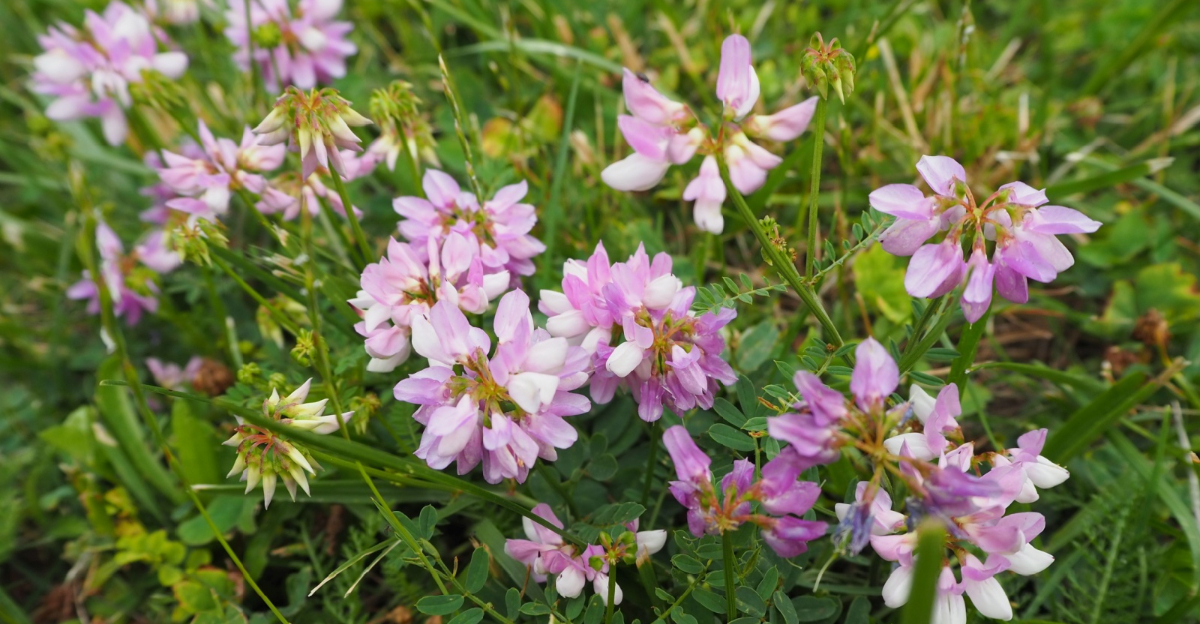
Those feathery compound leaves, low spreading stems, and cheerful little pinkish-purple flowers that show up through summer can actually look pretty decent at first glance, which is exactly what makes this plant so easy to underestimate.
By the time most Pennsylvania homeowners realize what they are dealing with, a small patch along the driveway or sunny slope has already made some serious progress.
Crown vetch spreads aggressively through both roots and seeds, and it has a well-documented presence along Pennsylvania roadsides, disturbed edges, and residential lawn margins across the state.
The earlier you identify it, the better your options are for managing it. Knowing what to look for before a mat gets fully established makes a meaningful difference in how this one plays out.
1. Sprawling Mats Start Covering Open Ground
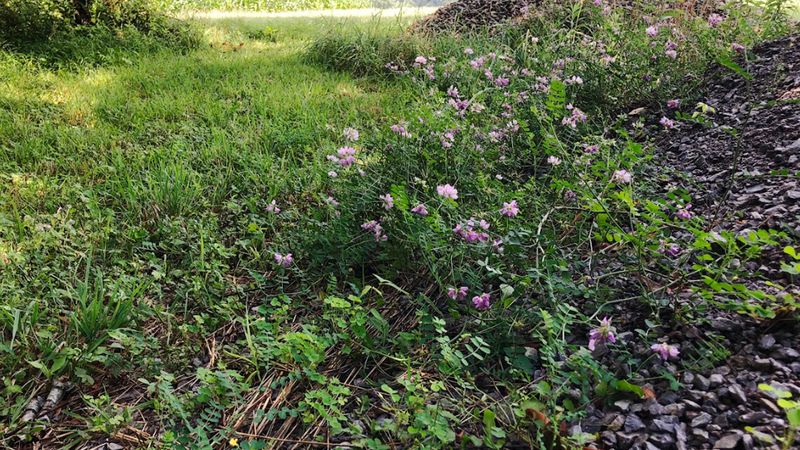
Along sunny roadside banks and rough lawn edges in Pennsylvania, one of the earliest things you might notice with crown vetch is how quickly it starts laying itself flat across open ground.
Rather than growing upright like most garden plants, crown vetch spreads horizontally, sending out stems that weave across the soil surface and form a thick, woven mat.
That low, carpet-like growth pattern is one of the plant’s most recognizable early traits.
Crown vetch is a perennial legume, meaning it comes back year after year and spreads through both rhizomes underground and seeds.
Once a mat starts forming, the stems can root where they touch the ground, gradually anchoring new sections of the plant across the surrounding soil.
Open, sunny areas near driveways, slopes, and disturbed ground in Pennsylvania neighborhoods are common spots where these mats begin to appear.
Spotting a sprawling mat early, before it has had several seasons to thicken and expand, gives a homeowner a clearer picture of what they are working with.
A fresh patch is generally more manageable than one that has been quietly spreading for two or three years.
If you notice a low, tangled groundcover forming in a sunny open area of your Pennsylvania yard or property edge, it is worth taking a closer look at the leaf and stem details to see if crown vetch might be the culprit.
2. Pink, White, Or Purple Pea-Like Flowers Appear In Summer
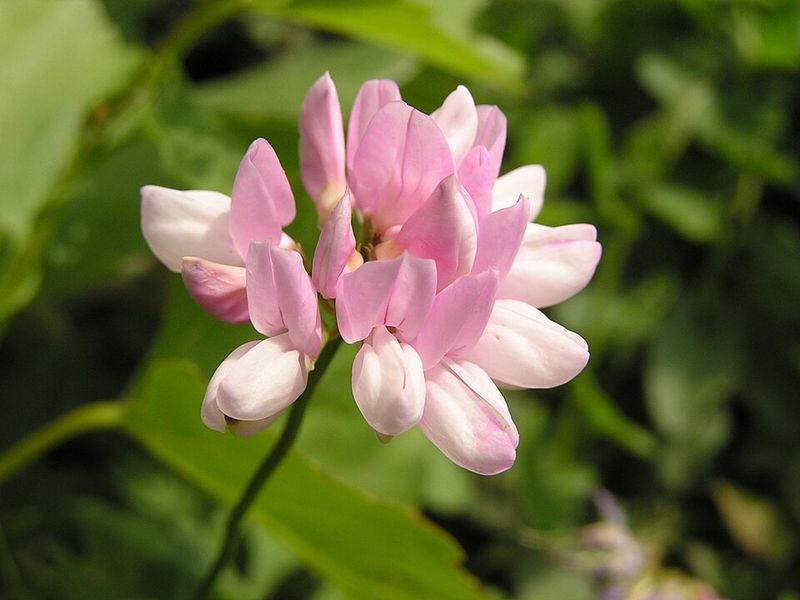
Sunny Pennsylvania slopes and embankments often look almost pretty in early summer when crown vetch bursts into bloom.
The flowers are small and clustered together in rounded heads, typically ranging from soft pink to white or light purple, and they have the classic shape of pea family blossoms.
That familiar pea-like look is actually one of the most helpful identification clues a homeowner can use in the field.
Bloom time in Pennsylvania generally runs through late spring into summer, though the exact timing can shift depending on the location, elevation, and local weather patterns.
The flower clusters sit on slender stalks rising above the feathery foliage, making them relatively easy to spot when the plant is in full bloom.
Your Pennsylvania Garden Changes Every Week. Your Plan Should Too.
Gardening in Pennsylvania changes quickly throughout the season. Every Friday you’ll receive a simple weekly plan showing exactly what to plant, prune, fertilize, harvest, and protect so you never miss the right timing.
If you have a low-growing, mat-forming plant in a sunny area of your yard that suddenly produces these rounded pink or white flower heads, crown vetch is a strong possibility worth investigating further.
One reason the flowers matter as a warning sign is that blooming signals the plant is mature and capable of producing seeds.
Getting a positive identification around bloom time, rather than waiting until the plant has finished flowering and set seed, gives homeowners a practical window for understanding the situation before seed pods begin to form.
Checking a reliable Pennsylvania invasive plant resource alongside your observation can help confirm whether what you are seeing is crown vetch.
3. Feathery Compound Leaves Spread Through The Patch
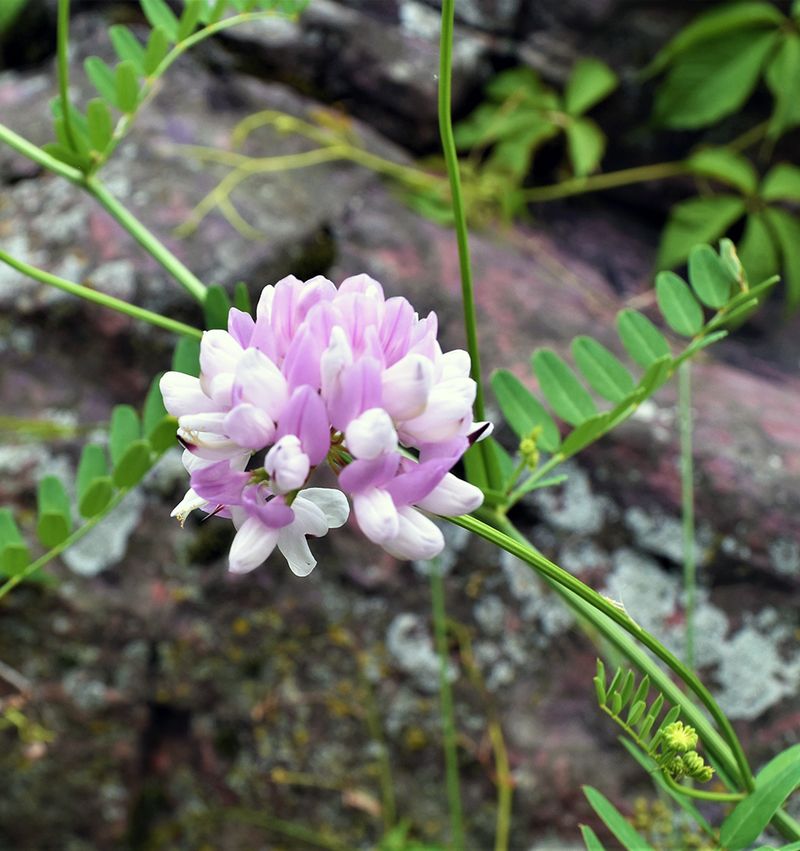
One of the most distinctive things about crown vetch foliage is how soft and feathery the leaves look up close.
Each leaf is a compound leaf made up of many small, oval-shaped leaflets arranged in pairs along a central stem, giving the whole plant a light, almost delicate appearance that stands out from typical lawn weeds or garden plants.
That feathery texture is a key visual clue when trying to identify what is growing across a patch of ground.
In Pennsylvania yards, this leafy growth tends to spread outward through the patch in a dense, overlapping way that gradually covers more and more surface area.
The compound leaves lie fairly close to the ground, blending with the stems to create the thick mat that crown vetch is known for.
When you spot a low-growing plant with many small leaflets per leaf and a generally soft, ferny appearance in a sunny spot near a slope or disturbed soil area, that foliage pattern is worth noting carefully.
Understanding what the leaves look like makes it easier to spot crown vetch at stages when it is not flowering, since the blooms are only present for part of the season.
The feathery compound leaf pattern is visible throughout the growing season, giving homeowners a reliable identification feature to watch for along yard edges, rough lawn borders, and open sunny beds across Pennsylvania properties.
4. Long Stems Form A Tangled Groundcover
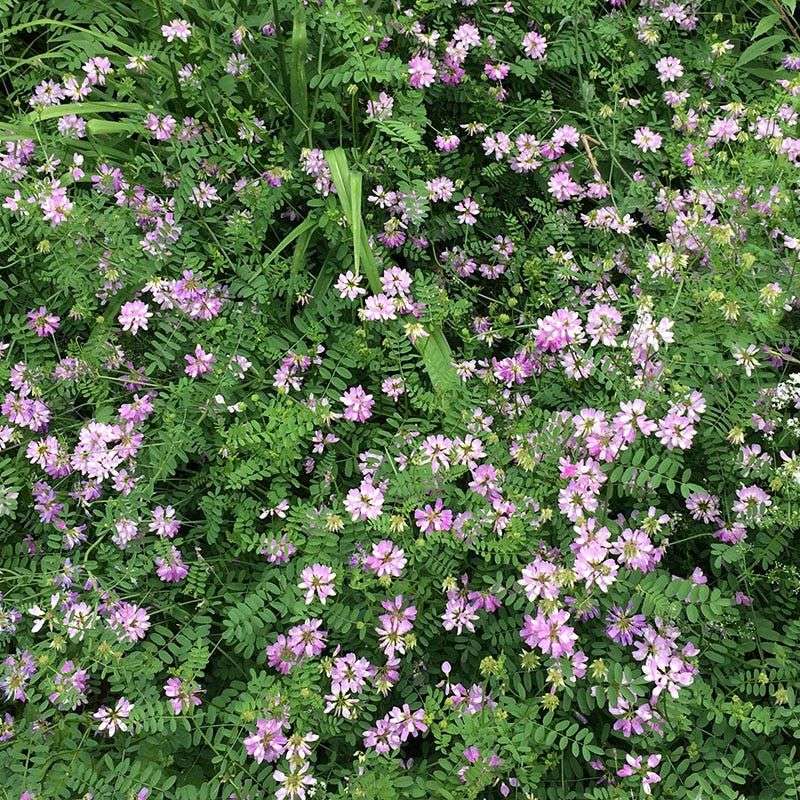
Walk up to a well-established crown vetch patch and you will notice right away how the stems tangle together into a dense, interlocking layer.
The individual stems can grow quite long, reaching several feet in some cases, and because they do not have strong internal structure to hold themselves upright, they sprawl across the ground and over each other in a woven, mat-like mass.
That tangled stem structure is part of what makes crown vetch so effective at covering open ground over time.
In Pennsylvania, you are likely to see this tangled groundcover pattern along sunny banks, at the edges of rough lawn areas, near disturbed soil by driveways or construction zones, and on slopes where the plant has had time to establish itself.
The stems can also climb slightly over low obstacles or neighboring plants, which is worth watching for if you notice the tangle starting to extend into a garden bed or toward other plantings.
Recognizing this stem pattern early, when the tangle is still relatively thin and limited to a smaller area, is much easier than trying to assess a patch that has been layering stems for multiple growing seasons.
A fresh patch may look like a loose, low groundcover, while an older one can form a thick, difficult-to-separate mat.
Checking the stem structure alongside the leaf and flower details gives a more complete picture when trying to confirm whether crown vetch is what you are dealing with on your Pennsylvania property.
5. The Plant Shows Up In Sunny, Disturbed Soil
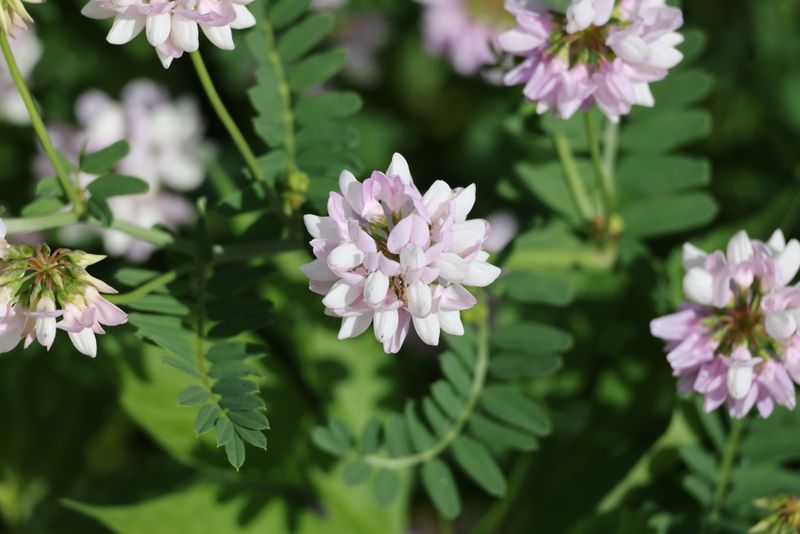
Disturbed soil near a freshly graded driveway, a recently cleared slope, or a rough patch of ground along a Pennsylvania property edge is exactly the kind of spot where crown vetch tends to show up.
The plant has a strong preference for open, sunny conditions and tends to establish itself in areas where the soil has been disrupted, compacted, or left bare.
That connection to disturbed ground is one reason it has historically been used for erosion control on roadsides and embankments, which also explains why Pennsylvania homeowners often notice it first along road-facing slopes and rough lot edges.
Sunny spots with poor or thin soil seem to suit crown vetch well, and it can persist in conditions where many other plants struggle to get established.
If you have an area of your Pennsylvania yard that gets full sun and has seen some recent soil disturbance, it is worth keeping an eye on what starts growing there over the following season or two.
A low, mat-forming plant with feathery leaves appearing in that kind of spot fits the crown vetch profile closely.
Knowing that disturbed, sunny soil is a common starting point for crown vetch can help homeowners stay alert in the right places.
Watching those rough edges and open sunny areas, rather than only looking at established garden beds, gives you a better chance of noticing a new patch while it is still relatively small and easier to assess.
6. New Patches Appear Beyond The Original Planting
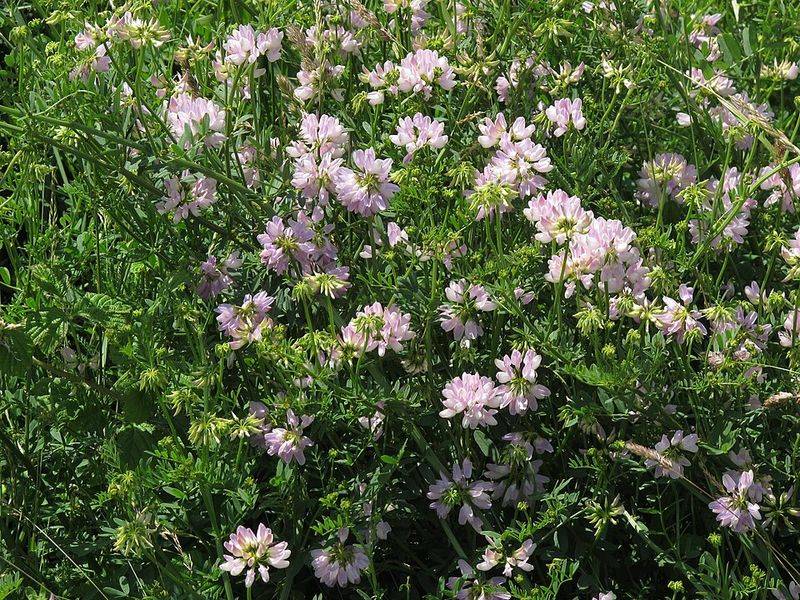
Spotting a small cluster of crown vetch several feet away from where you first noticed the plant is one of the clearest signals that it is beginning to move beyond its original footprint.
Crown vetch can spread through both underground rhizomes and seeds, which means new patches can appear in two different ways: by the plant creeping gradually outward through the root system, or by seeds landing and germinating in a new location nearby.
Either way, finding new growth outside the original area is worth paying attention to.
In Pennsylvania residential landscapes, this kind of outward spread often becomes noticeable along slope edges, rough lawn borders, and open sunny areas adjacent to an established patch.
A homeowner who planted crown vetch years ago for erosion control, or who simply noticed a patch appearing along a road-facing bank, may start to see smaller new clusters forming in the grass or open ground nearby.
Those satellite patches are easier to address when they are young and small.
Keeping a general eye on the areas surrounding a known crown vetch patch through the growing season is a practical habit for Pennsylvania homeowners.
You do not need to monitor obsessively, but a seasonal check of the surrounding ground, particularly in sunny open areas, can help you catch new growth before it has time to establish a root system as deep and extensive as the original patch.
Early recognition genuinely makes the situation easier to evaluate.
7. Other Plants Start Getting Shaded Out
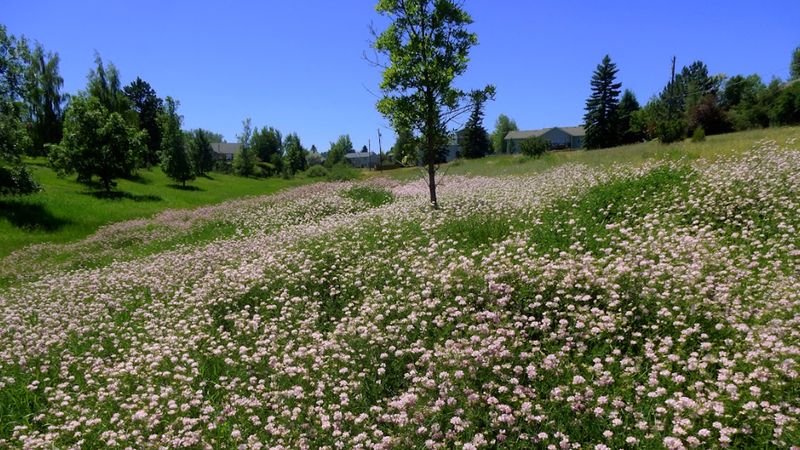
One of the more telling signs that a crown vetch patch has grown to a significant size is when you start noticing that other plants nearby are struggling to hold their own.
Because crown vetch grows in a dense, layered mat, it can block sunlight from reaching shorter plants growing underneath or alongside it.
Native wildflowers, grasses, and low-growing perennials that once grew in a sunny Pennsylvania yard edge or meadow-style area may become harder to spot as the vetch foliage expands over them.
This shading effect is not instant, and it tends to become more visible as a patch matures and thickens over multiple seasons.
A thin, new patch of crown vetch is unlikely to cause dramatic shading right away, but a well-established mat that has been growing for several years can gradually reduce the light available to neighboring plants.
Watching for changes in what is growing alongside or beneath a crown vetch patch gives a useful sense of how far the plant has progressed.
For Pennsylvania homeowners who value native plantings, pollinator gardens, or simply a diverse yard edge, noticing that certain plants are becoming less visible near a crown vetch area is a practical cue to take a closer look.
Understanding the relationship between crown vetch coverage and the surrounding plant community helps put the situation in better context, especially when deciding how to approach the patch going forward.
8. Seed Pods Form After Flowering
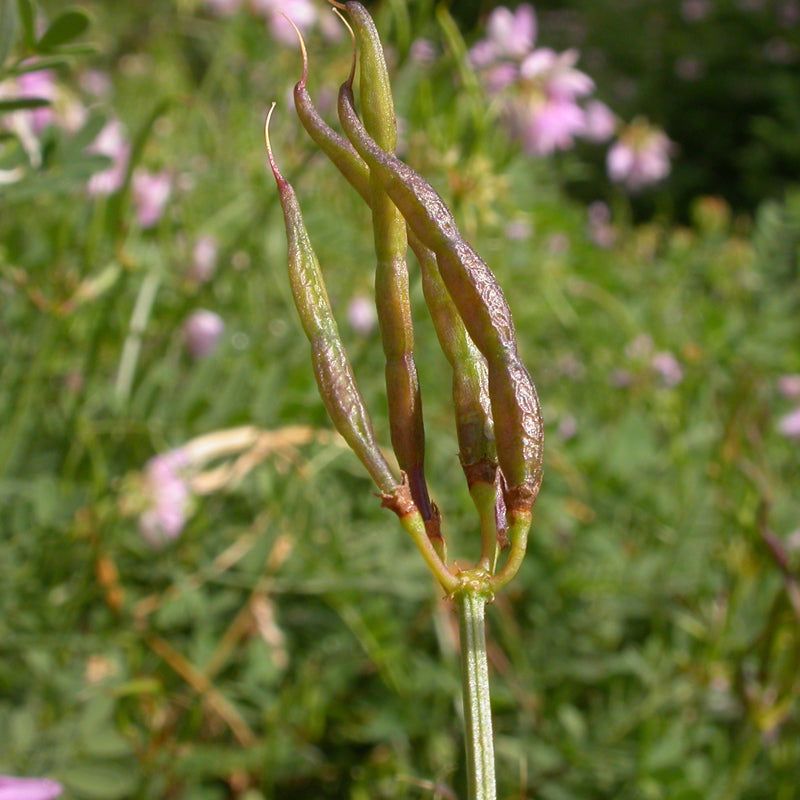
After the pea-like flowers fade in summer, crown vetch produces slender seed pods that look a lot like what you might expect from other members of the pea family.
These narrow, elongated pods develop along the stems where the flower clusters were, and each pod can contain multiple seeds.
Noticing seed pods on a crown vetch plant is a practical reminder that the plant has completed its reproductive cycle for the season and that seeds are now present in that area.
In Pennsylvania, the seed pods typically appear in late summer and into early fall, following the bloom period.
Seeds can be carried by various means, including water movement, soil disturbance, and potentially wildlife, though the exact spread rate and distance vary depending on local conditions.
Understanding that seeds are part of how crown vetch can establish new patches beyond the original planting area helps explain why monitoring the surrounding ground in the following seasons is worthwhile.
For a homeowner who has been watching a crown vetch patch through the growing season, the appearance of seed pods is a natural checkpoint.
It signals that the plant is mature and actively reproducing, which is useful information when thinking about what to do next.
Consulting a Pennsylvania invasive plant resource or a local cooperative extension office can help you understand your options and set realistic expectations for managing a patch that has reached the seed-producing stage.