Cut Back Tropical Milkweed In Florida This Fall To Protect Monarchs
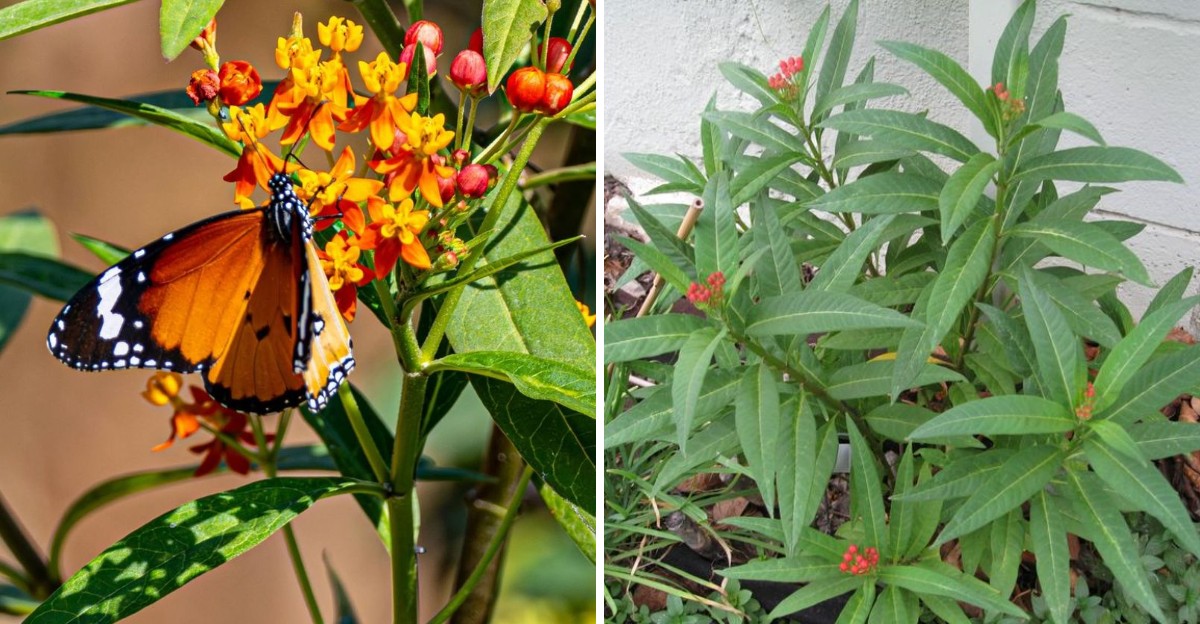
All summer long, your Florida backyard has been the hottest butterfly resort in town. Orange wings drift past, red and yellow blooms wave like tiny welcome flags, and every monarch in the neighborhood seems to have booked a room.
Five stars, easily. But even the friendliest gift can come with a hidden catch.
As the air cools and the days shorten, nature sends quiet signals to travelers who are supposed to be heading south, and a plant that keeps blooming through the season can send them a mixed message.
The fix is a small fall chore that takes one pair of pruners and one afternoon, with a surprisingly big payoff for winged visitors.
Grab your gloves, grab something cold to drink, and let’s get to work.
1. Why Florida Gardens Need A Fall Milkweed Trim
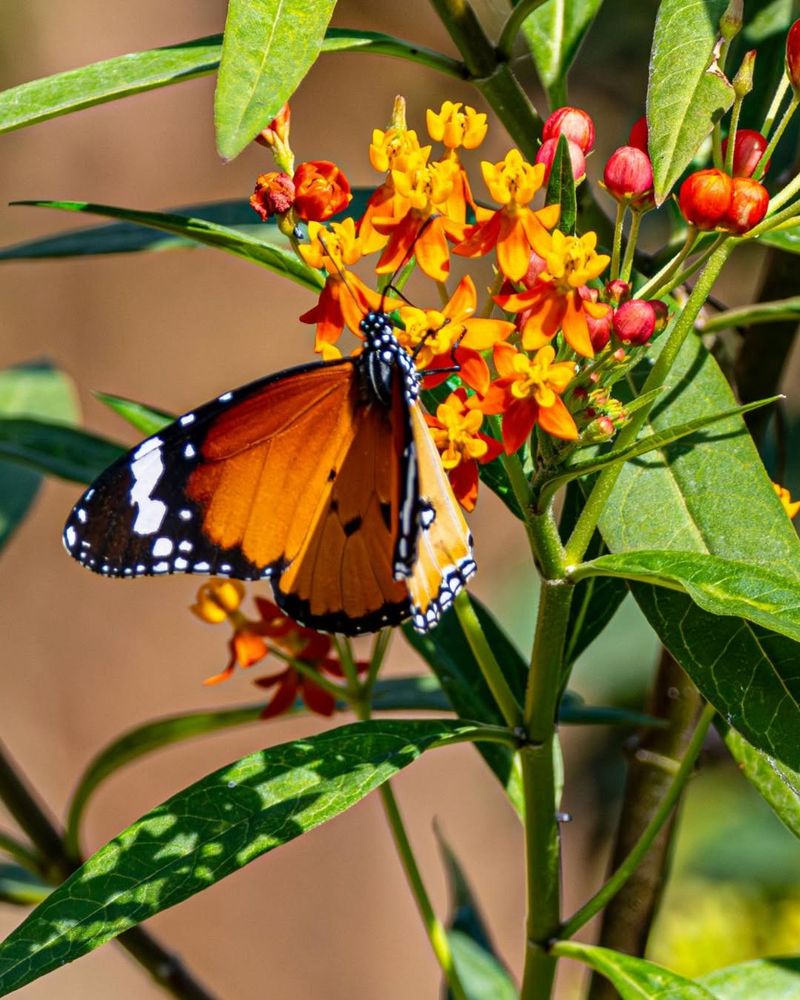
Ask any butterfly lover in Florida about tropical milkweed, and you will likely hear a happy story. The plant grows fast, blooms nearly all year, and draws monarchs like a magnet.
That nonstop blooming is the tricky part. Native milkweeds in cooler places fade back each fall, which nudges monarchs to keep flying south to Mexico.
Tropical milkweed stays green and full of flowers in warm weather, so some butterflies stop moving and start laying eggs instead.
Scientists call these stay-at-home groups winter breeding monarchs. Staying in one spot sounds cozy, but it can lead to health problems for the whole group.
Butterflies that skip the long trip often carry more parasites than those that migrate.
A fall trim helps fix the mixed message. When you cut the plants back, you remove the leaves and flowers that tell monarchs to stay put.
Your garden then acts more like a natural landscape that rests during the cooler months.
Many experts suggest cutting tropical milkweed down to about six inches tall in October or November. The roots stay healthy, and fresh growth returns in late winter or early spring.
Think of the trim as hitting a pause button, not an off switch. Your garden still helps monarchs, just on a smarter schedule that fits their natural travel plans.
2. Meet The Tiny Parasite Called OE
Here is a fun word to impress your friends: Ophryocystis elektroscirrha. Most people just call it OE, and you can see why.
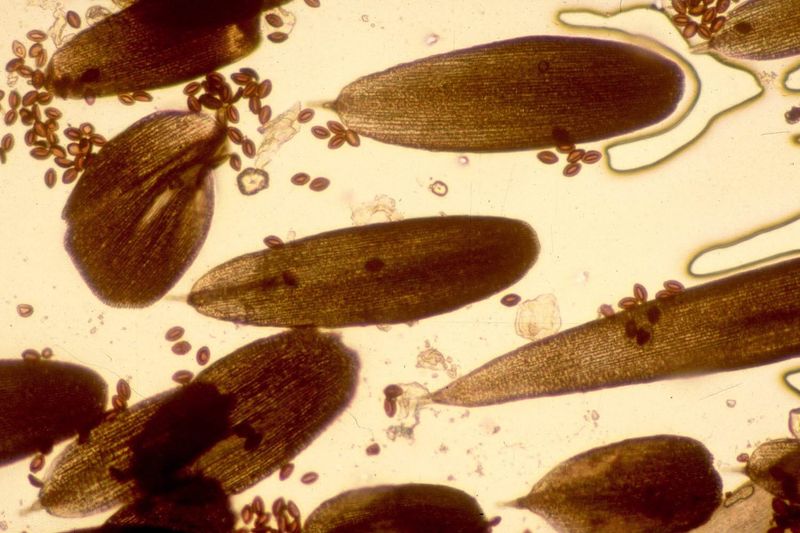
OE is a tiny parasite that lives on monarch butterflies. Its spores are so small that you need a microscope to see them.
Infected adult monarchs drop spores onto milkweed leaves as they lay eggs, and hungry caterpillars swallow those spores while munching.
Once inside, the parasite grows along with the caterpillar. Butterflies that come out of the chrysalis may have weak or crumpled wings.
Some cannot fly far, and others struggle to leave the chrysalis at all.
Now here is where Florida gardens come in. Tropical milkweed that stays leafy all winter can build up a heavy load of spores over many months.
Studies have found much higher OE levels in monarchs that breed year round in southern states than in migrating monarchs.
Cutting plants back clears away old spore-covered leaves. New leaves that grow back later start out clean, which gives the next round of caterpillars a fresher meal.
Did you know? Researchers sometimes test for OE by pressing clear tape against a butterfly’s belly and checking the scales under a microscope.
Citizen scientists around the country help with this work through a project called Monarch Health.
3. Pick The Perfect Timing For Your Cut
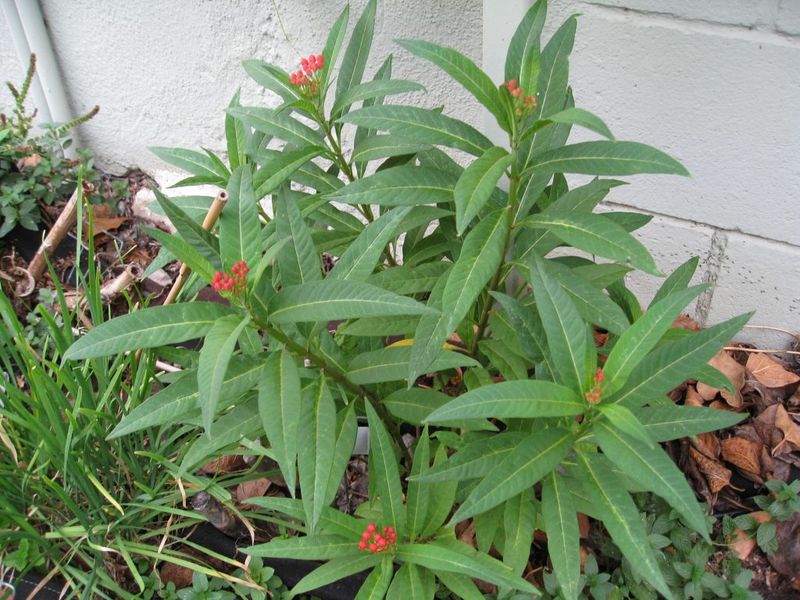
Timing a milkweed trim is a little like catching a bus. Go too early and you miss the riders; go too late and the moment has passed.
For most gardeners, the sweet spot runs from mid October through November. By then, many migrating monarchs from up north have passed through on their way to Mexico.
Cutting during this window sends a clear signal that the breeding season is over.
Location inside the state matters too. North Florida cools down sooner, so gardeners there can often trim in early to mid October.
Folks in Central Florida usually aim for late October, while South Florida gardeners may wait until November.
Before you cut, take a quick peek at your plants. Look for caterpillars, eggs, and chrysalises hanging from stems or nearby surfaces.
If you spot little ones, give them a week or two to finish growing before you trim.
Another handy tip is to repeat the cut every few weeks if needed. Tropical milkweed bounces back fast in warm weather, so fresh shoots may pop up by December.
A second trim keeps the plants low until late winter.
Plan to let your plants regrow around February or March. That timing lines up nicely with spring monarchs heading north again.
4. Gather Simple Tools For Your Milkweed Trim
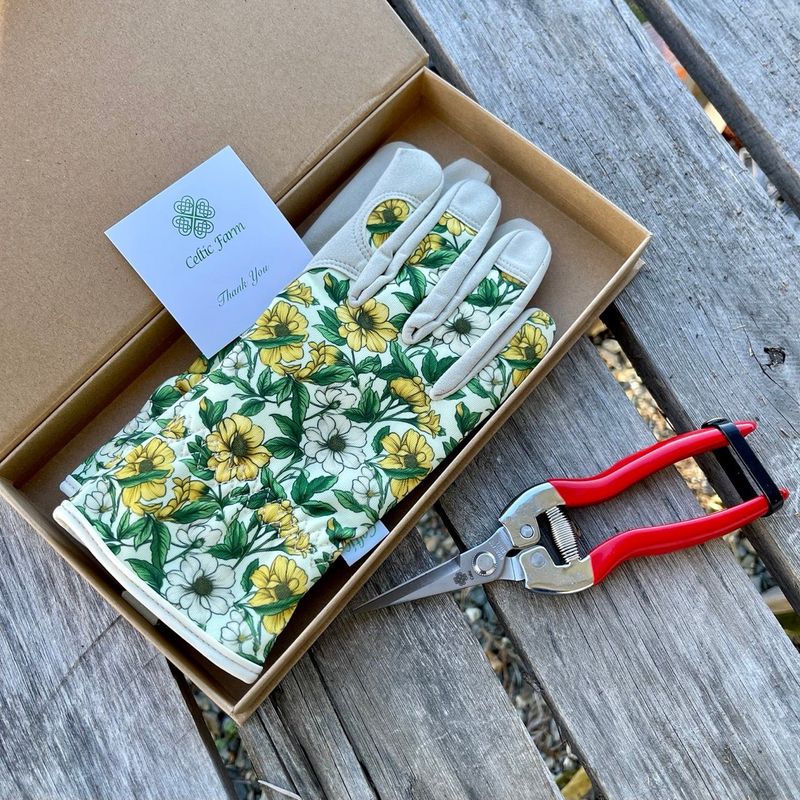
Good news for busy weekends: this job needs very little gear. You can probably finish it in less time than it takes to watch a cartoon.
Start with a pair of sharp bypass pruners. Clean cuts heal faster and help the plant regrow nicely.
Wipe the blades with rubbing alcohol before and after, so you do not carry germs from one plant to another.
Next, grab garden gloves and maybe safety glasses. Milkweed stems leak a white, milky sap when you cut them.
That sap can bother your skin, and it can really sting if it gets in your eyes.
A sturdy trash bag or yard waste bin comes in handy too. Bag up the old leaves instead of tossing them in compost.
Bagging helps keep any parasite spores from spreading around your Florida yard.
Here are a few other helpful extras:
A small bucket of soapy water for rinsing tools. A marker or plant tag to note the date you trimmed.
A notebook to track caterpillars you spot and move.
Wash your hands well when you finish, even if you wore gloves. Kids can join in with the bagging, but adults should handle the pruners and the sappy stems.
Teamwork makes the chore quick and kind of fun.
5. Follow These Easy Cutting Steps
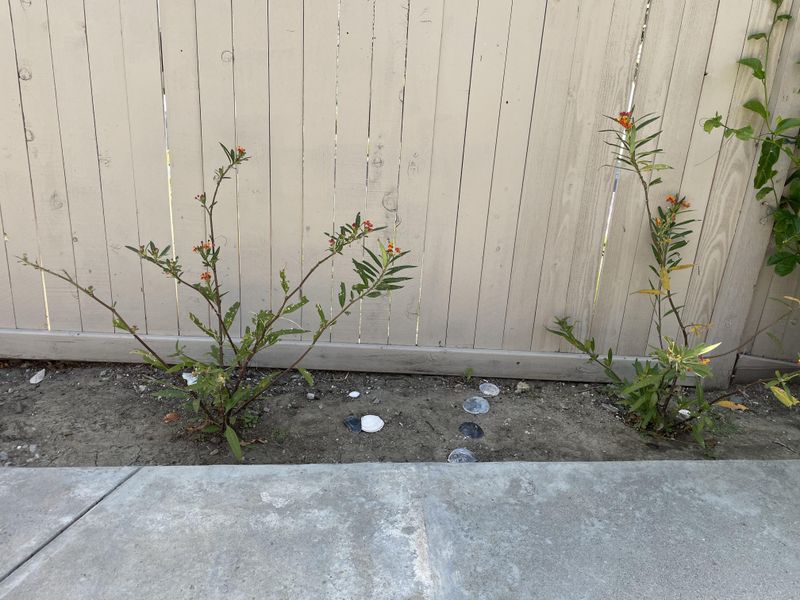
Ready, set, snip! Once you have your tools, the actual cutting is pretty easy.
First, walk around each plant slowly. Check under leaves and along stems for eggs, caterpillars, and chrysalises.
Move caterpillars gently to another milkweed plant or a safe container with fresh, clean leaves.
Second, find a spot about four to six inches above the soil. Make your cut just above a set of leaf buds if you can see them.
Those little bumps are where new shoots will grow later.
Third, cut each stem at a slight angle. Angled cuts help rain slide off instead of sitting on top and causing rot.
Work in steady motions and keep your face away from dripping sap.
Fourth, bag all trimmings right away. Do not leave piles on the ground, since monarchs might still land on them.
Finally, give the plants a light drink of water. Florida soil can dry out quickly in fall sunshine, and roots appreciate a sip after a trim.
Gardeners with large patches can split the work over a few days. Just keep in mind that leftover tall plants still send that stay-and-breed signal.
Finishing everything within a week or two works best for local butterflies.
6. Give Caterpillars A Safe Place To Finish Growing
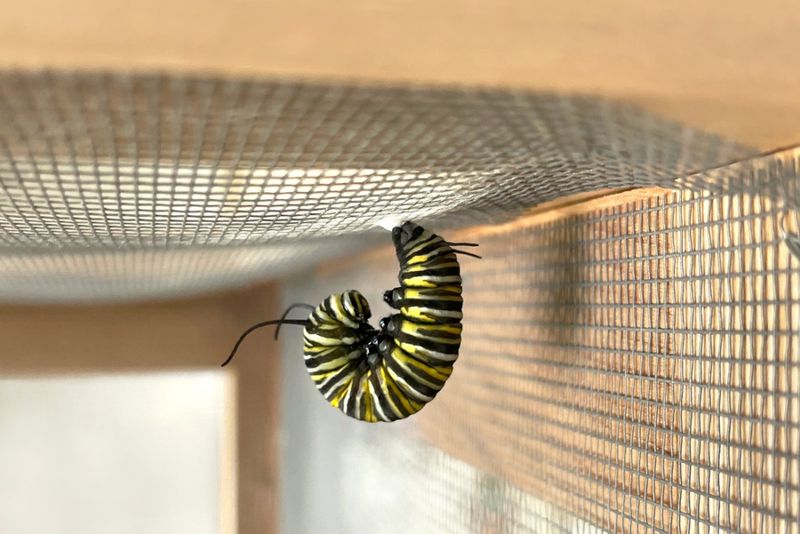
Finding a handful of striped caterpillars on a plant you planned to trim is a common surprise for Florida gardeners. Instead of panicking, you can turn a porch corner into a cozy butterfly nursery for a couple of weeks.
A mesh pop-up butterfly cage works well and costs only a few dollars. It keeps out wasps, lizards, and other hungry hunters while caterpillars grow.
Feed them fresh milkweed leaves every day. Some monarch health programs suggest rinsing leaves in a dilute bleach solution to help remove parasite spores.
A commonly cited ratio is about 1 part bleach to 20 parts water. Dip the leaves briefly, then rinse them very thoroughly with plain water and let them dry before feeding.
Leftover bleach can harm caterpillars, so check current guidance from the Monarch Joint Venture or Monarch Health before trying this. It is a helpful precaution, but it does not guarantee spore-free leaves.
Clean the bottom of the cage daily too. Caterpillars make a surprising amount of droppings, called frass, and a tidy home keeps them healthier.
Soon your caterpillars will hang upside down in a J shape and form green chrysalises with shiny gold dots. In about ten days, new butterflies will pop out.
Let their wings dry for a few hours, then release them on a warm, sunny morning.
A monarch caterpillar grows roughly two thousand times bigger than its starting size in about two weeks. Watching that change up close is a memory kids can hold onto for years.
7. Add Native Milkweed To Your Yard
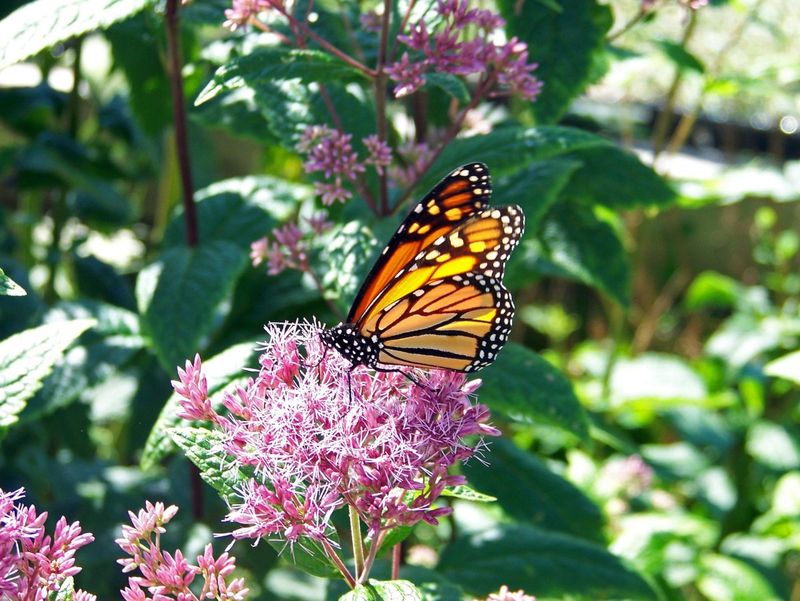
Swapping in native plants is a bit like giving monarchs food from their own family kitchen. The flavors, the timing, and the habits all match.
Florida is home to around 20 native milkweed species. A few that can work well in home gardens include swamp milkweed and butterfly weed.
White swamp milkweed is also native, though it is less commonly grown and may be harder to find.
Pink swamp milkweed loves damp spots, while orange butterfly weed handles dry, sandy soil nicely.
Native types tend to slow down or go dormant in winter on their own. That natural rest period can help send monarchs the right seasonal message without any extra trimming.
Finding these plants can take a little hunting. Check native plant nurseries, local plant sales, and groups such as the Florida Native Plant Society.
Ask staff whether the plants were grown without pesticides, since some sprays can harm caterpillars.
Plant natives in small groups of three or more. Clusters are easier for butterflies to spot from the air, kind of like a big sign on a highway.
You do not have to pull up every tropical plant right away. Many gardeners slowly replace them over a season or two.
Mixing natives in now and keeping your tropical milkweed trimmed each fall creates a friendly middle ground while your new plants settle in.
8. Fill Fall Gardens With Nectar Flowers
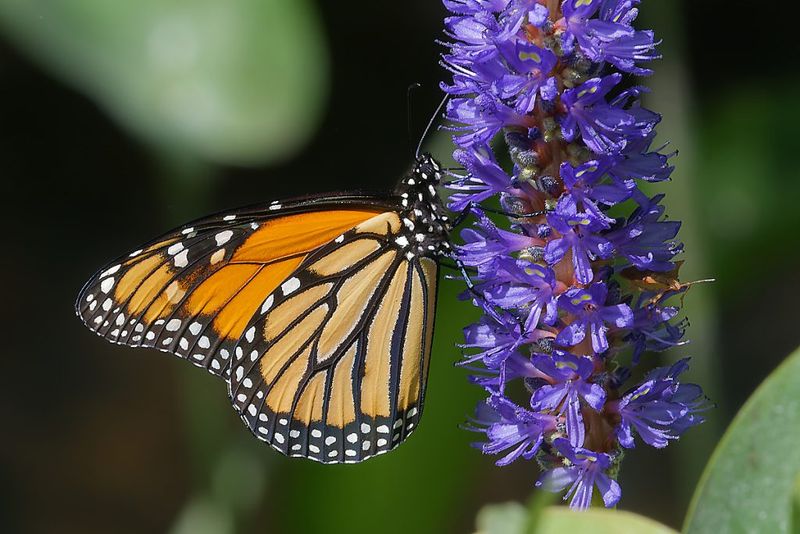
Cutting milkweed does not mean closing the snack bar. Migrating monarchs still need lots of fuel for their long trip south, and flower nectar is their energy drink.
Fall is a great time to load your garden with blooms that feed adult butterflies. Milkweed is mainly for caterpillars, while nectar flowers help grown monarchs stay strong.
Think of it as having a restaurant for travelers and a nursery for babies.
Some Florida favorites that bloom in fall include:
Goldenrod, with bright yellow sprays. Blazing star, which shoots up tall purple spikes.
Firebush, a shrub with red tube flowers loved by butterflies and hummingbirds. Native blue porterweed, a hardy plant that flowers through much of the year.
Look for it at a reputable native plant nursery, since non-native porterweed look-alikes can be invasive.
Try to plant flowers in sunny spots, since butterflies like to warm their wings while they eat. Add a shallow dish with wet sand or pebbles too.
Butterflies sip minerals from damp ground in a habit called puddling.
Skip pesticides as much as you can, even ones labeled natural. Many sprays harm pollinators along with pests.
A few chewed leaves are a small price for a yard buzzing with bees and butterflies. Your garden then becomes a helpful rest stop along a very long road.
9. Share The Monarch Message With Neighbors
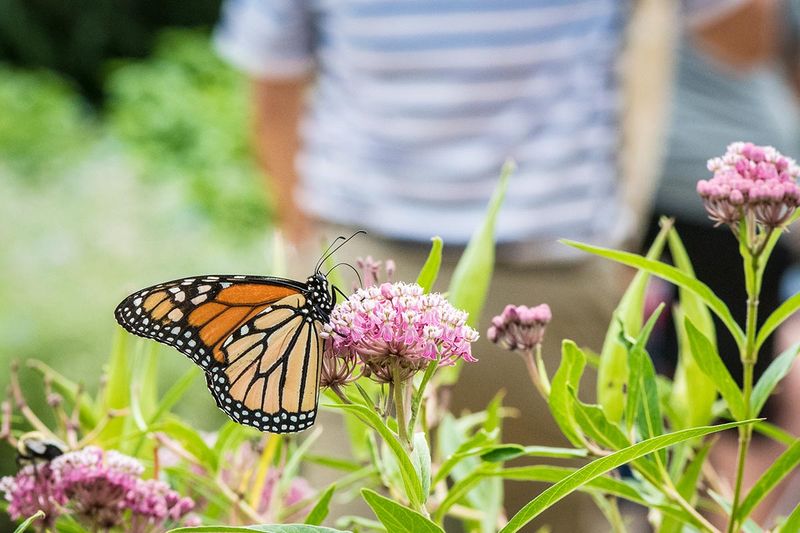
One garden helps, but a whole street of gardens makes a real difference. Monarchs fly over property lines, so teamwork matters.
Start by chatting with neighbors who grow milkweed. Many people buy tropical milkweed with great intentions and simply do not know about the fall trim.
A friendly tip over the fence goes a long way, especially when you share it kindly.
You might also offer to help with the trimming. Bring your pruners and a trash bag, and turn the chore into a fun hour together.
Kids can hunt for caterpillars while adults do the cutting.
Other ways to spread the word include:
Posting a quick note in a neighborhood group online. Asking a school club to plant native milkweed.
Joining citizen science projects like Journey North or Monarch Health to report sightings.
Local garden centers can be great partners too. Ask if they carry native milkweed or post signs about fall trimming for shoppers.
Did you know? The eastern monarch population has dropped sharply over the past few decades.
Every small action in Florida yards adds up, and caring neighbors can help those orange wings keep fluttering for many generations to come. Small steps, shared widely, can grow into something truly beautiful.