The Compost Pile Habit That Can Draw Snakes Closer To Your Florida Vegetable Beds
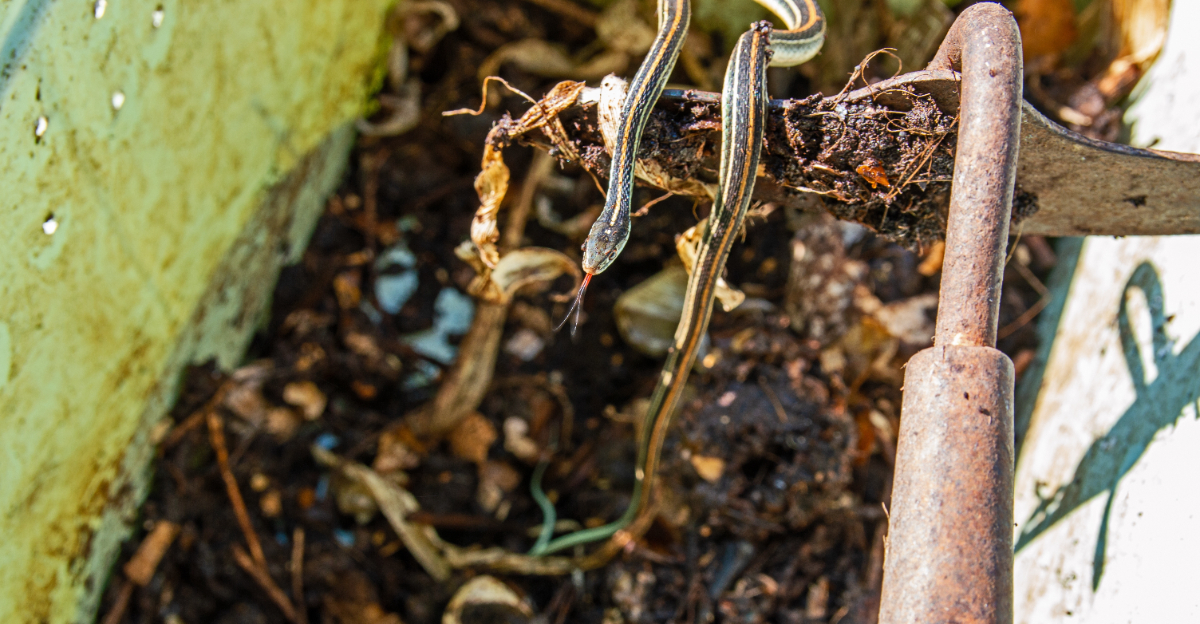
Your compost pile may sit only a few steps from the tomatoes, but one common habit can make that corner of the yard far more attractive to snakes than you realize. The pile itself is not always the main draw.
What gathers around it can matter much more. Florida’s warmth keeps backyard wildlife active for much of the year, and a steady source of food or shelter can quickly turn one quiet spot into a busy one.
That matters even more when the compost sits close to raised beds, sheds, fences, or thick ground cover. You may never notice a problem until you reach for a pepper plant and spot movement where you least expect it.
The good news is that a small change in how you manage compost can reduce that appeal without giving up the pile. First, though, you need to know which everyday habit creates the invitation.
1. Leaving Food Scraps Exposed Is The Habit To Fix
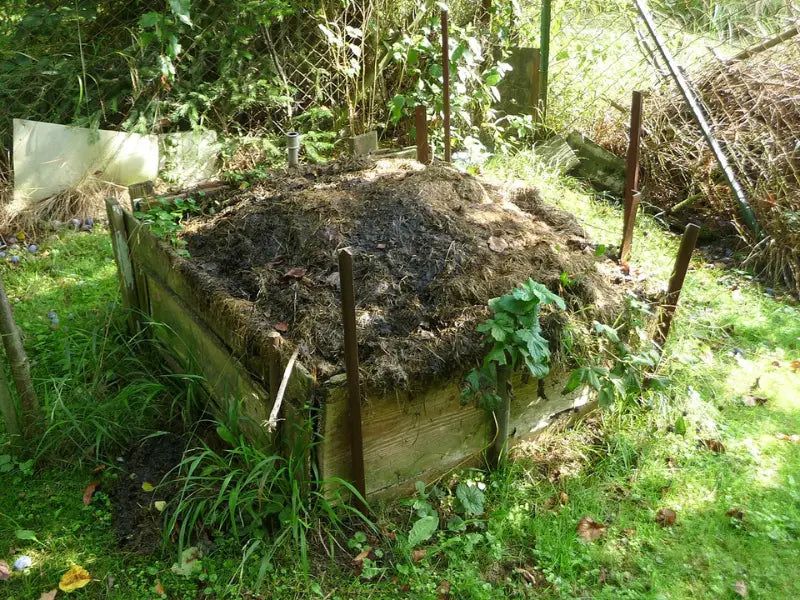
Exposed kitchen scraps sitting on top of an open compost pile are essentially an open invitation for hungry animals. Fruit peels, melon rinds, and vegetable trimmings left on the surface are easy for small animals to smell and reach.
That accessibility is the core habit worth changing.
University of Florida IFAS Extension recommends burying fresh food scraps several inches into the compost pile. Covering them with brown material, such as dry leaves or cardboard, can help reduce odor and limit access.
Brown material also helps balance the pile and speeds up decomposition. A well-turned, layered pile is simply less useful to animals looking for a quick meal.
Vegetable scraps do not directly lure snakes. Snakes are not interested in carrot tops or banana peels.
The concern is that exposed food makes the compost area more useful to prey animals like mice. Once prey animals find a reliable food source, they tend to return.
Managing what sits on the surface of your pile is the single most practical habit adjustment a gardener can make. Covering fresh scraps every time you add them costs almost no extra effort and meaningfully reduces how attractive that pile becomes to unwanted visitors.
2. Rodents Are The Link Between Compost And Snakes
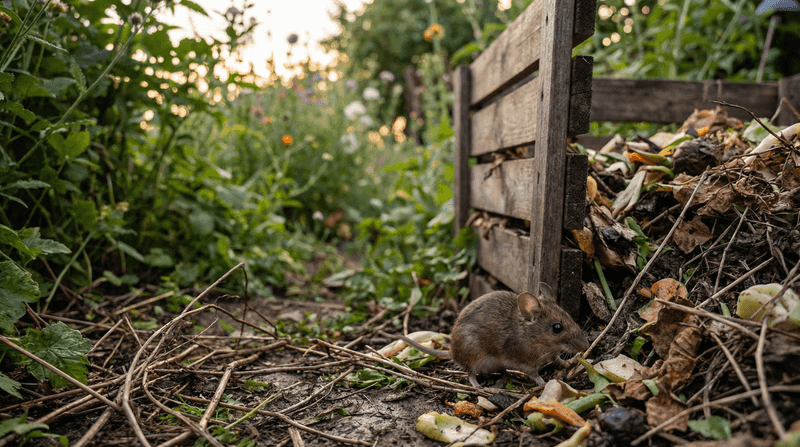
Gnawed strawberries and scattered oat flakes near the base of a compost pile are classic signs that mice have found something worth visiting. Mice and rats are opportunistic feeders, and an accessible compost pile can offer both food and a sheltered spot to nest.
That combination is what starts the chain reaction gardeners want to avoid.
Florida Fish and Wildlife Conservation Commission materials note that many native snake species in Florida naturally prey on small rodents. Snakes that feed on mice and rats will move through areas where prey activity is concentrated.
A compost pile that regularly attracts rodents can, over time, become part of a snake’s patrol route simply because the prey is there.
That chain looks like this: poorly managed compost draws rodents, and rodent activity may attract snakes that hunt them. None of that is guaranteed.
Your Florida Garden Changes Every Week. Your Plan Should Too.
Gardening in Florida changes quickly throughout the season. Every Friday you’ll receive a simple weekly plan showing exactly what to plant, prune, fertilize, harvest, and protect so you never miss the right timing.
One mouse near the pile does not mean a snake is on its way, and one snake in the yard does not confirm a rodent problem. The language here is intentionally careful because wildlife behavior involves probability, not certainty.
Reducing rodent access to the compost pile is the practical lever gardeners actually control, and that is where the focus belongs.
3. A Loose Pile Can Offer Cover As Well As Food Nearby
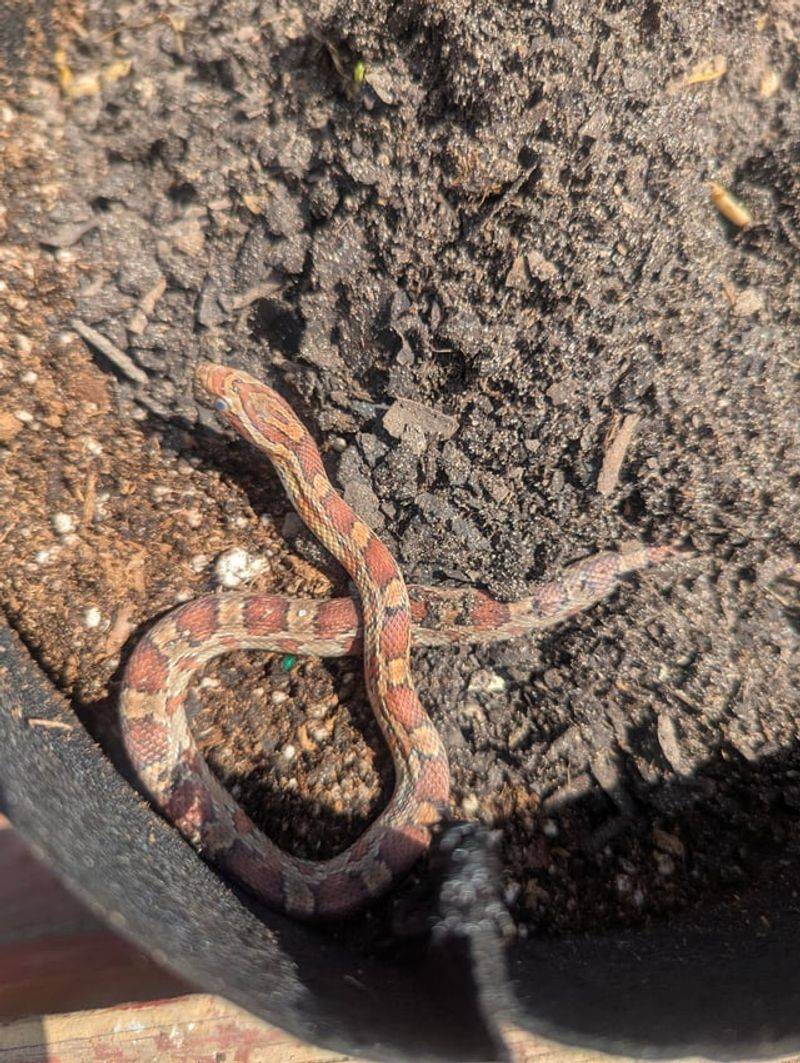
A messy compost area can become more than a food source. Old boards leaning against the pile, stacked pots, tangled brush, and weeds growing around the base all create small, sheltered spaces that animals find appealing.
Both rodents and snakes tend to favor low-disturbance spots where they feel hidden from larger animals and foot traffic.
UF/IFAS composting resources distinguish between a managed compost pile and a debris heap. A managed pile is regularly turned, layered properly, and kept reasonably tidy.
A neglected compost pile can blend into surrounding clutter and start behaving more like a brush pile. That kind of habitat provides concealed spaces that can support animal activity.
Clearing avoidable clutter from around the compost area is a straightforward fix. Move unused pots to a shed, stack boards off the ground, and trim back weeds that crowd the pile.
You do not need to strip your yard of every plant or natural feature. The goal is reducing concealed ground-level spaces specifically around the compost area and the nearby vegetable beds.
A tidy perimeter around the pile makes the area less useful as a hiding spot while keeping the composting process itself fully intact and productive.
4. Putting The Pile Beside The Garden Can Bring The Activity Closer
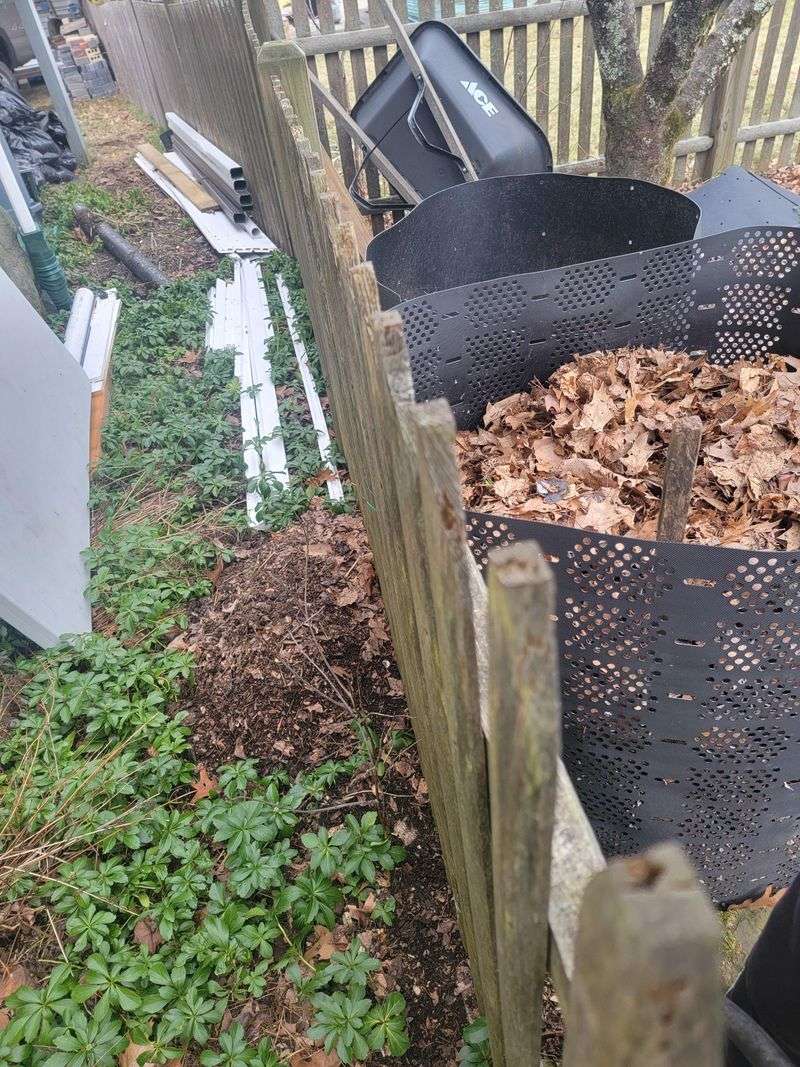
Convenience is usually why gardeners place a compost pile right next to the vegetable beds. Carrying scraps a short distance makes daily composting easier, and that habit is understandable.
However, placing an unsecured pile directly beside growing beds can concentrate multiple resources in one small area at the same time.
Food scraps, decomposing organic matter, insects, and soil moisture all gather near the pile. If rodents begin visiting, they are now doing so right next to the garden.
Any wildlife that follows the rodents would then be moving through the same space where gardeners spend time weeding, watering, and harvesting.
UF/IFAS extension materials on composting site selection suggest thinking about placement relative to living spaces and activity areas.
Moving a bin or pile farther from the most frequently used garden beds can spread that activity away from where you spend the most time.
There is no single universal distance that applies to every yard. The practical point is that a poorly managed pile placed immediately beside vegetable beds gives any prey-attracted wildlife direct access to the garden space.
Reconsidering placement, especially if you have already noticed rodent signs, is a reasonable and low-cost adjustment that does not require giving up composting at all.
5. Meat And Fatty Scraps Make A Compost Pile More Attractive To Animals
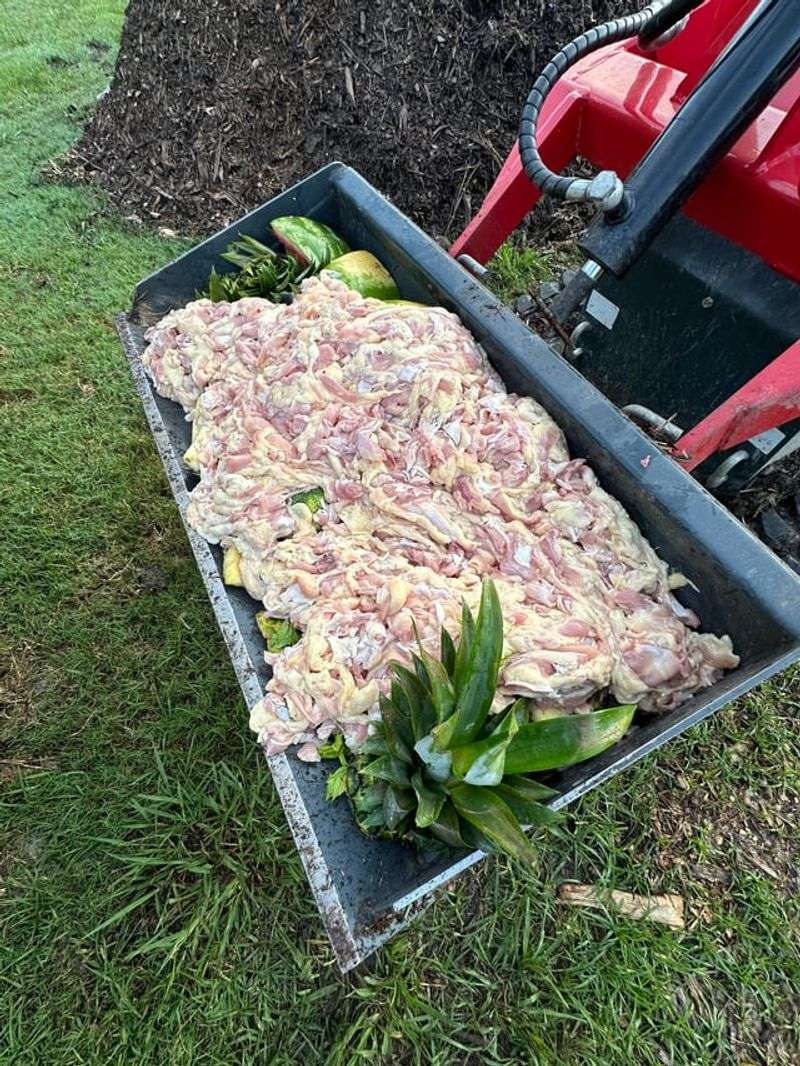
Not every kitchen scrap belongs in a backyard compost pile. Meat, bones, cooking fats, oils, dairy products, and similar food waste create strong odors as they break down.
Those odors travel much farther than the smell of decomposing vegetable matter, and they attract a wider range of animals, including rats, raccoons, and opossums.
UF/IFAS composting guidance consistently lists meat and fatty food waste as materials that should stay out of a standard backyard compost pile.
Fruit and vegetable scraps that are properly buried and covered are far less odorous and much easier to manage without drawing unwanted attention.
The contrast matters because many gardeners assume all kitchen waste is equally appropriate for composting, and that assumption can lead to real problems.
Keeping meat and fatty materials out of the pile is one of the clearest ways to reduce how appealing that pile becomes to animals. A pile that smells like rotting chicken or bacon grease is broadcasting a signal across a wide area.
A pile that contains only plant-based kitchen scraps and yard waste, properly layered and covered, produces far less of that signal.
Reviewing what actually goes into your pile each week is a quick habit check that costs nothing and can meaningfully reduce animal interest in the compost area.
6. A Secure Bin Makes The Food Much Harder To Reach
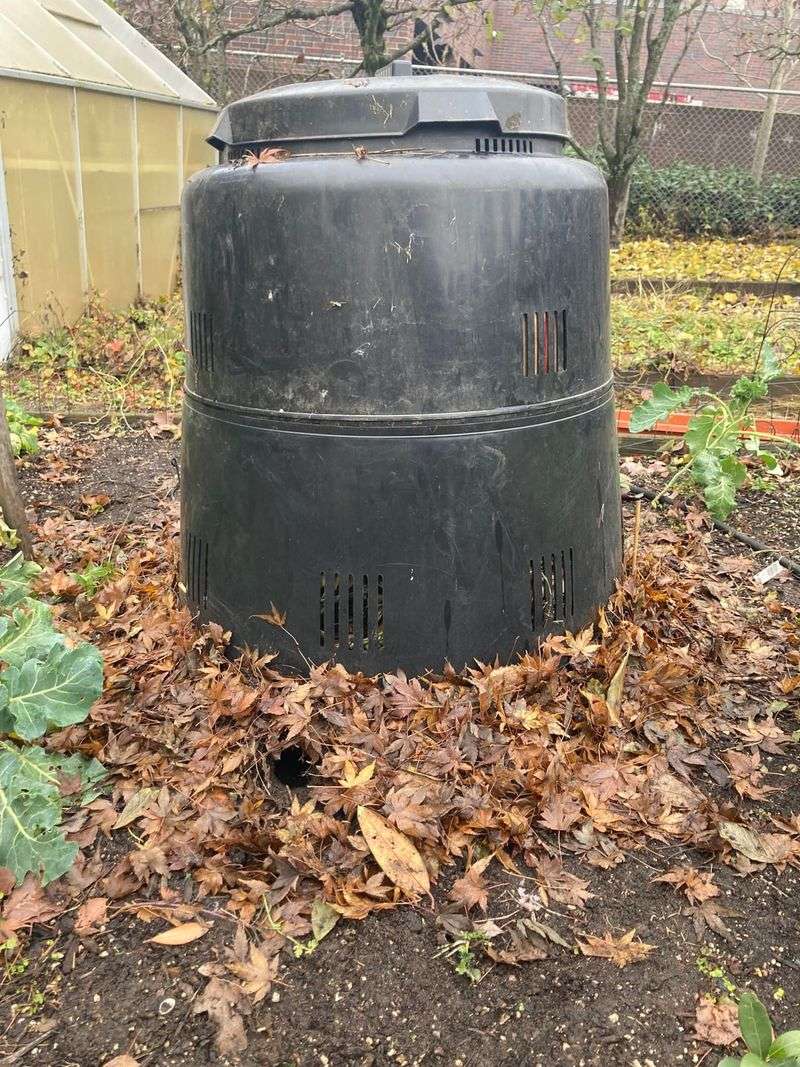
A tight-fitting lid and intact solid sides change what a compost pile offers to small animals. Mice and rats are persistent, but they rely on easy access to food sources.
A bin that requires effort to enter is simply less useful than one with gaps, open tops, or rotted panels that allow easy entry.
UF/IFAS composting resources note that enclosed bins can help manage odor and reduce access by animals compared to open piles. Covering fresh material inside the bin with finished compost or brown matter adds another layer of odor control.
Checking the bin periodically for gaps, cracks, or signs of gnawing helps catch problems before they become established entry points.
No bin makes a yard completely off-limits to wildlife. Snakes move through many different areas for many different reasons, and a secure compost bin is not a guarantee that no snake will ever pass nearby.
The realistic goal is reducing repeated rodent activity around the compost area. Fewer rodent visits mean the area is less likely to become a reliable hunting spot for predators.
A secure bin is one practical tool in that effort, alongside proper scraps management and keeping the area around the bin tidy. Small, consistent steps add up to a noticeably less attractive setup for unwanted animals.
7. Rodent Signs Matter More Than A Single Snake Sighting
Spotting a snake near the garden path on one afternoon does not tell you much on its own. Snakes move through yards for many reasons, including warmth, water, and the simple geography of where they live.
A single sighting is not evidence that the compost pile has become a rodent hub.
What does tell you something useful is physical evidence around the pile itself. Several signs can suggest that mice or rats are returning to the compost area.
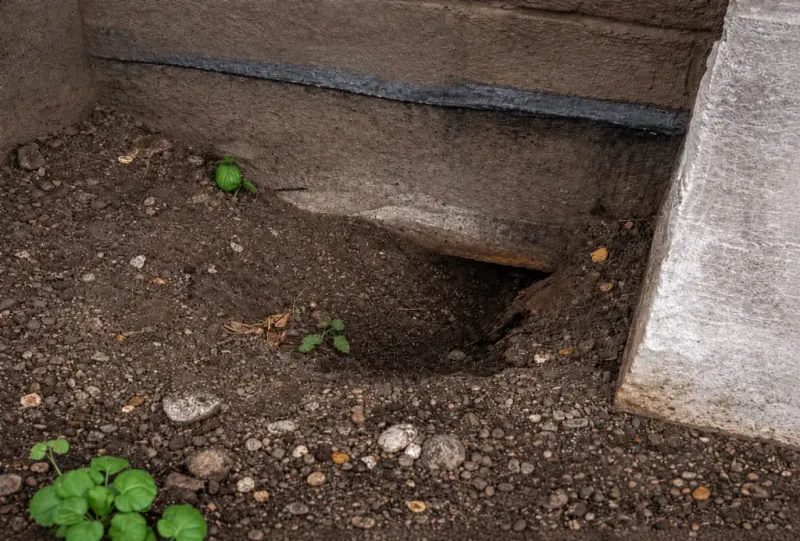
Look for droppings, gnawed bin edges, scattered scraps, small burrow openings, or repeated nighttime disturbance. Those signs are worth taking seriously and addressing through the composting habits already described.
Florida Fish and Wildlife Conservation Commission materials recommend giving any encountered snake space and leaving it alone. Approaching a snake for a closer look is not necessary and is not safe practice.
You do not need to identify the species to decide what to do next. Focus instead on what is happening around the compost pile.
If rodent signs are present, address the pile management. If no rodent signs appear, the snake may simply be passing through.
Checking the compost area for evidence is a far more useful response than reacting to one sighting with alarm.
8. Fix The Compost Setup Instead Of Going After The Snake
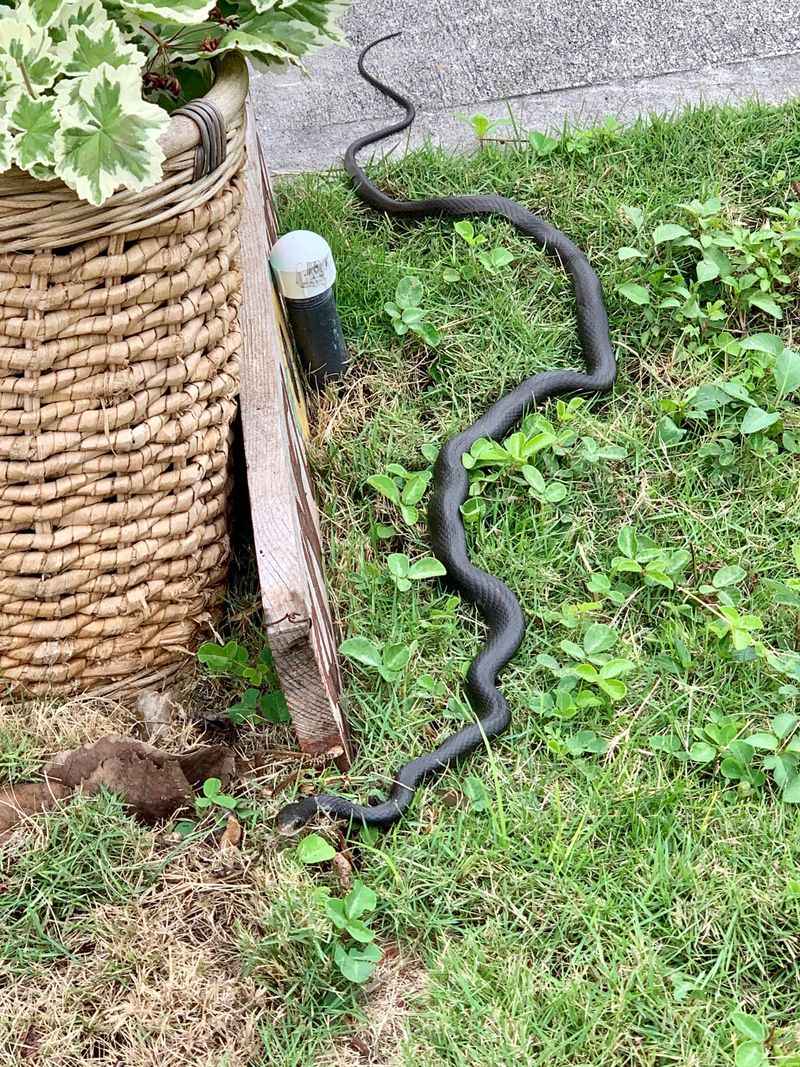
Seeing a snake near the vegetable beds can feel urgent, but chasing, handling, or trying to relocate it is not the right response. Give the animal space and let it move on.
The far more useful work happens at the compost pile, not near the snake.
Pulling together the habits covered in this article creates a practical checklist. Bury appropriate food scraps and cover them with brown material every time you add to the pile.
Leave meat, bones, fats, and dairy products out entirely. Use a bin with a secure lid and solid sides.
Check for gaps or gnaw marks regularly. Clear boards, pots, and brush from around the compost area.
Look for actual rodent signs before drawing conclusions. Consider whether the pile’s current location places it too close to the most active garden beds.
Snake repellents are not supported by reliable evidence and are not recommended here. The goal is changing the conditions that support prey, not targeting the snake itself.
A compost pile managed with care produces rich, useful material for vegetable beds without quietly building a wildlife corridor beside them. Composting is genuinely good for Florida gardens.
A well-run pile that limits exposed food, excludes unsuitable scraps, and stays secured gives rodents less reason to visit, and that is the whole point.