Should You Cut Back Your Mums Before An Indiana Winter Or Leave The Stems Standing?

Leaving those brown, scraggly flower stems standing all winter can help a fall bloomer return in better shape next spring. The old stems trap snow and fallen leaves, which form a loose blanket over the crown of the plant.
Purdue University Extension suggests waiting until spring to trim these plants in most Indiana yards, even when they look messy. I like that advice because it means one less chore to rush through before the ground freezes in November.
Many plants bought in full bloom each September have small, shallow roots that struggle through cold, wet months. You need to give those young roots extra help, since freezing soil can push crowns upward.
I believe a quick look at your porch pots this week can tell you a lot about next year. Which of your bright fall containers do you secretly hope will still be blooming on your Indiana steps next October?
Potted Plants Get A Trim While In-Ground Plants Keep Their Stems
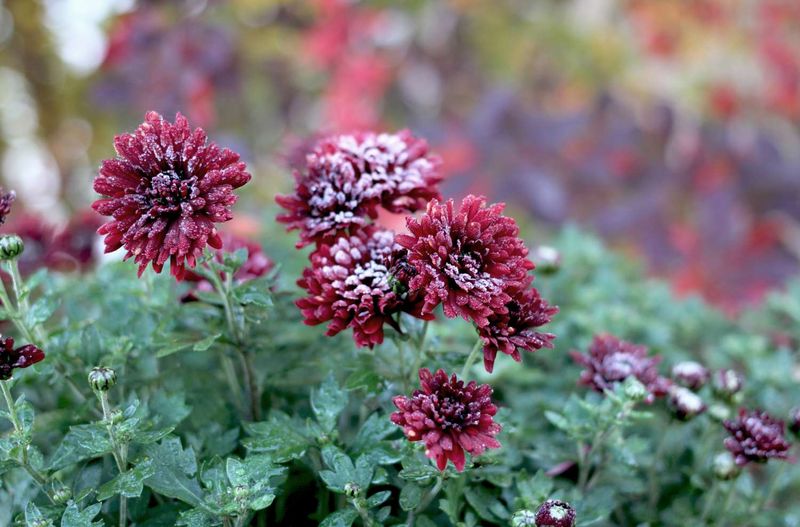
Garden mums planted in the ground mostly do better in Indiana when you leave their stems standing all winter. Purdue Extension and other Midwest extension services suggest waiting until early spring, when new green shoots appear at the base.
Those tall, woody stems catch snow and leaves, and that layer helps protect the crown from harsh temperature swings. A crown that stays evenly cold is less likely to heave out of the ground during January thaws.
Potted mums are a different story, because their roots sit above ground where cold air reaches them from every side. For those containers, you can cut the stems back to about three or four inches once the flowers fade.
Trimming makes the pots easier to move into a garage, shed, or cold frame for the winter months. Short stems also take up less space and shed fewer crumbly leaves on the floor of your storage area.
In-ground plants still need a little help after the soil freezes, which often happens in late November or December. Spread about three to four inches of straw or shredded leaves around each plant once the topsoil freezes.
Waiting for frozen soil matters, since mulching too early can keep the ground warm and invite mice to nest. Pull the mulch back gradually in spring, usually around April, when new growth starts pushing up from the crown.
Brown stems may look untidy along a front walk, but they serve a real purpose until spring cleanup arrives. Some gardeners even like the way frost outlines the old seed heads on chilly October and November mornings.
Hardy Garden Mums Versus Florist Varieties

Not every pot of chrysanthemums at the grocery store is built to handle a cold Midwest winter outdoors. Florist mums are grown mainly for indoor gifts, and many of them lack the hardiness needed for Indiana gardens.
Hardy garden mums, often labeled perennial mums, are bred to return each year in USDA zones five and six. Most of Indiana falls within zones 5b through 6b, so the plant tag offers a helpful clue before you buy.
Your Indiana Garden Changes Every Week. Your Plan Should Too.
Gardening in Indiana changes quickly throughout the season. Every Friday you’ll receive a simple weekly plan showing exactly what to plant, prune, fertilize, harvest, and protect so you never miss the right timing.
Florist types usually have larger, showier blooms and are often sold wrapped in foil for birthdays or holidays. Many also bloom later in fall, which leaves little time for roots to settle before the first hard freeze.
Even hardy garden mums can struggle when they are planted in October, because their roots have only weeks to grow. University of Illinois Extension notes that spring planting gives mums a much better chance of surviving cold months.
That does not mean your fall purchases are a lost cause, especially if you plant them right away. Choose a sunny spot with soil that drains well, since soggy winter ground causes more losses than cold alone.
Florist mums can still be enjoyed indoors for several weeks if you keep them in bright, indirect light. After the flowers fade, many gardeners compost them, though some try overwintering them in a cool, bright room.
Fun fact, chrysanthemums have been grown in China for more than two thousand years as both flowers and herbs. Today’s hardy garden types come from long breeding work aimed at sturdy, compact plants for cooler northern climates.
Stems Cut Down To A Few Inches After Blooming
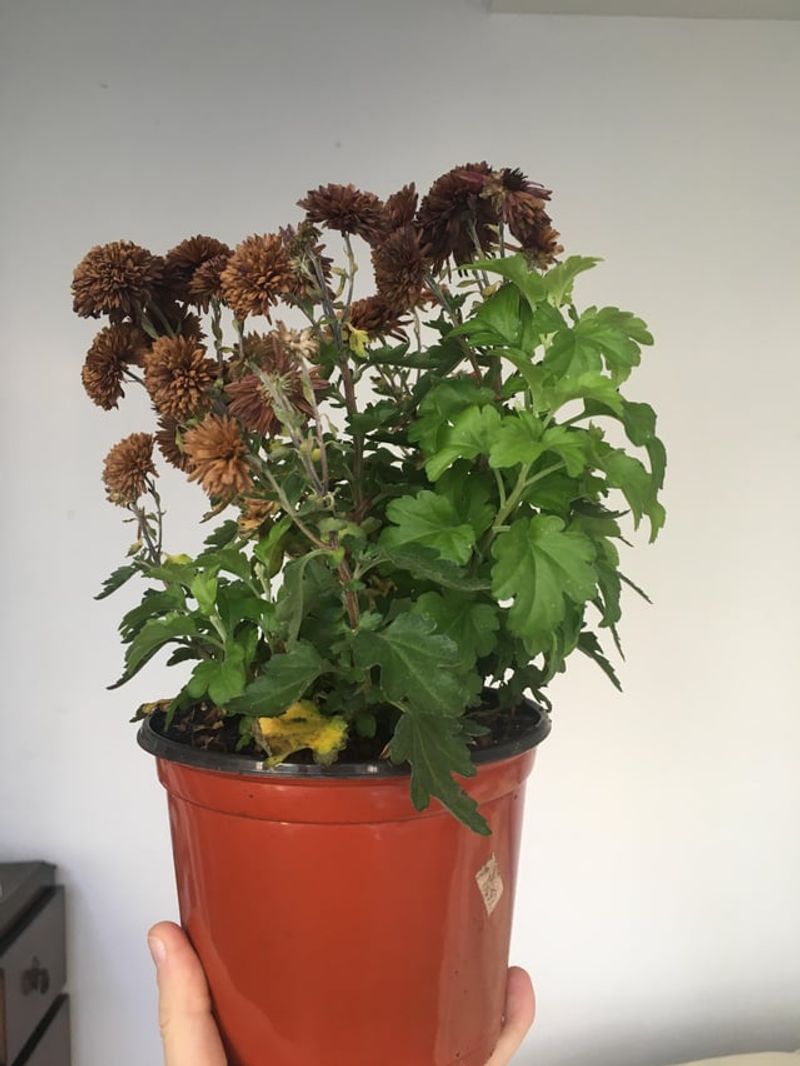
Snipping a mum may feel strange when it still holds a few flowers, but timing makes the job easier. For potted plants, wait until most blooms have faded and the foliage begins to brown after a light frost.
Clean, sharp pruners make smooth cuts that heal quickly and are less likely to tear the woody stems. Wipe the blades with a household disinfectant first, which reduces the chance of spreading leaf spot or other diseases.
Cut each stem back to roughly three or four inches above the soil, leaving a short stub behind. Those stubs mark where the crown sits, so you are less likely to damage it when moving pots around.
For in-ground mums, most Indiana gardeners save this same trim for early spring instead of doing it in fall. Once new shoots reach an inch or two tall in April, remove the old stems right down to that fresh growth.
Gather up fallen leaves and spent blooms around potted plants after trimming, since they can hold fungal spores over winter. Powdery mildew and leaf spot are common mum problems, and good cleanup helps reduce them the following year.
Healthy clippings can go into a compost pile, but bag up any stems that show spots, mold, or insects. Aphids and spider mites sometimes hide on mum foliage, so a quick check before composting is a smart habit.
I find this fall trim oddly satisfying, like tidying a closet before the cold weather keeps everyone indoors. A neat pot also shows you quickly whether the crown looks firm and healthy or soft and struggling.
An Unheated Greenhouse Through An Indiana Winter

Gardeners with an unheated greenhouse or cold frame have a real advantage when overwintering potted mums in Indiana. The structure blocks harsh wind and keeps temperatures steadier than an open porch during January cold snaps.
Mums need a cold rest period, so the goal is to keep them chilled but not exposed to extreme swings. Temperatures between about 32 and 45 degrees Fahrenheit suit dormant plants well, according to many extension horticulture guides.
No greenhouse in your backyard? An unheated garage or shed with a small window can work nearly as well. Set pots on a wooden pallet or shelf rather than bare concrete, which pulls cold up into the roots.
Some gardeners sink pots into the ground in a sheltered bed, then cover them with a thick layer of straw. Soil around the container works like insulation and keeps roots from freezing and thawing over and over.
Sunny winter days can heat a closed greenhouse surprisingly fast, even when outdoor air stays below freezing. Crack a vent or door on bright afternoons so plants do not break dormancy too early in February.
Watch for mice and voles, which like to shelter in protected spaces and may chew on stems or roots. Wire mesh around pots and a tidy storage area with no loose clutter can help protect your plants through the long cold season.
In late March or April, move the pots outside gradually so new growth can adjust to sun and wind. Gardeners call this process hardening off, and it usually takes about a week or two of short outdoor visits.
Light Watering Through The Dormant Months
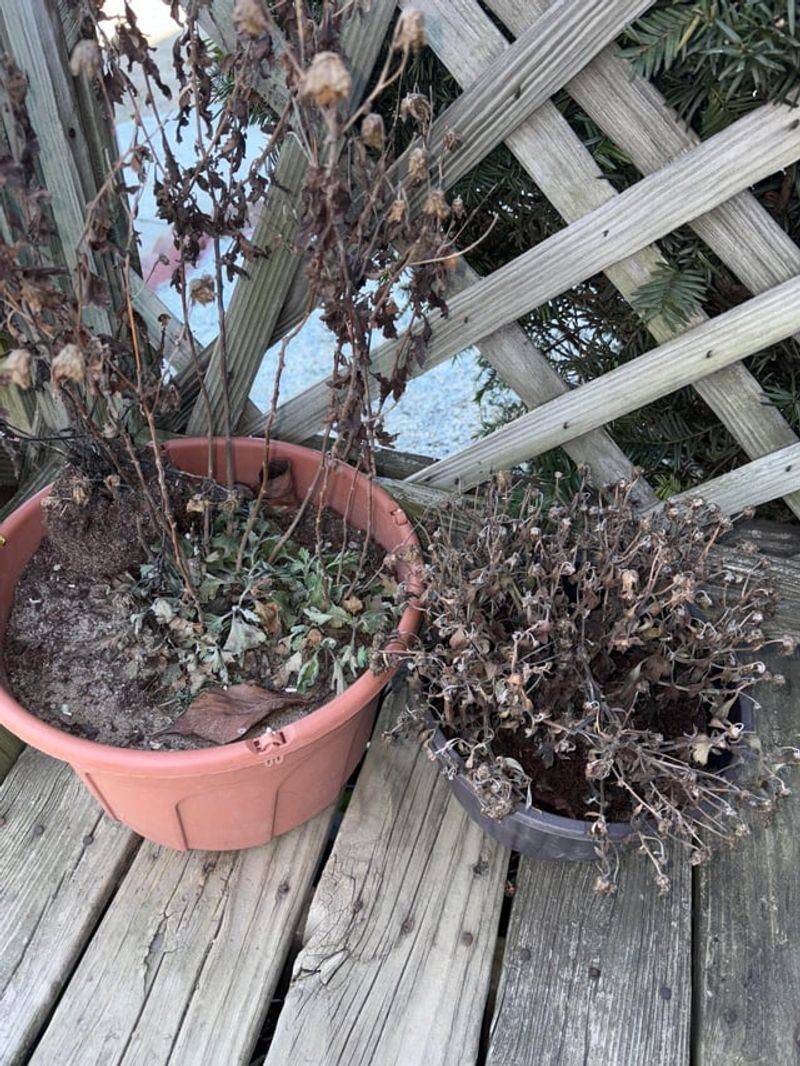
Dormant mums use very little water, but letting their roots turn bone dry can still harm them over winter. Potted plants in a garage or greenhouse need occasional checks, since dry indoor air pulls moisture from the soil.
Push a finger about two inches into the potting mix about once every three or four weeks. If it feels dry, water lightly until a little moisture reaches the bottom, then let any excess drain away.
Overwatering causes more trouble than drought for stored mums, because cold, soggy soil often leads to root rot. Pots should have drainage holes, and saucers underneath should be emptied so roots are not sitting in water.
In-ground mums mostly get enough moisture from Indiana rain and snow during a typical winter season. Still, a dry late fall can leave soil thirsty, so water deeply in October if rainfall has been scarce.
Moist soil holds heat better than dry soil, which gives roots a little extra protection when hard freezes arrive. Purdue Extension often recommends watering perennials before the ground freezes for this reason, especially newly planted ones.
Pick a mild day above freezing for any winter watering, so the water soaks in instead of forming ice. Morning is the best time, since it gives the surface a few hours to dry before nighttime temperatures drop.
Skip fertilizer during these months, because feeding a resting plant can push weak growth that cold air damages easily. Save the plant food for spring, when fresh shoots appear and the roots are ready to grow again.
Spring Pinching For Fuller Plants By Fall

Those round, dome-shaped mums sold at garden centers each fall usually get that shape from careful pinching. Growers remove the tips of new shoots several times, which pushes the plant to branch out instead of growing tall.
You can do the same thing at home once your overwintered mums wake up and start growing next spring. Start pinching when shoots reach about four to six inches, taking off the top inch with your fingers.
Each pinch causes two or more side shoots to form, so the plant fills out and makes more flower buds. Repeat the process every two to three weeks as new growth reaches another four to six inches.
Purdue Extension suggests stopping by early to mid July so the plants have time to set buds for fall. Pinching later than that can delay flowering until a frost arrives, which leaves you with few blooms to enjoy.
Spring is also a good time to divide older mums that have grown woody or bare in the center. Dig the clump, keep the healthy outer sections with roots, and replant them about eighteen inches apart.
A light dose of balanced fertilizer in spring and early summer supports steady growth during the pinching season. Regular watering during hot July weeks helps too, since stressed mums often produce fewer buds by September.
Pinched mums rarely flop over in fall storms, because their shorter, sturdier stems hold the heavy blooms upright. Next October, you may find your own porch mums looking just as full as the ones in garden center displays.