Sluggish Dark Flies Clustering On Sunny Indiana Windows This Fall Started Life Inside Earthworms
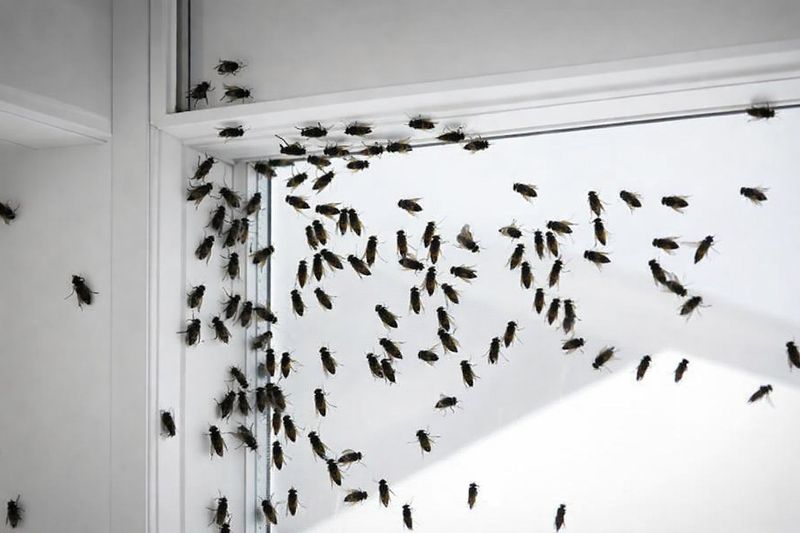
Something strange happens on Indiana windows when the October sun starts slanting low across the cornfields. Dark little specks gather on the warm glass, buzzing lazily like they forgot how flying works.
You swat one, and three more appear by lunch, droning against the curtains like tiny lawn mowers. They move so slowly that even the family cat seems bored after chasing a few around.
Most folks blame an open door, a torn screen, or that bag of smelly garage trash. The real story is far weirder, and it starts underground in your own damp backyard soil.
Across Indiana, homeowners spot these sleepy guests every fall, mostly on sunny south and west walls. Those walls soak up afternoon heat and hold it well into the evening, and the bugs clearly know it.
Earthworm Parasites Behind The Window Crowd
Picture a fly that spends its childhood tucked inside an earthworm, feeding as it grows. It sounds odd, but that is the normal life story of the cluster fly, genus Pollenia.
Adult females lay their eggs in loose soil during the warm months, often in lawns and pasture edges. When the tiny larvae hatch, they wiggle downward and hunt for earthworms moving through the damp ground.
Each larva burrows into a worm and feeds quietly for days or weeks, growing steadily inside its host. After that, it rests as a pupa in the soil before popping out as a grown fly.
Indiana offers plenty of suitable habitat, thanks to rich farm soil, grassy yards, and healthy earthworm populations. Several generations can grow up in one season, so a single lawn may produce a surprising number.
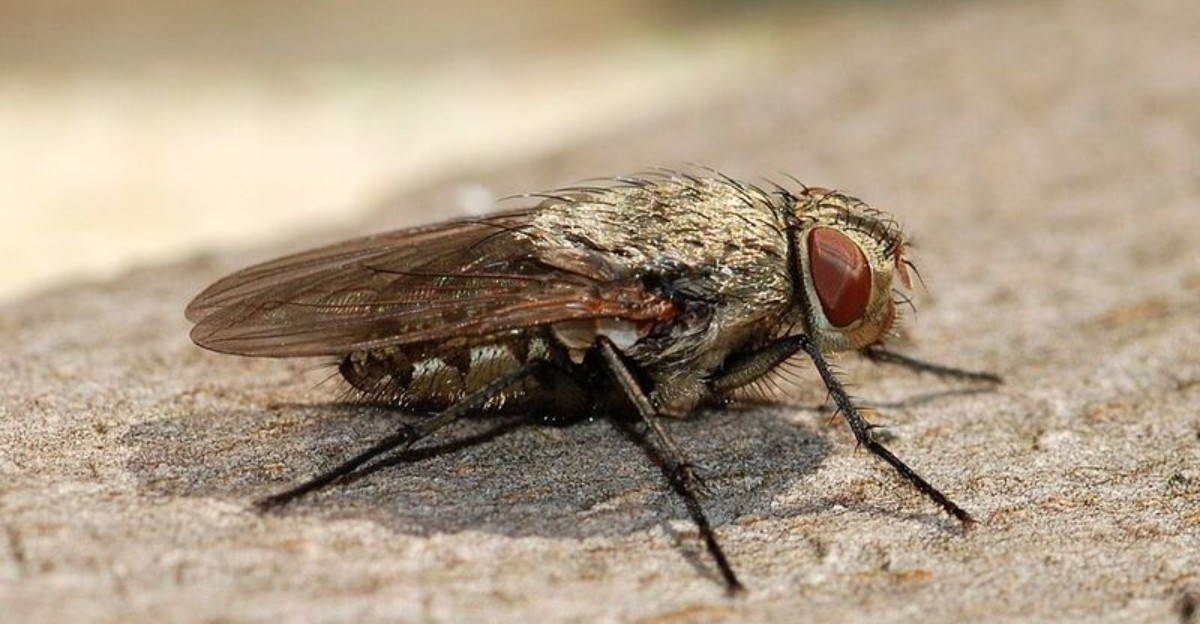
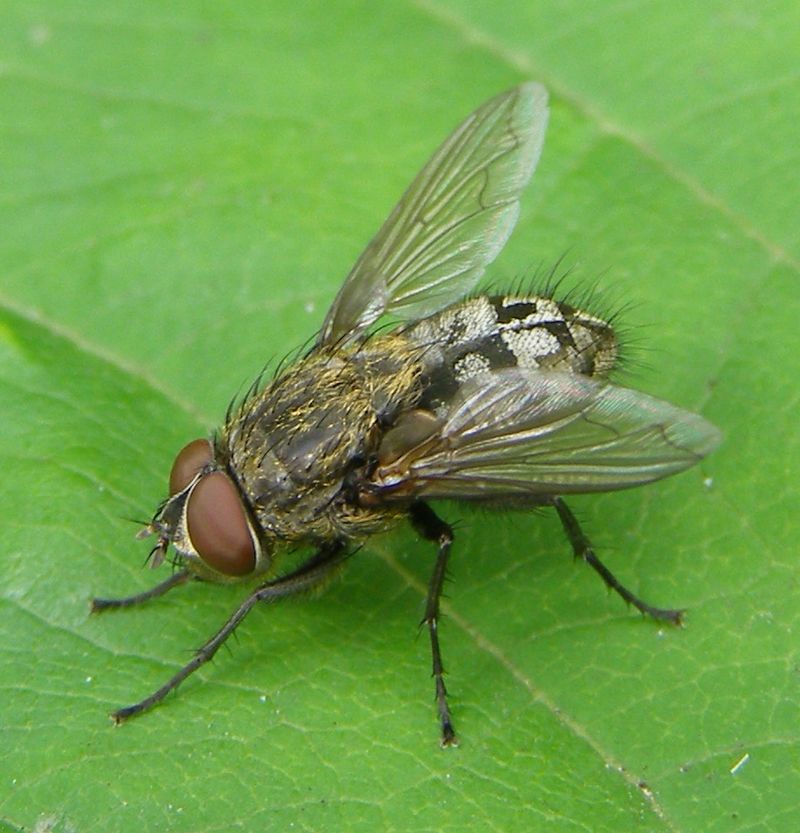
You can tell cluster flies apart from house flies by looking closely at their backs in good light. Tiny golden hairs cover the thorax, and the wings fold neatly over each other when the fly rests.
They are also a bit larger and darker, with a slow, clumsy flight that makes them easy to catch. Unlike house flies, they rarely bother food or garbage, since their babies prefer worms over kitchen scraps.
Fun fact, cluster flies were likely carried to North America from Europe, possibly hiding in soil long ago. So the next time one bumps your window, remember it once lived a very strange underground life.
The Autumn Search For A Warm Hideout
Think of early October as moving day for cluster flies, and your house is the fanciest hotel around. As nights cool into the forties across Indiana, the adult flies start searching for a cozy winter spot.
On bright afternoons, they gather on sun-warmed siding, soaking up heat like sunbathers on a beach. South and west walls are favorite spots, since those surfaces stay warm the longest as daylight fades.
From there, they crawl into any crack they can find, like gaps around windows, vents, and siding. Attics and wall spaces make perfect hideouts, because they stay sheltered from wind, rain, and early frost.
Some research suggests the flies respond to chemical signals, which may help explain why the same homes see them year after year. Older farmhouses near open fields often see the biggest groups, thanks to all that worm-filled ground nearby.
Your Indiana Garden Changes Every Week. Your Plan Should Too.
Gardening in Indiana changes quickly throughout the season. Every Friday you’ll receive a simple weekly plan showing exactly what to plant, prune, fertilize, harvest, and protect so you never miss the right timing.
Light colored houses may attract more flies too, since pale siding reflects heat in a way they enjoy. Tall homes or houses sitting on hills also stand out, making them easy targets for wandering insects.
Most of the moving happens from late September through October, so this is the season to stay alert. Watch your siding on a sunny afternoon, and you might spot dozens of flies lounging in the warmth.
Once inside, they settle down and wait quietly for colder weather to arrive and stay for months. Your walls basically become their winter sleeping bag, and they did not even ask for permission first.
The Bug Spray Mistake Inside The House
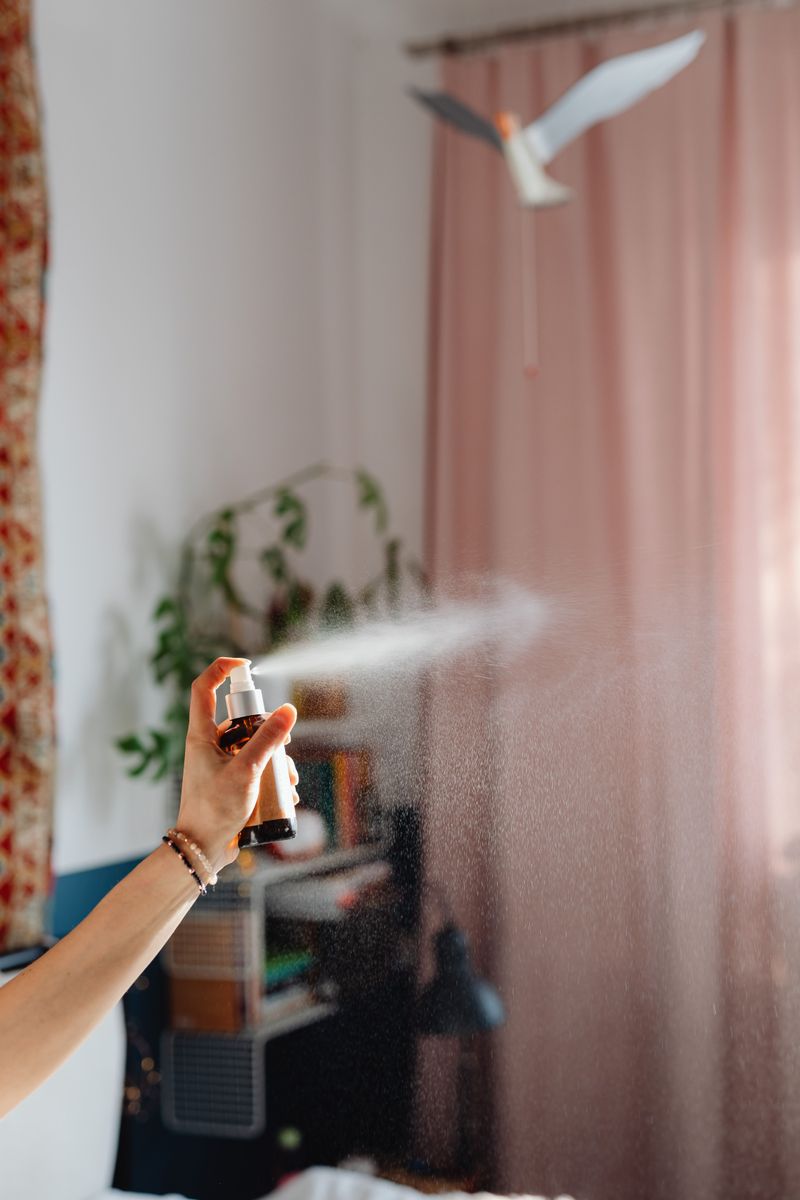
Grabbing a can of bug spray feels like the natural move when a dozen flies crowd your window. Unfortunately, spraying inside walls or attics often creates a brand new problem that smells pretty awful later.
When hundreds of flies settle inside a wall, they stay hidden where you cannot reach them. Any leftovers that build up there can attract carpet beetles, which sometimes move on to wool and other natural fabrics.
Spraying chemicals indoors also puts kids, pets, and your own lungs in contact with products meant for bugs. Many sprays work only on flies they touch directly, so the hidden crowd behind the drywall stays untouched.
Another common mistake is setting off a fogger, hoping it will clear the whole house at once. Foggers rarely reach inside walls, and they can leave residue on counters, toys, and furniture instead.
Swatting flies on curtains or light fabric is another trap, because their bodies can leave greasy stains. Squishing them also releases a strange, sweet smell that some people compare to buckwheat honey.
Some homeowners rush to call for expensive treatments, even though cluster flies cause very little real damage indoors. They do not bite, breed indoors, or chew wood, so the situation is mostly an annoyance.
Keeping calm saves money and keeps your home healthier, which matters a lot during long Indiana winters indoors. Gentler methods work better, and they will not leave your living room smelling like harsh chemicals.
A Vacuum Fix For Sleepy Window Visitors
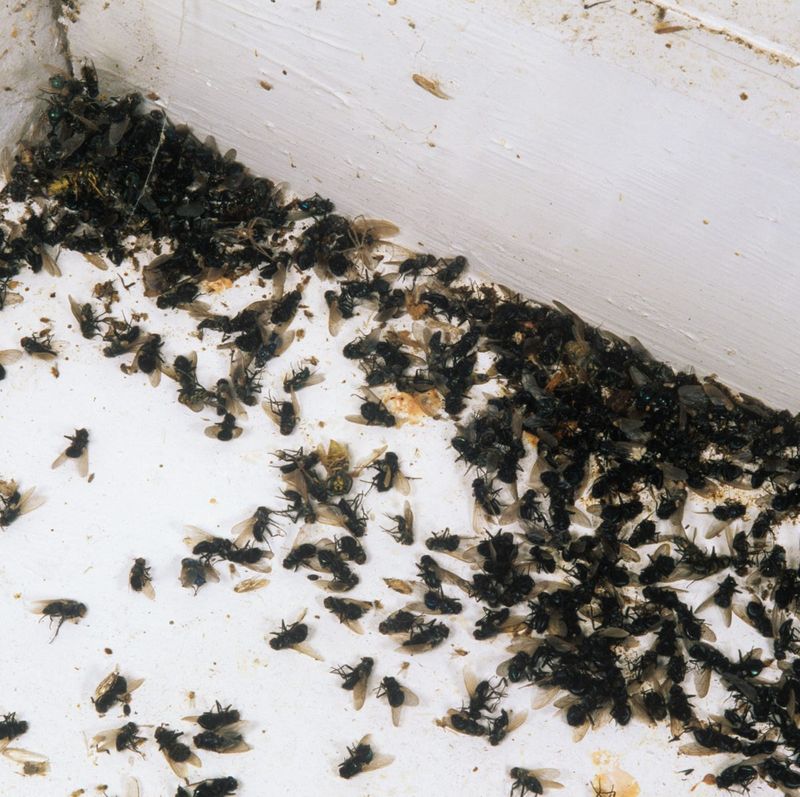
Your trusty vacuum cleaner might be the best fly control tool you already own, sitting in the closet. Since cluster flies move so slowly, sucking them off the glass takes only a few easy seconds.
Use the hose attachment and work gently along window frames, sills, and corners where groups tend to gather. Afternoons are usually the busiest time, since the glass is warmest, so a quick sweep then catches the most.
Empty the bag or canister outside right away, because live flies can crawl back out surprisingly fast. Some people slip a knee-high stocking into the hose tip, which traps flies for easy outdoor release later.
Sticky window traps offer another simple option, and they work well in rooms you rarely visit, like attics. Clear traps stuck to sunny glass catch flies that head toward the light, without blocking your view much.
Ultraviolet light traps can help in dark attic spaces, since the flies drift toward bright glowing spots. Place them away from windows, though, so they do not compete with natural sunshine during the day.
A swatter still works for the odd straggler, but scoop them up with a paper towel to avoid curtain stains. Wipe the glass afterward with soapy water, since flies can leave tiny brown specks behind on the panes.
Expect to repeat this routine several times a week through October and even on warm winter days. Patience is your best partner here, and the vacuum honestly does most of the hard work for you.
Life Inside Your Walls Through Winter
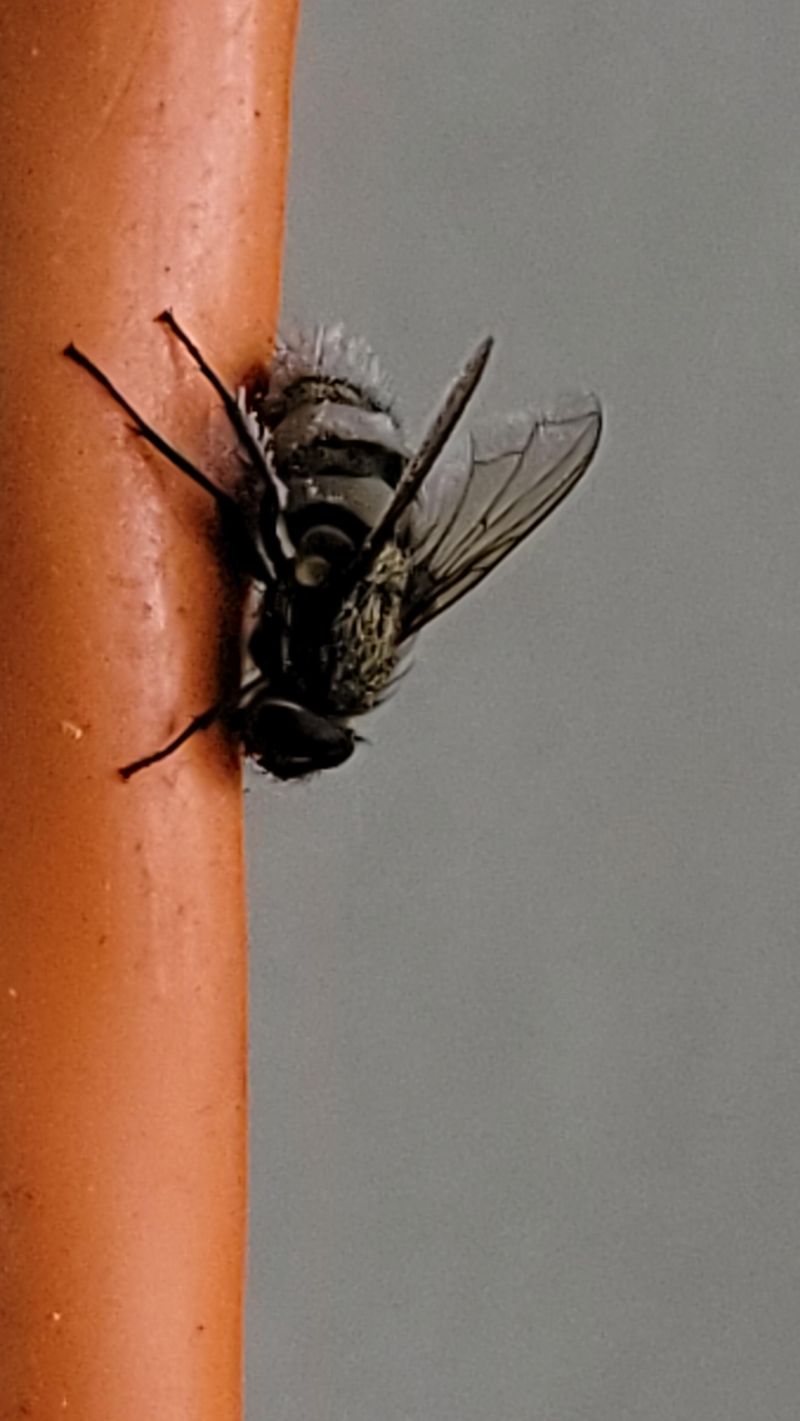
Imagine hundreds of houseguests sleeping in your walls, snoozing through snowstorms while you shovel the driveway outside. That is basically what cluster flies do after settling into attics, wall gaps, and quiet window frames.
Their bodies slow down in a state called diapause, which is a lot like a bug version of hibernation. They barely move, they skip meals, and they simply wait for longer days to wake them back up.
Trouble starts when your furnace warms the walls on a chilly January day and confuses the sleepy flies. Thinking spring has arrived, they crawl toward the warmth and light, often ending up inside your living space.
That explains why you might find a few buzzing around a lamp or ceiling light during the coldest weeks. They often look groggy and confused, bumping into windows with all the grace of a sleepy toddler.
Indoors, they rarely lay eggs, since their young need earthworms in outdoor soil to grow at all. So the number inside your home should not grow over winter, even if it seems that way.
When real spring arrives, the flies head outside to mate and lay eggs in nearby lawns again. Some flies stay trapped indoors, though, and those stragglers usually end up on windowsills by early April.
A quick vacuum pass in late winter clears those leftovers before they attract beetles or other nibbling pests. Knowing their schedule helps you stay one step ahead, instead of being surprised by a January fly party.
Sealing Gaps Before Next September
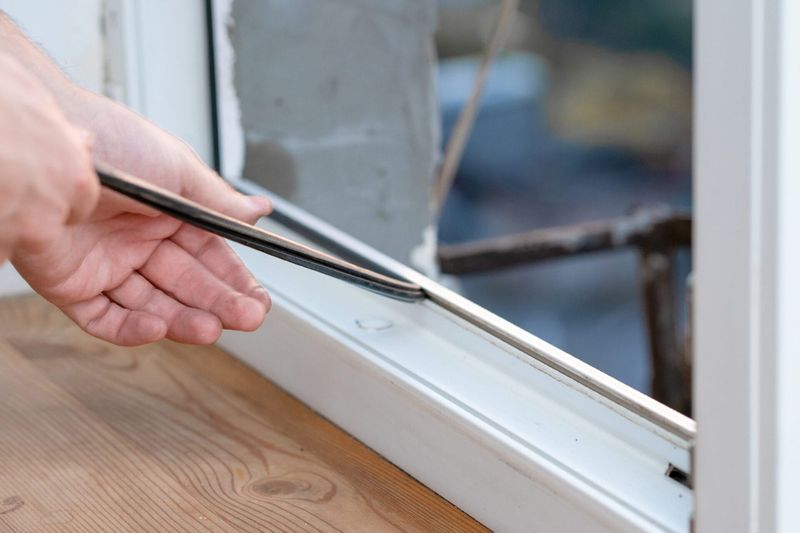
Pest experts generally agree that keeping cluster flies out beats chasing them later. Early October is late for this year, but now is a perfect time to inspect your home’s exterior.
Walk around the house on a sunny afternoon and note where flies gather, since those spots reveal entry points. Look closely at gaps around window frames, door trim, utility pipes, dryer vents, and loose siding boards.
Fill small cracks with outdoor caulk, and use expanding foam for bigger holes near pipes or wires. Replace torn window screens and add fine mesh over attic vents, roof vents, and soffit openings too.
Weather stripping around doors does double duty, blocking flies while also keeping cold drafts away this winter. Your heating bill may even shrink a little, which feels like a sweet bonus for a weekend project.
Some Indiana homeowners also hire a professional to treat outside walls in late August or early September. That timing catches the flies before they slip inside, though sealing gaps remains the most lasting solution.
Treating the lawn is not an effective way to control cluster flies, and the earthworms living there help keep your soil healthy. Healthy soil grows stronger grass and gardens, so focus your energy on the house instead of the yard.
Mark your calendar for late August next year, so you can check seals before the fall rush begins. With a little caulk and planning, those sunny windows can belong to you instead of sleepy flies.