Carved Pumpkins On Indiana Porches Draw More Than Trick-Or-Treaters
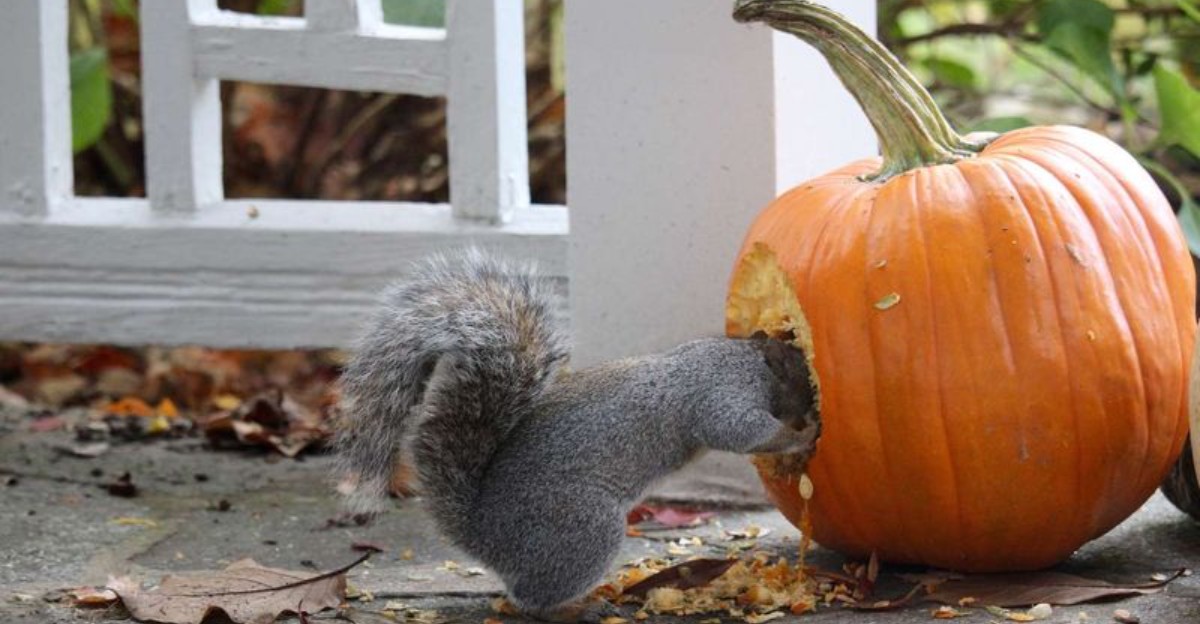
A single carved pumpkin can attract a surprising crowd after the porch light goes out. Several backyard animals will happily sample the soft flesh inside.
I love how a simple jack-o-lantern becomes a small snack bar for neighbors with fur. Indiana backyards host plenty of these hungry visitors all through fall.
You need to know that a cut pumpkin changes fast on a warm porch. Exposed flesh softens, grows mold, and sends out a smell that animals notice quickly.
A face that looks perfect on carving night can look quite different a few days later. Sagging eyes and a drooping mouth are usually just the beginning.
Some porch pumpkins lose a chunk of their smile overnight with no trick-or-treater in sight. The only clues left behind are a few tooth marks and a scatter of orange crumbs on the steps.
Soft Orange Flesh Is An Easy Meal For Hungry Wildlife
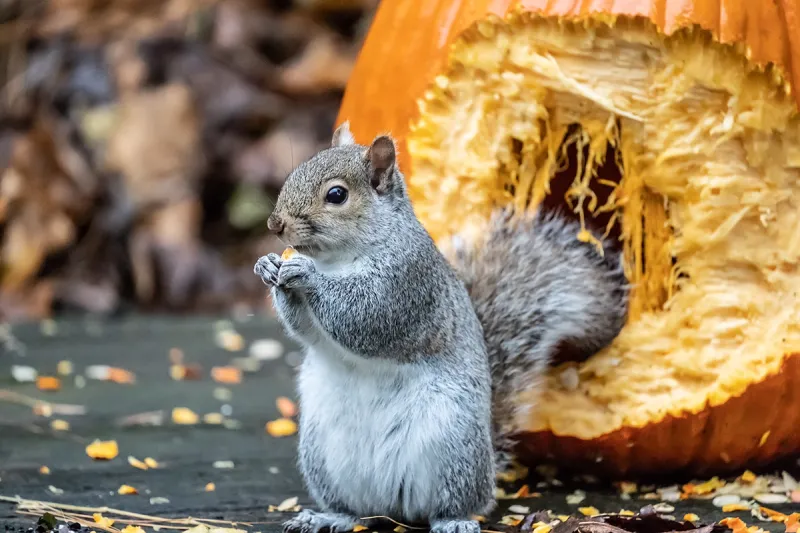
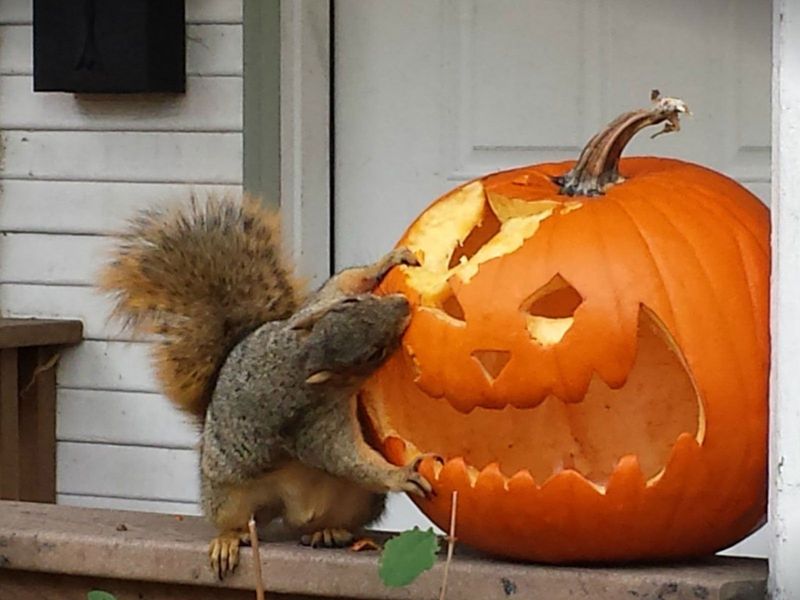
Squirrels often find a carved pumpkin within a day or two of it landing on your porch. The open cuts let them reach soft flesh without any real effort.
Pumpkin offers water, fiber, and a little natural sugar. Those qualities make it a tempting snack when autumn nights turn cooler across Indiana.
Once the inside is scooped out, the thinner walls are easy to chew. A squirrel can scrape the flesh with tiny teeth and leave neat little marks behind.
Deer, raccoons, and birds may sample the same pumpkin. Each animal prefers different bites, so the damage can look quite uneven from one morning to the next.
Squirrels tend to chew along the carved edges first, where the flesh is already exposed. A grinning face can lose its teeth and eyebrows well before the rest softens.
Plain pumpkin is unlikely to harm most wild animals in small amounts. Still, Indiana DNR discourages feeding deer, since they do best on the natural foods they find.
You can enjoy the show from a window if you like. Just keep your distance, because wild animals can bite when they feel cornered or startled.
If you would rather keep your pumpkin intact for photos, bring it indoors overnight. A raised table may slow down deer, but squirrels climb up with ease.
Another option is a quick photo session right after carving, while the face still looks sharp. That way you have a picture saved before any furry guest takes a turn.
Carving Speeds Up Decay Compared To A Whole Pumpkin
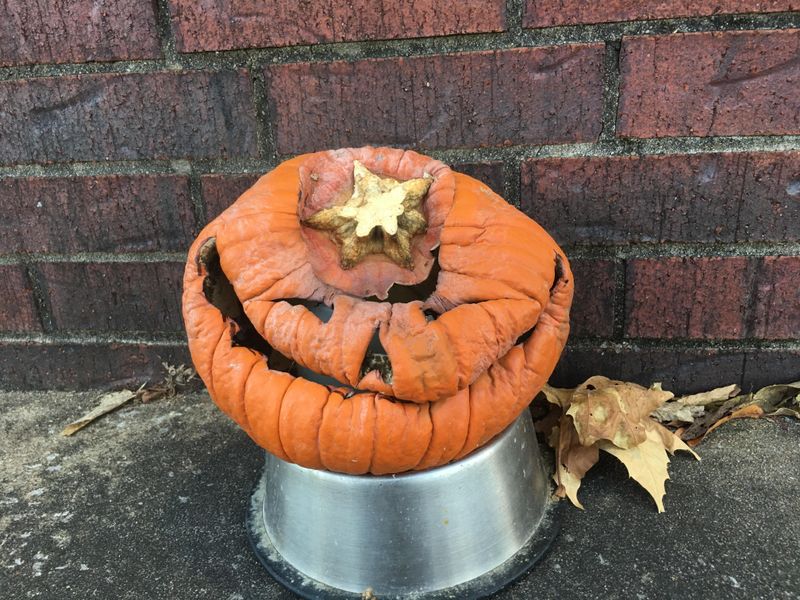
A whole pumpkin has a tough skin that works like a shield. Cutting through that skin opens the door for air, moisture, and tiny microbes.
University extension guides say a carved pumpkin often lasts only a few days to about a week. A whole one can sit out for a month or more in cool fall weather.
Warm afternoons make the problem move faster. Indiana can swing from sunny October days to chilly nights, and those changes stress the cut edges.
A hard freeze can cause trouble too. Frozen flesh turns mushy once it thaws, which is why bringing a carved pumpkin inside on frosty nights can help.
Your Indiana Garden Changes Every Week. Your Plan Should Too.
Gardening in Indiana changes quickly throughout the season. Every Friday you’ll receive a simple weekly plan showing exactly what to plant, prune, fertilize, harvest, and protect so you never miss the right timing.
You may see soft spots, wrinkles, or fuzzy mold appear first near the eyes and mouth. That is your sign that the pumpkin is starting to break down.
Many people carve close to Halloween for that reason. Waiting until the last two days keeps the face crisp and the porch looking sharp.
Some folks rinse the cut pumpkin with a weak bleach and water spray. Extension sources suggest this can slow mold, though you should keep it away from food and pets.
A bleach-treated pumpkin is best kept as decoration only. Leftovers with this treatment are better off in the trash than out where animals can reach them.
Keeping the pumpkin out of direct sun and off warm concrete also helps. A shady spot may buy you a few extra days of spooky charm.
Candle Wax Or Paint Makes Leftovers A Poor Choice For Wildlife
Before you leave a pumpkin where animals can reach it, take a close look at how you decorated it. Paint, glitter, and glue are not meant to be eaten.
Candle wax is another concern. A pumpkin that held a real flame may also have melted wax and soot on the inside walls.
Wildlife agencies discourage feeding wild animals in general, and a coated pumpkin adds extra risk. A bite of painted or glittered flesh could upset a small stomach.
Battery-powered lights are a safer choice for your jack-o-lantern. They give a warm glow, create no wax, and lower the chance of a porch fire.
LED lights also produce less heat than a flame. A cooler pumpkin softens more slowly, so the carved details last for more nights on the porch.
If your pumpkin stays outside after Halloween, keep it plain. Skip the markers, stickers, and glossy sprays so the flesh stays clean.
Local rules matter here as well. Bloomington prohibits deer feeding within city limits, so a pumpkin left out on purpose for deer there could break the ordinance.
Spices can also be a problem. Cinnamon or salt sprinkled on top might draw animals, but those seasonings are not good for wild animals.
When in doubt, place decorated pumpkins in the trash or a municipal yard waste program that accepts them. Plain scraps are far easier to place back in nature.
Nighttime Visitors Range From Deer To Opossums
After dark, your porch becomes a stage for animals you rarely see in daylight. A trail camera can reveal a whole cast of snacking guests.
White-tailed deer are common across Indiana, and they will eat pumpkins left near yards. They may knock a pumpkin over or nibble it right where it sits.
Deer tend to be most active around dawn and dusk. Fall is also breeding season, so bucks move around more and may wander closer to homes than usual.
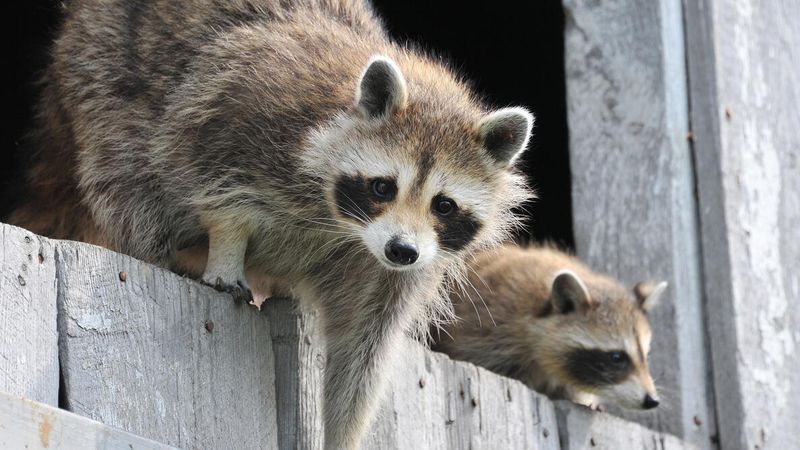
Raccoons use their clever paws to pull the flesh apart. Opossums, which are active at night, may also stop by to pick at the softer bits.
These pouched mammals are the only marsupials found in the United States and Canada. They eat a wide range of foods, from fallen fruit to insects and garden scraps.
Mice and other small rodents sometimes take the seeds. They may tuck them away in cozy corners around your steps or garden beds.
State wildlife agencies remind people that feeding wild animals can pull them closer to homes. That may lead to trouble with pets, traffic, or garbage cans.
If you want fewer midnight guests, bring pumpkins inside overnight or set them in a secure spot. You can then put them out again for the morning.
Watching from a safe distance is part of the fun. Keep outdoor lights on so you can see clearly, and give every animal plenty of room.
Plain Pumpkin Breaks Down Well In A Compost Pile
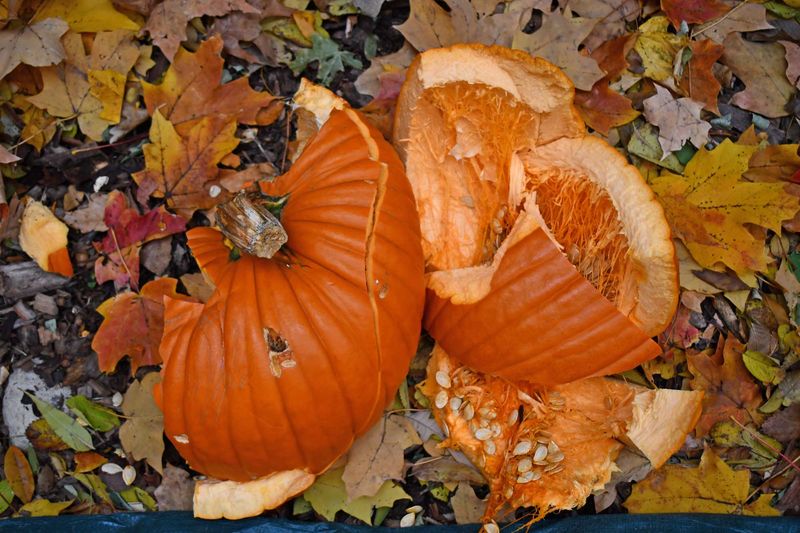
Once the party ends, a plain pumpkin has a useful second life. Compost piles welcome it as a soft, wet, nitrogen-rich ingredient.
Extension services suggest breaking the pumpkin into smaller chunks first. Smaller pieces break down faster because microbes can reach more of the surface area.
Mix the pieces with dry fall leaves, which are plentiful in Indiana this time of year. Leaves balance the wetness and keep the pile from turning smelly.
Many gardeners aim for roughly two to three parts dry leaves for every part of wet scraps like pumpkin. Turning the pile every couple of weeks adds air and helps it heat up.
Remove any candles, wax, paint, glitter, or decorations before you start. Clean scraps make better compost and keep unwanted materials out of your garden soil.
Bury the pieces in the center of the pile if you can. That helps keep curious animals from pulling them out and spreading a mess.
A covered bin works even better if raccoons live nearby. A tight lid can reduce visits while the pumpkin softens and blends in.
Indiana winters slow a compost pile, so the pumpkin may need until spring to become usable compost. That rich material can then go into garden beds when planting season starts.
If you have no compost bin, check whether your town offers a pumpkin drop-off. Many local programs collect pumpkins in autumn and turn them into compost.
Seeds Left Behind May Sprout Next Spring
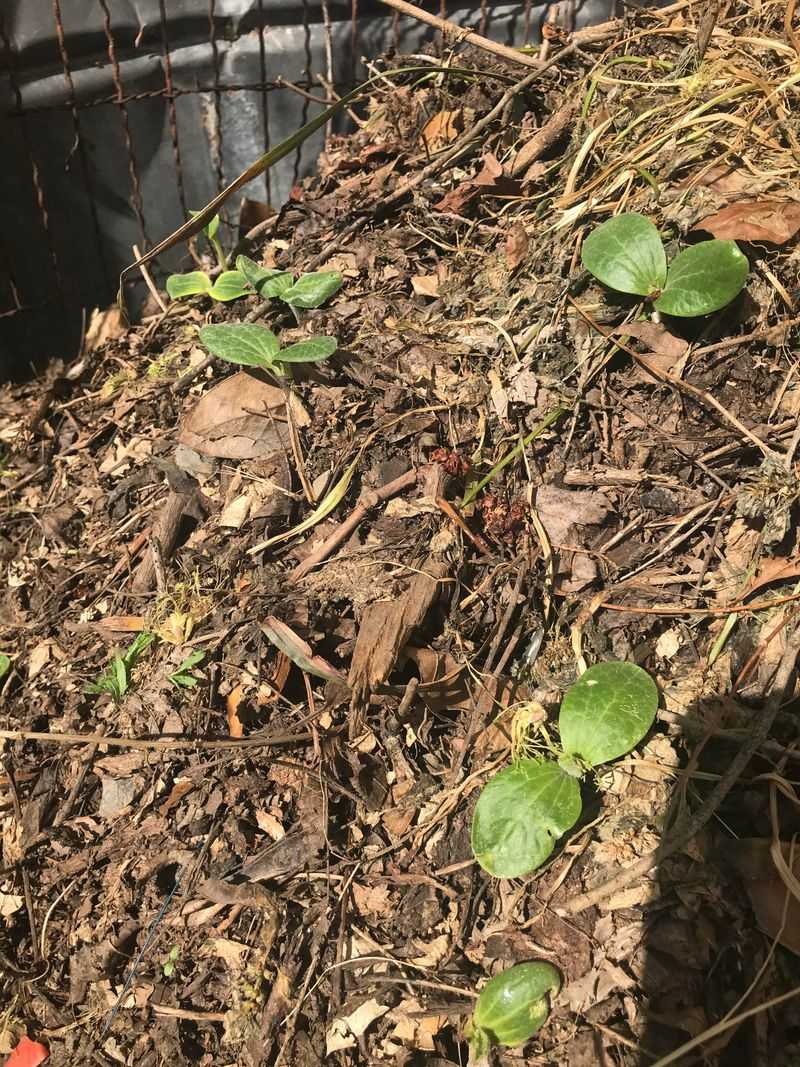
A pumpkin that rots in your yard often leaves a surprise behind. Hidden inside an uncarved one are hundreds of seeds that can wait out the cold.
Some seeds may sprout when soil warms next year. The new plants can pop up in lawns, flower beds, or even cracks near the porch.
Not every seed will grow into a healthy vine. Many get eaten by squirrels and mice, and others rot before the weather turns friendly.
In Indiana, the lucky ones tend to show up in late spring or early summer. Each one starts with two smooth, oval leaves before its rough, lobed true leaves appear.
Plants from a store-bought or hybrid pumpkin may not match the parent. The fruit could look smaller or different in color and shape.
Pumpkins also cross easily with squash and gourds from the same species. A volunteer vine might produce fruit that looks like a blend of both.
If you do not want volunteers, scoop out the seeds before you leave the pumpkin outside. You can roast them for a snack or toss them in the trash.
If you love surprises, let a vine grow in a spot where it has room. Pumpkins spread widely and need plenty of sun and space.
Either way, you can learn from watching what pops up later. A pumpkin on the porch can tell a story that lasts well past Halloween night.