Spiky Egg Sacs On Alabama Fences And Mailboxes Belong To A Spider Many Homeowners Don’t Recognize
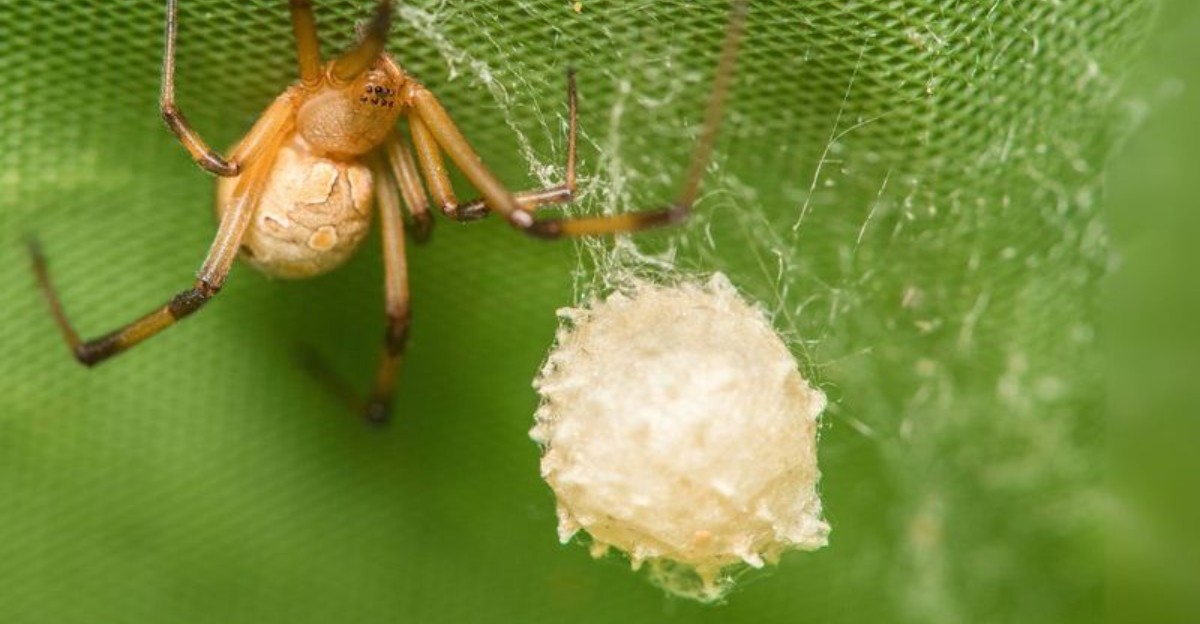
You may have just touched a spider’s nursery without ever knowing it. Run your thumb along the mailbox lid and feel spiked, cream-colored armor.
Your neighbor will call it a seed pod. Meanwhile your kid will vote for aliens. Both guesses miss by a mile. Alabama sits well inside the territory her kind has settled, and few notice.
She picks shaded spots you touch daily, like gate latches, railings, and porch posts. Walking past, you spare her handiwork a glance.
Her silk sac shelters a clutch of eggs from weather and curious fingers. Spikes may deter parasitic wasps, and you just handled her protection.
Inside, tiny spiderlings keep developing quietly while you stay oblivious. Citizen scientists now log her sightings across the Southeast, and yours could matter too. Behind those spikes waits a famous cousin, and Alabama’s mailboxes shelter her.
The Brown Widow Behind Those Spiky Little Balls
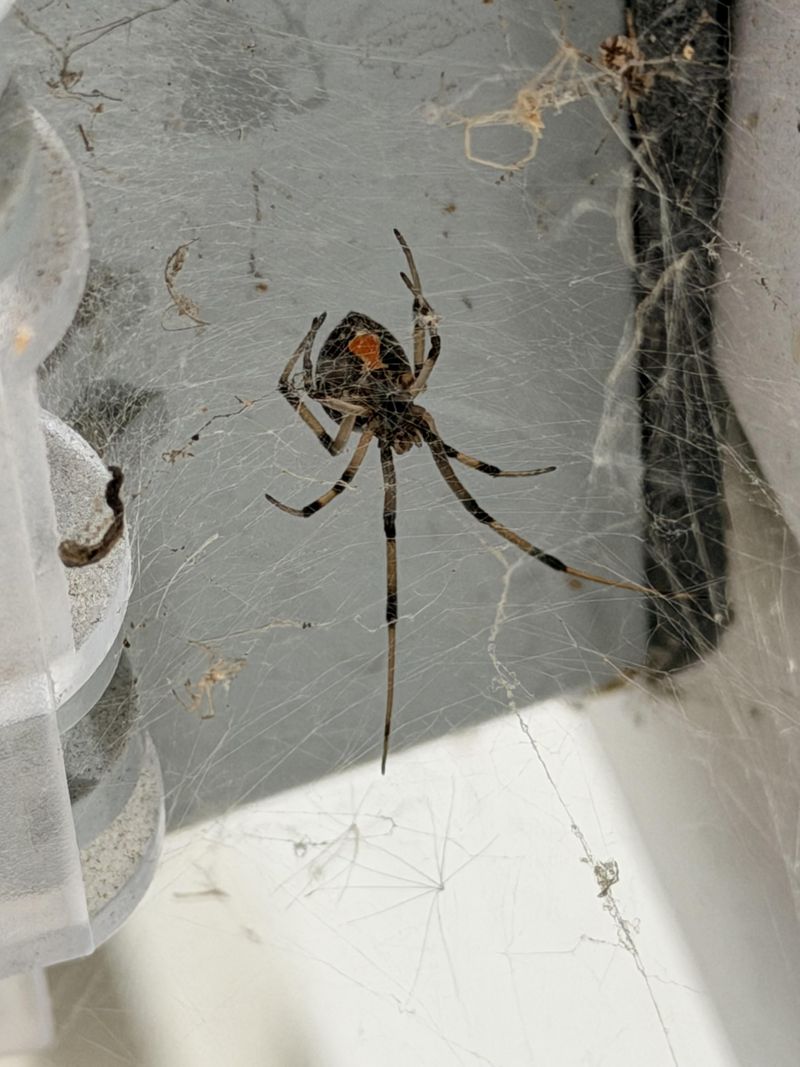
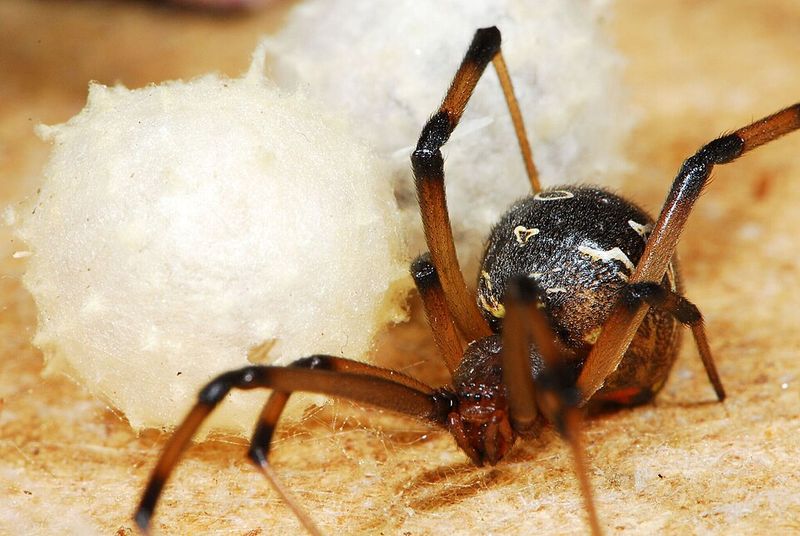
Those bumpy cream balls belong to the brown widow, a cousin of the famous black widow. Scientists call her Latrodectus geometricus, and she probably arrived from Africa long ago.
Many homeowners have no idea she lives nearby, because she prefers to avoid people. She is quiet, small, and easy to overlook on a busy day.
She showed up in Florida first, then spread across the Gulf Coast. Today she has been reported in Alabama towns, including Mobile and Huntsville.
Her egg sacs are the easiest clue to spot. Each one is about half an inch wide and covered in tiny pointed bumps.
Many people compare them to sweetgum balls or little cotton burrs. Black widow sacs, by contrast, look smooth and papery.
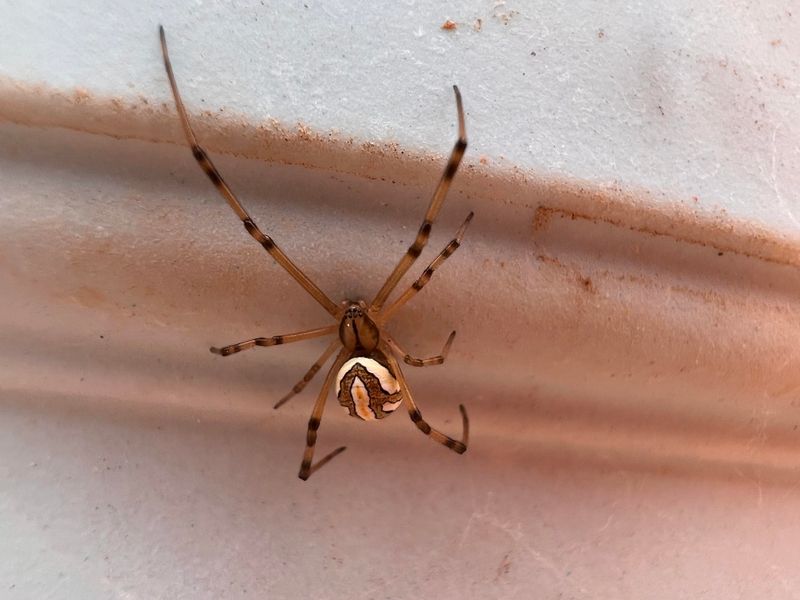
The spider herself is tan, gray, or light brown with striped legs. Flip her over and you will see an orange hourglass on her belly.
Adult females grow to about the size of a nickel, legs included. Males are much smaller and spend most of their time searching for a mate.
She likes snug, sheltered corners close to the ground. Mailbox lids, fence rails, porch railings, and outdoor chairs all make cozy homes.
A single female can make several sacs in one season. Each sac may hold over one hundred baby spiders waiting to hatch.
So the next time you spot a spiky ball, you will know exactly who left it. Your mailbox simply has a very shy roommate.
Fall Is A Busy Season For Egg Sac Building
Picture a cool October morning in Alabama, with dew on the fence and pumpkins on the porch. Right now, brown widows are busy building egg sacs.
Alabama’s long, warm summers give these spiders plenty of time to grow and mate. By late summer and fall, females are full of eggs.
That is why so many homeowners notice the spiky balls this month. Yard cleanup, fall decorating, and Halloween prep put your hands in their hiding spots.
In warm parts of the Deep South, brown widows can breed for much of the year. Mild winters along the Gulf Coast let them keep going with only short breaks.
Your Alabama Garden Changes Every Week. Your Plan Should Too.
Gardening in Alabama changes quickly throughout the season. Every Friday you’ll receive a simple weekly plan showing exactly what to plant, prune, fertilize, harvest, and protect so you never miss the right timing.
Still, early fall is often a busy time for new sacs. The eggs inside usually hatch in about two to four weeks, depending on temperature.
Some sacs made in late fall may hatch later, once warmer days return. A sac you find now could still be full.
Empty sacs look ragged, with small holes where the babies crawled out. Full ones feel firm and look fresh, with a creamy or yellow color.
Checking your yard once a week in October is a smart habit. Treat it as a quick weekly routine.
Grab a flashlight, because the best hiding spots are dim and tucked away. Under rails and inside lids are the first places to look.
Wear gloves too, since they make checking hidden spots far less stressful. Your future self, holding a cup of cider, will thank you.
The Big Mix-Up With The Black Widow
Ever spotted an hourglass and felt your heart jump into your throat? Plenty of Alabama folks mistake brown widows for black widows, and the confusion is understandable.
Both spiders belong to the same family and share that famous belly marking. Their looks and habits, however, are quite different once you know the clues.
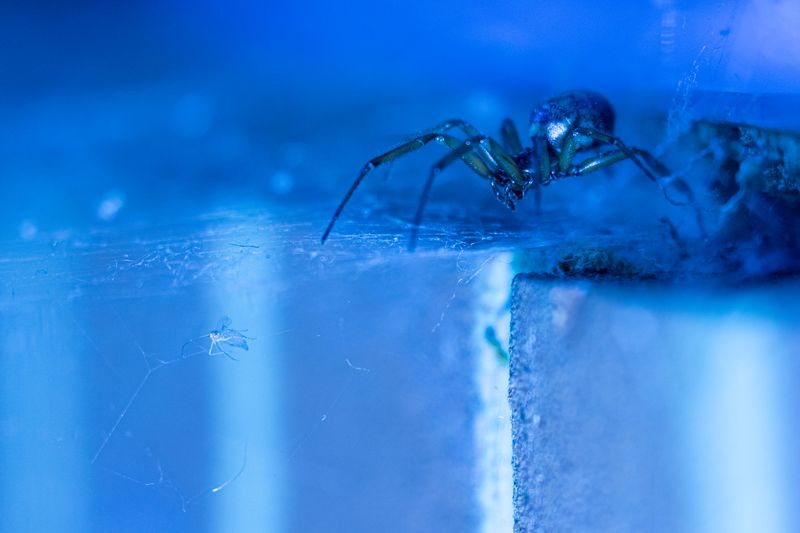
Black widows are glossy black with a red hourglass. Brown widows wear a mottled tan coat and sport an orange or yellow hourglass.
Shape matters as well, since brown widows have slightly thinner, more speckled bodies. Black widows look shiny and plump, almost like a polished bead.
The egg sacs are the easiest giveaway of all. Spiky sacs mean brown widow, while smooth, papery sacs usually point to a black widow.
Location offers another hint worth noticing. Brown widows love busy human spaces, while black widows prefer woodpiles, sheds, and quiet crawl spaces.
Another common mistake is reaching for bug spray right away. Sprays often miss the eggs, because the tough silk shell blocks most chemicals.
Some people also handle sacs with bare hands, which is a bad idea. A spider sheltering nearby could bite if pressed against skin.
The opposite mistake matters too, since ignoring the sacs lets dozens of spiders hatch near your door. A calm, careful approach beats both panic and neglect.
Snap a photo before you act, and compare it to pictures from your county Extension office. Detective work first, cleanup second.
A Safe Plan For Removing Egg Sacs
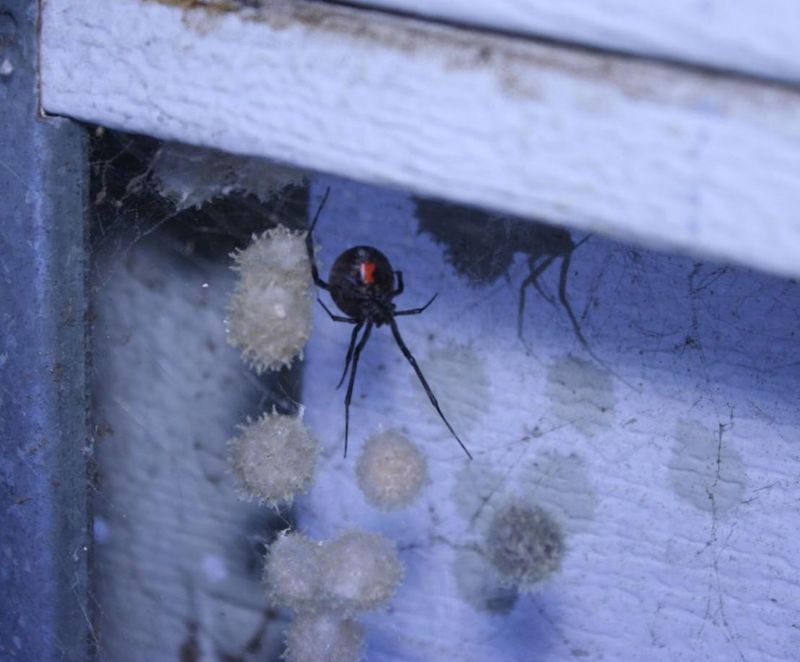
Getting rid of spiky egg sacs takes about two minutes and no heroics. All you need are gloves, a stick or putty knife, and a sealable bag.
Start by putting on thick work gloves and long sleeves. Daylight is the best time, since the spiders tend to hide when the sun is up.
Shine a flashlight into the spot first to check for the mother. If she is there, a brief pass with a vacuum will remove her safely.
Next, gently scrape the sac loose and let it drop into your bag. Seal the bag tight and toss it in an outdoor trash can.
Crushing the sac also works, as long as you use a shoe or tool. Fingers, even gloved ones, should stay out of the squashing business.
A shop vacuum is handy for crowded spots like under patio furniture. Empty the canister into a sealed bag right away so nothing crawls back out.
Afterward, wipe the area with soapy water to clear away leftover webbing. Clearing old webbing keeps the spot tidy and easier to inspect.
Skip strong chemical sprays near mailboxes, gardens, and places where kids play. Physical removal works better and keeps your yard friendlier for helpful bugs.
Large numbers of sacs, or spiders inside your home, call for a licensed pest control pro. Experts can treat hidden spots safely and spot problems you might miss. Repeat the check every week or two during fall. Soon it becomes a quick, easy routine.
The Real Risk To Your Family And Pets
Take a deep breath, because the brown widow is far shyer than her famous name suggests. She would much rather run and hide than bite a curious hand.
Bites do happen, usually when someone presses against her by accident. Reaching into a mailbox or slipping on old garden gloves are common examples.
Her venom is strong drop for drop, but she injects very little. Most bites cause only a red spot, mild pain, and some swelling.
Many experts say a bite feels a lot like a bee sting. Serious reactions are uncommon, and severe cases are much less likely than with black widows.
Still, young kids, older adults, and people with health problems should be extra careful. Watch for muscle cramps, sweating, nausea, or pain that spreads.
If those signs show up, call a doctor or Poison Control at 1-800-222-1222. Cleaning the bite with soap and using a cold pack helps in mild cases.
Shaking out shoes, gloves, and boots stored outside is a simple, smart habit. A quick tap can save you a very surprising morning.
Pets can get bitten too, especially curious dogs that sniff under porches. Keep an eye out for limping, drooling, or unusual restlessness.
Your vet can help if your furry friend seems off after a backyard adventure. Cats, with their love of dark corners, deserve a watchful eye as well.
Respect, not fear, is the right attitude here. Think of her as a grumpy neighbor who just wants to be left alone.
A Tidier Yard With Fewer Hiding Spots
Spiders are a lot like house hunters, and clutter is their dream listing. A tidy yard sends a clear message that the vacancy sign is off.
Start with the places you touch most, like mailboxes, gate latches, and railings. Brush them with a stiff broom once a week to knock down webs and sacs.
Store outdoor toys, flower pots, and buckets upside down or inside a shed. Empty containers make perfect nurseries for a mother spider looking for shelter.
Trim shrubs and vines so they do not touch your fence or house. Spiders use branches like little bridges to reach new hiding spots.
Outdoor lights attract insects, and insects attract hungry spiders. Swapping to yellow bug bulbs can reduce the number of insects near your doors.
Seal cracks around mailbox posts and fence joints with caulk where you can. Fewer gaps mean fewer snug corners for egg sacs.
Patio furniture deserves attention too, especially the underside of chairs and tables. Flip them over during fall cleanup and give them a quick sweep.
Natural helpers can lend a hand as well. Mud dauber wasps hunt spiders, and some birds may eat them too.
Hanging a nesting box may attract insect-eating birds, though results vary. Your yard becomes a little less cozy for spiders and a lot livelier.
Stick with these habits through October and beyond. Your mailbox can go back to holding just mail.