10 Fall Porch Decor Ideas Using Plants That Thrive In North Carolina
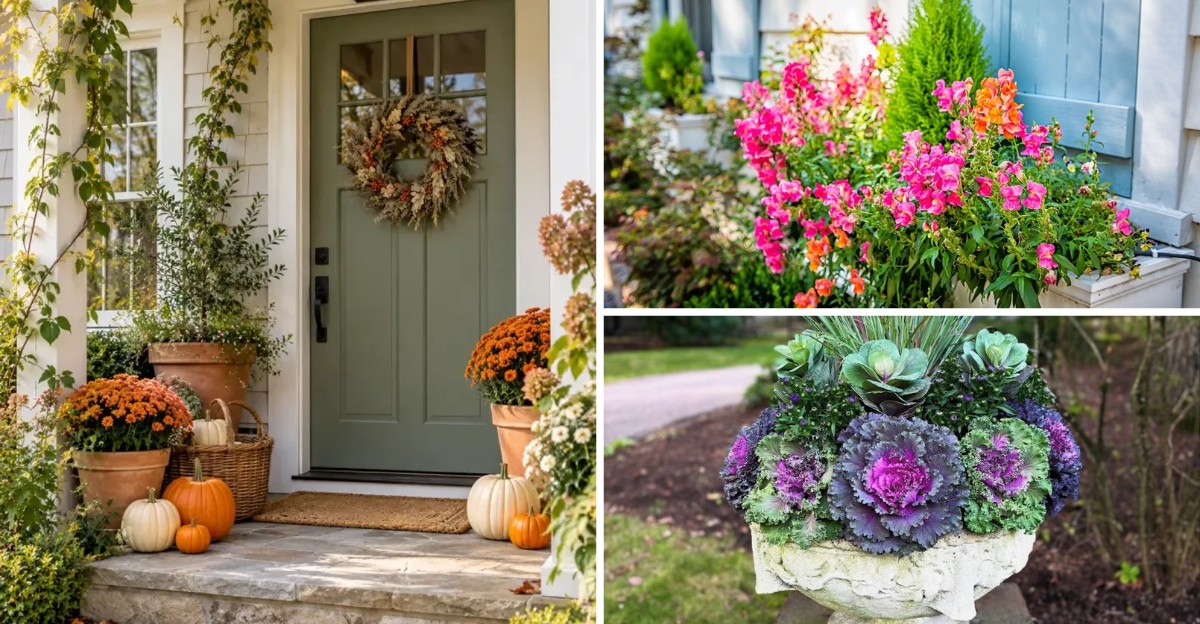
In much of North Carolina, the plants you set on your porch in October can keep growing until spring. Cool soil and mild days give roots time to settle in, so fall planting often beats spring planting here.
Our state covers three growing regions, with chilly mountain valleys, a rolling Piedmont, and a warm, sandy coastal plain. Frost often reaches Boone weeks before it touches Wilmington, so your porch plan should match your own region.
I like that many fall plants handle light frost and still look fresh on a sunny January afternoon. A few leafy favorites even turn brighter after several cold nights, which feels like a quiet bonus for you.
You need only a few pots, a bag of good potting mix, and a free weekend to start. Who knew the coziest room in the house might actually be the one sitting right outside the front door?
1. Pansies Give Your Steps Color Until Spring
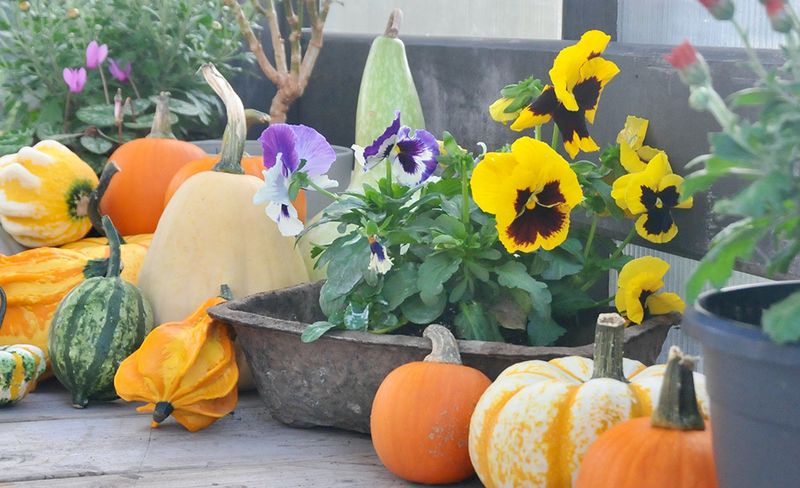
Pansies are the classic fall porch flower across North Carolina, and they rank among the toughest cool-season annuals for porch containers. Planted in early to mid October, they root well before cold weather and often bloom again in late winter.
Fill wide containers on each side of your steps with one bold color, like deep purple or clear yellow. A single color reads clearly from the street, while mixed colors look best on a small table near the door.
Violas are smaller cousins of pansies, and they often handle cold snaps a little better in mountain counties. Their tiny faces cover the edges of a pot nicely and spill over the rim as they grow.
Water pansies when the top inch of soil feels dry, and feed them lightly with a slow-release fertilizer. Pinch off spent blooms every week or so, because this simple habit encourages the plant to keep flowering.
On frosty mornings the leaves may look limp, but they usually perk up once the sun warms the pot. That bounce-back trick makes pansies one of the easiest ways to keep your porch cheerful through gray months.
2. Your Front Door Deserves A Pair Of Mums
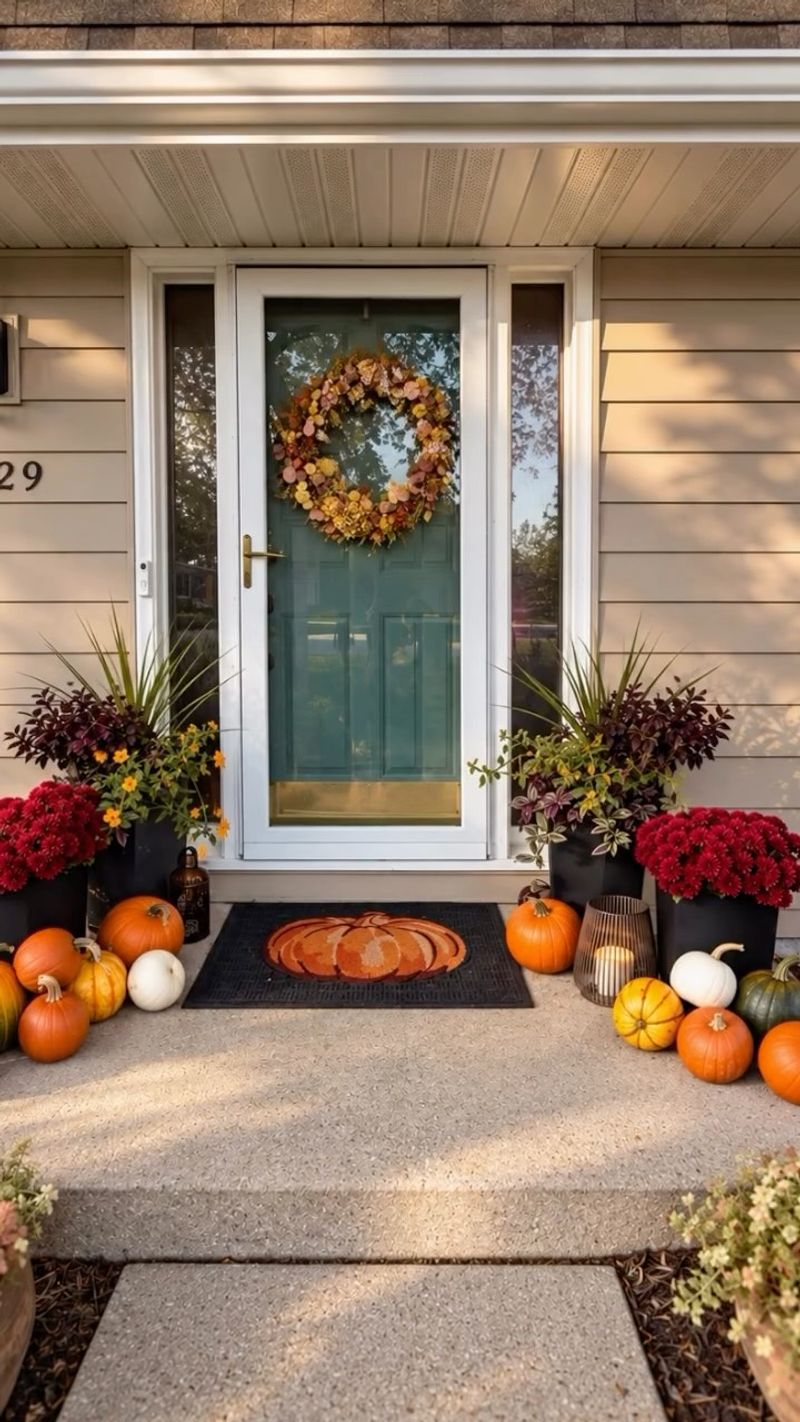
A big round mum, packed with hundreds of tiny buds, is one of the most familiar sights on a Southern fall porch. Garden chrysanthemums bloom as days shorten, which is why garden centers across North Carolina fill up with them each September.
Choose plants with mostly closed buds instead of full flowers, so the color lasts several weeks on your porch. Set one matching pot on each side of the door, and the entry instantly looks balanced and finished.
Mums drink a lot of water, and a potted plant in full sun may need watering every single day. Check the soil each morning, because wilted mums often struggle to fully recover their shape after drying out.
Many store-bought mums are grown mainly for one season, so extension experts say they often struggle to return. Planting them in the ground by early October gives roots more time, which improves their odds of coming back.
Your North Carolina Garden Changes Every Week. Your Plan Should Too.
Gardening in North Carolina changes quickly throughout the season. Every Friday you’ll receive a simple weekly plan showing exactly what to plant, prune, fertilize, harvest, and protect so you never miss the right timing.
Try bronze, rust, or soft yellow mums with orange pumpkins for a warm look that feels friendly to visitors. Plain clay pots or wooden crates keep the focus on the flowers rather than on fancy containers.
3. Ornamental Cabbage Brings Bold Texture To Your Pots
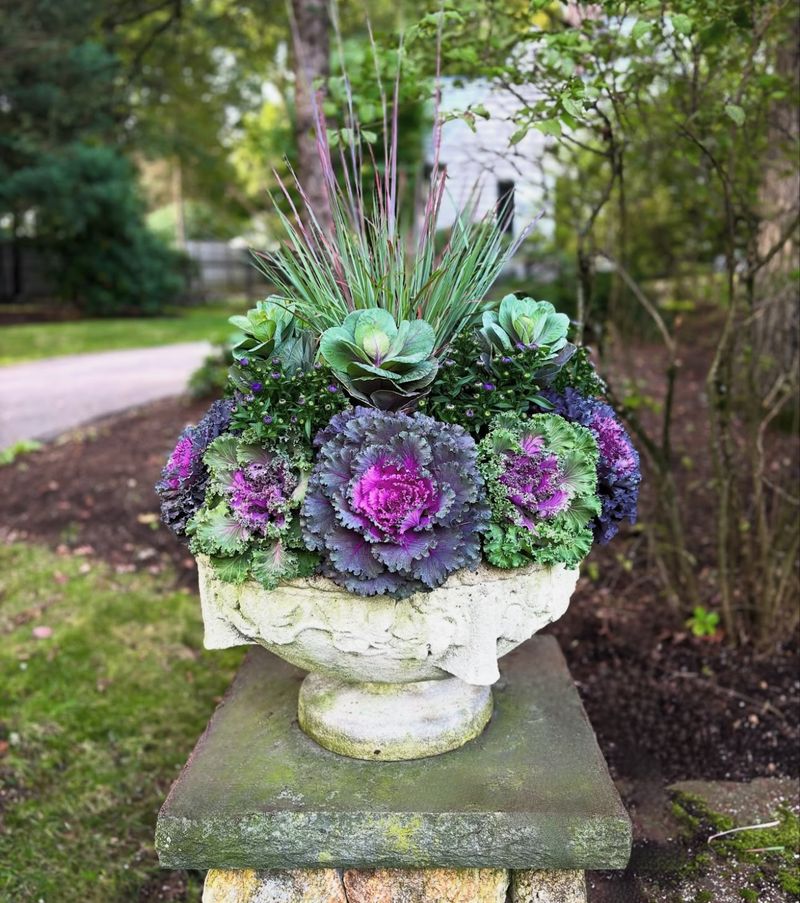
Ornamental cabbage looks like a giant rose made of leaves, and its ruffled center catches the eye from the street. Flowering kale and cabbage are bred for looks, and their centers turn pink, purple, or cream as nights cool.
Extension sources note that the brightest color shows up after temperatures stay below about fifty degrees for a while. That timing works well in North Carolina, where October and November nights usually cool down steadily across the state.
Use one large cabbage as the centerpiece of a container, then tuck pansies or creeping plants around its base. The round shape gives your eye a resting spot, while smaller plants add movement around the edges of the pot.
Frilly kale varieties like Redbor grow tall and ruffled, which adds height to a group of shorter porch pots. Both plants handle light frost well, but very hard freezes in the mountains can damage their outer leaves.
Watch for cabbage worms on warm fall days, and pick them off by hand if you spot chewed holes. With a little care, these leafy beauties can hold their shape on Piedmont and coastal porches into early spring.
4. Let Heuchera Add Rich Leaf Color In The Shade
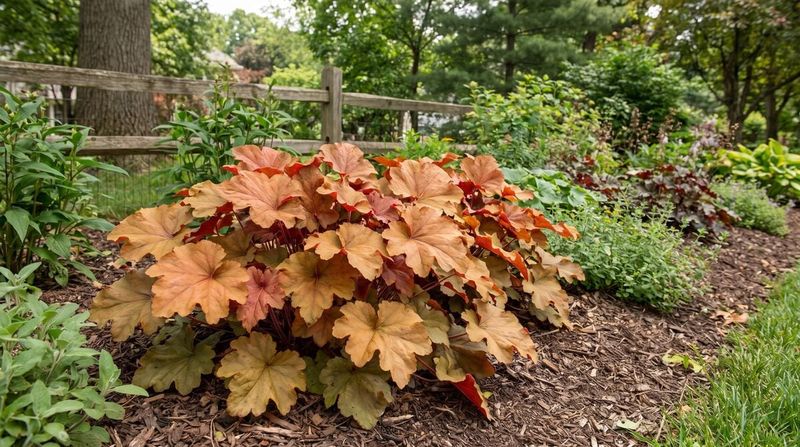
Shady porches can feel tricky in fall, but coral bells make those dim corners look rich and full of color. Heuchera americana grows wild in North Carolina woods, and its garden cousins come in caramel, plum, and lime green leaves.
The leaves are the main show, so you get strong color even when few flowers are blooming nearby. Coral bells prefer morning sun with afternoon shade, which suits many covered porches and north-facing front entries across the Piedmont.
Pair a dark purple heuchera with a lime green one in the same pot for a striking contrast. Add a trailing plant like creeping jenny along the rim, and the arrangement feels layered and nicely finished.
Good drainage matters a lot, because heuchera roots often rot when they sit in soggy soil for long. Mix a little pine bark into your potting soil, and make sure each container has open drainage holes.
After the season, plant your coral bells in a shady garden bed, where they often return year after year. That second life makes them a smart buy, since one porch pot can turn into a lasting garden plant.
5. Tuck Ornamental Grasses Into Your Tallest Containers
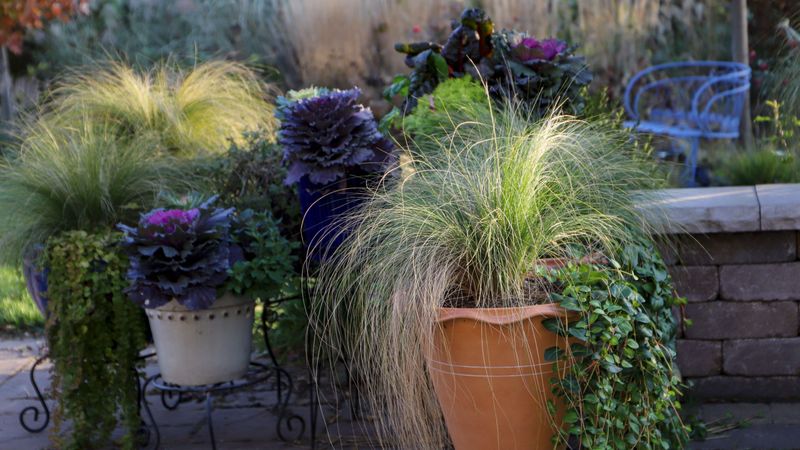
Pink muhly grass is a tough native that handles heat, drought, and sandy soil with very little fuss. NC State Extension lists it as a tough native that handles heat, drought, and sandy soil with very little fuss.
A tall pot of grass behind smaller plants gives your porch height, much like a backdrop in a school play. The airy seed heads catch afternoon light and sway in light breezes, which adds gentle motion near your door.
Little bluestem is another native grass, and its stems turn copper and reddish orange as fall weather settles in. Both grasses prefer full sun, so place them on the brightest part of the porch or near the steps.
Use a container at least sixteen inches wide, because grass roots spread quickly and dry out fast in small pots. Water deeply once or twice a week, then let the top layer of soil dry before watering again.
When the season ends, move your grasses into a sunny bed, where they often grow larger every single year. Pollinators and small birds also use native grasses for shelter, so your decor quietly helps local wildlife too.
6. Swap In Asters For A Burst Of Purple
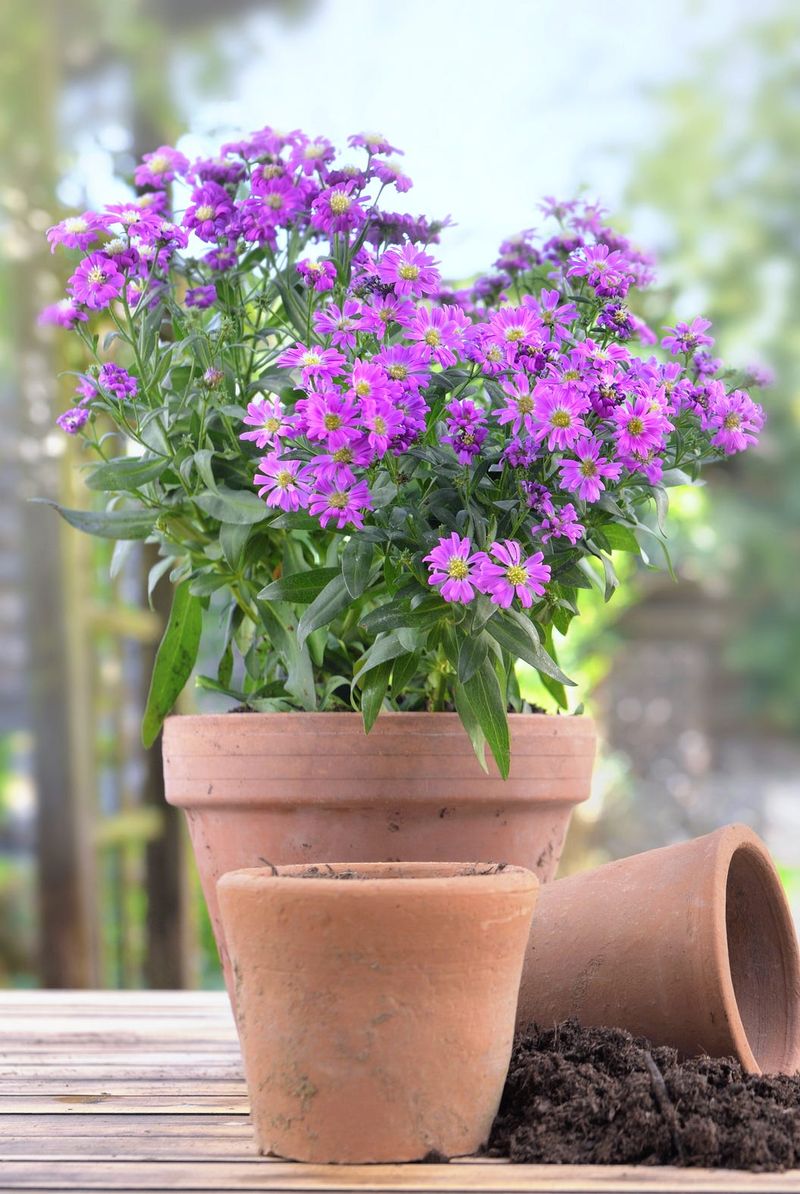
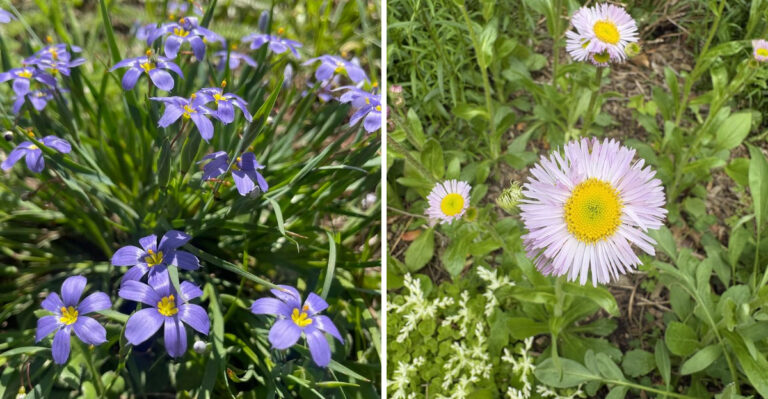
Late-season bees and butterflies love asters, and a single pot can attract several visitors on a sunny October afternoon. Several asters are native to North Carolina, including aromatic aster, which blooms purple well into fall in sunny spots.
These flowers add a cool purple tone that balances the orange and gold colors most fall porches already have. Set a pot of asters beside a mum or a pumpkin, and the colors seem to brighten each other.
Aromatic aster gets its name from its leaves, which release a light fragrance when brushed or crushed. It stays fairly compact, often reaching about two feet tall, so it fits nicely in medium sized containers.
Asters need full sun for the best blooms, and they tolerate dry spells better than many porch plants. After flowering ends, cut back stems lightly or leave seed heads in place for small birds like goldfinches to enjoy.
Plant them in the garden before the ground gets too cold, and they often return with more flowers next fall. Choosing natives like asters is an easy way to make your porch pretty while helping pollinators prepare for winter.
7. Your Window Boxes Will Love Snapdragons
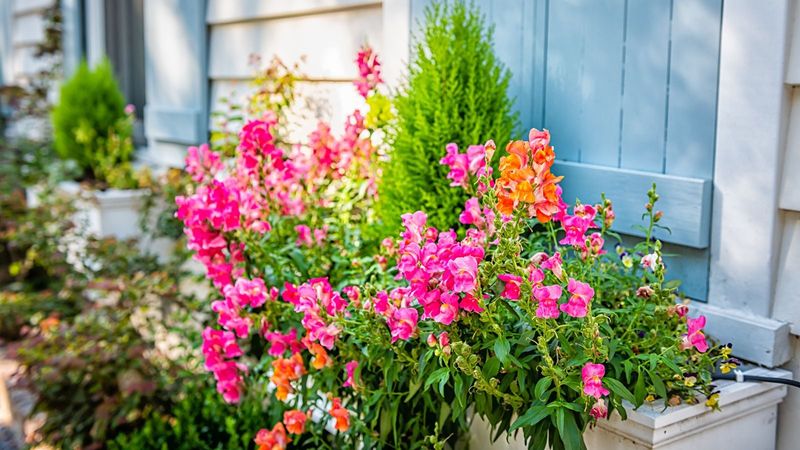
Squeeze the sides of a snapdragon bloom, and it opens like a tiny mouth, which still delights grown-ups and kids. In central and eastern North Carolina, gardeners often plant snapdragons in fall for blooms now and again in spring.
Their upright spikes add height to window boxes and railing planters, where low plants might otherwise look a bit flat. Pick shades of bronze, burgundy, or creamy white to match the warm colors of your other fall porch pieces.
Mix snapdragons with pansies in the same window box, since both enjoy cool weather and similar watering needs. The taller spikes go in back, while the pansies fill the front edge and soften the box’s straight lines.
Snapdragons usually handle light frosts, but a long hard freeze may damage the flower spikes on colder nights. Cover window boxes with an old sheet on very cold evenings, then remove it once the morning warms up.
Pinch off spent flower spikes to encourage new side shoots, which often bring a second wave of fresh blooms. Mountain gardeners may treat them as a short fall show, since colder winters there are harder on these plants.
8. Hang A Basket That Spills Over With Blooms
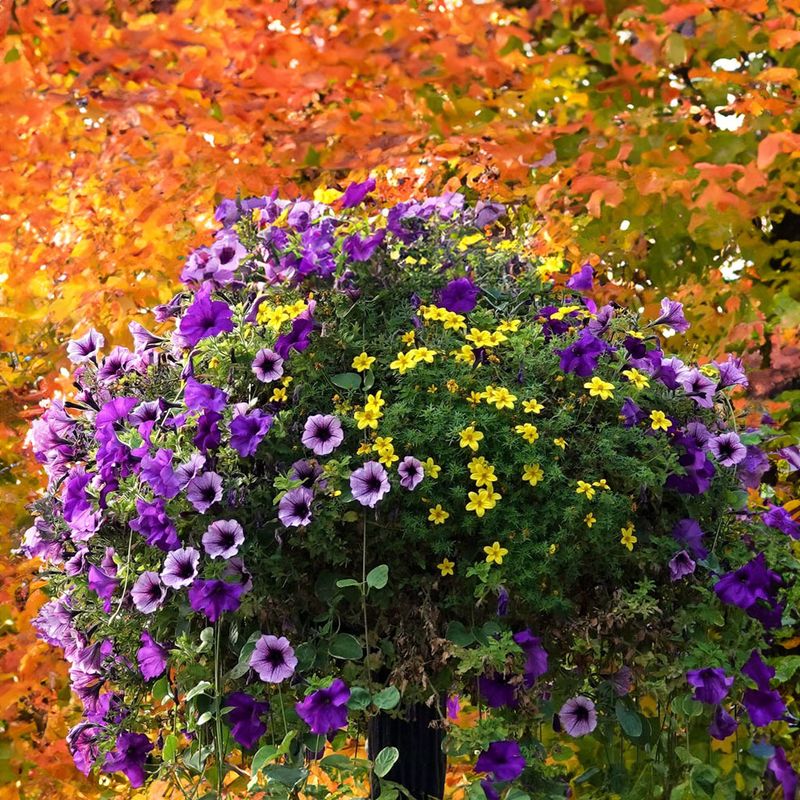
Hanging baskets often get forgotten after summer, yet a quick refresh can make an empty hook look lovely again. Trailing pansies, sold under names like Cool Wave, spread about two feet and spill over basket edges in fall.
Sweet alyssum is another good pick, with tiny white flowers that smell like honey on mild North Carolina afternoons. Both plants enjoy cool weather, so they often bloom longer in fall than they would in hot summer months.
Hang baskets where they get at least six hours of sun, but keep them out of strong, drying winds. Hanging pots dry faster than ground containers, so check the soil with your finger every two or three days.
Skip English ivy in your baskets, because North Carolina agencies list it as an invasive plant that spreads into forests. Native or well-behaved trailers give the same draping look without the risk of escaping into nearby woods and streams.
Lower the basket on very cold nights, or tuck it into a garage until the frost passes by morning. A soft curtain of flowers at eye level makes guests notice your porch before they even reach the doorbell.
9. Build A Harvest Display Around Hardy Evergreens
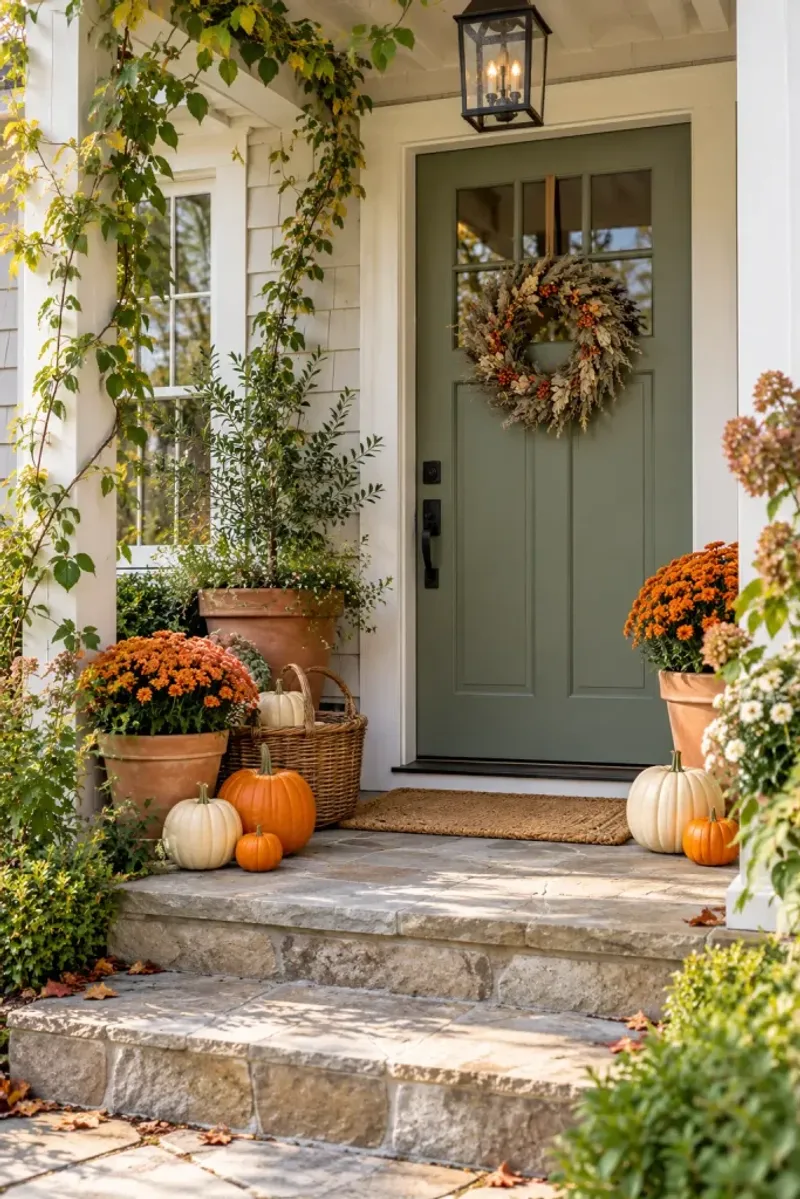
Evergreen shrubs hold your porch together after annual flowers fade, much like a picture frame holds a favorite photo. Dwarf yaupon holly is a smart choice, since yaupon grows naturally along the North Carolina coast and handles salty air.
Its small, glossy leaves stay green all winter, and potted plants can live outdoors for years with simple care. Place a pair of evergreen pots near the door, then surround them with pumpkins, gourds, and straw bales in October.
When Thanksgiving passes, you can swap the pumpkins for pinecones and winter greens without moving the shrubs at all. Boxwood also works well in porch pots, and its neat rounded shape fits both cottage homes and brick colonials.
Evergreen roots can freeze in pots during cold mountain winters, so choose wide containers with thick walls if possible. Grouping pots close together against the house also helps protect roots from the coldest winds on winter nights.
Water evergreens during dry winter spells, since leaves keep losing moisture even when the shrubs are not actively growing. One small investment in shrubs this fall can carry your porch decor through every holiday until spring arrives.
10. Keep Your Porch Plants Happy Through Winter
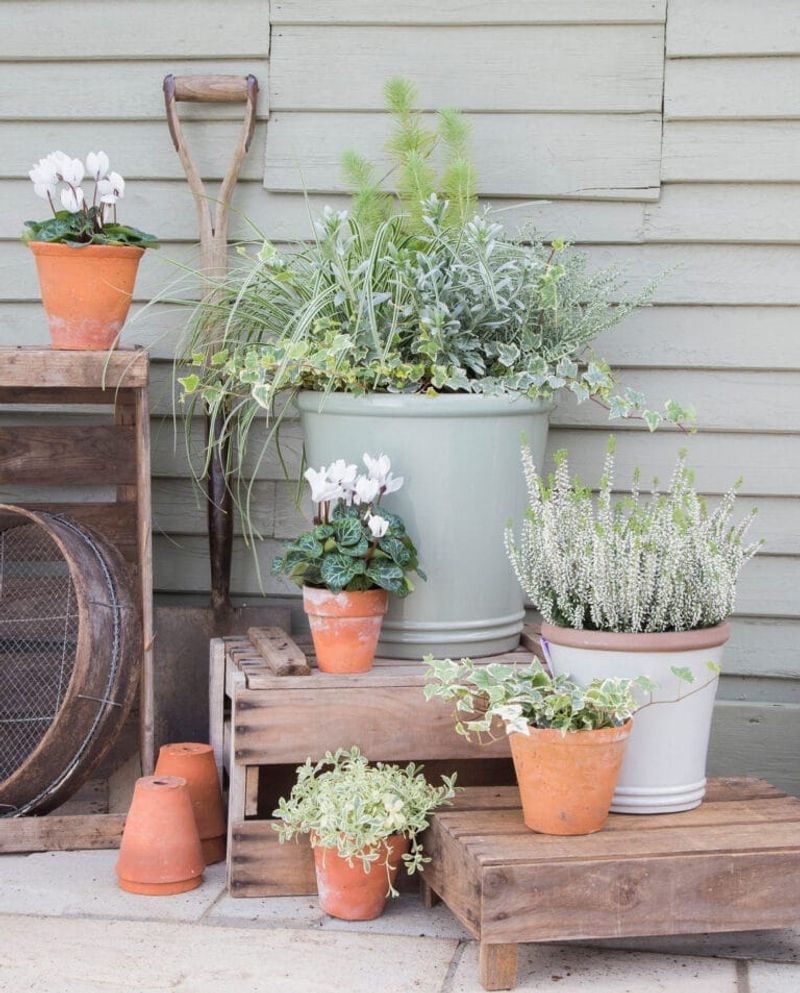
A little planning now keeps your fall porch looking fresh long after the leaves have dropped from nearby trees. First frost often arrives in October in the mountains, while coastal towns may wait until late November or later.
Check your county’s average frost date through NC State Extension, so you know when to watch the forecast closely. Use pot feet or small bricks under containers, because raised pots drain better and keep porch floors from staining.
Fresh potting mix matters too, since old summer soil is often packed down and short on helpful nutrients. Feed cool-season annuals lightly every few weeks, but skip heavy feeding when the weather turns very cold for days.
Water in the morning on mild days, which gives roots moisture before chilly nights settle over your porch. Evenly moist soil buffers roots from temperature swings better than dry soil, which can help pots handle a light frost.
Walk past your pots every few days, and remove yellow leaves or spent blooms before they invite plant diseases. Small habits like these help your porch plants stay bright, healthy, and welcoming from fall into early spring.