Native Texas Groundcovers That Stay Green All Winter
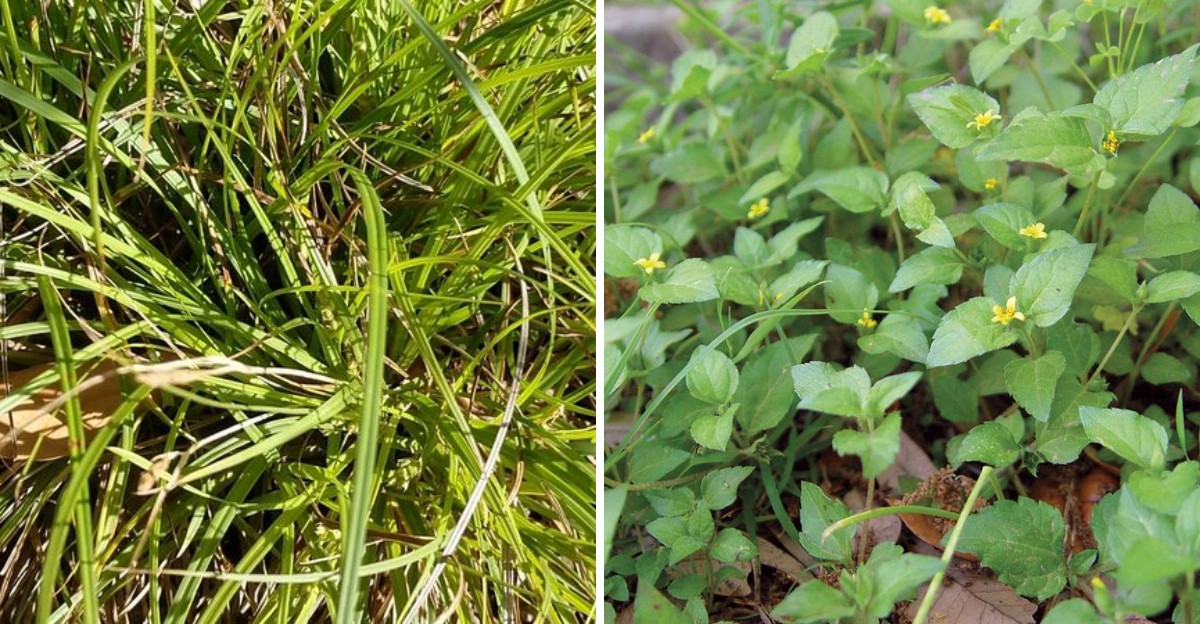
By January, most Texas lawns have faded to a dull tan. St. Augustine, Bermuda, and other warm-season grasses slip into dormancy, leaving yards looking tired and washed out until spring. Not every patch of ground has to go brown, though.
Several native groundcovers stay green straight through the cooler months. They spread low across bare soil, fill gaps under trees, soften the edges of walkways, and give flower beds a fresh, finished look.
Many thrive in shady spots where lawn grass struggles. Some even sneak in a few cheerful blooms on mild winter days.
Because they’re native, these plants are built for Texas conditions. They handle heat, dry spells, and cold snaps with very little fuss, and they support bees, butterflies, and other wildlife along the way.
If you’re tired of staring at a brown yard all winter, these hardworking natives can keep things lush and green.
1. Texas Sedge
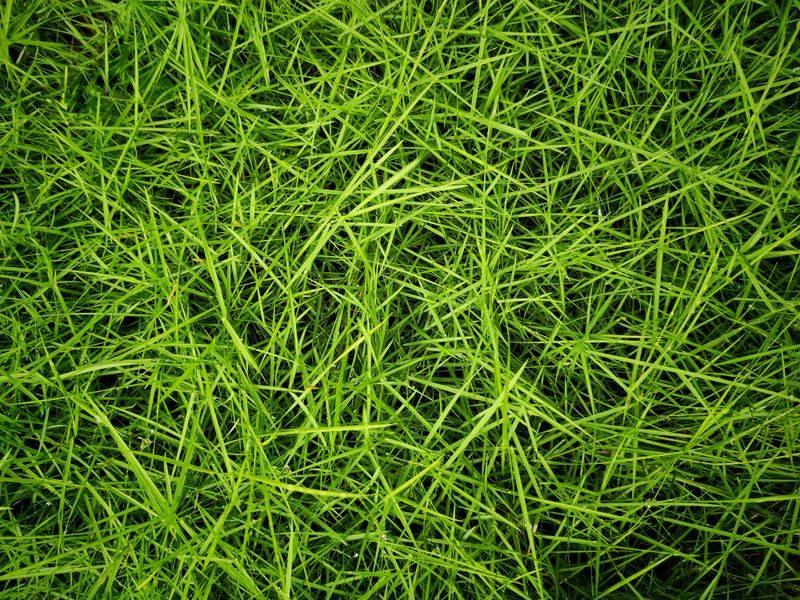
Tired of mowing every weekend? Texas sedge might become your new best friend. It looks a lot like a fine, soft grass, but it is actually a sedge.
One easy way to tell sedges from grasses is to feel the stem. Sedge stems often have edges, while grass stems are round. Kids love learning the old saying, sedges have edges.
Texas sedge grows in thin, bright green clumps that reach only about four to six inches tall. It keeps that fresh color all year, even in January. While Bermuda grass and St. Augustine turn tan, this little plant stays lively.
Many Texas homeowners use it as a lawn alternative. It handles light foot traffic, so a walk to the mailbox or a game of tag is fine. It is not built for daily soccer practice, though.
Texas sedge grows well in full sun to part shade. It does best with a little afternoon shade in hot parts of the state. It likes many soil types, including clay and rocky ground.
Planting is simple. Set small plugs about six to twelve inches apart in fall or early spring. Water them often for the first few weeks, then slowly cut back.
Once settled, it needs only an occasional deep soak during long dry spells. You can leave it shaggy for a natural meadow look. You can also mow it high a few times a year for a neater lawn.
Fertilizer is rarely needed. In fact, too much can make it floppy. That means less money spent and less runoff into creeks. For a calm, low-care yard that stays green, Texas sedge is hard to beat.
2. Cedar Sedge
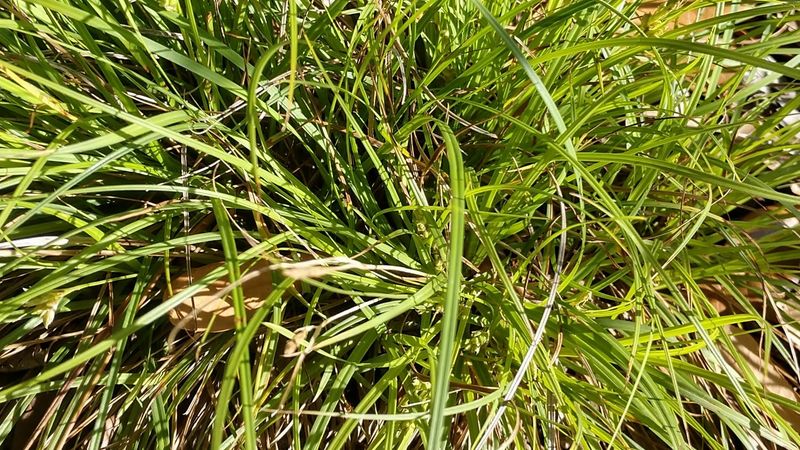
Walk through a shady cedar break near Austin or San Antonio, and you may spot soft green tufts hugging the rocky ground. Those tufts are cedar sedge. It has been quietly thriving under Hill Country trees for thousands of years.
Shade under oaks and junipers is one of the hardest places to grow anything. The trees soak up water, and the soil is often thin and stony. Lawn grass usually gives up and leaves bare dirt behind.
Cedar sedge loves exactly those spots. It forms low, evergreen clumps only a few inches tall. The leaves are slightly wider than Texas sedge and have a gentle, arching shape.
Here is a fun fact. In the wild, cedar sedge is a common snack for white-tailed deer. Yet it often holds up well in yards, since deer usually prefer other plants nearby.
Once rooted, it handles drought like a champ. Rocky, alkaline soil does not bother it one bit. It also stays green through cold snaps, so your shady corners look alive all winter.
Plant cedar sedge in fall, when cooler weather helps roots grow strong. Space plugs about eight to twelve inches apart. Give them regular water the first season.
After that, rainfall usually does the job. A light trim in late winter can tidy old leaves, but it is optional. Avoid heavy foot traffic, since it prefers to be admired more than walked on.
Pair it with other shade natives like inland sea oats or Turk’s cap. Together they create a woodland garden that feels like a slice of the Hill Country right at home.
3. Golden Groundsel
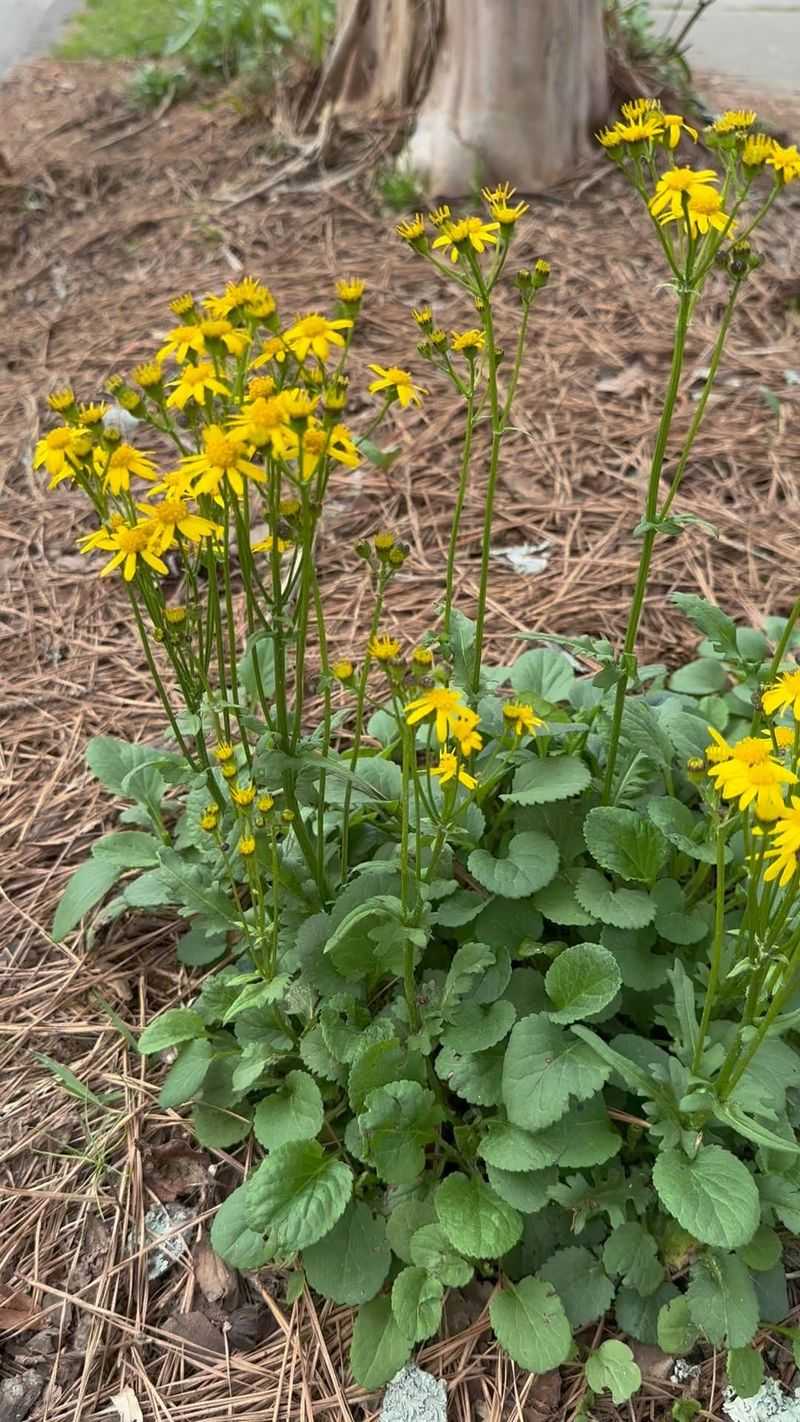
Late February can feel gloomy. Then one morning, a shady patch of your yard bursts into bright yellow, like someone spilled a box of sunshine. That cheerful surprise comes from golden groundsel.
This native plant forms a low mat of rounded, deep green leaves. The leaves stay evergreen through winter and often show a hint of purple underneath. It spreads slowly but steadily by runners that creep along the soil.
Bloom time is the real show. From late winter into early spring, tall stems rise above the leaves. Each one holds clusters of small, daisy-like golden flowers.
Those early blooms matter a lot. Bees and other pollinators wake up hungry, and few plants are flowering yet. Golden groundsel serves them an early breakfast.
The plant prefers shade to part shade. It does best in soil that stays a bit moist, like along a creek or under trees. It can handle some dry spells once settled, but steady moisture keeps it lush.
Here is a helpful tip. Plant it where you can see it from a window. Since it blooms when you are mostly indoors, you will enjoy the color even on chilly days.
Set plants about a foot apart in fall. They will knit together into a solid carpet within a season or two. Mulch with shredded leaves to hold in moisture.
After flowering, you can snip off old stems to keep it neat. Or leave them for seeds to spread. Either way, golden groundsel brings sweet color to spots that usually stay dull.
4. Lyreleaf Sage
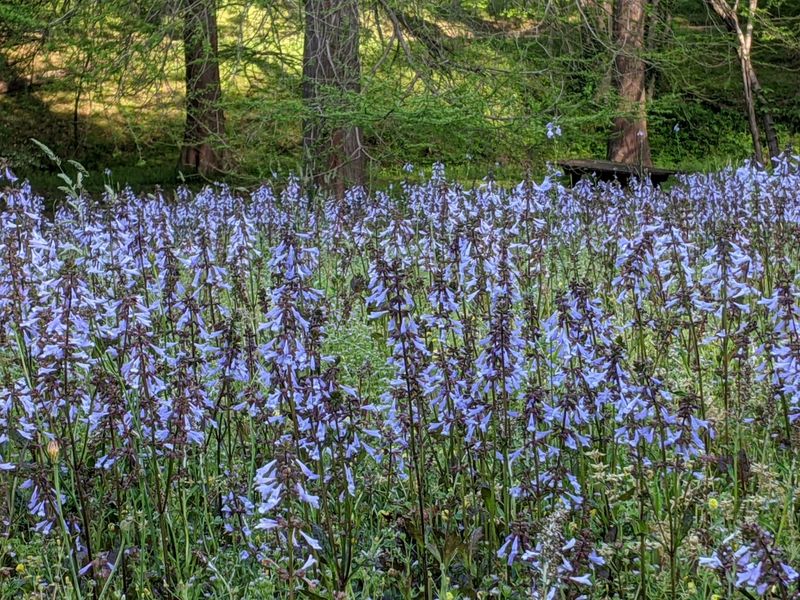
Some plants look their best in spring. Lyreleaf sage has a trick, though, because it puts on a quiet show in winter too.
Its leaves grow in flat rosettes close to the ground. Each leaf has deep lobes that remind people of a lyre, an old stringed instrument. That shape gave the plant its musical name.
When cold weather arrives, the green leaves often blush with purple and burgundy. A patch of them can look like a rich, patterned rug. It is one of the prettiest winter surprises in a native garden.
Spring brings the next act. Slim stems shoot up a foot or so tall. They are dotted with pale blue to lavender tube-shaped flowers that hummingbirds and bees adore.
Lyreleaf sage reseeds easily. After blooming, it drops seeds that sprout in open spaces nearby. Over time, it fills bare spots on its own, which saves you money on new plants.
Some gardeners worry about it spreading too much. If you want it tidy, cut off the flower stems before seeds ripen. If you love a natural look, just let it roam.
This sage handles sun to part shade. It grows in many soils, from sandy East Texas ground to heavier clay. Average moisture keeps it happiest.
It even tolerates occasional mowing once flowering ends. That makes it a nice mix-in for a natural lawn.
Some folks blend it with Texas sedge for a green carpet with bonus spring color. For a budget-friendly plant that works year-round, lyreleaf sage really sings.
5. Silver Ponyfoot
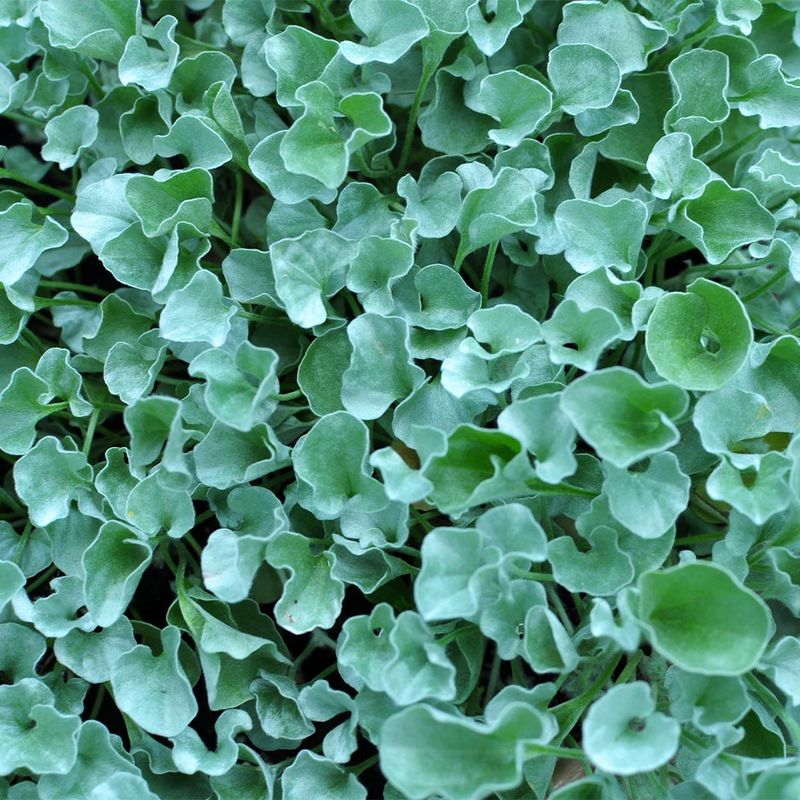
Coins scattered across the ground. That is what many people think of when they first see silver ponyfoot. Its tiny, round leaves shine with a soft silver color that catches the light.
The name comes from the leaf shape. Each little leaf looks a bit like the print of a pony’s hoof. It is a fun detail to share with kids in the garden.
Silver ponyfoot is native to parts of West and South Texas. It forms a low, trailing mat only an inch or two tall. The stems creep outward and root where they touch the soil.
In mild winters, it stays evergreen and looks great all year. Hard freezes can damage the leaves, though. If that happens, wait until spring before trimming, since new growth often returns from the roots and stems.
Drainage is the secret to success. Silver ponyfoot hates soggy feet. Plant it in sandy, rocky, or gravelly soil, or on a slope where water runs off quickly.
It shines in sunny spots and can take some light shade. Try it spilling over a stone wall, filling gaps between stepping stones, or trailing from a container. The silver color pops beside dark green plants and terra cotta pots.
Water regularly while it settles in. After that, it handles dry spells fairly well. Too much water is a bigger risk than too little.
Skip heavy foot traffic, since the stems are delicate. A light step now and then is okay. For a bright, glowing accent in a water-wise yard, silver ponyfoot is a real gem.
6. Frogfruit
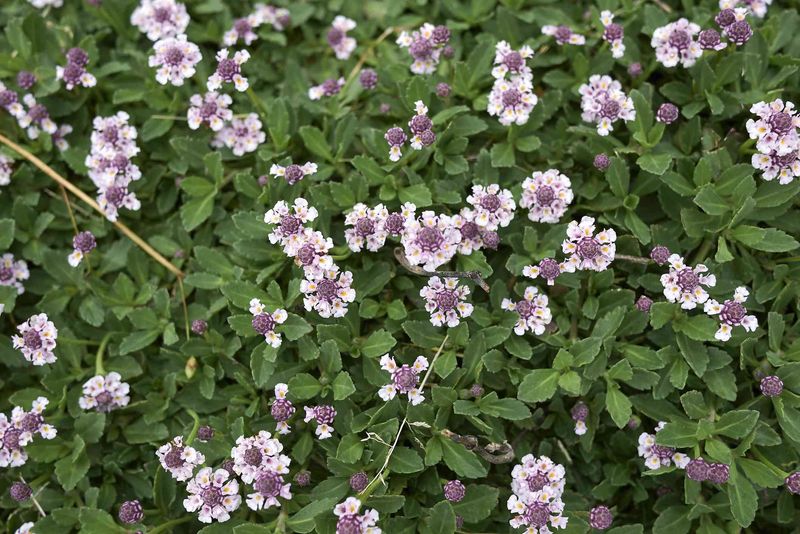
Frogfruit has a silly name, but butterflies take it very seriously. This tough little plant is a favorite host for several butterflies, including the phaon crescent and the common buckeye.
Nobody knows for sure where the name came from. Some say frogs hang out in the damp places where it grows. Others think the tiny flower heads look like little fruits. Either way, it makes a great garden story.
Frogfruit forms a dense, low mat that spreads quickly. The leaves are small and slightly toothed. From spring through fall, it is covered in tiny white flowers with a pink or purple center.
Each flower head looks like a little button. Bees, butterflies, and other pollinators visit them all day. A patch of frogfruit can buzz with life in summer.
In mild winters, frogfruit usually stays green. During a hard freeze, it may turn brown for a while. Don’t panic, because it grows back from its roots once warm weather returns.
This plant is not picky at all. It handles sun or part shade, wet soil or dry soil, and even salty coastal ground. It can take some foot traffic too.
Use it to cover a sunny slope, line a path, or replace a patchy lawn area. It can also fill spaces between flagstones. Mow it now and then if you want a flatter look.
Because it spreads fast, give it room or edge it with stone. Water new plants until roots form. After that, frogfruit pretty much runs itself while feeding the local wildlife.
7. Horseherb
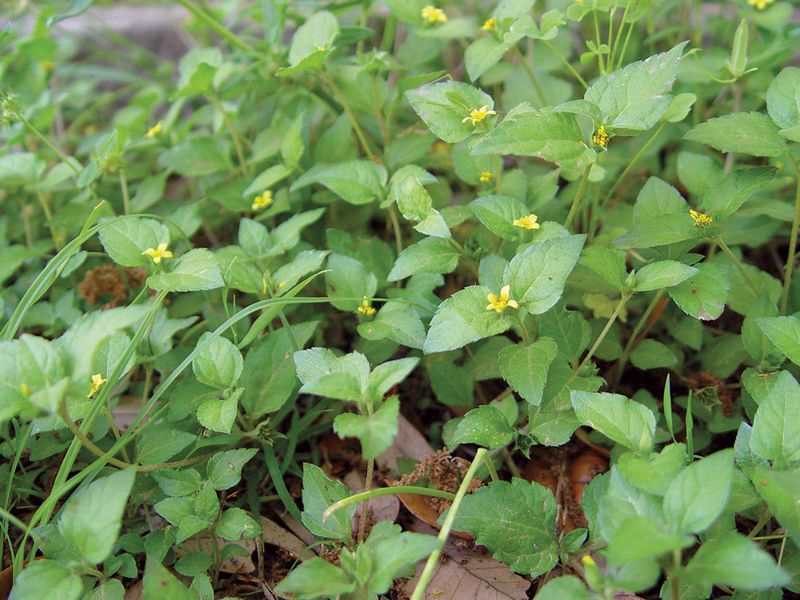
Plenty of Texans have pulled horseherb from their lawns, thinking it was a weed. Then they noticed it was the only green thing left under the trees. Many changed their minds and decided to keep it.
Horseherb, sometimes called straggler daisy, is a fast-spreading native groundcover. It has small, fuzzy green leaves and tiny yellow flowers. The blooms look like mini daisies and pop up much of the year.
Shade is where it truly thrives. It fills the dim spaces under oaks and pecans where St. Augustine struggles. It also grows in sunny areas, though it may look a bit thinner there.
Here is the bonus. It handles light foot traffic, so kids and pets can play on it. It also takes mowing well, which keeps it low and tidy.
In Central and South Texas, horseherb stays green through much of the winter. After a hard freeze, it may brown and go quiet. Come spring, it returns with fresh leaves, often faster than you expect.
Once settled, it needs little water. It handles drought, heat, and poor soil. Small butterflies and bees visit the flowers, adding life to your yard.
Getting started is easy. Many people simply let it grow where it already appears. You can also plant plugs about a foot apart in spring.
Since it spreads quickly, keep it away from flower beds unless you want it there. A simple edging strip helps. For a speedy, budget-friendly way to cover bare shade, horseherb is a smart and friendly pick.